
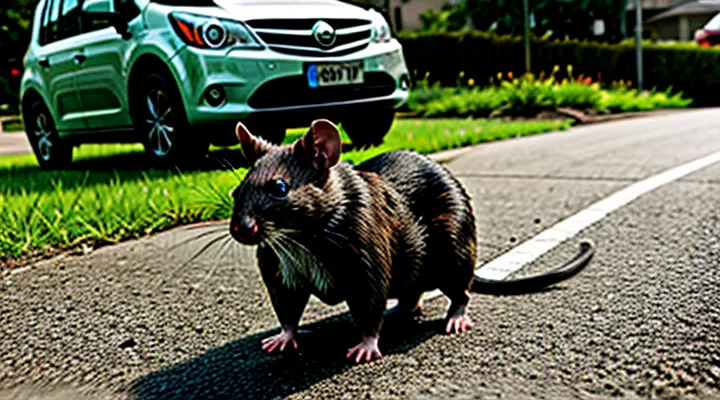
Understanding the Rat Problem
Why Rats Are Attracted to Cars
Food Sources
Rats are drawn to cars parked in yards primarily because of accessible food remnants. Uneaten snacks, pet kibble, and spilled groceries create a persistent scent trail that encourages rodents to investigate and eventually nest near the vehicle.
- Remove all food waste from the vehicle interior before parking. Dispose of crumbs, wrappers, and leftover meals in sealed containers.
- Store pet food in airtight bins and keep feeding stations away from the car’s vicinity.
- Clean the ground beneath the car regularly; sweep away fallen fruit, nuts, or birdseed that may accumulate after wind or rain.
- Avoid leaving open trash cans or compost piles close to the parking spot. Use bins with tight‑fitting lids and empty them daily.
- Inspect the engine compartment for discarded bait or food particles after each trip; a quick wipe with a damp cloth eliminates lingering odors.
Eliminating these attractants reduces the likelihood that rats will approach the vehicle, thereby lowering the risk of gnawing on wiring or insulation. Consistent housekeeping around the car creates an environment that offers no nutritional incentive for rodent activity.
Shelter and Warmth
Rats are attracted to cars parked in open spaces because the engine compartment and interior provide a protected, warm environment, especially during cooler months. The metal chassis retains heat after the vehicle has been used, and any residual warmth from the exhaust system creates a micro‑climate that appeals to rodents seeking refuge from low temperatures. When a car sits idle, the insulated cabin and surrounding debris—such as leaves, mulch, or stored items—offer additional shelter, allowing rats to establish nests close to a reliable heat source.
To eliminate the shelter and warmth that draw rodents to a parked vehicle, apply the following measures:
- Park the car on a clean, level surface; remove leaf piles, grass clippings, and other organic material that could serve as bedding.
- Seal gaps in the wheel wells, undercarriage, and engine bay with steel wool or copper mesh to block entry points.
- Install a breathable, weather‑resistant cover that fits tightly over the vehicle, reducing temperature retention and limiting access.
- Run the engine for a short period each week to disperse accumulated heat and discourage nesting.
- Place scent‑based deterrents—such as peppermint oil or predator urine—around the car’s perimeter, focusing on low‑lying areas where rats might hide.
By denying rats a warm, concealed space, the vehicle becomes an unattractive option, reducing the likelihood of infestation. Continuous maintenance of the surrounding yard and regular inspection of the car’s exterior are essential to sustain this protective effect.
Easy Access
Rats reach a vehicle when entry points are unobstructed. Loose panels, open trunks, and gaps around wiring provide pathways that rodents exploit. Eliminating these routes removes the primary incentive for infestation.
- Inspect the car’s undercarriage and seal any openings with metal mesh or silicone caulk.
- Fit a tight‑closing trunk latch or install a lockable cover.
- Route cables and hoses away from exposed seams; use conduit to protect them.
- Store the car in a garage or under a solid shelter whenever possible.
- Keep the surrounding yard free of debris, tall grass, and food sources that attract rodents.
A systematic reduction of easy access points forces rats to seek alternative habitats, thereby protecting the vehicle from gnawing damage and contamination.
Signs of Rat Infestation
Droppings and Urine
Rats leave droppings and urine wherever they travel, and these residues create a scent trail that encourages further activity around parked vehicles. The waste contains proteins and pheromones that signal a safe foraging zone, making the car and surrounding yard attractive to additional rodents.
Identifying the problem
- Dark, pellet‑shaped feces near the engine compartment, under the hood, or in the wheel wells.
- Wet, yellowish stains on metal or plastic surfaces, often accompanied by a strong, ammonia‑like odor.
- Accumulation of droppings in the engine bay can corrode wiring, brake lines, and fuel lines.
Health and safety risks
- Pathogens such as Hantavirus and leptospirosis survive in rat excreta and can aerosolize when disturbed.
- Urine accelerates rust on metal parts, compromising structural integrity.
- Contamination of interior upholstery and carpets may require professional cleaning.
Preventive actions
- Remove all visible droppings and urine promptly using disposable gloves, a sealable bag, and a disinfectant approved for metal surfaces.
- Apply an enzymatic cleaner to break down residual proteins that attract rodents.
- Inspect and seal gaps around the engine bay, firewall, and undercarriage with steel wool or metal mesh to block entry points.
- Place non‑toxic rodent deterrent granules or spray around the vehicle’s perimeter, focusing on areas where waste was found.
- Schedule regular inspections—monthly during warm months, quarterly in colder periods—to catch new deposits before they establish a scent trail.
By eliminating droppings and urine and disrupting the chemical signals they emit, the environment around the automobile becomes inhospitable to rats, reducing the likelihood of infestation.
Gnaw Marks
Rats leave distinctive gnaw marks on wiring, hoses, and interior trim of vehicles parked in the yard. The bite pattern consists of shallow, crescent‑shaped cuts that expose the underlying material and often reveal fresh saliva stains. Recognizing these signs early prevents electrical failures, fuel leaks, and costly repairs.
Inspect the car weekly, focusing on:
- Battery terminals and cables
- Fuel lines and hoses
- Brake and clutch hydraulics
- Plastic panels and upholstery seams
- Undercarriage and wheel wells
When gnaw marks appear, take immediate action. Remove any chewed fragments, clean the area with an alcohol‑based sanitizer, and apply a rodent‑resistant coating such as petroleum‑based spray or silicone sealant. Replace severely damaged components to restore safety and functionality.
Prevent further damage by eliminating the attractants that draw rodents to the vehicle. Store the car on a raised platform, use metal or reinforced plastic covers, and place natural repellents (e.g., peppermint oil pads) near vulnerable points. Regularly clear debris, birdseed, and compost that provide food sources within the yard.
Maintain a schedule of inspections and repairs. Document each finding and the corrective measure applied. Consistent monitoring reduces the likelihood of recurring gnaw marks and safeguards the vehicle against rodent infestation.
Nests and Materials
Rats seek shelter inside vehicles when the yard provides warm, protected spaces. Their nests consist of soft, insulating substances that retain heat and conceal their presence.
- shredded paper, cardboard, tissue
- dried plant fibers, leaves, grass clippings
- fabric scraps, old clothing, insulation remnants
- nesting material from other animals (e.g., squirrel fluff)
These items accumulate in engine bays, under seats, and within trunk compartments. Presence of such materials signals a suitable environment for rodent habitation.
To eliminate existing nests, remove all debris from the vehicle interior and engine compartment. Vacuum upholstery, clean floor mats, and wipe down surfaces with a detergent solution. Replace damaged wiring and insulation promptly, as gnawed components attract further activity.
Preventive measures focus on denying access to nesting resources:
- Store the car on a metal rack or elevate it to restrict entry points.
- Seal gaps around doors, windows, and the undercarriage with steel wool or silicone caulk.
- Keep the yard clear of leaf piles, mulch, and discarded packaging near the vehicle.
- Place sealed containers for pet food and refuse away from the car.
- Apply rodent‑deterrent spray or ultrasonic devices to the engine compartment regularly.
Consistent removal of nesting materials and strict control of the surrounding environment reduce the likelihood of rats establishing a nest inside a car parked in the yard.
Strange Odors
Rats often investigate vehicles left in a yard because waste, food residue, or spilled liquids produce odors that signal a food source. Identifying and controlling these smells reduces the likelihood that rodents will approach the car.
- Attractive odors: fermenting fruit, discarded pet food, grease stains, and damp insulation emit volatile compounds that draw rats.
- Repellent odors: ammonia, peppermint oil, eucalyptus, and citronella release strong scents that rats find unpleasant.
To keep the car environment unattractive, remove any source of decay, wipe down surfaces with a mild detergent, and dry any wet areas promptly. Apply a thin layer of peppermint or eucalyptus oil to the vehicle’s exterior trim, avoiding contact with paint. Place a small container of diluted ammonia in the vicinity, ensuring it does not spill onto the car. Regularly inspect the yard for food scraps or organic debris and eliminate them before they generate odor.
Consistent odor management, combined with physical barriers such as sealed engine bays and wheel well covers, creates an environment where rats find no olfactory cues worth pursuing, thereby protecting the vehicle from infestation.
Preventive Measures and Deterrents
Yard Maintenance
Eliminating Food Sources
Eliminating accessible food removes the primary attraction that draws rats to a vehicle parked in a yard. When no edible material is present, rodents lose the incentive to explore the interior and surrounding area.
- Store pet food in airtight containers; discard leftovers immediately.
- Keep trash cans sealed with tight‑fitting lids; empty them daily.
- Remove bird feeders or place them far from the car, and clean up spilled seed.
- Collect fallen fruit, nuts, and garden debris that may provide a food source.
- Store camping gear, snacks, and other consumables in metal or heavy‑duty plastic containers with secure closures.
Regularly sweep the parking spot and inspect the vehicle for crumbs or residue. Wipe down the interior after trips, especially if food was transported. By maintaining a clean environment and denying rats any nutritional benefit, the likelihood of infestation drops dramatically.
Trimming Vegetation
Keeping the area around a parked vehicle free of dense foliage reduces shelter and food sources that attract rats. Untrimmed bushes, tall grasses, and groundcover create a protected corridor for rodents to approach the car, nest, and gnaw wiring or upholstery.
- Cut back all vegetation within a three‑meter radius of the vehicle.
- Remove any weeds or grass clippings that accumulate under the car.
- Prune low‑hanging branches so they do not touch the vehicle’s roof or doors.
- Dispose of trimmed material away from the yard; do not leave piles that could serve as nesting sites.
- Maintain a regular schedule, trimming at least once a month during the active season.
A clear perimeter eliminates hiding places, forces rats to travel in exposed areas, and makes the car less inviting. Consistent vegetation management, combined with other preventive measures, creates an environment where rodents are unlikely to linger near the vehicle.
Securing Trash Bins
Rats are drawn to food remnants left in yard trash containers, and easy access to these bins often leads them to explore nearby vehicles. Securing trash bins eliminates the primary food source and reduces the likelihood that rodents will approach the car.
- Choose bins with tight‑closing, lockable lids; verify that seals remain intact after each use.
- Position containers at least three feet away from the vehicle to create a physical barrier.
- Elevate bins on a sturdy platform or stand to prevent rats from climbing directly into them.
- Empty and clean bins daily; remove residue, wash interiors with hot water, and dry thoroughly.
- Use bins made of metal or heavy‑wall plastic that rats cannot gnaw through easily.
- Avoid overfilling; excess waste spills onto the ground, providing additional attractants.
- Cover the surrounding area with gravel or metal mesh to deter burrowing.
Implementing these measures removes food cues, restricts entry points, and creates an environment where rodents find no incentive to investigate the car area. The result is a reduced risk of gnaw damage to wiring, upholstery, and other vehicle components.
Car Modifications and Protection
Blocking Entry Points
Rats gain access to a vehicle by exploiting any opening that connects the yard environment with the car’s interior. Sealing those openings removes the primary incentive for rodents to enter.
Typical entry points include:
- Gaps beneath the chassis where the suspension allows movement
- Unlatched or cracked trunk lids and hatchback doors
- Unprotected ventilation ducts and air intake grilles
- Loose wiring harnesses that pass through the firewall
- Damaged door seals and weatherstripping
Effective blocking strategies:
- Install a solid metal or heavy‑duty plastic shield under the vehicle, extending from the front axle to the rear bumper, to eliminate under‑car gaps.
- Fit a tight‑closing, lockable trunk cover that overlaps the lid by at least two inches on all sides.
- Replace standard ventilation grilles with fine stainless‑steel mesh that permits airflow but prevents rodent entry.
- Route all wiring through sealed conduit sleeves, securing each sleeve with silicone caulk.
- Apply a continuous bead of automotive‑grade silicone sealant to any cracked or worn door seals, ensuring a uniform barrier.
Regular inspection is required. Check seals and mesh for wear after each season, reapply caulk where cracks reappear, and verify that shields remain firmly attached. Prompt repair of any breach maintains a rat‑free environment around the car.
Ultrasonic Deterrents
Ultrasonic deterrents emit high‑frequency sound waves that rodents find uncomfortable. The devices generate frequencies above 20 kHz, which are inaudible to humans but can cause stress and disorientation in rats, prompting them to leave the area.
Key considerations for effective use around a vehicle stored outdoors:
- Placement: Position the unit at least 12 inches from the car’s body, ideally under the chassis, near wheel wells, and close to any entry points such as gaps in the undercarriage. Multiple devices may be required for larger yards.
- Power source: Choose models with sealed, weather‑proof batteries or solar panels for continuous operation without frequent maintenance. Plug‑in units need a protected outdoor outlet with a ground‑fault circuit interrupter.
- Coverage radius: Verify the manufacturer’s specified range (typically 20–30 feet). Overlap zones when using several units to eliminate blind spots.
- Frequency diversity: Devices that cycle through several ultrasonic frequencies reduce the chance of habituation, increasing long‑term efficacy.
- Safety: Ensure the unit does not emit audible tones that could affect pets or nearby occupants. Look for certifications indicating compliance with electromagnetic safety standards.
Limitations to acknowledge:
- Ultrasonic sound attenuates rapidly through dense materials; metal chassis and insulation can block the waves, leaving hidden compartments unprotected.
- Some rat populations may adapt after prolonged exposure, diminishing the deterrent effect.
- The technology does not address food sources or shelter; eliminating attractants and sealing entry points remain essential components of a comprehensive control strategy.
Maintenance steps:
- Inspect the device monthly for debris, corrosion, or physical damage.
- Replace batteries or clean solar panels according to the manufacturer’s schedule.
- Test functionality with a handheld ultrasonic detector or by observing rodent activity.
When combined with proper sanitation, structural sealing, and, if necessary, trapping, ultrasonic deterrents provide a non‑chemical, low‑maintenance option for keeping rodents away from vehicles stored in outdoor environments.
Repellent Sprays and Substances
Effective protection of a vehicle parked in an outdoor area requires the use of repellents that discourage rodents from approaching the chassis, engine compartment, and interior. Repellent sprays and substances create an environment that rodents find hostile, reducing the likelihood of nesting, gnawing, and damage.
Common chemical repellents
- Peppermint‑oil formulations: concentrated oil or diluted spray applied to wiring, hoses, and undercarriage.
- Ammonia or bleach mixtures: volatile fumes deter rodents; apply to cloth pads placed in the engine bay.
- Predator‑urine sprays: commercially prepared fox or coyote urine creates a scent of danger.
- Capsaicin‑based aerosols: capsaicin (the active component of chili peppers) irritates rodent sensory receptors.
Natural and low‑toxicity options
- Essential‑oil blends containing eucalyptus, citronella, or clove oil.
- Vinegar‑water spray: strong acetic odor repels rodents without harming vehicle components.
- Garlic‑derived extracts: applied to metal surfaces, the pungent scent discourages gnawing.
Application guidelines
- Clean the target area to remove debris and grease before spraying.
- Apply the chosen repellent to exposed wiring, fuel lines, and any gaps where rodents could enter.
- Reapply according to product instructions—typically every 2–4 weeks, or after heavy rain.
- Use protective gloves and ensure adequate ventilation when handling chemical formulations.
- Store unused repellent in a sealed container away from direct sunlight to preserve potency.
Limitations and complementary measures
- Repellents do not provide a permanent barrier; regular inspection of cables and hoses remains essential.
- Strong odors may diminish over time; consistent reapplication maintains effectiveness.
- Combining repellents with physical deterrents—such as mesh screens, steel wool, or ultrasonic devices—enhances overall protection.
Selecting an appropriate spray, following precise application procedures, and integrating additional safeguards form a comprehensive strategy for keeping rodents away from a car stored in a yard.
Natural and Chemical Repellents
Peppermint Oil and Other Scents
Rats frequently seek shelter in vehicles stored outdoors, where they can gnaw wiring and cause costly damage. Aromatic deterrents exploit rodents’ acute sense of smell, creating an environment they avoid.
Peppermint oil is among the most effective volatile compounds for this purpose. Its strong menthol scent overwhelms the olfactory receptors rats rely on for locating food and nesting sites. Apply a few drops to cotton balls or small fabric pads and place them near wheel wells, under the hood, and around the interior door frames. Replace the material every three to five days, as the fragrance dissipates with exposure to heat and airflow.
Additional scents that repel rodents include eucalyptus, clove, and citronella. Each contains essential oils with compounds that irritate the nasal passages of rats. Prepare a mixture of equal parts of these oils in a spray bottle, add a modest amount of water, and mist the exterior and interior of the car’s undercarriage. Reapply weekly, or after heavy rain, to maintain potency.
Practical steps for scent deployment:
- Distribute saturated cotton pads in concealed compartments (e.g., glove box, trunk).
- Attach small sachets of dried herbs (e.g., mint leaves, rosemary) to the vehicle’s chassis.
- Use reusable silicone containers with drip-free dispensers for continuous oil release.
- Inspect and refresh all scent sources before the onset of colder weather, when rodents become more active.
Safety considerations include avoiding direct contact with eyes and skin, storing oils in sealed containers, and ensuring that no residue interferes with vehicle components. Regularly monitor the effectiveness of the aromatic barrier and combine it with physical precautions, such as sealing entry points, for comprehensive protection.
Mothballs and Ammonia
Mothballs release naphthalene vapors that rats find intolerable. Place a small, sealed container of mothballs beneath the vehicle’s chassis, ensuring the chemicals do not contact the interior. Replace the supply every two weeks to maintain effective concentration. Avoid direct contact with fuel lines or electrical components, as naphthalene can degrade certain plastics.
Ammonia emits a pungent odor that rats avoid. Soak cotton balls in undiluted household ammonia and distribute them in the engine compartment, under the seats, and near the exhaust pipe. Replace the cotton balls every three days, especially in warm weather when the scent dissipates quickly. Seal the car doors and windows to prevent ammonia fumes from escaping into the yard, protecting pets and humans from irritation.
Safety considerations
- Use gloves when handling mothballs or ammonia; both substances can irritate skin and respiratory passages.
- Store mothballs in airtight containers away from children and pets.
- Ensure adequate ventilation when applying ammonia; avoid prolonged exposure in enclosed spaces.
- Do not combine mothballs with open flames or sparks, as naphthalene vapors are flammable.
Advantages and limitations
- Mothballs provide long‑lasting deterrence with minimal maintenance but pose toxicity risks if misused.
- Ammonia offers rapid, strong odor that repels rodents quickly; however, the scent fades faster and requires frequent replacement.
- Neither method guarantees complete protection; integrating physical barriers, such as steel wheel covers and sealed entry points, enhances overall effectiveness.
Commercial Rodent Repellents
Commercial rodent repellents provide a practical alternative to DIY methods when protecting a vehicle parked outdoors. These products are formulated to create an environment that rodents find hostile, reducing the likelihood of gnawing damage to wiring, insulation, and upholstery.
Typical categories include:
- Ultrasonic emitters – emit high‑frequency sound waves that irritate rats without affecting humans or pets.
- Chemical deterrents – sprays, granules, or powders containing natural compounds such as peppermint oil, capsicum extract, or synthetic repellents approved by regulatory agencies.
- Rodent‑repellent tapes – adhesive strips infused with bitter substances that discourage chewing.
- Bait stations with repellents – combine attractant and non‑lethal deterrent to lure rodents away from the vehicle.
When selecting a commercial solution, evaluate the following criteria:
- Active ingredient safety – must be non‑toxic to humans, pets, and beneficial wildlife.
- Coverage radius – ensure the product can protect the perimeter around the car, typically 10–30 ft depending on formulation.
- Durability – resistance to weather, UV exposure, and rain extends effective lifespan.
- Regulatory compliance – EPA registration or equivalent certification confirms tested efficacy.
- Ease of application – products that require minimal setup reduce labor and error.
Correct deployment maximizes results. Position ultrasonic units on the ground near the vehicle’s front and rear axles, ensuring line‑of‑sight to the surrounding area. Apply chemical sprays or granules along the vehicle’s underside, wheel wells, and any shelter structures. Attach repellent tapes to exposed wiring harnesses and plastic components. For bait stations, place them at least 15 ft from the car to draw rodents away from the target zone.
Effectiveness depends on consistent monitoring. Inspect the vehicle weekly for gnaw marks or droppings, replace depleted devices, and rotate product locations every 30–60 days to prevent habituation. Combining commercial repellents with basic sanitation—removing food sources, sealing trash containers, and trimming vegetation—creates a comprehensive barrier against rodent intrusion.
Dealing with Existing Infestations
Trapping Methods
Snap Traps
Snap traps provide a rapid, mechanical solution for preventing rodents from chewing wiring and insulation in parked vehicles. The device exerts a sudden force that kills the animal instantly, eliminating the need for chemical agents that could contaminate the car interior.
Choose traps made of hardened steel with a trigger sensitivity calibrated for small mammals. Models featuring a clear plastic base allow visual inspection of captures, reducing the time needed to check each device.
Effective placement follows a pattern of proximity and obstruction avoidance:
- Position traps near known entry points such as gaps under the vehicle, drainage holes, or beneath the chassis.
- Place traps along established runways, typically along walls, fences, or the edge of the yard where rats travel.
- Keep traps at least six inches away from pet activity zones and human traffic paths.
Bait selection influences capture rates. Preferred attractants include:
- Small pieces of dried fruit or nuts.
- Peanut butter applied to a cotton swab.
- Commercial rodent lures containing grain and cheese aromas.
Safety measures protect users and non‑target species:
- Wear thick gloves when handling traps to prevent accidental activation.
- Secure traps inside a rigid container when transporting them for disposal.
- Use trap covers or lockable enclosures if pets or children are present in the yard.
Monitoring and maintenance ensure continued effectiveness. Inspect traps daily; remove and dispose of dead rodents according to local regulations. Reset the trigger mechanism after each capture and replace bait every 24‑48 hours to maintain scent potency. Replace worn springs or broken jaws promptly to preserve lethal force.
When applied systematically, snap traps reduce the likelihood of rodents accessing a vehicle, safeguarding electrical components and upholstery without introducing poisons into the environment.
Live Traps
Live traps provide a humane method for removing rats that threaten a parked vehicle in a residential yard. The device consists of a cage with a one‑way door; bait placed inside lures the rodent, and the door closes once the animal enters. This approach eliminates the need for poisons, reduces the risk of contaminating the car’s undercarriage, and allows for safe relocation of captured specimens.
Effective use of live traps requires strategic placement, regular monitoring, and proper handling of captured rats. Position traps along known travel routes, such as near garden edges, beneath the vehicle, or adjacent to debris piles. Secure the trap to the ground to prevent displacement by wind or other animals. Check traps at least twice daily; prolonged confinement can cause stress or injury to the animal. When a rat is caught, wear thick gloves, cover the cage, and transport the animal at least ten miles from the property before release in a suitable natural habitat.
Key considerations for successful deployment:
- Choose bait with strong odor (peanut butter, dried fruit, or meat scraps).
- Use traps sized for adult rats (minimum 12 × 12 × 12 in).
- Set traps in the evening; rodents are most active at night.
- Maintain cleanliness; remove dead insects or spilled food that could deter captures.
- Record capture locations to identify high‑activity zones for additional traps.
By following these practices, live traps become an integral component of a broader rodent‑prevention strategy, protecting the vehicle while adhering to humane pest‑control standards.
Electronic Traps
Electronic traps provide a rapid, low‑maintenance solution for preventing rodents from entering vehicles parked outdoors. The devices deliver a high‑voltage shock to any animal that contacts the detection plate, causing immediate incapacitation and death without the need for poisons or manual handling.
Operation relies on a sensor circuit that senses the presence of a conductive body. When the animal steps onto the plate, the circuit closes and releases a brief, lethal pulse. The shock is confined to the trap surface, minimizing risk to nearby objects.
Key benefits include:
- Immediate results, eliminating the need for repeated checks.
- No residue or carcass disposal inside the car.
- Compatibility with battery or mains power, allowing placement away from outlets.
- Weather‑sealed housings that function in rain, snow, and extreme temperatures.
When choosing a unit, evaluate the following specifications:
- Voltage output (typically 5,000–12,000 V) sufficient to ensure lethality.
- Detection area size, matching the space around the vehicle.
- Power source options (rechargeable battery, solar panel, AC adapter).
- Ingress protection rating (IP65 or higher) for outdoor durability.
- Built‑in safety lock or indicator light to confirm activation.
Installation steps:
- Position the trap directly beneath the vehicle’s wheel well or along the path the rodent would use to reach the engine compartment.
- Secure the base with stakes or concrete anchors to prevent displacement.
- Connect the power source, ensuring cables are routed away from high‑traffic zones.
- Test the unit according to the manufacturer’s instructions before leaving the area unattended.
Safety precautions require keeping the device out of reach of children, pets, and non‑target wildlife. Use insulated connectors, verify that the grounding system is intact, and follow all labeling warnings.
Routine maintenance consists of inspecting the detection plate for debris, cleaning the surface with a damp cloth, and replacing batteries or checking the solar panel output at least once per month. Record any malfunction and replace faulty units promptly.
Electronic traps work most effectively when paired with complementary measures: seal gaps in the vehicle’s undercarriage, remove food sources, and eliminate nearby vegetation that offers shelter. This integrated approach maximizes protection for cars stored in yard environments.
Professional Pest Control
When to Call an Expert
Rats can cause costly damage to a vehicle parked outdoors; recognizing when personal efforts are insufficient prevents escalation.
Typical indicators that professional assistance is required include:
- Continuous gnaw marks on wiring, hoses, or upholstery despite traps or repellents.
- Large quantities of droppings or urine stains in the engine compartment or surrounding area.
- Visible nests made of shredded material, insulation, or fabric near the car.
- Repeated sightings of live rodents after multiple DIY interventions.
- Evidence of chewing on brake lines, fuel hoses, or electrical connectors.
Ignoring these signs often leads to electrical failures, fuel leaks, and compromised safety systems, which increase repair costs and pose fire hazards.
When contacting a pest‑control specialist, verify licensing, request a written inspection report, and confirm that the provider uses rodent‑specific treatments compatible with automotive components.
Prompt professional action limits damage, restores vehicle reliability, and eliminates the health risks associated with rodent infestations.
Services Offered
Professional pest‑control firms provide a complete suite of measures designed to keep rodents away from parked vehicles. The first step is a thorough site assessment that identifies entry points, nesting sites, and food sources around the car. Inspectors document gaps in foundations, utility lines, and ventilation openings, then recommend targeted sealing solutions such as steel mesh, caulk, or metal flashing.
After the inspection, technicians apply exclusion techniques. They install rodent‑proof barriers on wheel wells, undercarriage panels, and exhaust systems, using materials resistant to gnawing. In addition, they place tamper‑resistant bait stations at strategic locations to reduce the attraction of food waste.
Habitat‑modification services reduce the overall appeal of the yard for rats. Providers clear debris, trim vegetation, and relocate compost piles to eliminate shelter and sustenance. They also offer landscaping advice that discourages burrowing, such as planting low‑maintenance ground cover with minimal root systems.
For continuous protection, many companies supply electronic deterrents. Ultrasonic emitters and vibration devices are mounted near the vehicle, delivering frequencies that rodents find uncomfortable. These devices are calibrated to operate continuously and are covered by warranty agreements.
Trapping programs complement exclusion efforts. Professionals deploy live‑capture traps and snap traps in identified activity zones, monitor them daily, and dispose of captured animals according to local regulations. Trapping schedules are adjusted based on seasonal rodent population trends.
Clients can enroll in maintenance contracts that include quarterly inspections, barrier repairs, and replenishment of bait stations. Emergency response options are available for sudden infestations, providing rapid deployment of intensive control measures within 24 hours.
Key services offered:
- Site inspection and risk assessment
- Structural sealing and exclusion installation
- Bait station placement and monitoring
- Habitat modification and landscaping guidance
- Ultrasonic and vibration deterrent systems
- Trapping and removal program
- Scheduled maintenance contracts
- Emergency infestation response
These integrated services create a multi‑layered defense, ensuring that vehicles remain free from rodent damage throughout the year.