
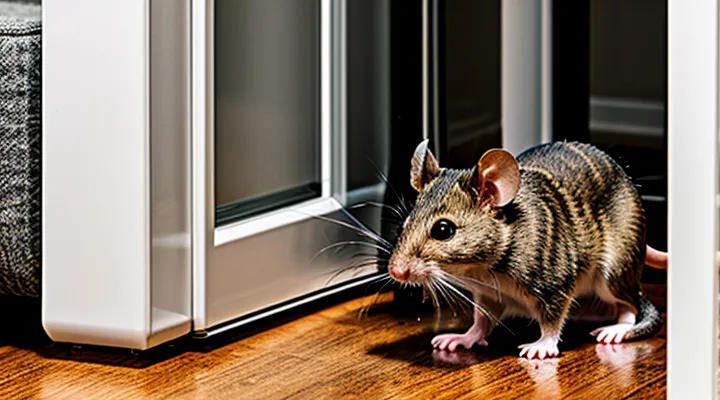
Understanding the Threat: Why Mice Are a Problem
Health Risks Associated with Mice
Mice introduce a range of pathogens that can compromise human health. Direct contact with rodent saliva, urine, or feces transfers bacteria such as Salmonella and Streptococcus, leading to gastrointestinal infections marked by vomiting, diarrhea, and abdominal cramps. Inhalation of aerosolized particles from dried droppings releases hantavirus, which may cause severe respiratory illness characterized by fever, muscle aches, and pulmonary edema. Contact with rodent urine can spread leptospirosis, presenting with fever, headache, and, in severe cases, kidney or liver failure. Lymphocytic choriomeningitis virus, carried by mice, may cause meningitis, encephalitis, or flu‑like symptoms.
Allergic reactions and asthma exacerbations often result from mouse allergens present in dander and urine proteins. Exposure increases airway inflammation, leading to wheezing, coughing, and reduced lung function. Rodent bites introduce skin flora into puncture wounds, creating a risk of cellulitis and, if untreated, systemic infection.
Key health hazards associated with mice:
- Gastrointestinal bacterial infections (Salmonella, Streptococcus)
- Hantavirus pulmonary syndrome
- Leptospirosis
- Lymphocytic choriomeningitis virus
- Allergic sensitization and asthma aggravation
- Bite‑related bacterial skin infections
Contamination of food stores and preparation surfaces accelerates bacterial growth, raising the likelihood of foodborne illness. Persistent exposure to droppings and urine can degrade indoor air quality, increasing respiratory irritation and infection risk. Prompt identification and elimination of mouse activity are essential to mitigate these health threats.
Property Damage Caused by Rodents
Rodent activity frequently results in structural and material deterioration that compromises the safety and habitability of a dwelling. Chewed electrical wiring creates short‑circuit hazards, while gnawed insulation reduces thermal efficiency and increases heating costs. Burrowing in walls and floors weakens support structures, leading to sagging ceilings or warped flooring panels.
Evidence of damage provides reliable indicators of infestation:
- Frayed or exposed wires near baseboards or behind appliances.
- Tattered insulation, especially near entry points or vent openings.
- Small holes or tunnels in drywall, plaster, or wooden joists.
- Stained or shredded fabric in closets, upholstery, and curtains.
- Accumulated droppings near food storage areas, often accompanied by a distinct odor.
Each form of damage carries specific risks. Electrical impairment may trigger fires, while compromised insulation accelerates moisture intrusion, fostering mold growth. Structural breaches allow additional pests to enter, exacerbating the problem and inflating repair expenses.
Prompt assessment of these signs enables targeted inspection methods, such as visual surveys, infrared scanning for hidden wiring damage, and moisture meters for concealed leaks. Early detection reduces the likelihood of extensive repairs and safeguards the integrity of the apartment.
Early Warning Signs: Visual and Auditory Clues
Droppings: The Most Obvious Indicator
Location and Appearance of Mouse Droppings
Mouse droppings provide the most immediate visual evidence of a rodent presence. Fresh pellets are about 1/8 to 1/4 inch long, dark brown to black, and have a pointed tip. Older droppings become lighter in color, may crumble, and develop a dry, powdery texture. Their shape remains cylindrical, often with a slightly tapered end, and they contain a small amount of urine that can leave a faint odor.
Typical sites where droppings accumulate include:
- Along baseboards, especially near walls that meet the floor.
- Inside cabinets, pantry shelves, and behind appliances such as refrigerators and stoves.
- Near food storage containers, cereal boxes, and open packages.
- In crawl spaces, under sinks, and around plumbing fixtures.
- Inside droppings clusters on top of insulation, in ceiling tiles, or within wall cavities that are accessible from vents.
The concentration of pellets often forms a line or trail, indicating the direction of mouse movement. Multiple droppings found in a single area suggest frequent traffic, while isolated pellets may signal occasional foraging. Identifying both the physical characteristics and the strategic locations of droppings allows for a rapid assessment of infestation severity and guides targeted control measures.
Distinguishing Mouse Droppings from Other Pests
Mouse feces differ noticeably from the waste of other common apartment pests. Recognizing these distinctions accelerates identification and guides appropriate control measures.
Typical mouse droppings are small, about ¼‑inch long, cylindrical, and have pointed ends. The exterior appears smooth, often dark brown to black, and the interior may show a faint yellowish tint when examined closely. They are frequently found along walls, behind appliances, in cabinets, or near food sources, and may be accompanied by a faint, musky odor.
In contrast, rat droppings are larger—about ½‑inch long—and more blunt‑ended. Their color ranges from dark brown to black, but they tend to be thicker and may contain visible undigested food particles. Rat waste is commonly located in basements, crawl spaces, or near garbage containers.
Cockroach feces are much smaller, resembling pepper grains or black specks about the size of a grain of sand. They lack the cylindrical shape of rodent droppings and are usually scattered near food debris, drains, or humid areas. The odor associated with cockroach droppings is often described as a slightly sweet, musty smell.
Bed bug excrement appears as tiny, dark spots resembling ink stains on mattress seams, bedding, or furniture. These spots are flat, not cylindrical, and are usually found in clusters near hiding places.
Key identification points:
- Length: mouse ≈ ¼ in; rat ≈ ½ in; cockroach ≈ ¼ mm; bed bug ≈ tiny specks.
- Shape: mouse cylindrical with pointed ends; rat blunter; insects flat or granular.
- Color: mouse dark brown/black; rat similar but larger; cockroach black grains; bed bug dark spots.
- Location: mouse walls, cabinets; rat basements, garbage; cockroach kitchens, drains; bed bug bedding, furniture.
- Odor: mouse musky; rat stronger, pungent; cockroach sweet‑musty; bed bug often negligible.
By comparing size, morphology, coloration, typical placement, and scent, one can reliably separate mouse droppings from those of other vermin, enabling targeted inspection and remediation.
Gnaw Marks: Evidence of Rodent Activity
Common Areas for Gnaw Marks
Mice leave distinctive gnaw marks that reveal their presence in a dwelling. Recognizing the typical locations of these marks speeds up the identification process and guides targeted control measures.
- Baseboards where wiring, plastic, or wood meets the wall.
- Cabinet doors and pantry shelves, especially near stored food.
- Electrical cords and appliance cables, which provide easy chewing material.
- Furniture legs, especially wooden or plastic legs that touch the floor.
- Window frames and screen edges, where mice can enter and gnaw to enlarge openings.
- Behind appliances such as refrigerators and stoves, where heat and shelter attract rodents.
- Bathroom fixtures, including towel racks and vanity trims, which are often made of soft wood or plastic.
- Trash cans and recycling bins, particularly those with thin lids or plastic handles.
Inspect each area for shallow, crescent-shaped bite marks, frayed edges, or exposed fibers. Document findings and prioritize treatment in zones with the highest concentration of damage. This systematic approach isolates infestation hotspots and informs effective remediation.
Characteristics of Mouse Gnawing
Mice gnaw continuously to keep their incisors from overgrowing. The resulting bite marks reveal several consistent traits that help confirm their presence in a dwelling.
- Uniform width: Holes are typically ¼‑½ inch (6‑12 mm) across, regardless of the material being chewed.
- Clean edges: Teeth create smooth, beveled margins rather than splintered or jagged cuts.
- Irregular shape: Gnaw marks follow a circular or oval pattern, often with a slightly elongated orientation reflecting the mouse’s head movement.
- Repeated lines: Multiple adjacent bites produce a series of parallel or intersecting grooves, especially on soft substrates such as plastic, rubber, or insulation.
Material preferences further narrow identification. Mice favor:
- Soft polymers: electrical wiring coating, rubber seals, and PVC pipe.
- Fibrous fabrics: cotton, wool, and upholstery.
- Wood: especially untreated or thin veneer.
Location clues include proximity to food sources, nesting sites, and travel routes. Common sites are:
- Cabinets and pantry shelves: where stored grains or crumbs are accessible.
- Behind appliances: refrigerators, stoves, and dishwashers provide warmth and concealment.
- Wall voids and ceiling joists: pathways between rooms and entry points from exterior walls.
Additional indicators accompany gnawing:
- Fresh sawdust or shavings: fine, white to gray particles accumulating near bite marks.
- Chewed edges on cords: exposed wires often show frayed insulation with a glossy sheen from saliva.
- Odor: a faint, musky smell may emanate from the site of repeated gnawing.
Recognizing these characteristics enables precise verification of mouse activity, facilitating targeted control measures.
Nests: Where Mice Live
Materials Used for Nests
Mice construct nests from items readily available in a living space. Recognizing the materials they favor helps pinpoint hidden activity and prevents further infestation.
Typical nest components include:
- Soft fabrics such as cotton, wool, or fleece from clothing, towels, and bedding.
- Paper products, including shredded newspaper, tissue, cardboard, and packaging.
- Insulation fragments, especially fiberglass or foam from walls and ceilings.
- Natural fibers like dried plant matter, pet hair, or shredded upholstery stuffing.
- Food remnants, particularly dried crumbs or spilled grains that can be bound with saliva.
Inspect closets, under appliances, behind furniture, and inside wall cavities for accumulations of these substances. Compact piles of shredded paper or tangled fabric often indicate a nest site. Presence of gnawed insulation or displaced wiring suggests deeper intrusion. Regularly cleaning and storing potential materials in sealed containers reduces the likelihood of nest formation and facilitates early detection of rodent presence.
Common Nesting Locations
Mice establish nests in areas that provide shelter, warmth, and easy access to food. Recognizing these sites helps pinpoint infestation boundaries and guides targeted control measures.
- Behind appliances – gaps behind refrigerators, stoves, and dishwashers create concealed chambers.
- Inside wall voids – cavities between drywall and insulation offer protection from disturbances.
- Under floorboards and baseboards – shallow spaces along edges of flooring accommodate nesting material.
- Ceiling joists and attic spaces – elevated zones remain undisturbed and maintain stable temperatures.
- Closets and storage closets – accumulated clothing, boxes, and paper supplies building material.
- Behind cabinets and pantry shelves – proximity to stored food reduces foraging distance.
- In ceiling or floor vents – ducts provide pathways between rooms while offering hidden niches.
- Under furniture – sofas, beds, and heavy chairs conceal nests beneath upholstery.
- Between appliances and countertops – tight gaps behind microwaves or coffee makers serve as quick shelters.
Locating nests in these specific areas enables efficient inspection and prompt remediation, reducing the risk of population growth and property damage.
Tracks and Runways: Pathways of Pests
Dust and Grime Trails
Dust and grime trails reveal rodent activity. Mice whisk away particles as they move along walls, ceilings, and concealed routes. The residue appears as fine, dark lines or smudges that differ from normal household dust in texture and location.
Typical characteristics of rodent‑related grime include:
- Concentration near entry points, such as gaps under doors or around vent covers.
- Alignment along straight paths connecting food sources, water supplies, and nesting sites.
- Presence of oily or greasy sheen caused by mouse fur and saliva.
- Accumulation in corners, behind appliances, and within cabinetry where mice travel unseen.
Inspecting these patterns helps pinpoint active passages and locate nests. Follow each identified trail to the nearest obstruction; the point where the line terminates often indicates a hidden burrow or a concealed entry. Removing the source of the trail—by cleaning, sealing gaps, and setting traps—interrupts the mouse’s navigation system and reduces the likelihood of further infestation.
Footprints in Dusty Areas
Footprints left in dust‑covered areas provide reliable evidence of rodent presence in a dwelling. Mice produce small, oval impressions measuring approximately 4–6 mm in length, with four toes visible on the front foot and five on the rear. The tracks often display a shallow, parallel stride pattern and may include a faint tail drag mark.
When inspecting a flat, focus on locations where dust accumulates undisturbed for several days: under appliances, behind cabinets, along baseboards, and inside closets. Use a flashlight to enhance contrast, and run a fingertip lightly over the surface to reveal subtle indentations. Distinguish mouse prints from other pests by noting the size, toe count, and the consistent spacing between marks.
If footprints are confirmed, take the following actions:
- Seal entry points larger than a quarter‑inch with steel wool or caulk.
- Set snap traps or live‑capture devices along the identified pathways.
- Place bait stations in concealed corners, avoiding direct contact with food preparation surfaces.
- Maintain a clean environment by removing food residues and reducing clutter that creates additional dusty zones.
Regular monitoring of dusty spots, combined with prompt trap placement, significantly reduces the likelihood of an infestation escalating.
Auditory Clues: Sounds Mice Make
Scratching and Squeaking Noises
Scratching and squeaking noises are primary auditory indicators of rodent activity in a residential unit. These sounds typically originate from small mammals moving within concealed spaces such as wall voids, ceilings, and floor cavities. The frequency of the noises often ranges from 500 Hz to 4 kHz, matching the vocalizations and gnawing actions of common house mice.
- Location clues: Concentrated sounds near baseboards, behind appliances, or beneath cabinets suggest nesting sites. Persistent noise in a single wall segment points to an active burrow.
- Timing patterns: Activity peaks during nighttime hours when mice forage. Increased squeaking after lights out indicates foraging or social communication.
- Differentiation: Squeaks are high‑pitched, brief, and repeat in rapid succession, unlike the low, rumbling hum of HVAC systems. Scratching is intermittent, audible when the animal claws against insulation or structural members, and often coincides with gnawing noises.
To verify the source, conduct a systematic listening test:
- Silence all appliances and external noise sources.
- Use a handheld recorder or smartphone app to capture sound levels for five minutes in each suspect area.
- Compare recordings to known rodent acoustic profiles; peaks above 60 dB in the specified frequency range confirm activity.
Once confirmed, seal entry points, set traps, and consider professional pest control to eliminate the infestation. Continuous monitoring of auditory signs ensures early detection of re‑infestation.
Sounds of Movement in Walls or Ceilings
Detecting rodents in a residence often begins with auditory cues that travel through structural cavities. When mice move inside walls or ceilings, they generate distinct noises that differ from building creaks or plumbing sounds. These noises typically occur at night, coincide with peak activity periods, and persist despite changes in temperature or humidity.
Key auditory indicators include:
- Light scratching or scurrying sounds, resembling dry leaves or paper being shuffled.
- Soft squeaking or high‑pitched chirps, especially when the animal navigates tight spaces.
- Repetitive thumping or tapping, produced when a mouse climbs or drops from insulation or joists.
- Intermittent rustling, heard when the animal gnaws on insulation material or stored debris.
To evaluate these sounds, isolate the source by listening from multiple positions within the apartment. Silence external appliances, close windows, and use a handheld recorder or smartphone app to capture the frequency range. Frequencies between 4 kHz and 8 kHz are most commonly associated with mouse movement; a spike in this band suggests active infestation. Correlate the timing and location of the noises with visual signs such as droppings, gnaw marks, or nesting material to confirm the presence of mice.
Uncovering Hidden Clues: Advanced Detection Methods
The Olfactory Evidence: Mouse Odor
Identifying the Musky Scent
Detecting a musky odor is a reliable indicator of rodent activity in a dwelling. Mice emit a distinctive, slightly sweet, ammonia‑like scent that becomes noticeable in confined spaces such as cabinets, closets, or behind appliances. The smell intensifies after the animals nest, feed, or urinate, and it may linger even after the pests have vacated the area.
To recognize the musky scent, follow these steps:
- Approach potential hotspots with a clean cloth; inhale gently to avoid overwhelming the nasal passages.
- Compare the odor to fresh urine or a mild cheese aroma; the mouse scent is less sharp than cat urine but more pungent than normal household smells.
- Note any variation in intensity across different rooms; higher concentration often correlates with active nesting sites.
Confirming the presence of the odor should prompt a thorough inspection for additional signs such as droppings, gnaw marks, or nesting material. Early identification of the musky fragrance enables prompt remedial action, reducing the risk of infestation spread.
Locating the Source of the Odor
Detecting a rodent problem often begins with a noticeable odor. The smell, typically a combination of urine, feces, and nesting material, points directly to the animals’ activity zones. Identifying the precise location of the odor accelerates intervention and prevents further contamination.
Begin with a systematic sweep of the apartment. Move from room to room, pausing near potential hiding spots—behind appliances, under sinks, inside cabinets, and within wall voids. Use a clean cloth to gently rub surfaces; a lingering scent on the cloth confirms the source area. Record each positive detection to map the infestation’s extent.
Next, inspect structural features that concentrate moisture and food residues. Examine:
- Baseboard gaps and cracks for dark stains or droppings.
- Ceiling tiles and attic access points for clumped nesting material.
- Ventilation ducts and dryer exhausts for accumulated debris.
- Plumbing fixtures for dampness that attracts urine deposits.
If the odor persists after visual checks, employ a detection aid. Place an unscented cotton ball in a sealed bag near suspected zones for 24 hours; a strong odor absorption indicates proximity to mouse waste. Alternatively, use a low‑level ultraviolet flashlight to reveal urine stains invisible to the naked eye.
Finally, verify the findings by setting baited traps or motion‑activated cameras at the identified locations. Successful captures confirm the odor’s source and provide concrete evidence for remediation measures. Promptly seal entry points, clean contaminated surfaces with an enzymatic cleaner, and replace any compromised insulation to eliminate the scent and deter future incursions.
Pet Behavior: An Early Warning System
Dogs and Cats Reacting to Pests
Dogs and cats often alert owners to the presence of rodents through distinct behaviors. A dog may sniff intensely near walls, cabinets, or baseboards, pause, and emit a low growl or bark when it detects movement. Cats typically exhibit heightened alertness, ears flattened, tail twitching, and quick, low‑to‑ground stalks when a mouse is nearby. Both species can produce audible cues—such as sudden yelps or rapid foot‑stomping—that signal a hidden pest.
Typical reactions include:
- Persistent sniffing along concealed routes (e.g., behind appliances, under furniture).
- Sudden freezing followed by focused staring at a specific spot.
- Rapid, low‑to‑ground movement resembling a predatory chase.
- Vocalizations that differ from ordinary play or distress calls, often sharper and more urgent.
Observing these signs provides a practical method for identifying rodent activity without specialized equipment. Early detection through pet behavior enables prompt remediation, reducing the risk of infestation spread and property damage.
Unusual Agitation or Focus on Specific Areas
Mice often concentrate their activity in locations that provide shelter, food, or easy travel routes. When a resident notices persistent movement, scratching noises, or a sudden increase in activity around a particular wall, cabinet, or appliance, the behavior usually signals a nesting site or foraging corridor.
Typical indicators of such focused agitation include:
- Repeated gnaw marks on the same piece of furniture, wiring, or structural timber.
- Accumulation of droppings in a confined area, often near food storage or garbage.
- Presence of shredded material, such as paper, insulation, or fabric, concentrated in a corner or under a sink.
- Persistent rustling or scurrying sounds that originate from a single wall cavity or ceiling space.
These patterns differ from random disturbances; they reveal the rodent’s attempt to establish a stable environment. Identifying the exact spot allows targeted inspection, sealing of entry points, and placement of traps or bait stations directly where the mice are most active. Prompt action based on these focused signs prevents colony expansion and reduces the risk of damage to wiring, insulation, and stored food.
Food Contamination: Signs in the Pantry
Torn Packaging and Food Debris
Torn packaging and food debris provide direct evidence of rodent activity within a dwelling. Mice access stored goods by gnawing through wrappers, boxes, and bags; the resulting damage leaves visible tears, punctures, and scattered remnants.
The presence of shredded packaging indicates repeated entry points and foraging routes. Food particles left on countertops, floors, or inside cabinets attract additional individuals, creating a feedback loop that intensifies infestation.
Typical signs to inspect include:
- ripped or chewed plastic, paper, or cardboard near food storage areas;
- clusters of crumbs, oily smears, or dried food residues;
- discarded packaging pieces found in hidden corners, behind appliances, or inside drawers;
- small piles of droppings adjacent to torn material.
Addressing these indicators requires immediate removal of damaged packaging, thorough cleaning of all debris, and sealing of remaining food in airtight containers. Regular inspection of storage spaces prevents recurrence and limits the opportunity for mice to establish a foothold.
Grease Marks on Shelves
Grease marks on shelves are a reliable indicator of rodent presence in a dwelling. Mice leave oily smears where their bodies contact surfaces while traveling along food sources or nesting routes. The residue appears as translucent, slightly glossy streaks that may darken over time. Marks often form in the shape of a narrow line or a series of overlapping patches, typically aligned with the edges of shelves or the backs of cabinets.
Key features that distinguish mouse grease from other stains:
- Location: near food items, corners, or along the perimeter of storage units.
- Consistency: thin, uniform film rather than splattered droplets.
- Color: pale yellow to light brown, sometimes fading to a dull gray.
- Pattern: linear or repetitive tracks following the same path.
To confirm the source, compare the marks with known mouse behavior. Mice prefer concealed routes; a series of parallel grease lines on adjacent shelves suggests repeated travel. Absence of similar marks on higher, less accessible surfaces reduces the likelihood of alternative causes such as spills.
When grease marks are identified, take immediate action:
- Clean the affected area with a degreasing detergent to remove the scent trail.
- Seal food containers and store items in airtight bins to eliminate attractants.
- Inspect adjacent cabinetry for additional signs—droppings, gnaw marks, or nesting material.
- Deploy traps or bait stations along the observed pathways, positioning them near the cleaned shelves.
- Monitor the area for new grease formation; recurring marks indicate ongoing activity and may require professional pest control.
Recognizing and addressing grease residues promptly interrupts mouse movement and reduces the risk of infestation spreading throughout the apartment.
Urine Stains: A Less Obvious Sign
UV Light Detection for Rodent Urine
UV illumination provides a reliable means of locating rodent urine stains in residential units. When exposed to wavelengths around 365 nm, the organic components of mouse urine emit a bright, distinctive fluorescence that is invisible under normal lighting. This reaction enables rapid identification of contamination zones without extensive visual inspection.
The fluorescence originates from compounds such as urea, creatinine and specific aromatic metabolites that absorb UV energy and re‑emit it at longer wavelengths. The emitted light appears as a vivid green or blue glow, contrasting sharply with surrounding surfaces, even on dark fabrics, wood, or tile.
Practical application involves the following steps:
- Obtain a handheld UV torch emitting near‑UV (365 nm) light; prioritize models with adjustable brightness to reduce glare.
- Dim ambient lighting or work in a darkened room to maximize contrast.
- Scan suspected areas, beginning at entry points, along baseboards, behind appliances and near food storage.
- Observe any glowing spots; mark them with a non‑permanent indicator for targeted cleaning or further pest‑control measures.
- After marking, clean the affected surfaces with an enzymatic cleaner designed to break down urine residues, then re‑scan to confirm removal.
UV detection quickly isolates active infestation zones, allowing focused remediation. It does not replace other monitoring methods such as trap placement or auditory surveys, but it substantially reduces the time required to locate hidden urine deposits and assess the extent of rodent activity.
Common Locations for Urine Stains
Detecting rodent activity often relies on locating urine stains, which provide reliable evidence of a mouse presence in a dwelling.
Typical areas where urine accumulates include:
- Kitchen cabinets and pantry shelves, especially near stored food items.
- Behind appliances such as refrigerators, stoves, and dishwashers where rodents can hide.
- Under sinks, including the cabinet space and the plumbing area.
- Inside wall voids and ceiling joists, accessed through small entry points.
- Near entryways, like the threshold of doors or windows, where mice travel.
- Inside closets, particularly those storing clothing or fabric items.
- Around garbage bins and recycling containers, both inside and outside the unit.
Stains appear as yellowish or amber spots, often with a distinct ammonia odor. In carpeted or fabric-covered surfaces, the urine may cause discoloration or a damp texture. In hard surfaces, the liquid may leave a glossy residue that becomes visible under a UV light. Prompt identification of these locations enables targeted inspection and effective control measures.
Strategic Investigation: Where to Look for Mice
Kitchen: A Food Source Haven
Under Sinks and Behind Appliances
Inspecting the spaces beneath kitchen and bathroom sinks reveals common mouse pathways. Look for gnaw marks on plastic or metal piping, shredded insulation, and droppings near the drain assembly. Check for fresh urine stains on the cabinet interior; they appear as dark, glossy patches that may emit a faint ammonia odor.
Examine the area behind refrigerators, stoves, dishwashers, and washing machines. Mice favor these zones for shelter and access to food residues. Signs include:
- Small, dark pellets scattered on the floor or inside appliance compartments.
- Chewed wires, cords, or rubber gaskets.
- Scratched or shredded insulation around heating elements.
- Fresh tracks in dust or grime along the appliance base.
Use a flashlight with a narrow beam to illuminate corners and hidden crevices. A handheld mirror can help view the far side of tight spaces without disassembly. If evidence is found, seal entry points by inserting steel wool or copper mesh into gaps, then covering with caulk or metal flashing. Replace damaged insulation and repair gnawed wiring promptly to prevent further infestation.
Pantry and Food Storage Areas
Mice are attracted to pantry and food‑storage spaces because these areas provide easy access to crumbs, open containers, and shelter. Detecting their presence early prevents infestation from spreading to other rooms.
Typical indicators in a pantry include:
- Small droppings near food packages, often dark and pellet‑shaped.
- Gnaw marks on cardboard boxes, plastic wrappers, or wooden shelves.
- Fresh nests made from shredded paper, tissue, or fabric.
- A faint, oily odor resembling urine, especially near corners.
- Visible tracks on dusty surfaces or along the edges of cabinets.
Inspection procedure:
- Empty the pantry, placing all items on a clean surface.
- Examine each package for torn seals, chew damage, or powdery residue.
- Sweep the interior of shelves and the floor, looking for droppings or urine stains.
- Shine a flashlight along baseboards and behind appliances to reveal hidden tracks.
- Use a piece of white paper to brush under shelves; any dark specks left behind confirm activity.
Preventive actions:
- Store dry goods in airtight containers made of glass, metal, or heavy‑wall plastic.
- Keep the pantry clean; wipe spills immediately and sweep regularly.
- Seal gaps around doors, walls, and the floor with steel wool or caulk, as mice can squeeze through openings as small as ¼ inch.
- Rotate stock, using older items first to avoid long‑term exposure.
- Install traps or bait stations along the pantry perimeter, checking them weekly for captures.
Consistent monitoring of pantry conditions and prompt response to any sign of rodents significantly reduces the risk of a full‑scale infestation in an apartment.
Living Areas: Unexpected Hideouts
Behind Furniture and Electronics
Mice frequently use the space behind sofas, cabinets, and electronic devices as concealed travel routes and nesting sites. The darkness and limited disturbance in these areas provide ideal conditions for shelter and food storage.
Typical indicators of rodent presence in concealed zones include:
- Small, dark droppings on surfaces or flooring
- Gnaw marks on wood, plastic, or wiring insulation
- Chewed or shredded paper, fabric, and insulation material
- Fresh urine stains with a distinct odor
- Scratching or scurrying sounds, especially at night
Effective inspection methods involve:
- Turning off power to appliances and using a bright flashlight to illuminate gaps behind units.
- Gently moving furniture away from walls to expose hidden edges and baseboards.
- Examining cables, cords, and power strips for bite marks or frayed insulation.
- Deploying a non‑toxic tracking powder along likely routes; footprints will appear after activity.
- Listening for intermittent noises through a handheld recorder placed near concealed areas.
If evidence is found, seal entry points with steel wool and caulk, store food in airtight containers, and maintain a regular cleaning schedule to remove potential attractants. Continuous monitoring of the identified zones helps confirm the success of control measures and prevents re‑infestation.
Under Carpets and Rugs
Mice often conceal activity beneath floor coverings, making the area a priority during a rodent‑presence assessment.
Visible indicators that rodents are using the space under carpets and rugs include:
- Small, dark droppings on the carpet backing or on the floor where the carpet edge lifts.
- Gnaw marks on the carpet padding, edges, or on nearby furniture legs.
- Crushed or chewed fibers, especially near high‑traffic zones.
- Strong, ammonia‑like odor that intensifies when the carpet is lifted.
- Nests composed of shredded fabric, paper, or insulation material hidden in the padding.
Effective inspection follows a systematic approach:
- Remove the carpet or rug from at least one corner to expose the underlying pad and floor.
- Illuminate the exposed area with a high‑intensity flashlight; a narrow beam reveals droppings and chew marks that are otherwise invisible.
- Use a handheld mirror or a flexible inspection camera to view hard‑to‑reach sections behind furniture.
- Scan the pad for moisture stains, which suggest urine leakage, and for tangled fibers that may form a nest.
- Record findings on a simple checklist, noting location, type of evidence, and severity.
Additional tools improve detection accuracy:
- UV light source to highlight urine traces that fluoresce under blacklight.
- Disposable gloves to prevent contamination while handling droppings.
- Disposable bags for safe collection of samples, if laboratory analysis is required.
After identification, seal gaps around the carpet edges and repair any torn padding to eliminate shelter. Regular vacuuming with a HEPA filter reduces residual debris and makes future inspections more straightforward.
Bedrooms: A Place for Seclusion
In Closets and Dressers
Mice frequently hide in closets and dressers because these spaces provide darkness, warmth, and easy access to fabrics and stored food. Their presence can be confirmed by examining specific indicators.
- Small droppings, usually 3‑5 mm long, found on shelves, inside drawers, or on clothing.
- Gnaw marks on wooden frames, drawer slides, or fabric seams.
- Silky, thread‑like nests constructed from shredded paper, cloth, or insulation.
- Fresh urine stains that appear as dark spots on fabric or wood, often accompanied by a faint odor.
- Tracks or footprints in dust, flour, or pet food remnants left on the floor of the closet.
When inspecting, remove all items from shelves and drawers, shake them gently, and look for the signs above. Use a flashlight to illuminate corners and the back of the closet, as mice prefer low‑light areas. If evidence is found, seal any openings larger than ¼ inch, replace damaged fabric or wood, and set appropriate traps or baits to eliminate the infestation.
Under Beds and in Storage Boxes
Detecting rodent presence beneath sleeping platforms and within stored containers requires systematic observation. Begin by removing all bedding, clothing, and boxes from the floor space. Shine a flashlight at a low angle to highlight droppings, shredded material, or gnaw marks that are otherwise invisible in ambient light. Examine the underside of the mattress frame and the floor directly under the bed for fresh fecal pellets, oily smears, or urine stains, which indicate recent activity.
Typical evidence to look for includes:
- Small, dark droppings roughly the size of a grain of rice
- Chewed edges on cardboard, fabric, or wooden components
- Silky nests composed of shredded paper, tissue, or insulation
- Grease or urine tracks forming dark lines along walls or furniture legs
If signs are confirmed, deploy snap or live traps positioned along the perimeter of the bed frame and within the interior of storage boxes. Bait traps with high‑fat foods such as peanut butter or sunflower seeds to increase capture rates. For continuous monitoring, place motion‑activated cameras aimed at the under‑bed area and inside large containers; footage provides definitive proof and helps map movement patterns.
After confirming removal, seal any gaps larger than ¼ inch around the bed’s legs, baseboards, and storage box openings. Store items in sealed plastic containers rather than cardboard, and keep the floor clear of clutter to eliminate shelter. Regularly repeat the inspection cycle every two weeks to ensure that the environment remains free of rodent incursions.
Basement and Attic: Seldom Visited Hotspots
Storage Boxes and Clutter
Storage boxes and accumulated clutter create hidden pathways and shelter that allow mice to move undetected. When containers are stacked without gaps, rodents can travel behind and beneath them, avoiding visual contact and reducing the effectiveness of visual inspections. Unopened or rarely used boxes often contain food residues that provide a steady food source, encouraging mice to establish permanent routes within the storage area.
Inspecting cluttered zones requires systematic examination of each box, focusing on the following indicators:
- Small gnaw marks on cardboard, plastic, or wood surfaces.
- Fine droppings found on the interior of boxes, on the floor beneath stacks, or on nearby surfaces.
- Fresh nesting material such as shredded paper, fabric fibers, or insulation fragments.
- Odor of urine or ammonia, especially in enclosed spaces where ventilation is limited.
- Presence of live or dead insects that may attract or sustain rodent activity.
Reducing clutter eliminates concealment opportunities and simplifies monitoring. Store items in sealed, rodent‑proof containers, keep boxes off the floor, and maintain clear aisles between storage units. Regularly rotate and inspect stored goods, discarding any items that show signs of infestation. This disciplined approach limits shelter options, making mouse detection more straightforward and control measures more effective.
Near Pipes and Vents
Mice frequently use the spaces around plumbing and ventilation systems as travel routes and shelter. Their presence can be confirmed by observing specific indicators in these areas.
- Small, dark droppings on pipe insulation, vent grilles, or surrounding walls.
- Gnaw marks on rubber seals, copper tubing, and plastic vent covers.
- Accumulated shredded paper, fabric, or insulation material forming nests behind pipe chase walls.
- Fresh grease or oily smears left by mice rubbing against metal or PVC surfaces.
- Distinctive scratching or scurrying sounds emitted from voids above ceilings or within vent ducts, especially at night.
- Unusual, musky odor intensifying near pipe junctions or vent openings.
Inspect each accessible pipe segment and vent opening regularly. Use a flashlight to examine hidden corners, and a thin mirror or inspection camera for tight spaces. Record the location of any findings to map activity patterns and guide targeted control measures.
Exterior Inspection: Entry Points
Gaps in Foundations and Walls
Mice gain entry through openings in a building’s structural envelope. Small cracks in foundation walls, gaps around utility penetrations, and seams between drywall panels create pathways that rodents exploit. Identifying these vulnerabilities is essential for early detection and prevention.
Inspect the perimeter of the apartment at floor level. Look for visible cracks wider than 1 mm, deteriorated mortar, or loose bricks. Use a flashlight to highlight shadows that may conceal openings. Pay special attention to areas where pipes, cables, or vents intersect the foundation, as these junctions often lack proper sealing.
Examine interior walls for signs of breach. Indicators include:
- Scratches or gnaw marks on baseboards and lower wall sections.
- Accumulated droppings near seams or corners.
- Chewed insulation or exposed wiring behind drywall.
When a potential gap is found, measure its dimensions. Even a ¼‑inch opening can admit a mouse. Apply steel wool or copper mesh to fill the space, then seal with a durable caulk or expanding foam. For larger cracks, use a concrete patching compound before applying a final sealant.
Regularly repeat the inspection cycle, especially after seasonal temperature changes, to catch new fissures before they become active entry points. Maintaining a tight building envelope reduces the likelihood of infestation and supports overall structural integrity.
Around Utility Lines and Doors
Utility lines and door frames provide easy access points for rodents seeking shelter and food. Gaps around electrical conduits, plumbing stacks, and door thresholds often go unnoticed, allowing mice to enter unnoticed.
Typical signs of activity near these structures include fresh droppings, gnaw marks on insulation or door frames, and faint urine trails that may appear as dark stains on walls. Small piles of shredded material, such as paper or fabric, frequently accumulate in concealed cavities adjacent to wiring or pipe chases.
To verify an infestation, follow a systematic inspection:
- Examine the exterior of the building for cracks or gaps larger than ¼ inch near utility penetrations; use a flashlight to view undersides of doors and baseboards.
- Remove outlet covers and inspect the space behind them for nesting material or droppings.
- Check behind appliances that sit against walls, especially refrigerators and stoves, for evidence of gnawing on cables.
- Probe the gap between the door slab and the frame with a thin mirror or flexible probe; any movement of debris indicates rodent presence.
After detection, seal entry points with steel wool, copper mesh, or silicone caulk, focusing on the perimeter of utility lines and the lower edge of doors. Install snap traps or electronic bait stations directly along these pathways, positioning them perpendicular to the wall to intercept traveling mice. Regularly replace trap baits and re‑inspect sealed areas to ensure continued exclusion.
Next Steps After Detection: Confirmation and Action
Verifying the Presence of Mice
Detecting a mouse infestation begins with confirming their presence. Visual evidence, physical traces, and sensory cues provide reliable confirmation when examined systematically.
Typical indicators include:
- Fresh droppings, usually dark and pellet‑shaped, found near food sources, along baseboards, or inside cabinets.
- Gnaw marks on wood, plastic, or wiring, often with clean, straight edges.
- Grease trails left by the animal’s oily fur, visible on walls or furniture.
- Nests constructed from shredded paper, fabric, or insulation, commonly located in hidden corners, behind appliances, or within wall voids.
- Audible sounds such as scratching or scurrying, especially at night when mice are most active.
To validate these signs, employ direct and indirect methods:
- Set up motion‑activated cameras or infrared sensors in areas where evidence accumulates; capture footage during nocturnal hours.
- Place snap or live traps along established pathways; inspect traps after 12‑24 hours for captures.
- Use a non‑toxic, food‑based tracking powder on suspected runways; examine the powder for footprints after several hours.
- Conduct a brief, controlled inspection of wall cavities by removing a small section of drywall; look for nesting material and live rodents.
Combining multiple verification techniques eliminates uncertainty and guides effective remediation measures.
Preparing for Eradication
Before attempting any control measures, confirm that a rodent problem exists. Look for droppings, gnaw marks, greasy pathways, and audible activity. Record locations, quantities, and timing to guide treatment planning.
Gather necessary supplies and protective gear. Ensure availability of gloves, masks, and eye protection. Choose an eradication method—snap traps, electronic devices, or approved bait stations—and verify that the selected products are legal for indoor use and compatible with the apartment’s layout.
Seal potential entry points to prevent reinfestation. Use steel wool, caulk, or metal flashing to close gaps around pipes, vents, and utility openings. Repair damaged flooring, baseboards, and wall coverings that could provide shelter.
Create a schedule for deployment and monitoring. Set traps or bait stations in identified hotspots, label each device, and note placement dates. Inspect devices daily, record captures, and adjust positioning as needed until activity ceases.