
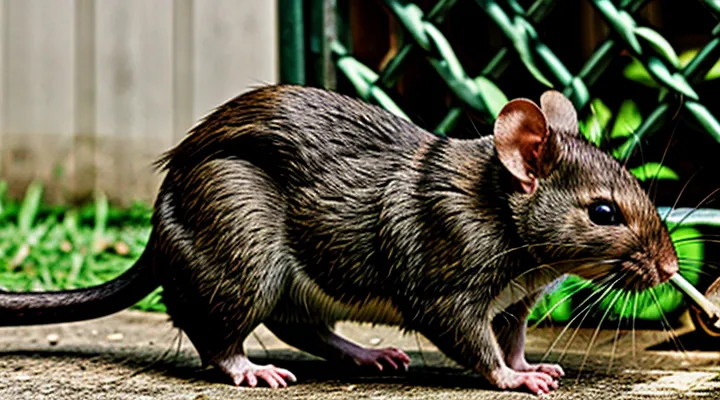
Understanding the Rat Problem
Identifying Rat Infestations
Signs of Rats
Rats leave unmistakable evidence that confirms their presence and signals the need for immediate action. Recognizing these indicators early prevents infestation from escalating and protects property integrity.
- Droppings: Small, dark, cylindrical pellets about ¼‑inch long, often found near food sources, along walls, or in hidden corners.
- Gnaw marks: Fresh, clean cuts on wood, plastic, or wiring, typically ¼‑inch in diameter; older gnawing appears rough and weathered.
- Nests: Shredded paper, fabric, insulation, or dried plant material gathered in concealed areas such as attics, crawl spaces, or behind appliances.
- Tracks: Dark smudges or footprints in dusty surfaces, especially along walls or near entry points; may include tail drag marks.
- Noises: Scratching, scurrying, or squeaking sounds emanating from ceilings, walls, or under floors, most active during nighttime.
- Odor: Strong, musky scent from urine and feces, noticeable in confined spaces or near nesting sites.
- Damage to food packaging: Tearing or holes in sealed containers, indicating rats have accessed stored provisions.
Each sign warrants inspection of the surrounding area, sealing of entry points, and implementation of control measures to eradicate the infestation and safeguard the property.
Common Entry Points
Rats gain access to buildings through predictable gaps and weaknesses. Identifying these openings is essential for effective rat control on a property.
Typical entry points include:
- Cracks in foundation walls larger than a quarter‑inch.
- Gaps around utility pipes, vents, and cables where they penetrate the exterior.
- Unsealed openings around doors, windows, and garage doors, especially weatherstripping that is damaged or missing.
- Holes in siding, brick, or stucco caused by wear, weather, or construction errors.
- Openings beneath crawl‑space vents, soffits, and eaves that lack mesh screens.
- Spaces around foundation drains and sewer lines not properly capped.
- Damaged or absent door sweeps on exterior doors.
- Gaps around the perimeter of decks, porches, and balconies where flooring meets the house.
Each opening provides a route for rodents to enter, travel, and establish nests. Sealing these points with appropriate materials—concrete, steel wool, metal flashing, or approved sealants—reduces access and supports long‑term prevention. Regular inspections of the building envelope help maintain a barrier against future infestations.
Types of Rats and Their Habits
Rats that commonly invade residential and commercial properties fall into three primary categories, each with distinct behaviors that influence control measures.
-
Norwegian (brown) rat (Rattus norvegicus): Prefers ground-level burrows, sewers, and building foundations. Highly nocturnal, it nests in concealed spaces and gnaws on wood, plastic, and wiring. Reproduction peaks in spring, with litters of up to 14 offspring.
-
Black rat (Rattus rattus): Occupies higher elevations such as attics, rafters, and stored‑food areas. Agile climbers, they avoid ground water and favor warm, dry sites. Breeding cycles are continuous, producing smaller litters but more frequent generations.
-
Roof rat (Rattus rattus variant): Similar to the black rat but predominantly found in tropical or subtropical climates. Exploits dense vegetation and roof structures for shelter, often entering through gaps in eaves or vent openings.
Understanding these species’ preferred habitats, activity periods, and reproductive patterns enables targeted interventions, such as sealing entry points at ground level for Norwegian rats and reinforcing roof and attic barriers for black and roof rats. Effective management relies on matching control tactics to the specific habits of each rat type.
Why Rats are a Problem
Health Risks
Rats on a premises introduce a range of pathogenic threats that jeopardize human and animal health. Direct contact with rodent urine, feces, or saliva can transmit leptospirosis, a bacterial infection that causes fever, muscle pain, and potentially kidney failure. Inhalation of aerosolized particles contaminated with rodent droppings may lead to hantavirus pulmonary syndrome, characterized by rapid respiratory decline and high mortality. Bite wounds expose victims to rat‑bite fever (Streptobacillus moniliformis), producing fever, rash, and joint pain. Additional hazards include salmonellosis from contaminated food, plague (Yersinia pestis) in rare cases, and allergic reactions to rodent dander.
Key health impacts:
- Disease transmission – leptospirosis, hantavirus, rat‑bite fever, salmonellosis, plague.
- Food contamination – rodents gnaw packaging, deposit waste, fostering bacterial growth.
- Allergenic exposure – dander and urine particles trigger asthma and hypersensitivity.
- Secondary pest attraction – waste attracts insects that can also vector disease.
Mitigation requires eliminating sources of contamination. Prompt removal of droppings, thorough disinfection of surfaces, and securing food storage prevent bacterial proliferation. Sealing entry points blocks access, reducing direct contact opportunities. Regular monitoring for rodent activity and immediate response to sightings curtail population growth, limiting exposure duration. Implementing these measures protects occupants from the spectrum of health risks associated with rat infestations.
Property Damage
Rats compromise structural integrity, electrical systems, and sanitation on any premises. Their gnawing habit targets wood, insulation, and plastic, creating holes that weaken load‑bearing elements and expose interior spaces to weather. Burrowing in walls and ceilings disrupts drywall, leading to cracks and moisture infiltration. Chewed wiring can cause short circuits, equipment failure, or fire hazards. Contaminated food stores and droppings introduce pathogens, rendering areas unsuitable for habitation or commercial use.
Key damage categories include:
- Structural: gnawed beams, joists, and support columns.
- Electrical: exposed or frayed cables, damaged outlets.
- Plumbing: chewed PVC or copper pipes, resulting in leaks.
- Sanitary: contaminated surfaces, odor, disease risk.
- Cosmetic: ruined flooring, carpets, and furnishings.
Early detection limits repair costs. Inspect for fresh gnaw marks, shredded insulation, and droppings near entry points. Use motion‑activated cameras to confirm activity patterns. Document findings with photographs and timestamps for accurate assessment and insurance claims.
Mitigation steps focus on eliminating access and addressing existing harm. Seal all openings larger than ¼ inch with steel wool, cement, or metal flashing. Replace compromised structural members with treated lumber or steel. Rewire affected circuits, employing conduit to deter future chewing. Replace damaged plumbing with reinforced materials and apply rodent‑proof sleeves. Sanitize all contaminated zones using EPA‑approved disinfectants, then dispose of irreparably soiled items.
Regular maintenance preserves the repairs. Conduct quarterly perimeter checks, maintain vegetation clearance, and keep waste containers sealed. Integrate bait stations or traps within a monitored control program to prevent re‑infestation, thereby safeguarding the property from further degradation.
Reproduction Rate
Rats reproduce rapidly; a single pair can generate over 2,000 offspring in a year under optimal conditions. Understanding this biological capacity is essential for effective control on any property.
Females reach sexual maturity at 5‑6 weeks and can produce a litter every 21‑23 days. Litter size averages 6‑12 pups, and each female may have 5‑7 litters annually. Consequently, population growth follows an exponential curve, accelerating as shelter and food become available.
Control measures must target the reproductive cycle:
- Eliminate food sources that sustain breeding females.
- Remove or seal entry points before juveniles mature, preventing new colonies from establishing.
- Apply rodenticides or traps during peak breeding months (spring and early summer) when juvenile numbers surge.
- Implement regular monitoring to detect early signs of breeding activity, such as gnaw marks near nesting sites.
By disrupting access to nutrition, limiting shelter, and timing interventions to coincide with reproductive peaks, property owners can suppress exponential growth and maintain manageable rat populations.
Prevention Strategies
Securing Your Property
Sealing Entry Points
Sealing entry points directly reduces the ability of rodents to access a building, making it one of the most effective preventive actions in rat management for any property.
- Gaps around utility pipes, cable conduits, and vent shafts: close with steel wool, copper mesh, or expanding foam reinforced with hardware cloth.
- Cracks in foundations, walls, and floors: fill with cementitious mortar or hydraulic cement that expands as it cures.
- Openings under doors and windows: install door sweeps, weatherstripping, and tight-fitting screens.
- Roof eaves, soffits, and attic vents: cover with metal flashing or mesh, ensuring no gaps remain around chimney flues or ventilation ducts.
- Drainage and sewer openings: fit with sealed, rat‑proof covers that can be removed for maintenance.
Select materials that are durable, non‑degradable, and resistant to gnawing. Metal mesh with openings no larger than ¼ inch prevents chewing, while cement‑based sealants withstand moisture and temperature fluctuations. Apply sealants when surfaces are clean and dry; allow full cure time before exposing to rodents.
After installation, conduct a walk‑through inspection to confirm all potential routes are blocked. Use a flashlight to detect hidden cracks, and employ a thin probe to test for residual openings. Schedule periodic checks, especially after severe weather or renovations, to repair any new gaps promptly.
Implementing a comprehensive sealing program eliminates the primary pathways rodents use to infiltrate a site, thereby supporting broader control measures such as trapping and sanitation.
Removing Clutter
Removing clutter eliminates hiding places and travel routes that rats exploit. Excess piles of wood, debris, or stored items create safe zones where rodents can nest, feed, and avoid predators. By clearing these areas, you reduce the habitat suitability and force rats to seek shelter elsewhere, making control measures more effective.
- Eliminate stacks of firewood, cardboard, and newspapers that are not in use. Store them in sealed containers or away from the building foundation.
- Trim vegetation that contacts the structure, such as vines, shrubs, or overgrown grass, to prevent bridges to the roof and walls.
- Secure garbage bins with tight-fitting lids and keep them away from the building.
- Remove discarded appliances, broken furniture, and other large objects that provide shelter.
- Keep sheds, garages, and basements organized; place tools and supplies on shelves instead of the floor.
Maintain a clutter‑free environment through regular inspections. Schedule monthly checks of storage areas, outdoor perimeters, and waste disposal zones. Promptly address new debris or accumulation before it becomes a refuge for rodents. Consistent upkeep sustains the reduced attractiveness of the property to rats, supporting any additional control strategies in place.
Proper Waste Management
Effective waste management reduces food sources that attract rats, thereby lowering the likelihood of infestation on a property. When refuse is stored improperly, rats can locate and exploit it, leading to rapid population growth and increased damage.
Key practices include:
- Securely seal all trash containers with tight‑fitting lids.
- Position dumpsters away from building walls and elevate them on platforms or pallets.
- Empty waste receptacles daily in high‑risk areas such as kitchens, dining halls, and outdoor eating spaces.
- Remove organic debris, fallen fruit, and compost material regularly.
- Use rat‑proof bags or containers for kitchen scraps, and dispose of them in sealed bins.
Continuous monitoring ensures compliance. Inspect waste stations weekly for signs of rodent activity, such as gnaw marks or droppings. Replace damaged lids promptly, and train staff to report breaches immediately. Consistent application of these measures sustains a low‑attractiveness environment for rats.
Food and Water Control
Storing Food Safely
Proper food storage is a critical element in any strategy to deter rodents from a property. Food that is easily accessible provides a strong attractant, encouraging rats to establish foraging routes and nesting sites. By eliminating these resources, the likelihood of infestation decreases dramatically.
Secure containers made of metal or heavy‑duty plastic prevent rats from gnawing through walls or lids. Seal all openings, including gaps around pipes and vents, to stop rodents from reaching stored items. Keep storage areas clean; remove crumbs, spills, and packaging debris promptly.
- Use airtight containers with latch locks for dry goods, pet food, and grains.
- Store perishable items in refrigerators or freezers; maintain temperatures below 40 °F (4 °C) for refrigerators and -18 °C (0 °F) for freezers.
- Position containers off the floor, preferably on shelves or pallets, to avoid direct contact with the ground.
- Label containers with dates and rotate stock to prevent aging and spoilage.
- Inspect storage areas weekly for signs of gnawing, droppings, or damage; replace compromised containers immediately.
Implementing these measures removes a primary food source, thereby reducing the incentive for rats to occupy the property.
Eliminating Water Sources
Removing accessible water is a fundamental step in reducing rat activity on any site. Rats require liquid for survival; eliminating reliable sources deprives them of a critical resource and forces them to seek alternative, less suitable habitats.
- Repair leaky pipes, faucets, and irrigation lines promptly.
- Ensure gutters and downspouts direct water away from foundations; install splash guards where needed.
- Empty pet water dishes nightly and store them in sealed containers when not in use.
- Store firewood, mulch, and compost on raised platforms or under cover to prevent moisture accumulation.
- Clear standing water from birdbaths, puddles, and low‑lying areas; use drainage or fill with sand.
- Maintain landscaping by trimming overgrown vegetation that can trap rainwater and provide shade for rodents.
After implementing these measures, conduct regular inspections to verify that no new leaks or damp zones have emerged. Document findings and adjust maintenance schedules accordingly. Consistent elimination of water sources complements other control tactics and sustains a hostile environment for rats.
Pet Food Management
Proper pet food management reduces the attraction of rodents to a property. Secure storage, controlled feeding, and diligent cleanup create an environment where rats find little to sustain them.
Store dry and wet pet foods in airtight containers made of metal or heavy‑wall plastic. Keep containers off the ground, away from walls, and seal them after each use. Label containers with the date of opening; discard food that is older than six months.
Feed pets at set times rather than leaving bowls out all day. Use feeders that release limited portions and retrieve any uneaten food within 30 minutes. Place feeding stations on a concrete or tile surface that can be easily swept and disinfected.
Maintain the surrounding area to eliminate food residues:
- Sweep and mop floors daily.
- Remove spilled kibble and wet food promptly.
- Dispose of pet waste in sealed bags and place them in a locked trash bin.
- Keep compost piles covered and distant from the building.
Inspect storage areas and feeding zones weekly for signs of gnaw marks, droppings, or nesting material. Replace damaged containers immediately and report any rodent activity to a pest‑management professional.
By enforcing these practices, pet owners remove a primary food source, making the property less hospitable to rats and supporting broader rodent‑control efforts.
Landscaping and Yard Maintenance
Trimming Vegetation
Trimming vegetation reduces the shelter and food sources that attract rats to a property. Overgrown shrubs, tall grass, and dense ground cover create hidden pathways and nesting sites, making it easier for rodents to move undetected and to access structures.
Effective vegetation management includes the following actions:
- Cut back shrubs and hedges to a height of no more than 12 inches from the ground, creating a clear zone around building foundations.
- Mow lawns regularly, maintaining a short, even surface that discourages burrowing.
- Remove dead or fallen plant material, such as fruit, nuts, and seed pods, which serve as food for rats.
- Prune tree branches that overhang roofs or walls, eliminating bridges that allow rodents to reach elevated entry points.
- Clear debris, compost piles, and stacked firewood, keeping them at least three feet away from structures.
Consistent application of these practices limits the availability of hidden routes and sustenance, thereby lowering the likelihood of rat infestations.
Removing Debris
Removing debris is a critical step in reducing rat activity on any property. Piles of leaves, wood, cardboard, and other organic waste provide shelter, nesting sites, and food sources that attract rodents. Eliminating these resources directly limits the habitats rats can exploit.
Identify all sources of clutter both inside and around structures. Typical items include:
- Stacked firewood left uncovered
- Accumulated garden waste
- Unsealed trash containers
- Discarded building materials
- Excessive mulch or compost near foundations
Clear identified debris using the following procedure:
- Gather debris into manageable loads.
- Transport loads to a licensed disposal facility or composting site that restricts rodent access.
- Seal containers and bins with tight‑fitting lids.
- Store firewood off the ground, elevated on pallets, and cover with a waterproof tarp.
- Maintain a minimum clearance of 18 inches between the ground and any stored items.
After removal, inspect the site regularly for new accumulation. Promptly address fresh waste to prevent re‑establishment of rat habitats. Consistent debris management reduces the likelihood of infestation and supports broader rodent‑control measures.
Protecting Gardens and Compost Piles
Rats are attracted to gardens and compost piles because they provide food, shelter, and nesting material. Reducing these attractions is essential for effective rat control on a property.
- Remove fallen fruit, vegetables, and other debris daily.
- Store harvested produce in sealed containers or a locked shed.
- Keep garden beds tidy; trim low‑lying vegetation that offers cover.
- Install a fine‑mesh (¼‑inch) fence around garden borders, burying the lower edge 6–12 inches underground to prevent burrowing.
- Use raised beds with smooth, non‑porous liners to eliminate direct soil contact.
Compost management requires strict hygiene:
- Use a compost bin with a tight‑fitting lid; avoid open piles.
- Add a layer of carbon material (dry leaves, straw) after each food addition to balance moisture and reduce odor.
- Maintain a moisture level of 40–60 %; overly wet compost attracts rodents.
- Turn the pile regularly with a metal or sturdy plastic tool to disrupt nesting sites.
- Position the bin on a hard surface (concrete, stone) rather than directly on soil.
Additional measures reinforce protection:
- Place metal or concrete barriers around the base of trees and shrubs where rats may climb.
- Apply non‑toxic deterrents such as peppermint oil-soaked cotton balls in corners, replacing them weekly.
- Conduct monthly inspections for gnaw marks, droppings, or burrows; address findings immediately.
Consistent application of these practices limits food sources, eliminates shelter, and creates a hostile environment for rats, thereby safeguarding gardens and compost piles.
Eradication Methods
Trapping Solutions
Snap Traps
Snap traps provide a rapid, humane solution for eliminating rats on residential or commercial premises. The device consists of a spring‑loaded bar that delivers a lethal blow when the rodent triggers the trigger mechanism. Proper selection, placement, and maintenance maximize effectiveness while minimizing risk to non‑target animals and humans.
Choose traps constructed from stainless steel or hardened plastic to resist corrosion and tampering. Opt for models with padded jaws to ensure a clean kill and reduce damage to the carcass, which simplifies disposal. When selecting bait, use high‑protein items such as peanut butter, dried fruit, or small pieces of meat. Apply a thin layer to the trigger platform; excessive bait can cause premature releases.
Placement guidelines:
- Position traps along walls, behind appliances, and near known runways; rats prefer to travel close to vertical surfaces.
- Set traps perpendicular to the wall, with the trigger end facing the wall, allowing the rat to approach from the side.
- Install traps in concealed locations—under cabinets, inside crawl spaces, or within attic joists—to reduce exposure to children and pets.
- Deploy at least one trap per 10‑square‑foot section of active infestation; increase density in high‑traffic zones.
Safety measures:
- Wear thick gloves when handling traps to avoid accidental discharge.
- Secure traps with a protective cover or lockable housing in areas accessible to non‑target species.
- Inspect traps daily; remove captured rats promptly and dispose of them according to local regulations.
Maintenance practices:
- Reset traps after each capture to maintain continuous pressure on the population.
- Replace worn springs or trigger plates every six months, or sooner if performance declines.
- Rotate bait types periodically to counteract bait aversion.
When integrated with sanitation improvements—such as sealing entry points, removing food sources, and reducing clutter—snap traps become a cornerstone of an integrated pest‑management program, delivering swift population reduction and preventing re‑infestation.
Live Traps
Live traps provide a humane alternative for managing rat populations on residential and commercial properties. They capture rodents without killing them, allowing owners to relocate the animals away from the premises.
Common designs include single‑catch cage traps, multi‑catch box traps, and collapsible wire traps. Cage traps feature a hinged door that shuts when the rat enters to reach bait. Multi‑catch models hold several rodents before requiring emptying, reducing the frequency of maintenance. Collapsible traps are lightweight and suitable for temporary deployment.
Effective deployment follows these steps:
- Position traps along walls, near burrows, or adjacent to known runways; rats prefer concealed routes.
- Use bait that appeals to the target species, such as peanut butter, dried fruit, or fresh meat, applied to a small platform inside the trap.
- Secure traps to prevent tipping and ensure the trigger mechanism is sensitive enough to activate with minimal pressure.
- Set traps in the late afternoon; rat activity peaks during dusk and nighttime.
Inspect traps at least once daily. When a rat is captured, wear gloves, cover the trap, and transport the animal at least one mile from the property to a suitable release site, complying with local wildlife regulations. Release should occur in an area with adequate shelter and food sources to minimize immediate recapture.
Maintain trap effectiveness by cleaning interiors with mild detergent after each use, checking for wear on springs or doors, and replacing damaged components promptly. Combine live trapping with sanitation measures—secure garbage, eliminate standing water, and seal entry points—to reduce reinfestation risk.
Electronic Traps
Electronic traps provide a rapid, humane method for reducing rat populations on residential or commercial premises. These devices deliver a high‑voltage shock that kills the rodent instantly, eliminating the need for poisons or snap traps.
The core components include a stainless‑steel detection plate, a power source (usually a 9‑V battery or mains adapter), and a control circuit that activates the shock when the plate is disturbed. Sensors differentiate between the weight of a rat and smaller non‑target species, reducing accidental captures.
Key benefits:
- Immediate lethality minimizes suffering and prevents secondary poisoning.
- No bait required, removing attraction for non‑target wildlife.
- Reusable; the trap can be emptied and reset without replacing parts.
- Quiet operation; no audible clicks or snap noises.
- Data logging options in advanced models record each activation, aiding monitoring efforts.
Effective deployment follows a few guidelines. Place traps along established runways, near walls, or adjacent to food sources where rats travel. Position the detection plate perpendicular to the wall, with the entry side facing the expected direction of travel. Ensure the device sits on a stable, non‑conductive surface to avoid false activations. Maintain a clear line of sight for the sensor; clutter or debris can impair function.
Safety precautions include isolating the trap from children and pets by installing it in concealed locations such as crawl spaces or utility rooms. Verify that the power source is securely connected and that the device’s housing remains intact to prevent accidental contact with the shock circuit.
Routine maintenance involves inspecting the plate for debris, cleaning with a mild detergent, and testing the power supply monthly. Replace batteries according to the manufacturer’s schedule or when indicator lights signal low charge. Record each kill to assess trap placement efficiency and adjust locations as needed.
Cost considerations balance initial purchase price against long‑term savings. While electronic traps carry a higher upfront expense than traditional snap traps, their durability and reusability reduce recurring costs. Models with integrated monitoring features may justify the premium by providing actionable data for integrated pest‑management programs.
In summary, electronic traps deliver precise, rapid control of rat activity, support data‑driven decision‑making, and align with humane pest‑management standards when installed and maintained according to best‑practice guidelines.
Trap Placement and Baiting
Effective rat control depends on precise trap positioning and appropriate bait usage.
- Locate traps along established runways, typically near walls, behind appliances, and within 12–18 inches of potential entry points.
- Place devices at right angles to walls, with the entry side facing the wall to align with the rodent’s natural tendency to travel close to surfaces.
- Deploy multiple traps in a linear arrangement (3–5 ft apart) to cover a corridor of activity.
- Position traps in concealed but accessible locations, such as under cabinets, inside crawl spaces, and near garbage containers.
Bait selection influences capture rates.
- Use high‑protein or high‑fat items, such as peanut butter, bacon, or dried fruit, which attract rats more reliably than grain‑based options.
- Apply a thin coating to the trigger mechanism to prevent premature contact and ensure the rodent must engage the trap to obtain the bait.
- Refresh bait every 2–3 days to maintain scent potency and prevent spoilage.
Regular monitoring ensures continued effectiveness.
- Inspect traps daily, recording captures and adjusting placement if activity shifts.
- Replace malfunctioning devices promptly to avoid loss of control.
- Dispose of captured rodents following local health regulations, then sanitize traps with a bleach solution before reuse.
Strategic positioning combined with optimal bait maintains pressure on the rat population, reducing infestation levels on the property.
Baits and Rodenticides
Types of Baits
Effective rat management on a property depends on selecting the appropriate bait formulation. Different bait types target specific biological pathways and require distinct handling procedures.
-
Anticoagulant baits – contain compounds such as warfarin, brodifacoum, or difenacoum. They interfere with blood clotting, leading to internal hemorrhage after several days of consumption. Suitable for established infestations where multiple feedings are probable.
-
Bromethalin baits – use a neurotoxic agent that disrupts mitochondrial function in nerve cells. Rats die within 24–48 hours after a single lethal dose. Preferred when rapid elimination is required and resistance to anticoagulants is suspected.
-
Cholecalciferol baits – deliver high levels of vitamin D₃, causing hypercalcemia and renal failure. Effect manifests after 2–4 days. Effective against populations tolerant to other rodenticides.
-
Zinc phosphide baits – release phosphine gas in the stomach, producing acute toxicity. Mortality occurs within hours. Commonly employed in outdoor settings where bait protection from moisture is critical.
-
Organic or natural baits – consist of food items such as peanut butter, dried fruit, or grain infused with low‑dose rodenticides. They reduce non‑target risk and comply with regulations limiting hazardous chemicals.
-
Non‑toxic attractant stations – contain scented substrates that lure rats to traps without poison. Useful for integrated pest‑management programs that prioritize monitoring and mechanical control.
Choosing the correct bait involves assessing infestation size, environmental conditions, and regulatory constraints. Proper placement, secure bait stations, and periodic inspection maximize efficacy while minimizing exposure to non‑target species.
Safe Application and Placement
Effective rat control requires precise application of treatment products and strategic placement of devices to protect occupants, pets, and the environment. Use only EPA‑registered rodenticides, following label instructions for dosage, mixing, and disposal. Wear appropriate personal protective equipment—gloves, goggles, and respiratory protection—when handling chemicals, and store them in locked containers out of reach of children and animals.
- Apply baits in tamper‑resistant stations, not on open surfaces.
- Position stations along walls, behind appliances, and near known activity zones.
- Keep stations at least 12 inches above ground and 6 inches from food preparation areas.
- Replace stations regularly; discard expired or contaminated bait according to label guidelines.
- Record locations, dates of placement, and product details for future reference and regulatory compliance.
Placement of traps follows similar safety principles. Choose snap traps or electronic devices that meet local regulations, and set them in concealed, high‑traffic pathways. Ensure traps are anchored to prevent accidental displacement, and inspect them daily to remove captured rodents promptly. Avoid placing devices where non‑target species can access them, such as pet feeding stations or children's play areas. Regularly rotate trap locations to prevent habituation and maintain efficacy.
Dangers to Pets and Non-Target Animals
Rats attract disease agents that can be transmitted to dogs, cats, birds, and wildlife. Direct contact with rat urine, feces, or saliva may cause leptospirosis, hantavirus infection, and salmonellosis, leading to fever, kidney failure, or gastrointestinal distress in pets and non‑target species.
Rodenticides pose a secondary poisoning risk. Anticoagulant baits, when ingested by a rat, remain active in its bloodstream. Predators or scavengers that consume the poisoned rodent can suffer internal bleeding, anemia, or death. Even low‑dose exposure may cause subclinical bleeding disorders that weaken animals over time.
Snap traps and live‑capture devices can inflict physical injury. Improper placement near pet pathways or nesting areas increases the likelihood of accidental captures, resulting in broken limbs, severe bruising, or fatal trauma.
Chemical repellents and fumigants may irritate respiratory tracts and skin. Aerosolized compounds can trigger asthma attacks, dermatitis, or ocular inflammation in animals that breathe the vapors or groom contaminated fur.
Environmental disruption can alter food chains. Removing a rat population without considering predator‑prey dynamics may force carnivores to hunt alternative prey, potentially endangering protected or endangered species.
Key hazards to monitor
- Disease transmission from rat excreta
- Secondary poisoning from anticoagulant baits
- Physical trauma from mechanical traps
- Respiratory and dermal irritation from chemicals
- Ecological imbalance affecting non‑target wildlife
Mitigation requires selecting non‑toxic control methods, securing bait stations away from pet zones, employing trap covers, and conducting regular health checks on animals that may have been exposed.
Professional Pest Control
When to Call an Exterminator
Rats can cause structural damage, contaminate food, and spread disease; professional intervention becomes essential when self‑managed measures fail to stop the infestation. Call an exterminator if you notice any of the following:
- Droppings, gnaw marks, or urine stains in multiple locations, indicating a breeding population.
- Damage to insulation, wiring, or stored goods that exceeds what traps or baits can address.
- Persistent odor or audible activity despite regular cleaning and sealing of entry points.
- Evidence of rats in hard‑to‑reach areas such as wall cavities, attics, or underground utilities.
- Health‑related concerns, especially in homes with children, elderly residents, or immunocompromised individuals.
When you contact a pest‑control professional, provide details on inspection findings, property layout, and any previous control attempts. The exterminator will conduct a thorough survey, identify entry routes, and implement a comprehensive eradication plan that may include bait stations, trapping, and exclusion work. Follow-up visits ensure elimination and help prevent re‑infestation.
What to Expect from Professional Services
Professional pest‑control providers begin with a thorough onsite inspection. Technicians locate signs of activity, assess entry points, and identify species to tailor interventions.
The service plan typically includes:
- Selection of proven control methods such as bait stations, traps, or exclusion techniques.
- Placement of devices according to safety standards, minimizing risk to occupants and pets.
- Documentation of locations, dosages, and expected timelines.
Safety procedures are integral. Certified crews use regulated products, wear protective gear, and follow local health regulations. Clients receive written instructions for any required temporary restrictions, such as limiting food access or keeping children away from bait zones.
Follow‑up visits confirm efficacy. Professionals monitor trap counts, replenish bait, and adjust strategies if activity persists. Many companies offer a guarantee period during which additional treatment is provided at no extra charge if rats reappear.
Transparent pricing is standard. Estimates outline labor, materials, and any disposal fees before work starts, preventing hidden costs. Licensed operators must display credentials and insurance, assuring accountability.
Overall, hiring experts delivers systematic assessment, regulated treatment, ongoing verification, and documented results, reducing the likelihood of recurrence and protecting property value.
Integrated Pest Management (IPM)
Integrated Pest Management (IPM) provides a systematic framework for reducing rat populations while minimizing environmental impact. The process begins with a thorough inspection of the property to locate signs of activity, identify entry points, and assess conditions that support rodent survival. Accurate identification of the species and understanding of its behavior guide subsequent actions.
Monitoring follows inspection, employing traps, visual checks, and bait stations to establish baseline activity levels and track changes over time. Data from monitoring inform the selection of preventative measures, which focus on eliminating food, water, and shelter sources. Typical actions include securing waste containers, repairing structural gaps, and maintaining vegetation at a distance from buildings.
Control strategies are layered according to the IPM hierarchy:
- Cultural controls: sanitation, waste management, habitat modification.
- Mechanical controls: snap traps, live‑catch devices, exclusion barriers.
- Biological controls: encouragement of natural predators where feasible.
- Chemical controls: targeted rodenticide applications, used only after non‑chemical options prove insufficient and applied by licensed personnel.
Each intervention is evaluated for efficacy through continued monitoring. Records of inspections, trap counts, and treatments support ongoing adjustments and ensure compliance with regulatory standards. By adhering to this structured approach, property owners achieve sustainable rat reduction while protecting non‑target organisms and reducing reliance on toxic chemicals.
Post-Eradication Measures
Cleaning and Sanitation
Disinfecting Infested Areas
Disinfecting areas that have been compromised by rats is essential for eliminating pathogens and preventing re‑infestation. Rats leave urine, droppings, and saliva that can harbor bacteria, viruses, and parasites. Proper sanitation removes these hazards and reduces the attraction of other pests.
- Remove all visible debris, nests, and food residues. Use gloves and a disposable mask to avoid direct contact with contaminants.
- Apply a rodent‑approved disinfectant (e.g., a 10‑percent bleach solution, quaternary ammonium compound, or enzymatic cleaner) to surfaces where droppings were found. Follow the manufacturer’s contact time to ensure microbial kill.
- Saturate porous materials such as insulation, carpeting, or upholstery that cannot be thoroughly cleaned; discard them according to local hazardous‑waste regulations.
- After treatment, ventilate the space for at least 30 minutes. Use fans or open windows to disperse fumes and dry surfaces.
- Document the disinfecting process, noting the products used, concentrations, and areas treated. Retain records for future inspections and to track effectiveness.
Safety measures protect occupants and staff: wear chemical‑resistant gloves, goggles, and appropriate respiratory protection; isolate the treated zone from children and pets until the disinfectant has fully evaporated; store chemicals in labeled, secure containers away from heat sources.
Regular inspection and prompt cleaning of any new signs of rodent activity maintain a hygienic environment and support long‑term pest‑management strategies.
Removing Carcasses Safely
When a rat dies on a property, the carcass can attract predators, spread disease, and undermine control efforts. Prompt, safe removal eliminates these risks and supports ongoing pest‑management measures.
First, equip yourself with protective gear: disposable gloves, a face mask, and a disposable gown if the carcass is large. Avoid direct skin contact and inhalation of odor or aerosolized pathogens.
Next, contain the carcass. Place it in a sealed, puncture‑resistant bag, such as a heavy‑duty trash bag with a zip closure. Double‑bagging adds an extra barrier against leakage.
Dispose of the sealed bag according to local regulations. Many municipalities require dead animal waste to be taken to a licensed disposal site or incinerated. If a collection service is unavailable, store the bag in a locked, insulated container until proper disposal is arranged.
Sanitize the area after removal. Apply an EPA‑registered disinfectant to surfaces that may have been contaminated. Allow the disinfectant to remain wet for the contact time specified on the label, then wipe clean with disposable cloths.
Maintain records of each removal, noting date, location, and disposal method. Documentation assists in tracking infestation patterns and demonstrates compliance with health‑code requirements.
Key steps for safe carcass handling
- Wear disposable gloves, mask, and protective clothing.
- Seal the carcass in a puncture‑resistant, zip‑locked bag; double‑bag.
- Follow local disposal regulations; use licensed facilities or authorized collection services.
- Disinfect the surrounding area with an approved product; observe required contact time.
- Record removal details for future reference.
Adhering to these procedures prevents secondary infestations, protects human health, and reinforces overall rat‑control strategies.
Odor Control
Effective odor management is essential when addressing rodent infestations on a property. Unpleasant smells attract rats, mask their presence, and signal unsanitary conditions that can exacerbate the problem.
Rats generate odor through urine, feces, nesting material, and decomposing food. These secretions contain ammonia and other volatile compounds that linger in structures, especially in crawl spaces, attics, and basements. Persistent odors also encourage secondary pests such as insects, creating a feedback loop that sustains the rodent population.
Control measures focus on eliminating odor sources, preventing accumulation, and neutralizing existing smells:
- Remove all waste, spilled food, and standing water; dispose of material in sealed containers.
- Clean contaminated areas with enzymatic cleaners that break down organic residues.
- Apply odor‑absorbing agents (e.g., activated charcoal, zeolite) in enclosed spaces.
- Seal cracks, gaps, and vents to restrict airflow that spreads odors.
- Install ventilation fans to increase air exchange and reduce humidity.
- Use professional-grade deodorizers that neutralize ammonia and other volatile compounds.
Regular inspection of high‑risk zones ensures that new odor sources are identified promptly. Maintaining a clean environment, combined with diligent monitoring, reduces the attractiveness of the property to rats and supports long‑term pest suppression.
Long-Term Monitoring
Regular Inspections
Regular inspections form the backbone of any effective rat‑management program on a property. By systematically surveying the premises, owners can identify early signs of infestation, locate entry points, and verify the performance of other control measures.
A practical inspection routine includes:
- Frequency: Conduct a thorough walk‑through at least once per month; increase to weekly during peak breeding seasons (spring and autumn).
- Scope: Examine all potential habitats—eaves, crawl spaces, basements, utility rooms, and outdoor storage areas. Check for droppings, gnaw marks, burrows, and grease stains.
- Tools: Use a flashlight, magnifying glass, and a calibrated rodent detection tape. For concealed spaces, employ a borescope or infrared camera.
- Documentation: Record findings on a standardized form, noting location, type of evidence, and date. Attach photographs when possible. Maintain a log to track trends over time.
- Follow‑up: Assign corrective actions within 48 hours—seal gaps, remove food sources, or deploy traps. Verify completion during the next inspection.
Integrating regular inspections with sanitation, structural repairs, and targeted baiting creates a layered defense that prevents rat populations from establishing or expanding. Consistent monitoring also supplies the data needed to evaluate the success of interventions and adjust strategies before an outbreak becomes costly.
Maintaining Preventative Measures
Effective rat management on a property depends on consistent preventative maintenance. Regular actions reduce habitat suitability, limit food access, and block entry points, creating conditions that deter infestation before it starts.
- Seal all gaps larger than ¼ inch in walls, foundations, and utility penetrations.
- Install metal flashing or concrete around vents, chimneys, and pipe entries.
- Maintain a clearance of at least 12 inches between stored materials and walls.
- Keep vegetation trimmed at least 6 feet from the building envelope.
- Store garbage in sealed containers; remove waste daily.
Conduct a thorough inspection every 30 days. Document identified vulnerabilities, repair actions taken, and any signs of rodent activity. Use a checklist to verify that doors, windows, and utility openings remain secure.
Implement environmental controls that complement structural measures. Eliminate standing water, repair leaky irrigation systems, and ensure drainage directs moisture away from foundations. Remove debris piles, compost bins, and bird feeders that provide shelter or food sources.
Integrate preventative maintenance with monitoring tools such as motion‑activated cameras or tracking stations. Review data weekly to detect early activity and respond promptly with targeted exclusion or baiting, preserving the integrity of the overall control program.
Keeping Records
Maintain detailed documentation of all rat‑control activities. Accurate records enable swift assessment of what methods work, ensure compliance with local regulations, and provide evidence for insurance or legal matters.
Record each inspection, noting date, location, signs of activity, and severity. Log every intervention—type of bait or trap, placement, quantity, and disposal method. Include follow‑up observations to verify effectiveness.
Key items to document:
- Inspection dates and findings
- Traps and bait used, lot numbers, and expiration dates
- Placement maps or sketches of devices
- Maintenance actions such as cleaning, resetting, or removal
- Pest‑management contractor details and invoices
- Photographs of infestation signs and control measures
Store records in a secure, searchable system. Back up digital files regularly and retain paper copies in a fire‑proof cabinet. Review the log monthly to identify trends, adjust strategies, and confirm that no gaps exist in the control program.