
Understanding the Rat Problem
Identifying Rat Infestation Signs
Droppings and Urine Trails
Droppings and urine trails provide the most reliable evidence of rodent activity inside a residence. Their presence confirms infestation, guides inspection, and determines the urgency of remedial actions.
Rat droppings appear as dark, cylindrical pellets, ½ to ¾ inch long, with blunt ends. They accumulate near food sources, along walls, in cabinets, and beneath appliances. Each pellet contains pathogens such as hantavirus, leptospira, and salmonella, which can survive for weeks in a dry environment. Direct contact or inhalation of aerosolized particles poses a health risk to occupants.
Urine trails manifest as faint stains, strong ammonia odor, or discoloration on surfaces. The liquid rapidly evaporates, leaving a residue that can attract insects and contaminate food preparation areas. Urine carries the same disease agents as feces and may trigger allergic reactions or asthma attacks in sensitive individuals.
Effective decontamination follows a strict protocol:
- Wear disposable gloves, N‑95 respirator, and eye protection.
- Ventilate the area by opening windows and operating fans.
- Collect droppings with a damp paper towel; place the material in a sealed plastic bag.
- Apply an EPA‑registered disinfectant (e.g., a 1 % bleach solution) to all contaminated surfaces; allow the recommended contact time.
- Dispose of waste according to local hazardous‑material guidelines.
- Launder or discard any fabric items that have absorbed urine or feces.
Prevention relies on eliminating conditions that attract rodents. Seal cracks, gaps, and vents with steel wool or caulk. Store food in airtight containers and eliminate standing water. Install snap traps or electronic devices along identified pathways, and monitor them regularly. Maintaining these practices reduces the likelihood that droppings and urine trails will reappear.
Gnaw Marks and Damage
Rats leave characteristic gnaw marks that reveal the extent of their intrusion. Teeth create shallow, V‑shaped cuts on wood, plastic, and insulation. The bite width usually matches a rodent’s incisors, about 2–3 mm, and the edges appear clean rather than splintered. Repeated chewing enlarges holes, allowing further entry and increasing the risk of structural compromise.
Common damage includes:
- Exposed wiring from chewed insulation, creating fire hazards.
- Compromised structural beams where wood has been weakened.
- Ruined food containers and pantry shelving, leading to contamination.
- Damaged plumbing seals, resulting in leaks and moisture that attract more rodents.
Detecting gnaw marks early prevents escalation. Inspect baseboards, door frames, and behind appliances for fresh cuts. Use a flashlight to reveal subtle teeth impressions on drywall corners. Look for shredded material, droppings, or urine stains near the marks, as these indicate active use.
When marks are found, take immediate steps:
- Seal the entry point with steel wool and a hard‑shell material such as copper mesh, then apply a durable sealant.
- Replace damaged wiring or insulation to eliminate fire risk.
- Repair or reinforce compromised wood with metal brackets or treated lumber.
- Clean and disinfect the area with an appropriate rodent‑specific sanitizer to remove pathogens.
Regular monitoring of known gnaw sites, combined with prompt repair, limits structural damage and reduces the likelihood of a full‑scale infestation. Continuous vigilance is essential for maintaining a safe, rodent‑free residence.
Unusual Noises
Rats generate sounds that differ from typical household noises. Scratching inside walls, especially at night, signals gnawing activity and nest construction. High‑pitched squeaks or chattering often accompany movement through insulation or ceiling voids. Thumping or thudding noises in attics indicate larger rodents jumping or falling from elevated positions.
Detecting these sounds requires systematic listening. Turn off all appliances, then move through each room while crouching to hear low‑frequency vibrations. Use a handheld recorder or a smartphone app with a sound‑meter to capture and analyze frequency ranges; frequencies between 300 Hz and 1 kHz commonly correspond to rat activity.
When unusual noises are confirmed, follow a prescribed response:
- Seal entry points larger than ¼ inch with steel wool and caulk.
- Place snap traps or electronic bait stations along identified pathways.
- Deploy rodent‑proof containers for food and waste to eliminate attractants.
- Schedule a professional inspection if noises persist after initial measures.
Continuous monitoring after intervention ensures that the source of the sounds has been eliminated and prevents re‑infestation.
Sightings
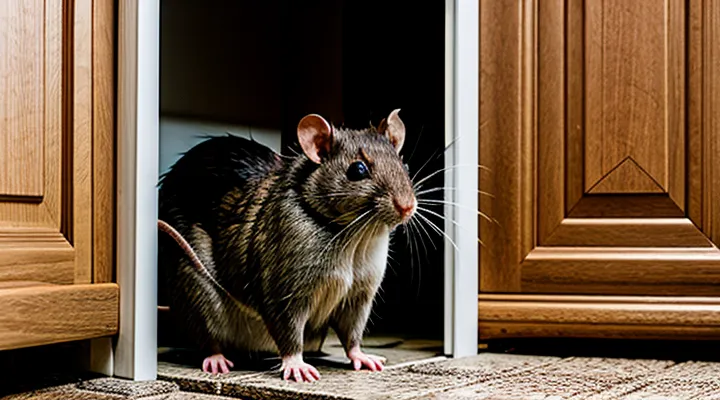
Rats are rarely seen during daylight; most encounters occur at night or in concealed areas such as basements, attics, and behind appliances. A sighting confirms an active infestation and should trigger immediate investigation.
When a rat is observed, note the exact location, time, and behavior. This information helps identify entry points and preferred pathways. Typical observations include:
- Movement along walls or pipes
- Scurrying into hidden cavities when lights are switched on
- Aggressive or defensive actions when approached
After recording details, seal all obvious openings larger than one‑quarter inch. Install steel wool or metal mesh in gaps around vents, utility lines, and foundation cracks. Replace damaged weatherstripping and ensure doors and windows close tightly.
Set traps or bait stations near the recorded sighting zones. Use snap traps for immediate kill or live traps if relocation is preferred. Position devices against walls, where rats travel, and check them daily. Replace baits promptly to maintain effectiveness.
Monitor the area for additional sightings over several weeks. A decline in visible activity indicates progress; persistent observations suggest hidden nests or additional access points, requiring further sealing and trapping efforts. Continuous documentation ensures that control measures remain targeted and efficient.
Common Entry Points
Gaps in Foundations
Foundation cracks and gaps provide rats with direct access to a private dwelling. These openings bypass walls and roofs, allowing rodents to travel underground and emerge inside living spaces.
Identify all openings by walking the perimeter, using a flashlight, and probing suspicious areas with a thin rod. Common locations include:
- Expansion joint seams where concrete meets brick.
- Gaps around utility penetrations such as water, gas, and electrical lines.
- Openings at the base of exterior walls where siding ends.
- Cracks formed by settling or moisture movement.
Seal each gap with materials that resist chewing and moisture. Recommended approach:
- Clean the surface to remove debris and loose mortar.
- Apply a high‑strength, rodent‑proof sealant (e.g., polyurethane or epoxy) to fill the void completely.
- Install metal flashing or steel mesh over larger cracks before sealing to provide a physical barrier.
- Cover the repaired area with a waterproof coating to prevent future deterioration.
Regularly inspect the foundation after heavy rain or seasonal temperature changes. Replace compromised sealant promptly, and maintain proper drainage to keep soil away from the foundation footings. Consistent upkeep eliminates the primary pathway rats exploit, reducing the likelihood of infestation inside the house.
Unsealed Pipes and Vents
Unsealed pipes and vents provide direct access routes for rats seeking shelter and food inside a private residence. Gaps around pipe penetrations, vent openings, and utility connections allow rodents to move between the exterior and interior without obstruction.
Inspect all exterior pipe entries, including water, gas, sewer, and drainage lines. Look for cracked or missing sealant, deteriorated caulk, and loose collars. Examine vent caps on the roof and attic; verify that screens are intact and that no holes exist around the vent flues. Inside the home, check under sinks, behind appliances, and in basement crawl spaces for exposed pipe sections.
To eliminate these entry points, follow a systematic sealing process:
- Clean the surface around each opening to remove debris, moisture, and old sealant.
- Apply a high‑quality, rodent‑resistant sealant (silicone, polyurethane, or expanding foam) to fill gaps no larger than ¼ inch.
- Install metal or copper pipe collars with a tight fit; secure them with stainless‑steel screws.
- Fit vent caps equipped with stainless‑steel mesh; replace any damaged screens.
- For larger openings, use steel wool or copper mesh as a backing before applying sealant to prevent rats from chewing through.
Regular maintenance is essential. Schedule quarterly inspections to verify that seals remain intact, especially after severe weather or building renovations. Replace any compromised material promptly to prevent re‑entry.
By systematically sealing pipe and vent gaps, a homeowner removes the primary pathways rats exploit, reducing the likelihood of infestation and supporting long‑term rodent control.
Damaged Roofs and Gutters
Rats exploit gaps in roofing and malfunctioning gutters to gain entry and create pathways throughout a residence. Cracked shingles, missing tiles, and open eaves provide easy access points; water‑damaged sections weaken structural integrity, enlarging openings that rodents can push through. Accumulated debris in clogged gutters creates moist shelter, attracts insects, and offers rats a protected route from the roof to the walls.
To eliminate these vulnerabilities, follow a systematic approach:
- Inspect the entire roof surface for cracks, loose flashing, and damaged ventilation caps; seal each defect with durable, weather‑resistant sealant or metal flashing.
- Replace broken or missing shingles promptly; ensure overlapping layers maintain a continuous barrier.
- Clean gutters regularly to remove leaves, twigs, and other organic matter; install gutter guards to prevent future buildup.
- Verify that downspouts direct water away from the foundation; install splash blocks or extend downspout length if runoff pools near the house.
- Apply a rodent‑proof mesh (minimum ¼‑inch hardware cloth) over vent openings, soffit gaps, and any exposed drainage channels.
Maintaining a sound roof and functional gutter system removes essential shelter and travel routes for rats, reducing the likelihood of infestation and supporting overall pest‑control efforts.
Open Doors and Windows
Open doors and windows provide rats with direct access to interior spaces. When these openings remain unsecured, rodents can enter from gardens, basements, or adjacent structures, increasing the likelihood of infestation.
Securing entry points reduces the population pressure inside a house. Install self‑closing hinges on exterior doors, and fit tight weatherstripping around frames. Replace broken screens with metal mesh of no larger than 1 mm. Use latch mechanisms that prevent doors from staying ajar when unattended.
Practical steps for managing openings:
- Keep exterior doors closed unless a person is passing through; use door‑stop devices that automatically return the door to a closed position.
- Fit window screens made of steel or reinforced fiberglass; inspect regularly for tears.
- Install door sweeps that eliminate gaps beneath the threshold.
- Apply rodent‑proof seals around door frames and window sills; silicone or expanding foam works well for small cracks.
- Limit ventilation openings to those equipped with mesh covers; consider installing vent covers with integrated rat guards.
When temporary ventilation is required, use portable fans with fine mesh filters rather than leaving doors or windows fully open. This approach maintains airflow while preventing rodent entry.
Regular inspection of all exterior openings, combined with consistent sealing, forms a critical barrier against rats in a private residence.
Prevention Strategies
Sealing Entry Points
Repairing Cracks and Holes
Repairing cracks and holes eliminates entry points that rats exploit to infiltrate a private residence. Every opening larger than a quarter‑inch can accommodate a rodent; sealing these gaps blocks access to interior spaces and reduces the likelihood of infestation.
Identify all potential breaches by inspecting the building envelope. Focus on foundations, walls, windows, doors, utility penetrations, and roof eaves. Use a flashlight and a mirror to reveal hidden fissures, and feel for drafts that indicate gaps.
Select appropriate sealing materials for each surface type:
- Cement‑based mortar for masonry cracks.
- Expanding polyurethane foam for irregular gaps around pipes and vents.
- Steel‑wool plus caulk for holes larger than one inch, preventing rodents from gnawing through.
- Weather‑strip tape for movable joints such as doors and windows.
Apply the chosen material following these steps:
- Clean the area to remove debris, dust, and loose material.
- Wet the surface lightly to improve adhesion of mortar or caulk.
- Fill the crack or hole completely, over‑filling slightly to allow for shrinkage.
- Smooth the surface with a trowel or putty knife; for foam, trim excess after curing.
- Allow the sealant to cure according to the manufacturer’s specifications before exposing it to moisture or traffic.
After repairs, conduct a secondary inspection to verify that no gaps remain. Schedule periodic checks—at least twice a year—to detect new fissures caused by settling or weathering. Promptly address any findings to maintain a continuous barrier against rodent intrusion.
Installing Mesh on Vents
Installing mesh on ventilation openings creates a physical barrier that prevents rats from entering a residence while allowing adequate airflow. The barrier must be durable, tightly fitted, and resistant to gnawing.
Choose a mesh material rated for rodent control, such as stainless‑steel or heavy‑gauge aluminum. The aperture size should be ¼ inch (6 mm) or smaller; larger openings permit entry. Verify that the mesh complies with local building codes for ventilation safety.
Prepare the vent for installation. Clean the frame, remove debris, and inspect for existing damage. Cut the mesh to dimensions that overlap the frame by at least one inch on all sides. Secure the mesh with corrosion‑resistant screws or rivets, ensuring no gaps remain between the material and the vent housing.
After installation, conduct a visual inspection from both inside and outside the house. Confirm that the mesh sits flush against the frame and that the fastening points are tight. Periodically check for signs of chewing or displacement, especially after severe weather or when rodents are active in the area.
Key steps for effective mesh installation:
- Select rodent‑proof mesh (stainless steel or heavy‑gauge aluminum, ≤ ¼‑inch openings).
- Measure and cut to size, allowing a one‑inch overlap on each edge.
- Clean vent opening and remove any existing obstructions.
- Attach mesh with rust‑free fasteners, sealing all seams.
- Inspect immediately and schedule regular maintenance checks.
Properly installed vent mesh reduces the likelihood of rat intrusion, contributes to a healthier indoor environment, and maintains the functional performance of the house’s ventilation system.
Reinforcing Doors and Windows
Reinforcing doors and windows creates a physical barrier that prevents rats from entering a private residence. Install steel or heavy-duty aluminum frames, replace thin wooden lintels, and fit self‑closing hinges. Seal gaps around hinges and locks with stainless‑steel mesh or silicone caulk. Use solid‑core doors rather than hollow panels, and ensure the door sweep contacts the floor without leaving a gap larger than ¼ inch.
Apply the same principles to windows. Fit fine‑mesh screens rated for rodent exclusion; inspect for tears before each season. Replace cracked or warped sashes, and add external latches that latch automatically when the window is closed. Reinforce window frames with metal brackets and fill any cracks with expanding polyurethane foam.
Key actions:
- Replace hollow doors with solid‑core or metal doors.
- Install self‑closing hinges and tight‑fitting sweeps.
- Fit rodent‑proof screens on all operable windows.
- Use metal brackets to strengthen window frames.
- Seal all openings with durable mesh or high‑grade caulk.
Maintaining a Clean Environment
Proper Food Storage
Proper food storage is a critical component of rat control in a residential dwelling. Food that is readily accessible provides a strong attractant, encouraging rodents to enter and remain in the home. By eliminating this resource, the likelihood of infestation drops dramatically.
Key practices for secure food storage include:
- Seal all pantry items in airtight containers made of metal or heavy‑wall plastic; ensure lids lock tightly.
- Transfer bulk purchases (e.g., flour, rice, cereal) from original packaging into smaller, resealable containers within a week of purchase.
- Store pet food in the same manner, keeping bowls empty when not in use and keeping the supply in a locked cabinet.
- Keep countertops, tables, and floors free of crumbs; wipe surfaces immediately after meals.
- Dispose of waste promptly in bins equipped with tight‑fitting lids; empty indoor trash daily and use outdoor containers with rat‑proof lids.
Additional measures reinforce these actions:
- Position food storage areas away from walls and corners to reduce hiding places.
- Inspect containers regularly for cracks or damaged seals, replacing compromised units without delay.
- Maintain a consistent cleaning schedule that includes vacuuming under appliances and behind shelves, where spilled particles may accumulate.
Implementing these steps removes the primary food source that sustains rat populations, thereby reducing the need for more aggressive control methods.
Regular Waste Disposal
Effective rat management in a private residence begins with disciplined waste handling. Food remnants and organic debris provide the primary attraction for rodents; eliminating this source removes the incentive for infestation.
Implement the following routine:
- Store all waste in containers equipped with tight‑fitting lids.
- Remove garbage from the home at least once daily; do not allow accumulation in indoor bins.
- Position external trash cans at a minimum distance of three meters from the building’s foundation.
- Clean the interior and exterior of containers regularly with a disinfectant solution to prevent odor buildup.
- Separate recyclable and compostable materials; keep compost bins sealed and located away from the house.
Maintain the schedule without interruption. Consistent disposal practices deprive rats of sustenance, reduce shelter opportunities, and complement other control measures. Regular audits of waste‑management procedures ensure continued effectiveness and prevent re‑establishment of rodent activity.
Decluttering and Organization
A clutter‑free environment deprives rodents of shelter and food sources. Removing excess items eliminates hidden pathways and nesting spots, directly reducing the likelihood of infestation.
- Clear storage areas, especially basements, attics, and garages.
- Discard or relocate cardboard boxes, paper stacks, and fabric piles.
- Seal gaps in walls, floors, and doors before placing items back.
Organize remaining belongings to maintain accessibility and visibility. Store items in sealed containers, keep floors clear, and position furniture away from walls. Regularly inspect storage zones for signs of gnaw marks or droppings, and address breaches immediately. Consistent order prevents re‑creation of habitats and supports ongoing rodent deterrence.
Landscaping Considerations
Trimming Vegetation
Trimming vegetation around a private residence removes shelter and travel routes that rats use to approach the building. Cutting back overgrown shrubs, tall grasses, and tree branches eliminates hiding places, reduces food sources such as seeds and insects, and creates a clear zone that discourages rodents from nesting near foundations.
Effective trimming includes the following actions:
- Cut shrubs to a height of no more than 12 inches from the ground, keeping foliage at least 18 inches away from walls and eaves.
- Mow lawn regularly, removing clippings that could provide cover.
- Prune tree limbs so they do not overhang the roof or touch the house, creating a minimum gap of 24 inches.
- Dispose of trimmed material promptly, storing it away from the house or burning it to prevent rodents from using the debris as shelter.
Maintain a trimmed perimeter throughout the growing season; periodic inspections ensure that new growth does not restore access points. Consistent vegetation management limits rat activity and supports broader rodent-control measures for the property.
Removing Debris Piles
Debris piles create sheltered environments where rats can hide, nest, and store food, making them a primary factor in residential rodent infestations.
To eliminate these hazards, follow a systematic approach:
- Collect all loose wood, bricks, leaves, and garden waste from the property perimeter.
- Stack materials against the house no higher than 18 inches and keep the stack at least three feet from the foundation.
- Remove the stack within 24 hours and transport it to a municipal disposal site or a sealed container.
- Dispose of organic matter in sealed bags or compost bins equipped with a tight‑fitting lid.
- Sweep the area around the foundation, clearing cracks and crevices where debris may accumulate.
- Inspect the yard after each rainstorm; relocate any newly formed piles promptly.
Regularly scheduled clean‑up, combined with vigilant monitoring, reduces the likelihood that rats will establish a foothold in the home environment.
Securing Outdoor Structures
Securing outdoor structures is a critical component of effective rat control for a private residence. Rats exploit gaps, weak joints, and unsealed openings to enter sheds, garages, decks, and porches. Reinforcing these areas eliminates easy access points and reduces the likelihood of infestation.
Key actions include:
- Inspect all exterior walls, roofs, and foundations for cracks, holes, or loose boards; seal each opening with steel wool, metal flashing, or cement‑based filler.
- Install weather‑resistant mesh (minimum ¼‑inch gauge) over ventilation slots, eaves, and crawl spaces, fastening it securely to prevent tearing.
- Replace damaged siding, roofing shingles, or decking boards promptly; use materials that do not provide nesting cavities.
- Attach metal flashing or hardware cloth around utility penetrations, such as pipe entries, conduit, and cable runs, ensuring a tight fit.
- Elevate stored items off the ground; use pallets or shelving that allow air circulation and hinder rats from nesting beneath loads.
- Maintain a clear perimeter by trimming vegetation, removing debris, and keeping firewood stacked away from the house foundation.
Regular inspections, at least quarterly, verify that seals remain intact and that no new entry points have developed. Prompt repair of any damage sustains the barrier and supports long‑term rat prevention.
Eradication Methods
Trapping Solutions
Snap Traps
Snap traps provide a rapid, humane method for eliminating rodents in a residential setting. The device consists of a spring‑loaded bar that delivers an instantaneous strike when the baited trigger is activated. Proper selection, placement, and disposal maximize effectiveness while minimizing risk to occupants and pets.
Choose traps made from hardened steel with a sturdy base and a secure locking mechanism. Opt for models featuring a clear window to confirm capture. Use high‑protein baits such as peanut butter, cheese, or dried fruit, applying a pea‑size amount to the trigger platform.
Effective placement follows these principles:
- Position traps along walls, behind appliances, and near known runways; rodents prefer to travel close to surfaces.
- Set traps perpendicular to the wall, with the trigger facing the expected direction of travel.
- Install traps in concealed areas—under cabinets, within crawl spaces, and in attic corners—to increase contact probability.
- Deploy multiple traps (three to five) per active zone to ensure rapid population reduction.
- Replace traps daily; remove dead rodents promptly to prevent odor attraction.
Safety measures include wearing disposable gloves when handling traps and baits, securing traps out of reach of children and non‑target animals, and storing unused traps in a locked container. After a capture, dispose of the rodent in a sealed bag, then clean the trap with a mild disinfectant before resetting or discarding it according to local regulations.
Advantages of snap traps are immediate kill, low cost, and no reliance on chemicals. Limitations involve the need for regular monitoring and the potential for accidental activation if placed improperly. When integrated into a comprehensive rodent‑control program—incorporating exclusion, sanitation, and structural repairs—snap traps become a reliable component for managing rat infestations in private homes.
Live Traps
Live traps provide a humane alternative to lethal methods when addressing rodent incursions in a residential setting. The devices consist of a cage or box that closes automatically once a rat triggers a trigger mechanism, allowing capture without injury.
Select a trap size that accommodates adult rats, typically 10‑12 inches long, with a sturdy latch and smooth interior to prevent escape. Choose a material such as metal wire mesh for durability or sturdy plastic for ease of cleaning.
Bait placement influences success rates. Peanut butter, dried fruit, or small pieces of meat placed on a trigger platform attract most house rats. Apply a thin layer to avoid spillage that could mask the bait’s scent.
Positioning follows a predictable pattern: place traps along walls, behind appliances, in concealed corners, and near known gnaw marks. Align the trigger mechanism perpendicular to the wall so rats enter head‑first.
Monitoring requires checking traps at least twice daily. Remove captured animals promptly to reduce stress and prevent trap avoidance. Use gloves when handling cages, and keep traps sealed during transport.
Release procedures depend on local regulations. If permitted, relocate captured rats at least one mile from the property, preferably in a wooded area with adequate shelter. Provide a temporary shelter and food, then release after a brief acclimation period.
Maintenance includes cleaning cages with hot, soapy water after each use and inspecting latches for wear. Replace damaged components to ensure reliable operation.
Legal considerations vary by jurisdiction; some areas restrict the release of captured wildlife. Verify municipal ordinances before employing live traps, and obtain any required permits.
By integrating appropriately sized, well‑baited, and correctly placed live traps into a broader rodent‑management plan, homeowners can effectively reduce rat populations while adhering to humane standards.
Electronic Traps
Electronic traps provide a rapid, non‑chemical solution for rat infestations in a private residence. The device detects rodent movement with infrared or ultrasonic sensors and delivers a high‑voltage shock that instantly disables the animal. This mechanism eliminates the need for bait, reduces secondary poisoning risks, and produces a clean, contained kill.
Several models are available. Stationary units mount on walls or under cabinets and remain active continuously. Portable units operate on rechargeable batteries and can be moved to hotspot areas. Solar‑powered versions combine a small photovoltaic panel with a built‑in battery, offering autonomous operation in sun‑exposed locations. Each model incorporates a safety lock that disables the shock circuit when the housing is opened.
Effective placement follows a few principles. Install traps along established rodent pathways—typically within 12 inches of walls, behind appliances, and near entry points such as gaps around pipes. Position devices at a height of 4–6 inches above the floor, matching the typical travel line of rats. Avoid locations where children or pets could tamper with the unit.
Safety measures are essential. Verify that the power source matches local electrical standards; most units require 120 V AC or a 12 V DC supply. Use models with a sealed, tamper‑proof casing to prevent accidental exposure. Regularly inspect wiring and connections for wear or damage.
Maintenance consists of two routine actions. First, clean the interior chamber after each capture to remove tissue and prevent odor buildup. Second, test the sensor and shock circuit monthly by activating the built‑in diagnostic mode; replace batteries or recharge the pack according to the manufacturer’s schedule.
Advantages
- Immediate, humane kill
- No toxic bait or residues
- Reusable after each capture
- Visible confirmation of success
Disadvantages
- Requires reliable electricity or battery power
- Limited capture capacity per unit
- Initial purchase price higher than snap traps
- Potential reluctance of pets to approach the device
Cost ranges from $30 for basic plug‑in units to $150 for advanced models with remote monitoring. When selecting a trap, prioritize sensor reliability, power options, and ease of cleaning. Integrating electronic traps with exclusion techniques—sealing entry points and removing food sources—produces the most consistent reduction of rat activity in a home environment.
Trap Placement Strategies
Effective rodent control in a private residence relies heavily on strategic trap deployment. Identify high‑traffic pathways by observing droppings, gnaw marks, and grease trails; rats travel along walls and under fixtures. Position traps directly in these corridors, aligning the bait side toward the wall to encourage entry. Place additional devices near known food sources—pantries, garbage containers, and pet feeding stations—ensuring they are out of reach of children and pets. Install traps at points of entry, such as gaps around utility lines, vent openings, and foundation cracks, to intercept rodents before they reach interior spaces.
Key placement guidelines:
- Wall adjacency: Set traps 1–2 inches from the baseboard or wall surface; rats prefer moving close to vertical structures.
- Elevated zones: Use platform or ceiling traps in attics and crawl spaces where rats travel overhead.
- Near nesting sites: Deploy traps close to concealed areas like insulation piles, stored boxes, or cluttered corners.
- Multiple levels: Arrange traps on each floor, especially in stairwell landings, to create a continuous barrier.
- Bait rotation: Change bait type weekly to maintain attraction and prevent habituation.
Regularly inspect traps, replace any that have captured a rodent, and reset empty devices to maintain pressure on the population. Adjust placement based on observed activity patterns; shifting traps to newly active zones improves overall effectiveness.
Baiting Techniques
Rodenticide Types
Rodenticide selection determines the effectiveness of rat control in a private residence.
Anticoagulant rodenticides act by disrupting blood clotting. First‑generation compounds (warfarin, chlorophacinone) require multiple feedings; second‑generation agents (bromadiolone, brodifacoum, difenacoum) are potent after a single dose and have longer residual activity.
Non‑anticoagulant alternatives include:
- Cholecalciferol – vitamin D₃ excess leads to hypercalcemia and organ failure; effective after one or two meals.
- Bromethalin – uncouples oxidative phosphorylation, causing rapid nervous‑system collapse; suitable for indoor use where quick mortality is desired.
- Zinc phosphide – releases phosphine gas in the stomach, lethal within hours; restricted to outdoor applications due to strong odor.
Formulation formats affect placement and safety:
- Block baits – dense, weather‑resistant; ideal for concealed indoor sites.
- Pellet baits – easy to distribute in crevices; suitable for semi‑open areas.
- Pre‑baited stations – lockable boxes that limit access to children and pets while concentrating exposure for target rodents.
Choosing a rodenticide requires matching toxicity level, delivery method, and exposure time to the specific infestation pattern. Use the most potent product that complies with local regulations, and apply it according to label instructions to minimize non‑target risks.
Safe Bait Station Placement
Place bait stations where rodents travel but humans and pets cannot reach them. Install units along walls, behind appliances, and near entry points such as gaps under doors or vents. Keep stations at least 12 inches from floor level to avoid water damage and to stay out of the reach of small children.
Maintain a safe distance from food preparation areas. Position stations at least 3 feet away from countertops, sinks, and pantry doors. Use sealed containers that resist weather exposure; choose models with UV‑resistant plastic and waterproof seals for outdoor locations.
Regular inspection prevents accidental exposure. Check each station weekly for damage, moisture, or tampering. Replace depleted baits promptly and record the date of service to track effectiveness.
Key practices for safe placement:
- Mount stations on interior walls, not on furniture or countertops.
- Secure units with screws or brackets to prevent displacement.
- Label each station with a warning sign visible to occupants.
- Store spare baits in a locked cabinet, away from children and animals.
By following these steps, bait stations remain effective against rats while minimizing health risks for residents and pets.
Monitoring and Replenishment
Effective rat control in a private residence relies on continuous observation and timely renewal of control measures. Monitoring provides data on infestation size, activity patterns, and the locations where rodents concentrate. Use a combination of visual inspections, motion‑activated cameras, and snap‑trap or live‑trap catch records to create a baseline. Record the date, time, and specific site for each capture; this information guides placement of additional devices and identifies hotspots that require intensified effort.
Replenishment follows directly from monitoring results. When a trap or bait station shows reduced efficacy—evidenced by fewer captures, depleted bait, or a jammed mechanism—replace it immediately. Maintain an inventory list that includes:
- Type of device (snap trap, glue board, bait station)
- Location within the property
- Date of last service
- Quantity of bait or condition of the trap
Schedule regular checks based on the recorded data: high‑traffic areas receive inspection every 24‑48 hours, peripheral zones every 5‑7 days. Rotate bait formulations every two weeks to prevent habituation. Ensure that all replacements comply with safety regulations, especially in homes with children or pets.
Integrating monitoring and replenishment into a documented routine eliminates gaps in the control program. Consistent data collection enables early detection of new activity, while prompt renewal of devices sustains pressure on the rodent population, ultimately reducing the likelihood of a persistent infestation.
Professional Pest Control
When to Call an Expert
Rats become a serious threat when visual evidence, damage, or health risks exceed the capacity of DIY measures. Immediate professional assistance is warranted if any of the following conditions are present:
- Live rats observed inside the living space or in concealed areas such as walls, ceilings, or crawl spaces.
- Extensive gnaw marks on structural components, wiring, or insulation indicating ongoing infestation.
- Accumulation of droppings, urine stains, or strong odor that cannot be eliminated with routine cleaning.
- Signs of disease transmission, such as bites, allergic reactions, or contamination of food storage areas.
- Repeated failure of traps, bait stations, or exclusion attempts after several weeks of consistent effort.
When these indicators appear, contact a licensed pest‑control specialist. Professionals conduct thorough inspections, identify entry points, and implement integrated eradication strategies that comply with safety regulations. Prompt engagement prevents escalation, protects property integrity, and reduces the risk of zoonotic infections.
Benefits of Professional Services
Professional pest‑control firms bring specialized knowledge that exceeds typical DIY attempts. Technicians identify entry points, assess infestation levels, and select targeted treatments that address the specific species and habitat conditions present in a private residence.
- Certified expertise ensures correct product choice, reducing health risks for occupants and pets.
- Integrated methods combine trapping, baiting, and exclusion, delivering faster reduction of rodent activity.
- Guarantees often accompany services; repeat visits are included if initial results fall short.
- Documentation of actions satisfies insurance requirements and local health regulations.
- Ongoing monitoring plans prevent recurrence, saving future repair and food‑contamination costs.
Engaging qualified providers eliminates guesswork, protects property integrity, and delivers measurable, lasting results. Selecting a reputable company is a decisive step toward effective rodent management in a home environment.
Integrated Pest Management (IPM) Approaches
Effective rat control in a private residence relies on an Integrated Pest Management (IPM) framework that combines prevention, monitoring, and targeted action. The process begins with a thorough inspection to locate burrows, entry points, and food sources. Documentation of activity patterns guides the selection of appropriate measures.
Key components of IPM for rodent suppression include:
- Sanitation: Eliminate accessible food, water, and shelter by storing perishables in sealed containers, promptly cleaning spills, and removing clutter.
- Exclusion: Seal gaps larger than ¼ inch in foundations, walls, doors, and utility penetrations using steel wool, metal flashing, or cement.
- Habitat modification: Trim vegetation away from the building, store firewood off the ground, and maintain a clear perimeter to reduce cover.
- Monitoring: Deploy snap traps or electronic counters in high‑activity zones to assess population density and verify the effectiveness of interventions.
- Mechanical control: Position snap or live‑catch traps along walls, behind appliances, and near identified pathways; check and reset devices daily.
- Chemical control: Apply rodenticides only after non‑chemical options prove insufficient, following label instructions, safety precautions, and local regulations; prefer bait stations that limit non‑target exposure.
After implementation, evaluate results by comparing pre‑ and post‑intervention trap counts and signs of activity. Adjust the program as needed, reinforcing exclusion and sanitation while reducing reliance on toxicants. Continuous vigilance and periodic reassessment sustain long‑term rodent‑free conditions in the home.
Post-Eradication Measures
Sanitation and Disinfection
Cleaning Up Contaminated Areas
Effective rat management in a private residence requires thorough decontamination of affected zones. Rodent activity leaves urine, droppings, and saliva that harbor pathogens and attract further infestation. Prompt removal of these contaminants eliminates health hazards and reduces the scent trails that guide rats back to the property.
Key actions for sanitizing contaminated spaces:
- Identify all infested areas. Inspect kitchens, pantries, storage rooms, crawl spaces, and any location showing signs of gnawing, droppings, or nesting material.
- Wear protective gear. Use disposable gloves, N‑95 respirator, and eye protection to avoid exposure to disease‑causing agents.
- Ventilate the room. Open windows and run an exhaust fan for at least 15 minutes before cleaning to disperse airborne particles.
- Collect solid waste. Place droppings, nesting material, and contaminated food in sealed plastic bags; dispose of them in an outdoor trash container with a tight‑fitting lid.
- Disinfect surfaces. Apply a rodent‑specific disinfectant or a 1:10 dilution of household bleach to countertops, shelves, and floorboards. Allow the solution to remain on the surface for the manufacturer‑recommended contact time, then wipe clean with disposable cloths.
- Steam‑clean fabrics and upholstery. Use a high‑temperature steamer to treat curtains, cushions, and bedding, which can retain urine residues.
- Seal entry points after cleaning. Repair cracks, gaps, and holes in walls, foundations, and utility penetrations to prevent re‑entry.
Final step: Conduct a post‑cleaning inspection to verify that no residue remains and that the environment is inhospitable to rodents. Regular maintenance of these protocols sustains a rat‑free home.
Odor Removal
Rats leave strong, lingering smells that attract more rodents and create health hazards. Effective odor elimination requires thorough cleaning, source removal, and preventive measures.
- Remove all food debris, droppings, and nesting material; dispose of waste in sealed containers.
- Clean surfaces with enzymatic cleaners that break down urine and fecal proteins; rinse and dry completely.
- Apply activated charcoal or zeolite in concealed areas to absorb lingering odors.
- Use commercial odor-neutralizing sprays formulated for rodent scent trails; follow manufacturer dosage and reapply after cleaning.
- Seal cracks, gaps, and entry points to prevent re‑contamination from new infestations.
After cleaning, maintain a dry environment, improve ventilation, and monitor for recurring smells. Regular inspection of hidden spaces ensures that any new odor sources are detected early, reducing the likelihood of re‑infestation.
Long-Term Monitoring
Regular Inspections
Regular inspections form the backbone of any effective rat‑control program in a private residence. By systematically surveying vulnerable areas, homeowners identify entry points, nesting sites, and food sources before infestations become visible.
Key inspection tasks include:
- Examining the foundation, crawl spaces, and attic for holes larger than ¼ inch. Seal openings with steel wool and caulk.
- Checking exterior walls, vents, and utility penetrations for gnaw marks or chew damage.
- Inspecting kitchen cabinets, pantry shelves, and garbage storage for droppings, urine stains, or gnawed packaging.
- Monitoring plumbing under sinks and behind appliances for moisture accumulation, which attracts rodents.
- Recording findings in a logbook, noting location, type of damage, and date of discovery to track trends over time.
Conduct inspections at least once every month during warm months and bi‑monthly during colder periods. Adjust frequency if recent activity is detected. Combine inspection data with targeted exclusion and sanitation measures to maintain a rat‑free environment.
Maintaining Prevention Tactics
Effective rat control in a private residence relies on continuous preventive measures. Maintenance routines must eliminate shelter, food, and ingress points that attract rodents.
- Seal cracks, gaps, and openings in foundations, walls, doors, and windows with steel wool, caulk, or metal flashing.
- Install door sweeps and weather stripping to block entry beneath exterior doors.
- Store food in airtight containers; clean crumbs and spills promptly.
- Keep garbage in sealed bins; remove waste from the property regularly.
- Trim vegetation, vines, and tree branches away from the building to reduce climbing routes.
- Repair leaky pipes and eliminate standing water to deny rats a water source.
Regular inspections verify the integrity of barriers and identify new vulnerabilities. Document findings and corrective actions to track trends and prioritize repairs.
Consistent application of these tactics prevents infestations, reduces the need for reactive extermination, and safeguards the home’s structural and sanitary condition.