
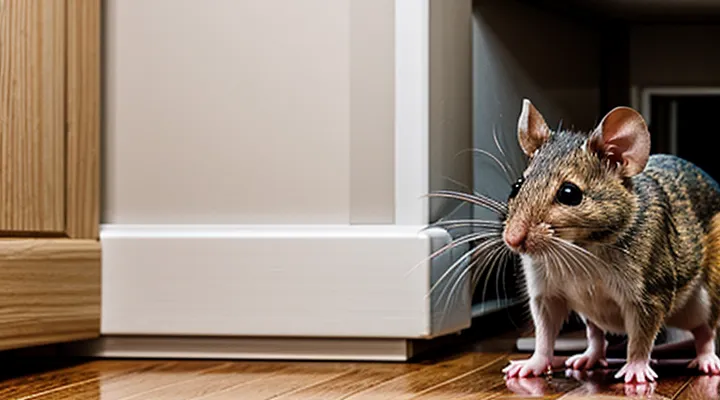
Understanding the Mice Problem on Upper Floors
Why Mice Might Be on Your Second Floor
Access Points and Entry Routes
Mice reach the second‑level unit through openings that connect the interior to the building envelope, utility shafts, and neighboring spaces. Identifying these pathways is the first step toward effective control.
Typical access points include:
- Gaps around exterior windows and sliding doors, especially where frames are not sealed.
- Uncapped or damaged vent openings, including dryer, bathroom, and kitchen exhaust fans.
- Openings around plumbing stacks, cable conduits, and electrical boxes that penetrate the floor or wall.
- Cracks in the foundation or sill plates that extend upward through the wall cavity.
- Gaps beneath baseboards, crown molding, or at the junction of flooring and wall trim.
- Unsealed gaps around HVAC ducts and return air grilles that run between floors.
- Openings in attic access panels or crawl‑space hatches that are not properly fitted.
Entry routes often involve vertical pathways:
- Chimney flues or stovepipe shafts that lack proper caps.
- Utility chases for water, gas, or internet lines that run from the ground floor to the second floor.
- Stairwell voids and railing gaps that provide a continuous passage.
- Wall cavities where insulation or wiring bundles create a conduit from ground level to the upper apartment.
Securing each identified opening—by caulking, installing metal mesh, or fitting door sweeps—eliminates the routes mice use to infiltrate the living space. Continuous inspection of these points, especially after seasonal changes or construction activity, prevents re‑entry and supports long‑term pest management.
Food and Shelter Attractants
Mice are drawn to the second‑floor apartment by two primary factors: readily available food and accessible shelter. Understanding how each factor operates enables effective prevention.
Food sources on upper levels often include unsecured pantry items, crumbs on countertops, pet food left out overnight, and improperly sealed garbage bins. Mice can detect even minimal residues, so every potential morsel must be eliminated. Store dry goods in airtight containers, wipe surfaces after each meal, and keep pet feeding stations away from walls. Empty trash cans daily and use bins with tight‑fitting lids.
Shelter opportunities arise from clutter, gaps, and structural defects. Stacks of boxes, piles of laundry, and unused furniture create hiding places. Openings around pipes, vents, and window frames allow entry from lower floors or the building’s exterior. Seal cracks with steel wool and caulk, install door sweeps, and repair damaged screens. Reduce clutter by storing items in closed cabinets and keeping the floor clear.
By removing food residues and denying shelter, the environment becomes inhospitable, decreasing the likelihood of mouse activity on the second floor. Regular inspection and maintenance sustain these conditions.
Initial Assessment and Identification
Signs of Mice Infestation
Early detection prevents a small problem from becoming a structural threat. Recognizing the first indications of a rodent presence on an upper‑level residence allows prompt intervention before damage spreads.
- Small, dark droppings about 3‑5 mm long, often found near food sources, along baseboards, or in hidden corners.
- Gnaw marks on wood, plastic, or electrical wiring; teeth leave clean, crescent‑shaped cuts.
- Accumulations of shredded paper, fabric, or insulation used for nesting; usually located in concealed areas such as wall cavities, attic spaces, or behind appliances.
- Scratching or scurrying sounds, especially at night, emanating from walls, ceilings, or floor joists.
- Streaks or spots of urine, which may appear as yellowish stains on surfaces or cause a pungent odor.
- Visible tracks in dusty or powdery areas, showing tiny footprints with four toes on the front paws and five on the hind paws.
- Chewed food packaging, particularly sealed bags or boxes, indicating tampering by rodents.
Each sign warrants immediate inspection and, if confirmed, the implementation of control measures tailored to a second‑floor setting. Ignoring these indicators can lead to extensive wiring damage, compromised insulation, and increased health risks.
Locating Mouse Activity Hotspots
Identifying where mice are most active on a second‑floor apartment is essential for targeted control. Begin with a systematic visual sweep of the living space. Look for fresh droppings, typically ¼‑inch black pellets, concentrated near food storage, waste bins, and under furniture. Examine corners, behind appliances, and inside cabinet interiors for gnaw marks on wood or plastic, indicating repeated passage.
Check for grease or oil trails on walls and floors; these residues result from mice brushing against surfaces while moving. Follow such lines to pinpoint nesting sites, which often appear as shredded paper, fabric, or insulation bundled in concealed areas such as behind baseboards, inside wall voids, or within ceiling panels.
Use a bright flashlight or a handheld UV lamp to reveal urine stains invisible to the naked eye. Place motion‑activated cameras at suspected pathways to confirm activity during nocturnal hours. Record the locations of each sign, then map them on a floor plan to visualize clusters of evidence.
Prioritize inspection of potential entry points. Inspect gaps around utility pipes, vent openings, and window frames for openings as small as a quarter inch. Seal identified cracks with steel wool and caulk before proceeding with bait or traps.
By documenting droppings, gnaw marks, grease trails, and entry points, you create a clear picture of mouse hotspots, enabling focused intervention and preventing further spread throughout the upper level.
Prevention Strategies
Sealing Entry Points
Inspecting Walls and Ceilings
Inspecting walls and ceilings on the second level of a residence provides the earliest reliable evidence of rodent activity.
Visible indicators include fresh gnaw marks on wooden framing, chewed insulation, dark droppings along baseboards, urine stains that darken when exposed to light, and greasy pathways along the upper edges of walls.
Use a high‑intensity flashlight and a handheld mirror to examine hidden corners, especially around pipe penetrations, vent openings, and electrical boxes. A thin inspection camera can reach behind drywall without demolition.
- Start at the farthest point of each room and move systematically toward the entrance.
- Check the perimeter of the ceiling for torn insulation and small holes.
- Examine the junction between wall and ceiling for gaps larger than ¼ inch.
- Record each finding with location and size.
Seal confirmed entry points with steel wool backed by silicone caulk, or install hardware cloth secured with screws. Re‑inspect after sealing to verify that no new signs appear.
A thorough wall and ceiling survey eliminates hidden access routes, reducing the likelihood of future mouse infestations on the upper floor.
Blocking Gaps Around Pipes and Vents
Sealing openings around plumbing and ventilation fixtures is essential for preventing rodents from entering an upper‑level residence. Mice can squeeze through gaps as small as a quarter inch, so every potential passage must be eliminated.
Identify all pipe penetrations through walls, ceilings, and floors. Inspect vent covers, dryer exhausts, and utility chases for cracks or gaps. Use a flashlight to detect hidden spaces behind insulation or behind removable panels.
Apply the following materials to close each opening:
- Steel wool or copper mesh, packed tightly into the gap before sealing.
- Expanding polyurethane foam, applied over the mesh to create a solid barrier.
- Silicone or acrylic caulk, smoothed to fill remaining seams.
- Metal flashing or sheet metal, used for larger openings around vent ducts.
Secure vent covers with screws and replace damaged grilles. For removable vent hoods, install a fine‑mesh screen on the exterior side to block entry while allowing airflow.
After sealing, conduct a visual inspection to confirm no visible gaps remain. Re‑apply sealant annually or after any renovation work that may disturb the barriers. This systematic approach removes the primary access points that mice exploit on the second floor of an apartment.
Food and Water Management
Proper Food Storage
Proper food storage is essential for preventing rodents from establishing a foothold on an upper‑level residence. Food left unsecured emits scent trails that attract mice, which can travel vertically through wall voids, pipes, or gaps around windows. By eliminating these attractants, the likelihood of infestation on the second floor diminishes significantly.
Store all consumables in containers that seal tightly. Ideal containers are made of hard plastic, glass, or metal with gasketed lids that prevent entry. Transfer bulk items—cereals, grains, nuts, and pet food—into such containers immediately after purchase. Keep the containers on a stable surface away from walls to reduce the chance of rodents climbing onto them.
Maintain a strict cleaning routine. After each meal, wipe countertops, sweep floors, and dispose of food waste in a sealed trash bin. Empty the bin daily and store it in a location inaccessible to pests. Avoid leaving dishes in the sink overnight; dishwasher cycles should be run promptly.
Implement the following checklist to reinforce food safety:
- Use airtight containers for all dry goods.
- Place containers on shelves, not on the floor.
- Clean spills within minutes.
- Dispose of leftovers in sealed bags.
- Empty trash daily; keep the bin covered.
- Inspect containers regularly for damage or wear.
By adhering to these practices, residents create an environment where mice find no viable food source, reducing the probability of a second‑floor infestation and supporting overall pest‑control efforts.
Eliminating Water Sources
Mice require a reliable water supply to survive on upper‑level flats. Leaking pipes, condensation, and standing liquid in containers create accessible hydration points that sustain infestations. Removing these sources forces rodents to seek water elsewhere, often exposing them to traps and poisons.
- Inspect all plumbing fixtures on the second floor; repair drips from faucets, showerheads, and toilet tanks immediately.
- Tighten connections on washing machine hoses and dishwasher supply lines to prevent seepage.
- Wipe down countertops, sinks, and bathroom surfaces after each use; eliminate puddles and excess moisture.
- Store pet water dishes on the floor, not on elevated surfaces, and refill only when empty to avoid spills.
- Use a dehumidifier or increase ventilation in bathrooms and kitchens to lower ambient humidity.
- Seal gaps around windows, vents, and exterior walls that allow rainwater intrusion.
Dry environments reduce mouse activity and make bait stations more effective. Regularly monitor for hidden moisture, such as under appliances or behind cabinets, and address any findings promptly.
Maintaining Cleanliness and Order
Regular Cleaning Practices
Regular cleaning eliminates food residues and nesting material that attract rodents to a second‑floor unit. Every meal should be cleared immediately; crumbs, spills, and food wrappers must be disposed of in sealed containers. Clean countertops, tables, and appliance surfaces with a disinfectant after each use to remove scent trails.
- Sweep or vacuum floors daily, focusing on corners, under furniture, and behind appliances where debris accumulates.
- Mop hard‑surface floors weekly with a solution that leaves no residue attractive to pests.
- Wash dishes promptly; avoid leaving dirty dishes in sinks overnight.
- Store pantry items in airtight, rodent‑proof containers; inspect packaging for tears before placement on shelves.
- Remove pet food after feeding; keep bowls on a washable mat that can be cleaned after each meal.
- Empty trash bins nightly; use bins with tight‑fitting lids and replace liners regularly.
- Clean behind the refrigerator, stove, and washing machine, pulling them out when possible to access hidden crumbs.
- Maintain a clutter‑free environment; discard cardboard boxes, paper piles, and unused fabrics that could serve as nesting sites.
Consistent execution of these practices reduces food availability, disrupts mouse foraging behavior, and supports long‑term pest control on upper‑level apartments.
Reducing Clutter
Reducing clutter on a second‑floor apartment eliminates hiding places and travel routes that mice exploit. Stacked boxes, piled clothing, and disorganized shelves create insulated pockets where rodents can nest, store food, and avoid detection. By keeping floor space clear and storing items in sealed containers, you limit the environment that supports their survival.
Practical steps for decluttering:
- Remove all unnecessary items from the floor and store them in airtight bins.
- Arrange books, electronics, and decor on closed shelving units rather than open piles.
- Regularly sort and discard outdated papers, magazines, and packaging.
- Keep laundry baskets covered and empty them daily.
- Ensure that storage closets are organized with labeled boxes that close tightly.
A tidy layout also simplifies inspection for signs of infestation. With fewer obstacles, visual checks for droppings, gnaw marks, or nesting material become faster and more reliable, allowing prompt intervention before a small problem escalates.
Eradication Methods
Trapping Techniques
Snap Traps: Placement and Baiting
Snap traps provide immediate, lethal control for rodents inhabiting the upper level of an apartment. Their mechanical action eliminates pests without chemicals, making them suitable for confined indoor spaces where children and pets are present, provided that safety features are engaged.
- Position traps along walls where mice travel, typically within 1–2 inches of the baseboard.
- Place devices behind appliances, under sinks, and in cabinet gaps, focusing on dark, concealed routes.
- Set traps perpendicular to the wall, with the trigger end facing the wall, to align with the animal’s natural forward movement.
- Use fresh, high‑protein bait such as peanut butter, small pieces of cheese, or cooked bacon; apply a pea‑sized amount to the trigger platform.
- Replace bait daily to maintain odor potency and prevent desiccation.
- Check traps at least once every 12 hours; remove captured rodents promptly and reset with new bait.
- Avoid placing traps near open food containers or pet feeding stations to prevent accidental encounters.
Live Traps: Use and Release
Live traps provide a non‑lethal option for eliminating mouse activity on an upper‑level flat. Choose traps made of durable plastic or metal with a hinged door that closes securely once the animal enters. Opt for models that allow easy access to the captured mouse without risking injury.
Place traps along established runways: within 30 cm of walls, behind appliances, and near suspected entry points. Position each trap perpendicular to the wall, with the opening facing the anticipated direction of travel. Avoid clutter that could block the trigger mechanism.
Effective bait includes small portions of peanut butter, oats, or dried fruit. Apply a pea‑sized amount to the trigger plate; excessive bait may allow the mouse to feed without activating the trap. Replace bait daily to maintain freshness.
Check traps at least twice a day. If a mouse is caught, wear disposable gloves, cover the trap with a lid, and transport it promptly to the release site.
Release the animal at least 2 km from the building, preferably in a wooded or field area where shelter is available. Open the trap gently on the ground, allowing the mouse to exit on its own. Disinfect the trap after each use to prevent disease transmission.
After release, seal all gaps larger than 6 mm with steel wool, caulk, or metal flashing. Maintain a clean environment by storing food in airtight containers and removing clutter that offers concealment. Repeat trapping until no new captures occur, then monitor periodically to confirm the absence of reinfestation.
Glue Traps: Considerations and Ethics
Glue traps provide a rapid method for capturing mice that have invaded upper‑level living spaces. Their adhesive surface immobilizes rodents within seconds, eliminating the need for lethal weapons or poison. The device’s simplicity facilitates placement in concealed areas such as behind baseboards, inside wall voids, and beneath furniture.
Key practical considerations include:
- Placement height: Position traps near known runways, typically 4–6 inches above the floor, to intersect mouse pathways.
- Surface protection: Lay a thin cardboard or plastic sheet beneath the trap to prevent damage to flooring and ease cleanup.
- Monitoring frequency: Inspect traps at least once daily; prolonged confinement can cause dehydration and suffering, and may attract predators.
- Disposal protocol: Wear gloves, seal captured mice in a double‑bagged container, and discard according to local wildlife regulations.
Ethical concerns revolve around the humane treatment of captured animals. Glue traps cause prolonged distress as the mouse struggles to free itself, often leading to injury or death from suffocation. Their non‑selective nature also risks entrapment of non‑target species such as insects or small reptiles. To mitigate these issues, consider the following ethical guidelines:
- Use traps only after confirming mouse activity; avoid indiscriminate deployment.
- Opt for traps with a low‑adhesive strength that allow quick release when monitored promptly.
- Replace glue traps with exclusion methods—sealing entry points, installing snap traps, or employing ultrasonic deterrents—once populations are reduced.
- Document capture data to assess effectiveness and adjust control measures accordingly.
When integrated thoughtfully, glue traps can serve as a temporary tool within a broader integrated pest management plan, provided their deployment adheres to humane standards and local regulations.
Rodenticides: When and How to Use
Safety Precautions
When tackling a mouse problem on an upper‑level apartment, personal and household safety must be prioritized. Exposure to droppings, urine, and potential pathogens can occur, and the use of traps or chemicals introduces additional hazards. Follow these measures to minimize risk.
- Wear disposable gloves and a mask while handling traps, baits, or contaminated materials.
- Use sealed, tamper‑resistant bait stations rather than loose poison to prevent accidental ingestion by children or pets.
- Choose snap traps or electronic devices that eliminate the need for toxic substances.
- Place traps on stable surfaces away from edges where they could fall and cause injury.
- Inspect and clean any areas where droppings are found with a disinfectant solution; avoid sweeping dry debris to prevent aerosolization.
- Ensure adequate ventilation when applying any rodent‑control product; keep windows open if possible.
- Store all chemicals and traps out of reach of non‑target occupants, preferably in a locked cabinet.
- Follow manufacturer instructions for each product, noting recommended exposure times and disposal procedures.
After completing the control actions, wash hands thoroughly with soap and water, and launder clothing that may have contacted contaminants. Maintaining these precautions protects occupants and preserves the integrity of the living environment while effectively addressing the rodent issue.
Strategic Placement
Strategic placement maximizes the effectiveness of rodent control on an upper‑level residence. Identify all potential ingress points, such as gaps around vents, utility shafts, and window frames, then position devices within a 10‑foot radius of each opening.
- Snap traps: align perpendicular to walls, with trigger end facing the wall; place behind furniture, under cabinets, and in concealed corners.
- Electronic traps: locate on smooth surfaces near known runways; ensure power source is within reach.
- Bait stations: install at floor level along walls, avoiding areas where children or pets can access them.
- Ultrasonic emitters: mount on interior walls, at least 12 inches from floor, to cover open spaces without obstruction.
- Sealant application: apply expanding foam or steel wool to fill gaps after traps are set, preventing re‑entry.
Placement must consider safety and monitoring. Position devices out of reach of non‑target occupants, yet accessible for regular inspection. Use a notebook or digital log to record capture dates, locations, and trap performance; adjust positions if activity persists.
Regular assessment refines the layout. Relocate traps toward fresh droppings or gnaw marks, replace depleted bait, and reinforce newly discovered entry points. Consistent, data‑driven repositioning sustains control over the mouse population on the second floor.
Professional Pest Control Services
When to Call an Expert
Mice that have settled on a second‑floor apartment often hide behind walls, ceilings, and insulation, making detection and removal difficult. Homeowners can initially address the problem with traps, sealing obvious entry points, and maintaining strict sanitation. However, certain conditions indicate that professional assistance is required.
- Evidence of mouse droppings in multiple rooms or behind structural elements.
- Persistent gnaw marks on electrical wiring, plumbing, or structural wood.
- Continuous activity despite the use of traps and bait stations.
- Signs of disease risk, such as urine stains on food preparation surfaces.
- Inability to locate or seal all potential access points because of complex building layouts.
When any of these indicators appear, a licensed pest‑control specialist should be engaged. Experts possess equipment for interior inspections, can apply rodent‑specific baits safely, and ensure compliance with local health regulations. Their intervention reduces the likelihood of property damage, electrical hazards, and health threats that may arise from prolonged infestation.
What to Expect from Professionals
Professional pest‑control providers begin with a thorough on‑site inspection. Technicians locate entry points, assess damage, and identify signs of activity such as droppings, gnaw marks, and nesting material. The inspection report includes a mapped layout of problem zones and a risk assessment for structural integrity and health hazards.
Based on the inspection, the contractor presents a written treatment plan. The plan specifies:
- Targeted exclusion methods (e.g., sealing gaps, installing door sweeps)
- Approved rodent‑control products (baits, traps, or electronic devices) suitable for residential use
- Safety precautions for occupants, pets, and food storage
- Estimated timeline for each intervention phase
- Cost breakdown and payment terms
Licensed professionals guarantee compliance with local regulations and industry standards. They carry certifications that confirm proper handling of pesticides and adherence to integrated pest‑management principles. Clients receive documentation of the technician’s credentials and the chemicals applied.
After the initial actions, the service includes a monitoring schedule. Technicians revisit the site to verify trap captures, replace consumables, and adjust exclusion measures if new entry points appear. Most providers offer a warranty period during which additional visits are covered at no extra charge if mice reappear.
Clear communication is part of the service contract. Companies assign a point of contact for updates, provide written summaries after each visit, and supply recommendations for homeowner maintenance (e.g., regular sanitation, proper waste disposal). This transparency allows residents to track progress and understand their role in preventing future infestations.
Post-Eradication Measures
Sanitation and Disinfection
Cleaning Contaminated Areas
Cleaning contaminated zones is essential when confronting a rodent problem on an upstairs apartment. Mouse droppings, urine stains, and gnawed materials can spread disease and attract additional pests, undermining any control measures.
To remediate affected areas, follow these actions:
- Locate all visible droppings, urine spots, and chewed debris on walls, ceilings, floors, and storage spaces.
- Wear disposable gloves and a mask; isolate the area to prevent cross‑contamination.
- Scrape solid residue with a disposable tool, placing material in a sealed bag.
- Apply an EPA‑registered disinfectant or a 1:10 bleach‑water solution to surfaces; let it remain for the manufacturer‑specified dwell time.
- Wipe with disposable cloths, then discard them in a sealed container.
- Vacuum the surrounding area with a HEPA‑rated filter, emptying the canister into a sealed bag afterward.
- Launder any washable fabrics at the highest safe temperature; treat non‑washable items with appropriate disinfectant.
- Store cleaned items in a dry, sealed environment to inhibit re‑infestation.
Complete the process on each floor level before installing traps or bait stations. A sanitized environment reduces health risks and removes the scent cues that encourage mice to return.
Odor Removal
Mice that inhabit an upper‑level apartment leave urine, droppings, and secretions that generate persistent odors. Effective odor removal requires eliminating the source, neutralizing residual smells, and preventing re‑contamination.
- Locate all droppings, nests, and spilled food. Use a disposable glove and a sealable bag for each collection.
- Clean surfaces with a detergent‑based solution, then rinse with hot water. Avoid bleach on porous materials, as it may trap odors.
- Apply an enzymatic cleaner specifically formulated for rodent waste. Enzymes break down organic compounds that cause foul smells.
- After the enzymatic treatment dries, scatter an activated‑charcoal or zeolite powder in closets, cabinets, and behind appliances. These minerals adsorb lingering vapors.
- Ventilate the affected rooms for at least 30 minutes each day. Open windows, use exhaust fans, or operate a portable air purifier equipped with a HEPA filter and an activated‑carbon cartridge.
For fabric items such as curtains, upholstery, or clothing, launder with a high‑temperature cycle and add a cup of white vinegar to the rinse. If the odor persists, send the items to a professional cleaning service that employs ozone treatment.
Finally, seal entry points and maintain a clean environment to discourage new infestations. By removing the biological source, treating contaminated surfaces, and employing adsorbent agents, the unpleasant smell associated with a rodent presence on a second‑floor residence can be fully eradicated.
Ongoing Monitoring
Regular Inspections
Conduct systematic visual examinations of every room on the second floor at least once a week. Focus on corners, behind appliances, under cabinets, and along baseboards where rodents travel. Use a flashlight to reveal droppings, gnaw marks, and shredded material.
Identify entry points during each inspection. Look for gaps larger than ¼ inch around pipes, vents, and wiring. Seal openings with steel wool followed by caulk or metal mesh to prevent re‑entry.
Record findings in a dedicated log. Note the date, location, type of evidence, and corrective actions taken. Review the log weekly to detect patterns and prioritize high‑risk areas.
Integrate inspections with other control measures:
- Replace damaged weather‑stripping and door sweeps.
- Trim vegetation and remove clutter that provides shelter.
- Schedule professional bait placement after confirming activity.
Maintain consistency. Skipping inspections creates blind spots that allow infestations to expand unnoticed. Regular, documented checks provide the data needed to intervene promptly and keep the upper‑level residence mouse‑free.
Maintaining Prevention Efforts
Effective rodent control on an upper‑level residence requires continuous preventive measures. Once initial extermination is complete, the focus shifts to sustaining a hostile environment for mice and eliminating conditions that invite reinfestation.
- Inspect walls, ceilings, and floor joists weekly for new gaps; seal openings with steel wool and expanding foam.
- Keep food storage airtight; discard crumbs and spills immediately, and clean countertops after each use.
- Maintain a regular schedule for bait stations and snap traps; replace baits before they lose potency and dispose of captured rodents promptly.
- Reduce clutter in closets, under‑furnace spaces, and behind appliances; store items in sealed containers to limit hiding places.
- Conduct monthly visual checks of plumbing and drainage for leaks; repair moisture sources that attract rodents.
- Record all observations, repairs, and trap activity in a log to identify trends and adjust tactics quickly.
Consistent application of these practices prevents mice from reestablishing a foothold on the second floor, ensuring long‑term protection without the need for repeated intensive interventions.