
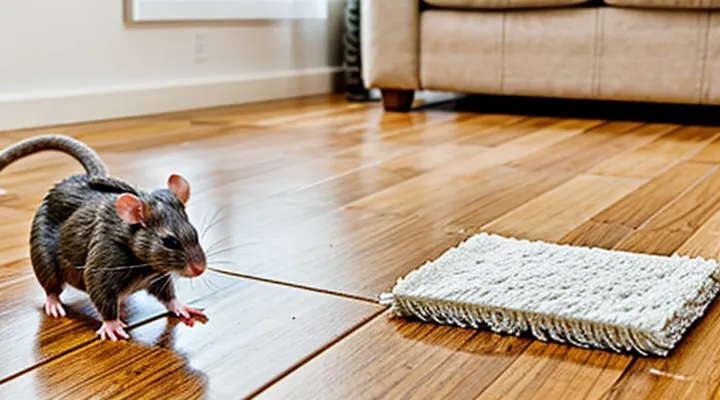
Understanding Rat Glue
What is Rat Glue?
Composition of Glue Traps
Glue traps used for rodent control consist primarily of a polymeric adhesive matrix, a backing material, and optional additives. The adhesive matrix is typically a synthetic rubber or polyurethane formulation that remains tacky over a wide temperature range. This polymer base provides the visco‑elastic properties that allow the glue to capture and retain rodents without breaking under strain.
The backing material is usually a thin, flexible sheet made from polyester, nylon, or polyethylene. These fibers give structural support, prevent the adhesive from spreading beyond the intended surface, and facilitate easy placement on floors or walls.
Additives may include:
- Plasticizers that maintain softness and prevent brittleness.
- Antimicrobial agents that inhibit bacterial growth on the trap surface.
- Pigments or dyes for visual identification of the trap’s active area.
Understanding these components helps select appropriate solvents or mechanical methods for safe removal of the adhesive from flooring, minimizing damage to the substrate while ensuring complete eradication of residual glue.
How Glue Traps Work
Glue traps consist of a thin layer of tacky polymer spread over a backing material such as cardboard, plastic, or fabric. The polymer remains sticky at room temperature and adheres to any surface that contacts it, including the fur or paws of a rodent. When the animal steps onto the trap, its weight causes the adhesive to flow around its limbs, creating a bond that resists pulling away. The bond strength increases with the duration of contact, eventually immobilizing the creature.
The design of a glue trap typically includes:
- A clear or colored base that blends with the floor, reducing visual detection.
- A high‑viscosity adhesive formulated to stay tacky without drying out quickly.
- A protective foil or paper covering that can be peeled away before use to prevent premature sticking.
Understanding the trap’s adhesion mechanism informs safe removal. Since the adhesive bonds chemically rather than mechanically, solvents such as mineral oil, vegetable oil, or commercial adhesive removers can break the polymer’s grip. Applying a thin layer of oil to the affected area softens the glue, allowing the rodent’s fur or the trapped residue to slide off the floor without tearing the surface.
When cleaning a floor that has been exposed to this type of adhesive, follow these steps:
- Cover the surrounding area with disposable gloves and a barrier sheet to avoid spreading the glue.
- Apply a small amount of oil directly onto the sticky spot; let it sit for 30–60 seconds.
- Gently scrape the softened glue with a plastic scraper, avoiding metal tools that could scratch the floor.
- Wipe the surface with a clean cloth soaked in warm, soapy water to remove any remaining residue.
- Dry the floor thoroughly to prevent slip hazards.
The trap’s reliance on a polymer‑based adhesive explains why water alone is ineffective; the polymer does not dissolve in water but does respond to lipophilic substances. Selecting the appropriate solvent and applying it methodically ensures the floor returns to a clean, non‑slippery condition.
Safety First
Personal Protective Equipment
Gloves and Eye Protection
When removing rat adhesive from flooring, direct contact with the substance can cause skin irritation, allergic reactions, or chemical burns. Protective gloves form the first barrier against these risks. Nitrile gloves resist solvents and acids commonly used to dissolve glue, making them suitable for most cleaning solutions. Latex gloves provide a comfortable fit but may degrade when exposed to strong solvents; they are appropriate only for mild, water‑based cleaners. Heavy‑duty rubber or PVC gloves offer maximum durability for aggressive chemicals such as mineral spirits or industrial degreasers. Select gloves that fit snugly, cover the wrist, and are rated for the specific chemicals in use.
Eye exposure to splashing glue or cleaning agents can result in severe irritation or permanent damage. Safety goggles with a sealed seal prevent liquids from reaching the eye surface, while full‑face shields protect against accidental spray from pressure washers or aerosolized solvents. Choose eyewear that meets ANSI Z87.1 standards; anti‑fog coating improves visibility during prolonged work. Inspect lenses for scratches before each use and replace damaged equipment immediately.
Practical steps for personal protection:
- Wear nitrile or PVC gloves that extend past the wrist.
- Verify glove integrity; replace any with punctures or tears.
- Use ANSI‑approved goggles or a full‑face shield.
- Check that eye protection fits securely and provides a clear field of view.
- Dispose of contaminated gloves in a sealed bag to avoid cross‑contamination.
Adhering to these protective measures minimizes health hazards while efficiently removing rat glue from the floor.
Ventilation Considerations
When removing adhesive left by rodents, airborne particles and fumes pose health risks; proper ventilation mitigates these hazards.
Ensure fresh air circulates throughout the area. Open windows on opposite sides of the room to create a cross‑draft. If external weather conditions limit window use, position portable fans to draw contaminated air toward an open window or exhaust vent.
Supplement natural airflow with mechanical extraction. Place a high‑efficiency particulate air (HEPA) filter unit near the work zone; run it continuously until all residue is removed and the surface dries. When solvent‑based removers are employed, attach a charcoal‑activated filter to the exhaust to capture volatile organic compounds.
Maintain airflow for a minimum of 30 minutes after the final cleaning pass. Verify that the odor of solvents has dissipated before re‑occupying the space.
Key ventilation actions:
- Open opposing windows or doors.
- Deploy fans to direct contaminated air outward.
- Use HEPA or activated‑carbon filtration devices.
- Operate exhaust systems for at least half an hour post‑cleaning.
Preventing Further Spreading
Isolating the Affected Area
When rodent adhesive contaminates a floor, the first priority is to prevent spread. Seal off the zone by closing doors, turning off ventilation that could circulate particles, and covering nearby surfaces with disposable plastic sheets. This containment protects both the cleaning crew and unaffected areas.
Create a physical barrier around the spill. Use painter’s tape or low‑adhesion masking tape to outline a perimeter at least 12 inches beyond the visible residue. Lay a heavy-duty drop cloth or tarp inside the taped boundary, overlapping the edges to ensure no droplets escape.
Remove any loose debris before applying solvents. With a stiff‑bristled brush, gently sweep away crumbs, hair, or other material that could become embedded in the glue. Collect the debris in a sealed bag to avoid cross‑contamination.
If the area cannot be isolated with permanent fixtures, employ temporary isolation:
- Place a portable plastic enclosure or a large, clear acrylic box over the spot.
- Attach zippered vent filters to the enclosure to maintain airflow while trapping particles.
- Secure the enclosure to the floor with weighted sandbags or clamps.
Document the boundaries with visible markers—colored tape or chalk lines—so anyone entering the space recognizes the hazard zone. Once isolation is complete, proceed with the chosen removal method, confident that the affected area remains contained.
Immediate Spill Management
When rat adhesive contacts a floor, the substance hardens quickly, creating a slip hazard and risking damage to the surface. Prompt response prevents spreading, reduces residue, and protects the underlying material.
- Wear disposable gloves and eye protection.
- Contain the spill with a disposable barrier (paper towels, cardboard) to stop lateral flow.
- Apply a small amount of warm water to the glue edge; avoid soaking the area, which can enlarge the stain.
- Gently press a clean cloth into the softened perimeter, lifting the adhesive without scraping.
- Transfer the collected glue to a sealed bag for disposal according to local hazardous‑waste guidelines.
- Rinse the spot with a mild detergent solution, then blot dry with a clean absorbent.
After the immediate actions, inspect the floor for remaining tackiness. If residue persists, repeat the water‑softening step, followed by a brief application of a commercial adhesive remover compatible with the floor type. Finish with a thorough rinse and a dry wipe to restore a safe, clean surface.
Gathering Your Supplies
Common Household Solvents
Vegetable or Cooking Oil
Vegetable or cooking oil acts as an effective solvent for the adhesive used in rodent traps, allowing the residue to be loosened without damaging most floor finishes.
- Apply a thin layer of oil directly onto the glue spot; let it sit for 30–60 seconds.
- Use a plastic scraper or a soft cloth to lift the softened adhesive, moving in the grain direction of the floor.
- Wipe the area with a clean rag soaked in warm, soapy water to remove excess oil and remaining tackiness.
- Dry the surface with a dry microfiber cloth; repeat the process if any residue persists.
Choose a neutral‑flavored oil (e.g., canola, sunflower) to avoid strong odors. Test a small, hidden area first to confirm that the oil does not affect the floor’s sealant. After removal, a brief rinsing with a mild detergent ensures that the floor returns to its normal condition.
Peanut Butter or Mayonnaise
Peanut butter and mayonnaise are effective oil‑based agents for loosening the adhesive used in rodent traps on hard flooring. Their high fat content penetrates the polymer matrix, reducing tackiness and allowing the glue to be lifted without excessive scraping.
The oil separates the adhesive from the surface, preventing damage to the floor finish. Both products are inexpensive, readily available, and safe for most indoor environments when used as directed.
- Apply a generous layer of peanut butter or mayonnaise directly onto the glued area, ensuring full coverage.
- Allow the product to sit for 5–10 minutes; the oil will soften the adhesive.
- Use a plastic scraper or a soft‑bristle brush to lift the loosened glue, working from the edges toward the center.
- Wipe the residue with a clean, damp cloth to remove remaining oil and adhesive fragments.
- Rinse the floor with a mild detergent solution, then dry with a microfiber towel to prevent streaking.
After removal, inspect the floor for any discoloration. If necessary, apply a neutral pH floor cleaner and re‑condition the surface with a suitable polish to restore its original appearance.
Rubbing Alcohol or Mineral Spirits
Rubbing alcohol and mineral spirits are effective solvents for dissolving the adhesive left by rodent traps on hard flooring. Both liquids break down the polymer bonds in the glue, allowing the residue to be wiped away without damaging the surface.
Rubbing alcohol (isopropyl alcohol, 70 %–99 %) evaporates quickly, leaving minimal moisture. Apply a generous amount to a clean cloth, press it onto the glue patch, and let it soak for 30–60 seconds. The softened adhesive can then be scraped with a plastic putty knife and wiped clean. Rubbing alcohol is non‑flammable at typical concentrations and safe for most sealed wood, tile, or laminate finishes, but it may discolor unfinished or waxed surfaces; test on an inconspicuous area first.
Mineral spirits act more aggressively on stubborn, cured glue. Pour a small quantity onto a microfiber rag, saturate the affected area, and allow the solvent to penetrate for 1–2 minutes. Use a soft brush or plastic scraper to lift the loosened residue, then blot with a dry cloth. Mineral spirits leave a slight oily film; rinse the floor with warm water and a mild detergent to remove any remaining trace. Ventilate the space adequately because mineral spirits emit strong vapors and are flammable; keep away from open flames and heat sources.
Safety and disposal guidelines:
- Wear nitrile gloves and eye protection.
- Work in a well‑ventilated area; open windows or use an exhaust fan.
- Keep solvents away from children and pets.
- Store containers tightly sealed when not in use.
- Dispose of used rags in a metal container with a lid; do not place them in regular trash due to fire risk.
- Follow local regulations for hazardous waste disposal of leftover solvent.
Specialized Cleaning Products
Adhesive Removers
Adhesive removers are the most efficient agents for dissolving the polymer matrix of rat‑glue residues on flooring. They act by penetrating the cured adhesive, swelling the polymer chains, and breaking the bond between the glue and the substrate.
Common categories include:
- Solvent‑based removers (acetone, mineral spirits, citrus‑derived d‑limonene). Effective on fast‑curing, rubber‑based glues; require ventilation and protective gloves.
- Water‑based emulsions (alkaline or enzymatic formulas). Suitable for water‑soluble adhesives; safe for most floor finishes but may need longer dwell times.
- Bio‑solvent blends (soy‑based or soy‑alkyl polyglucoside). Offer low toxicity and reduced odor; work best on medium‑strength glues.
When selecting a remover, verify compatibility with the floor material (hardwood, laminate, tile) by testing a small inconspicuous area. Avoid products containing harsh acids or bleach, which can discolor or degrade the surface.
Application procedure:
- Apply the remover evenly with a spray bottle or brush, ensuring full coverage of the glue patch.
- Allow the chemical to sit for the manufacturer‑specified dwell time (typically 5–15 minutes) to achieve maximum penetration.
- Gently scrape the softened adhesive with a plastic putty knife or a non‑abrasive scraper; metal tools may scratch delicate flooring.
- Wipe residual solvent with a clean, damp cloth; repeat the application if any trace remains.
- Rinse the area with mild soap solution and dry thoroughly to prevent slip hazards.
Safety considerations:
- Use nitrile gloves and eye protection; some solvents are skin‑irritating.
- Operate in a well‑ventilated space; consider a fan or open windows to disperse vapors.
- Store unused remover in a sealed container away from heat sources.
By following these guidelines, adhesive removers eliminate rat‑glue deposits efficiently while preserving the integrity of the floor surface.
Degreasers
Degreasers are chemical agents that break down oily residues, making them essential for removing adhesive remnants left by rodent traps. Their solvent action loosens the glue’s polymer matrix, allowing it to be wiped away without excessive scrubbing.
Select a product formulated for hard surfaces such as tile, vinyl, or sealed wood. Citrus‑based solvents dissolve resin quickly, while petroleum‑distilled formulas provide deeper penetration for stubborn patches. Verify compatibility with the flooring finish to prevent discoloration or surface damage.
Application steps:
- Apply a thin layer of the chosen degreaser directly onto the glue spot.
- Allow the solvent to act for 2–5 minutes, observing any softening of the adhesive.
- Use a soft‑bristle brush or a non‑abrasive pad to lift the softened material.
- Wipe the area with a clean, damp cloth to remove residual solvent and debris.
- Rinse the floor with mild soap and water, then dry thoroughly.
Safety considerations include wearing gloves, eye protection, and ensuring adequate ventilation. Store degreasers away from open flames, as many contain flammable components. Follow the manufacturer’s disposal instructions to avoid environmental contamination.
Essential Cleaning Tools
Scrapers and Spatulas
Removing adhesive residue left by rodent traps requires tools that can separate the glue without harming the floor surface. Scrapers and spatulas provide the necessary leverage and control.
Metal putty knives, stiff plastic blades, and razor‑edge scrapers are effective for hard, cured glue. Flexible silicone spatulas, stainless‑steel spreaders, and thin polymer paddles work well on softer, partially melted residue. Choose a tool whose edge matches the floor material: softer blades for laminate or vinyl, harder edges for hardwood or tile.
Tool selection
- Metal putty knife – thin, sturdy, ideal for scraping cured glue from wood or tile.
- Plastic scraper – reduces risk of scratching delicate surfaces.
- Razor‑edge scraper – removes stubborn, thick layers quickly.
- Silicone spatula – flexible, preserves surface integrity when lifting semi‑soft glue.
- Stainless‑steel spreader – provides firm pressure for thick deposits.
Application technique
- Wear disposable gloves to avoid skin contact with toxic adhesive.
- Soften fresh glue with a small amount of warm water or a commercial adhesive remover; allow a few minutes for penetration.
- Position the scraper at a low angle and push gently to lift the edge of the glue mass.
- Use the spatula to slide under the loosened section, applying steady pressure to separate it from the floor.
- Repeat until the area is clear, wiping away residual tack with a damp cloth.
Safety and maintenance
- Dispose of removed glue in a sealed container to prevent accidental exposure.
- Rinse metal tools with solvent or warm soapy water after each use; dry thoroughly to prevent rust.
- Inspect plastic blades for cracks; replace when integrity is compromised.
- Store tools in a dry, organized location to keep them ready for future cleaning tasks.
Rags and Paper Towels
When dealing with adhesive left by rodent traps, rags and paper towels serve as primary tools for removal and surface protection. Choose absorbent, lint‑free cloths for direct contact with the glue; paper towels are suitable for wiping excess residue after the bulk has been softened.
Begin by softening the adhesive. Apply a small amount of a suitable solvent—such as mineral oil, citrus‑based remover, or warm soapy water—directly onto the glue. Allow the liquid to penetrate for 1–2 minutes. The softened area will become tacky and easier to lift.
- Place a clean rag over the treated spot. Press gently to absorb the loosened glue. Avoid rubbing, which can spread the residue.
- Use a fresh paper towel to blot any remaining moisture. Press, do not scrub, to prevent fibers from embedding in the floor.
- Repeat the solvent application and rag blotting until the surface is free of tacky film.
After the adhesive is removed, wipe the area with a damp rag to eliminate solvent traces. Follow with a dry paper towel to ensure the floor is completely dry before foot traffic resumes.
Select rags made from microfiber or cotton; they hold solvents without disintegrating. Paper towels should be thick enough to resist tearing when saturated. Dispose of used paper towels in a sealed bag to avoid accidental re‑adhesion or contamination.
Buckets and Brushes
Buckets and brushes are essential tools when tackling adhesive residue left by rodent traps. A sturdy, medium‑sized bucket holds cleaning solution, prevents spillage, and allows easy transport of waste water. Choose a bucket with a tight‑fitting lid if the solution contains solvents that may evaporate quickly.
Brushes must match the floor material and the glue’s consistency. Stiff nylon bristles remove dried adhesive without scratching tile or laminate, while softer polypropylene bristles work better on polished wood. A handheld scrub brush offers precise control around corners; a larger floor brush covers open areas efficiently.
Effective use follows a simple sequence:
- Fill the bucket with warm water and add a suitable degreasing agent (e.g., citrus‑based solvent).
- Dip the brush, squeeze excess liquid, and apply to the glue patch.
- Scrub in a circular motion until the adhesive softens and lifts.
- Rinse the brush frequently in the bucket to avoid redepositing glue.
- Empty the bucket into a waste container once the solution is saturated, then refill with fresh mixture for remaining spots.
After cleaning, rinse the floor with clean water from a separate bucket to remove residual solvent. Dispose of used water and brushes according to local hazardous‑waste guidelines. Proper selection and handling of buckets and brushes minimizes labor, protects floor integrity, and ensures complete removal of rodent glue.
Step-by-Step Cleaning Methods
Oil-Based Solutions
Applying the Oil
Applying oil is an effective method for breaking down the adhesive left by rodent traps on hard flooring. The oil penetrates the polymer matrix, reduces viscosity, and allows the residue to be lifted without damaging the surface.
Begin by selecting a suitable oil—mineral, vegetable, or specialized adhesive remover. Test a small, hidden area to confirm that the oil does not discolor or dull the finish. Gather a clean cloth, a soft‑bristled brush, and a container for excess oil.
- Pour a thin layer of oil onto the affected spot; avoid saturation.
- Allow the oil to sit for 2–3 minutes, giving it time to soften the glue.
- Gently scrub with the brush in a circular motion; the softened adhesive will lift.
- Wipe away the oil and loosened residue with the cloth, repeating the process if necessary.
- After the glue is removed, clean the area with a mild detergent solution to eliminate any oily film, then dry thoroughly.
Use protective gloves and ensure adequate ventilation, especially when working with mineral or solvent‑based oils. Proper disposal of oil‑laden rags prevents fire hazards. This approach restores the floor’s appearance while minimizing the need for abrasive tools.
Gentle Scraping Techniques
When rat glue adheres to a floor, the first step is to separate the residue without damaging the surface. Gentle scraping achieves this by applying controlled pressure and using tools that minimize abrasion.
Select a thin, flexible instrument such as a plastic putty knife, a credit‑card edge, or a silicone spatula. Hold the tool at a low angle (approximately 10–15 degrees) and slide it under the edge of the glue patch. Advance slowly, allowing the tool’s edge to lift the material rather than cut into the floor.
If the glue hardens, soften it before scraping:
- Apply a small amount of warm water or a mild solvent (e.g., diluted white vinegar) to the affected area.
- Let the liquid penetrate for 30–60 seconds.
- Repeat the low‑angle slide, keeping the tool’s motion steady.
For delicate finishes such as hardwood or laminate, place a thin cloth between the scraper and the surface. The cloth distributes force evenly and prevents scratches.
When the bulk of the glue is removed, inspect the floor for remaining traces. Use a soft microfiber pad dampened with warm water to wipe away residual stickiness. Dry the area promptly with a clean towel to avoid moisture damage.
By maintaining a shallow angle, using non‑metallic tools, and softening the adhesive when necessary, the scraping process remains gentle yet effective, preserving the integrity of the floor while eliminating rat glue.
Wiping Away Residue
Removing adhesive residue after the initial solvent treatment requires a systematic approach to protect the floor surface and prevent streaks. Begin by selecting a soft, lint‑free cloth or a disposable microfiber wipe. Dampen the material with a mild cleaning solution—such as diluted dish soap, a commercial floor cleaner, or a mixture of warm water and white vinegar—ensuring the liquid is not saturated enough to soak the substrate.
- Press the cloth onto the sticky area, allowing the solution to penetrate for 10–15 seconds.
- Gently rub in a circular motion, avoiding excessive pressure that could damage delicate finishes.
- Rinse the cloth frequently with clean water to remove collected glue residue, then continue wiping until the surface feels smooth.
After the visible residue disappears, dry the floor with a separate clean towel. Inspect for any lingering tackiness; repeat the wiping step if necessary. A final pass with a neutral pH floor polish restores shine and adds a protective layer, completing the residue removal process.
Solvent-Based Solutions
Testing in an Inconspicuous Area
Before applying any solvent, verify compatibility with the flooring material by performing a spot test in a concealed location. Choose a small, hidden section—such as under a piece of furniture or behind a baseboard—where damage would not be noticeable. Apply a minimal amount of the chosen cleaner, let it sit for the recommended time, then gently wipe with a soft cloth. Observe the surface for discoloration, warping, or loss of finish. If the test area shows no adverse reaction, proceed with full‑scale removal; if any change occurs, select an alternative method or consult the floor manufacturer.
Key steps for an effective inconspicuous test:
- Identify a discreet spot that represents the same flooring type as the affected area.
- Apply a limited quantity of the cleaning agent using a cotton swab or soft brush.
- Allow the product to act for the specified duration, typically 1–3 minutes.
- Remove the residue with a clean, damp cloth, avoiding abrasive motion.
- Inspect the test site under normal lighting and, if possible, at an angle to detect subtle changes.
Successful testing confirms that the solvent will dissolve the adhesive without compromising the floor’s integrity, ensuring a safe and efficient removal process.
Controlled Application
Controlled application means applying the cleaning agent in measured amounts and specific locations to break down adhesive without harming the flooring surface. Precise dosing prevents over‑wetting, which can lift finishes, warp wood, or seep into seams.
Before treatment, secure the area. Open windows, turn on an exhaust fan, and wear gloves and eye protection. Remove loose debris with a vacuum or broom to expose the glue patches.
Apply solvent with a dropper or spray bottle, limiting the liquid to the glue spot. Follow these steps:
- Dispense a few drops directly onto the adhesive.
- Allow the solvent to penetrate for 30‑60 seconds; observe softening.
- Use a plastic putty knife to lift the softened glue, working at a shallow angle.
- If residue remains, repeat the application on the specific spot.
Avoid metal tools; they can scratch or gouge the floor. After the glue is removed, wipe the area with a damp microfiber cloth to capture dissolved material. Rinse the cloth frequently to prevent redepositing adhesive.
Finish by drying the surface with a clean, dry towel. If the flooring has a sealant, apply a compatible neutralizer or a small amount of mild dish soap diluted in water to restore the finish’s protective layer. Inspect the cleaned zone for any lingering tackiness before allowing foot traffic.
Removing Stubborn Spots
When adhesive residue from trapped rodents hardens on a floor, the most persistent patches demand a focused approach. Begin by softening the glue with a solvent that penetrates without damaging the substrate. Apply a small amount of mineral spirits or a commercial adhesive remover to a clean cloth, press it onto the spot, and let it sit for 30–60 seconds. The liquid will break down the polymer bonds, making the mass pliable.
- Use a plastic scraper to lift the softened material; avoid metal tools that can gouge the surface.
- If residue remains, re‑apply solvent and repeat the scraping step.
- For porous flooring, follow with a mild detergent solution to remove any oily film, then rinse with clean water and dry thoroughly.
A final inspection should confirm that the area is free of tacky remnants. If faint traces persist, repeat the solvent‑scrape cycle once more; repeated cycles guarantee complete removal without compromising the floor’s integrity.
Combining Approaches
Pre-treatment with Oil
When tackling adhesive residue left by rodents, applying an oil-based pre‑treatment softens the polymer before mechanical removal. The oil penetrates the glue’s matrix, reducing its tack and allowing it to be scraped without damaging the substrate.
- Choose a mineral oil, vegetable oil, or a dedicated adhesive remover that contains oil. Ensure the product is compatible with the floor material (e.g., wood, laminate, tile).
- Test a small, concealed area for discoloration or surface reaction. Wait five minutes; if no change occurs, proceed.
- Pour a thin layer of oil directly onto the glue patch. Use a brush or cloth to spread it evenly, covering the entire affected zone.
- Allow the oil to sit for 5–10 minutes. The glue will become translucent and lose its grip.
- Gently scrape the softened residue with a plastic putty knife or a soft‑edge scraper. Avoid metal tools that could scar the floor.
- Wipe away any remaining oil and loosened particles with a clean, damp rag. Follow with a neutral‑pH floor cleaner to eliminate oily film.
Completing the oil pre‑treatment before the main cleaning step minimizes effort, prevents surface abrasion, and ensures a thorough removal of the rodent adhesive.
Follow-up with Solvent
After the bulk of the adhesive has been scraped or lifted, a solvent is required to dissolve the remaining residue. Choose a solvent that attacks the polymer without damaging the floor finish; common options include mineral spirits, acetone, or a citrus‑based adhesive remover. Test the chosen product on an inconspicuous area for discoloration or surface degradation before full application.
Apply the solvent with a clean cloth or a disposable brush, saturating the affected spot. Allow the liquid to sit for 30‑60 seconds; this time softens the thin film and breaks the bond to the substrate. Then wipe the area with a fresh, lint‑free rag, applying firm pressure to lift the softened glue. If any residue persists, repeat the application until the surface is clear.
Complete the process by rinsing the floor with warm water and a mild detergent to remove solvent traces. Dry the surface thoroughly with a microfiber towel to prevent streaks. For hardwood or laminate, follow the manufacturer’s recommendations on solvent compatibility and avoid excessive moisture.
Key steps for solvent follow‑up
- Select an appropriate, floor‑safe solvent.
- Conduct a spot test for adverse reactions.
- Apply liberally and let it act for 30‑60 seconds.
- Wipe with a clean, absorbent cloth; repeat if needed.
- Rinse with warm, soapy water and dry completely.
Final Cleaning Steps
After the adhesive has been softened and the bulk removed, the floor requires thorough cleaning to eliminate residue, prevent slipping, and restore the surface’s appearance.
- Rinse the area with warm water mixed with a mild dish‑soap solution. Use a mop or a soft‑bristled brush to agitate the surface gently, ensuring the soap penetrates any remaining traces.
- Rinse again with clean water to wash away soap suds. Remove excess liquid with a clean, dry microfiber cloth or a wet‑vacuum to avoid water damage.
- Apply a neutral‑pH floor cleaner or a diluted white‑vinegar solution (1 part vinegar to 4 parts water) to break down any lingering stickiness. Allow it to sit for 30–60 seconds, then wipe with a fresh cloth.
- Dry the floor completely. Use a low‑speed fan or open windows for ventilation, and finish with a dry microfiber towel to eliminate moisture pockets.
- Inspect the surface for spots of tackiness. If any remain, repeat the soap‑rinse‑dry cycle on the affected spots only.
These steps leave the floor free of adhesive remnants, safe for foot traffic, and ready for any further finishing treatments such as polishing or sealing.
Dealing with Different Floor Types
Hardwood Floors
Avoiding Damage to Finishes
Removing rodent adhesive from a floor requires a method that preserves the existing surface coating. Direct application of harsh chemicals or aggressive scraping can strip varnish, wax, or sealant, leading to costly repairs. Choose a solution that softens the glue without reacting with the finish.
- Test any solvent on an inconspicuous area for at least one minute; observe for discoloration or loss of sheen.
- Apply a minimal amount of a water‑based adhesive remover or diluted citrus solvent; let it penetrate for 5‑10 minutes.
- Use a plastic putty knife or soft‑bristle brush to lift the softened glue; avoid metal tools that can gouge the surface.
- Wipe the area with a damp microfiber cloth; follow with a clean dry cloth to remove residue.
- If a stain remains, repeat the process with a lower‑strength solution; do not increase concentration beyond manufacturer recommendations.
After the adhesive is cleared, restore the floor’s protective layer by applying a thin coat of compatible polish or sealant. Allow the product to cure according to label instructions before resuming traffic. This sequence minimizes the risk of finish damage while effectively eliminating rodent glue.
Recommended Cleaning Agents
When dealing with adhesive residue left by rodent traps, selecting the appropriate solvent determines both effectiveness and surface safety. The following agents are proven to break down the polymeric bond without damaging common flooring materials:
- Isopropyl alcohol (70‑90 %) – rapidly penetrates the glue, softens it, and can be wiped away with a disposable cloth. Test on a hidden area to confirm no discoloration.
- Acetone – strong solvent for synthetic adhesives; apply sparingly with a cotton pad, allowing a brief dwell time before scraping. Avoid on polished wood or laminate without a protective seal.
- Citrus‑based degreaser – biodegradable option that dissolves glue while leaving a mild scent. Spray, let sit for 5‑10 minutes, then scrub with a non‑abrasive pad.
- White vinegar (5 % acetic acid) – safe for most tile and vinyl surfaces; soak a cloth in vinegar, press onto the residue, and gently lift the softened glue.
- Commercial adhesive remover (e.g., Goo Gone, Goof Off) – formulated for tough residues; follow manufacturer instructions, and rinse the area with water after removal to prevent film buildup.
Application guidelines common to all agents:
- Ventilate the area; wear gloves and eye protection.
- Apply the solvent directly to the glue, not the surrounding floor.
- Allow the chemical to act for the recommended time, usually 2–10 minutes.
- Use a plastic scraper or soft brush to lift the softened material.
- Clean the surface with mild soap and water, then dry thoroughly.
Choosing the least aggressive solvent that still achieves removal preserves floor integrity while eliminating hazardous adhesive traces.
Tile and Linoleum
Safe Scrubbing Practices
When removing rodent adhesive from a floor, the scrubbing method must protect both the surface and the operator. Wear chemical‑resistant gloves and eye protection before any contact with the glue. Test a small, hidden area with the chosen solvent to confirm that the material will not be discolored or etched.
Select a scrubber that matches the floor type:
- Soft‑bristled nylon brush for laminate, vinyl, or sealed wood.
- Non‑abrasive sponge for tile or stone.
- Micro‑fiber pad for polished surfaces.
Apply a solvent—such as diluted citrus‑based remover or mild detergent solution—directly onto the glue, allowing it to penetrate for 1–2 minutes. Do not let the liquid sit longer than recommended, as prolonged exposure can degrade sealants.
Scrub using gentle, circular motions. Excessive pressure can scratch or lift the finish. Keep the brush or pad moving to avoid concentrating force in one spot. Rinse the area with clean water to remove residual solvent and loosened adhesive. Use a clean mop or absorbent cloth to blot excess moisture, then dry the surface with a low‑lint towel.
After cleaning, inspect the floor for any remaining tacky residue. If traces persist, repeat the solvent application and light scrubbing. Avoid abrasive pads, steel wool, or harsh chemicals, as they compromise the floor’s integrity and may release harmful fumes.
Preventing Stains
When rodent adhesive contacts a floor, it can leave discoloration if not handled correctly. Immediate action limits absorption, preserving the original surface color.
- Blot, do not rub, the glue with a dry cloth to remove excess material.
- Apply a solvent that matches the floor type (e.g., citrus‑based remover for sealed wood, diluted vinegar for tile) within five minutes of exposure.
- Test the solvent on a hidden area to confirm it will not alter the finish.
- After solvent application, use a soft‑bristled mop to spread the solution evenly, preventing concentrated pools that could cause streaks.
- Rinse the area with clean water and dry promptly with a microfiber towel to avoid water marks.
For porous surfaces such as unfinished wood or concrete, seal the spot with a clear, water‑based sealant before cleaning. The sealant creates a barrier that blocks the glue’s pigments from penetrating the material.
Regular maintenance—sweeping debris, inspecting for fresh adhesive deposits, and applying a protective floor coating—reduces the likelihood of staining during future incidents.
Concrete and Unfinished Surfaces
More Aggressive Cleaning Options
When the adhesive proves resistant to mild detergents, stronger methods become necessary.
- Apply a solvent such as mineral spirits, acetone, or a commercial adhesive remover. Saturate the affected area, allow the liquid to penetrate for several minutes, then scrape the softened residue with a putty knife.
- Use a heat gun set to medium temperature. Direct the hot air onto the glue until it becomes pliable, then lift it off with a scraper. Work in short bursts to avoid scorching the floor.
- Introduce a citrus‑based or petroleum‑distillate stripper. Spread a thin layer, let it sit according to the product instructions, and wipe away the loosened material with a microfiber cloth.
- Employ an abrasive pad or fine‑grit sandpaper for hardwood or laminate surfaces. Gently rub the glue until it disappears, taking care not to damage the surrounding finish.
- Deploy a pressure washer on low pressure for tile or concrete floors. Combine the water stream with a degreasing agent to break down the adhesive bonds.
Safety measures are mandatory: wear chemical‑resistant gloves, goggles, and a respirator when handling volatile solvents; ensure adequate ventilation; test any solvent on an inconspicuous spot to confirm compatibility with the floor finish. After aggressive treatment, rinse the area thoroughly, dry completely, and restore protective coating if the surface was stripped.
Rinse and Dry Procedures
After the adhesive has been softened and scraped off, the surface must be rinsed thoroughly to eliminate residual stickiness. Use warm water mixed with a mild, pH‑neutral detergent. Apply the solution with a clean mop or sponge, working in small sections to prevent the floor from becoming overly saturated. Rinse each section with fresh water, ensuring that all soap and dissolved glue are removed.
The drying stage prevents water damage and prepares the floor for any subsequent treatment. Remove excess moisture with a dry microfiber cloth or absorbent towel, pressing firmly to extract liquid from the grain. Follow with a clean, dry mop to sweep remaining dampness toward the room’s exit.
For optimal results, employ one of the following methods:
- Place a portable fan or dehumidifier near the treated area and operate for 15–30 minutes.
- Open windows to promote cross‑ventilation, allowing natural airflow to carry away moisture.
- If a wet‑vacuum is available, run it over the floor after the initial towel‑dry step to extract hidden water.
Confirm that the floor feels dry to the touch before walking on it or applying any sealant.
Post-Cleaning and Odor Removal
Thorough Rinsing
Eliminating Residue
Removing the remnants of rat adhesive after the initial extraction is essential for restoring a smooth, safe surface. Residue can attract dirt, cause slipping, and damage flooring if left untreated.
Before beginning, equip yourself with gloves, eye protection, and a mask. Ensure the area is well‑ventilated; open windows or employ a fan to disperse fumes from cleaning agents.
Procedure for eliminating residue
- Mechanical removal – Use a plastic scraper or a stiff‑bristled brush to lift the bulk of the dried glue. Apply steady pressure; avoid metal tools that might gouge the floor.
- Solvent application – Select a solvent compatible with the flooring material (e.g., mineral spirits for wood, isopropyl alcohol for laminate). Dampen a cloth with the solvent, lay it over the remaining patch, and let it soak for 3–5 minutes. The adhesive softens and can be wiped away.
- Abrasive aid – For stubborn spots, sprinkle a fine abrasive pad (such as a non‑scratch scouring pad) onto the damp area and rub gently in a circular motion. Do not exceed light pressure to prevent surface wear.
- Neutralization – After the solvent has dissolved the glue, wipe the area with a clean, damp microfiber cloth to remove chemical residues. Follow with a mild detergent solution to ensure no solvent remains.
- Drying – Pat the floor dry with a lint‑free towel. Allow the surface to air‑dry for at least 15 minutes before stepping on it.
Inspect the cleaned zone for any remaining tacky film. If traces persist, repeat the solvent step, limiting repetitions to prevent over‑exposure of the flooring material. Once the floor is clear, apply a protective sealant or floor polish if the substrate requires it, which will enhance durability and reduce the likelihood of future adhesive buildup.
Preventing Slippery Surfaces
Removing rodent adhesive from flooring creates a slip hazard that must be addressed before, during, and after the cleaning process.
Begin by preparing the work area. Place non‑slip mats or rubberized pads around the contaminated zone to provide stable footing. Wear shoes with textured soles to improve traction. Keep the floor dry; excess moisture reduces friction and increases the risk of slipping.
During adhesive removal, follow these steps:
- Apply a solvent or warm water solution that softens the glue without flooding the surface.
- Use a stiff‑bristle scraper or a plastic putty knife, applying steady pressure to avoid sudden movements.
- Wipe the area with absorbent cloths, replacing them frequently to prevent buildup of liquid that could make the floor slick.
- Ventilate the space with fans or open windows to accelerate drying and maintain a dry work surface.
After the glue is gone, eliminate any remaining residue. Clean the floor with a mild detergent, rinse thoroughly, and dry completely using a clean microfiber mop or a low‑speed fan. If the flooring material is prone to becoming slippery when wet, apply a commercial anti‑slip coating or a thin layer of floor wax formulated for traction.
Finally, inspect the entire cleaned zone for moisture pockets or uneven surfaces. Re‑apply non‑slip mats if necessary, and verify that the floor provides reliable grip before allowing regular traffic.
Deodorizing the Area
Natural Odor Absorbers
After the adhesive is removed, residual odor often remains on the surface. Natural odor absorbers neutralize volatile compounds without leaving synthetic residues, making them suitable for indoor environments where the floor must stay safe for occupants and pets.
- Baking soda – Sprinkle a generous layer over the affected area, let it sit for at least 30 minutes, then vacuum or sweep away. The alkaline crystals bind acidic odor molecules.
- Activated charcoal – Place a shallow tray of fine‑grained charcoal on the floor or nearby; replace every 24 hours until the smell fades. Its porous structure traps airborne volatiles.
- White vinegar – Dilute one part vinegar with two parts water, dampen a cloth, and wipe the floor. The acetic acid neutralizes alkaline residues while evaporating quickly.
- Coffee grounds – Spread dry, fresh grounds in a thin layer, allow them to dry for several hours, then vacuum. The grounds adsorb unpleasant scents and release a mild, pleasant aroma.
- Citrus peels – Lay shredded orange or lemon peel on the floor for 1–2 hours; the natural oils absorb odor and leave a fresh scent. Remove peels and clean the surface afterward.
For optimal results, combine two methods—such as baking soda followed by a brief vinegar wipe—to address both solid‑bound and airborne odor particles. Maintain good ventilation during treatment; open windows or run an exhaust fan to accelerate the removal of dissolved compounds. Repeat the chosen absorber until no trace of the glue’s odor is detectable.
Commercial Odor Neutralizers
Commercial odor neutralizers are essential when eliminating rodent adhesive residues from flooring because the glue releases strong, persistent smells that can linger after the physical material is removed. Effective neutralization restores indoor air quality and prevents re‑contamination of cleaned surfaces.
These products work through chemical absorption, oxidation, or enzymatic breakdown of odor‑causing molecules. Adsorbent formulations bind volatile compounds, while oxidizing agents convert them into non‑odorous substances. Enzyme‑based solutions target organic components of the glue, reducing both scent and potential microbial growth.
Key categories and selection criteria:
- Activated‑charcoal sprays – high adsorption capacity; suitable for large areas.
- Oxidizing mist systems – rapid action; compatible with sealed hardwood and tile.
- Enzyme‑infused liquid neutralizers – safe for porous surfaces; require longer dwell time.
- Hybrid formulations – combine adsorption and oxidation; ideal for mixed‑material floors.
Application protocol:
- Remove all visible glue using a suitable solvent or mechanical scraper.
- Rinse the area with warm water and a mild detergent; dry thoroughly.
- Apply the chosen neutralizer according to manufacturer instructions, ensuring even coverage.
- Allow the product to act for the recommended period (typically 10–30 minutes).
- Ventilate the space by operating exhaust fans or opening windows to expedite odor dissipation.
Safety considerations include wearing gloves and eye protection, testing the neutralizer on a hidden spot to verify surface compatibility, and ensuring adequate ventilation to avoid inhalation of concentrated fumes. Proper use of commercial odor neutralizers eliminates residual smells and completes the restoration of a clean, odor‑free floor.
Prevention and Future Considerations
Alternative Pest Control Methods
Traps and Baits
When dealing with adhesive used to capture rodents, selecting appropriate traps and baits reduces the amount of residue left on surfaces. Effective trap choice minimizes the need for aggressive scraping, which can damage flooring.
- Snap traps with plastic or wooden bases prevent glue spread.
- Live‑catch cages equipped with smooth interior walls avoid adhesive contact.
- Electronic traps that deliver a quick kill produce no residue.
Bait selection influences the likelihood of glue activation. Use low‑moisture attractants that do not dissolve the adhesive:
- Peanut butter applied to a small piece of cardboard.
- Dried fruit or nuts placed on a non‑stick platform.
- Commercial rodent lures formulated for dry environments.
Proper placement of traps limits glue exposure. Position devices along walls, behind appliances, and in concealed corners where rats travel, keeping them away from high‑traffic flooring. After capture, remove the trap, seal it in a disposable bag, and clean the area with a solvent compatible with the floor material—preferably a citrus‑based remover that breaks down the adhesive without excessive friction. This approach preserves the integrity of the floor while ensuring complete removal of the sticky residue.
Exclusion Techniques
Exclusion techniques focus on preventing adhesive residues from contacting the floor rather than merely removing them after the fact. The first step is to eliminate the source of the glue by sealing all potential entry points. Inspect walls, baseboards, and utility openings; fill gaps larger than ¼ inch with steel wool, caulk, or expanding foam. Install door sweeps and weather stripping to block rodents from reaching interior surfaces.
Next, replace traditional glue traps with non‑adhesive alternatives. Snap traps, electronic devices, or live‑capture cages reduce the likelihood of sticky substances being deposited on flooring. When glue traps are unavoidable, position them on removable mats or trays that can be taken away without contaminating the floor.
If adhesive has already been applied, isolate the affected area before treatment. Use plastic sheeting or disposable drop cloths to contain the spill, preventing spread to adjacent surfaces. Wear nitrile gloves and eye protection; avoid direct skin contact with the glue, which can cause irritation.
To remove the residue, apply a solvent compatible with the floor material. For sealed wood or laminate, a citrus‑based adhesive remover works without damaging the finish. Apply the solvent, allow it to soften the glue for 2–3 minutes, then scrape gently with a plastic putty knife. Wipe the area with a damp microfiber cloth, then dry thoroughly.
Finally, reinforce exclusion measures after cleanup. Conduct periodic inspections of sealing work, replace worn door sweeps, and rotate trap locations to avoid repeated glue application in the same spot. Maintaining these preventive actions minimizes future adhesive contamination and preserves floor integrity.
Regular Floor Maintenance
Routine Cleaning
When dealing with adhesive residue left by rodent traps, routine cleaning should follow a systematic approach to ensure complete removal and prevent surface damage.
Begin by clearing the area of loose debris. Sweep or vacuum the floor to eliminate crumbs, hair, and any detached glue fragments. Use a vacuum equipped with a HEPA filter to capture fine particles that could become airborne.
Prepare a cleaning solution appropriate for the flooring material. For sealed wood, tile, or laminate, mix warm water with a few drops of mild dish detergent. For concrete or unfinished surfaces, add a small amount of white vinegar to the water to increase solvent power. Test the solution on an inconspicuous spot to confirm that it does not discolor or degrade the finish.
Apply the solution to the glue‑stained zone. Dampen a microfiber cloth or soft‑bristled brush, then work the liquid into the adhesive for 30–60 seconds. The moisture softens the tacky polymer, allowing it to be lifted without scraping.
Remove the softened glue using one of the following methods:
- Gently scrape with a plastic putty knife, keeping the blade at a shallow angle to avoid gouging the floor.
- For stubborn patches, place a clean, damp cloth over the area and apply light heat with a hair dryer on low setting for 15 seconds, then wipe away the loosened residue.
- If the adhesive persists, dab a small amount of mineral spirits onto a cloth and rub the spot, immediately following with the detergent solution to neutralize any solvent trace.
After the adhesive is gone, rinse the floor with clean water to eliminate any remaining cleaning agents. Dry the surface with a dry microfiber towel to prevent water marks and to restore slip resistance.
Finish the routine by applying a protective finish if the flooring type recommends it—such as a polyurethane coat for wood or a sealant for stone. This final step reduces the likelihood of future adhesive adhesion and simplifies subsequent cleaning cycles.
Prompt Spill Cleanup
Prompt spill cleanup is the immediate response to an accidental discharge of adhesive, such as rodent‑catching glue, on a hard surface. Swift action prevents the glue from hardening, reduces the risk of slip hazards, and limits damage to the flooring material.
When a glue spill occurs, follow these steps:
- Wear chemical‑resistant gloves and eye protection.
- Contain the area with absorbent barriers or warning tape to stop foot traffic.
- Scrape excess glue with a plastic putty knife, avoiding metal tools that could scratch the floor.
- Apply a suitable solvent—acetone, mineral spirits, or a commercial adhesive remover—directly to the residue. Allow the solvent to penetrate for 1–2 minutes.
- Wipe the softened glue with a disposable cloth, repeating solvent application if necessary.
- Rinse the treated zone with warm water and a mild detergent to remove solvent traces.
- Dry the surface thoroughly with a clean mop or absorbent pads.
Essential supplies include:
- Nitrile or neoprene gloves
- Protective goggles
- Plastic scraper or spatula
- Approved adhesive remover or acetone
- Absorbent rags or paper towels
- Mild floor‑safe detergent
- Ventilation fan or open windows for fumes
After cleanup, inspect the floor for any remaining tacky spots. Lightly sand or polish the area if the surface feels uneven. Regularly schedule inspections of high‑traffic zones where glue traps are placed to catch spills before they spread.
Preventive measures involve using sealed containers for glue, placing traps on non‑porous mats, and training personnel on the immediate cleanup protocol. Maintaining these practices minimizes downtime and preserves the integrity of the flooring.