
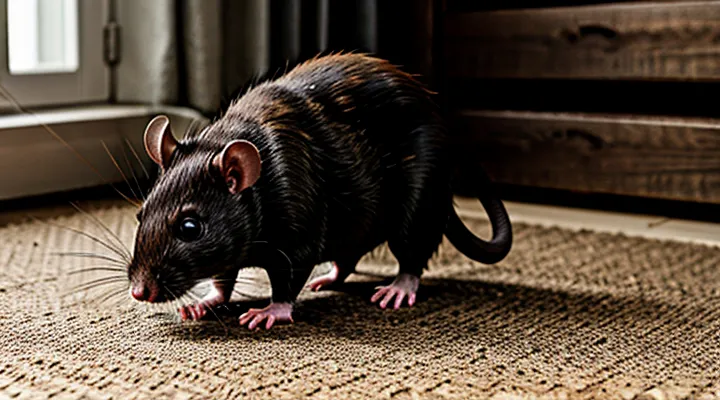
Understanding Rat Nutritional Needs
Essential Macronutrients
Protein Requirements
Rats require a consistent supply of high‑quality protein to support growth, tissue repair, and metabolic functions. Adult laboratory rats typically need 14–16 % protein on a dry‑matter basis, while growing juveniles and pregnant females require 18–20 %. Protein deficiency leads to stunted growth, reduced reproductive performance, and impaired immune response.
Optimal protein sources for rodents include:
- Soybean meal (complete amino‑acid profile, high digestibility)
- Fish meal (rich in essential amino acids, especially lysine and methionine)
- Whey protein concentrate (fast‑absorbing, supports rapid tissue synthesis)
- Egg white powder (high biological value, low fat)
When formulating a diet, consider the following factors:
- Amino‑acid balance – ensure adequate levels of lysine, methionine, threonine, and tryptophan, which are limiting in many plant proteins.
- Digestibility – select ingredients with documented digestible protein percentages above 85 % to maximize nutrient uptake.
- Freshness – protein quality declines with oxidation; store feeds in airtight containers and rotate stock regularly.
For specialized needs, such as senior rats or those recovering from illness, increase protein to 20 % while monitoring body condition to avoid excess nitrogen load. Regularly assess feed composition through proximate analysis to verify that declared protein levels match actual content.
Fat Requirements
Rats need a modest amount of dietary fat to support energy metabolism, skin health, and hormone synthesis. The optimal range for a balanced rat diet lies between 5 % and 10 % of total calories. Below this range, rats may experience deficiencies in essential fatty acids; above it, they are prone to weight gain and hepatic lipidosis.
- Essential fatty acids: Linoleic acid (omega‑6) and alpha‑linolenic acid (omega‑3) cannot be synthesized and must come from the diet. Sources include sunflower oil, flaxseed oil, and small quantities of fish oil.
- Preferred fat sources: Unsaturated fats from seeds, nuts, and insects provide the required fatty acids without excessive saturated fat. Mealworms, crickets, and roasted soybeans are practical options.
- Maximum allowance: For an adult rat weighing 250 g, total fat intake should not exceed 0.5 g per day. Adjust portions proportionally for younger or larger individuals.
- Avoidances: Limit animal fats such as lard and butter, and exclude high‑fat treats like cheese or processed snacks that can quickly exceed the recommended limit.
Monitoring body condition and adjusting the proportion of fat‑rich ingredients ensures rats receive the nutrients they need while maintaining a healthy weight.
Carbohydrate Requirements
Rats require carbohydrates primarily for energy, growth, and maintenance of normal physiological functions. Adult laboratory rats obtain roughly 55 %–65 % of their metabolizable energy from digestible carbohydrates; younger animals may need slightly higher proportions to support rapid development.
Key considerations when evaluating carbohydrate content include:
- Digestibility: Choose ingredients with high starch gelatinization, such as cooked rice or cornmeal, which provide readily absorbable glucose.
- Glycemic impact: Favor complex carbohydrates (whole grains, oats) over simple sugars to prevent sharp blood‑glucose spikes.
- Fiber balance: Incorporate moderate amounts of insoluble fiber (wheat bran, cellulose) to promote gut motility without displacing essential starch sources.
Typical commercial rat diets list carbohydrate levels between 45 % and 60 % of the formula on a dry‑matter basis. When formulating a homemade mix, calculate total carbohydrate contribution from each component and adjust to stay within this range, ensuring that protein, fat, vitamins, and minerals remain proportionally balanced. Regular monitoring of body condition and activity levels will confirm that carbohydrate provision meets the animal’s metabolic demands.
Essential Micronutrients
Vitamins
Vitamin nutrition is a decisive factor when evaluating rat feed quality. Rats require a balanced suite of fat‑soluble and water‑soluble vitamins to support metabolism, immune function, and tissue repair.
- Vitamin A (retinol): Promotes vision, epithelial health, and reproduction. Commercial pellets often contain 1,500–2,000 IU per kilogram. Fresh carrots, sweet potato, or kale provide natural sources.
- Vitamin D3 (cholecalciferol): Regulates calcium absorption and bone development. Ideal levels range from 1,000–1,500 IU/kg in fortified diets. Sunlight exposure is insufficient for indoor rodents; supplementation is mandatory.
- Vitamin E (α‑tocopherol): Acts as an antioxidant, protecting cell membranes. Effective concentration is 30–50 mg/kg. Seeds, wheat germ, and leafy greens contribute additional amounts.
- Vitamin K: Essential for blood clotting. Most complete feeds include 1–2 mg/kg; liver or green vegetables can supplement if needed.
- Vitamin B complex: Includes B1, B2, B3, B5, B6, B7, B9, and B12. Supports energy metabolism, nervous system integrity, and red blood cell formation. Adequate levels are 2–5 mg/kg for most B vitamins; B12 typically 0.02 mg/kg. Whole grains, legumes, and meat scraps are reliable sources.
- Vitamin C: Rats synthesize vitamin C endogenously; dietary inclusion is optional but can aid stress resilience. If provided, 10–20 mg/kg is sufficient.
Assessing vitamin adequacy
- Review the product label for guaranteed analysis; confirm that each vitamin meets the ranges listed above.
- Compare ingredient list with known vitamin‑rich foods; prioritize feeds that list fresh vegetables, whole grains, or animal protein.
- Conduct periodic health checks: coat condition, eye clarity, bone density, and activity level can indicate deficiencies.
- If a deficiency is suspected, supplement with a rat‑specific vitamin powder or replace part of the diet with a fortified commercial mix.
Balancing intake
Excess fat‑soluble vitamins (A, D, E, K) can accumulate and cause toxicity; monitor total daily intake and avoid stacking multiple fortified products. Water‑soluble vitamins are excreted more readily but still require consistent supply to prevent subclinical deficits.
Selecting rat food that delivers the complete vitamin profile, supported by occasional fresh produce, ensures optimal growth, reproduction, and longevity.
Minerals
Rats require a balanced mineral profile to maintain bone health, nerve function, and metabolic processes. Commercial rodent feeds typically list calcium, phosphorus, magnesium, potassium, sodium, and trace elements such as zinc, copper, iron, and selenium. Evaluate each mineral for adequacy before purchasing.
- Calcium (Ca) – Supports skeletal development and muscle contraction. Ideal ratio of calcium to phosphorus ranges from 1:1 to 2:1. Sources include powdered milk, cheese, and fortified pellets.
- Phosphorus (P) – Works with calcium for bone mineralization. Excess phosphorus can impair calcium absorption; monitor levels in grain‑heavy diets.
- Magnesium (Mg) – Involved in enzyme activation and nerve transmission. Found in whole grains, leafy greens, and nuts; deficiency may cause tremors.
- Potassium (K) and Sodium (Na) – Regulate fluid balance and cellular activity. Natural foods such as fruits and vegetables provide potassium; sodium should remain low to avoid hypertension.
- Zinc (Zn) – Required for immune response and wound healing. Present in meat, eggs, and fortified cereals; deficiency leads to hair loss and skin lesions.
- Copper (Cu) – Assists iron metabolism and cardiovascular health. Liver and seeds supply copper; excess can cause liver toxicity.
- Iron (Fe) – Essential for oxygen transport. Meat, beans, and iron‑fortified pellets meet needs; monitor for signs of anemia or overload.
- Selenium (Se) – Antioxidant that protects cells from oxidative damage. Brazil nuts and specialized supplements provide selenium; narrow safe range demands precise dosing.
When selecting rat food, compare guaranteed analysis on packaging with the recommended daily intake for an adult rat (approximately 3–5 g of food). Choose products that list mineral concentrations within the optimal ranges and avoid feeds with added salt or excessive phosphorus. Supplementation should only follow veterinary guidance, as over‑supplementation can create toxicities. Regularly inspect rodents for symptoms such as brittle fur, dental abnormalities, or lethargy, which may indicate mineral imbalance. Adjust diet accordingly to preserve health and longevity.
Water
Fresh, clean water is essential for a rat’s health and should be considered alongside solid foods when planning a balanced diet. Rats require constant access to water that is free from contaminants, bacteria, and strong odors, which can deter drinking and lead to dehydration.
Key factors for selecting appropriate water:
- Source quality – use filtered tap water or bottled water that meets local safety standards.
- Temperature – provide water at room temperature; excessively cold or warm water reduces intake.
- Container design – choose a sipper bottle with a stainless‑steel or BPA‑free plastic nozzle to prevent leakage and maintain hygiene.
- Cleaning schedule – replace water daily and sterilize the bottle and nozzle at least once a week to inhibit biofilm formation.
- Mineral content – ensure calcium and magnesium levels are within normal ranges; overly hard water may cause urinary issues.
Monitoring water consumption offers insight into a rat’s overall well‑being. A drop in intake may signal illness, stress, or an issue with water quality, prompting immediate investigation and corrective action.
Types of Rat Food
Commercial Rat Blocks and Pellets
Advantages of Commercial Foods
Commercial rat diets provide a reliable source of balanced nutrition, ensuring that essential proteins, fats, vitamins, and minerals meet the species‑specific requirements established by scientific research. Formulations are developed with precise ratios, eliminating the guesswork associated with homemade mixtures and reducing the risk of nutrient deficiencies or excesses.
Consistency across batches guarantees that each feeding delivers the same nutritional profile, which supports stable growth, reproduction, and overall health. Manufacturers adhere to regulatory standards, subjecting products to testing for contaminants such as heavy metals, mycotoxins, and pathogens. This oversight minimizes exposure to harmful substances that can arise from improperly stored or sourced ingredients.
Convenience stands out as a practical benefit. Commercial feeds are pre‑measured, shelf‑stable, and easy to store, allowing caretakers to maintain accurate portion control without complex calculations. The long shelf life reduces waste and ensures that food remains safe for extended periods, even in fluctuating environmental conditions.
Additional advantages include:
- Predictable ingredient composition: simplifies dietary adjustments for specific health needs.
- Reduced preparation time: eliminates the need for grinding, mixing, or cooking.
- Enhanced palatability: formulations often incorporate attractants that encourage regular intake.
- Traceability: packaging typically lists batch numbers and production dates, facilitating recall if issues arise.
By selecting a reputable commercial product, rat owners secure a nutritionally sound, hygienic, and efficient feeding solution, supporting optimal well‑being while simplifying daily care routines.
Disadvantages of Commercial Foods
When evaluating options for a rat’s diet, the shortcomings of pre‑packaged commercial foods warrant close attention.
- Nutrient composition often relies on generic formulations that do not match the specific requirements of individual strains or life stages, leading to possible deficiencies in vitamins, minerals, or essential fatty acids.
- High levels of inexpensive fillers such as wheat or corn increase carbohydrate content, which can promote obesity and elevate blood glucose.
- Preservatives, artificial colors, and flavor enhancers are common to extend shelf life; these additives may cause digestive upset or allergic reactions.
- Fiber content is typically low, reducing gut motility and increasing the risk of gastrointestinal blockages.
- Lack of fresh ingredients eliminates natural sources of antioxidants and phytonutrients that support immune function.
- Fixed ingredient lists limit dietary variety, preventing enrichment through novel textures and flavors that stimulate natural foraging behavior.
- Production batches can suffer contamination with mycotoxins, bacterial pathogens, or rodent‑specific toxins if quality control is insufficient.
- Cost per kilogram often exceeds that of bulk raw ingredients, especially when the product’s nutritional value is inferior.
- Storage requirements, such as airtight containers and controlled humidity, add complexity and increase the likelihood of spoilage if mishandled.
These factors diminish the overall suitability of commercial rat feeds for achieving optimal health, growth, and longevity.
Key Ingredients to Look For
Selecting optimal rat nutrition requires attention to specific nutrients that support growth, reproduction, and longevity. The following ingredients are essential for a balanced diet.
- High‑quality protein: animal‑derived sources such as dried whey, egg powder, or soy isolate provide the amino acids needed for tissue repair and muscle development.
- Digestible fiber: insoluble fibers from oat bran, wheat bran, or beet pulp promote gastrointestinal motility and prevent constipation.
- Essential vitamins: vitamins A, D3, E, and the B‑complex group must be present in bioavailable forms to sustain vision, bone health, and metabolic processes.
- Key minerals: calcium, phosphorus, magnesium, zinc, and selenium in appropriate ratios maintain skeletal integrity and enzymatic function.
- Low fat content: total fat should not exceed 5 % of the formulation to avoid obesity and related disorders.
- Absence of harmful additives: exclude artificial colors, flavors, and excessive sugars, as they provide no nutritional benefit and may cause digestive upset.
Inclusion of these components ensures that the diet meets the physiological demands of both juvenile and adult rats, reducing the risk of deficiencies and supporting overall well‑being.
Ingredients to Avoid
Choosing optimal rat nutrition begins with recognizing ingredients that compromise health. Certain substances provide no nutritional benefit and may cause acute or chronic problems.
- Chocolate, cocoa powder, and any products containing theobromine
- Caffeine‑containing items such as coffee, tea, and energy drinks
- High‑salt foods, including processed meats, chips, and seasoned snacks
- Sugary treats, especially those with artificial sweeteners like xylitol
- Citrus fruits in large quantities, which can irritate the digestive tract
- Dairy products, because adult rats lack sufficient lactase enzyme
- Raw beans and legumes, which contain lectins and can be toxic when uncooked
- Moldy or spoiled food, which may harbor mycotoxins
These components can lead to gastrointestinal distress, kidney strain, neurological symptoms, or metabolic disorders. Eliminating them from the diet reduces the risk of illness and supports normal growth, reproduction, and longevity.
Fresh Foods and Supplements
Safe Fruits for Rats
Rats thrive on a diet that includes fresh fruit, provided the selections are safe and given in moderation. Fruit supplies natural sugars, vitamins, and fiber that support dental health and immune function, but excessive quantities can cause digestive upset or obesity.
Safe options include:
- Apple (core and seeds removed) – rich in vitamin C and fiber.
- Blueberries – high antioxidant content, suitable for occasional treats.
- Strawberries – source of vitamin C and folate; offer in small pieces.
- Pear (seedless) – gentle on the stomach, provides potassium.
- Kiwi – contains vitamin K and vitamin C; feed in tiny chunks.
- Banana – soft texture, potassium; limit to thin slices due to high sugar.
- Melon (cantaloupe, honeydew) – hydrating, vitamin A; remove rind.
When introducing fruit, follow these practices:
- Wash thoroughly to eliminate pesticide residues.
- Remove pits, cores, and skins that may pose choking hazards.
- Offer no more than 10 % of the total daily intake; the bulk of the diet should remain a balanced rodent pellet mix.
- Observe the animal for signs of intolerance, such as loose stool or reduced appetite, and discontinue the offending item.
Seasonal rotation keeps the diet varied and prevents overexposure to any single nutrient. Combining safe fruits with leafy greens and protein sources yields a comprehensive feeding plan that promotes longevity and vitality in pet rats.
Safe Vegetables for Rats
Rats thrive on a diet that includes fresh vegetables, which supply essential vitamins, minerals, and fiber. When selecting produce, choose items that are free from pesticides, bruises, or rot, and wash them thoroughly before offering them to your pet.
- Carrots (raw or lightly steamed)
- Bell peppers (any color, seed removed)
- Broccoli florets
- Zucchini slices
- Spinach leaves (in moderation)
- Kale strips
- Cucumber rounds
- Sweet potato cubes (cooked, no added seasoning)
- Green beans (trimmed)
- Peas (fresh or frozen, thawed)
Introduce new vegetables gradually, monitoring for digestive changes. Remove any uneaten pieces after a few hours to prevent spoilage. Rotate varieties to maintain nutritional balance and keep the diet interesting.
Protein Sources for Rats
Protein is a fundamental nutrient for rats, supporting growth, tissue repair, and metabolic functions. Adequate protein intake ensures healthy fur, strong muscles, and a robust immune system.
- Eggs – Cooked, unseasoned eggs provide high‑quality animal protein with a complete amino‑acid profile. Offer one small piece (approximately 5 g) two to three times per week.
- Cooked lean meat – Chicken breast, turkey, or lean beef, boiled or baked without salt or seasoning, deliver digestible protein. Limit portions to 1–2 g per 100 g body weight daily.
- Fish – Fresh or frozen white fish (e.g., cod, tilapia) is low in fat and rich in protein. Remove all bones and limit to twice weekly to avoid excess omega‑3 accumulation.
- Legumes – Cooked lentils, peas, or chickpeas supply plant‑based protein and fiber. Use in moderation (no more than 10 % of total diet) because of lower digestibility compared to animal sources.
- Soy products – Tofu or soy milk, thoroughly cooked, offer a complete plant protein. Ensure no added sweeteners or flavorings.
- Commercial rat pellets – Formulated pellets contain balanced protein levels (typically 14–18 % by weight) and are designed to meet rodents’ nutritional requirements. Select brands with transparent ingredient lists and minimal filler content.
- Insects – Dried mealworms or crickets provide a natural source of protein and chitin, which can aid digestion. Offer as occasional treats, not exceeding 5 % of daily intake.
Protein levels should align with the rat’s life stage. Juvenile rats require 18–20 % protein, adults 14–16 %, and seniors 12–14 % to prevent strain on kidneys. Adjust portions based on body condition: lean individuals may need slightly higher percentages, while overweight rats benefit from lower protein content.
Monitoring health indicators—such as coat condition, activity level, and stool consistency—helps verify that protein sources are appropriate. Sudden changes in appetite, hair loss, or chronic diarrhea may signal an imbalance or intolerance, warranting a review of the diet composition.
Foods to Avoid for Rats
Rats require a diet that supports rapid growth, high metabolism, and strong immune function. Certain foods can undermine these needs and should be excluded from their daily intake.
- Processed meats (e.g., bacon, sausage, deli slices). High fat and sodium levels strain the liver and kidneys, and additives may cause gastrointestinal upset.
- Sugary treats (candies, chocolate, baked goods). Excess sugar leads to obesity, dental decay, and can trigger insulin resistance; chocolate contains theobromine, which is toxic to rodents.
- Caffeinated beverages (coffee, tea, soda). Stimulants increase heart rate and can cause tremors or seizures at low doses.
- Citrus fruits (oranges, lemons, grapefruits). High acidity irritates the digestive tract and may interfere with calcium absorption.
- Raw beans and legumes (kidney beans, soybeans). Contain lectins and phytic acid that impair nutrient uptake and can be poisonous if uncooked.
- Salty snacks (potato chips, pretzels). Sodium overload promotes hypertension and fluid imbalance.
- Dairy products (milk, cheese, yogurt). Many rats lack sufficient lactase, leading to diarrhea and discomfort.
- Moldy or spoiled foods. Mycotoxins present in decayed produce damage liver tissue and suppress immune response.
- Artificial sweeteners (xylitol, sucralose). Certain compounds are metabolically harmful and may cause rapid hypoglycemia.
Eliminating these items helps maintain a balanced nutrient profile, reduces the risk of disease, and supports optimal growth and reproduction in pet rats.
Occasional Treats
Occasional treats add variety to a rat’s diet without compromising overall nutrition. They should be nutritionally rich, low‑fat, and free of artificial additives. Choose items that mimic natural foraging foods while remaining safe for small rodents.
Safe treat options include:
- Small pieces of fresh fruit such as apple (seedless), blueberry, or strawberry.
- Vegetables like carrot, broccoli floret, or cucumber.
- Unsalted nuts in minimal quantities, for example, a single almond or walnut half.
- Whole‑grain cereal bits without added sugar.
- Insect protein, e.g., a few dried mealworms, for occasional protein boost.
Frequency matters. Limit treats to no more than 5–10 % of daily caloric intake, typically one or two small servings per week. Overfeeding can lead to obesity, dental problems, or digestive upset.
Portion control prevents excess calories. A treat the size of a pea or a single grain of rice suffices for an adult rat; juvenile rats require even smaller pieces. Offer treats on a clean surface and remove any leftovers within a few hours to avoid spoilage.
Observe the rat after introducing a new treat. Look for signs of intolerance such as diarrhea, reduced activity, or changes in coat condition. If adverse reactions appear, discontinue the item and revert to the core diet.
Integrating occasional treats responsibly enhances enrichment, encourages natural foraging behavior, and supports a balanced feeding regimen.
Factors to Consider When Choosing Food
Age of Your Rat
Young Rats and Growth Formulas
Young rats require a diet that supports rapid tissue development, immune competence, and skeletal strength. The nutritional profile must deliver high-quality protein, balanced calcium‑phosphorus ratios, and sufficient vitamins and trace minerals.
Protein sources such as whey, soy isolate, or lean animal meat should constitute 18‑22 % of the diet by weight. These proteins provide essential amino acids needed for muscle growth and organ maturation. Fat content should remain between 4‑6 % to supply energy without promoting excess adiposity.
Calcium and phosphorus must be supplied in a 1.2 : 1 ratio. Calcium sources include powdered milk, bone meal, or calcium carbonate. Excess phosphorus without adequate calcium can impair bone mineralization, leading to deformities.
Vitamins A, D3, and E are critical for vision, calcium absorption, and antioxidant protection. A daily supplement of 2,000 IU vitamin A, 500 IU vitamin D3, and 30 IU vitamin E per kilogram of body weight meets the requirements of pre‑weaning pups. B‑complex vitamins support metabolic processes; a balanced premix prevents deficiencies.
Key trace minerals—zinc, iron, manganese, and selenium—must be present in bioavailable forms. Zinc oxide (30 mg/kg), ferrous sulfate (15 mg/kg), manganese sulfate (10 mg/kg), and selenomethionine (0.3 mg/kg) provide the minimum levels documented for optimal growth.
Feeding schedule influences nutrient uptake. Offer fresh feed three times daily, dividing the total daily ration into equal portions. Monitor body weight every 48 hours; a gain of 2‑3 g per day indicates an appropriate formula, while slower growth signals a need for dietary adjustment.
When formulating at home, combine:
- 40 % high‑protein base (e.g., boiled chicken breast, egg white)
- 30 % carbohydrate source (e.g., cooked oatmeal, rice)
- 20 % vegetable blend (e.g., finely grated carrots, spinach)
- 10 % fortified supplement mix (vitamins, minerals, calcium source)
Blend thoroughly, add water to achieve a soft, mash‑like consistency, and serve at room temperature. Commercial growth formulas already meet these specifications; they provide consistency, reduce preparation error, and simplify nutrient tracking.
Regular health checks—checking for dental overgrowth, coat condition, and activity level—complement dietary management and ensure that the chosen nutrition supports the rapid development phase of young rats.
Adult Rats and Maintenance Diets
Adult rats require a balanced maintenance diet that meets their specific nutritional demands while preventing obesity and health complications. The diet should supply adequate protein, fat, fiber, vitamins, and minerals in proportions suited to mature physiology.
- Protein: 18–22 % of total calories; sources include high‑quality rodent pellets, cooked egg, and lean meat.
- Fat: 4–6 % of calories; include small amounts of vegetable oil or animal fat.
- Fiber: 5–7 % of diet; provide roughage through timothy hay, oat bran, or shredded wheat.
- Vitamins and minerals: ensure presence of calcium, phosphorus, vitamin A, D, E, and B‑complex; fortified commercial mixes typically meet these requirements.
- Water: constant access to fresh, clean water is essential for digestion and thermoregulation.
Commercially formulated adult rat pellets are the most reliable foundation because they are nutritionally complete and tested for consistency. Supplementation should be limited to fresh vegetables (e.g., broccoli, carrots, leafy greens) and occasional fruit (e.g., apple slices) to add variety without excess sugar. Treats such as seeds, nuts, or cheese must be offered sparingly, not exceeding 5 % of daily intake.
Feeding schedule influences metabolic stability. Provide measured portions twice daily, adjusting quantities to maintain a healthy body condition score. Monitor weight weekly; a stable weight indicates that the diet meets energy needs without overfeeding.
Health considerations dictate specific adjustments. Rats with dental wear require softer foods or soaked pellets. Those prone to urinary stones benefit from reduced calcium and increased hydration, achieved by adding electrolyte‑balanced water or wetting food.
In summary, an optimal maintenance regimen for adult rats consists of a high‑quality pellet base, controlled portions of fresh produce, limited treats, and uninterrupted water supply, all calibrated to the animal’s weight and health status.
Senior Rats and Special Needs
Senior rats experience reduced metabolism, loss of muscle tone, and dental wear that alter their nutritional demands. Adjusting the diet prevents rapid weight loss, supports joint health, and compensates for diminished chewing efficiency.
Key nutritional adjustments for aging rodents include:
- Protein content reduced to 14‑16 % of total calories to ease kidney load while maintaining lean tissue.
- Increased fiber (5‑7 % dry matter) from timothy hay, oat bran, or psyllium to promote bowel regularity.
- Calcium‑phosphorus ratio maintained at 1.2‑1.5 : 1 to safeguard skeletal integrity.
- Vitamin D supplementation (300‑400 IU/kg feed) to aid calcium absorption.
- Omega‑3 fatty acids (eicosapentaenoic acid, docosahexaenoic acid) incorporated via fish oil or flaxseed to reduce inflammatory joint conditions.
Food texture must accommodate dental wear. Softened pellets, soaked kibble, or finely chopped fresh vegetables reduce chewing strain. Moisture levels should stay between 60‑70 % to prevent dehydration, especially in rats with reduced thirst drive.
Specific health concerns require targeted modifications:
- Obesity: limit high‑fat treats, calculate daily caloric intake, and monitor body condition weekly.
- Renal insufficiency: lower protein and phosphorus, increase omega‑3s, and provide ample fresh water.
- Arthritis: add glucosamine‑chondroitin blends and maintain a stable, low‑impact feeding surface.
- Gastrointestinal slowdown: incorporate prebiotic fibers such as inulin and offer small, frequent meals.
Practical feeding protocol:
- Offer measured portions twice daily; discard leftovers after 30 minutes.
- Weigh the animal weekly; adjust portions to keep weight within a 5 % variance of target.
- Rotate fresh produce to supply varied micronutrients while preventing monotony.
- Record any changes in appetite, stool consistency, or activity level; consult a veterinarian promptly if abnormalities appear.
Health Conditions
Obesity Prevention
Obesity in pet rats reduces lifespan, impairs mobility, and predisposes individuals to metabolic disorders. Effective diet selection must address caloric density, nutrient balance, and feeding behavior to keep body condition within a healthy range.
Key considerations for an obesity‑preventive rat diet include:
- Caloric content: Choose foods with low energy per gram; avoid high‑fat pellets and grain‑heavy mixes.
- Fiber level: Select formulas rich in soluble and insoluble fiber to promote satiety and gastrointestinal health.
- Protein quality: Provide adequate, high‑biological‑value protein to support lean tissue without excess calories.
- Treat moderation: Limit discretionary items to less than 5 % of total daily intake; prefer fresh vegetables over sugary snacks.
- Portion control: Measure daily rations with a kitchen scale; adjust quantities based on weight trends and activity levels.
Regular weight monitoring is essential. Record body mass weekly, compare against species‑specific growth charts, and modify portions promptly if upward trends appear. Pair dietary management with environmental enrichment—running wheels, tunnels, and foraging opportunities—to increase energy expenditure and reduce over‑eating driven by boredom.
By applying these criteria, caretakers can select foods that sustain optimal health while minimizing the risk of obesity in rats.
Allergy Considerations
Allergy considerations are a critical factor when selecting optimal rat nutrition. Sensitivity to specific ingredients can lead to respiratory distress, skin lesions, or gastrointestinal upset, compromising health and longevity.
Common allergens include:
- Soy protein
- Wheat gluten
- Dairy products
- Certain nuts (e.g., peanuts, almonds)
- Artificial colors and preservatives
Detecting a rat’s sensitivity involves:
- Observing clinical signs after dietary changes.
- Conducting a systematic elimination trial, removing one potential allergen at a time for a minimum of two weeks.
- Recording weight, coat condition, and behavior throughout the trial.
- Consulting a veterinarian for confirmatory testing if symptoms persist.
Management strategies:
- Choose grain‑free formulations that list novel protein sources such as crickets, mealworms, or lean meats.
- Prefer fresh, unprocessed vegetables and fruits with low pesticide residues.
- Verify that commercial feeds are free of added dyes, flavor enhancers, and unnecessary additives.
- Maintain a consistent diet to avoid repeated exposure to new allergens.
Dental Health
Rats’ incisors grow continuously; diet directly influences wear patterns and enamel integrity. Food that encourages natural gnawing prevents overgrowth, reduces the risk of malocclusion, and promotes overall oral health.
- High‑fiber vegetables (e.g., carrots, broccoli, kale) provide abrasive texture for steady tooth abrasion.
- Hard pellets formulated for rodents supply consistent resistance, supporting balanced grinding.
- Small amounts of untreated wood blocks or chew sticks add additional mechanical stimulation without excessive sugar.
Avoid sugary fruits, soft processed snacks, and sticky foods; they contribute to plaque formation and can accelerate decay. Include a modest portion of fresh greens daily, supplement with a quality pellet mix, and rotate chew items to maintain varied resistance.
Feed at regular intervals, typically two to three times per day, and inspect teeth weekly for length, alignment, and signs of wear. Promptly address any irregularities with a veterinary professional to prevent complications.
Food Preparation and Storage
Proper Portion Sizes
Choosing the right amount of food is essential for maintaining a rat’s health and preventing obesity. Portion size must reflect the animal’s body weight, developmental stage, and activity level.
For a typical adult rat weighing 200–250 g, a daily intake of 15–20 g of high‑quality pellets provides the necessary calories and nutrients. Juvenile rats under 100 g require 10–12 g of pellets per day, while larger breeding females may need up to 25 g. Adjust quantities proportionally for individuals that are significantly smaller or larger than the average.
Fresh foods and treats should supplement, not replace, the staple diet. Recommended limits are:
- Leafy greens (e.g., romaine, kale): 5 g per day
- Root vegetables (e.g., carrots, sweet potato): 3 g per day
- Fruit (e.g., apple, banana): 2 g per day
- High‑fat treats (e.g., nuts, seeds): no more than 1 g per day
These amounts ensure balanced vitamin and mineral intake without excess sugar or fat.
Activity influences energy requirements. Rats that receive regular exercise or enrichment may need an additional 2–4 g of pellets. Conversely, sedentary or ill animals should have portions reduced by 10–15 % to avoid weight gain.
Regular observation of body condition score, coat quality, and waste output allows timely adjustments. If a rat shows signs of under‑ or over‑nutrition, modify the daily portion by 2–5 g and reassess after a week. Consistent monitoring prevents long‑term health issues and supports optimal growth and reproduction.
Storage Tips for Freshness
Proper storage preserves nutritional value, prevents spoilage, and protects rats from contaminants.
Store dry pellets and seeds in airtight containers made of glass or thick plastic. Seal each container tightly after every use to limit exposure to moisture and oxygen.
Keep containers in a cool, dark area such as a pantry or cupboard. Temperature fluctuations accelerate oxidation and attract insects; a stable environment below 70 °F (21 °C) is optimal.
Separate fresh produce from dry food. Place vegetables, fruits, and leafy greens in a separate, ventilated bin lined with a clean, damp paper towel. Replace the towel daily to maintain humidity without creating excess moisture.
Rotate stock regularly. Position newly purchased items behind older supplies and use a first‑in‑first‑out system to ensure older food is consumed before it loses quality.
Discard any food that shows signs of mold, unusual odor, or discoloration. Even small amounts of spoiled material can compromise the entire batch.
Key storage practices
- Airtight containers for dry food
- Cool, dark storage location
- Separate, ventilated bin for fresh produce
- First‑in‑first‑out rotation
- Immediate removal of spoiled items
Applying these measures maintains freshness, guarantees consistent nutrient intake, and supports the health of pet rats.
Hygiene and Cleaning
Proper hygiene directly affects the nutritional quality of a rat’s diet. Contaminated surfaces introduce pathogens that degrade food and compromise health. Clean the cage at least once a week with hot water and a mild, non‑toxic detergent; rinse thoroughly to remove residue. After each feeding, discard uneaten portions and wipe the feeding area to prevent mold growth.
- Use food containers made of glass or stainless steel; avoid plastic that can scratch and harbor bacteria.
- Store dry feed in airtight, opaque containers to protect against moisture and pests.
- Replace water bottles weekly and sterilize them with a diluted bleach solution (1 % concentration) before refilling.
- Scrub chew toys and tunnels with a brush; rinse and dry before returning them to the enclosure.
Regular disinfection of the entire habitat eliminates spores that could spoil stored pellets or fresh produce. Maintain a schedule: daily spot cleaning, weekly deep cleaning, and monthly full sanitization. Consistent cleaning ensures that the selected diet remains safe and nutritionally effective.
Transitioning and Introducing New Foods
Gradual Introduction Methods
When expanding a rat’s diet, introduce each new item slowly to prevent digestive upset and assess acceptance. Begin with a small portion mixed into the regular feed, observe the animal’s reaction, and increase the amount only after stable consumption is confirmed.
- Day 1–2: Add 5 % of the new food to the staple diet, keep total quantity unchanged.
- Day 3–4: Raise the proportion to 10 % if no signs of diarrhea, reduced appetite, or abnormal behavior appear.
- Day 5–7: Continue incremental increases of 5 % each interval until the new ingredient represents up to 25 % of the daily ration.
Record any changes in stool consistency, weight, and activity level throughout the trial. If adverse effects emerge, revert to the previous tolerated ratio and extend the adjustment period before attempting further increases. This systematic approach ensures a balanced diet while minimizing health risks.
Monitoring for Digestive Issues
When evaluating a rat’s diet, continuous observation of gastrointestinal health is essential. Digestive disturbances often indicate that the chosen food is unsuitable or that the feeding regimen requires adjustment.
Key indicators to watch include:
- Soft, watery, or unusually sticky feces
- Presence of blood or mucus in stool
- Sudden changes in stool size or frequency
- Reduced food intake accompanied by weight loss
- Excessive gas, bloating, or abdominal discomfort expressed through hunching or reduced activity
Record each observation with date, time, and any accompanying behavioral changes. Consistent documentation enables pattern recognition and timely intervention.
If symptoms persist for more than 24–48 hours, reduce or eliminate the suspect food item and replace it with a bland, high‑fiber option such as plain cooked oatmeal or a small portion of boiled pumpkin. Monitor the rat for improvement over the next two days; recovery typically manifests as firmer, regular stools and restored appetite.
Should digestive issues continue despite dietary modifications, consult a veterinarian. Professional assessment may involve fecal analysis, parasite screening, or imaging to rule out underlying pathology.
Regular health checks, coupled with meticulous tracking of stool characteristics, provide reliable feedback on the suitability of the selected feed and help maintain optimal digestive function in pet rats.
Observing Preferences
Observing a rat’s food preferences provides direct evidence of nutritional acceptability, palatability, and potential health impacts. Individual variations in taste, texture, and scent sensitivity can influence intake levels, making personal observation indispensable for tailoring a balanced diet.
To assess preferences accurately, follow a systematic approach:
- Offer two food items simultaneously in identical containers; record the amount consumed from each after a fixed period (e.g., 30 minutes).
- Rotate the positions of the containers to eliminate location bias.
- Repeat the test across several days to account for day‑to‑day fluctuations.
- Note any refusals, selective nibbling, or changes in consumption after introducing a new ingredient.
- Correlate observed choices with health markers such as coat condition, activity level, and waste consistency.
Consistent documentation of these patterns enables the selection of foods that meet both the rat’s dietary requirements and its individual taste profile, thereby supporting optimal wellbeing.
Common Feeding Mistakes to Avoid
Overfeeding
Overfeeding compromises a rat’s health, leading to obesity, liver strain, and reduced lifespan. Excess calories accumulate as fat deposits around the abdomen and hindquarters, diminishing mobility and increasing the risk of joint problems. Elevated weight also predisposes rats to diabetes and cardiovascular issues.
Typical indicators of overfeeding include rapid weight gain, a rounded body shape, sluggish behavior, and difficulty navigating obstacles. Physical examination may reveal enlarged liver margins and excess fat on the tail base. Behavioral signs such as reduced curiosity or reluctance to explore also suggest excessive nutrition.
To prevent overfeeding, adhere to the following guidelines:
- Offer a measured portion of high‑quality pellets that meets the recommended daily intake (approximately 1 g per gram of body weight).
- Provide fresh vegetables in limited quantities, no more than 10 % of the total diet by weight.
- Supply a single small piece of fruit or treat per day, not exceeding 5 % of caloric intake.
- Replace uneaten food after 24 hours to avoid accidental accumulation.
Regular weight monitoring and adjusting portions based on activity level and growth stage ensure that rats receive sufficient nutrition without the detrimental effects of excess feeding.
Underfeeding
Underfeeding occurs when a rat receives fewer calories or nutrients than required for its size, activity level, and life stage. Insufficient energy intake leads to weight loss, weakened immune function, and reduced reproductive performance.
Common indicators include a visible decrease in body mass, dull coat, lethargy, and diminished grooming. Laboratory measurements may reveal low blood glucose, reduced serum protein, and altered organ weights.
Preventing underfeeding starts with accurate portion calculation. Estimate daily caloric needs based on body weight (approximately 30–40 kcal per 100 g of live weight). Provide meals that meet or slightly exceed this requirement, divided into two to three feedings to maintain stable glucose levels. Choose a base diet with balanced protein (15–20 % of calories), fat (5–10 %), and fiber (5–10 %). Supplement with fresh vegetables and occasional treats, but keep treat calories below 10 % of total intake.
Practical steps:
- Weigh rats weekly; adjust portions when weight deviates by more than 5 % from target.
- Record daily food amount; compare against calculated needs.
- Use a scale to measure dry food; avoid estimating by volume.
- Rotate fresh produce to prevent monotony and ensure micronutrient variety.
- Monitor water consumption; dehydration can mask underfeeding symptoms.
Providing Unsafe Foods
Rats require a diet that avoids substances capable of causing toxicity, digestive distress, or long‑term health problems. Certain foods meet none of the nutritional criteria for safe consumption and must be excluded from any feeding plan.
- Citrus fruits (lemons, oranges, grapefruits) – high acidity damages oral tissue and can lead to stomach irritation.
- Chocolate and cocoa products – contain theobromine, a stimulant that rats cannot metabolize efficiently, resulting in rapid heart rate and possible seizures.
- Caffeinated drinks or foods – caffeine acts as a central nervous system stimulant, producing tremors and increased respiration.
- Raw or undercooked beans, especially kidney beans – contain phytohaemagglutinin, a toxin that induces vomiting and diarrhea.
- Processed meats with high salt or preservatives – excess sodium disrupts electrolyte balance, while additives may cause liver strain.
- Sticky or sugary snacks (caramel, candy) – encourage dental plaque, foster obesity, and can cause gastrointestinal blockage.
- Fruit pits and seeds (apple, apricot, cherry) – harbor cyanogenic glycosides that release cyanide when chewed.
- High‑fat foods (fried items, chips) – contribute to hepatic lipidosis and rapid weight gain.
These items introduce compounds that rats lack the enzymatic pathways to neutralize. Acute exposure often manifests as lethargy, vomiting, diarrhea, or abnormal breathing; chronic ingestion may result in organ degeneration, dental disease, or reduced lifespan.
Prevent accidental ingestion by storing unsafe foods in sealed containers, removing all remnants from cages, and supervising any human food offered as a treat. Regularly inspect the cage environment for stray pieces of junk food, and replace bedding promptly if contamination occurs. Maintaining a strict exclusion list ensures that the diet remains nutritionally balanced and free from harmful substances.
Lack of Variety
When selecting optimal nutrition for pet rats, a common pitfall is offering a monotonous diet. Repeated exposure to the same food source limits exposure to essential nutrients, reduces appetite, and may lead to boredom‑related stress behaviors.
A balanced rat diet should incorporate multiple categories:
- Commercially formulated pellets or blocks that meet established nutrient profiles.
- Fresh vegetables such as carrots, broccoli, and kale, introduced gradually to prevent digestive upset.
- Small portions of fruits like apple or banana, limited to 10 % of total intake due to sugar content.
- Occasional protein supplements, e.g., boiled egg, cooked chicken, or mealworms, to support growth and tissue repair.
- Safe whole‑grain options, such as cooked quinoa or brown rice, for fiber and energy.
Diversifying the menu prevents deficiencies in vitamins A, C, and B‑complex, and supplies minerals like calcium and phosphorus in appropriate ratios. It also stimulates natural foraging instincts, encouraging mental engagement and healthier weight management.
If variety proves challenging, rotate items on a weekly schedule. Record each addition and observe acceptance rates; adjust portions based on consumption patterns. Consistent rotation ensures exposure to a broader spectrum of nutrients while maintaining dietary stability.