
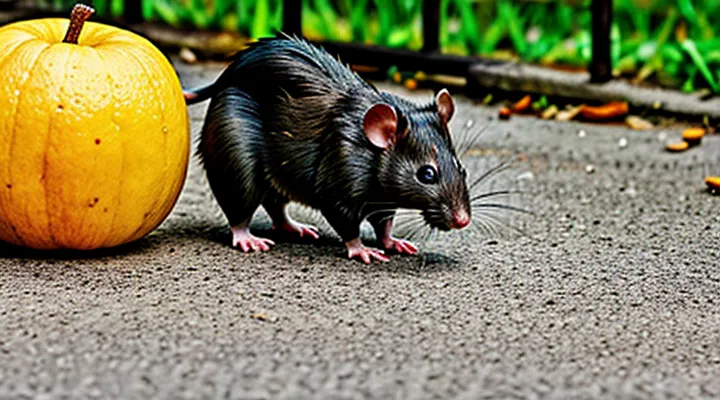
The Importance of a Balanced Rat Diet
Nutritional Needs of Pet Rats
Essential Nutrients
Rats require a balanced diet that supplies all essential nutrients for growth, reproduction, and health. The following components must be present in appropriate quantities.
- Protein: 15–20 % of the diet by weight. Sources include cooked eggs, lean meat, soybeans, and commercial rat pellets formulated with high‑quality animal or plant protein.
- Fat: 5–10 % of the diet. Provides energy and supports skin and coat condition. Acceptable fats are fish oil, sunflower oil, and small amounts of animal fat.
- Carbohydrates: 45–55 % of the diet. Supplies readily available energy. Include whole grains such as oats, barley, and wheat, as well as modest portions of fruits and vegetables.
- Fiber: 3–5 % of the diet. Promotes gastrointestinal motility and prevents hairball formation. Sources are timothy hay, wheat bran, and leafy greens.
- Vitamins: Rats need vitamins A, D, E, K, and the B‑complex group. Commercial pellets are fortified; supplemental sources include carrots (A), fortified milk (D), and leafy vegetables (K). Excess vitamin supplementation can cause toxicity, so follow recommended dosages.
- Minerals: Calcium, phosphorus, magnesium, potassium, sodium, and trace elements such as zinc, copper, and selenium are vital. Balanced mineral content is typically achieved with quality pellets; occasional calcium‑rich foods like plain yogurt can be added for breeding females.
- Water: Continuous access to clean, fresh water is mandatory. Dehydration leads to rapid health decline.
When evaluating a commercial rat food product, verify that the label lists percentages for protein, fat, and fiber, and that it includes a complete vitamin‑mineral premix. Homemade mixes must replicate these ratios to avoid deficiencies. Regular monitoring of body condition and veterinary check‑ups ensure that nutrient intake remains adequate throughout the rat’s life cycle.
Foods to Avoid
Rats require a diet that excludes items capable of causing toxicity, digestive upset, or long‑term health problems. The following foods must be removed from any feeding plan.
- Chocolate, coffee, tea, and any caffeine‑containing products – contain stimulants toxic to rodents.
- Alcohol and fermented beverages – depress the central nervous system and can be lethal in small doses.
- Onions, garlic, chives, and other members of the Allium family – cause hemolytic anemia.
- Raw or undercooked potatoes, especially green parts – contain solanine, a potent neurotoxin.
- Raw beans, particularly kidney beans – hold phytohaemagglutinin, which can damage the intestinal lining.
- Citrus fruits and their peels – high acidity irritates the stomach and can lead to ulceration.
- Sugary snacks, candy, and processed sweets – promote obesity, dental disease, and metabolic disorders.
- High‑fat foods such as fried items, fatty meats, and cheese – increase the risk of liver disease and pancreatitis.
- Salty foods, including chips and pretzels – can cause electrolyte imbalance and kidney strain.
- Artificial sweeteners, especially xylitol – induce rapid insulin release and can be fatal.
Avoiding these items preserves organ function, supports a stable weight, and reduces the likelihood of acute poisoning. Replace prohibited foods with fresh vegetables, whole grains, lean proteins, and specially formulated rodent pellets to ensure a balanced, safe diet.
Understanding Commercial Rat Food
Types of Commercial Diets
Pellets vs. Blocks
When selecting a diet for pet rats, the form of dry food—pellets or blocks—affects intake control, nutritional balance, and cage hygiene.
Pellets are uniformly sized, typically 2–3 mm in diameter, allowing precise portion measurement. Their shape prevents excessive consumption, as each bite delivers a consistent amount of calories and nutrients. The compact form reduces spillage, keeping the enclosure cleaner and minimizing waste that could attract pests. Commercially produced pellets often undergo rigorous testing for vitamin and mineral content, ensuring that essential nutrients such as vitamin C, calcium, and phosphorus meet established standards.
Blocks present a larger mass that rats gnaw from, encouraging natural chewing behavior and dental wear. The irregular surface can hold additional ingredients—seeds, dried fruits, or vegetables—providing variety without separate supplementation. However, the bulkier shape makes accurate dosing difficult; rats may overeat when the block is readily accessible, potentially leading to obesity. Blocks also generate more debris, requiring frequent cleaning to prevent contamination.
Key considerations
- Portion control: pellets > blocks
- Dental health stimulation: blocks > pellets
- Cleanliness: pellets > blocks
- Nutrient consistency: pellets > blocks (when formulated by reputable manufacturers)
Choosing between the two depends on the owner’s priorities: precise nutritional management favors pellets, while promoting natural chewing habits may justify blocks, provided the diet is monitored closely.
Seed Mixes and Their Downsides
Seed mixes are often marketed as a convenient, all‑in‑one option for pet rats. They provide a variety of grains, legumes, and occasional fruits or vegetables, which can appeal to a rat’s natural foraging instincts. However, the composition of most commercial blends creates several problems that can compromise health and welfare.
- Nutritional imbalance – Typical mixes contain high levels of carbohydrates and low amounts of protein, fat, and essential vitamins. Rats require a diet with roughly 20 % protein and adequate calcium; seed‑heavy formulas fall short of these ratios.
- Calcium‑phosphorus mismatch – Many seeds are low in calcium but rich in phosphorus, increasing the risk of metabolic bone disease when the blend is the primary food source.
- Fat overload – Sunflower, safflower, and similar seeds contribute excessive fat, which can lead to obesity and hepatic lipidosis in sedentary individuals.
- Contamination risk – Grains and seeds stored for extended periods may develop mold, mycotoxins, or insect infestation, each presenting a toxic threat.
- Dental wear – Soft, processed seeds provide insufficient abrasion for continuous incisor grinding, potentially causing overgrowth and malocclusion.
- Choking hazard – Large seed fragments can become lodged in the throat, especially in young or small rats.
- Cost inefficiency – High‑fat seeds raise the price per nutritional unit compared with balanced pellet or fresh‑food diets.
Because of these drawbacks, seed mixes should be offered only as occasional treats, not as the staple component of a rat’s diet. A balanced regimen typically combines high‑quality pellets, fresh vegetables, and limited fruit, supplemented by small, controlled portions of seeds when enrichment is needed.
Choosing a Quality Brand
Ingredient Analysis
When evaluating potential rat diets, examine each component for nutritional value, safety, and digestibility. Protein sources should be identified, quantified, and assessed for quality. Common options include soy, whey, and animal-derived meals; each varies in amino‑acid profile and allergenic potential.
Carbohydrate content must be balanced to prevent obesity and support energy needs. Grain‑based ingredients such as oats, barley, and rice provide complex carbs, while simple sugars should be limited.
Fiber contributes to gastrointestinal health. Include insoluble sources like cellulose and soluble fibers such as beet pulp; measure total fiber percentage to match species‑specific requirements.
Fat sources supply essential fatty acids. Verify the presence of omega‑3 and omega‑6 ratios, using fish oil, flaxseed, or plant oils. Monitor total fat to avoid excess caloric density.
Vitamins and minerals are critical micronutrients. Confirm inclusion of vitamin A, D, E, K, B‑complex, and trace elements (zinc, iron, selenium). Check for bioavailability and appropriate premix levels.
Potential contaminants must be screened. Look for:
- Mycotoxins (aflatoxin, ochratoxin)
- Heavy metals (lead, cadmium)
- Pesticide residues
- Artificial additives or preservatives
Ingredient labeling should be transparent, listing percentages and sources. Cross‑reference ingredient lists with established rodent nutrition guidelines to ensure compliance.
Finally, conduct a comparative analysis of ingredient costs, shelf life, and palatability. Prioritize formulations that meet nutritional criteria while maintaining affordability and stability for long‑term storage.
Reputable Manufacturers
When evaluating commercial rat diets, the credibility of the producer determines product safety and nutritional consistency.
Key indicators of a trustworthy supplier include:
- Established history of pet‑food manufacturing, with at least five years of continuous operation.
- Transparent ingredient sourcing, documented on the label or company website.
- Compliance with recognized standards such as AAFCO, ISO 22000, or GMP certification.
- Independent laboratory testing results publicly available for each batch.
- Positive feedback from veterinary professionals and accredited rodent‑care organizations.
Manufacturers that routinely publish detailed nutrient analyses and maintain traceability from raw material to finished product meet the highest reliability criteria. Verify claims by requesting certificates of analysis, checking for third‑party audit reports, and confirming that the company participates in industry‑wide recall programs.
Choosing foods from such manufacturers reduces the risk of nutritional deficiencies, contamination, and inconsistencies, thereby supporting optimal health and longevity for pet rats.
Supplementing the Diet with Fresh Foods
Safe Fruits and Vegetables
Daily Offerings
When planning a rat’s daily diet, balance nutrients, freshness, and variety. Protein sources should dominate, complemented by carbohydrates, fiber, and limited fats.
- Protein: Cooked chicken breast, boiled egg, low‑fat cottage cheese, or commercial rat pellets with at least 18 % protein. Offer 1–2 g per 100 g of body weight each day.
- Carbohydrates: Small portions of whole‑grain bread, cooked oatmeal, or plain rice. Keep servings under 10 % of total intake.
- Fiber: Fresh vegetables such as broccoli florets, carrot sticks, or leafy greens. Provide 2–3 g per 100 g of body weight to aid digestion.
- Fats: Tiny amounts of unsalted nuts or seeds (e.g., sunflower seeds) not exceeding 2 % of the diet.
- Water: Clean, fresh water available at all times; change daily.
Rotate items every 2–3 days to prevent nutrient gaps and maintain interest. Eliminate spoiled or moldy foods immediately. Monitor weight and stool consistency; adjust portions if the rat gains or loses more than 5 % of body weight within a week. This systematic approach ensures consistent nutrition and supports optimal health.
Occasional Treats
Occasional treats provide enrichment and supplementary nutrients when used sparingly. They should complement a balanced staple diet, not replace it.
Safe treat options include:
- Small pieces of fresh fruit (apple, banana, berries) without seeds or pits.
- Vegetables such as carrot, cucumber, or bell pepper, finely chopped.
- Cooked lean protein (plain chicken, boiled egg) in tiny amounts.
- Low‑sugar cereal or whole‑grain crackers, broken into bite‑size pieces.
- Commercial rat treats formulated without artificial sweeteners or excess fat.
Frequency and portion guidelines:
- Offer treats no more than two to three times per week.
- Limit total treat calories to less than 5 % of daily intake.
- Provide no larger than a pea‑sized portion per session.
Preparation and serving tips:
- Wash all fresh produce thoroughly to remove pesticide residues.
- Remove any toxic parts (seeds, stems, pits) before serving.
- Serve treats at room temperature to avoid digestive shock.
- Introduce new items one at a time, observing acceptance and tolerance.
Risks and monitoring:
- Overfeeding can lead to obesity, dental problems, or gastrointestinal upset.
- Certain foods (citrus, chocolate, caffeine, onions) are toxic and must be excluded.
- Track weight and stool consistency; discontinue any treat that causes adverse reactions.
Proteins and Other Supplements
Lean Meats and Eggs
Lean meats and eggs provide high‑quality protein essential for a rat’s growth, muscle maintenance, and overall health. When selecting these foods, prioritize sources low in fat and free from additives, spices, or sauces.
Safe lean meat options include:
- Skinless chicken breast, cooked thoroughly and cut into small pieces.
- Turkey breast, prepared similarly to chicken.
- Lean beef cuts such as sirloin or round steak, trimmed of visible fat and cooked to medium doneness.
- White fish (e.g., cod, haddock), baked or steamed without seasoning.
Eggs should be offered cooked to eliminate the risk of salmonella. Boiled or scrambled eggs, without added salt or butter, can be given in small portions a few times per week. Raw eggs are discouraged due to bacterial hazards.
Portion guidelines: a single rat can safely consume ½ to 1 gram of cooked lean meat or a quarter of a boiled egg per day, depending on size and activity level. Introduce new protein sources gradually, monitoring for digestive upset or changes in behavior. Rotate between different meats to provide variety while preventing nutrient imbalances.
Avoid processed meats, cured products, and any meat containing garlic, onion, or excessive fat, as these can cause toxicity or digestive distress in rodents.
Grains and Legumes
Grains and legumes supply essential carbohydrates, protein, fiber, and micronutrients that support growth, energy metabolism, and digestive health in pet rats. Selecting appropriate varieties and preparing them correctly helps maintain a balanced diet while minimizing digestive upset.
- Common grains: oats, brown rice, quinoa, barley, millet. These provide complex carbs and moderate protein; oats and barley are especially high in soluble fiber.
- Legumes: lentils, split peas, chickpeas, mung beans. Legumes offer high-quality plant protein and iron, but contain antinutrients that can interfere with mineral absorption if not treated.
Preparation guidelines:
- Cook grains and legumes thoroughly; boiling or steaming for at least 10–15 minutes eliminates most antinutrients and softens the texture for easy chewing.
- Rinse cooked legumes to remove residual salts and sugars that may cause fermentation in the gut.
- Cool to room temperature before offering; serve in small portions (1–2 teaspoons per day) to avoid excess calories and potential bloating.
- Rotate grain and legume types weekly to provide variety and reduce the risk of nutrient imbalances.
Avoid raw or heavily processed grain products, such as flavored cereals or pre‑seasoned rice mixes, because added sugars, salts, and artificial flavors can harm rat health. Incorporating a modest amount of these staple foods alongside fresh vegetables, fruits, and high‑quality protein sources creates a nutritionally complete regimen for laboratory and companion rats.
Dietary Considerations for Specific Rat Needs
Age-Specific Diets
Young Rats and Growth
Young rats experience rapid growth during the first six weeks of life, requiring a diet that supplies ample protein, essential fatty acids, calcium, phosphorus, and vitamins A, D, and E. Protein should represent 18‑22 % of caloric intake to support muscle development and organ maturation. Fat contributes 5‑7 % of calories, providing energy for thermoregulation and brain expansion. Calcium‑phosphorus ratios of 1.2‑1.5 : 1 prevent skeletal deformities and promote proper bone density.
During the nursing period, the mother’s milk delivers most nutrients, but supplemental foods become necessary as pups are weaned at 21 days. Introduce a high‑quality, grain‑free rodent pellet formulated for juveniles, ensuring the pellet’s nutrient profile matches the percentages above. Offer fresh water at all times; dehydration impedes growth and can cause renal stress.
Recommended juvenile foods include:
- Commercial juvenile rodent pellets (protein ≥ 20 %).
- Soft, unflavored boiled egg (source of protein and vitamin D).
- Small pieces of fresh, washed vegetables such as carrots, broccoli, and spinach (vitamins and fiber).
- Low‑fat plain yogurt (calcium and probiotics).
- Whole‑grain cooked oats or quinoa (complex carbohydrates and B‑vitamins).
Avoid foods high in sugar, salt, or artificial additives; these can disrupt gut flora and lead to obesity. Citrus fruits, raw potatoes, and chocolate are toxic and must be excluded entirely.
Feeding frequency influences growth velocity. Provide three to four small meals per day until the rat reaches adulthood, gradually transitioning to two meals as appetite stabilizes. Monitor body weight weekly; a steady increase of 2‑3 grams per week indicates adequate nutrition, while plateaus suggest dietary adjustments.
By aligning nutrient composition, feeding schedule, and safe food choices with the specific developmental stage of young rats, owners can ensure optimal growth, robust immune function, and long‑term health.
Senior Rat Nutrition
Senior rats require a diet that accommodates age‑related metabolic changes and declining organ function. Energy intake should be modest; excess calories accelerate obesity and strain the cardiovascular system. High‑quality protein sources—such as cooked chicken, boiled egg whites, or commercial rodent pellets formulated for adults—provide essential amino acids without unnecessary fat. Aim for a protein content of 15–20 % of the diet, balanced with reduced animal fat to keep total fat below 5 %.
Fiber supports gastrointestinal motility, which often slows in older rodents. Include soluble and insoluble fibers from fresh vegetables (e.g., carrots, broccoli) and whole‑grain options (e.g., rolled oats). A daily fiber contribution of 3–5 % of the diet assists regular bowel movements and prevents constipation.
Calcium and phosphorus must remain in a proper ratio (approximately 1.2 : 1) to maintain bone density and dental health. Sources such as plain low‑fat yogurt, fortified plant milks, or calcium‑enriched pellets satisfy this requirement without excessive phosphorus. Vitamin D supplementation, either through fortified foods or a controlled exposure to natural light, aids calcium absorption.
Hydration is critical; senior rats often exhibit reduced thirst drive. Provide fresh water at all times and consider adding moisture‑rich foods like cucumber or unsalted broth to increase fluid intake.
Digestibility declines with age, making it prudent to offer soft, easily chewable foods. Soak dry pellets in warm water for a few minutes or provide cooked grains to reduce chewing effort and protect dental wear.
A feeding schedule that distributes the daily ration into two to three small meals prevents overeating and stabilizes blood glucose levels. Monitor body condition regularly; adjust portions if weight loss or gain becomes evident.
Key nutritional components for older rats
- Protein: 15–20 % of total calories, from lean animal or high‑quality plant sources
- Fat: ≤5 % of total calories, emphasizing unsaturated fats
- Fiber: 3–5 % of diet, mixed soluble and insoluble
- Calcium : Phosphorus ratio ≈ 1.2 : 1, with calcium‑rich foods or supplements
- Vitamin D: adequate exposure or fortified foods to support mineral metabolism
- Water: constant access, supplemented with moist foods
Implementing these guidelines ensures that senior rats receive balanced nutrition, promotes longevity, and mitigates common age‑related health issues.
Health Conditions and Diet
Obesity Prevention
Choosing a rat diet that minimizes excess weight requires attention to nutrient balance, portion control, and feeding frequency. High‑calorie treats should be limited to no more than 5 % of total intake. Replace sugary snacks with fiber‑rich vegetables such as carrots, broccoli, or leafy greens. Provide a base of low‑fat pellet or mash formulated for laboratory or pet rodents, ensuring protein content falls between 14 % and 18 % of the diet.
- Measure daily rations using a kitchen scale; typical adult rats need 10–15 g of dry food per day.
- Offer fresh water at all times; dehydration can trigger overeating.
- Schedule two feedings per day, spacing them 8–12 hours apart to prevent continuous grazing.
- Monitor body condition weekly by feeling the ribs and assessing the waistline; adjust portions immediately if fat deposits increase.
Regular exercise complements dietary management. Include a solid wheel, climbing structures, and tunnels to encourage activity. Rotate toys and rearrange cage layout every few weeks to maintain engagement. Consistent observation of weight trends and prompt adjustment of food quantities are essential for preventing obesity in pet rats.
Managing Allergies and Sensitivities
Allergic reactions and dietary sensitivities are frequent concerns when selecting a suitable diet for pet rats. Undiagnosed sensitivities can lead to skin irritation, respiratory distress, or gastrointestinal upset, compromising the animal’s health and longevity.
Typical allergens include wheat‑based cereals, soy protein, dairy products, and certain grain varieties. Symptoms such as excessive scratching, sneezing, watery eyes, loose stools, or reduced appetite often indicate an adverse response. Laboratory testing or elimination trials can confirm the specific trigger.
To manage allergies and sensitivities effectively:
- Conduct a systematic elimination diet, removing one potential allergen at a time for a minimum of two weeks.
- Observe clinical signs during each phase and record any changes.
- Re‑introduce the excluded ingredient gradually; a recurrence of symptoms confirms sensitivity.
- Choose commercial rat feeds labeled “grain‑free” or “limited ingredient” when a known allergen is identified.
- Supplement with fresh vegetables, fruits, or protein sources that have been verified as safe for the individual animal.
- Maintain a clean feeding environment to prevent secondary irritants such as mold or dust.
Consistent monitoring and prompt dietary adjustments reduce the risk of chronic inflammation and support optimal growth and reproduction in rats.
Practical Tips for Feeding Your Rats
Feeding Schedules and Portions
Rats thrive on consistent feeding times and accurately measured portions. Establish a routine by offering food at the same two intervals each day, typically morning and evening. Regular timing stabilizes metabolism and reduces stress.
- Provide 1 to 2 teaspoons of commercial rat pellets per adult rat daily. Adjust upward for pregnant, lactating, or rapidly growing individuals.
- Supplement with 1 to 2 tablespoons of fresh vegetables or fruit per rat, rotating varieties to ensure nutrient diversity.
- Offer a small amount of protein source—such as boiled egg, cooked chicken, or mealworms—no more than ¼ teaspoon per rat, two to three times per week.
- Limit high‑fat treats (nuts, seeds, cheese) to occasional rewards, not exceeding ¼ teaspoon per week.
Monitor body condition by feeling the ribcage and observing activity levels. If weight gain occurs, reduce portion size by 10 % and reassess after several days. Conversely, weight loss warrants a modest increase in pellet quantity and additional fresh produce.
Water must be available at all times in a clean bottle. Replace daily and check for leaks. Proper hydration complements the feeding schedule and supports digestive health.
Food Storage and Hygiene
Choosing food for pet rats demands reliable storage and strict hygiene to preserve nutritional value and prevent illness.
Secure containers protect dry pellets, seeds, and fresh produce from moisture, pests, and oxidation. Use airtight glass jars or heavy‑duty plastic bins with rubber seals. Position containers in a cool, dark area away from direct sunlight. Record the purchase date on each lid to track freshness.
- Store bulk dry food in a dedicated container; keep only a week’s portion in the cage.
- Place perishable items such as fresh vegetables in a separate refrigerated compartment.
- Rotate stock: first‑in, first‑out to ensure older supplies are used before newer ones.
- Discard any food that shows discoloration, off‑odors, or visible mold.
Cage hygiene begins with daily removal of uneaten food and debris. After each removal, wipe the feeding area with a damp cloth to eliminate residue. Conduct a thorough cleaning weekly: empty the feeder, scrub all surfaces with warm water and a mild, non‑abrasive detergent, then rinse completely. Apply a diluted vinegar solution or pet‑safe sanitizer to inhibit bacterial growth, allowing it to air‑dry before refilling.
Regular inspection of stored food and feeding equipment reduces the risk of contamination. Replace worn containers, check seals for integrity, and monitor temperature fluctuations in the storage area. Prompt disposal of compromised food eliminates sources of pathogens and preserves the intended diet quality for the rats.
Consistent application of these storage and sanitation practices safeguards the health of pet rats, ensuring that the selected diet remains effective and safe.
Introducing New Foods
Introducing new foods to pet rats requires a systematic approach that minimizes stress and prevents digestive upset. Begin by selecting a single, high‑quality item that is safe for rodents, such as a small piece of fresh vegetable or a piece of fruit. Offer the sample in a clean dish separate from the regular diet, and limit the portion to no more than a teaspoon.
Observe the rat’s reaction for 24 hours. Acceptable signs include immediate nibbling, normal grooming, and unchanged activity levels. Reject the food if the animal shows hesitation, excessive drooling, or any signs of gastrointestinal distress such as diarrhea or reduced appetite.
If the initial offering is well tolerated, repeat the same food daily for three consecutive days to confirm acceptance. After successful habituation, gradually increase the portion size by 25 % each day, monitoring for any adverse effects.
To diversify the diet, repeat the process with a different safe food every 7–10 days. Maintain a log that records the food type, date introduced, portion size, and observed reactions. This record helps identify preferred items and detect potential allergies, ensuring a balanced and varied nutrition plan for the rats.