
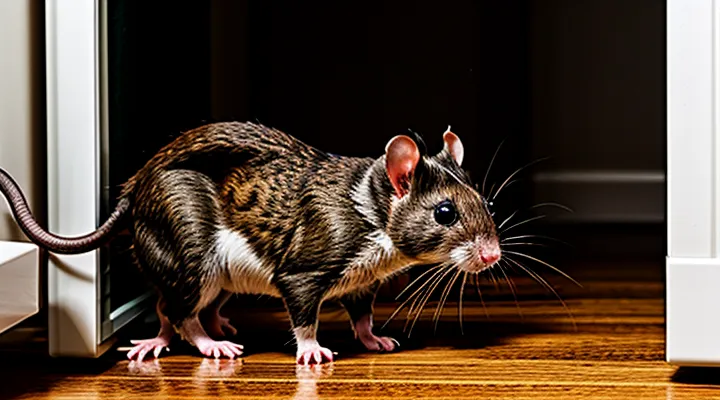
Understanding the «Smart Rat» Phenomenon
Why Some Rats Are Harder to Catch
Behavioral Adaptations
Rats that have become accustomed to living inside a residence develop several behavioral adaptations that directly affect capture efforts. Their activity peaks during darkness, reducing visibility for observers and increasing reliance on scent and tactile cues. This nocturnal pattern makes daytime trapping less effective, requiring placement of devices before nightfall and checking them in low‑light conditions.
Neophobia, the reluctance to approach unfamiliar objects, intensifies as rats learn that new items may represent danger. To overcome this, introduce bait gradually, using materials that mimic everyday household substances. Repeated exposure to a trap without activation can diminish fear, allowing the animal to investigate more readily.
Problem‑solving skills enable rats to manipulate simple mechanisms. Simple snap traps may be bypassed if the rodent can lift a trigger or move a bait holder. Employ traps with concealed mechanisms, such as spring‑loaded cages that close only when weight exceeds a specific threshold, preventing partial activation.
Social learning spreads successful foraging tactics among colony members. An individual that discovers a reliable food source will often guide peers to the same location. Deploy multiple traps along known pathways—near walls, behind appliances, and within concealed routes—to increase the likelihood that a socially informed rat encounters a capture device.
Scent marking establishes territorial boundaries and alerts conspecifics to danger. Freshening the environment with neutral odors before setting traps can mask the presence of human scent and reduce suspicion. Additionally, applying predator urine or synthetic ferret scent near traps can trigger avoidance behavior, but must be balanced to avoid driving rats away from the entire area.
Effective exploitation of these adaptations follows a systematic approach:
- Identify high‑traffic zones by observing droppings, gnaw marks, and food remnants.
- Place baited, concealed traps at least 30 cm from walls, aligning with the natural run line of rodents.
- Use pre‑baiting: leave non‑lethal bait for 24 hours to accustom rats to the trap’s presence.
- Rotate trap types weekly to prevent habituation to a single mechanism.
- Inspect traps during the early hours of darkness, reset or replace as needed.
Understanding and counteracting the specific behavioral traits of an intelligent rodent increases capture success while minimizing disruption to the household environment.
Learned Avoidance
Rats that have encountered traps before develop a behavioral pattern known as learned avoidance. This pattern reduces the effectiveness of standard baited devices because the animal associates specific cues—such as the scent of peanut butter on a snap trap or the sound of a spring mechanism—with danger.
To counteract learned avoidance, apply the following measures:
- Rotate trap locations every 24–48 hours. Changing placement prevents the rodent from forming a spatial memory of safe zones.
- Vary bait types and presentation. Alternate between high‑protein foods (e.g., boiled egg) and aromatic attractants (e.g., cinnamon) to disrupt scent recognition.
- Use trap designs that eliminate visual cues. Transparent or low‑visibility models reduce the rat’s ability to detect the device before contact.
- Incorporate motion‑activated deterrents. Devices that emit a brief ultrasonic pulse when the rat approaches can reset its risk assessment.
- Conduct regular cleaning of the area. Removing residual odors from previous traps eliminates associative markers that signal danger.
Implementing these tactics forces the rat to reassess its environment continuously, weakening the conditioned avoidance response and increasing capture probability.
Initial Assessment and Preparation
Identifying Rat Activity Hotspots
Rats concentrate activity where food, water, shelter, and travel routes intersect. Detecting these zones requires systematic observation of physical evidence and environmental conditions.
- Fresh droppings clustered along walls, behind appliances, or near cabinets indicate regular movement paths.
- Gnaw marks on wood, plastic, or wiring reveal preferred routes and potential entry points.
- Grease or urine stains on surfaces, especially in corners or under sinks, signal frequent presence.
- Accumulated nesting material such as shredded paper, fabric, or insulation points to safe harbor locations.
- Food residues, crumbs, or open containers near countertops, pantry shelves, or pet feeding stations attract foraging activity.
- Moisture sources, including leaky pipes, dripping faucets, or condensation trays, create attractive drinking stations.
- Concealed gaps around doors, windows, vents, and utility penetrations serve as ingress routes and often become focal points for repeated use.
Correlating these indicators on a floor plan highlights hotspots. Prioritize areas with multiple evidence types for targeted control measures, as they represent the most reliable predictors of rat presence within a residence.
Securing Food Sources and Entry Points
Securing food sources and blocking entry points are essential actions when attempting to capture a clever rat inside a private residence. Eliminate any attractants and reinforce potential passages to deny the animal access and motivation.
-
Store dry goods in airtight containers made of metal or heavy‑wall plastic.
-
Transfer pet food to sealed bins and feed pets only at scheduled times, removing leftovers promptly.
-
Dispose of garbage in bins with tight‑fitting lids; empty them nightly.
-
Clean countertops, floors, and appliances after each use; wipe away crumbs and spills immediately.
-
Repair or replace damaged screens, door sweeps, and vent covers; install metal mesh where needed.
-
Inspect walls, baseboards, and cabinets for gaps larger than ¼ inch; seal them with steel wool followed by caulk or expandable foam.
-
Apply weatherstripping around doors and windows; ensure thresholds sit flush against the floor.
-
Cover utility openings (electric, plumbing, ventilation) with metal plates or hardware cloth.
-
Use chimney caps and roof flashing to block aerial entry routes.
-
Conduct a systematic walk‑through each month to verify that all seals remain intact and that no new food sources have appeared.
By removing sustenance and eliminating ingress, the rat’s incentive to remain diminishes, increasing the likelihood of successful capture.
Choosing the Right Equipment
Selecting appropriate tools determines the success of a home‑based rat capture operation. The animal’s intelligence and agility require equipment that combines durability, precision, and minimal disturbance to the household environment.
Key items include:
- Snap traps with high‑sensitivity triggers – stainless‑steel construction prevents rust; spring tension calibrated for swift, humane termination.
- Live‑capture cages with multi‑entry portals – reinforced mesh and secure latch allow safe removal without injury.
- Bait stations – sealed compartments compatible with rodent‑attractive foods such as peanut butter, dried fruit, or fresh meat, reducing exposure to non‑target species.
- Protective gloves – cut‑resistant material prevents bites and contamination while handling traps.
- Flashlight with adjustable focus – infrared mode minimizes disturbance during night inspections.
- Sealant and filler material – expandable foam or steel wool to block entry points after capture.
Deploy snap traps along established runways, placing bait at the rear end to encourage full entry before activation. Position live‑capture cages near food sources, ensuring the entrance aligns with the rat’s preferred direction of travel. Use gloves when setting or retrieving traps to avoid scent transfer that could deter future visits.
After capture, seal identified gaps with appropriate filler. Regularly inspect and replace bait, maintaining trap sensitivity. Proper equipment selection, combined with strategic placement, maximizes capture efficiency while preserving household integrity.
Advanced Trapping Strategies
Diversifying Trap Types
Snap Traps: Placement and Baiting Enhancements
Snap traps remain the most reliable mechanical tool for eliminating a cautious rodent inside a dwelling. Their rapid action prevents escape, and proper positioning maximizes encounter rates.
Placement guidelines:
- Align traps parallel to walls, with the trigger side facing the baseboard; rats travel close to edges for safety.
- Install near known activity sites: fresh droppings, gnaw marks, grease streaks, or concealed entry points.
- Position at a 30‑45 degree angle to the wall, allowing the rat to approach from the side rather than head‑on.
- Deploy a minimum of three traps per suspected pathway to cover multiple access routes.
- Avoid high‑traffic human areas; locate traps where rodents can feed undisturbed.
Baiting enhancements:
- Use a small amount of fresh protein such as boiled chicken, hard‑boiled egg, or sardine flake; protein triggers stronger investigative behavior than grain alone.
- Add a scent amplifier: a drop of vanilla extract, peanut butter, or a dab of catnip oil intensifies aroma without altering texture.
- Apply a thin coating of petroleum jelly on the trigger plate to reduce hesitation caused by surface moisture.
- Pre‑bait for 24 hours: place the bait on an unsecured surface near the trap to familiarize the rat, then replace with the same bait on the trigger mechanism.
- Rotate bait types every 48 hours to prevent habituation.
Consistent monitoring and prompt disposal of captured rodents maintain trap efficacy and discourage secondary infestations.
Live Traps: Considerations for Release
Live traps provide a humane method for removing an intelligent rodent from a residence, but successful release depends on careful planning.
First, select a trap that closes quickly and securely, preventing escape or injury. Opt for models with smooth interiors and ventilation holes sized to discourage chewing.
When preparing for release, consider the following factors:
- Distance from the home – relocate the animal at least five miles away to reduce the chance of return.
- Habitat suitability – choose a wooded area, field, or agricultural site where the rat can find shelter and food.
- Legal restrictions – verify local wildlife regulations; some jurisdictions prohibit releasing captured rodents in public lands.
- Predator exposure – release during daylight to give the rat time to find cover before nocturnal predators become active.
- Health precautions – wear gloves, use disinfectant on the trap after release, and wash hands thoroughly to avoid disease transmission.
- Seasonal conditions – avoid extreme temperatures; release in moderate weather lowers stress and increases survival odds.
After release, monitor the trap’s interior for signs of damage or contamination before reuse. Store traps in a clean, dry location to maintain functionality.
Finally, document the release location and date. Records help assess the effectiveness of the control program and provide evidence of compliance with local ordinances.
Psychological Warfare: Outsmarting the Rat
«Trap Shyness» and How to Overcome It
Rats that have encountered a trap before often develop a cautious response, known as trap shyness. This behavior manifests as avoidance of familiar trap shapes, scents, or locations after a single negative experience.
Repeated exposure conditions the animal to associate specific cues with danger, prompting it to retreat before contact. The learned aversion reduces capture rates and may spread to other individuals through social observation.
To neutralize this avoidance, apply the following measures:
- Rotate trap models (snap, live‑catch, glue) every few days to prevent pattern recognition.
- Pre‑bait traps with a small amount of preferred food for 24–48 hours, then remove the bait before setting the trigger.
- Conceal trap silhouettes using cardboard or cloth, exposing only the trigger mechanism.
- Position traps along established runways, behind walls, or near concealed entry points where rats travel unnoticed.
- Operate traps during periods of heightened activity (dusk, early morning) to catch rats before they assess risk.
- Introduce a mild, non‑toxic scent mask (e.g., vanilla extract) to obscure the odor of the trap itself.
Implementing these tactics disrupts the rat’s learned avoidance, increasing the likelihood of a successful capture in a domestic environment.
Scent Masking Techniques
Effective scent masking is essential when targeting a cautious rodent within a residence. Rats rely heavily on olfactory cues; any foreign odor can alert them to traps or baits. Applying the following methods reduces detection risk and increases capture probability.
- Cover bait with natural food odors. Blend powdered peanut butter, cheese, or cooked meat into the bait matrix. The familiar scent masks the presence of chemical attractants and lures the rat to investigate.
- Use scent‑neutralizing agents. Apply a thin layer of activated charcoal powder or a commercial odor‑absorbing spray to trap surfaces. These substances bind volatile compounds, preventing the rat from perceiving human scent or trap material.
- Employ camouflage scents. Rub a small amount of shredded cotton or fabric previously soaked in the household’s typical cooking aromas (e.g., garlic, onion) onto the trap. The rat perceives the device as part of its environment rather than a threat.
- Limit human contact. Wear disposable gloves, change them between setups, and store traps in sealed containers. Direct skin oils and sweat contain pheromones that rats can detect at low concentrations.
- Utilize humidity control. Place a damp cloth near the trap for a brief period, then remove it before deployment. Moisture temporarily suppresses volatile odor release, allowing the bait’s scent to dominate.
Implementing these techniques in combination creates a multi‑layered barrier against olfactory detection, compelling even the most intelligent rat to approach and engage with the capture device.
Bait Rotation Strategies
Effective bait rotation disrupts a rat’s ability to develop a preference for a single attractant. By regularly altering the type, scent, and presentation of bait, you prevent habituation and increase the likelihood of contact with traps.
Switch between protein‑based options (peanut butter, boiled egg, canned fish) and carbohydrate‑rich choices (oatmeal, dried fruit, cereal). Alternate the texture—soft paste one day, solid block the next—to engage different feeding behaviors. Rotate the delivery method as well; use a droplet on a trap trigger, a dab on a bait station, or a small pellet placed near known pathways.
Implementation steps:
- Create a schedule covering a two‑week cycle. Assign a specific bait type to each day, ensuring no repeat within 48 hours.
- Prepare fresh bait each time to preserve potency. Store unused portions in airtight containers to avoid cross‑contamination.
- Record observations: note the trap locations where captures occur and the bait used. Adjust the rotation pattern based on which combinations produce the highest success rate.
- After a full cycle, evaluate the data and introduce a new bait variant to maintain unpredictability.
Consistent rotation, combined with precise placement, maximizes trap efficacy against intelligent rodents in a residential setting.
Non-Lethal and Integrated Pest Management Approaches
Exclusion and Proofing
Sealing Entry Points Effectively
Effective sealing of entry points is the cornerstone of preventing a cunning rodent from re‑entering a residence. Identify all potential openings by conducting a systematic visual survey of the building envelope: walls, floors, ceilings, foundation, utility penetrations, and exterior fixtures. Use a flashlight and a mirror to examine hard‑to‑see gaps behind appliances and under sinks.
- Repair structural cracks with hydraulic cement, allowing full cure before covering.
- Apply steel wool or copper mesh to holes larger than ¼ in., then seal with expanding polyurethane foam for added rigidity.
- Install self‑closing door sweeps on all exterior doors; verify tight contact when the door is closed.
- Fit silicone or acrylic caulk around window frames, pipe sleeves, and vent flues, smoothing the bead to eliminate air pockets.
- Cover vents and ducts with fine‑mesh hardware cloth (¼ in. openings) secured by stainless‑steel staples.
- Wrap exterior wiring and conduit with metal conduit sleeves, sealing seams with silicone sealant.
After sealing, perform a pressure test using a smoke pencil or a portable blower to confirm no airflow escapes through treated areas. Re‑inspect after a week to address any material shrinkage or new gaps caused by settling. Maintaining a sealed envelope eliminates the primary avenue for a resourceful rat to infiltrate a private dwelling.
Regular Inspections and Maintenance
Regular inspections provide the first line of defense against a cunning rodent that has entered a dwelling. Conduct a systematic walk‑through of each room weekly, focusing on corners, under appliances, and behind furniture. Look for droppings, gnaw marks, and shredded insulation; these indicators confirm activity and pinpoint hotspots.
Maintenance follows inspection. Seal every opening larger than a quarter‑inch with steel wool, caulk, or hardware cloth. Replace cracked weatherstripping on doors and windows. Install door sweeps to block gaps beneath entryways. Keep garbage containers with tight‑fitting lids and store food in sealed containers to eliminate attractants.
A concise routine ensures consistency:
- Check attic, crawl space, and basement for signs of nesting.
- Examine pipe penetrations, vent ducts, and utility openings; apply expanding foam where needed.
- Clean behind refrigerators, stoves, and washing machines; remove debris that could conceal pathways.
- Test traps and bait stations for proper placement and functionality; relocate if no activity is recorded for three days.
- Document findings in a log, noting date, location, and type of evidence; use the record to adjust preventive measures.
By integrating these inspections and upkeep tasks into a regular schedule, homeowners reduce the likelihood that a resourceful rat will establish a permanent presence, thereby simplifying any subsequent capture efforts.
Environmental Modifications
Eliminating Hiding Spots
Eliminating hiding spots removes the primary advantage a rat has inside a residence. Thorough inspection of the interior reveals common refuges: wall voids, under appliances, behind furniture, inside cabinets, and cluttered storage areas. Each location must be sealed or cleared to prevent the rodent from evading capture.
- Seal gaps larger than ¼ inch with steel wool and expanding foam; metal mesh offers permanent protection.
- Install tight-fitting lids on trash cans and pantry containers; replace damaged seals on doors and windows.
- Relocate items stored against walls; maintain at least a six‑inch clearance to expose potential burrows.
- Remove piles of newspapers, cardboard, and fabric; store them in sealed containers or discard them.
- Inspect insulation in attics and crawl spaces; replace compromised sections and block entry points with rodent‑proof mesh.
After sealing, conduct a second sweep to verify that no new openings have appeared. Use a flashlight and mirror to examine concealed areas, and apply a low‑odor deterrent spray to discourage re‑entry. Maintaining a clutter‑free environment and regularly checking seals sustains the elimination of hiding spots, ensuring the rat cannot hide while you implement trapping or exclusion measures.
Maintaining Sanitation
Maintaining sanitation eliminates the resources rats need to survive, forcing them to seek food elsewhere and increasing the likelihood of encountering traps.
- Store all dry goods in airtight containers; metal or heavy‑plastic bins prevent gnawing.
- Clean kitchen surfaces immediately after meals; wipe crumbs, spill residues, and grease from counters and floors.
- Dispose of garbage daily in bins with tight‑fitting lids; place bins away from doors and windows.
- Remove pet food after each feeding; keep bowls on a hard surface that can be emptied and washed.
- Inspect pantry shelves for hidden crumbs; vacuum or sweep regularly to remove debris.
- Seal cracks, gaps, and holes in walls, baseboards, and around plumbing fixtures; use steel wool and caulk or metal mesh for reinforcement.
- Keep outdoor areas tidy; trim vegetation, store firewood off the ground, and clear debris that could shelter rodents.
- Wash dishes promptly; avoid leaving soiled utensils in sinks overnight.
Consistent implementation of these practices reduces attractants, limits rat movement within the home, and creates an environment where baited devices become the most viable option for capture.
Professional Assistance When All Else Fails
When to Call an Expert
When a rat demonstrates intelligence and adaptability, homeowners often attempt DIY traps, sealants, and repellents. These measures suffice for occasional sightings, but certain conditions indicate that professional intervention is essential.
- Infestation spreads beyond a single room, with evidence of gnawing, droppings, or nests in multiple locations.
- Damage includes chewed wiring, plumbing, or structural components, posing fire or water hazards.
- Traps and baits fail repeatedly after several attempts, suggesting the rodent has learned to avoid them.
- Health concerns arise, such as allergic reactions or disease exposure, requiring immediate containment.
- Legal or insurance requirements mandate certified pest control services for documented infestations.
Contacting a licensed exterminator under these circumstances prevents escalation, safeguards property, and ensures compliance with safety standards. Prompt professional assessment reduces long‑term costs and eliminates the risk of recurring smart rodent activity.
What to Expect from Professional Services
Professional pest‑control teams approach a savvy rodent in a residence with systematic procedures. They begin with a thorough inspection that identifies entry points, nesting sites, and activity patterns. The inspection report includes photographic evidence and a risk assessment that quantifies potential damage and health hazards.
Clients can anticipate the following deliverables from a qualified service provider:
- Detailed site evaluation covering structural vulnerabilities and food‑source access.
- Customized bait or trap deployment based on species behavior and resistance history.
- Use of certified, low‑toxicity products that comply with residential safety standards.
- Immediate removal of captured animals, followed by humane disposal according to local regulations.
- Post‑treatment monitoring for a minimum of two weeks, with scheduled follow‑up visits to verify cessation of activity.
- Written guarantee outlining the scope of coverage, response time for re‑infestation, and any remedial actions included.
- Comprehensive documentation, including inspection notes, treatment logs, and recommendations for long‑term exclusion measures.
The service contract typically specifies response timelines, payment terms, and liability clauses, ensuring transparency and accountability throughout the engagement.