
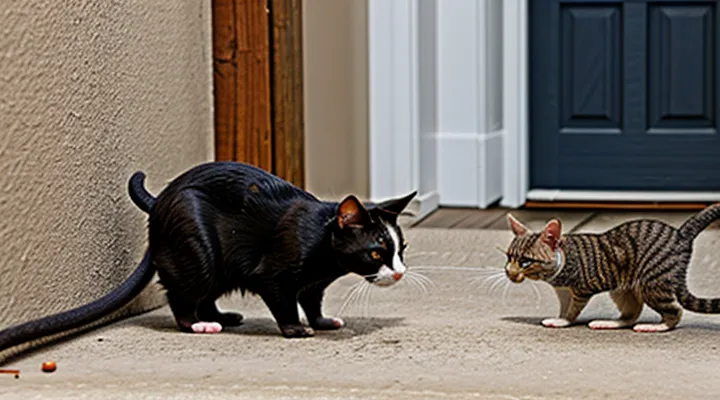
«Understanding the Natural Instincts of Cats»
«Prey Drive and Hunting Behavior»
The predatory instinct of a domestic cat is driven by a strong inclination to chase, stalk, and capture moving prey. This instinct manifests as a sequence of behaviors—orienting toward motion, fixing gaze, low‑crouch posture, rapid sprint, and precise bite. The intensity of this drive varies among individuals, influenced by genetics, early exposure to live prey, and environmental enrichment.
When a feline encounters a rodent, the following elements determine the likelihood of a successful capture:
- Visual detection of rapid, erratic movement triggers the chase response.
- Auditory cues, such as squeaks or rustling, reinforce the focus on the target.
- Tactile feedback from paw contact initiates the final pounce.
- Bite placement on the neck or spine ensures rapid incapacitation.
Effective utilization of a cat’s hunting repertoire requires positioning the animal where these stimuli are prominent. Providing a clear line of sight, minimizing obstacles, and allowing the cat to execute the natural sequence without interference maximizes the chances of seizing a rat.
«Breed-Specific Hunting Tendencies»
When selecting a feline for rodent control, the predatory profile of each breed determines effectiveness. Recognizing «breed‑specific hunting tendencies» allows precise matching of cat characteristics to the task of pursuing rats.
- Siamese: high activity level, keen auditory perception, strong chase instinct. - Maine Coon: large size, robust stamina, ability to confront sizable prey. - Bengal: intense focus, rapid sprint speed, natural affinity for stalking. - American Shorthair: balanced agility, reliable hunting drive, adaptability to indoor environments. - Abyssinian: inquisitive nature, swift reflexes, persistent pursuit behavior.
Effective deployment considers three factors. First, the environment: confined indoor spaces favor compact, agile breeds; semi‑outdoor areas accommodate larger, more resilient cats. Second, temperament: breeds with low aggression toward humans minimize collateral damage while maintaining predatory focus. Third, training potential: breeds that respond well to positive reinforcement retain learned hunting cues longer.
Practical steps for optimal use include:
1. Introduce the cat to the target area gradually, allowing scent familiarization.
2. Provide enrichment that mimics hunting scenarios—feather toys, moving laser points—to stimulate innate chase responses.
3. Monitor interaction with rodents; adjust access points to prevent escape or injury.
4. Maintain regular health checks to ensure physical capability and prevent disease transmission.
By aligning breed‑specific hunting tendencies with operational conditions, the likelihood of successful rat capture using a cat increases markedly.
«Cat's Role in Pest Control History»
Cats have been employed as rodent predators for millennia, shaping human approaches to pest control. In ancient Egypt, felines were revered for their ability to protect grain stores, a practice reflected in tomb reliefs that depict cats chasing mice. Medieval European monasteries kept barn cats to safeguard food supplies, and legal statutes of the 13th century mandated their presence in granaries.
Maritime vessels relied on ship cats to control rats that threatened cargo and crew health. Naval logs from the 17th century record reductions in rodent‑borne disease after introducing cats aboard. Agricultural estates across the Americas adopted feral and domestic cats during the 19th century, noting declines in crop‑damaging rodents.
Modern integrated pest management (IPM) incorporates cats as a biological control component. Research from the 2000s quantifies predation rates, demonstrating that a single cat can eliminate dozens of rats per month under optimal conditions. IPM guidelines recommend:
- Placement of cats near known rodent activity zones.
- Regular health monitoring to prevent disease transmission.
- Complementary use of traps and sanitation to enhance effectiveness.
Historical evidence confirms that feline predation consistently reduced rodent populations, influencing the development of humane and environmentally friendly pest control strategies.
«Preparing Your Cat for Rat Hunting»
«Health and Wellness Checks»
«Veterinary Consultation»
When a cat is employed as a biological control agent against rodents, a veterinary consultation becomes essential. The professional assessment focuses on the animal’s health, behavior, and suitability for the task.
The examination typically includes:
- Physical health check to identify injuries, infections, or underlying conditions that could impair performance.
- Vaccination status verification, especially for diseases transmissible between felines and rodents, such as rabies and feline panleukopenia.
- Parasite screening and treatment to prevent internal and external infestations that may affect the cat’s hunting efficiency.
- Behavioral evaluation to confirm predatory drive, tolerance for confinement, and ability to operate safely in environments where rodents are present.
- Nutritional advice ensuring the diet supports stamina and recovery after successful captures.
During the consultation, the veterinarian may recommend training aids, environmental enrichment, and safe handling techniques that reduce stress for both the cat and the household. Documentation of the cat’s fitness for pest control provides legal protection for owners and clarifies responsibilities should an incident occur. Regular follow‑up appointments maintain optimal condition and allow adjustments to the control strategy as needed.
«Vaccinations and Parasite Control»
Vaccinations protect cats from diseases that could impair hunting ability. Core immunizations include feline viral rhinotracheitis, calicivirus, panleukopenia (FVRCP) and rabies. Additional vaccines, such as feline leukemia virus, are recommended for outdoor cats that encounter rodents.
Parasite control prevents health issues that reduce stamina and reflexes. Internal parasites, primarily gastrointestinal worms, require regular deworming agents. External parasites, including fleas, ticks and ear mites, are managed with topical treatments, collars or oral medications.
Effective health management enhances a cat’s capacity to pursue rats. Immunized and parasite‑free felines maintain optimal weight, vision and motor coordination, leading to higher capture rates. Consistent vaccination schedules and scheduled parasite prevention form the foundation of reliable rodent control using cats.
«Encouraging Hunting Instincts»
«Play and Stimulation»
Effective use of feline play and stimulation enhances a cat’s natural hunting instincts, increasing the likelihood of successfully capturing a rodent. Engaging a cat in short, high‑energy sessions mimics prey behavior, sharpening reflexes and encouraging focused pursuit.
Key practices for maximizing this effect include:
- Introduce feather‑tipped wands or laser pointers that replicate rapid, erratic movements; repeat bursts of 2–3 minutes several times daily.
- Rotate toys to prevent habituation; variety maintains curiosity and sustains predatory drive.
- Schedule interactive play shortly before introducing the cat to an area where rats are present; heightened arousal translates into increased alertness and stamina.
Environmental enrichment further supports this strategy. Provide climbing structures and narrow tunnels that simulate natural hunting pathways, allowing the cat to practice stalking and pouncing in confined spaces. Regular stimulation sessions, combined with a suitable setting, create a consistent framework in which the feline’s predatory behavior is directed toward rodent control.
«Introducing Hunting Toys»
Introducing hunting toys enhances feline predatory performance, directly supporting rodent control efforts. Effective toys mimic the visual, auditory, and tactile cues of live prey, prompting instinctive chase and capture behaviors.
Key categories include:
- Wand toys with interchangeable feather attachments, delivering rapid aerial motion.
- Pounce toys featuring spring‑loaded mechanisms that launch small, rubberized replicas.
- Electronic toys that emit irregular squeaks and vibrations, simulating distressed rodents.
- Scent‑infused toys treated with natural muskrat or rabbit odors, increasing olfactory attraction.
Selection criteria focus on durability, realistic movement, safety, and appropriate size. Durable construction prevents premature breakage; lifelike motion patterns sustain engagement; non‑toxic materials protect the cat’s health; dimensions matching a cat’s bite radius ensure effective handling.
Deployment guidelines recommend strategic placement near known rat pathways, rotating toys every few days to prevent habituation, and combining toys with passive traps for layered pressure. Position toys at floor level or on low surfaces to align with a cat’s stalking posture.
Regular inspection removes frayed components, preserves hygiene, and maintains functional integrity. Properly managed hunting toys transform a domestic cat into a reliable agent for rat suppression, reducing reliance on chemical controls.
«Environmental Readiness»
«Securing the Home for Cat Safety»
Securing the home creates a safe environment for a cat tasked with rodent control, reducing risk of injury and ensuring effective hunting.
- Eliminate gaps under doors, around windows, and in utility openings; install sturdy weather‑stripping or mesh.
- Anchor heavy furniture and loose items that could topple during a chase.
- Provide a dedicated, clutter‑free hunting zone with non‑slippery flooring to prevent slips.
- Install secure, cat‑proof screens on all exterior openings; verify latch mechanisms regularly.
Inspect the property for toxic substances, such as rodent poisons or chemicals, and store them out of reach. Ensure all electrical cords are concealed or protected to avoid chewing hazards.
Maintain a quiet, low‑stress atmosphere by limiting loud noises and sudden movements in the hunting area. Regularly check for signs of wear on barriers and replace compromised sections promptly.
By implementing these measures, the cat remains protected while retaining the ability to pursue rats efficiently.
«Identifying Rat Hotspots»
Identifying rat hotspots is essential for directing a feline hunter toward areas of highest rodent activity. Accurate detection reduces time spent searching and increases the likelihood of successful capture.
Key indicators of a hotspot include:
- Fresh droppings concentrated near walls, corners, or hidden nooks;
- Gnaw marks on insulation, wiring, or stored food containers;
- Subtle pathways of shredded material leading to concealed burrows;
- Audible scurrying during nighttime hours, especially near entry points.
Mapping the environment involves systematic observation and documentation. Begin at known entry points, then trace rodent trails outward, marking each indicator on a floor plan. Prioritize zones where multiple signs converge, as these represent the most active locations.
Once hotspots are plotted, position the cat near the most critical zone during peak activity periods. Allow the animal to patrol naturally, using its instinctual hunting behavior to engage rodents that gather in these concentrated areas. Continuous monitoring of the mapped zones ensures adjustments as rodent patterns evolve.
«The Rat Hunting Process»
«Setting Up the Hunting Zone»
«Minimizing Distractions»
Using a cat as a natural predator requires an environment that allows the animal to focus on the target. Any extraneous stimulus can divert attention, reduce hunting efficiency, and give the rodent an opportunity to escape.
Typical sources of diversion include loud noises, sudden movements, competing pets, and human activity near the hunting area. Even subtle changes in lighting or temperature can interrupt the cat’s concentration.
«Minimizing Distractions» can be achieved through the following actions:
- Isolate the hunting zone from high‑traffic rooms and close doors to block external sounds.
- Schedule the operation during periods of low household activity, such as early morning or late evening.
- Remove or restrain other animals that might compete for the cat’s interest.
- Turn off televisions, radios, and other electronic devices that generate background noise.
- Dim lights to a level that mimics natural twilight, enhancing the cat’s predatory instincts.
A controlled setting maximizes the cat’s instinctual response, accelerates the capture process, and reduces the likelihood of the rat evading detection.
«Ensuring Escape Routes for the Cat»
When a feline is employed to trap a rodent, the animal’s ability to withdraw quickly prevents injury and maintains hunting effectiveness. Secure pathways from the chase zone to a safe area, allowing the cat to retreat without obstruction.
- Clear all routes of debris, cords, and loose objects that could impede movement.
- Install at least two independent exits to avoid congestion if one path becomes blocked.
- Direct exits toward elevated surfaces or enclosed shelters, reducing exposure to hazards.
- Eliminate potential dangers such as sharp edges, toxic substances, and unstable flooring.
- Conduct routine inspections to verify that passages remain unobstructed and functional.
Continuous observation of the cat’s behavior during the operation reveals whether escape routes meet the required standards. Immediate correction of any identified deficiency preserves the animal’s welfare and supports successful rodent capture.
«Supervision and Safety Protocols»
«Monitoring the Interaction»
Monitoring the interaction between a cat and a rodent is essential for evaluating effectiveness and ensuring humane handling. Accurate observation provides data that guide adjustments to the capture strategy and confirm that the cat remains motivated without undue stress.
Key observation methods include:
- Direct visual tracking from a safe distance, maintaining a clear line of sight on both animals.
- Continuous video recording positioned to capture the entire engagement zone.
- Behavioral cue logging, noting signs such as the cat’s stalking posture, the rat’s evasive movements, and audible alerts.
- Timing measurements that record latency from initial detection to contact, duration of pursuit, and outcome.
Data collection should follow a structured log format. Each entry records the date, time, ambient temperature, lighting level, and any distractions present in the environment. Timestamped video clips are cross‑referenced with the log to facilitate precise correlation between observed behavior and external factors.
Analysis focuses on pattern identification. Repeated successful approaches reveal optimal positioning, while failed attempts highlight variables that require modification, such as cat placement or rat access routes. Adjustments are implemented iteratively, using the compiled data to refine the capture protocol.
Safety protocols mandate that the cat be monitored for signs of injury or excessive aggression, and that the rat be handled according to humane standards after capture. Immediate intervention is required if either animal exhibits distress beyond normal predatory behavior.
«Preventing Injury to Cat or Rat»
Using a feline as a means to capture a rodent requires strict precautions to protect both animals. The focus of this discussion is «Preventing Injury to Cat or Rat».
Key measures include:
- Secure the environment: eliminate sharp objects, open flames, and toxic substances that could harm either participant.
- Conduct a health check: verify that the cat is vaccinated, free of parasites, and physically capable of handling a chase; confirm the rat shows no signs of disease that could transmit to the cat.
- Choose appropriate equipment: employ humane traps or enclosed spaces that allow the cat to engage without direct contact, reducing the risk of bites or scratches.
- Supervise the interaction: maintain visual oversight throughout the pursuit, ready to intervene if aggressive behavior emerges.
- Provide post‑engagement care: examine the cat for wounds, administer wound cleaning if necessary, and release the rat in a safe, distant location or euthanize humanely according to local regulations.
Adhering to these protocols minimizes the likelihood of injury and ensures ethical treatment of both species.
«Post-Hunt Procedures»
«Praising and Rewarding Your Cat»
Effective praise and reward strategies increase a cat’s motivation to pursue rodents. Positive reinforcement creates a clear association between successful hunting behavior and immediate gratification, encouraging repeat performance.
Key elements of a reward system include:
- Immediate verbal affirmation, such as «Good job!» delivered in a calm, confident tone.
- Small edible incentives, preferably high‑protein treats, offered within seconds of a capture.
- Physical affection—gentle petting or a brief chin scratch—provided when the cat displays appropriate hunting posture.
Consistency matters. Apply the same praise and treat each time the cat tracks, stalks, or secures a rat. Over time, the cat learns that the desired outcome reliably yields a reward, strengthening the hunting drive without reliance on coercion.
When selecting treats, choose items that complement the cat’s diet and avoid excessive calorie intake. Rotate flavors to maintain interest, but keep portions modest to prevent distraction from the primary task.
Monitoring progress helps refine the approach. Record each hunting episode, noting the type of praise used and the cat’s response. Adjust the balance of verbal, tactile, and edible rewards based on observed effectiveness.
By integrating precise, timely praise with appropriate treats, the cat develops a reinforced hunting instinct, improving the likelihood of successful rodent capture.
«Disposing of the Rat Safely»
The process of eliminating a captured rodent must prioritize health safety and environmental responsibility. Immediate handling of the animal reduces the risk of disease transmission and prevents unpleasant odors.
Wear disposable gloves, a mask, and an apron before touching the carcass. Secure the animal in a sturdy, sealable container such as a plastic bag with a zip‑lock closure. Double‑bagging adds an extra barrier against leakage.
Possible disposal methods include:
- Burial in a deep, well‑drained pit away from vegetable gardens and water sources. Cover the site with at least 30 cm of soil and compact it.
- Placement in a sealed bag for municipal waste collection, ensuring the bag is clearly labeled and placed in a trash bin that is emptied regularly.
- Transfer to a licensed wildlife removal or pest‑control service, which can process the carcass according to local regulations.
After disposal, remove and discard gloves and mask, then wash hands thoroughly with soap and water. Clean and disinfect any tools or surfaces that contacted the animal, using a solution of one part bleach to nine parts water. Regularly inspect the cat’s hunting area and seal entry points to reduce future encounters with rodents. This approach maintains a safe environment while respecting legal and ecological guidelines. «Disposing of the Rat Safely» requires consistent application of these steps.
«Addressing Potential Challenges»
«When Cats Are Not Interested»
«Alternative Encouragement Methods»
When a feline is employed to trap a rodent, standard incentives such as food rewards may prove insufficient. Exploring «Alternative Encouragement Methods» expands the toolkit beyond basic bait, increasing the likelihood of successful capture.
- Deploy natural rodent scents (e.g., mouse urine, grain dust) near the cat’s access points; the odor triggers predatory instincts without reliance on edible incentives.
- Enrich the environment with climbing structures and hiding spots; heightened activity levels encourage the cat to patrol areas where rats may hide.
- Introduce intermittent high‑frequency sounds that mimic prey movement; auditory cues stimulate chase behavior while remaining non‑food based.
- Position reflective objects or laser pointers to create moving visual stimuli; the dynamic patterns engage the cat’s hunting reflexes.
- Utilize pheromone‑based sprays that simulate the presence of other felines on the hunt; social competition can motivate the cat to pursue the target.
Each method leverages a different sensory channel, ensuring the cat remains motivated even when traditional food bait loses effectiveness. Combining several approaches creates a robust, multi‑modal strategy that maximizes the cat’s natural predatory drive while minimizing reliance on direct feeding incentives.
«Considering Other Solutions»
When a feline is unavailable or unsuitable, alternative strategies merit evaluation. Mechanical traps, such as snap‑type devices, provide rapid immobilisation without reliance on animal behaviour. Live‑capture cages allow relocation after containment, reducing mortality while maintaining control over the pest population. Chemical baits, formulated with anticoagulant rodenticides, deliver systemic toxicity; however, strict adherence to safety regulations and placement guidelines is essential to prevent non‑target exposure.
Key considerations for selecting an alternative include:
- Target species activity patterns; nocturnal rodents respond differently to visual versus olfactory attractants.
- Environmental constraints; cluttered spaces may limit the effectiveness of snap traps but accommodate bait stations.
- Ethical and legal requirements; some jurisdictions restrict the use of certain poisons, mandating humane alternatives.
- Maintenance workload; reusable live‑capture devices reduce recurring costs compared with disposable snap traps.
Each method presents distinct advantages and limitations; systematic assessment ensures the chosen approach aligns with operational objectives and regulatory obligations.
«Safety Concerns for Cats»
«Risks of Rat Bites and Diseases»
Using a cat as a biological control agent introduces the possibility of direct contact with rodents. Rat bites represent a primary vector for several zoonotic infections. Immediate wound contamination occurs when a rat’s incisors break the skin, providing a pathway for pathogenic bacteria and viruses.
Key health hazards associated with rat bites include:
- «Leptospirosis» – caused by Leptospira sp.; transmission through saliva or urine entering the wound; symptoms range from fever to renal failure.
- «Hantavirus pulmonary syndrome» – virus present in rodent blood and saliva; can lead to severe respiratory distress.
- «Plague» – Yersinia pestis may be introduced via bite; rapid onset of fever, lymphadenopathy, and septicemia.
- «Salmonellosis» – Salmonella spp. colonize the gastrointestinal tract; infection results in gastroenteritis.
- «Rat‑bite fever» (streptobacillosis) – Streptobacillus moniliformis infection produces fever, rash, and arthritis.
Preventive measures focus on minimizing direct handling of rats. Employing a cat reduces the need for manual capture, thereby lowering exposure risk. If a bite occurs, immediate irrigation with clean water, antiseptic application, and medical evaluation are essential to prevent systemic infection. Vaccination against tetanus and, where available, prophylactic antibiotics should be considered according to clinical guidelines.
«Handling Aggressive Rats»
Aggressive rodents present a heightened risk when a feline is employed to secure the target. The handler must anticipate defensive bites, rapid retreats, and unpredictable movements.
Safety measures begin with personal protection. Wear thick gloves, long‑sleeved clothing, and eye protection. Secure the area by sealing entry points and removing clutter that could provide escape routes. Conduct a brief assessment of the rat’s behavior: observe for lunging, vocalizations, or rapid darting, and note the level of aggression.
The cat requires evaluation prior to deployment. Select an animal with proven hunting instincts and a calm disposition. Conduct a short exposure test using a restrained rat to gauge the cat’s response. Reinforce the cat’s focus with a clicker or verbal cue, avoiding any form of punishment.
When confronting the rat, employ a controlled enclosure. Place the rodent in a sturdy, ventilated cage that limits forward motion but allows lateral movement. Introduce the cat through a narrow opening that forces a direct line of sight. The enclosure prevents the rat from reaching the cat’s face while maintaining the predator’s visual stimulus.
Execution steps:
- Position the cage on a stable surface.
- Insert the cat into the entry slot, keeping the animal’s paws within the cage’s boundary.
- Observe the rat’s reaction for a maximum of thirty seconds.
- If the rat attacks the cage wall, allow the cat to make a brief, calculated swipe.
- Immediately retrieve the cat and secure the rat in a secondary container.
After capture, handle the rat with thick gloves, place it in a secure transport box, and release it far from the premises or dispose of it according to local regulations. Clean the enclosure with a disinfectant solution to eliminate scent trails that could attract additional rodents.
«Ethical Considerations»
«Humane Aspects of Pest Control»
Using a cat to manage rodent infestations can align with humane pest‑control principles when the animal’s welfare and the target species’ suffering are carefully considered. Cats possess natural predatory instincts that reduce reliance on lethal traps or poisons, thereby limiting environmental contamination and accidental harm to non‑target wildlife.
Key humane considerations include:
- Selecting a cat that is healthy, vaccinated, and accustomed to indoor environments to prevent stray‑animal risks.
- Providing regular veterinary care, including parasite prevention, to maintain the cat’s health during pest‑control activities.
- Ensuring the cat has access to food, water, and shelter independent of captured rodents, preventing starvation or over‑reliance on live prey.
- Monitoring the cat’s behavior for signs of stress, aggression, or injury; intervening promptly if adverse effects arise.
- Employing non‑lethal deterrents, such as habitat modification and exclusion techniques, to complement the cat’s predation and reduce overall rodent numbers.
Legal frameworks often require humane treatment of both predator and prey. Compliance with animal‑welfare statutes prevents unlawful cruelty and protects the owner from liability. Documentation of veterinary records and pest‑control outcomes can demonstrate adherence to regulatory standards.
Ethical practice demands that the cat’s role be supplemental rather than the sole method of rodent management. Integrating sanitation, structural repairs, and exclusion devices creates a comprehensive strategy that diminishes reliance on predation alone, thereby enhancing overall humane outcomes.
«Alternatives to Direct Cat Hunting»
When a feline is unavailable or unsuitable, several proven methods can reduce rodent activity without relying on direct predation.
- Mechanical traps positioned along established runways capture rodents efficiently; spring‑loaded and snap variants provide immediate termination, while live‑catch traps enable relocation.
- Bait stations containing anticoagulant or acute toxicants, sealed to prevent non‑target exposure, deliver lethal doses after a single ingestion.
- Habitat modification removes shelter and food sources: sealing entry points, storing waste in airtight containers, and maintaining a clean, clutter‑free environment diminish attractiveness.
- Biological control introduces natural enemies such as barn owls or feral mustelids; installing nesting boxes encourages occupancy, creating ongoing pressure on rat populations.
- Ultrasonic emitters generate frequencies uncomfortable to rodents, discouraging habitation in confined spaces; effectiveness varies with species and layout, requiring strategic placement.
Each alternative complements an integrated pest‑management plan, allowing sustained reduction of rodent numbers while minimizing reliance on feline hunting.