
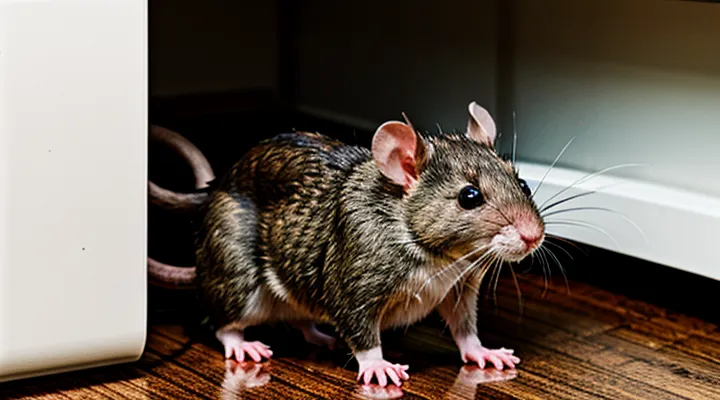
Understanding Rat Behavior
Why Rats Enter Homes
Rats invade residential spaces primarily because they seek reliable supplies of food, water, and shelter. When waste accumulates in kitchens, pantries, or garbage containers, it creates an attractive feeding ground. Leaking pipes, pet water bowls, and damp basements provide the moisture rats need for survival.
- Unsecured food storage (open containers, crumbs, pet food)
- Standing water or leaks in plumbing
- Cluttered areas that conceal nesting material
- Warm interior temperatures during colder months
- Access points such as gaps around doors, windows, utility lines, and foundation cracks
Structural deficiencies enable entry. Cracks in the foundation, gaps around vent pipes, and poorly sealed doors or windows serve as pathways. Even small openings—no larger than a quarter of an inch—allow rats to slip inside. Regular inspection and sealing of these vulnerabilities reduce intrusion risk.
Rats exhibit nocturnal foraging behavior, prompting them to explore exterior environments for resources. When external conditions become unfavorable—temperature extremes, predator presence, or scarcity of food—they relocate to indoor habitats that offer protection and consistent nourishment. Understanding these motivations guides effective prevention strategies without reliance on trapping devices.
Signs of a Rat Infestation
Rats leave unmistakable evidence that signals an infestation. Identifying these indicators early prevents damage and health risks.
- Gnaw marks on wood, plastic, or wiring, typically at a 45‑degree angle.
- Droppings resembling small, dark grains; fresh piles are moist and glossy, older ones are dry and crumbly.
- Grease or urine stains along walls, baseboards, or near food sources; the odor becomes stronger in warm, humid conditions.
- Nests constructed from shredded paper, fabric, insulation, or dried vegetation, often hidden in concealed spaces such as attics, crawl spaces, or behind appliances.
- Scratching or scurrying sounds in ceilings, walls, or ducts, especially at night when rats are most active.
- Visible tracks or footprints in dusty areas, showing a small, elongated shape with a pointed front and rounded rear.
Additional confirmation includes finding live or dead rats, and observing increased activity around garbage cans, pet food, or pantry items. Detecting multiple signs concurrently indicates a serious problem that requires immediate non‑trap removal strategies.
Preparing for Trap-Free Rat Removal
Safety Precautions Before Starting
Before attempting any rat‑removal method that does not involve a conventional trap, ensure personal safety and protect the household environment.
- Wear disposable gloves made of nitrile or latex to prevent direct contact with rodent urine, feces, and saliva, which can carry diseases such as leptospirosis and hantavirus.
- Use a face mask rated at least N95 to avoid inhalation of aerosolized particles when disturbing nests or contaminated surfaces.
- Dress in long‑sleeved clothing and closed shoes to shield skin from bites and scratches.
- Keep children and pets out of the work area; confine them in a separate room or temporarily relocate them.
Assess the area for hazards before beginning.
- Identify electrical cords, open flames, or sharp objects that could cause injury while moving debris or accessing hidden spaces.
- Verify that ventilation is adequate; open windows or use exhaust fans to disperse odors and airborne contaminants.
- Secure loose items that could fall or become entangled during the process.
Prepare cleaning and disinfection supplies in advance.
- Have an EPA‑approved disinfectant ready for immediate application to surfaces contaminated by droppings or urine.
- Keep absorbent pads, trash bags, and sealed containers on hand for safe disposal of waste.
Document the steps taken and any observations of rodent activity. This record assists in evaluating the effectiveness of the approach and informs future preventive measures.
Identifying Rat Entry Points
Rats gain access to homes through small openings that often go unnoticed. Identifying these pathways is the first step in any trap‑free removal strategy.
Typical entry points include:
- Gaps around utility pipes, especially where they penetrate walls or floors.
- Cracks in foundation walls, brickwork, or concrete slabs.
- Unsealed spaces beneath doors, windows, and garage doors.
- Openings around vent ducts, exhaust fans, and chimney flues.
- Gaps behind appliances, such as refrigerators, stoves, and dishwashers.
- Holes in soffits, eaves, and roof sheathing.
A systematic inspection reduces the likelihood of missed access routes. Begin by conducting a visual sweep of the building’s exterior, focusing on the perimeter where walls meet the ground. Use a flashlight to examine the interior of crawl spaces and basements, probing any suspicious openings with a thin rod or a flexible probe. Seal identified gaps with appropriate materials: steel wool combined with caulk for small holes, hardware cloth for larger gaps, and expanding foam for irregular crevices. Reinforce door sweeps and weatherstripping to eliminate gaps beneath entry doors.
Regular maintenance prevents new openings. Repair cracked mortar, replace deteriorated siding, and keep vegetation trimmed away from the foundation. By systematically locating and sealing rat entry points, homeowners can effectively deter infestations without resorting to traps.
Removing Food and Water Sources
Eliminating food and water supplies deprives rodents of the resources they need to survive, making the environment unsuitable for their presence.
-
Store all dry goods in airtight containers made of metal or thick plastic.
-
Place groceries, grains, and cereal in sealed bins immediately after purchase.
-
Clean countertops, floors, and appliances after each meal; wipe away crumbs and spills.
-
Use a dedicated trash can with a tight‑fitting lid; empty it daily and keep it away from walls.
-
Restrict pet feeding to scheduled times; remove uneaten food within 30 minutes.
-
Repair leaking pipes, faucets, and roof sections to stop drips.
-
Eliminate standing water in sinks, bathtubs, and pet bowls; dry them after use.
-
Keep gutters clear to prevent water accumulation near the foundation.
-
Store water containers upside down or with sealed caps when not in use.
Consistently applying these measures reduces the attraction of the premises, forcing rats to seek alternative habitats and increasing the effectiveness of non‑trap control strategies.
Humane Methods for Rat Removal
Live Traps: Design and Placement
DIY Live Traps: Materials and Construction
Creating an effective live trap for a household rodent requires sturdy, readily available components and a simple assembly method. The design relies on a one‑way entry mechanism that allows the animal to move inside but prevents escape.
Materials
- Large plastic storage container with a secure lid (capacity of at least 10 L)
- Flexible PVC pipe or sturdy cardboard tube, 10–15 cm in diameter, cut to the container’s height
- Thin wooden dowel or metal rod, 30–40 cm long, for a trigger lever
- Strong adhesive tape or zip ties
- Bait such as peanut butter, fruit, or dried meat
- Soft padding (old towel or foam) to line the interior and reduce stress
Construction steps
- Cut a circular opening near the top edge of the container, just large enough for the rat to pass through.
- Insert the PVC pipe into the opening, securing it with tape or zip ties so it forms a tunnel that leads into the container.
- Attach the dowel horizontally across the tunnel entrance, leaving a small gap that the animal can push open when entering.
- Position the trigger lever so that the rat’s weight forces it to close the tunnel behind the animal, sealing the container.
- Place the bait at the far end of the tunnel to encourage movement through the entry point.
- Line the interior with padding to keep the captured rodent calm until release.
The completed device operates without springs or complex mechanisms; the rat’s own motion triggers closure, providing a humane capture solution suitable for indoor use.
Baiting Strategies for Live Traps
Effective baiting is the cornerstone of any live‑capture approach for household rats. Choose attractants that match the rodent’s natural diet and sensory preferences. High‑protein foods, such as cooked chicken, hard‑boiled eggs, or canned tuna, generate strong olfactory cues. Sweet options like peanut butter or fruit preserves add a secondary appeal, especially when combined with a protein source.
Placement of the bait determines the trap’s success. Position the lure at the rear of the cage to force the rat to fully enter before reaching the food. Secure the bait to the trap’s interior with a small amount of adhesive or a toothpick to prevent removal without triggering the door. Align the trap along established runways—near walls, behind appliances, or in concealed corners—where rats habitually travel.
Timing influences bait effectiveness. Deploy traps in the evening when rats are most active; check them early in the morning to reduce stress on captured animals. Replace or refresh bait every 24 hours to maintain scent potency and discourage habituation.
Common bait options
- Cooked meat (chicken, beef) – strong protein scent
- Canned fish (tuna, sardines) – oily aroma
- Peanut butter – high fat, easy to secure
- Hard‑boiled egg – compact protein source
- Fruit spreads (apricot, grape) – sweet supplement
- Cheese (hard varieties) – strong odor, limited moisture
By selecting appropriate attractants, positioning traps along rodent pathways, and managing bait freshness, a live‑capture system can reliably remove rats from a domestic setting without relying on lethal devices.
Natural Deterrents and Repellents
Essential Oils and Their Application
Essential oils provide a chemical deterrent that interferes with a rodent’s olfactory system. When a rat encounters a strong, unfamiliar scent, it avoids the area to protect its health and food sources. The most effective oils for this purpose are:
- Peppermint oil – contains menthol, which creates a sharp, cooling aroma that rodents find intolerable.
- Eucalyptus oil – rich in eucalyptol, it produces a pungent vapor that disrupts scent trails.
- Citronella oil – its citrus notes overwhelm the rat’s sensory receptors.
- Clove oil – high in eugenol, it acts as a natural irritant.
- Lavender oil – while milder, its strong floral scent can supplement other oils in a blend.
Application methods determine potency and safety. Soak cotton balls in undiluted oil or a 1:5 ratio of oil to water, then place them in corners, behind appliances, and near entry points. For broader coverage, mix 15 drops of oil per 100 ml of water, transfer to a spray bottle, and mist floorboards, baseboards, and interior walls. A diffuser set on low for several hours each night maintains a persistent vapor without saturating surfaces.
Dilution reduces the risk of skin irritation and prevents damage to furniture. Test a small, hidden area before widespread use. Replace cotton balls or refill spray containers every 48 hours, as the scent dissipates quickly. Keep all preparations out of reach of children and pets; some oils are toxic if ingested.
Combining multiple oils enhances the olfactory overload, increasing the likelihood that a rat will vacate the premises. Regular monitoring of activity signs—droppings, gnaw marks, or audible noises—helps assess effectiveness and adjust placement accordingly. This approach eliminates the need for mechanical traps while maintaining a humane, chemical-free environment.
Household Items as Repellents
Rats avoid environments that contain strong, unfamiliar odors, sharp tastes, or uncomfortable textures. By deploying common household products that produce such conditions, occupants can deter rodents without relying on conventional traps.
- Peppermint oil: dilute 10 ml of oil in a cup of water, soak cotton balls, and place them near entry points, cabinets, and behind appliances. The volatile menthol vapors irritate the rat’s nasal passages.
- Ammonia: pour a small amount onto a cloth, then position it in corners and under furniture. The pungent fumes create an inhospitable atmosphere.
- Vinegar: spray a mixture of equal parts white vinegar and water on surfaces where droppings are observed. The acidic scent discourages further activity.
- Cayenne pepper or hot sauce: sprinkle a thin layer along baseboards, behind walls, and around food storage areas. Capsaicin causes discomfort on contact.
- Steel wool: pack tightly into gaps, holes, and cracks. The abrasive texture prevents rats from squeezing through and serves as a physical barrier.
- Dryer sheets: lay a few sheets in drawers, closets, and pantry shelves. The scented chemicals emit a mild repellent odor.
Apply repellents consistently; replace cotton balls and cloths every two days to maintain potency. Ensure that food, pet dishes, and water sources remain sealed, as repellents supplement but do not replace proper sanitation. Use protective gloves when handling ammonia or pepper powders to avoid skin irritation. Combine multiple items for overlapping effects, increasing the likelihood that rats will seek an alternative habitat.
Exclusion Techniques
Sealing Entry Points
Rats enter homes through gaps that provide shelter, food, and water. Eliminating these openings removes the primary incentive for infestation and prevents new individuals from joining an existing population.
Identify all potential access points. Inspect walls, foundations, and rooflines for cracks, holes, and gaps around pipes, vents, and cables. Pay special attention to areas where utilities penetrate the structure, as these often create unnoticed openings.
Seal identified openings with materials that resist gnawing. Use steel wool combined with expanding foam for small cracks, and install heavy‑duty mesh or metal flashing over larger gaps. For door and window frames, fit weatherstripping that compresses tightly when closed. Apply caulk or concrete patch to fill gaps around baseboards, foundation walls, and around the perimeter of the house.
Maintain a sealed environment. Regularly check previously treated areas for new damage caused by settling or weather. Replace worn weatherstripping and repair any new cracks promptly. A routine inspection schedule—once every three months—ensures that the barrier remains effective.
Key actions:
- Conduct a thorough perimeter survey.
- Apply steel wool plus foam for minor cracks.
- Install metal mesh or flashing on larger openings.
- Fit compression weatherstripping on doors and windows.
- Use caulk or concrete to close foundation gaps.
- Schedule periodic re‑inspections and repairs.
By systematically blocking entry routes, the likelihood of rat activity inside the residence drops dramatically, achieving control without reliance on traps.
Maintaining a Rat-Free Environment
A rat‑free home begins with eliminating conditions that attract rodents. Secure all food sources by storing grains, cereals, and pet food in airtight containers. Clean kitchen surfaces after each meal, sweep crumbs, and dispose of waste in sealed bags.
Inspect the building envelope for gaps larger than a quarter‑inch. Seal cracks around pipes, vents, and windows with steel wool followed by caulk or metal mesh. Install door sweeps and weather stripping to block entry points.
Maintain a tidy exterior. Keep vegetation trimmed at least six inches from the foundation, remove debris piles, and store firewood off the ground. Place garbage bins away from the house, using lids that close tightly.
Implement regular monitoring. Place non‑lethal deterrents such as ultrasonic devices or peppermint oil-soaked cotton balls in suspected pathways. Conduct monthly visual inspections of attics, basements, and crawl spaces for droppings, gnaw marks, or nesting material.
If signs of activity appear, act promptly. Remove any discovered nests, clean contaminated areas with a disinfectant solution, and reinforce the identified entry points. Consistent application of these measures sustains an environment where rats cannot establish a foothold.
What to Do After Catching a Rat
Safe Release Practices
Catching a rat without a conventional trap requires a plan for humane release that protects both the animal and the household environment. Follow these procedures to minimize stress, prevent injury, and avoid contaminating living spaces.
- Identify a release site at least one mile from the residence, preferably in a wooded area or vacant lot where shelter and food sources are available.
- Wear disposable gloves to reduce disease transmission and to prevent the rat from detecting human scent.
- Prepare a sturdy container with a secure lid; line the interior with a soft material to keep the rat calm.
- Gently coax the rat into the container using a piece of fruit or grain; avoid sudden movements that could trigger a defensive response.
- Transport the container in a vehicle, keeping it upright and insulated from extreme temperatures.
- Upon arrival, open the lid on a flat surface away from human traffic; step back to allow the rat to exit voluntarily.
- After release, sanitize gloves, container, and any tools with a disinfectant solution to eliminate pathogens.
- Monitor the release area for signs of repeated rodent activity; if recurrence occurs, consider professional pest‑control consultation.
Preventing Future Infestations
After removing a rat without using a traditional trap, the priority shifts to eliminating conditions that invite new rodents. Securing the home against future intrusion requires systematic inspection, sanitation, and structural reinforcement.
Begin with a thorough sweep of all rooms, basements, and attics. Identify gnaw marks, droppings, and pathways that rats may have used. Seal every opening larger than a quarter‑inch, including gaps around pipes, vents, and electrical conduits. Use steel wool combined with silicone caulk or expandable foam for durable blockage.
Implement strict housekeeping practices. Store food in airtight containers, clean crumbs and spills promptly, and dispose of garbage in sealed bins. Eliminate standing water sources by fixing leaks and drying damp areas, as moisture attracts rodents.
Strengthen the building envelope to deter re‑entry. Install door sweeps, repair cracked foundation walls, and reinforce crawl‑space vents with mesh. Trim vegetation away from the foundation, and keep firewood or stored items elevated off the ground.
Preventive checklist
- Inspect and seal all exterior and interior gaps.
- Store food, pet feed, and compost in rodent‑proof containers.
- Maintain clean surfaces; sweep daily, mop immediately after spills.
- Repair leaks; keep basements and bathrooms dry.
- Use steel‑wool‑filled caulk for small holes; apply metal flashing for larger openings.
- Install door sweeps and weather stripping on all exterior doors.
- Elevate stored items; keep yard clear of debris and overgrown plants.
- Conduct monthly visual inspections for new signs of activity.
Consistent application of these measures reduces the likelihood of another rat establishing a foothold, ensuring long‑term protection without reliance on traps.