
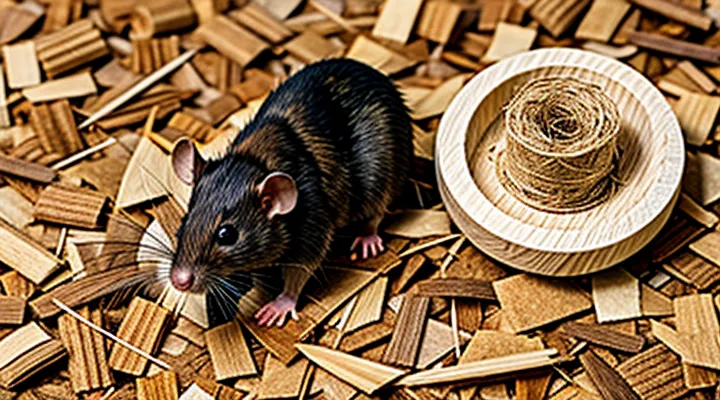
The Natural Instinct: Why Rats Need Nesting Material
Simulating a Natural Environment
Wood shavings provide a substrate that closely resembles the forest floor where wild rodents gather material for nests. The fine, absorbent fibers allow rats to construct compact, insulated chambers that retain body heat and protect against drafts. Natural scent cues embedded in untreated shavings stimulate foraging instincts, encouraging the animals to manipulate the material as they would with leaves or twigs in the wild.
Key benefits of using wood shavings to recreate a natural setting include:
- Structural support: Fibers interlock to form stable layers, enabling the creation of multi‑level nests.
- Thermal regulation: High absorbency removes moisture, reducing chilling risk and maintaining a stable microclimate.
- Odor control: Porous composition traps waste particles, limiting ammonia buildup and preserving air quality.
- Behavioral enrichment: The tactile experience promotes digging, rearranging, and nesting, which are essential for mental health.
When selecting shavings, prioritize low‑dust, kiln‑dried hardwood varieties such as aspen or pine. These options minimize respiratory irritation while retaining the natural texture required for nest building. Avoid aromatic woods like cedar, whose volatile compounds can cause respiratory distress.
Proper maintenance sustains the simulated environment. Replace a portion of the bedding weekly to preserve cleanliness, and monitor humidity levels to prevent mold growth. A clean, well‑structured substrate allows rats to exhibit natural nesting behaviors consistently, resulting in a comfortable and health‑supportive habitat.
Behavioral Enrichment and Stress Reduction
Wood shavings serve as a natural substrate that encourages species‑typical burrowing and nesting behaviors. The texture and absorbency of shredded timber allow rats to manipulate the material, creating concealed chambers that satisfy instinctual construction activities.
- Enhanced exploration of the environment, reducing repetitive pacing
- Increased grooming and chewing, supporting dental health
- Lowered corticosterone levels measured in plasma samples
- Improved sleep patterns through secure, insulated nests
- Decreased incidence of self‑injurious behaviors
By providing a manipulable medium, wood shavings directly address the psychological needs of laboratory and pet rats, promoting adaptive coping mechanisms and minimizing chronic stress responses.
Types of Wood Shavings for Rats
Safe Options: Aspen and Kiln-Dried Pine
Wood shavings are a widely used bedding material for pet rats because they provide insulation, absorb moisture, and allow nesting behavior. Among the many varieties, aspen and kiln‑dried pine meet safety standards for odor, dust, and toxic compounds.
Aspen shavings contain minimal aromatic oils, produce low levels of airborne particles, and lack the phenols that can irritate respiratory tracts. The fibers are soft enough for nest building yet sturdy enough to retain moisture without clumping.
Kiln‑dried pine undergoes a high‑temperature drying process that removes volatile resinous compounds. The result is a dry, low‑dust substrate with reduced risk of respiratory irritation. The wood retains structural integrity, supporting the formation of stable nests.
Key safety attributes:
- Low dust generation
- Minimal aromatic or phenolic content
- Adequate absorbency for urine and droppings
- Compatibility with rats’ chewing behavior
For optimal use, store shavings in a dry, sealed container to prevent mold growth. Replace the bedding weekly, or sooner if wet spots appear. Provide a depth of 2–3 cm to allow rats to burrow while maintaining airflow.
Aspen: Characteristics and Benefits
Aspen shavings are widely used in rodent habitats because they combine softness with low dust production. The fibers are fine enough to allow rats to build nests without excessive irritation, yet they retain enough structure to provide insulation and support. Aspen’s neutral scent does not interfere with the animals’ olfactory communication, preserving natural behaviors.
Key benefits of aspen for rat bedding include:
- Minimal respiratory irritants; dust levels are lower than those of pine or cedar.
- High absorbency; moisture is drawn away from the nest, reducing the risk of mold.
- Biodegradability; shavings decompose quickly, facilitating safe disposal.
- Non‑toxic composition; no aromatic oils that could harm sensitive respiratory systems.
When evaluating bedding options for rat enclosures, aspen’s balance of comfort, hygiene, and safety makes it a practical choice for maintaining a healthy, well‑structured nest environment.
Kiln-Dried Pine: Processing and Safety
Kiln‑dried pine is produced by reducing timber moisture to 6–8 % through controlled heating. The process begins with selecting defect‑free logs, followed by debarking, cutting into boards, and stacking in a kiln. Temperature is raised gradually to 180–200 °F, held for several hours, then cooled to prevent warping. Moisture meters verify the final content before the wood is shredded into fine particles suitable for rodent bedding.
Safety considerations for using kiln‑dried pine shavings as nest material include:
- Low residual moisture – prevents mold growth and bacterial proliferation.
- Absence of sap and resin – minimizes respiratory irritation in small mammals.
- Controlled particle size – ensures easy grooming and reduces the risk of ingestion blockage.
- Chemical purity – no preservatives, glues, or pesticides remain after drying.
- Fire resistance – low volatile organic compounds lower ignition potential.
Proper storage further protects the bedding. Keep shavings in sealed containers at ambient temperature, away from direct sunlight and moisture sources. Replace any material that shows discoloration, odor, or clumping, as these indicate contamination. When handling, wear gloves to avoid skin irritation from lingering dust.
By adhering to these processing standards and safety protocols, kiln‑dried pine provides a clean, stable, and non‑toxic environment that supports the health and comfort of laboratory or pet rats.
Unsafe Options: Cedar and Untreated Pine
Wood shavings are a common bedding choice for pet rats because they provide insulation and absorb moisture. However, not all wood types are suitable. Cedar and untreated pine present significant health risks.
Cedar emits volatile oils, primarily thujone and phenols, which irritate the respiratory tract. Prolonged exposure can lead to chronic sneezing, nasal discharge, and reduced lung capacity. The oils also have hepatotoxic properties, potentially damaging liver tissue.
Untreated pine contains high levels of resinous compounds such as pine sap and turpentine. These substances can cause skin irritation, allergic reactions, and respiratory distress. Pine dust is fine enough to be inhaled deeply, increasing the likelihood of pulmonary inflammation.
Key hazards:
- Respiratory irritation (sneezing, wheezing, nasal discharge)
- Liver toxicity (cellular damage, impaired function)
- Dermal irritation (redness, itching, allergic response)
- Increased stress levels due to discomfort, potentially affecting growth and reproduction
For optimal rat welfare, avoid cedar and raw pine shavings. Choose low‑dust, untreated hardwoods such as aspen, birch, or paper‑based bedding to minimize toxic exposure.
The Dangers of Phenols and Aromatic Oils
Wood shavings are a common bedding choice for laboratory and pet rats because they provide insulation, absorb moisture, and allow nesting behavior. However, many commercial shavings contain residual phenols and aromatic oils from the manufacturing process. These compounds can compromise rat health in several ways.
- Phenols act as irritants to the respiratory tract; inhalation may trigger sneezing, nasal discharge, and chronic bronchitis.
- Aromatic oils, such as pine or cedar oil, possess volatile organic compounds that can depress the central nervous system, leading to lethargy and reduced motor coordination.
- Both phenols and oils can be absorbed through the skin, causing dermatitis and systemic toxicity, especially in young or immunocompromised animals.
- Chronic exposure may alter liver enzyme activity, impairing detoxification pathways and increasing susceptibility to infections.
Laboratory studies show measurable increases in inflammatory markers and cortisol levels in rats housed on phenol‑rich shavings. Field observations report higher incidence of respiratory disease in colonies using aromatic‑oil‑treated bedding. Selecting low‑phenol, oil‑free wood shavings—often labeled “phenol‑free” or “non‑aromatic”—reduces these risks and supports normal growth and breeding performance.
Health Risks: Respiratory Issues and Liver Damage
Wood shavings are a common bedding choice for laboratory and pet rats because they provide insulation and absorb moisture. However, the material can introduce significant health hazards that affect both the respiratory system and hepatic function.
- Fine particulate matter generated by dry shavings can be inhaled deep into the lungs, causing irritation, bronchitis, and chronic obstructive conditions. The risk increases with high‑density bedding, inadequate ventilation, and prolonged exposure.
- Certain hardwoods, especially pine and cedar, contain aromatic oils such as phenols and thujaplicins. When metabolized, these compounds can accumulate in the liver, leading to hepatocellular damage, elevated enzyme levels, and, in severe cases, liver failure.
- Dust particles serve as carriers for endotoxins and mold spores, compounding respiratory inflammation and potentially triggering allergic reactions.
Veterinary guidelines advise regular monitoring of respiratory rate, nasal discharge, and liver enzyme panels in rats housed on wood shavings. Mitigation measures include selecting low‑dust, kiln‑dried hardwoods (e.g., aspen or maple), maintaining a minimum airflow of 30 cfm per cage, and replacing bedding weekly to limit dust buildup. If signs of respiratory distress or hepatic impairment appear, immediate removal of the shavings and transition to an alternative substrate, such as paper‑based bedding, is recommended.
Selecting and Preparing Wood Shavings
Factors to Consider When Choosing Shavings
When selecting bedding for pet rats, evaluate each characteristic that directly affects health, comfort, and maintenance.
- Absorbency – Material must retain moisture from urine and droppings to keep the enclosure dry and reduce bacterial growth.
- Dust level – Low‑dust shavings prevent respiratory irritation; fine particles can accumulate in the respiratory tract.
- Hardness – Soft fibers allow easy gnawing and nesting without causing paw or dental injuries.
- Chemical safety – Avoid treated or scented wood that may contain preservatives, oils, or fragrances harmful to rodents.
- Odor control – Natural wood scents should be mild; strong aromas can stress animals and mask waste detection.
- Cost and availability – Choose a product that is affordable and consistently stocked to ensure uninterrupted use.
- Environmental impact – Biodegradable, sustainably sourced shavings reduce ecological footprint and simplify disposal.
These factors together determine whether a bedding choice supports a healthy, comfortable habitat for rats.
Absorbency and Odor Control
Wood shavings serve as a highly absorbent substrate for laboratory and pet rats. Their cellular structure traps liquid, allowing rapid uptake of urine and spilled water. Absorption rates vary by species; hardwood shavings such as aspen typically hold 0.5 g of moisture per gram of material, while softwood pine may retain up to 0.7 g. The high surface area also facilitates quick distribution of moisture throughout the bedding, reducing localized pooling that can lead to skin irritation.
Effective odor control depends on both moisture management and the intrinsic properties of the wood. Aromatic compounds in pine can mask ammonia odors, but they may also irritate the respiratory tract. Non‑aromatic hardwoods, especially aspen, provide neutral scent while maintaining low ammonia levels through rapid moisture capture. The following factors enhance odor mitigation:
- Low moisture retention time; prompt drying prevents bacterial growth.
- High lignin content, which binds volatile compounds.
- Absence of strong essential oils that could exacerbate respiratory sensitivity.
Proper maintenance maximizes these benefits. Replace bedding when the moisture content exceeds 30 % of the original weight, typically after 5–7 days for a standard cage. Stirring the shavings daily redistributes moisture, prolonging the effective life of the substrate. Combining wood shavings with a thin layer of paper-based absorbent can further reduce odor spikes during peak excretory periods.
Dust Levels and Respiratory Health
Wood shavings are a common bedding material for laboratory and pet rats. The particle size and composition of the shavings determine the amount of airborne dust generated during normal cage activity. High dust concentrations introduce fine particulates into the respiratory tract, where they can irritate mucosal surfaces, reduce mucociliary clearance, and predispose rats to bronchitis, pneumonia, and chronic airway inflammation.
Research identifies several factors that influence dust levels:
- Wood species – Softwoods such as pine and spruce release more resinous particles than hardwoods like aspen or maple.
- Processing method – Shavings produced by high‑speed cutting retain more loose fibers than those milled with slower, chilled blades.
- Moisture content – Dry shavings generate greater airborne dust; adding a controlled amount of moisture reduces particle suspension.
- Cage ventilation – Adequate airflow dilutes dust concentration; poorly ventilated enclosures allow accumulation.
Respiratory health outcomes correlate with measured dust concentrations. Studies report a threshold of approximately 0.5 mg/m³ for fine wood dust, above which rats exhibit increased respiratory rate, nasal discharge, and histopathological signs of alveolar damage. Prolonged exposure beyond this limit accelerates the development of chronic obstructive lesions.
Mitigation strategies focus on selecting low‑dust substrates and maintaining environmental controls:
- Choose hardwood shavings with verified low‑dust specifications.
- Store bedding in sealed containers to prevent moisture loss and dust escape.
- Replace bedding regularly, limiting the duration of high‑dust exposure.
- Implement cage designs with filtered air exchange rates of at least 30 changes per hour.
- Monitor ambient dust using portable particle counters to ensure concentrations remain below the identified threshold.
Adhering to these practices minimizes respiratory irritation, supports normal pulmonary function, and contributes to overall welfare in rat colonies.
Availability and Cost
Wood shavings are widely stocked in pet‑store chains, large‑scale agricultural suppliers, and online marketplaces. In North America, major retailers such as Chewy, PetSmart, and Walmart list multiple brands, each offering 5‑lb, 10‑lb, and bulk (25‑lb) packages. Specialty distributors cater to laboratory facilities, providing sealed, low‑dust variants in 50‑lb sacks. International availability extends to Europe through EU‑based e‑commerce sites and to Asia via regional wholesalers, though import regulations may affect lead times.
Cost varies primarily by quantity, wood type, and dust‑control processing. Typical retail prices are:
- 5‑lb bag: $2.50 – $4.00
- 10‑lb bag: $4.80 – $7.20
- 25‑lb bulk bag: $10.50 – $15.00
- 50‑lb laboratory‑grade sack: $18.00 – $24.00
Bulk purchases (≥100 lb) often receive a 10‑15 % discount, reducing per‑pound cost to approximately $0.20‑$0.25. Prices for premium low‑dust shavings can exceed $0.30 per pound, reflecting additional processing.
Supply consistency depends on seasonal timber harvest cycles. Soft‑wood sources (pine, aspen) dominate the market, with peak production in late summer and early autumn. During winter, inventory levels may tighten, causing modest price increases of 5‑8 %. Suppliers mitigate shortages by maintaining regional warehouses and offering alternative bedding materials (paper, hemp) as temporary substitutes.
When budgeting for a rat colony, calculate total bedding needs based on cage size and change frequency. A standard 15‑inch cage requires roughly 0.5 lb of shavings per week; a colony of ten cages therefore needs about 5 lb per week, translating to an annual expenditure of $260‑$360 at average retail rates. Adjust calculations for bulk discounts and any applicable shipping fees to obtain accurate cost projections.
Proper Preparation and Introduction
Wood shavings provide an effective substrate for rat bedding when they are correctly prepared and introduced. The following steps ensure safety, comfort, and hygiene for the animals.
- Select shavings made from untreated, low‑dust hardwood such as aspen or birch; avoid pine, cedar, or chemically treated wood that releases harmful oils.
- Inspect the material for foreign objects, mold, or strong odors before use.
- Store shavings in a clean, dry container with a tight lid to prevent moisture accumulation and infestation.
- Before placing the shavings in the cage, sift them through a fine mesh to remove large particles and reduce dust levels.
- Introduce the substrate gradually: start with a thin layer (approximately 1 cm) and monitor the rats’ behavior for signs of irritation or avoidance.
- Adjust the depth to 2–3 cm if the animals show a preference for nesting, ensuring the floor remains dry and well‑ventilated.
- Replace the bedding regularly, typically every 5–7 days, or sooner if it becomes soiled, to maintain a healthy environment.
Proper preparation eliminates contaminants, minimizes respiratory risk, and promotes natural nesting behavior, resulting in a comfortable and secure habitat for laboratory or pet rats.
Airing Out New Shavings
Airing out fresh wood shavings eliminates volatile compounds that can irritate a rat’s respiratory system and reduces the risk of mold development. Proper ventilation also stabilizes moisture content, preventing the bedding from becoming overly damp after the first few days of use.
Effective airing procedures include:
- Spreading shavings in a thin layer on a clean, dry surface.
- Positioning the material in a well‑ventilated area away from direct sunlight.
- Allowing exposure for 24–48 hours, stirring once halfway through to promote even airflow.
- Inspecting for lingering odor; repeat the process if a strong scent persists.
After airing, store the shavings in an airtight container until they are placed in the cage. This practice ensures a safe, comfortable environment for the rodents and prolongs the usable life of the bedding.
Layering Techniques for Optimal Comfort
Wood shavings provide an effective base for rat nests when arranged in distinct layers that address insulation, moisture control, and structural support.
The first layer should be a thin, firm sheet of shavings spread evenly across the cage floor. This foundation prevents direct contact with the cage base, distributes weight, and reduces heat loss. A depth of 1–1.5 cm ensures stability without excessive bulk.
The second layer adds thermal insulation. A slightly thicker deposit—2–3 cm—creates an air‑trapping cushion that retains warmth during cooler periods. Selecting shavings with low moisture absorption, such as pine or aspen, maintains a dry micro‑environment and discourages bacterial growth.
The top layer serves as the primary nesting material. Providing 3–5 cm of loosely packed shavings allows rats to manipulate the substrate, build burrows, and create comfortable chambers. Periodic renewal of this layer—removing soiled portions and replenishing fresh shavings—preserves hygiene and comfort.
Key practices for optimal layering:
- Measure each layer precisely; excessive depth leads to compaction, while insufficient depth reduces insulation.
- Rotate the cage’s bedding weekly to prevent uneven wear and localized moisture buildup.
- Combine shavings with a small amount of paper-based nesting fiber for added softness without compromising absorbency.
- Monitor humidity; replace the base layer if it becomes damp, as moisture compromises structural integrity.
By adhering to these layering techniques, rat owners achieve a nest that balances warmth, dryness, and manipulability, promoting health and well‑being.
Maintaining a Healthy Environment with Wood Shavings
Regular Cleaning Schedule
Using wood shavings as bedding creates a soft, insulating environment for rats, but the material retains urine, feces, and moisture, which can quickly become a health hazard. A disciplined cleaning routine preserves nest comfort, minimizes odor, and prevents respiratory and skin infections.
- Daily: remove solid waste and wet spots; stir remaining shavings to expose hidden moisture.
- Weekly: discard all shavings, clean the cage interior with a mild, non‑toxic disinfectant, rinse thoroughly, and add a fresh layer of shavings.
- Monthly: inspect cage components (bars, corners, water bottle holders) for buildup; replace any worn accessories and perform a deep‑cleaning cycle with a diluted bleach solution (1 % concentration) followed by a complete rinse.
Cleaning steps:
- Wear disposable gloves.
- Transfer rats to a temporary, clean enclosure.
- Remove all bedding and dispose of it in a sealed bag.
- Scrub cage surfaces with the chosen disinfectant, focusing on corners and crevices.
- Rinse with water until no residue remains; dry with a clean towel.
- Refill the cage with a uniform depth of fresh shavings (approximately 2–3 cm).
- Return rats to the cleaned enclosure; monitor for any signs of stress or illness.
Adhering to this schedule maintains the structural integrity of the shavings, reduces ammonia buildup, and supports the rats’ overall well‑being.
Spot Cleaning and Full Cage Clean-Outs
Wood shavings provide an absorbent, odor‑controlling substrate that supports rat health, but the material demands regular maintenance to prevent ammonia buildup and bacterial growth. Effective hygiene divides into two procedures: spot cleaning and complete cage clean‑out.
Spot cleaning addresses localized messes such as urine stains, food spills, or droppings. Perform the task daily or whenever visible contamination appears. Use a small scoop or hand trowel to remove soiled shavings, then replace the cleared area with fresh material. A damp paper towel or low‑odor disinfectant wipe can treat the exposed floor, but avoid saturating the bedding, which reduces its absorbency. Dispose of removed shavings in a sealed bag to contain odors.
A full cage clean‑out removes all bedding, wipes every surface, and reestablishes a fresh environment. Recommended interval: every two to four weeks, depending on cage size and colony density. Follow these steps:
- Transfer rats to a temporary, secure holding container with a small amount of clean shavings.
- Empty the cage, discarding all used wood shavings in a sealed waste bag.
- Scrub the cage base, walls, and accessories with warm water and a mild, non‑toxic detergent; rinse thoroughly.
- Apply a dilute vinegar solution (1 part vinegar to 4 parts water) to neutralize residual ammonia; let dry completely.
- Re‑add a uniform depth of fresh wood shavings, typically 2–3 cm, ensuring even coverage.
- Return rats to the cleaned cage, monitor for any stress signs, and resume normal feeding routine.
Consistent spot cleaning reduces the frequency of full clean‑outs, while periodic comprehensive cleaning eliminates accumulated waste, preserving the integrity of the wood shavings and promoting a healthy habitat for rats.
Frequency Based on Cage Size and Rat Population
Wood shavings provide an absorbent, insulating substrate that supports rat health and comfort. The rate at which the bedding must be refreshed depends primarily on the volume of the enclosure and the number of occupants.
In a small cage (approximately 0.5 m³) housing one or two adult rats, moisture and waste accumulate rapidly. Replace the shavings every 3–4 days, or sooner if visible soiling occurs. For a medium cage (around 1 m³) with three to four rats, extend the interval to 5–7 days, monitoring for clumping or odor. Large enclosures (1.5 m³ or larger) supporting five or more rats can maintain clean conditions for 7–10 days, provided regular spot cleaning removes feces and urine promptly.
Key factors influencing the schedule:
- Animal density – higher rat-to-volume ratios increase waste production.
- Bedding thickness – deeper layers retain moisture longer; thin layers require more frequent changes.
- Ventilation – improved airflow reduces humidity, allowing longer intervals.
- Health status – sick or stressed rats generate more waste; adjust cleaning frequency accordingly.
Adhering to these intervals preserves dry, odor‑free bedding, minimizes respiratory irritation, and sustains a stable microenvironment for the rodents. Regular visual inspection remains essential; replace the material whenever it appears damp, compacted, or heavily soiled, regardless of the suggested schedule.
Monitoring for Adverse Reactions
Wood shavings are widely employed as bedding for laboratory rats, yet they can provoke respiratory irritation, dermatological lesions, or behavioral changes. Continuous observation is essential to identify such adverse reactions promptly.
Key indicators of a negative response include:
- Sneezing, coughing, or labored breathing.
- Redness, scaling, or ulceration of the skin, particularly on the abdomen and hind limbs.
- Decreased activity, excessive grooming, or signs of distress.
- Weight loss exceeding 5 % of baseline within a week.
- Abnormal fecal consistency or reduced food intake.
A systematic monitoring protocol should comprise:
- Daily visual checks for the listed indicators during routine cage inspections.
- Weekly measurement of body weight and food consumption, recorded in a centralized log.
- Bi‑weekly assessment of bedding condition, noting moisture levels, odor, and particle size.
- Immediate veterinary evaluation if any indicator surpasses predefined thresholds.
- Documentation of all observations, interventions, and outcomes for trend analysis.
When adverse reactions are confirmed, corrective measures may involve:
- Substituting the current shavings with an alternative low‑dust material.
- Enhancing cage ventilation to reduce airborne particulates.
- Implementing topical or systemic treatments as prescribed by veterinary staff.
- Adjusting environmental parameters (temperature, humidity) to mitigate stress.
Regular data review enables refinement of bedding selection and husbandry practices, ensuring the health and welfare of the rats remain uncompromised.
Signs of Respiratory Distress
Wood shavings are a common bedding material for laboratory and pet rats because they provide insulation, absorb moisture, and allow nesting behavior. However, the particles can become airborne, potentially irritating the respiratory tract. Recognizing early signs of respiratory distress is essential for maintaining animal welfare and preventing disease progression.
Observable indicators include:
- Rapid, shallow breathing or increased respiratory rate.
- Audible wheezing or clicking sounds during inhalation or exhalation.
- Nasal discharge that is clear, watery, or purulent.
- Open-mouth breathing, especially when the animal is at rest.
- Flared nostrils and visible effort in the chest or abdomen.
- Lethargy, reduced activity, or loss of appetite accompanying breathing abnormalities.
- Red or pale mucous membranes around the eyes and nose.
These symptoms often appear when bedding dust accumulates or when the shavings become damp, fostering bacterial growth. Regular monitoring of the nest environment, prompt removal of soiled bedding, and selection of low-dust wood products reduce the likelihood of respiratory compromise. Immediate veterinary assessment is required if multiple signs are present, as untreated infections can rapidly become fatal.
Allergic Responses and Skin Irritations
Wood bedding can trigger immune reactions in rats. Certain hardwoods, especially aromatic varieties such as pine and cedar, release volatile compounds that act as irritants. When inhaled or contacted, these substances may provoke dermatitis, redness, and pruritus. Sensitive individuals exhibit swelling around the snout, ears, and paws; chronic exposure can lead to hair loss and secondary infection.
Key factors influencing allergic potential:
- Dust concentration – fine particles increase skin contact and respiratory load.
- Chemical additives – preservatives or scent treatments intensify irritation.
- Species-specific sensitivity – some strains are genetically predisposed to hypersensitivity.
Mitigation strategies:
- Choose low‑dust, non‑aromatic wood such as aspen or maple.
- Replace bedding regularly to prevent accumulation of allergens.
- Monitor rats for early signs of inflammation; isolate affected animals and provide a hypoallergenic substrate, such as paper or recycled cellulose.
- Maintain adequate ventilation to disperse airborne particles.
When an allergic response is suspected, conduct a visual inspection for erythema and conduct a brief observation of behavior for excessive grooming. Prompt removal of the offending bedding and transition to a safer material reduces the risk of prolonged skin damage and supports overall health.
Alternatives to Wood Shavings
Other Bedding Materials to Consider
Wood shavings are a common choice for rat nesting, but several alternative substrates merit consideration for hygiene, odor control, and comfort.
Paper‑based products, such as shredded newspaper or commercial paper bedding, provide low dust levels and absorb moisture efficiently. Their soft texture encourages nesting behavior, though they may compact over time and require regular replacement.
Hemp bedding offers natural antimicrobial properties and minimal dust. The fibers remain fluffy after repeated cleaning cycles, supporting long‑term use. Cost can be higher than paper alternatives.
Aspen shavings differ from pine by lacking aromatic oils that can irritate rodent respiratory systems. Aspen maintains structural integrity, allowing rats to build stable nests, but it produces more dust than paper or hemp.
Coconut fiber (coir) delivers excellent absorbency and a pleasant scent. The material is biodegradable and inexpensive, yet its coarse texture may be less appealing for delicate paws.
Corn cob bedding absorbs urine effectively and reduces odor. It is lightweight and inexpensive, but the particles can become brittle when wet, potentially causing splintering.
Recycled cardboard strips combine low dust with high absorbency. They are inexpensive and easy to dispose of, though they may break down quickly under heavy moisture.
When selecting a substitute, evaluate dust generation, absorbency, scent, cost, and the material’s impact on rat health. Rotating or combining substrates can optimize comfort while minimizing drawbacks.
Paper-Based Bedding
Paper‑based bedding offers a low‑dust, highly absorbent alternative for rat enclosures. The material consists of compressed cellulose fibers that expand when wet, creating a soft substrate that retains moisture and reduces the risk of respiratory irritation. Its texture mimics natural nesting material, encouraging rats to build comfortable nests without the splinter risk associated with some wood products.
Key characteristics include:
- Absorbency: Each gram can hold up to three times its weight in liquid, keeping the cage floor dry and limiting bacterial growth.
- Dust level: Production processes remove fine particles, resulting in less than 0.5 g m⁻³ of airborne dust, which aligns with veterinary recommendations for small‑rodent housing.
- Odor control: Cellulose fibers bind ammonia molecules, extending the interval between full cleanings by up to 48 hours compared with untreated wood shavings.
- Cost and availability: Bulk packages are priced competitively with premium hardwood shavings and are widely stocked in pet‑supplies retailers.
Potential drawbacks merit consideration:
- Decomposition speed: Paper bedding breaks down faster than dense wood, requiring more frequent replacement to maintain structural integrity.
- Moisture retention: Over‑saturation can lead to clumping, which may hinder movement if not removed promptly.
- Environmental impact: While sourced from recycled paper, the manufacturing process consumes energy; selecting certified sustainable brands mitigates this concern.
When evaluating bedding options for rats, paper‑based products combine health‑focused attributes with practical handling benefits. Their low‑dust profile protects respiratory health, while high absorbency and odor mitigation contribute to a cleaner habitat, making them a viable choice alongside traditional wood shavings.
Fabric and Fleece Options
Fabric and fleece provide supplemental comfort when paired with shredded wood bedding for laboratory or pet rats. Both materials offer distinct tactile qualities that can enhance nest building without compromising hygiene.
Cotton fabric, preferably tightly woven, resists tearing and allows easy removal for cleaning. Its high absorbency manages moisture from droppings, reducing the risk of bacterial growth. Linen shares similar durability but dries faster, making it suitable for environments with frequent cage changes. Both fabrics should be free of dyes or chemical finishes that could irritate sensitive rodent skin.
Fleece, typically made from polyester or acrylic fibers, supplies warmth and a soft surface that encourages nesting behavior. Synthetic fleece does not shed fibers, minimizing contamination of the cage substrate. Natural fleece, such as wool, offers superior insulation but may introduce lanolin, which can cause allergic reactions in some rats. Fleece pieces should be cut into small, manageable strips to prevent entanglement.
Key considerations
- Absorbency: cotton and linen > fleece
- Durability: fabric > fleece (synthetic)
- Cleaning frequency: washable fabric every 1–2 weeks; fleece can be laundered monthly
- Allergen risk: natural fleece > synthetic fleece
- Cost: fabric (moderate) < fleece (synthetic)
Integrating a modest amount of fabric or fleece with wood shavings creates a layered nest environment. Replace soiled fabric or fleece regularly and monitor for signs of irritation. Selecting untreated, breathable textiles ensures the nest remains hygienic while providing the softness rats instinctively seek.
Combining Materials for Enhanced Comfort
Wood shavings provide a dry, absorbent substrate that mimics natural burrow conditions. Their fine texture reduces skin irritation and supports thermoregulation, making them a primary choice for laboratory and pet rat enclosures.
Combining shavings with additional materials creates a multi‑layered nest that addresses specific comfort parameters:
- Paper pulp strips – increase softness, allow rats to manipulate bedding, and improve nesting depth.
- Untreated hay – supplies structural fibers, encourages chewing behavior, and adds insulation.
- Coconut coir – offers moisture retention without clumping, stabilizes temperature fluctuations.
- Soft fleece blankets – introduce a warm surface for resting, especially useful in colder environments.
Effective integration follows a simple protocol:
- Lay a 2‑3 cm base of wood shavings to ensure absorption of waste and urine.
- Distribute a thin layer (≈1 cm) of paper pulp or coir on top of the shavings.
- Place small bundles of hay or fleece within the central area to form a nest core.
- Monitor bedding condition daily; replace soiled sections while maintaining the layered structure.
The resulting composite bedding enhances tactile variety, supports natural nesting instincts, and sustains a stable microclimate, thereby promoting overall rat welfare.