
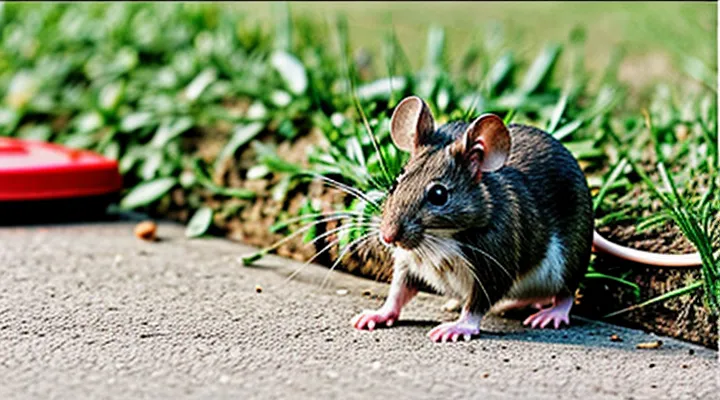
«Understanding the Mouse Problem»
«Signs of a Mouse Infestation»
«Droppings and Urine Trails»
Droppings and urine trails provide reliable data for locating active mouse pathways.
Fresh droppings are typically 2–5 mm long, dark brown, and have a pointed end. Accumulations near walls, cabinets, or food sources indicate preferred foraging zones.
Urine trails appear as faint, glossy lines on surfaces. Recent trails are wet and may leave a faint sheen; older trails dry and become less visible but retain scent markers that attract conspecifics.
Applying this information to non‑lethal capture involves positioning traps directly along identified routes.
- Survey rooms during daylight, noting clusters of droppings and visible urine lines.
- Mark each observation with a discreet indicator (e.g., a small piece of tape).
- Place snap‑free traps adjacent to the marked points, ensuring the entry side faces the direction of travel.
- Check traps regularly, releasing captured individuals promptly and resetting devices as needed.
Accurate interpretation of droppings and urine trails maximizes trap efficiency while preserving the target’s life.
«Gnaw Marks and Damage»
Understanding «Gnaw Marks and Damage» provides essential clues for humane rodent capture. Fresh incisor impressions indicate active foraging; older, weathered teeth marks suggest previous activity. Distinct gnaw patterns differ by material: wood shows shallow, parallel grooves; plastic yields clean, circular cuts; wiring displays frayed edges.
Identifying damage locations reveals entry points and preferred pathways. Holes near baseboards, behind appliances, or within insulation often serve as access routes. Repeated gnawing on cable bundles signals a route toward food sources. Mapping these points directs placement of live‑capture devices to high‑traffic zones while minimizing disturbance to occupants.
Mitigating damage before deploying traps reduces injury risk to the animal and prevents secondary hazards. Steps include:
- Seal identified entry holes with steel wool and caulk.
- Relocate food items to airtight containers.
- Remove clutter that offers shelter or nesting material.
- Install protective covers on exposed wiring and plumbing.
After remediation, position humane traps along the mapped pathways, ensuring bait placement near but not directly on gnawed surfaces. Continuous monitoring of gnaw marks allows adjustment of trap locations, increasing capture success without lethal outcomes.
«Scratching Noises»
Scratching sounds reveal the precise locations where a mouse is active, allowing the placement of humane capture devices with minimal disturbance. By listening for «Scratching Noises», one can determine the pathways and nesting areas that the animal frequents.
Detecting these sounds requires quiet observation and timing. Typical patterns appear during night hours and on surfaces such as wooden floors, cabinet interiors, or pantry walls. Noting the intensity and direction of the noise helps pinpoint the most effective trap sites.
To convert auditory clues into successful, non‑lethal capture:
- Position snap‑free traps directly beneath the identified scratching zones.
- Use a small amount of preferred bait (seed, nut, or fruit) to increase attraction.
- Secure traps so they do not shift when the mouse moves, preserving the element of surprise.
- Check traps regularly, preferably within a few hours of placement, to release captured individuals promptly.
Consistent monitoring of «Scratching Noises» enables rapid adjustment of trap locations, ensuring that the mouse is confined without injury and can be relocated safely.
«Why Live Trapping is Preferred»
«Ethical Considerations»
Humane rodent removal raises several ethical issues that must be addressed before implementing any capture strategy.
The welfare of the animal is paramount. Methods that cause pain, stress, or prolonged suffering violate basic ethical standards. Live traps designed to secure the mouse without injury fulfill this requirement, provided they are checked frequently to prevent dehydration or overheating.
Legal frameworks often dictate permissible practices. Many jurisdictions classify certain capture techniques as illegal if they result in unnecessary harm. Compliance with local animal protection statutes ensures that the chosen approach respects both the law and community expectations.
Ecological balance considerations include the role of mice in the food chain. Removing an individual should not disrupt predator–prey dynamics or lead to overpopulation of other pests. Selective capture, rather than mass removal, maintains ecological stability.
Responsibility toward the animal after capture is essential. Relocation sites must offer suitable habitat, adequate food sources, and protection from predators. Releasing the mouse near its original environment minimizes displacement stress and reduces the likelihood of re‑infestation.
A concise checklist of ethical actions:
- Use traps that prevent injury and allow rapid release.
- Inspect traps at least twice daily to limit distress.
- Verify that relocation areas meet the species’ habitat requirements.
- Document compliance with relevant animal welfare regulations.
- Educate household members about humane handling procedures.
Adhering to these principles aligns rodent control with ethical standards, ensuring humane treatment while achieving the desired outcome.
«Preventing Harm to Pets and Children»
Non‑lethal mouse capture requires measures that protect both household pets and children. Selecting devices that seal the animal without exposure to hazardous components reduces the risk of accidental injury. Traps constructed of smooth plastic or metal with a secure door mechanism prevent biting or clawing when the animal is retrieved.
Placement of traps influences safety. Install devices in areas inaccessible to pets and children, such as behind appliances, inside cabinets, or on elevated surfaces. Use barriers—such as child‑proof latches on cabinets or pet‑deterrent screens—to restrict access. Regularly inspect the trap location to ensure no gaps or loose fittings that could allow unintended contact.
When choosing bait, opt for substances unattractive to pets. Peanut butter, cheese, or grain may entice rodents but also appeal to dogs and cats; instead, use small amounts of dried fruit or specialized rodent attractants that emit scent cues less detectable by other animals. Store bait in sealed containers away from reach.
Key practices for safe operation:
- Set the trap after confirming the area is clear of pets and children.
- Check the trap at least twice daily; release captured rodents promptly.
- Clean and disinfect the trap after each use to prevent disease transmission.
- Keep all trapping equipment out of reach when not in use.
Adhering to these protocols minimizes the possibility of harm while maintaining an effective, humane approach to rodent control. «Never leave a trap unattended» serves as a concise reminder of the responsibility required to protect vulnerable household members.
«Preparing for Live Trapping»
«Identifying Entry Points»
«Sealing Cracks and Gaps»
Sealing «cracks and gaps» is a fundamental component of humane rodent capture strategies. By eliminating entry points, a mouse cannot re‑enter the building after being trapped, reducing the need for repeated interventions.
Identify potential entryways. Inspect walls, floors, foundations, and utility penetrations for openings larger than a quarter of an inch. Pay particular attention to areas around pipes, vents, and door frames, where mice commonly exploit structural weaknesses.
- Clean surface of debris and dust to ensure adhesion.
- Apply expanding foam sealant to larger gaps, allowing it to cure fully before trimming excess.
- Use steel wool or copper mesh combined with caulk for smaller openings, preventing chewing.
- Install weatherstripping on doors and windows to block peripheral access.
- Verify integrity of screened vents, repairing any tears with fine mesh.
Select materials that resist gnawing. Polyurethane caulk, metal mesh, and rigid foam provide durability against rodent teeth. Regularly inspect sealed areas for signs of new damage, especially after seasonal temperature fluctuations, and reapply sealant as needed.
A well‑sealed environment complements live‑capture devices, ensuring that once a mouse is removed, it cannot return, thereby supporting a consistent, non‑lethal control program.
«Repairing Damaged Screens»
The practice of humane mouse capture relies on preventing unauthorized entry and creating conditions that guide rodents toward live traps. One critical factor is the condition of window and door screens; gaps or tears allow escape routes and undermine trapping efficiency. Addressing screen damage therefore supports the overarching objective of non‑lethal rodent management.
First, evaluate each screen for structural integrity. Look for torn mesh, loose frames, and misaligned hinges. Record locations of compromise to prioritize repairs that directly affect mouse pathways.
Repair procedures include:
- Cleaning the area with mild detergent to remove debris that could interfere with adhesive bonding.
- Applying a mesh patch cut to size, securing it with stainless‑steel staples or a suitable sealant.
- Reinforcing frame joints using small brackets and corrosion‑resistant screws.
- Re‑tightening hinges and installing weather‑stripping to eliminate residual gaps.
After restoration, install live traps along the newly sealed perimeter. The repaired screens channel mice toward designated capture zones, reducing the likelihood of accidental injury. Continuous monitoring of screen condition ensures sustained effectiveness of humane capture strategies.
«Choosing the Right Live Trap»
«Types of Humane Traps»
Humane capture devices fall into several functional categories.
-
Live‑catch snap traps feature a spring‑loaded bar that closes securely around the animal without inflicting lethal injury. The interior includes a padded surface to prevent bruising.
-
Box traps consist of a hinged door triggered by the mouse’s weight on a pressure plate. Once inside, the door remains latched until the trap is inspected. Models with ventilation slots reduce stress during short confinement.
-
Bucket traps employ a ramp leading to a shallow water reservoir. The mouse descends the ramp, loses footing on a slippery surface, and falls into the bucket where a gentle slope allows escape after release.
-
Multi‑catch cages integrate a series of chambers that sequentially lock after each capture. This design enables the collection of several individuals before the device requires resetting.
-
Catch‑and‑release tubes are narrow, transparent tubes activated by a trigger mechanism. The mouse slides into the tube, which then seals automatically. The transparent walls allow visual monitoring without disturbance.
Selection of a trap depends on the target environment, the need for single versus multiple captures, and ease of cleaning. Proper placement along established rodent pathways maximizes success rates while preserving the animal’s welfare.
«Trap Size and Material»
The dimensions of a humane capture device determine whether a mouse can enter without injury and whether the animal can be released safely. A chamber interior of 4–6 cm in height, 6–8 cm in width, and 10–12 cm in length accommodates adult house mice while preventing escape. Smaller compartments restrict movement, causing stress; larger compartments increase the chance of the mouse turning around and exiting through the opening.
Material selection influences durability, cleaning ease, and the animal’s comfort. Transparent plastic allows visual monitoring without disturbing the mouse, and it can be sterilized with mild soap and water. Mesh fabric provides ventilation but must have openings no larger than 2 mm to prevent injury. Wood offers a natural scent that may reduce wariness, yet requires smooth edges and a non‑toxic sealant to avoid contamination.
Key considerations for constructing a capture device:
- Use rigid plastic or coated wood for the frame to maintain shape under repeated use.
- Ensure the entry tunnel measures at least 2 cm in diameter; a funnel shape guides the mouse inward while limiting backward movement.
- Incorporate a smooth, non‑slippery interior surface to prevent the mouse from slipping and injuring itself.
- Select a material that tolerates regular disinfection without degrading, preserving the device’s effectiveness over time.
By matching the appropriate dimensions with suitable, humane‑friendly materials, the trap functions reliably while safeguarding the mouse’s well‑being until release.
«Selecting Effective Bait»
«Food Baits»
Food baits are the primary attractant for humane mouse capture. Effective bait draws the rodent into the trap without causing injury, increasing the likelihood of successful relocation.
Common bait options include:
- Peanut butter – strong scent, high fat content.
- Sunflower seeds – natural, appealing to foraging behavior.
- Dried fruit pieces – sweet aroma, low mess.
- Cheese cubes – classic, aromatic, but may dry quickly.
- Oats mixed with honey – balanced sweetness and texture.
Selection criteria focus on freshness, scent intensity, and safety. Fresh bait emits a potent odor that mice detect from a distance. Strong scent ensures rapid approach, while non‑toxic ingredients prevent accidental poisoning of pets or children. Compatibility with the trap type matters; sticky baits suit snap‑free designs, whereas solid pieces work well with live‑capture cages.
Placement guidelines maximize exposure while minimizing interference. Position baited traps along walls, behind appliances, or near known activity routes. Apply a pea‑sized amount directly on the trigger mechanism to encourage interaction. Secure bait to prevent spillage, which could attract non‑target species.
Safety considerations require separation from domestic animals and limited access for children. Store unused bait in sealed containers, and label traps clearly to indicate live‑capture intent.
Maintenance involves regular inspection and bait renewal. Replace bait every 24–48 hours to preserve potency, and clean trap surfaces to remove residue that could deter subsequent visits. Continuous monitoring ensures timely release of captured mice and prevents prolonged confinement.
«Nesting Material Baits»
«Nesting Material Baits» consist of soft, absorbent substances that mice instinctively use to construct nests. Common components include cotton balls, shredded paper, dried grass, and small fabric scraps. The material is combined with a non‑toxic attractant, such as a few drops of peanut butter or a pinch of dried fruit, to increase appeal.
Mice seek secure, insulated sites for nesting; presenting familiar material creates a strong lure while providing a safe environment for capture. The bait can be placed inside a live‑capture trap, allowing the animal to enter, gather material, and remain concealed until retrieval.
Preparation
- Gather cotton balls, shredded newspaper, and a small amount of natural attractant.
- Moisten material lightly with water to improve texture without creating a mess.
- Form a compact bundle roughly the size of a walnut.
- Secure the bundle within the trap’s entrance chamber, ensuring it does not obstruct the trigger mechanism.
Placement
- Position traps along established mouse pathways: behind appliances, near wall junctions, and under furniture.
- Place baited traps within 1–2 inches of walls, as mice travel close to surfaces.
- Avoid areas with strong human scent, such as countertops or recently cleaned zones.
Monitoring
- Check traps at intervals of 2–4 hours during active periods (dusk to dawn).
- Record capture time and location to identify high‑traffic zones.
- Release captured mice promptly, preferably outdoors, away from the building.
Disposal
- Remove remaining nesting material, seal in a disposable bag, and discard according to local regulations.
- Clean traps with mild detergent, rinse thoroughly, and dry before reuse.
Using «Nesting Material Baits» aligns with humane capture strategies, offering an effective lure that mimics natural behavior while minimizing risk of injury.
«Setting and Monitoring Live Traps»
«Optimal Trap Placement»
«Along Walls and in Corners»
Mice habitually move along walls and seek refuge in corners, where they feel protected from open space. Positioning traps in these zones maximizes encounter rates while minimizing stress on the animal.
- Place snap‑free live traps directly against baseboards, ensuring the entrance faces the wall.
- Align baited traps so that the mouse must pass through the opening to reach food, using strong scents such as peanut butter or dried fruit.
- Secure traps in recessed corners, behind furniture or appliances, where shadows conceal the device.
- Check traps frequently, release captured mice at a distance of at least two miles, and reset the trap promptly.
- Maintain a clean environment: remove clutter, seal entry points, and store food in airtight containers to prevent re‑infestation.
Monitoring activity along walls and in corners provides clear indicators of mouse pathways, allowing precise trap placement and humane removal without lethal measures.
«Near Food Sources»
Targeting locations where rodents seek nourishment maximizes the probability of humane capture. Food‑rich zones create predictable travel paths, allowing traps to be positioned where mice naturally congregate.
Mice concentrate activity around accessible provisions such as pantry shelves, countertop crumbs, and pet feeding stations. Their foraging patterns concentrate near these points, reducing the distance required to reach a trap and eliminating the need for lethal force.
- Place live‑capture devices directly adjacent to identified food deposits; ensure entry holes face the source.
- Use bait that mirrors the existing diet, for example small pieces of cheese, peanut butter, or dried fruit, placed on the trap’s trigger mechanism.
- Secure traps on flat surfaces to prevent accidental displacement; avoid elevating devices above the typical foraging level.
- Monitor traps at intervals of two to three hours; release captured rodents at a safe distance from the residence.
Additional measures include sealing gaps that allow rodents to bypass traps, cleaning residual crumbs to prevent alternative routes, and rotating trap locations to cover the full extent of the food‑rich area. This systematic placement around nourishment sources achieves non‑lethal removal while maintaining a hygienic environment.
«Proper Baiting Techniques»
«Securing the Bait»
Effective humane capture relies on reliable bait placement. Selecting an appropriate attractant begins with understanding mouse preferences. High‑protein foods such as peanut butter, dried fruit, or small pieces of cooked egg provide strong olfactory cues. Ensure the bait is fresh; stale material loses potency and reduces trap success.
Placement considerations include:
- Positioning the bait at the rear of the trap to compel the mouse to step fully onto the trigger mechanism.
- Securing the bait with a thin layer of adhesive or a small piece of cloth to prevent removal before contact with the trigger.
- Locating the trap along established mouse pathways, near walls, behind appliances, or within concealed corners where rodents travel.
Safety measures protect both the animal and the environment. Enclose the bait in a removable pocket that releases only when the trap is triggered, minimizing the chance of accidental ingestion by non‑target species. Use biodegradable materials for bait carriers to reduce ecological impact.
Maintenance of bait integrity extends trap effectiveness. Replace bait daily or whenever signs of consumption appear. Store surplus bait in airtight containers to preserve scent strength and prevent contamination. Regular inspection of trap mechanisms ensures that the bait remains securely attached and that the trigger retains sensitivity.
By adhering to these practices, the bait remains a reliable lure, facilitating capture without harm while maintaining ethical standards and operational efficiency.
«Avoiding Overloading»
Humane mouse capture requires careful management of trap capacity. Overloading a trap compromises animal welfare and reduces the likelihood of successful, non‑lethal retrieval.
Key considerations for «Avoiding Overloading» include:
- Selecting traps sized for a single mouse; larger devices increase the risk of multiple occupants.
- Inspecting traps at intervals no longer than two hours during active periods to release captured individuals promptly.
- Deploying several traps spaced evenly rather than concentrating many catches in one location.
- Rotating trap positions daily to prevent accumulation of scent cues that encourage repeated entries.
Maintaining appropriate trap load preserves the integrity of the capture process, minimizes stress for the mouse, and supports consistent, ethical results.
«Regular Trap Checks»
«Frequency of Monitoring»
Effective humane capture requires a systematic schedule for checking traps. Regular observation prevents prolonged confinement, reduces stress for the animal, and limits the risk of trap failure.
A practical monitoring plan includes:
- Immediate inspection after placement to confirm proper set‑up.
- Checks at intervals of 2–4 hours during daylight, adjusting to shorter periods if activity is high.
- Night‑time verification at least once between 10 p.m. and midnight, when mice are most active.
- Final assessment before the end of each 24‑hour cycle to decide whether to release, relocate, or reset the device.
Consistency in these intervals maintains trap efficacy and aligns with ethical standards for non‑lethal pest control. Adjustments may be necessary based on seasonal variations, population density, and the specific environment where the device is deployed.
«Handling a Captured Mouse»
The captured mouse requires careful handling to preserve its health and ensure safe release. Immediate attention to containment, stress reduction, and transport minimizes injury and stress.
- Secure the trap by locking the lid or covering the opening with a rigid surface.
- Wear disposable gloves to protect both handler and animal from disease transmission.
- Approach the mouse slowly, avoiding sudden movements that could trigger a fight‑or‑flight response.
- Hold the mouse gently behind the forepaws, supporting the body with the other hand to maintain stability.
- Place the mouse into a ventilated container with a soft lining, such as a towel, to cushion movement.
- Transport the container to a suitable release location, preferably a wooded or garden area offering shelter and food sources.
- Open the container away from the handler, allowing the mouse to exit voluntarily.
After release, clean all equipment with disinfectant and dispose of gloves responsibly. This protocol aligns with humane capture practices and promotes the mouse’s continued survival.
«Releasing the Mouse Humanely»
«Choosing a Release Location»
«Distance from Your Home»
When planning humane rodent capture, the distance between the dwelling and the target area determines trap placement, bait selection, and retrieval logistics. Proximity to the house influences the probability of successful containment and the speed of release.
Key considerations related to distance:
- Near‑range capture (within 10 m of entry points) allows compact snap‑free traps to be positioned directly along walls, minimizing mouse travel time and reducing stress.
- Medium‑range zones (10–30 m from the building) require portable bait stations that can be moved as the mouse explores, ensuring continuous attraction without exposing the animal to predators.
- Far‑range environments (beyond 30 m) benefit from larger, multi‑compartment live‑catch devices that accommodate longer foraging paths and allow safe transport back to the residence.
Adjusting trap density according to distance optimizes capture efficiency. In close quarters, a higher concentration of devices prevents escape routes. At greater distances, spacing traps evenly along likely pathways maintains a consistent lure gradient.
Finally, plan release sites within a safe radius from the home to prevent immediate re‑entry. Selecting a location 100–200 m away, with ample shelter and food sources, ensures the mouse can establish a new habitat without jeopardizing the original dwelling.
«Natural Habitat Considerations»
Mice thrive in areas that provide shelter, consistent food sources, and easy travel routes. Understanding these preferences enables the selection of capture methods that avoid lethal outcomes.
Key environmental elements influencing mouse activity include:
- Proximity to walls, baseboards, or structural gaps that serve as travel corridors.
- Presence of stored grains, crumbs, or pet food that create foraging hotspots.
- Availability of nesting materials such as shredded paper, fabric, or insulation.
- Seasonal temperature shifts that drive mice toward warmer interior spaces.
Placement of live traps should correspond with identified pathways and food caches. Position traps perpendicular to walls, with the entrance facing the nearest concealed route. Bait selection must mimic natural diet; peanut butter, sunflower seeds, or dried fruit provide strong attraction without causing harm. Monitoring frequency should align with peak activity periods—typically dusk and early morning—to increase capture probability while reducing stress.
When traps are set, maintain a clutter‑free environment around them. Removing extraneous objects eliminates alternative escape routes and encourages mice to enter the device. After capture, release the animal at a suitable distance from the residence, preferably in a wooded or field area that offers adequate shelter and food supply. This approach respects the animal’s natural habitat while achieving a humane resolution.
«Safe Release Practices»
«Minimizing Stress to the Mouse»
Minimizing stress to the mouse is essential for humane capture. A calm animal is less likely to injure itself or the trap, and reduced anxiety improves the chance of successful relocation.
Key practices for stress reduction:
- Place the trap in a quiet, low‑traffic area; avoid locations near loud appliances or frequent human movement.
- Use bedding material such as shredded paper or soft cloth inside the trap to provide a comfortable surface.
- Keep the trap covered with a lightweight cloth for a short period before setting, allowing the mouse to acclimate to the reduced visual stimulus.
- Employ bait that is familiar and appealing, such as peanut butter or seeds, to create a positive association with the trap.
- Check the trap frequently, ideally every hour, to prevent prolonged confinement.
After capture, transfer the mouse to a pre‑prepared release container that includes ventilation and a small amount of bedding. Transport the container in a calm manner, avoiding sudden motions or loud noises. Release the animal at a safe distance from the original capture site, preferably in a wooded or grassy area with natural shelter.
These steps collectively lower physiological stress responses, ensuring the mouse remains unharmed throughout the capture and release process.
«Preventing Re-entry»
Humane rodent capture requires a strategy that eliminates the chance of the animal returning after release. «Preventing Re-entry» focuses on securing entry points, managing attractants, and monitoring the environment to maintain a mouse‑free area.
- Seal all gaps larger than a quarter of an inch with steel wool, caulk, or metal flashing.
- Install door sweeps and weather stripping to block gaps beneath doors.
- Repair damaged screens, vents, and utility openings.
- Store food in airtight containers; clean crumbs and spills promptly.
- Keep garbage in sealed bins and remove waste regularly.
- Place traps away from walls and furniture to prevent escape routes.
- Conduct weekly inspections of known entry zones; re‑apply sealing materials as needed.
By addressing structural vulnerabilities, reducing food sources, and maintaining vigilant inspection routines, the likelihood of a recaptured mouse re‑entering the premises diminishes markedly.
«Post-Trapping Prevention and Cleanup»
«Sanitizing Affected Areas»
«Disinfecting Surfaces»
Disinfecting surfaces after a humane mouse capture eliminates pathogens and removes scent cues that may encourage additional intrusions.
Effective sanitation prevents disease transmission to humans and pets, and it reduces the likelihood that other rodents will investigate the same area.
Recommended procedure:
- Remove any debris, droppings, or spilled food from the capture zone.
- Apply an EPA‑approved disinfectant to all contact points, including floors, countertops, and nearby walls.
- Allow the solution to remain on the surface for the manufacturer‑specified dwell time to ensure microbial inactivation.
- Rinse or wipe dry if the disinfectant label requires removal before re‑exposure to food‑preparation areas.
After completion, verify that the area is dry and free of strong odors that could deter future humane trapping efforts.
Regular implementation of this protocol maintains a hygienic environment while supporting non‑lethal rodent management strategies.
«Cleaning Droppings and Urine»
Cleaning droppings and urine eliminates disease risk and removes scent trails that encourage further rodent activity.
Wear disposable gloves and a mask to prevent exposure to pathogens. Ventilate the area before beginning.
Steps for effective decontamination:
- Sweep or vacuum loose droppings, discard in sealed bag.
- Wipe surfaces with a cloth dampened in a solution of 1 part bleach to 9 parts water or a commercial enzymatic cleaner.
- Allow the solution to remain on the surface for at least five minutes before rinsing.
- Dry the area thoroughly; replace any contaminated bedding or insulation.
Dispose of all cleaning materials in a sealed container. Repeat the process after each capture attempt to maintain a sanitary environment.
«Long-Term Mouse Prevention»
«Maintaining a Clean Environment»
Maintaining a clean environment reduces the likelihood that a mouse will seek shelter in a home. Regular removal of food residues eliminates attractants, while proper storage of pantry items in sealed containers prevents access. Prompt disposal of garbage in tightly closed bins removes a common source of nourishment.
A tidy living space also enhances the effectiveness of live traps. Dust‑free surfaces allow traps to function without interference, and clear pathways enable rodents to approach bait without obstruction. Cleaning under appliances and behind furniture removes hidden crumbs that could otherwise sustain unwanted visitors.
Key practices for hygienic upkeep include:
- Sweeping and vacuuming floors daily to eliminate stray particles.
- Wiping countertops and table surfaces after meals.
- Inspecting and sealing gaps around doors, windows, and utility openings.
- Rotating bedding and towels regularly to avoid accumulation of odor.
By integrating these measures, the environment remains inhospitable to rodents, supporting humane capture methods and minimizing the need for lethal solutions.
«Regular Home Inspections»
Regular home inspections provide early identification of mouse activity, allowing intervention before populations expand. Detecting droppings, gnaw marks, or nesting material signals the presence of rodents, prompting humane capture measures.
Conducting inspections on a consistent schedule reduces the likelihood of concealed entry points. Sealing cracks, repairing screens, and maintaining cleanliness eliminate access routes, encouraging mice to remain outdoors where live traps can be deployed effectively.
Key actions for each inspection:
- Examine attic, basement, and crawl spaces for signs of infestation.
- Inspect exterior walls, foundation, and utility openings for gaps larger than ¼ inch.
- Verify that food storage areas are sealed and waste containers are tightly covered.
- Document findings in a log, noting location, evidence type, and corrective actions taken.
Integrating findings with live‑trap placement enhances success rates. Position traps near identified activity zones, use bait that attracts without harming, and check traps daily to release captured mice promptly. Regularly updating the inspection log ensures that any re‑entry points are addressed before they become permanent problems.