
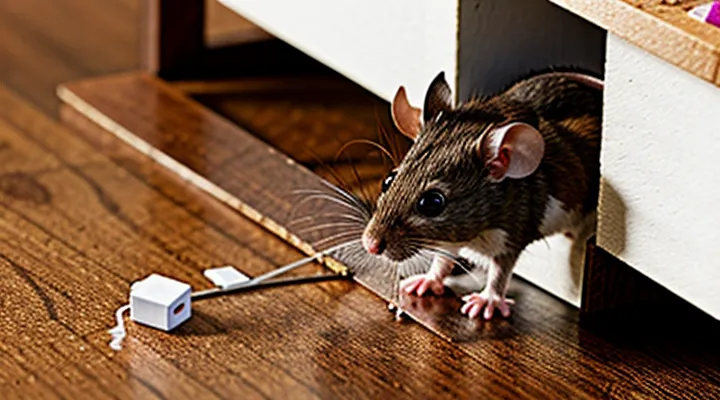
Understanding Glue Traps
What are Glue Traps?
How They Work
Glue traps function by presenting a highly adhesive surface that immobilizes rodents upon contact. The adhesive is formulated from a blend of synthetic polymers that remain tacky across a wide temperature range, ensuring consistent performance whether the environment is cool or warm. Once a mouse steps onto the surface, the adhesive creates a molecular bond with the animal’s fur and skin, preventing escape and causing rapid loss of mobility.
The operational components of a glue trap include:
- Adhesive layer: a viscous, non‑drying polymer coating applied to a backing material.
- Backing substrate: typically cardboard or plastic, providing structural support and a platform for placement.
- Trigger zone: the area most likely to be traversed by a rodent, often scented or baited to attract the target.
When a mouse encounters the trigger zone, its weight compresses the adhesive, increasing contact area and strengthening the bond. The trap does not rely on mechanical pressure or lethal mechanisms; immobilization occurs solely through the adhesive’s grip, allowing the user to monitor capture without immediate harm. Proper placement—along known runways, near food sources, or within nesting areas—maximizes encounter probability and enhances overall efficacy.
Advantages and Disadvantages
Adhesive mouse traps provide a rapid, low‑cost solution for rodent control. The sticky surface immobilizes the animal instantly, eliminating the need for mechanical pressure or bait placement. Their compact design permits placement in tight spaces such as wall voids, under appliances, or behind baseboards, where conventional snap or live‑catch traps may be impractical.
Advantages
- Immediate immobilization reduces escape risk.
- Minimal setup: no bait preparation or trigger mechanism adjustment.
- Low manufacturing cost; a single box can contain dozens of units.
- Discreet appearance; traps blend with surroundings and are difficult for children or pets to notice.
- No requirement for electricity or chemical repellents.
Disadvantages
- Fatal outcome raises ethical concerns for humane‑oriented pest managers.
- Trapped mice may decompose, emitting odor and attracting secondary pests.
- Sticky surface can adhere to non‑target species, including insects or small reptiles, causing unintended casualties.
- Disposal involves handling live or dead rodents, posing disease transmission risk.
- Effectiveness declines in dusty or humid environments where adhesive loses tack.
Choosing adhesive traps demands weighing rapid immobilization against humane considerations, potential sanitation issues, and environmental limitations. Alternative methods—snap, live‑catch, or electronic devices—may address specific drawbacks while preserving overall efficacy.
Preparing for Trapping
Choosing the Right Glue Trap
Trap Size and Material
Choosing the correct dimensions for an adhesive mouse trap determines whether the device will hold the animal securely. A platform measuring at least 6 × 6 inches (15 × 15 cm) provides sufficient surface for an adult mouse to step onto without slipping off. For confined spaces, a smaller square of 4 × 4 inches (10 × 10 cm) can be effective if positioned directly in the rodent’s travel path. Thickness of the base should be ¼ inch (6 mm) or greater to prevent bending under the animal’s weight. Edge clearance of ½ inch (12 mm) around the glue area reduces accidental contact with non‑target surfaces.
Material selection influences adhesion strength, durability, and safety. Key considerations include:
- Adhesive type: Synthetic polymer glues (e.g., cyanoacrylate‑based) retain tack in low‑humidity environments; natural resin glues lose effectiveness when moisture rises.
- Substrate: Rigid, non‑porous surfaces such as polypropylene or coated cardboard resist deformation and allow easy removal of trapped mice.
- Coating: A thin, transparent silicone layer over the glue protects against dust accumulation while preserving stickiness.
- Temperature tolerance: Materials rated for 0 °C to 35 °C (32 °F–95 °F) maintain consistent performance across typical indoor conditions.
- Toxicity: Food‑grade adhesives minimize health risks if the trap is placed near food storage areas.
Combining an appropriately sized platform with a high‑tack, temperature‑stable polymer adhesive on a rigid substrate yields reliable capture results while limiting unintended damage to surrounding furnishings.
Baiting Strategies
Effective bait selection determines the success of glue‑based mouse capture. The goal is to present an irresistible food source that triggers the mouse’s natural foraging behavior while minimizing exposure to non‑target species.
- High‑protein options: dried insects, peanut butter, or small pieces of cooked meat release strong olfactory cues that attract rodents quickly. Apply a thin layer directly onto the adhesive surface to prevent smearing.
- Carbohydrate draws: cereal flakes, dried fruit, or honey‑infused crackers offer sweet stimuli that complement protein baits. Use a small quantity to avoid saturating the glue, which can reduce stickiness.
- Fat‑rich lures: rendered bacon, cheese cubes, or sunflower seeds emit volatile compounds that linger in the environment. Secure the bait with a toothpick to keep it positioned on the trap.
- Scent‑enhanced mixtures: combine a protein source with a few drops of mouse‑attractant pheromone or vanilla extract. The added aroma increases detection distance without altering the trap’s mechanics.
Placement considerations reinforce bait effectiveness. Position traps along established mouse pathways—near walls, behind appliances, or within concealed corners—where the animal’s travel routes intersect. Align the adhesive surface perpendicular to the wall to encourage forward movement onto the trap. Install multiple traps at intervals of 1–2 feet to create a continuous bait line.
Timing influences lure potency. Deploy fresh bait each evening; rodents are most active during nocturnal hours, and volatile scents peak shortly after application. Remove and replace any bait that becomes dry or contaminated within 24 hours to maintain attractant strength.
Environmental control further supports bait performance. Reduce competing food sources by storing pantry items in sealed containers and cleaning crumbs promptly. Lower ambient humidity slightly, as excess moisture can degrade glue adhesion and dilute scent cues.
By integrating protein, carbohydrate, and fat components, enhancing odors with attractants, and situating traps strategically, practitioners maximize the likelihood that a mouse will encounter and become immobilized by the glue surface.
Types of Bait
Effective bait selection determines the success rate of adhesive mouse traps. Choose attractants that emit strong, familiar odors and present a palatable food source.
- Peanut butter – dense texture adheres to trap surface, strong scent persists for several days. Apply a thin smear directly on the glue area.
- Soft cheese – high fat content releases volatile compounds quickly. Cut into small cubes and press lightly onto the adhesive.
- Seeds and nuts – sunflower seeds, pumpkin seeds, and almonds attract rodents with crunchy texture. Sprinkle a few pieces on the trap, ensuring they do not slide off.
- Cooked meat or fish – minced chicken, beef, or sardine paste provide protein-rich scent. Use a minimal amount to avoid excess moisture that can reduce glue effectiveness.
- Fresh fruit – apple slices or banana pieces emit sweet aroma appealing to foraging mice. Place thin slices to prevent drippage.
- Commercial synthetic attractants – pheromone‑based lures or specialty rodent scents concentrate odor molecules for prolonged draw. Follow manufacturer dosage guidelines.
When applying bait, maintain a thin layer to preserve the trap’s adhesive properties. Replace bait every 24–48 hours in high‑traffic areas to sustain scent potency. Position traps along walls, behind appliances, and near known entry points for optimal encounter rates.
Placement of Bait
Effective bait placement determines the success of glue‑based mouse capture. Position the trap where rodents travel most frequently: along walls, behind appliances, and near known entry points. Use small, aromatic food items that mice readily recognize—peanut butter, cheese crumbs, or dried fruit. Apply a thin layer of bait directly onto the adhesive surface, ensuring it does not saturate the glue and reduce stickiness.
- Identify high‑traffic routes by observing droppings, gnaw marks, or chew paths.
- Place traps perpendicular to the wall, with the adhesive side facing the expected direction of travel.
- Secure bait at the trap’s center to draw the mouse onto the sticky area.
- Rotate trap orientation every 24 hours to prevent mice from learning avoidance patterns.
- Replace bait daily to maintain freshness and scent potency.
Consistent monitoring and timely bait renewal maintain attractant strength, increasing capture rates while minimizing false triggers.
Identifying Mouse Activity
Common Mouse Habitats
Mice thrive in environments that provide food, shelter, and easy access to water. Typical locations include:
- Kitchen cabinets and pantry shelves where crumbs and spilled products accumulate.
- Behind appliances such as refrigerators, stoves, and dishwashers, where warm air and hidden spaces create ideal nesting sites.
- Wall voids, especially between studs and insulation, offering protection from predators and temperature fluctuations.
- Basement and crawl‑space corners, where moisture levels remain high and debris collects.
- Attic insulation, providing soft material for building nests and proximity to entry points from roof vents.
Understanding these habitats allows for strategic placement of adhesive traps, ensuring contact with mouse pathways and reducing the likelihood of escape. Position glue pads along baseboards, near entry holes, and directly within identified nesting zones to maximize capture efficiency.
Signs of Infestation
Identifying a mouse problem early prevents damage and increases the success of glue‑based trapping strategies.
- Small droppings, typically 3‑5 mm long, darkened by moisture, found along walls, behind appliances, or near food sources.
- Gnaw marks on wood, plastic, wiring, or packaging, especially near entry points.
- Scratching noises in ceilings, attics, or walls, most often at night.
- Presence of shredded material, such as paper, fabric, or insulation, used for nesting.
- Grease or urine stains along baseboards, corners, or around concealed food containers.
These indicators confirm active infestation and justify the deployment of adhesive traps for effective control.
Setting Up Glue Traps
Optimal Placement
High-Traffic Areas
Position glue traps in corridors, kitchen aisles, and pantry entrances where mouse activity concentrates. These routes provide predictable movement patterns, increasing capture probability.
When selecting a trap, choose models with a clear adhesive surface and a protective backing that can be removed quickly. Ensure the trap is anchored to the floor or countertop to prevent displacement by passing traffic.
- Place traps perpendicular to the flow of traffic, with the adhesive side facing the expected direction of travel.
- Space traps 1–2 feet apart along the path to cover the entire width of the route.
- Replace traps after each capture or when the adhesive becomes saturated.
- Keep traps away from children and pets by using barriers or placing them in concealed slots.
Monitor high‑traffic zones daily, record capture locations, and adjust trap placement based on observed activity. Continuous observation refines the deployment strategy and maximizes effectiveness.
Hidden Locations
When employing adhesive traps, success hinges on positioning them where rodents travel unseen. Mice favor concealed pathways that provide shelter and direct routes to food sources. Identifying these routes allows placement of glue devices at points of maximum contact, reducing escape chances.
Typical concealed positions include:
- Behind refrigerators, stoves, and dishwashers
- Under kitchen and bathroom cabinets
- Within wall cavities and baseboard gaps
- Inside ceiling joist spaces
- Beneath piles of stored boxes, firewood, or laundry
- Around pipe and wiring chases
- In the interior of furniture that abuts walls
- Near entry points such as utility room doors or garage openings
Inspection should involve a systematic sweep of each listed area, looking for gnaw marks, droppings, or fresh burrows. Apply a single adhesive trap directly on the surface of the chosen spot, ensuring the sticky side faces outward. Secure the trap with tape or a weight to prevent displacement by movement or cleaning. Replace traps promptly after capture or when adhesion diminishes, maintaining continuous coverage of all hidden routes.
Safety Precautions
Protecting Children and Pets
When adhesive mouse traps are employed, the primary concern is preventing accidental contact by children and pets. Place traps out of reach, such as behind appliances, inside wall voids, or within sealed containers that can be opened only by an adult. Secure the area with child‑proof locks or pet barriers before setting any trap.
Use physical barriers to separate the trapping zone from living spaces. Install metal or plastic guards that allow mice to enter but block larger animals. Ensure that any openings are no larger than the size of the target pest.
Select traps that incorporate safety features. Models with enclosed glue plates reduce the likelihood of a non‑target animal stepping onto the adhesive surface. Verify that the product complies with local safety regulations and carries appropriate warnings.
Maintain continuous supervision of the environment. Conduct daily inspections of trap locations; remove captured rodents promptly to eliminate lingering glue residue that could attract curious pets. Dispose of used traps in sealed, puncture‑proof containers before discarding them in accordance with municipal waste guidelines.
Consider alternative control methods when the risk to non‑target animals is unacceptable. Options include:
- Snap traps with bait stations that limit access.
- Live‑catch traps equipped with escape‑proof designs.
- Professional pest‑management services that employ bait stations placed in inaccessible areas.
Educate household members about the hazards associated with adhesive traps. Provide clear instructions on how to identify and report a trapped animal, and establish a protocol for safe removal.
By implementing these precautions, the effectiveness of mouse control measures can be maintained while safeguarding children and pets from unintended harm.
Handling Traps Safely
When using adhesive mouse traps, direct skin contact must be avoided. Wear disposable nitrile gloves before handling any trap. Inspect the trap for tears or leaks; a compromised seal can release adhesive onto hands or surfaces. Keep traps out of reach of children and non‑target animals by placing them on elevated platforms or behind barriers.
Safety checklist
- Use gloves and wash hands thoroughly after removal.
- Store unused traps in a sealed, labelled container away from food items.
- Position traps along known rodent pathways, avoiding high‑traffic human areas.
- Dispose of captured rodents and used traps in a rigid, sealed bag; discard according to local regulations.
- Clean work surfaces with a solvent compatible with the adhesive to prevent accidental spread.
If a trap becomes damaged, isolate it immediately and place it in a sturdy container before cleaning up. Regularly review placement locations to ensure they remain inaccessible to unintended users. Proper handling minimizes health risks and maintains the effectiveness of glue‑based mouse capture.
Post-Capture Procedures
Dealing with a Captured Mouse
Humane Removal Options
Humane removal provides a practical alternative for dealing with rodents without resorting to lethal adhesive devices. Live‑catch traps, available in snap‑free and cage designs, allow capture of a mouse intact. Once trapped, the animal should be released at least 200 meters from the building, preferably in a wooded or field environment where shelter and food sources exist.
Additional non‑lethal methods include:
- Exclusion techniques – sealing entry points with steel wool, caulk, or metal flashing prevents further ingress.
- Repellent products – ultrasonic emitters or natural oils (peppermint, cayenne) create an unfavorable atmosphere that discourages habitation.
- Professional pest‑removal services – trained technicians can assess infestation levels, implement exclusion, and handle live release according to local wildlife regulations.
When employing cage traps, choose models with a smooth interior and a secure latch to reduce stress. Check traps at least twice daily; prolonged confinement can cause dehydration or injury. After release, monitor the surrounding area for signs of re‑entry and reinforce barriers promptly.
Combining humane capture with comprehensive exclusion creates a sustainable solution that eliminates the mouse while avoiding the ethical and health concerns associated with adhesive trapping.
Disposal of Traps
After a glue trap has secured a mouse, immediate disposal prevents secondary injuries and limits exposure to adhesive chemicals. Follow these steps:
- Wear disposable nitrile gloves to protect skin from the glue and any pathogens carried by the rodent.
- Place the trap in a sealable, puncture‑resistant bag (e.g., a heavy‑duty zip‑lock).
- Add a layer of absorbent material such as paper towels to contain any residual adhesive.
- Seal the bag tightly, then place it inside a second outer bag for double containment.
- Dispose of the double‑bagged package in a regular household waste container, unless local regulations require special hazardous‑waste handling.
If municipal guidelines classify glue traps as hazardous, transport the sealed package to an approved collection point. Clean the work area with a disinfectant solution after removal. Store any unused traps in a locked, child‑proof container away from food preparation zones.
Proper disposal eliminates the risk of accidental contact, reduces environmental contamination, and complies with health‑safety standards associated with rodent control.
Cleaning and Sanitization
Disinfecting Affected Areas
After a glue trap captures a mouse, the surrounding surface may become contaminated with bodily fluids, urine, and residue from the adhesive. Immediate disinfection prevents the spread of pathogens and eliminates odors that could attract other pests.
Disinfection procedure
- Remove the trap using disposable gloves; place it in a sealed plastic bag.
- Apply a broad‑spectrum disinfectant (e.g., 10 % bleach solution, hydrogen peroxide, or an EPA‑registered product) to the area where the trap was positioned.
- Saturate the surface for at least five minutes to ensure contact time.
- Wipe the area with a clean, disposable cloth or paper towel; discard the material in a sealed bag.
- Rinse the surface with water if the disinfectant is corrosive or if the area will later be used for food preparation.
Precautions
- Wear protective gloves and, if ventilation is limited, a mask to avoid inhaling fumes.
- Test the disinfectant on a small, inconspicuous spot to confirm material compatibility.
- Keep children and pets away from the treated zone until it is completely dry.
Final steps
- Dispose of the sealed bag containing the trap and used cleaning materials in an outdoor trash container.
- Inspect adjacent surfaces for residual adhesive; remove any remaining glue with a solvent such as mineral oil or a commercial adhesive remover before re‑applying disinfectant.
Following this protocol restores hygiene, reduces health risks, and maintains the effectiveness of subsequent trapping efforts.
Preventing Future Infestations
After a glue trap captures a mouse, the risk of another intrusion remains unless the environment is altered to eliminate access points and attractants. Sealing entryways, removing food sources, and maintaining a clean setting create conditions that deter rodents from returning.
- Inspect walls, floors, and ceilings for gaps larger than a quarter‑inch; fill with steel wool, caulk, or expanding foam.
- Install door sweeps and weather stripping to block gaps beneath doors.
- Store grain, cereal, and pet food in airtight containers; clean spills immediately.
- Reduce clutter, especially cardboard boxes and piles of fabric, which provide hiding places.
- Keep garbage bins covered and dispose of waste regularly.
Regular monitoring reinforces prevention. Place a few low‑adhesive traps along known travel routes for a short period to confirm the absence of activity. Record any sightings and re‑evaluate seals quarterly, adjusting measures as needed to sustain a mouse‑free environment.
Alternative Mouse Control Methods
Mechanical Traps
Snap Traps
Snap traps provide a rapid, humane alternative to adhesive devices when targeting rodents. The mechanism consists of a spring‑loaded bar that releases with minimal force, delivering an instantaneous strike that kills the mouse instantly. Construction typically includes a wooden or plastic base, a metal spring, and a hinged bar fitted with a trigger platform. The design eliminates prolonged suffering and reduces the risk of secondary contamination that can occur with glue surfaces.
Effective deployment of snap traps requires precise placement and proper baiting:
- Position traps along walls, behind appliances, and near known gnawing sites; mice travel close to edges.
- Use a small amount of attractive bait such as peanut butter, dried fruit, or soft cheese; avoid excess that may obscure the trigger.
- Set the trigger by pulling the bar back until it locks, ensuring the mechanism is fully tensioned.
- Check traps at least twice daily; remove captured rodents promptly and seal them in a disposable bag before discarding.
- Reset or replace traps after each capture to maintain continuous pressure on the population.
Safety considerations include wearing gloves when handling traps, storing them out of reach of children and pets, and inspecting the spring for wear before each use. Proper disposal of the dead mouse prevents disease transmission; sealing the carcass in a double‑layered bag and disposing of it in a sealed trash container is recommended. When integrated with glue‑based strategies, snap traps can reduce the overall mouse count faster, limiting the period adhesive surfaces remain active and decreasing the likelihood of accidental captures of non‑target animals.
Live Traps
Live traps provide a non‑lethal alternative for capturing mice when adhesive devices are employed as part of a broader control program. They confine the animal inside a secure compartment, allowing for later release away from the premises.
Common designs include:
- Box traps – hinged door closes when the mouse steps on a trigger plate.
- Multi‑catch traps – series of chambers that seal sequentially, increasing capture capacity.
- Electronic live traps – sensor‑activated doors powered by batteries, offering rapid closure.
Effective deployment follows a concise protocol:
- Position traps along established runways, typically within 30 cm of walls.
- Use fresh bait such as peanut butter, sunflower seeds, or dried fruit; apply a pea‑sized amount to the trigger plate.
- Set the trigger mechanism according to manufacturer instructions; ensure the door is fully closed before placement.
- Check traps at least twice daily to minimize stress and prevent escape.
- Transport captured mice in a ventilated container and release at least 100 m from the building, preferably in a wooded or field area.
Advantages of live traps:
- No risk of secondary poisoning or contamination from adhesive residues.
- Compatibility with humane pest‑management policies and regulations.
- Ability to monitor individual capture rates, informing population estimates.
Limitations include the need for frequent monitoring, potential for trap avoidance after initial exposure, and the requirement for proper release procedures to avoid relocating the problem. When integrated with adhesive trapping methods, live traps can reduce overall mouse activity while maintaining ethical standards.
Repellents
Natural Repellents
Natural repellents reduce mouse activity in areas where adhesive traps are deployed, decreasing the likelihood of non‑target captures and enhancing trap efficiency.
- Peppermint oil: apply a few drops on cotton balls near entry points; strong scent deters rodents without affecting trap adhesion.
- Clove oil: dilute 1 % in water, spray around baseboards; volatile compounds create an unfavorable environment for mice.
- Citronella: place shredded leaves or a dilute spray in corners; irritates olfactory receptors, prompting mice to seek alternate routes.
- Vinegar solution: mix equal parts white vinegar and water, mist surfaces; acidity disrupts scent trails used for navigation.
Apply repellents before setting glue boards, focusing on perimeters and pathways. Ensure the adhesive surface remains uncontaminated; avoid direct contact with repellent liquids. Position traps along walls where mice travel, using the repellent to channel movement toward the adhesive surface.
Regularly inspect traps, replace saturated boards, and refresh repellent applications every 3–5 days. Adjust placement based on observed activity to maintain consistent pressure on the rodent population.
Electronic Repellents
Electronic repellents emit ultrasonic or electromagnetic waves designed to deter rodents without physical contact. The devices operate by producing frequencies above human hearing range, causing discomfort or disorientation in mice, which can reduce their activity near treated areas.
When combined with adhesive traps, repellents can limit mouse movement, increasing the likelihood of contact with glue surfaces. Placement of a repellent several feet from a glue board creates a zone where rodents avoid crossing, directing them toward the trap positioned at the zone’s edge.
Effectiveness depends on several factors: frequency range matched to target species, power output sufficient to cover the intended area, and placement free from obstacles that block wave propagation. Models featuring adjustable settings allow fine‑tuning for specific environments, such as kitchens, basements, or storage rooms.
Safety considerations include keeping devices away from pets that may be sensitive to ultrasonic emissions and ensuring electrical connections meet local codes. Regular inspection of glue traps for captured mice and periodic replacement of repellent units maintain consistent performance.
Professional Pest Control
When to Call an Expert
When glue traps fail to reduce mouse activity after several attempts, professional assistance becomes necessary. Persistent sightings indicate a population size that exceeds the capacity of DIY methods and may require comprehensive inspection and targeted control measures.
Call an expert if any of the following conditions are present:
- Multiple capture sites remain active despite regular trap placement.
- Traps are located in areas accessible to children, pets, or individuals with allergies.
- Signs of disease, such as droppings or urine, pose health risks to occupants.
- Structural damage appears, including gnawed wiring, insulation, or food storage containers.
- Local regulations restrict the use of adhesive devices, requiring licensed pest control services.
- Previous attempts have resulted in accidental captures of non‑target species.
Professional pest managers provide accurate identification of entry points, recommend integrated control strategies, and ensure compliance with safety standards. Engaging an expert reduces the likelihood of recurrence and minimizes exposure to hazards associated with ineffective trapping.
Integrated Pest Management
Integrated Pest Management (IPM) provides a systematic framework for controlling rodent populations while minimizing environmental impact. IPM combines monitoring, prevention, and targeted control measures, ensuring that each action contributes to long‑term suppression rather than temporary relief.
When adhesive traps are selected as a control tool, IPM dictates their placement after thorough inspection of infestation sites. Inspection identifies travel paths, nesting areas, and food sources, allowing traps to be positioned where mice are most likely to encounter them. This strategic placement maximizes capture rates and reduces the number of traps required.
Key components of an IPM program for mouse control with glue traps include:
- Inspection and monitoring – Conduct regular visual checks and use tracking plates to confirm activity levels.
- Sanitation – Eliminate food residues, secure waste containers, and repair structural gaps that provide shelter.
- Exclusion – Install door sweeps, seal cracks, and maintain foundation integrity to prevent re‑entry.
- Targeted trapping – Deploy adhesive traps along identified runways, replace them promptly after captures, and record data to assess efficacy.
- Evaluation – Review capture data weekly, adjust trap density or locations, and integrate alternative methods if reductions plateau.
By following these steps, operators achieve consistent mouse reductions while limiting reliance on chemical pesticides and preserving non‑target species. The IPM approach ensures that glue‑based trapping remains an effective, responsible element of comprehensive rodent management.