
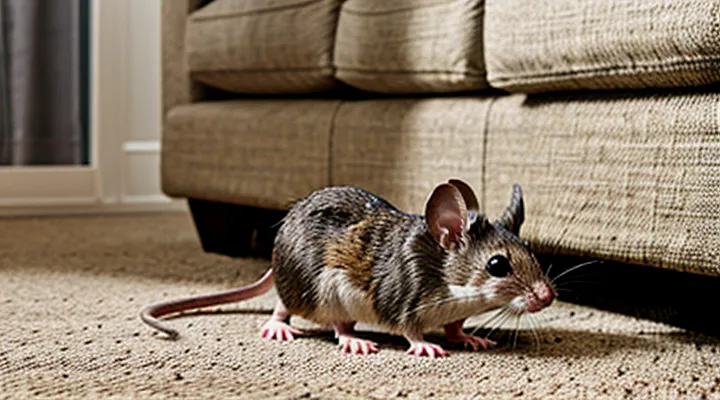
«Understanding the Unwanted Guest»
«Signs of a Mouse Infestation»
«Droppings and Urine Smells»
Droppings and urine odors indicate the presence of a rodent and create health hazards that must be addressed before any capture attempt. Mouse feces contain pathogens such as hantavirus and salmonella; urine releases ammonia, which irritates respiratory passages and attracts insects.
Identify contamination by locating small, dark, pellet‑shaped droppings near food sources, corners, and behind appliances. A sharp, musky smell that intensifies in confined spaces signals active urination. Use a flashlight to inspect hidden areas, including behind furniture and inside wall voids.
Clean contaminated zones promptly to reduce disease risk and eliminate scent trails that may deter bait. Follow these steps:
- Wear disposable gloves and a mask to prevent inhalation of particles.
- Vacuum loose droppings with a HEPA‑rated device; discard the vacuum bag safely.
- Apply an enzymatic cleaner to the affected surface; allow it to sit for the manufacturer‑specified dwell time.
- Rinse with warm water and dry thoroughly.
- Seal the cleaned area with a thin layer of white vinegar or a commercial odor‑neutralizer to mask residual scent.
After sanitation, reduce future deposits by sealing entry points, storing food in airtight containers, and maintaining low humidity. A clean, odor‑free environment improves the effectiveness of humane capture devices and protects occupants from health threats.
«Gnaw Marks and Damage»
Gnaw marks reveal a mouse’s activity zones and indicate where preventive measures should concentrate. Fresh bite edges, parallel grooves, and shredded material signal recent presence, while deeper, irregular holes suggest prolonged chewing.
- Electrical cords: insulation stripped, exposing wires that may short circuit.
- Furniture legs and frames: wood splintered, joints loosened.
- Food containers: cardboard or plastic pierced, contents contaminated.
- Walls and baseboards: plaster chips or drywall fibers removed, creating entry points.
- Storage boxes: lids broken, contents scattered.
Identifying these specific damages allows precise placement of humane traps and deterrents, reducing the risk of accidental injury to the animal. Documenting each mark—photographing size, location, and direction—creates a map of traffic routes, guiding the selection of bait stations and exclusion methods. Repairing compromised surfaces after capture prevents re‑entry and limits future structural harm.
«Scratching Noises»
Scratching sounds are a reliable indicator of rodent activity in a residential unit. The noise typically originates from the animal’s claws as it moves along concealed pathways such as wall cavities, ceiling joists, or beneath floorboards. Identifying the precise location of these sounds allows you to position capture devices where the mouse is most likely to encounter them, increasing the chance of a successful, non‑lethal removal.
Listen for scratching during the evening and early morning hours, when mice are most active. Use a quiet environment, turn off background appliances, and place a hand‑held recorder or a smartphone near suspected areas. Recordings should be reviewed for repetitive, high‑frequency patterns that differ from structural creaks or plumbing vibrations. Mark the spot where the noise is strongest; this is the optimal placement point for a trap.
When setting a humane trap, follow these steps:
- Place the trap directly at the identified scratching hotspot, aligning the entrance with the direction of the mouse’s travel.
- Add an attractive bait such as peanut butter, sunflower seed, or a small piece of fruit, ensuring it does not obstruct the trigger mechanism.
- Secure the trap to prevent displacement by other household activity.
- Check the trap at regular intervals, preferably every two hours, to release the captured mouse promptly.
If multiple scratching sources are detected, deploy additional traps along each pathway, maintaining a minimum distance of 12 inches between devices to avoid competition. After capture, release the mouse at least 200 meters from the building, preferably in a wooded or park area, to reduce the likelihood of return. Continuous monitoring of scratching noises for several days after release confirms whether the infestation has been cleared.
«Why Humane Trapping Matters»
«Ethical Considerations»
When a rodent enters a living space, the response must align with humane standards. Ethical practice demands that any capture method avoid pain, injury, or death. Selecting a device that safely restrains the animal fulfills the responsibility to minimize suffering while addressing the infestation.
Key ethical criteria include:
- Use of live‑catch traps that immobilize without harming the mouse’s limbs or internal organs.
- Placement of traps in concealed areas to reduce stress from repeated exposure to human activity.
- Prompt checking of traps, typically within a 12‑hour window, to prevent dehydration or overheating.
- Immediate release of captured mice in a suitable outdoor environment, far enough from the building to discourage re‑entry.
- Avoidance of chemical poisons, which cause prolonged distress and pose secondary risks to pets and children.
Legal frameworks often reflect these humane expectations. Many jurisdictions classify certain lethal devices as prohibited or require licensing for their use. Compliance with local ordinances protects occupants from liability and upholds community standards for animal welfare.
Finally, the ethical dimension extends to the broader ecosystem. Removing a mouse without harming it preserves natural predator‑prey dynamics and reduces the likelihood of chemical contamination in the building’s micro‑environment. Respecting the creature’s right to life while safeguarding human health demonstrates a balanced, responsible approach to pest management.
«Preventing Harm to Pets and Children»
Capturing a rodent in a residential unit demands precautions that safeguard both children and household animals. Select devices that operate without lethal force, such as live‑catch traps made of sturdy wire mesh. Ensure the trap’s opening is large enough for a mouse but too small for a cat’s paw or a child’s hand to enter.
- Place traps along walls, behind appliances, and in concealed corners; rodents prefer these routes.
- Use bait that attracts mice but does not appeal to pets or kids—peanut butter applied to a small piece of cardboard works well.
- Secure traps on low shelves or behind furniture to keep them out of reach of curious hands and paws.
- Inspect traps twice daily; remove captured mice promptly, then release them at least one mile from the building.
- After release, clean the trap with a mild disinfectant to prevent disease transmission.
- Store all trapping equipment in a locked cabinet or high shelf when not in use.
If live capture is unsuitable, employ ultrasonic repellents positioned away from child‑occupied zones; these devices emit frequencies intolerable to rodents but inaudible to humans and most pets. Avoid chemical poisons entirely, as secondary poisoning poses a serious risk to non‑target animals and children.
Educate all household members about the location and purpose of traps. Supervise children during the trapping period, and keep pets confined to rooms without active devices. By following these measures, mouse control can be achieved without compromising the safety of vulnerable occupants.
«Preparation for Humane Trapping»
«Identifying Entry Points»
«Cracks and Gaps in Walls»
Cracks and gaps in walls provide the primary entry and travel routes for mice within an apartment. Identifying these openings is the first step in a humane control strategy. Conduct a systematic inspection: run a flashlight along baseboards, behind appliances, and around window frames; feel for drafts or audible squeaks; use a thin piece of cardboard to probe suspicious seams.
Once located, seal each opening with materials that resist gnawing. Recommended options include:
- Steel wool tightly packed into the gap, covered with caulk for a smooth finish.
- Copper mesh or hardware cloth (¼‑inch gauge) secured with screws or nails.
- Expanding polyurethane foam for larger voids, applied after inserting a steel wool core.
After sealing, position live‑capture traps directly adjacent to the most recent mouse activity, typically near the sealed area. Place bait (peanut butter or sunflower seed) on the trap trigger, ensuring the trap is stable and not obstructed by furniture. Check traps twice daily; release captured mice at a safe distance from the building, following local regulations.
Maintain the barrier by regularly inspecting for new cracks caused by settling or humidity. Prompt repairs prevent re‑entry, reducing the need for repeated trapping and ensuring a humane resolution to the rodent problem.
«Openings Around Pipes and Wires»
Openings surrounding plumbing, electrical wiring, and HVAC ducts provide unobstructed pathways for rodents to enter living spaces and to move behind walls. These gaps also serve as escape routes that allow a mouse to avoid capture devices, reducing the effectiveness of humane trapping methods.
Identify and evaluate each opening:
- Visually inspect all visible pipe and cable penetrations at the base of walls, behind appliances, and around utility closets.
- Use a flashlight to detect shadows or movement in low‑light zones.
- Run a thin piece of gauze or a flexible strip of cardboard along suspected gaps; any resistance indicates a potential entry point.
- Document size and location of each opening for prioritization.
Seal gaps with appropriate materials:
- For gaps smaller than ¼ inch, apply steel wool tightly packed into the opening, then cover with caulk to prevent gnawing.
- For larger penetrations, install copper mesh sleeves or rigid metal flashing, securing them with screws or construction adhesive.
- Use expanding foam labeled safe for pest control around irregular shapes, but trim excess to avoid creating new hiding spaces.
Combine sealing with trap placement:
- Position live‑capture traps a few inches inside the sealed pathway, aligning the trigger mechanism with the mouse’s natural travel route.
- Place a short length of rough material, such as sandpaper, inside the trap tunnel to discourage the mouse from retreating.
- After sealing, monitor traps daily; release captured mice promptly at a suitable outdoor location, then re‑inspect the area to confirm no new openings have formed.
By systematically eliminating utility‑related gaps and integrating sealed routes with strategically placed humane traps, a resident can effectively remove a mouse from an apartment without causing injury.
«Under Doors and Windows»
Mice often travel beneath doors and windows to reach food and shelter. Small gaps around these openings provide easy access, so sealing them is the most effective preventive measure. Use steel‑wool or copper mesh to fill cracks, then apply a thin layer of silicone caulk to create a durable barrier. Install door sweeps that extend at least one inch beyond the floor to block the space beneath the door.
When traps are necessary, position them directly under the identified gaps. Place a snap or live‑catch trap on a flat surface, ensuring the trigger side faces the mouse’s likely path. Bait with a small piece of peanut butter or cooked grain, and secure the trap with tape if the floor is slick. Check traps at least twice daily to remove captured mice promptly and prevent distress.
Key actions for the area under doors and windows:
- Inspect all perimeter openings weekly for new gaps.
- Apply steel‑wool, mesh, and caulk to seal discovered cracks.
- Fit door sweeps that fully contact the floor.
- Locate traps directly beneath sealed gaps.
- Use appropriate bait and monitor traps regularly.
«Choosing the Right Humane Traps»
«Live-Catch Traps»
Live‑catch traps offer a humane alternative for removing mice from a flat without injury. The device consists of a sealed compartment that restrains the animal once it enters to reach bait.
Common designs include snap‑free plastic cages, wooden box traps with a spring‑loaded door, and reusable metal cages equipped with a trigger lever. All models rely on a one‑time entry mechanism and a secure latch that prevents escape until the trap is opened.
- Choose a trap sized for adult house mice (approximately 2–4 inches long).
- Place a small amount of attractive bait—peanut butter, cheese, or dried fruit—on the trigger plate.
- Position traps along walls, behind appliances, and near known gnaw marks; mice travel close to surfaces.
- Set the latch according to the manufacturer’s instructions; ensure the trigger is sensitive enough to activate with minimal pressure.
- Check traps at least twice daily; release captured mice promptly to avoid stress.
When releasing, transport the trap to an outdoor area far from residential buildings, preferably a wooded or garden setting. Open the latch gently, allow the mouse to exit on its own, and close the trap before returning indoors. Clean the trap with mild detergent after each use to maintain effectiveness and prevent disease transmission.
«DIY Bottle Traps»
A simple bottle trap offers an effective, humane way to capture a mouse inside a small living space. The design relies on gravity and the animal’s natural curiosity, allowing capture without injury or poison.
Materials needed
- One‑liter clear plastic bottle with a wide mouth
- A pair of scissors or a utility knife
- A small piece of cardboard or stiff paper
- Peanut butter or a thin spread of softened cheese
- Tape or a rubber band
Construction steps
- Cut the bottle about one‑third of the way down from the top, creating a funnel shape and a lower cylinder section.
- Invert the funnel piece and insert it into the lower cylinder, aligning the openings so the mouse must pass through the narrow neck to reach the interior.
- Secure the junction with tape or a rubber band to prevent the funnel from slipping.
- Apply a thin layer of bait to the cardboard and place it at the far end of the lower cylinder, ensuring the mouse must travel fully inside to reach it.
Placement and monitoring
- Position the trap along walls or near known mouse pathways, as rodents prefer routes that offer concealment.
- Keep the trap out of reach of children and pets.
- Check the trap at least twice daily; a captured mouse should be handled promptly to reduce stress.
Release and cleanup
- Transport the sealed bottle to a location at least 200 meters from the apartment, preferably a wooded area.
- Open the bottle outdoors, allow the mouse to exit, then seal the bottle and dispose of any residual bait.
- Wash the bottle with warm, soapy water before reuse or storage.
«Effective Baits for Mice»
«Peanut Butter»
Peanut butter serves as an effective attractant for non‑lethal mouse capture in a residential setting. Its strong aroma and oily texture stimulate the rodent’s sense of smell, encouraging investigation and feeding behavior. Because the substance is safe for both humans and pets when used in small quantities, it aligns with humane capture objectives.
Key considerations when employing peanut butter as bait:
- Apply a pea‑sized amount to the trigger mechanism of a live‑catch trap; excess can cause the mouse to avoid the trap or spill onto surfaces.
- Position traps along walls, behind appliances, and near known droppings, where mice habitually travel.
- Replace bait daily to maintain freshness and potency, preventing desensitization.
- Secure the trap’s placement to avoid accidental disturbance by children or pets.
Safety and effectiveness guidelines:
- Choose natural, unsalted peanut butter to minimize the risk of attracting insects or causing allergic reactions.
- Wear disposable gloves during bait application to reduce scent transfer onto hands, which could deter the mouse.
- After capture, relocate the animal at least one mile from the residence, release it outdoors, and seal entry points to prevent re‑entry.
By integrating peanut butter into a structured trapping protocol, occupants can achieve reliable, humane removal of mice without resorting to lethal measures.
«Cheese (Small Amounts)»
Cheese, when used in modest portions, serves as an effective attractant for rodents in residential settings. The strong scent and taste stimulate a mouse’s natural foraging behavior, encouraging it to investigate the baited area.
Select a cheese with a pronounced aroma, such as cheddar or blue cheese, and cut it into pieces no larger than a pea. This size limits the mouse’s ability to remove the bait without triggering the trap, while still providing sufficient scent to draw attention.
Place the cheese directly on the trigger mechanism of a live‑capture trap. Position the trap along established mouse pathways—near walls, behind appliances, or in concealed corners—where the animal is likely to travel. Ensure the trap sits on a stable surface to prevent accidental displacement.
Rotate the bait every 24–48 hours. Fresh cheese maintains a strong odor, preventing the mouse from losing interest. Dispose of any uneaten portions promptly to avoid attracting other pests.
Monitor the trap at regular intervals. Once a mouse is captured, release it at a safe distance from the dwelling, adhering to local wildlife regulations. The small cheese portion minimizes waste and reduces the risk of creating a secondary food source for insects.
«Seeds and Grains»
Seeds and grains serve as effective attractants when attempting to capture a rodent without causing injury. Their natural scent and nutritional value encourage exploratory behavior, increasing the likelihood that a mouse will enter a trap.
Key factors for selecting appropriate bait include:
- Small size that fits comfortably within the trap’s chamber.
- Strong aroma that penetrates the surrounding environment.
- Low risk of attracting non‑target pests such as insects.
- Availability of fresh, unspoiled product to maintain potency.
Prepare the bait by forming a compact morsel that adheres to the trap’s trigger mechanism. Avoid loose granules that may be displaced by the mouse’s movements. If the trap features a recessed bait area, press the mixture firmly to ensure contact with the trigger plate.
Strategic placement maximizes success. Position traps along established mouse pathways: behind appliances, near wall voids, and close to suspected entry points. Maintain a clear line of sight between the bait and the mouse’s approach route; obstacles can deter investigation. Space multiple traps at intervals of 1–2 feet to cover larger zones without overcrowding.
After capture, inspect the trap promptly. Release the mouse in a pre‑selected outdoor location, ensuring distance from the apartment complex to reduce the chance of return. Clean the trap and replenish bait with fresh seeds or grains before redeployment if additional captures are required.
«Setting Up and Monitoring Traps»
«Strategic Trap Placement»
«Along Walls and Baseboards»
Mice instinctively stay close to walls and baseboards because these routes provide shelter and concealment while they search for food and nesting material. Understanding this behavior allows a resident to position capture devices where the rodent is most likely to travel, minimizing the chance of injury.
Place snap or live‑catch traps directly against the wall, with the trigger end facing the wall so the mouse must push against it to reach the bait. Position traps at intervals of 12–18 inches along the perimeter, especially near known entry points such as gaps behind appliances or beneath doors. Ensure the trap surface is flush with the baseboard; any gap can allow the mouse to bypass the mechanism.
Use bait that appeals to nocturnal foragers: peanut butter, small pieces of cheese, or dried fruit. Apply a thin layer to the trigger lever, avoiding excess that could spill onto the floor and reduce the trap’s sensitivity. Replace bait daily to maintain freshness and scent strength.
Inspect the wall line each night. If a trap is triggered, remove the captured mouse promptly, release live‑catch specimens at a safe distance from the building, or dispose of dead rodents according to local regulations. After removal, seal the opening that allowed entry by applying steel wool, caulk, or a combination of both to prevent re‑infestation.
Key actions for wall‑based capture:
- Align traps directly against the wall, flush with baseboards.
- Space traps 12–18 inches apart along the perimeter.
- Use high‑odor bait applied sparingly to the trigger.
- Check traps nightly; handle captures immediately.
- Seal all gaps with durable, rodent‑proof materials.
Following these steps concentrates effort on the pathways mice favor, increasing capture success while avoiding harm to the animal and the apartment’s occupants.
«Near Suspected Nesting Areas»
When a mouse is likely to nest, the surrounding area offers the most reliable clues for humane capture. Look for shredded material, droppings, and gnaw marks within a few feet of walls, cabinets, or appliances. These signs indicate active pathways that the rodent uses to reach food and shelter. Focus inspection on corners, behind furniture, and under sinks, where darkness and protection are abundant.
Identify potential routes and block them before setting a catch device. Use steel‑wool or copper mesh to seal gaps no larger than ¼ inch, especially around vent openings, pipe sleeves, and baseboard cracks. Replace damaged weatherstripping on doors and windows to limit access points. After sealing, position a live‑capture trap directly in the identified pathway, aligning the bait with the mouse’s natural travel direction.
- Choose a trap with a smooth interior to prevent injury.
- Bait with a small amount of peanut butter, sunflower seed, or soft cheese.
- Place the trap perpendicular to the wall, with the entry side facing the wall.
- Check the trap at least twice daily; release captured mice outdoors, far from the building.
- Reset or relocate traps if no activity is observed after 48 hours.
«Away from High-Traffic Zones»
When setting up humane capture devices, choose locations that experience minimal human movement. Placing traps in quiet areas reduces the likelihood of accidental contact and increases the probability that the mouse will encounter the device.
Key considerations for selecting low‑traffic spots:
- Proximity to known entry points (e.g., gaps behind appliances, wall voids) while remaining out of the main walking routes.
- Accessibility for the animal: concealed corners, behind furniture, or under shelving where the mouse can travel unnoticed.
- Ease of monitoring: spots that allow quick visual checks without disrupting daily activity.
- Safety for residents and pets: avoid areas near doors, staircases, or communal pathways.
By positioning traps away from high‑traffic zones, you protect occupants, prevent trap interference, and create an environment where the mouse is more likely to enter the device voluntarily. This approach aligns with humane capture objectives and maintains apartment safety.
«Checking Traps Regularly»
«Importance of Frequent Checks»
Frequent inspection of traps and monitoring stations is essential for humane mouse control in an apartment. Regular checks confirm whether a capture has occurred, allowing immediate release of a live animal or prompt disposal of a dead one, which prevents unnecessary suffering.
Key reasons for conducting checks at short intervals include:
- Immediate identification of successful captures, reducing the time a mouse remains confined.
- Early detection of trap avoidance, enabling quick adjustment of bait or placement.
- Prevention of secondary issues such as odor buildup, disease spread, or damage to furniture and food supplies.
- Maintenance of trap hygiene, which preserves bait effectiveness and discourages other pests.
A practical schedule recommends inspecting each trap at least twice daily—once in the morning and once in the evening. For high‑traffic areas, add a mid‑day check. Recording the status of each device after inspection helps track patterns and refine placement strategies, ensuring consistent, low‑stress removal of rodents.
«When to Check (Morning and Evening)»
Checking for mouse activity twice daily maximizes the chance of humane capture while minimizing stress for the animal. Early morning inspections reveal overnight foraging routes; evening inspections confirm whether the mouse has returned after dark.
Morning routine
- Inspect traps, bait stations, and potential entry points between 6 a.m. and 9 a.m.
- Look for fresh droppings, gnaw marks, or disturbed food packaging.
- Reset or reposition traps if no sign of activity is observed.
Evening routine
- Conduct a second sweep between 7 p.m. and 10 p.m. when mice often resume feeding.
- Verify that bait remains intact and that traps have not been triggered.
- Record any new evidence, such as tracks in dust or additional droppings, to adjust trap placement.
Consistent morning and evening checks create a clear activity pattern, enabling timely adjustments that increase capture success without causing injury.
«Releasing the Mouse Safely»
«Appropriate Release Locations»
When a mouse is captured humanely, the release site must protect both the animal and the surrounding community. Choose a location that offers shelter, food sources, and minimal risk of recapture.
- Distance: place the mouse at least one mile (1.6 km) from the apartment building to reduce the chance of it returning.
- Habitat: select an area with natural cover such as a garden, park, or wooded edge where rodents can find nesting material and foraging opportunities.
- Legal compliance: verify that local ordinances permit the release of wildlife; some municipalities restrict the introduction of rodents into certain public spaces.
- Predation avoidance: avoid locations near high predator activity (e.g., hawk nesting sites) to give the mouse a realistic chance of survival.
- Human activity: steer clear of heavily trafficked sidewalks, playgrounds, or food‑service establishments to prevent conflicts with people.
If a suitable outdoor site is unavailable, consider contacting a local wildlife rescue organization. They can relocate the mouse to an appropriate sanctuary or provide guidance on safe release practices.
«Distance from Your Apartment»
Understanding the spatial relationship between your living space and the mouse’s pathways determines the effectiveness of a humane capture strategy. The mouse typically travels along walls, under appliances, and through narrow openings; measuring the distance from these routes to potential trap sites prevents accidental contact with humans and pets.
Place traps within 12–18 inches of known entry points, such as gaps around pipes or vent covers. Use a flexible measuring tape to record the exact distance from the gap to the trap’s center; this data helps adjust placement if the mouse avoids the initial site. Ensure the trap does not obstruct foot traffic or furniture, reducing the risk of interference.
Select a release location at least 200 feet from the apartment building. This distance discourages the rodent from returning and complies with local wildlife guidelines. Verify that the release site is a suitable habitat—open fields, wooded areas, or municipal green spaces—where the mouse can find shelter and food without endangering humans.
Key actions
- Identify all entry points; measure the gap‑to‑trap distance precisely.
- Position humane traps 12–18 inches from each entry, avoiding high‑traffic zones.
- Record each placement distance for future adjustment.
- Transport captured mice to a release point no closer than 200 feet from the residence.
- Verify release site suitability before release.
«Handling the Trap Carefully»
When setting a humane capture device, handle it with deliberate care to avoid injury to both the animal and yourself. Grip the trap firmly but gently, ensuring fingers do not press against the trigger mechanism. Position the trap on a stable surface, preferably on a flat floor or a low countertop, to prevent accidental tipping.
- Inspect the trap for any visible damage before use; replace broken springs or cracked housing.
- Load the bait according to the manufacturer’s instructions, avoiding excess that could obstruct the door.
- Place the trap perpendicular to the wall, with the entry side facing the expected travel path of the mouse.
- After placement, step back at least one foot to reduce the chance of startling the device.
Check the trap at regular intervals—no longer than every two hours—to release captured mice promptly. When releasing, wear disposable gloves, open the trap away from traffic areas, and allow the mouse to exit without restraint. Clean the trap with mild soap and water, rinse thoroughly, and dry before storing for future use. This systematic approach minimizes stress on the rodent and preserves the trap’s functionality.
«Preventing Future Infestations»
«Sealing Entry Points»
«Using Steel Wool and Caulk»
Steel wool and caulk provide a reliable, humane method for preventing mouse entry in an apartment. The dense fibers of steel wool block small gaps that rodents can squeeze through, while caulk seals the surrounding edges, creating a solid barrier that cannot be chewed or bypassed.
- Identify all potential entry points: gaps around pipes, vents, baseboards, and window frames.
- Insert a generous amount of steel wool into each opening, ensuring the material fills the space completely.
- Apply a continuous bead of silicone or acrylic caulk over the steel wool, pressing it firmly to adhere to the surrounding surface.
- Allow the caulk to cure according to the manufacturer’s instructions before exposing the area to normal use.
By combining the physical obstruction of steel wool with the airtight seal of caulk, apartments can be made mouse‑proof without resorting to traps or poisons, thereby protecting both the animal and the resident’s living environment.
«Repairing Damaged Screens»
Functional window and door screens are essential for keeping rodents out of living spaces while allowing humane capture methods to be applied safely. A torn or loose screen creates entry points that defeat non‑lethal strategies and can expose occupants to further damage. Restoring the integrity of screens eliminates these gaps and supports effective, compassionate rodent control.
- Identify the damaged area; clean surrounding debris and inspect the frame for rust or deformation.
- Remove the screen segment using a flat‑head screwdriver or a screen removal tool, taking care not to damage adjacent material.
- Cut a replacement mesh piece that exceeds the opening by at least one inch on each side.
- Lay the new mesh over the frame, align edges, and secure with a spline roller, pressing the spline firmly into the groove to lock the mesh in place.
- Trim excess spline with a utility knife and test the tension by pulling gently on the screen; reinforce any loose sections with additional spline if needed.
Regularly examine all screens for small tears, corrosion, or loose fittings. Prompt repairs prevent rodents from exploiting weaknesses and maintain a secure environment for humane trapping devices. Consistent upkeep reduces the likelihood of repeated intrusion and supports a safe, humane approach to rodent management in apartments.
«Maintaining Apartment Cleanliness»
«Storing Food in Airtight Containers»
Storing food in airtight containers eliminates the primary attractant that draws rodents into living spaces. When food is sealed, scent emissions drop dramatically, reducing the likelihood that a mouse will locate the source.
Effective containers possess a lock‑tight seal, are made of rigid material, and lack gaps at the lid or hinge. Containers with silicone gaskets or snap‑fit closures meet these criteria. Transparent walls allow visual inspection without opening the container.
- Choose containers sized to hold the intended quantity; avoid overfilling.
- Verify that the seal remains intact after each use; replace damaged lids immediately.
- Position containers on shelves away from walls and appliance gaps.
- Label each container with purchase date to manage turnover and prevent prolonged storage.
Regularly inspect containers for cracks, compromised seals, or residue buildup. Clean interiors with hot, soapy water before refilling. Maintaining airtight storage creates an environment where mice find no accessible food, supporting a humane, non‑lethal approach to rodent management.
«Cleaning Up Crumbs and Spills Promptly»
Promptly removing food residues and liquid spills reduces attraction for rodents and limits sources of disease. A clean environment eliminates the scent trails that mice use to locate meals, making it harder for them to establish a foraging route within the living space.
- Sweep or vacuum floors daily, focusing on kitchen edges, under appliances, and behind furniture.
- Wipe countertops, tables, and cabinet doors after each meal with a disinfecting cloth.
- Empty trash cans before they reach capacity; seal bags tightly before disposal.
- Clean up pet food spills immediately; store dry feed in airtight containers.
- Address accidental spills on rugs or carpets with absorbent towels, then apply a mild detergent solution and allow thorough drying.
Consistent execution of these actions creates a hostile setting for mice, decreasing the likelihood of entry and encouraging any existing pests to seek alternative habitats.
«Regular Trash Disposal»
Regular trash disposal directly affects the likelihood of mouse activity in a residential unit. Food remnants and organic waste emit odors that attract rodents, creating a source of sustenance that undermines humane capture efforts. Maintaining a consistent disposal routine eliminates this attractant, supporting non‑lethal rodent control strategies.
Key practices for effective waste management include:
- Empty kitchen trash bins nightly; seal the bag before removal to contain odors.
- Use bins with tight‑fitting lids; verify that lids close securely after each use.
- Store outdoor garbage containers away from building entrances and windows.
- Clean bin interiors weekly with a mild disinfectant to remove residue.
- Separate compostable material from regular waste; keep compost bins sealed and located outside the living space.
Implementing these measures reduces food availability for mice, decreasing their presence and making live‑capture traps more successful. Consistent disposal also prevents secondary issues such as pest‑borne diseases and foul odors, contributing to a healthier apartment environment while supporting ethical rodent management.
«Removing Attractants»
«Decluttering Storage Areas»
Decluttering storage spaces removes hiding places that encourage rodents to settle in an apartment. When boxes, bags, and unused items are stacked against walls or tucked under furniture, they create dark, insulated pockets that mice can enter unnoticed. Eliminating these pockets forces the animal into open areas where detection and humane capture become feasible.
A systematic approach to clearing storage zones includes the following actions:
- Remove all items from closets, under‑bed compartments, and pantry shelves. Sort into keep, donate, and discard piles.
- Dispose of cardboard boxes, paper bags, and fabric bundles that can serve as nesting material.
- Vacuum floors and corners thoroughly after clearing, paying special attention to seams and baseboards where droppings may accumulate.
- Store remaining belongings in sealed plastic containers with tight‑fitting lids; avoid using open‑top boxes.
- Position traps or live‑capture devices in the cleared zones, where the mouse must travel openly to reach food sources.
By maintaining an organized, clutter‑free environment, the mouse loses shelter, increasing the likelihood of encountering humane capture methods. Continuous upkeep—regularly checking for new debris and promptly sealing entry points—prevents re‑infestation and supports safe removal without injury.
«Eliminating Water Sources»
Eliminating accessible water deprives a rodent of a critical survival need, encouraging it to leave the dwelling or become more susceptible to humane capture devices. Mice require fresh moisture for hydration and for cooling their bodies; without it, they will seek alternative shelter or become less active, reducing the likelihood of repeated encounters.
Identify and remove all sources of liquid that are not essential for daily living. Typical contributors include:
- Leaking pipes, faucets, or ceiling fixtures; repair or replace immediately.
- Open containers of water, pet dishes, or plant saucers; empty, cover, or relocate away from mouse pathways.
- Condensation on windows or walls; improve ventilation and use dehumidifiers where humidity remains high.
- Food‑related moisture, such as wet crumbs or spilled liquids; clean surfaces promptly and store food in sealed containers.
Maintain a dry environment by regularly inspecting for hidden drips, tightening faucet aerators, and sealing gaps where moisture may accumulate. A consistently arid apartment limits the mouse’s ability to establish a comfortable nest, supporting non‑lethal removal strategies.