
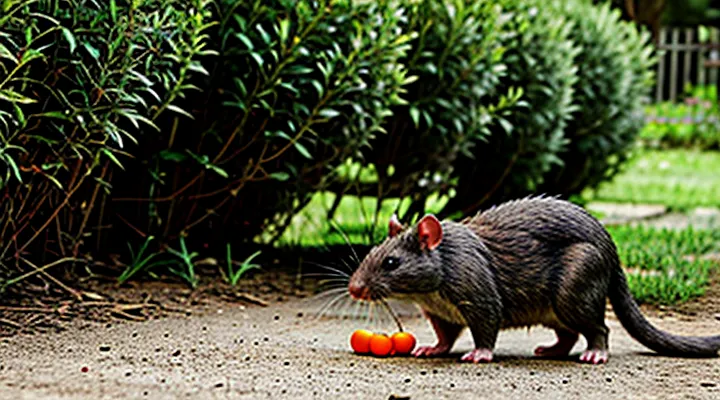
Understanding Your Quarry: The Large Rat
Identifying Large Rat Species
Common Urban Rats
Common urban rats, primarily the Norway rat (Rattus norvegicus) and the roof rat (Rattus rattus), dominate city environments. Both species thrive in sewers, basements, and building perimeters, where food waste and shelter are abundant. Their average body length ranges from 20 to 25 cm, with males reaching up to 30 cm and weighing 350–500 g; however, individuals can grow larger when food supplies are plentiful.
Key traits influencing capture tactics:
- Nocturnal activity – peak foraging occurs between dusk and dawn, reducing visibility for observers.
- Territorial circuits – rats follow established runways along walls, pipes, and drainage systems, creating predictable travel paths.
- Burrowing behavior – Norway rats excavate extensive tunnel networks, while roof rats prefer elevated nests in attics and rafters.
- Scent reliance – olfactory cues guide movement; strong odors from food or waste attract rats from considerable distances.
- Social hierarchy – dominant individuals occupy central burrows, leaving peripheral zones for subordinates, which can be exploited to isolate larger targets.
Understanding these characteristics allows the development of effective capture methods for sizable specimens. Strategies should focus on:
- Placement of baited traps along identified runways during peak activity hours.
- Use of scent‑enhanced lures that mimic high‑calorie waste to draw larger rats from surrounding territories.
- Inspection of structural gaps near known burrow entrances to position traps where rats must pass.
- Monitoring of nocturnal movement with infrared cameras to confirm trap effectiveness and adjust placement.
Accurate identification of species, awareness of their habitat preferences, and exploitation of their routine behaviors create a reliable framework for targeting large urban rats.
Rural and Wild Variants
In countryside and untamed areas, large rodent capture demands adaptations to open fields, dense brush, and irregular terrain. Soil composition, vegetation density, and proximity to water sources dictate movement patterns and hideouts, requiring hunters to map likely corridors before setting devices.
Equipment must match the environment. Heavy‑duty snap traps resist soil pressure, while live‑catch cages with reinforced hinges withstand burrow attempts. Camouflage that blends with grasses or leaf litter reduces visual detection. Bait selection shifts from grain in farms to fruit, nuts, or carrion remnants found in wild habitats, enhancing attraction rates.
Effective tactics rely on observation and timing. Nighttime activity peaks justify the use of infrared lanterns or low‑noise flashlights. Tracking footprints in soft ground identifies active routes; placement of traps along these paths maximizes encounters. When burrows are present, inserting baited probes directly into tunnels forces rodents to surface for capture.
Key actions for rural and wild scenarios:
- Survey terrain to locate natural runways and water edges.
- Choose trap type based on ground firmness and expected escape strength.
- Deploy bait that mirrors local food sources; refresh regularly.
- Position devices perpendicular to identified pathways, spaced 3–5 meters apart.
- Monitor traps during peak activity hours; reset promptly after each catch.
Consistent application of these measures increases success rates while minimizing disturbance to surrounding ecosystems.
Rat Behavior and Habits
Nocturnal Activity Patterns
Understanding the nightly movements of sizable rats is essential for any effective capture operation. Large rats emerge shortly after dusk, intensify activity around midnight, and often reduce motion before sunrise. Their foraging routes follow predictable corridors linking food sources, water, and shelter, while travel speed increases during the darkest hours to avoid predators.
Key nocturnal behaviors to exploit:
- Preference for concealed pathways alongside walls, fences, or debris.
- Rapid transit between nest sites and feeding stations during the first two hours after sunset.
- Increased surface activity during the hour before dawn, when ambient light rises slightly.
- Tendency to pause in illuminated zones that provide warmth or attract insects.
Aligning traps with these patterns maximizes success. Deploy baited devices along identified corridors before the initial emergence period, set trigger mechanisms to activate during peak movement windows, and position additional lures near known nesting entrances to capture rats returning to shelter. Monitoring activity with infrared cameras confirms timing accuracy and allows adjustments to trap placement in real time.
Diet and Food Sources
Understanding what a large rat consumes provides the basis for effective bait placement and timing. Knowledge of natural food preferences allows hunters to mimic genuine foraging conditions, increasing trap acceptance rates.
Typical diet items include:
- Grains such as wheat, barley, and corn.
- Seeds from grasses and weeds.
- Fruits and berries, especially during late summer.
- Insects, larvae, and occasional small arthropods.
- Organic waste, including discarded kitchen scraps.
Seasonal variations affect intake patterns:
- Spring: emergence of fresh shoots, tender grasses, and insect swarms.
- Summer: abundance of fruit, berries, and high‑energy seeds.
- Autumn: increased reliance on stored grains and fallen nuts.
- Winter: heightened consumption of animal protein from carrion and residual waste.
Bait selection should reflect these preferences:
- Use a blend of whole grains and seed mixes for baseline attraction.
- Incorporate fruit pieces or dried berries when targeting during summer months.
- Add a protein component such as dried insects or small meat fragments for cold periods.
- Position bait near known foraging routes, such as along walls, under debris, or adjacent to waste containers.
By aligning bait composition with documented dietary habits, hunters improve the probability of luring and capturing large rats.
Nesting and Hiding Spots
Large rats prefer locations that provide shelter, warmth, and easy access to food. Identifying these sites is essential for any successful capture plan.
Typical nesting areas include:
- Abandoned burrows beneath floorboards, foundation cracks, or stacked debris.
- Insulated cavities within walls, ceilings, or attics, especially near heat sources.
- Piled organic material such as compost, mulch, or stored firewood.
Common hiding spots are characterized by darkness and limited disturbance:
- Behind appliances, refrigerators, or stoves where movement is infrequent.
- Inside crawl spaces, utility closets, and storage sheds with cluttered corners.
- Under furniture, especially heavy pieces that rats can tunnel beneath.
Key indicators of active use:
- Fresh droppings, typically ½‑inch long, dark, and clustered near entry points.
- Gnaw marks on wood, plastic, or wiring, often near structural seams.
- Strong musky odor, especially in enclosed areas.
For effective placement of traps or bait, position them:
- Directly within or adjacent to identified nests, using snap or live‑capture devices.
- Along established runways, marked by parallel droppings or gnaw trails.
- Near food sources that attract rats, ensuring minimal disturbance to the surrounding environment.
Preparing for the Hunt: Essential Gear and Safety
Essential Trapping Equipment
Types of Traps
When targeting a sizable rodent, trap selection determines capture success. Different mechanisms address the animal’s strength, wariness, and preferred pathways.
-
Snap traps – heavy‑duty steel jaws deliver instantaneous closure. Ideal for quick kills; require strong bait and placement along established runways. Ensure the trigger is calibrated to the rat’s weight to avoid premature release.
-
Live‑catch cages – wire enclosures with a one‑way door. Allow humane removal and relocation. Position near food sources and use a substantial attractant to overcome the animal’s caution. Check traps frequently to prevent stress.
-
Electronic traps – battery‑powered plates that administer a lethal shock. Provide consistent performance regardless of the rat’s size. Place on flat surfaces; verify proper grounding to avoid malfunction.
-
Glue boards – adhesive sheets that immobilize the rodent. Effective for secondary capture when used in conjunction with other methods. Position in concealed corners; replace promptly to avoid prolonged suffering.
-
Baited pitfall traps – shallow containers filled with a soft substrate, concealed under a lure. Suitable for burrowing individuals. Cover with a lightweight lid that collapses under weight, ensuring the opening is small enough to prevent escape.
-
Custom cage traps – reinforced wooden or metal frames fitted with a trigger lever. Offer flexibility in size and strength. Construct with sturdy hinges and a secure latch; test the mechanism before deployment.
Each trap type demands specific maintenance: inspect for wear, replace batteries, and clean to eliminate scent trails. Selecting the appropriate device, aligning it with the rat’s behavior, and monitoring regularly maximizes capture efficiency.
Bait Selection
Effective bait selection determines success when pursuing a sizable rat. Choose attractants that match the animal’s dietary preferences and sensory strengths. Protein‑rich options such as fresh meat, fish, or canned cat food stimulate olfactory response; grain‑based products like cornmeal, oats, or peanut butter provide familiar carbohydrate cues. Incorporate strong scents—cinnamon, garlic, or anise oil—to enhance detection distance, especially in dense vegetation or urban debris.
When preparing bait, follow these guidelines:
- Use fresh, unspoiled material; decay reduces appeal and may deter the target.
- Combine a primary attractant (protein or grain) with a secondary scent enhancer to create a layered odor profile.
- Secure bait on a durable platform (metal tray, wooden block) to prevent loss to scavengers or weather.
- Position bait near known runways, burrow entrances, or along established foraging paths; rats travel along walls and concealed routes.
- Adjust quantity based on environment: larger outdoor areas require multiple stations, while confined indoor spaces benefit from a single, concentrated source.
- Rotate bait types every 24–48 hours to prevent habituation and maintain interest.
Seasonal factors influence selection. In colder months, high‑fat foods such as cheese or rendered animal fat increase caloric appeal. During warmer periods, moist items like fruit puree or canned fish retain scent longer. Evaluate local waste patterns; if the population frequently scavenges from dumpsters, incorporate similar refuse to mimic familiar food sources.
Finally, test bait effectiveness by monitoring activity with motion‑activated cameras or tracking powder. Replace ineffective stations promptly and refine the combination of attractants based on observed preferences. This systematic approach maximizes capture probability for large rat targets.
Lure Placement Strategies
Effective lure placement determines the success of targeting large rats. Selecting the appropriate attractant and positioning it correctly creates a predictable path that the animal follows, increasing capture probability.
Choose a lure that matches the rat’s dietary preferences. Protein‑rich baits such as canned fish, cooked meat, or specialized rodent attractants release strong odors that travel farther than plant‑based options. Pair the bait with a visual cue—brightly colored tape or a small piece of reflective material—to draw attention in low‑light conditions.
Key placement tactics:
- Position the bait near known travel routes, such as along walls, behind appliances, or adjacent to drainage pipes.
- Place the lure at a height of 6‑12 inches above the floor; large rats often move just above ground level to avoid obstacles.
- Maintain a distance of 3‑5 feet from entry points (e.g., cracks, vent openings) to allow the animal to detect the scent before reaching the trap.
- Align the bait with prevailing airflow; situate it downwind from the entry so the scent carries toward the rat’s approach path.
- Secure the lure to prevent displacement by other wildlife or environmental factors; use glue boards or small clips as needed.
Monitor environmental variables. Humidity and temperature affect odor diffusion; higher humidity prolongs scent trails, while extreme heat can evaporate attractants quickly. Adjust placement after each observation cycle to accommodate changes in weather or rat activity patterns.
Rotate lure locations regularly. Rats develop scent habituation; moving the bait every 24‑48 hours disrupts familiarity and forces the animal to investigate new points, sustaining engagement with the trap system.
Personal Protective Equipment
Gloves and Masks
Gloves and masks provide protection against disease transmission and direct injury when pursuing large rodents. They create a barrier that prevents bites, scratches, and exposure to urine or droplet aerosols, reducing the risk of bacterial and viral infection.
When selecting equipment, consider material durability, fit, and respiratory filtration:
- Gloves: Choose reinforced leather or cut‑resistant nitrile; ensure a snug grip to maintain dexterity while handling traps.
- Masks: Opt for N95 or higher respirators with a secure seal; replace filters after each capture session.
- Fit: Verify that both items cover the full hand and face without gaps; test mobility before entering the field.
- Maintenance: Clean gloves with disinfectant after each use; store masks in a dry container to preserve filter efficiency.
Safety Precautions for Handling Carcasses
When a rat is dispatched, the carcass can harbor pathogens, parasites, and toxins that pose health risks to anyone who handles it. Proper procedures eliminate exposure and preserve the safety of the hunting team.
- Wear disposable gloves made of nitrile or latex; replace them after each carcass.
- Use a face shield or safety goggles to prevent splashes from bodily fluids.
- Dress in long‑sleeved shirts and sturdy boots; avoid open wounds or broken skin.
- Place the carcass in a sealable, puncture‑resistant bag before transport.
- Disinfect work surfaces with a solution containing at least 0.5 % bleach or an EPA‑approved disinfectant.
- Store contaminated waste in a designated biohazard container; arrange for proper disposal according to local regulations.
- Wash hands thoroughly with soap and water for a minimum of 20 seconds after glove removal, even if gloves were worn.
Maintain a clean environment by regularly laundering clothing used during the operation and by keeping tools such as knives or tongs sanitized between uses. Document each handling incident, noting any breaches in protocol, to enable continuous improvement of safety practices.
Environmental Considerations
Securing Your Property
Securing your property is the first line of defense against a large rat that threatens to evade conventional traps. Begin by inspecting all exterior walls, foundations, and rooflines for gaps larger than ¼ inch. Apply steel wool, copper mesh, or expanding foam to seal each opening; these materials resist gnawing and prevent re‑entry.
Eliminate sources of food and water that attract rodents. Store grain, pet food, and refuse in airtight containers. Install drip‑less irrigation and repair leaking pipes to deny the animal access to moisture.
Reinforce structural elements that could serve as climbing routes. Install smooth metal or PVC flashing around eaves, gutters, and vent covers. Trim vegetation within two meters of the building to remove natural bridges.
Deploy traps only after the environment is compromised. Position snap traps or electronic devices along identified travel corridors, preferably near sealed entry points. Use bait that mimics the rat’s natural diet but limit quantity to avoid spillage that could draw additional pests.
Implement a monitoring schedule. Inspect seals, bait stations, and trap efficacy weekly. Record any signs of activity—droppings, gnaw marks, or fresh tracks—to adjust security measures promptly.
Maintain the perimeter regularly. Replace worn sealants, clear debris, and verify that all deterrents remain intact. Consistent upkeep sustains a hostile environment for the rat, increasing the likelihood of successful capture.
Protecting Non-Target Animals
Effective rat control demands measures that prevent harm to species not intended for capture. Operators should first assess the environment to identify vulnerable wildlife, such as birds, small mammals, and reptiles, and map their typical activity zones. This information guides placement of traps and bait stations away from those areas.
When selecting equipment, prefer devices that activate only under specific conditions, such as weight‑sensitive triggers calibrated for the target’s size. Mechanical traps with enclosed chambers reduce accidental catches, while live‑capture cages equipped with escape exits for non‑target species provide an additional safeguard.
Bait management is critical. Use attractants that are highly specific to large rats, avoiding universal food sources that attract a broader range of animals. Secure bait in sealed containers or place it on platforms that limit access to the target’s size range.
Routine monitoring supports rapid response to unintended captures. Conduct daily inspections of traps, record any non‑target incidents, and release captured wildlife promptly following local regulations. Adjust trap settings or relocate devices immediately if non‑target interactions increase.
Training personnel reinforces compliance. Provide clear protocols covering:
- Identification of non‑target species in the operational area.
- Proper handling and release procedures for accidental captures.
- Regular maintenance of equipment to ensure selective functionality.
By integrating precise placement, selective hardware, targeted bait, vigilant monitoring, and comprehensive training, rat‑hunting operations can achieve their objectives while preserving the surrounding ecosystem.
Advanced Hunting and Trapping Techniques
Strategic Trap Placement
High-Traffic Areas
Targeting high‑traffic zones dramatically improves the success rate of capturing sizable rodents. These locations concentrate food, water, and shelter, encouraging larger individuals to establish regular routes. Identifying and monitoring such corridors provides the foundation for an effective control operation.
Key actions for high‑traffic environments:
- Conduct a brief visual sweep during peak activity periods to locate gnaw marks, droppings, and fresh burrows.
- Install motion‑activated cameras at identified choke points to confirm rat presence and movement patterns.
- Place sturdy snap traps or electronic kill devices directly in established runways, aligning bait with the natural flow of traffic.
- Use durable, scented bait that appeals to mature rats, positioning it on the outer edge of the pathway to encourage entry without immediate detection.
- Maintain a strict trap‑checking schedule, resetting or relocating devices within 12 hours of any capture to prevent trap avoidance.
In densely populated areas such as warehouses, restaurant kitchens, and sewer junctions, the density of rats increases the likelihood of encounters with large specimens. Reinforce structural gaps, seal utility penetrations, and eliminate standing water to reduce alternative routes that may divert rats from the targeted pathways. Regular sanitation, combined with the systematic placement of traps in high‑traffic zones, creates an environment where large rats encounter lethal devices repeatedly, ultimately reducing the population to manageable levels.
Hidden Pathways
Hidden pathways refer to narrow, concealed routes that large rats use to move between food sources, shelter, and escape points. Understanding these corridors allows hunters to position traps and ambushes where rodents are most likely to travel unnoticed.
Effective use of hidden pathways involves several steps:
- Survey the area at low light to locate burrow entrances, wall gaps, and pipe openings.
- Map each connection, noting direction of traffic and proximity to bait.
- Place snap or live traps directly within the passage, aligning trigger mechanisms with the rodent’s natural forward motion.
- Secure the surrounding terrain to prevent diversion; block alternate exits with temporary barriers.
- Monitor trap activity continuously, adjusting placement as rats modify their routes.
Neglecting hidden pathways reduces capture success and increases waste of resources. Regularly updating the pathway map prevents rats from establishing new, unmonitored routes, ensuring consistent control over the target population.
Effective Baiting Methods
Fresh vs. Long-Lasting Baits
Effective bait selection determines capture success when targeting sizable rodents. Fresh baits release strong, short‑lived odor cues that stimulate immediate feeding response. Long‑lasting baits retain scent over days, reducing the need for frequent replacement.
-
Fresh baits
• High volatility attracts quickly
• Ideal for active foraging periods
• Require daily inspection and renewal
• Prone to spoilage in warm climates -
Long‑lasting baits
• Low volatility maintains detectable scent for extended periods
• Suitable for passive trap setups
• Decrease labor and material costs
• May lose potency if not refreshed periodically
Choosing between the two depends on trap placement, environmental conditions, and operational schedule. Deploy fresh bait near high‑traffic corridors where rapid engagement is critical; employ long‑lasting bait in secluded areas where traps remain unattended for several days. Combining both types—initial fresh bait to trigger interest, followed by a long‑lasting core—maximizes attraction while minimizing maintenance.
Scent Lures and Attractants
Scent lures and attractants are indispensable tools for drawing large rats into traps. Their efficacy depends on selecting a fragrance that mimics natural food sources and applying it in a manner that maximizes exposure without alerting the target.
- Preferred odors: fresh grain, peanut butter, meat broth, and strong cheese aromas. Each mimics a high‑calorie resource that a rat will pursue instinctively.
- Formulations: liquid extracts, paste concentrates, and scented wax blocks. Liquids spread quickly, pastes adhere to trap surfaces, and wax blocks release scent slowly over several days.
- Application technique: apply a thin layer to the trap’s trigger mechanism and surrounding area. Avoid excess, which can saturate the environment and cause avoidance behavior.
- Rotation schedule: replace or refresh lures every 24–48 hours in warm conditions; cooler climates allow up to 72 hours before potency declines.
Effective deployment also requires consideration of environmental factors. Wind direction influences scent travel; place traps downwind of the lure to ensure the rat encounters the odor first. Humidity accelerates scent diffusion, while dry air may necessitate more frequent reapplication.
Safety measures protect the handler and non‑target wildlife. Wear gloves when handling concentrated attractants, store them in sealed containers, and place traps in locations inaccessible to pets or domestic animals. Dispose of used lures according to local regulations to prevent unintended contamination.
Combining appropriate scent selection, precise application, and vigilant maintenance creates a reliable attractant system that significantly increases capture rates for large rats.
Humane Dispatch Methods
Quick and Efficient Techniques
Effective capture of a sizable rodent requires minimal setup time and rapid execution. The following methods streamline the process while maintaining high success rates.
- Deploy a snap trap sized for large mammals, positioning it along established runways identified by droppings or gnaw marks. Bait with high‑fat protein such as bacon or canned fish to attract quickly.
- Use a live‑catch cage equipped with a one‑way door. Place a generous portion of fresh meat inside, then set the cage near the rodent’s entry point. The animal enters for the food and cannot escape, allowing immediate removal.
- Apply a quick‑acting glue board on a flat surface within the rodent’s path. The adhesive immobilizes the animal within seconds, facilitating safe transport to a humane disposal site.
- Implement a pressure‑activated net trap that collapses when the rat steps on a concealed trigger plate. The net drops instantly, containing the target without prolonged struggle.
Complementary actions improve efficiency:
- Conduct a brief reconnaissance of the area to locate the most frequented pathways; this reduces wasted trap placement.
- Eliminate competing food sources to increase bait attractiveness.
- Wear thick gloves and protective clothing to prevent bites and disease transmission during handling.
- Dispose of captured specimens promptly, following local wildlife regulations, to avoid secondary infestations.
By concentrating on rapid bait attraction, precise trap placement, and immediate containment, hunters can secure large rats with minimal effort and maximal reliability.
Legal and Ethical Considerations
Legal frameworks governing the capture of sizable rodents vary by jurisdiction. Most regions require a specific permit for lethal control of wild mammals, and some classify large rats as pest species subject to distinct statutes. Failure to obtain appropriate authorization can result in fines, civil liability, or criminal prosecution.
Permits typically impose conditions such as:
- Defined geographic boundaries where control actions may occur.
- Time‑restricted windows aligning with breeding cycles to minimize population impact.
- Mandatory reporting of capture numbers and methods used.
Compliance with these provisions ensures that control efforts remain within the bounds of the law.
Animal welfare legislation mandates humane treatment throughout the capture process. Acceptable methods must cause rapid loss of consciousness or death, avoiding prolonged suffering. Devices that trap without immediate incapacitation—such as live‑catch cages—are permissible only when followed by swift, humane euthanasia in accordance with recognized standards (e.g., AVMA guidelines).
Ethical considerations extend beyond statutory requirements. Practitioners should prioritize:
- Target specificity to prevent non‑target species injury.
- Minimal environmental disruption, limiting habitat alteration and secondary hazards.
- Transparent documentation of actions to facilitate public accountability.
Adhering to these principles mitigates legal risk, upholds societal expectations of responsible pest management, and preserves ecological balance.
Post-Capture Procedures and Prevention
Disposal of Captured Rats
Sanitary Methods
Effective rat control begins with sanitation. Reducing food sources, water access, and shelter eliminates the conditions that allow a large rodent to thrive, making trapping efforts more reliable.
- Remove all organic waste from indoor and outdoor areas; store garbage in sealed containers with tight-fitting lids.
- Clean floors, countertops, and storage spaces daily to eliminate crumbs and spills that attract rodents.
- Repair leaks in plumbing, roofing, and drainage systems to deny water sources.
- Store feed, pet food, and compost in metal or heavy‑duty plastic bins that rodents cannot gnaw through.
- Eliminate clutter such as cardboard boxes, piles of debris, and unused furniture that provide hiding places.
- Trim vegetation and clear brush within two meters of building foundations to reduce cover for entry.
Implementation requires a systematic schedule. Conduct a weekly inspection of waste containers, plumbing fixtures, and potential entry points. Apply sealants, steel wool, or metal flashing to cracks and gaps larger than ¼ inch. Document changes and monitor for signs of activity, adjusting sanitation measures promptly. Consistent hygiene diminishes the likelihood of large rat encounters and enhances the success of mechanical capture methods.
Local Regulations
Local regulations govern the capture of sizable rats and must be consulted before any field operation. Most jurisdictions classify large rats as pests rather than protected wildlife, but specific statutes may still apply.
Permits are often required when traps are deployed in public spaces, parks, or conservation areas. Authorities issue permits that specify trap type, location, and duration of use. Failure to obtain a permit can result in fines or the invalidation of collected evidence.
Licensing rules apply to individuals or companies that conduct rodent control. A pest‑control license typically mandates training in humane trapping methods, record‑keeping of captured specimens, and compliance with disposal regulations. Unlicensed activity may be prosecuted under local health‑code statutes.
Property rights restrict access to private land. Entry without owner consent violates trespassing laws, even if the intent is pest eradication. Written permission from the landowner is required, and the permission should outline the scope of trapping activities.
Seasonal restrictions may limit the use of certain devices during breeding periods. Some regions prohibit live‑capture traps that could interfere with juvenile development, mandating lethal traps only during designated times.
Reporting obligations differ by jurisdiction. After a capture, officials often demand a summary report that includes trap locations, dates, and numbers of rats removed. The report may be submitted electronically to a municipal pest‑control department within a set timeframe.
Compliance checklist:
- Verify whether a permit is needed for the intended area.
- Confirm possession of a current pest‑control license.
- Obtain written consent from any private property owner.
- Review seasonal bans on specific trap types.
- Prepare a post‑capture report according to local guidelines.
Adhering to these regulations ensures lawful conduct, reduces liability, and supports coordinated community pest‑management efforts.
Preventing Future Infestations
Sealing Entry Points
Sealing entry points prevents a large rat from re‑entering the building after it has been removed. Identify all possible openings by inspecting walls, floors, ceilings, and exterior walls. Focus on gaps larger than ¼ inch, as rats can squeeze through much smaller spaces.
Typical access routes include:
- Gaps around utility pipes and cables
- Cracks in foundation or masonry
- Openings beneath doors and windows
- Unsealed vents, chimney flues, and attic hatches
- Damaged or missing weather‑stripping
Use durable, rodent‑proof materials to close each opening. For small gaps, apply steel wool followed by caulk or expanding foam. Larger cracks require concrete patch, metal flashing, or heavy‑duty steel mesh. Install door sweeps and replace worn weather‑stripping to block entry beneath doors. Secure vents with stainless‑steel screens that have mesh openings no larger than ¼ inch.
After sealing, verify the integrity of each repair by conducting a pressure test or using a flashlight to detect remaining light leaks. Schedule periodic inspections, especially after seasonal weather changes, to ensure that new gaps have not formed.
A systematic sealing process reduces the likelihood of a large rat re‑establishing a foothold, supporting overall capture efforts and long‑term infestation control.
Eliminating Food and Water Sources
Removing all accessible food and water is the most reliable way to reduce the presence of a sizeable rodent before attempting capture. Secure stored grains, pet food, and kitchen scraps in airtight containers; discard leftovers promptly and clean surfaces with detergent to eliminate residue. Eliminate standing water by fixing leaks, emptying trays, and drying pet bowls after use. Outdoor feeding stations, compost piles, and bird feeders should be relocated or insulated to prevent accidental access.
Key actions:
- Inspect interior and exterior for crumbs, spills, and exposed bait; clean each area thoroughly.
- Seal entry points around pipes, vents, and utility openings to block water flow and food drift.
- Store waste in sealed bins; remove garbage daily and keep bins off the ground.
- Reduce moisture by using dehumidifiers in damp rooms and ensuring proper ventilation.
- Replace water bowls with shallow dishes that can be emptied after each use; install automatic dispensers that limit water volume.
Regular Monitoring and Inspection
Regular monitoring and inspection are essential components of any effective large‑rat control program. Consistent observation of potential habitats—such as basements, sewers, warehouses, and outdoor storage areas—allows early detection of activity signs, including droppings, gnaw marks, and burrow entrances. By documenting findings daily or weekly, operators create a baseline that reveals changes in population density and movement patterns, enabling timely adjustments to bait placement and trap deployment.
A systematic inspection routine should include:
- Visual sweep of all entry points, focusing on cracks, gaps, and utility penetrations.
- Use of motion‑activated cameras or infrared sensors to verify nocturnal activity.
- Placement of tracking powder or non‑toxic markers along runways to confirm travel routes.
- Recording of data in a centralized log, noting date, location, and evidence type.
Maintaining this schedule reduces the risk of undetected infestations, ensures resources are directed where they are most needed, and supports measurable outcomes for the overall rat‑capture strategy.