
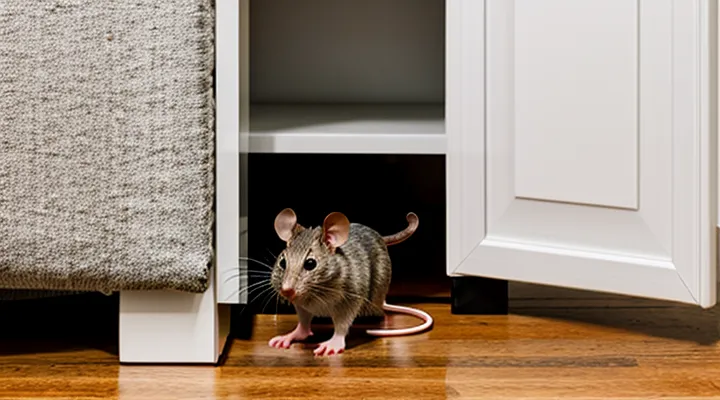
«Identifying a Mouse Infestation»
«Signs of Mice Presence»
«Droppings and Urine Odor»
Droppings and urine odor are reliable indicators of mouse activity and can hinder trap effectiveness if not addressed promptly. Fresh droppings appear as small, dark pellets about the size of a grain of rice; older droppings may turn lighter and crumble. Urine scent is sharp, lingering, and can attract other rodents while repelling humans.
- Wear disposable gloves and a mask before handling any material.
- Collect droppings with a disposable paper towel or a sealable bag; discard in a sealed container.
- Soak the contaminated area with a solution of one part white vinegar to one part water; let it sit for five minutes.
- Scrub the surface with a stiff brush, then rinse with clean water.
- Apply an enzymatic cleaner specifically formulated for pet waste; follow the product’s contact time to break down residual proteins.
- Sprinkle baking soda on the treated spot, leave for 30 minutes, then vacuum or sweep away.
Neutralizing urine odor requires thorough ventilation and the use of odor‑absorbing agents. Open windows and run exhaust fans for at least 15 minutes after cleaning. Place activated charcoal or commercial odor absorbers near the affected area for 24–48 hours. Avoid scented sprays that may mask the smell without eliminating it, as mice can detect the underlying odor and avoid traps.
Maintain a clean environment to prevent re‑infestation. Seal cracks, gaps, and openings around pipes, vents, and baseboards with steel wool and caulk. Store food in airtight containers and promptly clean crumbs or spills. Regularly inspect corners, behind appliances, and under furniture for new droppings, and repeat the cleaning protocol immediately upon detection.
«Gnaw Marks and Damage»
Gnaw marks provide the most reliable indication that a mouse is present. Fresh bite edges are clean, shiny, and often create a V‑shaped opening that widens toward the interior of the material. Older marks appear darker, with splintered wood or frayed fabric.
Common locations for gnaw activity include:
- Baseboards and trim where wood meets wall
- Electrical cords and cable sheathing
- Plastic containers, especially those storing food
- Furniture legs and upholstered seams
- Closet doors and shelving supports
Damage caused by chewing extends beyond cosmetic wear. Mice sever insulation on wiring, increasing fire risk and causing intermittent power loss. They compromise structural integrity of cabinets and shelving, leading to sagging or collapse. Food packaging punctured by gnawing invites contamination and attracts additional pests.
When gnaw marks are identified, place traps or bait stations a few inches away from the nearest evidence. Align the trigger mechanism parallel to the direction of the bite, ensuring the mouse must pass the gnawed surface to reach the lure. Monitor the area daily; replace traps if no activity is observed within 48 hours.
«Scratching Noises»
Scratching noises are a reliable sign that a mouse is present in an apartment. The sounds typically arise from the animal moving through insulation, behind walls, or within floorboards. Their frequency increases at night when mice are most active, and the noise pattern often repeats at regular intervals as the rodent searches for food.
Observing these sounds helps pinpoint the mouse’s location. Place a portable audio recorder or a smartphone app that captures low‑frequency sounds near suspected entry points. Listen for distinct, rapid scratches lasting one to three seconds, followed by brief pauses. Record the time and position of each occurrence to map the activity zone.
Practical steps for using scratching noises to set traps:
- Identify the area with the highest concentration of scratches based on recorded data.
- Choose a trap type suitable for the space (snap trap, live‑catch trap, or electronic trap).
- Position the trap directly behind the wall panel, inside a cabinet, or along the baseboard where scratches are most frequent.
- Bait the trap with foods preferred by mice, such as peanut butter or small pieces of cheese, placed near the entry side of the trap.
- Check the trap every 12 hours, noting any changes in scratching patterns that may indicate movement to a new location.
- Relocate the trap if scratches cease, following the same observation method to find the new activity zone.
Consistent monitoring of scratching noises, coupled with precise trap placement, increases the likelihood of capturing the mouse quickly and safely.
«Sightings»
Observing mouse activity provides the data needed to place traps where they will be most effective. Identify the locations where rodents are seen moving, leaving droppings, or leaving gnawed material. These points reveal the pathways and nesting areas that the animal uses.
Typical indicators include:
- Fresh dropples, dark and about 5 mm long
- Chewed edges on food packaging, wires, or furniture
- Grease trails along walls or cabinets
- Small piles of shredded paper or fabric
- Noises such as scratching or scurrying, especially at night
Record each sighting with time, exact spot, and type of evidence. Mapping these observations on a simple floor plan creates a visual guide for trap deployment. Concentrate baited devices along the most frequently noted routes, near walls and behind appliances, because mice prefer concealed travel paths.
When a sighting occurs, act promptly. Replace or reposition traps within one to two hours to prevent the mouse from abandoning the area. Rotate bait types after several days to maintain attraction. Continuous monitoring of new sightings confirms whether the population is retreating or shifting, allowing adjustments to trap locations before the problem spreads.
Consistent documentation of mouse sightings, combined with targeted trap placement, maximizes capture rates while minimizing unnecessary exposure to chemicals or excessive trap usage.
«Preventative Measures»
«Sealing Entry Points»
«Inspecting Walls and Floors»
Inspect the interior surfaces to locate mouse activity and potential entry points. Look for gnaw marks, feces, and greasy trails along baseboards, behind appliances, and near plumbing fixtures. Small holes or cracks in drywall, plaster, or flooring indicate where the rodent may be entering or moving between rooms.
Identify structural vulnerabilities:
- Examine seams where walls meet floors for gaps wider than a quarter‑inch.
- Probe corners, utility openings, and vent covers with a flashlight and a thin probe.
- Check under carpets, rugs, and removable floor tiles for shredded material or nesting debris.
- Survey the underside of cabinets and shelves for droppings or urine stains.
Seal any discovered openings before setting traps. Use steel wool, caulk, or expandable foam to block holes, and reinforce larger gaps with sheet metal or plywood. Continuous monitoring of the inspected areas will confirm the effectiveness of the barriers and guide trap placement.
«Addressing Gaps Around Pipes and Wires»
Mice enter apartments through small openings around plumbing, electrical conduits, and cable bundles. Sealing these gaps removes the most common pathways, making traps and bait stations more effective.
Identify every entry point. Inspect the perimeter of the unit, focusing on:
- Pipe sleeves where water, gas, or drain lines pass through walls or floors.
- Electrical boxes, especially where multiple wires emerge.
- Cable raceways and telephone lines that run behind appliances.
- Gaps around vent ducts, exhaust fans, and HVAC grills.
Measure each opening. Most mouse-sized gaps are less than ¼ inch (6 mm); even slightly larger cracks allow passage.
Select appropriate sealants:
- Expandable polyurethane foam for gaps up to ½ inch. Apply minimally; excess foam can create new hiding spots.
- Steel wool or copper mesh for openings around pipes; mice cannot chew through metal. Pack tightly, then cover with caulk to hold in place.
- Silicone or acrylic caulk for narrow seams around fixtures, baseboards, and trim.
Apply sealants in a dry environment. Clean debris, dry the surface, then press the material into the gap. Smooth the surface to ensure adhesion and prevent future peeling.
After sealing, verify integrity by running a thin wire or a piece of string through the area; any resistance indicates a remaining opening. Repeat the process until no passage remains.
Finally, maintain the barrier. Periodically check for new cracks caused by building settlement or water damage, and reseal promptly. Continuous vigilance preserves the exclusion zone, allowing trapping methods to function without interference.
«Reinforcing Doors and Windows»
Reinforcing doors and windows reduces the likelihood that mice will enter a living space, supporting any trapping or exclusion strategy. Solid core doors, weatherstripping, and secure hinges block common entry points. Install a door sweep that contacts the floor when the door closes, eliminating gaps larger than ¼ inch.
Windows benefit from tight seals and screens. Replace cracked or torn screens with mesh that has no tears. Apply silicone caulk around window frames and sash joints to fill cracks. For sliding windows, add a brush seal along the lower track to prevent rodents from slipping through.
Key reinforcement actions:
- Attach metal or heavy-duty plastic plates over door frames, covering the gap between frame and jamb.
- Fit self‑closing hinges that pull doors shut automatically after use.
- Install a continuous strip of door‑bottom weatherstripping, checking for wear after each season.
- Secure window locks in the closed position; use auxiliary latch devices on larger openings.
- Apply expanding foam or steel wool into small holes before sealing with caulk.
Consistent maintenance—regular inspection for wear, prompt repair of damaged seals, and verification that all reinforcement components remain intact—maintains the barrier’s effectiveness and complements any mouse‑capture measures deployed inside the apartment.
«Food Storage and Sanitation»
«Securing Food in Airtight Containers»
Rodents are drawn to unsecured food sources; eliminating easy access reduces the likelihood of infestation.
Airtight containers prevent odors and moisture from escaping, depriving mice of sensory cues that guide them to nourishment.
- Choose containers with silicone seals that compress uniformly when closed.
- Verify that lids lock securely and cannot be lifted by pressure alone.
- Prefer materials such as glass or heavy‑wall plastic; thin metal may dent and compromise the seal.
- Label each container with its contents and expiration date to avoid prolonged storage of stale items.
Store dry goods—cereals, grains, nuts—in the selected containers, and transfer any opened packages promptly. Clean containers regularly with mild detergent; residual crumbs can attract pests even when sealed. Rotate stock, using older items first, to maintain freshness and discourage spoilage.
Maintain a tidy pantry: wipe shelves after each use, discard packaging that shows damage, and keep the surrounding area free of crumbs. Consistent application of these practices limits food availability, thereby supporting broader rodent‑deterrent efforts in an apartment environment.
«Regular Cleaning and Crumb Removal»
Consistent cleaning eliminates food sources that attract rodents. Removing crumbs, spills, and leftover residues deprives mice of the energy needed to survive, making an apartment far less inviting.
- Sweep or vacuum floors daily, focusing on corners and under furniture where debris accumulates.
- Wipe countertops, tables, and appliance surfaces after each meal; use a disinfectant to dissolve sticky residues.
- Store dry goods in sealed containers; avoid open bags of cereal, crackers, or pet food.
- Empty trash cans regularly, and line them with bags that close tightly.
- Clean pet feeding areas at least twice a day, rinsing bowls and removing excess kibble.
By maintaining these habits, the environment becomes hostile to mice, reducing the likelihood of infestation and supporting any additional control measures.
«Managing Pet Food»
Effective control of rodent activity in a dwelling often depends on eliminating attractants. Pet food left uncovered or stored improperly provides a reliable source of nutrition for mice, encouraging infestation. Managing the storage, handling, and disposal of animal feed therefore becomes a critical component of any indoor rodent‑trapping plan.
- Store dry kibble in airtight containers made of metal or heavy‑wall plastic; seal each container after every use.
- Feed pets at scheduled times and remove bowls promptly when meals end.
- Clean spillages and crumbs immediately with a damp cloth; avoid sweeping that leaves residue.
- Dispose of leftover food in a sealed bag and place it in an external trash bin with a tight‑fitting lid.
- Rotate feeding locations if possible, limiting any single area to short, supervised feeding sessions.
Consistent application of these measures reduces the scent trail that mice follow, limits the availability of high‑calorie sustenance, and enhances the success rate of traps placed throughout the apartment. By integrating strict pet‑food management with conventional trapping techniques, residents create an environment where mice find few incentives to linger.
«Methods for Mouse Capture»
«Non-Lethal Trapping»
«Choosing Live Traps»
Choosing live traps requires attention to size, mechanism, durability, and ease of release. A trap must accommodate adult mice, typically 2–4 inches long; models designed for smaller rodents may fail to hold a full‑grown mouse. Snap‑free designs that close automatically when the animal steps on a trigger plate reduce the risk of injury and eliminate the need for constant monitoring. Construction from sturdy plastic or metal prevents breakage if the mouse pushes against the door. A hinged door or a slide‑out compartment enables quick, humane release without contaminating the surrounding area.
Key factors for selection:
- Capacity: Single‑catch versus multi‑catch models; multi‑catch units reduce the number of traps needed in heavily infested spaces.
- Bait compatibility: Traps that allow placement of food items such as peanut butter, cheese, or seeds increase attraction; avoid designs that limit bait size or type.
- Cleaning: Smooth interior surfaces and removable trays facilitate sanitation after each capture.
- Portability: Lightweight traps can be moved easily for repositioning based on activity patterns.
- Cost: Evaluate long‑term expense; reusable traps often offset higher upfront price compared with disposable options.
After purchase, position traps along walls, behind appliances, and near known droppings. Place bait at the far end of the trap to ensure the mouse fully enters before triggering the mechanism. Check traps daily; a captured mouse should be released at least 100 feet from the apartment to prevent re‑entry. Clean the interior with mild detergent after each use to maintain effectiveness and avoid scent buildup that could deter future captures.
«Proper Trap Placement»
Proper trap placement maximizes capture rates while minimizing disruption to residents. Identify high‑traffic zones by observing droppings, gnaw marks, and fresh food sources. Position traps along walls, directly in the path mice use to travel between concealed nests and food. Align the trigger mechanism perpendicular to the wall so the rodent must pass directly over it.
- Place traps 1–2 feet from the wall, not in open floor space.
- Set traps near known entry points, such as gaps around pipes or behind appliances.
- Keep traps away from clutter that can obstruct the trigger or allow the mouse to avoid contact.
- Use a small amount of attractive bait—peanut butter, chocolate, or dried fruit—applied to the trigger plate.
- Rotate trap locations every few days if captures are absent, indicating avoidance or an alternative route.
Check traps at least once daily. Remove captured mice promptly, reset the trap with fresh bait, and maintain a clean environment to reduce alternative food sources. Consistent placement according to observed activity patterns ensures efficient control in an apartment setting.
«Baiting Strategies»
Effective baiting is the cornerstone of any rodent‑control plan for a small living space. Choose a bait that matches the mouse’s diet preferences and presents minimal risk to humans and pets.
- Peanut butter mixed with oats: strong scent, easy to apply, low toxicity.
- Commercial grain‑based blocks: standardized concentration of anticoagulant, long‑lasting attractant.
- Soft cheese cubes: high fat content, quick consumption; wrap in wire mesh to prevent spillage.
- Fruit‑infused gelatin: appealing moisture, can be molded to fit trap interiors.
Place baits strategically:
- Near walls where mice travel, typically within 2 inches of the baseboard.
- Behind appliances, under sinks, and inside cabinets, focusing on dark, concealed corners.
- In areas with recent droppings or gnaw marks, confirming activity.
- At least three bait stations per 100 sq ft to ensure coverage without overcrowding.
Secure baits to prevent accidental contact. Use disposable containers with tight‑fitting lids, or attach bait to the trap’s trigger mechanism with a small dab of adhesive. Replace bait every 48 hours to maintain potency and to monitor consumption patterns.
When selecting an anticoagulant, verify that the product complies with local regulations and carries a clear label indicating dosage. For households with children or pets, opt for non‑chemical, mechanical baits such as snap traps loaded with the aforementioned attractants, and position them out of reach.
Record the date and location of each bait placement. Regular review of capture data reveals preferred routes and helps refine future bait distribution, increasing overall success in eliminating the mouse problem.
«Release Guidelines»
When a mouse is caught, immediate release minimizes stress and reduces the chance of injury. Transfer the animal to a sturdy container with ventilation, then move it to a suitable outdoor location. Choose an area at least 50 feet from the building, preferably near vegetation, water, and shelter, to increase the likelihood of survival.
Steps for a safe release:
- Locate a green space such as a park, garden, or wooded patch that offers cover and food sources.
- Place the container on the ground, open the lid, and allow the mouse to exit voluntarily; avoid forcing the animal out.
- Observe from a short distance to confirm the mouse has left the container.
- Return the container to the apartment for cleaning; use hot, soapy water and a disinfectant to eliminate scent trails that could attract other rodents.
After release, seal entry points, repair torn screens, and store food in sealed containers. These actions prevent future intrusions and maintain a mouse‑free living environment.
«Lethal Trapping»
«Selecting Snap Traps»
Choosing the right snap trap is essential for effective rodent control in a flat. The device must combine reliability, safety, and ease of use while fitting the limited space of an apartment.
- Size and weight – a compact trap fits under furniture and behind appliances; a heavier base reduces accidental displacement.
- Trigger mechanism – a sensitive spring releases quickly on light contact, increasing kill rates; a slower release may miss agile mice.
- Safety features – insulated handles or shielded jaws protect occupants from accidental contact.
- Bait compatibility – a built‑in bait holder accepts peanut butter, chocolate, or commercial lures, allowing consistent attraction.
Wooden traps provide a traditional feel and are inexpensive, but they can absorb moisture and degrade faster in humid environments. Plastic models resist rust and are easier to clean, though some users report slightly reduced trigger strength. Insulated designs incorporate a plastic barrier around the spring, reducing the risk of unintended activation. Traps with integrated bait stations keep the lure separate from the killing mechanism, simplifying placement and reducing mess.
Place traps along walls, behind baseboards, and near suspected entry points. Mice travel close to surfaces; positioning a trap perpendicular to the wall maximizes contact. Avoid areas frequented by children or pets; select models with protective covers or place traps inside sealed containers that allow mouse entry but block human access.
Inspect traps daily. Remove captured rodents promptly, wearing gloves and disposing of the body in a sealed bag. Reset the mechanism according to manufacturer instructions, replenishing bait as needed. Regular checks prevent trap saturation and maintain optimal performance throughout the control effort.
«Effective Trap Setup»
Effective trap setup begins with accurate location assessment. Identify active pathways—near walls, behind appliances, and along baseboards—where mice travel. Choose a trap type that matches the situation: snap traps for immediate kill, live‑catch traps for relocation, or glue boards for monitoring.
Prepare the trap according to manufacturer instructions; ensure the spring mechanism is calibrated and the trigger sensitivity is set to react to light pressure. Bait selection influences success. Use high‑protein items such as peanut butter, cooked bacon, or soft cheese. Apply a pea‑sized amount directly on the trigger to prevent avoidance.
Place traps strategically:
- One trap per 10 ft of wall, aligned perpendicular to the wall surface.
- Position traps with the trigger end facing the wall, allowing mice to approach from the side.
- Install traps at a 1–2 inch height above the floor, matching the typical mouse stride.
- Avoid clutter; clear debris that could obstruct trap activation.
Secure traps to prevent displacement by pets or children. Use adhesive tape or small brackets if necessary.
Monitor traps daily. Remove captured rodents promptly, disinfect the area, and reset the trap with fresh bait. Replace any trap that shows signs of damage or reduced sensitivity.
Maintain hygiene throughout the process: seal food containers, eliminate standing water, and repair structural gaps. Consistent trap placement combined with rigorous sanitation maximizes capture rates and reduces reinfestation risk.
«Safety Precautions»
When attempting to trap a mouse inside a dwelling, prioritize personal and household safety. Improper handling of traps or chemicals can cause injury, allergic reactions, or damage to property.
- Wear disposable gloves to avoid direct contact with rodents and bait substances.
- Choose traps that meet local health‑code standards; avoid homemade devices lacking reliable release mechanisms.
- Position traps away from food preparation areas, children’s play zones, and pet pathways.
- Keep poisonous baits out of reach of pets and children; store them in sealed containers when not in use.
- Ensure adequate ventilation if using scented or chemical attractants; open windows or use exhaust fans to disperse fumes.
- Inspect traps regularly; remove captured rodents promptly to prevent disease spread and odor buildup.
- Dispose of dead mice in sealed bags, then place them in an outdoor trash receptacle that is collected frequently.
Adhering to these measures reduces health risks, prevents accidental poisoning, and maintains a safe living environment while addressing the rodent problem.
«Bait Stations and Poisons»
«Understanding Risks to Pets and Children»
When a mouse infestation appears in a residence, the immediate goal is removal, but the process must protect vulnerable occupants. Pets, especially cats and dogs, may be attracted to traps or poisoned bait, while children can encounter unsecured devices or ingest hazardous substances. Failure to address these hazards can result in injury, illness, or accidental death.
Risks to pets and children include:
- Physical injury – spring‑loaded traps can snap shut with enough force to damage paws, fingers, or eyes.
- Poison exposure – anticoagulant or neurotoxic rodenticides are lethal if ingested, inhaled, or absorbed through skin.
- Bait contamination – food‑based lures may entice a pet or child to eat the bait directly.
- Trap mishandling – improperly set devices may release a live mouse, causing a sudden scare and possible bite.
- Environmental spread – dead rodents left in inaccessible spots can decompose, creating odor and bacterial growth that affect indoor air quality.
Mitigation measures:
- Choose snap traps with a protective shield that limits accidental contact; position them behind appliances, under furniture, or in wall voids inaccessible to non‑target species.
- Use non‑toxic bait such as peanut butter applied to the trigger mechanism; avoid powdered or liquid poisons altogether.
- Install traps at a height of at least six inches above floor level to prevent small children from reaching them.
- Supervise any area where traps are deployed; remove devices once capture is confirmed.
- Store all trapping equipment and bait in locked containers out of reach of pets and children.
- Consider live‑capture traps with a secure release mechanism; release captured mice far from the building, following local wildlife regulations.
- Conduct a thorough inspection after each removal to ensure no secondary traps remain hidden.
By applying these precautions, the removal effort eliminates the rodent threat while safeguarding the health and safety of household members and companion animals.
«Strategic Placement of Bait Stations»
Place bait stations where mice are most likely to travel. Target walls, baseboards, and concealed pathways such as behind appliances or under sinks. Position stations perpendicular to the wall, with the entry point facing the wall to match the natural rodent route. Keep each station at least 12 inches from the nearest food preparation surface and 24 inches from any pet‑accessible area.
Use a minimum of three stations per 500 sq ft, distributing them evenly throughout the apartment. Concentrate additional stations in known activity zones—near trash cans, pantry doors, and cracks in flooring. Rotate stations weekly to prevent habituation and to identify persistent pathways.
Monitor each station daily. Record the number of removals and adjust placement based on observed activity patterns. Replace depleted bait promptly and dispose of captured rodents according to local health regulations.
Maintain a clear perimeter around each station by sealing nearby gaps with steel wool or caulk. This prevents mice from bypassing the bait and reduces the risk of accidental exposure to children or pets.
«Disposal of Deceased Mice»
When a mouse is trapped in a residential unit, the final step is safe and sanitary disposal of the carcass. Immediate handling prevents odor development, bacterial growth, and attracts other pests.
First, wear disposable gloves to protect skin from potential pathogens. Place the dead mouse into a sealable plastic bag, expelling as much air as possible before tying the knot. For added containment, insert the sealed bag into a second bag and seal it as well.
Next, choose an appropriate disposal method:
- Trash collection: If local regulations permit, place the double‑bagged mouse in a garbage bag designated for non‑recyclable waste. Ensure the bag is tied tightly and stored in a secure outdoor bin until municipal collection.
- Compost (if permitted): Some municipalities allow animal remains in compost bins that are sealed and used for garden waste only. Verify local guidelines before using this option.
- Professional pest‑control service: Contact a licensed exterminator to retrieve and dispose of the carcass according to health‑code standards.
Finally, clean the trap and surrounding area with a disinfectant solution. Rinse gloves, discard them, and wash hands thoroughly. Maintaining these procedures eliminates health risks and keeps the apartment environment hygienic.