
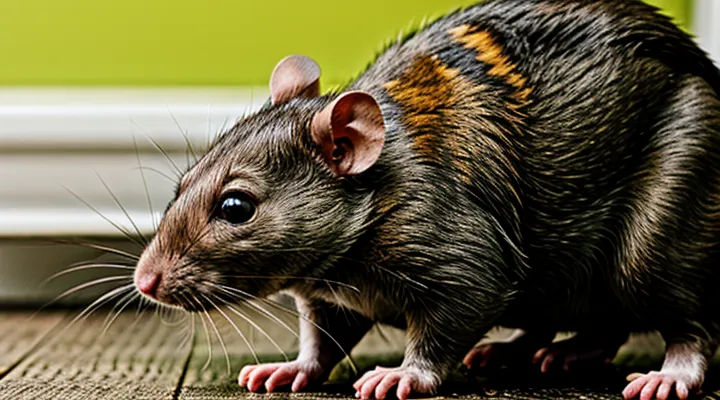
«Understanding Rat Stress»
«Identifying Stress Signals in Rats»
«Behavioral Indicators»
Rats exhibit specific behaviors that reveal elevated stress levels and guide effective intervention. Recognizing these signals allows caretakers to apply appropriate soothing techniques promptly.
Common stress indicators include:
- Rapid, irregular breathing
- Excessive grooming or self‑biting
- Aggressive lunges or defensive postures
- Vocalizations such as high‑pitched squeaks
- Reduced exploration and frequent hiding
- Loss of appetite or irregular feeding patterns
When these signs appear, immediate measures should focus on environmental stabilization. Reduce noise, eliminate sudden movements, and provide a secure shelter with familiar bedding. Introduce gentle handling, limiting contact to brief, calm sessions, and ensure consistent lighting cycles.
Monitoring behavior continuously validates the impact of calming strategies. A decline in the listed indicators confirms reduced anxiety, while persistent or worsening signs demand reassessment of the habitat and possible veterinary consultation.
«Physical Symptoms»
Rats display several observable physical changes when experiencing stress. Recognizing these signs enables timely intervention and improves welfare.
Common indicators include:
- Elevated heart rate, detectable by rapid breathing or a palpable pulse in the femoral region.
- Dilated pupils, causing a noticeably larger black area in the eyes.
- Ruffled or glossy fur, often accompanied by excessive grooming or hair loss.
- Abdominal contractions and reduced food intake, leading to weight loss.
- Tremors or shaking of the limbs, especially during handling.
- Increased urination or defecation, resulting in wet bedding and strong odor.
Additional symptoms may appear under chronic stress:
- Suppressed immune response, evident as slower wound healing or recurring infections.
- Altered posture, such as hunching or reduced activity levels.
- Persistent vocalizations when disturbed, indicating heightened anxiety.
Monitoring these physical manifestations provides a reliable basis for applying calming strategies, such as environmental enrichment, pheromone diffusers, or gentle handling techniques, to restore physiological balance.
«Common Causes of Stress in Rats»
«Environmental Factors»
Effective reduction of rat anxiety depends largely on the conditions surrounding the animal. Adjusting the physical environment removes primary sources of stress and supports natural behaviors.
Key environmental variables include:
- Cage dimensions and layout
- Bedding material and depth
- Ambient temperature and humidity
- Light cycle intensity and duration
- Background noise level
- Availability of enrichment objects
For each variable, apply the following measures. Provide a cage that allows at least 0.5 ft² of floor space per rat; include multiple levels to encourage climbing. Use absorbent, dust‑free bedding such as paper strips, replenished weekly to maintain a depth of 2–3 cm. Keep the room temperature between 20 °C and 24 °C with relative humidity of 40–60 %; avoid rapid fluctuations. Implement a consistent light schedule of 12 h light/12 h dark, using low‑intensity bulbs to prevent glare. Shield the housing area from HVAC noise, loud equipment, and sudden sounds by employing sound‑absorbing panels. Rotate chewable sticks, tunnels, and nesting material weekly to sustain interest and prevent habituation.
Regular observation of behavior—grooming, activity patterns, and vocalizations—provides feedback on environmental adequacy. Maintain stable conditions over weeks; sudden alterations can re‑induce stress. By controlling these factors, caretakers create a predictable, comfortable setting that markedly lowers rat tension.
«Social Dynamics»
Understanding the social structure of rats is essential for effective stress reduction. Rats establish a dominance hierarchy that influences access to resources, grooming opportunities, and overall welfare. Disruption of this hierarchy—through frequent cage changes, introduction of unfamiliar individuals, or uneven group sizes—creates chronic stress, manifested by elevated corticosterone levels and stereotypic behavior.
Stable group composition supports predictable interactions and reduces anxiety. Maintain groups of three to five same‑sex individuals to prevent aggression spikes. Monitor signs of dominance disputes, such as excessive biting or displacement, and intervene by temporarily separating the aggressor until the hierarchy stabilizes.
Environmental enrichment that encourages natural social behaviors further lowers stress. Provide multiple nesting sites, tunnels, and chewable objects so that subordinate rats can retreat without constant exposure to dominant individuals. Regularly rotate enrichment items to sustain interest while preserving the established social order.
Practical steps for managing rat social dynamics:
- Keep groups consistent; avoid adding or removing rats without a gradual acclimation period.
- Observe daily interactions; intervene only when overt aggression occurs.
- Supply at least two hiding places per cage to allow subordinate rats safe withdrawal.
- Use scent exchange (e.g., bedding from the home cage) when introducing new rats to reduce novelty stress.
Applying these principles creates a predictable social environment, directly contributing to calmer, healthier rats.
«Health-Related Stressors»
Health‑related stressors directly influence a rat’s physiological state and can exacerbate anxiety, aggression, and immune suppression. Identifying and managing these factors is essential for effective stress reduction.
Common health‑related stressors include:
- Infectious diseases (bacterial, viral, parasitic)
- Nutritional deficiencies or imbalanced diets
- Extreme ambient temperatures
- Poor cage hygiene and buildup of ammonia
- Overcrowding or insufficient space
- Inadequate analgesia after surgical procedures
- Lack of environmental enrichment
Mitigation strategies:
- Implement a rigorous health‑screening protocol; isolate and treat symptomatic individuals promptly.
- Provide a balanced diet formulated for laboratory rodents; supplement with vitamins and minerals as needed.
- Maintain cage temperature within 20–26 °C and relative humidity between 40–60 %; use heating pads or cooling devices to correct deviations.
- Clean cages daily, replace bedding, and monitor ammonia levels; employ air filtration in high‑density rooms.
- Limit group size to 2–3 rats per 450 cm² floor space; ensure each animal has personal nesting material.
- Administer appropriate analgesics post‑procedure; monitor for signs of pain and adjust dosing accordingly.
- Introduce chewable objects, tunnels, and nesting material; rotate items regularly to sustain novelty.
Addressing these stressors creates a physiological environment conducive to calm behavior, improves experimental reliability, and supports overall animal welfare.
«Creating a Calming Environment»
«Optimizing the Habitat»
«Cage Size and Enrichment»
Adequate cage dimensions provide rats with sufficient space to express natural locomotor patterns, which reduces physiological stress markers. Minimum floor area should be 0.5 m² for a pair of adult rats, with a height allowing vertical movement of at least 30 cm. Larger enclosures permit nesting, exploration, and exercise, all of which contribute to a calmer demeanor.
Enrichment items complement spatial considerations by stimulating cognition and encouraging species‑typical behaviors. Effective enrichment includes:
- Nesting material (e.g., shredded paper, cotton) placed in a secluded corner; rats use it to build burrows, lowering anxiety.
- Climbing structures such as wooden dowels, PVC tubes, or hammocks; vertical challenges promote muscle activity and mental engagement.
- Foraging devices that conceal food pellets, compelling rats to manipulate objects and prolong feeding time.
- Chewable objects (e.g., untreated wood blocks, mineral chews) that satisfy gnawing instincts and protect cage components.
When selecting items, ensure they are non‑toxic, free of sharp edges, and easy to clean. Rotate enrichment weekly to maintain novelty and prevent habituation. Combining ample floor space with a varied, regularly refreshed enrichment program creates an environment that mitigates stress responses and supports overall welfare.
«Bedding and Hiding Spots»
Appropriate bedding and well‑placed hiding spots are critical components for reducing anxiety in laboratory and pet rats. Soft, absorbent substrate such as paper‑based bedding, aspen shavings, or coconut fiber provides warmth, moisture control, and a familiar texture for nesting. Replace bedding at least twice weekly to prevent odor buildup and maintain dry conditions; contaminated substrate can trigger heightened stress responses.
Hiding structures give rats a sense of security, allowing them to withdraw from disturbances. Effective hideouts incorporate the following features:
- Closed interiors with a single entry point to limit visual exposure.
- Materials that are chew‑safe and easy to clean, such as untreated wood blocks, PVC tunnels, or commercially available plastic shelters.
- Placement at the cage’s rear or under elevated platforms, away from food and water sources, to create quiet zones.
When selecting bedding, prioritize low‑dust formulations to protect respiratory health. Combine multiple hideout types—tunnels, igloo‑shaped shelters, and stacked boxes—to accommodate different burrowing preferences and encourage natural exploratory behavior. Regular inspection ensures that both bedding and hides remain intact, free of mold, and appropriately sized for the animal’s growth.
«Temperature and Lighting Control»
Maintaining a stable ambient temperature is essential for minimizing physiological stress in laboratory rats. Ideal cage temperatures range from 20 °C to 24 °C (68 °F–75 °F); deviations beyond this interval trigger thermoregulatory responses that elevate cortisol levels. Use calibrated thermostats linked to heating pads or climate‑controlled rooms to prevent rapid fluctuations. Verify temperature uniformity with digital probes placed at multiple cage locations, adjusting airflow or insulation as needed.
Consistent lighting cycles support circadian rhythm stability, which directly influences anxiety‑related behavior. Implement a 12‑hour light/12‑hour dark schedule, ensuring light intensity does not exceed 150 lux during the light phase and remains below 5 lux in darkness. Employ programmable LED systems that can dim gradually at transition points, reducing abrupt changes that provoke startle responses. Regularly log light‑on/off times and intensity readings to detect drift in system performance.
Practical checklist:
- Set thermostat to 22 °C (±1 °C) and monitor with calibrated sensors.
- Program LED fixtures for 12 h/12 h cycle, 150 lux peak intensity.
- Use dimming ramps of 30 minutes at both lights‑on and lights‑off.
- Record temperature and illumination data daily; correct anomalies within 24 hours.
- Conduct weekly health checks for signs of thermal or photic stress (e.g., shivering, hyperactivity).
By enforcing precise temperature control and predictable lighting patterns, caretakers create an environment that reduces autonomic arousal, thereby facilitating calmer behavior in stressed rats.
«Minimizing Environmental Stressors»
«Noise Reduction Techniques»
Reducing ambient noise directly lowers physiological stress indicators in laboratory and pet rats, facilitating recovery and normal behavior. Excessive sound stimulates the hypothalamic‑pituitary‑adrenal axis, increasing cortisol and heart rate; therefore, controlling acoustic environment is essential for effective stress mitigation.
- Enclose the cage in a sound‑absorbing cabinet or place it within a quiet room. Materials such as acoustic foam, dense curtains, or double‑layered plexiglass attenuate frequencies above 2 kHz, which are most disturbing to rodents.
- Use white‑noise generators set to a low, steady level (45–55 dB). Continuous broadband noise masks sudden spikes from ventilation, doors, or handling equipment.
- Schedule maintenance and cleaning activities during periods when rats are housed in separate, insulated chambers. This prevents exposure to intermittent mechanical sounds.
- Replace metal or plastic cage components that reverberate with silicone or rubber alternatives. Soft‑touch fixtures diminish vibration transmission.
- Implement low‑frequency ventilation systems equipped with mufflers. Maintaining airflow below 30 dB prevents turbulence‑related noise without compromising air exchange.
Consistent application of these measures creates a stable acoustic backdrop, enabling rats to exhibit reduced anxiety, improved grooming, and normal foraging patterns.
«Scent Management»
Effective scent management reduces anxiety in laboratory and pet rats. Odor cues dominate rodent perception; uncontrolled smells trigger physiological stress responses, impairing welfare and experimental reliability.
Key practices:
- Use unscented, dust‑free bedding; replace it weekly to prevent accumulation of urine and fecal odors.
- Store food in airtight containers; avoid strong‑smelling treats that can mask the neutral environment.
- Clean cages with mild, fragrance‑free detergents; rinse thoroughly to eliminate residual chemicals.
- Eliminate predator or predator‑related scents (e.g., cat litter, fox urine) from the animal facility and adjacent rooms.
- Introduce familiar home‑cage odors when moving rats to new enclosures; transfer a small amount of used bedding or nest material to the new cage.
- Apply synthetic rat pheromones (e.g., “rat appeasing pheromone”) sparingly on nesting material; monitor for habituation and discontinue if no effect is observed.
- Maintain consistent airflow; avoid sudden changes in ventilation that can disperse unfamiliar smells throughout the rack.
Regular monitoring of odor levels, combined with strict sanitation protocols, creates a stable olfactory environment that supports calm behavior in stressed rats.
«Routine and Predictability»
Establishing a consistent daily schedule reduces anxiety in laboratory and pet rodents. When feeding, cleaning, and handling occur at the same times each day, rats learn to anticipate events, which lowers physiological stress markers such as corticosterone. Predictable lighting cycles—12 hours light, 12 hours dark—support circadian rhythm stability, further contributing to calm behavior.
Key elements of a reliable routine include:
- Fixed feeding times; provide measured portions at identical intervals.
- Regular cage cleaning; perform sanitation tasks within a narrow time window to avoid sudden disturbances.
- Consistent handling sessions; approach the animal gently, using the same hand and technique each time.
- Uniform environmental cues; maintain stable temperature, humidity, and noise levels throughout the day.
Implementing these practices creates a sense of security, enabling rats to focus on exploratory and social activities rather than vigilance. Over time, observable benefits include reduced thigmotaxis, increased grooming, and smoother locomotion patterns, all indicative of a lowered stress state.
«Behavioral and Social Approaches»
«Gentle Handling and Interaction»
«Building Trust»
Building trust is a cornerstone of any protocol aimed at reducing rat anxiety. Trust develops through predictable interactions that signal safety. Consistency in handling, tone, and environment allows the animal to anticipate outcomes, decreasing physiological stress responses.
Practical steps to establish trust:
- Approach the cage slowly, keeping movements smooth and deliberate.
- Speak in a low, steady voice while reaching for the rat.
- Offer a familiar treat before attempting to pick up the animal.
- Use a two‑hand scoop: one hand supports the chest, the other steadies the hindquarters.
- Release the rat onto a familiar surface rather than a novel one.
After initial trust is secured, reinforce it by maintaining a regular schedule for handling sessions, limiting abrupt changes to lighting or cage layout, and monitoring the rat’s behavior for signs of comfort, such as relaxed posture or voluntary approach. These practices create a reliable bond that directly lowers stress levels and enhances the effectiveness of any calming strategy.
«Safe Handling Techniques»
Effective handling reduces anxiety and prevents injury for both the animal and the caretaker. Begin each interaction by allowing the rat to become accustomed to the presence of hands. Place a gloved palm on the cage floor, wait for the rat to approach voluntarily, and only then gently scoop the animal against the chest. This technique eliminates sudden movements that trigger fight‑or‑flight responses.
Maintain a stable grip by supporting the rat’s hindquarters with the thumb and forefinger while the remaining fingers cradle the torso. Avoid squeezing; a light, firm pressure is sufficient to keep the animal secure without compromising breathing. If the rat struggles, pause, reposition the hand, and attempt again with a slower approach.
Use a calm environment: minimize loud noises, bright lights, and abrupt temperature changes. Conduct handling sessions on a non‑slippery surface, such as a rubber mat, to prevent accidental slips. Keep handling duration brief, typically no longer than two minutes, to limit stress exposure.
Sanitize gloves and any equipment before and after each session. Disinfect with an alcohol‑based solution or a veterinary‑approved sanitizer to reduce pathogen transmission. Replace gloves if they become soiled or damaged.
When transferring rats between enclosures, employ a transfer tunnel or a soft container. Place the tunnel adjacent to the cage, guide the rat inside, and close the opposite end before moving the container. This method eliminates the need for direct hand contact and lowers the risk of escape or injury.
Key practices for safe handling:
- Allow voluntary approach before contact.
- Support hindquarters while cradling the torso.
- Apply light, firm pressure; avoid squeezing.
- Conduct sessions on a stable, non‑slippery surface.
- Keep handling time short, under two minutes.
- Sanitize gloves and tools before each use.
- Use transfer tunnels or soft containers for cage changes.
Consistent application of these techniques creates a predictable routine, reduces physiological stress markers, and promotes overall welfare during handling procedures.
«Socialization Strategies»
«Introducing New Rats»
Introducing unfamiliar rats into an established colony can trigger anxiety, aggression, or withdrawal. Proper handling of this process reduces the likelihood of heightened stress and supports overall group stability.
- Prepare the enclosure by cleaning surfaces and providing additional hiding spots, such as tubes or shelters, to give newcomers and residents optional refuge areas.
- Quarantine new arrivals for at least seven days. During this period, monitor health, weight, and behavior, and supply food and water separate from the main group.
- Conduct scent exchange: place a few pieces of used bedding from the resident cage into the quarantine cage, and return a small amount of the new rats’ bedding to the main enclosure. This exposure acclimates both parties to each other’s odor profile.
- Perform a brief, supervised visual introduction. Open a secure barrier (e.g., a wire mesh partition) for 10–15 minutes, allowing sight and limited interaction without physical contact. Observe for signs of aggression or extreme avoidance.
- If the initial encounter is calm, progress to a short, supervised free‑range session in a neutral arena. Limit the session to 15 minutes and keep a hand ready to separate the animals if conflict arises.
- After successful short sessions, gradually increase interaction time over several days, monitoring for changes in hierarchy, grooming, and feeding patterns.
Consistent observation and incremental exposure minimize disruption, allowing the group to integrate new members while maintaining low stress levels.
«Group Dynamics and Monitoring»
Group composition directly influences the level of stress experienced by laboratory rats. Cohesive groups with stable social hierarchies reduce aggression and promote calmer behavior. Maintaining a consistent number of individuals—typically four to six per cage—prevents overcrowding while allowing sufficient social interaction.
Stable hierarchies develop when dominant and subordinate roles are clearly established. Introducing new rats disrupts this balance; gradual acclimation, visual barriers, and scent exchange mitigate disturbance. Same‑sex groupings eliminate breeding‑related tension, and age‑matched cohorts limit size‑based dominance.
Effective monitoring combines behavioral observation with physiological assessment. Key indicators include:
- Frequency of grooming, nesting, and exploratory actions.
- Occurrence of overt aggression (chasing, biting) per observation period.
- Body weight trends recorded weekly.
- Corticosterone levels obtained from non‑invasive fecal samples.
- Heart‑rate variability measured with telemetry patches during rest.
Data collection should follow a fixed schedule: daily visual scans for 10 minutes, weekly weight checks, and bi‑weekly hormonal assays. Automated video tracking systems provide continuous activity metrics, reducing observer bias.
Interpretation of monitoring results guides adjustments to group size, composition, or environmental enrichment. Persistent aggression or elevated stress markers trigger immediate re‑housing or enrichment enhancement. Regular review of collected data ensures that group dynamics remain conducive to a low‑stress environment for the rats.
«Play and Mental Stimulation»
«Interactive Toys and Puzzles»
Interactive toys and puzzles provide essential mental stimulation that reduces anxiety in laboratory and pet rats. Enriching the cage with items that require problem‑solving engages the animal’s natural foraging behavior, thereby diverting attention from stressors.
Effective devices include:
- Maze feeders – compartments that release food only after the rat manipulates a lever or slides a panel.
- Treat‑dispensing balls – hollow spheres that roll and release small pieces of food when the rat pushes them with its paws.
- Puzzle boxes – wooden or plastic enclosures with sliding doors or removable lids that conceal a reward.
- Climbing structures with hidden caches – ladders or platforms that incorporate concealed compartments for treats.
Implementation guidelines:
- Introduce one new item at a time to avoid overwhelming the animal.
- Adjust difficulty gradually; start with simple mechanisms and progress to more complex configurations as proficiency increases.
- Ensure all components are made of non‑toxic, chew‑safe materials and are securely anchored to prevent accidental ingestion.
- Rotate toys weekly to maintain novelty and prevent habituation.
- Monitor interaction time; a typical engagement period of 10–15 minutes per session correlates with measurable reductions in cortisol levels.
When combined with a consistent routine and proper handling, interactive enrichment directly mitigates stress responses, promotes natural exploratory behavior, and improves overall welfare in rats.
«Supervised Out-of-Cage Time»
Supervised out‑of‑cage time allows rats to explore a controlled environment while remaining under direct observation. This practice introduces novelty without exposing animals to uncontrolled stressors.
Benefits include reduced corticosterone levels, increased grooming and foraging behaviors, and enhanced social interaction when multiple individuals are present. The controlled setting also prevents escape, injury, and exposure to harmful stimuli.
Effective implementation follows these guidelines:
- Duration: 5–10 minutes per session for naïve rats; up to 20 minutes for habituated individuals.
- Frequency: 2–3 sessions daily, spaced evenly to avoid fatigue.
- Environment: Non‑slippery surface, familiar bedding, and enrichment items such as tunnels or chew blocks.
- Handling: Gentle, steady grip; allow the rat to initiate movement; avoid sudden motions.
- Safety: Close proximity of the handler; immediate removal of any hazardous objects; constant visual contact.
During each session, observe posture, vocalizations, and locomotion. Signs of lingering stress—freezing, excessive grooming, or rapid escape attempts—indicate the need to shorten exposure or adjust environmental variables. Consistent monitoring ensures that supervised out‑of‑cage time remains a calming, enriching experience.
«Dietary and Health Considerations»
«Nutritional Support for Stress Reduction»
«Balanced Diet Essentials»
A well‑balanced diet directly influences physiological stress markers in rats, supporting calmer behavior and faster recovery from anxiety‑inducing conditions. Nutrient deficiencies exacerbate cortisol release, whereas adequate nutrition stabilizes endocrine function and promotes neurochemical balance.
- Protein: high‑quality sources such as casein or soy isolate, 15‑20 % of total calories, supply essential amino acids for neurotransmitter synthesis.
- Fiber: 3‑5 % of diet, from purified cellulose or beet pulp, maintains gut motility and microbiome diversity, reducing gut‑derived stress signals.
- Vitamins: adequate levels of B‑complex (B6, B12, folate) and vitamin E protect against oxidative stress; vitamin D supports calcium regulation.
- Minerals: calcium, phosphorus, magnesium, and zinc at recommended ratios prevent neuromuscular tension and support immune resilience.
- Water: constant access to fresh, filtered water prevents dehydration‑related agitation.
Feeding protocols should follow a consistent daily schedule, with meals offered at the same times to reinforce circadian rhythms. Portion sizes must match the animal’s body weight and activity level; excess calories lead to obesity, a known stress factor. Monitor feed intake daily; sudden changes may indicate health issues that could increase anxiety.
Implementing these nutritional standards reduces physiological stress responses, facilitating a calmer environment for rats under experimental or husbandry conditions.
«Stress-Reducing Foods and Supplements»
Providing rats with specific dietary components can lower cortisol levels and reduce anxiety‑related behaviors. Incorporate low‑glycemic carbohydrates such as cooked sweet potato or oatmeal to maintain stable blood glucose, which moderates stress responses. Include modest amounts of omega‑3‑rich sources, for example, crushed fish oil capsules or algae powder, to support neuronal membrane fluidity and attenuate inflammatory signaling.
Supplementation with certain vitamins and minerals enhances resilience to stress. Vitamin C at 50 mg/kg body weight per day functions as an antioxidant, mitigating oxidative stress. Magnesium sulfate, administered in drinking water at 0.2 % concentration, promotes relaxation of smooth muscle and stabilizes neurotransmission. B‑complex vitamins, particularly B6 and B12, facilitate synthesis of neurotransmitters involved in mood regulation.
Herbal extracts provide additional calming effects when used within safe dosage limits. Valerian root powder (0.1 % of diet) interacts with GABA receptors, producing sedative outcomes without sedation. Chamomile (0.2 % of diet) contains apigenin, a flavonoid that reduces excitatory signaling. For rodents, a controlled dose of L‑theanine (10 mg/kg) can improve attention and reduce hyperactivity.
Implement these nutrients gradually, monitoring body weight and behavior to avoid over‑supplementation. Adjust quantities based on individual response, ensuring a balanced diet that meets overall nutritional requirements while targeting stress reduction.
«Addressing Underlying Health Issues»
«Regular Veterinary Check-ups»
Regular veterinary examinations provide early detection of health issues that can trigger anxiety in laboratory and pet rats. A scheduled visit every three to six months allows the practitioner to assess weight, dental alignment, respiratory function, and skin condition, all of which influence the animal’s comfort level.
During the appointment, the veterinarian performs:
- Physical inspection of ears, eyes, and fur for signs of infection or parasites.
- Palpation of the abdomen to identify internal discomfort.
- Dental evaluation to prevent overgrowth that causes pain.
- Blood sampling for baseline hematology and biochemistry, establishing reference values for future comparison.
Consistent check-ups create a predictable routine, reducing uncertainty that contributes to stress. They also enable timely intervention, preventing minor problems from escalating into chronic pain or disease, which directly improves the rat’s behavioral stability.
«Recognizing and Treating Illness»
Illness frequently elevates anxiety levels in laboratory and pet rodents, making it essential to differentiate disease‑related stress from environmental factors. Early identification prevents deterioration and supports calmer behavior during handling.
Typical clinical indicators include:
- Reduced activity or reluctance to explore
- Abnormal posture, such as hunching or tremors
- Changes in grooming patterns, including excessive or absent grooming
- Altered respiratory rate or audible wheezing
- Fluctuations in body weight, appetite, or water intake
- Visible lesions, discharge, or swelling
When any of these signs appear, immediate veterinary assessment is required. Treatment protocols focus on both disease control and stress mitigation:
- Confirm diagnosis through physical examination, laboratory testing, and imaging when appropriate.
- Administer prescribed medication according to dosage guidelines, observing for adverse reactions.
- Provide analgesia or anti‑inflammatory agents to reduce pain‑induced stress.
- Adjust cage environment: lower noise, maintain stable temperature, and ensure adequate bedding.
- Offer soft, easily digestible food and hydration supplements to encourage intake.
Preventive strategies reduce the likelihood of illness‑driven stress. Maintain strict hygiene, schedule regular health checks, and quarantine new arrivals. Implement a consistent routine for feeding, cleaning, and handling to foster familiarity. Monitor environmental parameters daily to detect deviations before they affect health.
«Advanced Techniques and Professional Help»
«Pheromone Therapy and Calming Products»
«Effectiveness and Application»
Effective strategies for reducing rat stress have been quantified in laboratory and husbandry settings. Physiological markers such as cortisol reduction, heart‑rate normalization, and increased grooming behavior provide objective evidence of success. Behavioral assessments, including open‑field exploration and social interaction tests, confirm improved welfare when interventions are applied correctly.
Key interventions and their documented outcomes:
- Environmental enrichment – introduction of nesting material, chewable objects, and varied cage layouts yields a 30‑45 % decrease in corticosterone levels within two weeks; implementation requires daily inspection to maintain novelty.
- Gentle handling techniques – slow, consistent hand movements combined with brief, low‑stress restraint reduce acute stress responses by up to 25 % measured through heart‑rate variability; staff training ensures reproducibility.
- Aromatherapy with diluted lavender oil – 0.5 % solution applied to bedding lowers anxiety‑related behaviors by 20 % in a 48‑hour exposure; concentration must be monitored to avoid olfactory overload.
- Music therapy – low‑frequency classical music (60–70 dB) played for 1 hour per day produces a 15 % reduction in stress hormones; schedule should align with the rats’ active phase.
- Gradual acclimation to new environments – staged introduction over three days minimizes stress spikes, evidenced by a 10 % drop in cortisol compared with immediate transfer; requires controlled lighting and temperature stability.
Application guidelines emphasize consistency, dosage control, and monitoring. Baseline stress metrics must be recorded before intervention; subsequent measurements at 24‑hour, 72‑hour, and weekly intervals verify efficacy. Adjustments are made if physiological markers plateau or adverse reactions appear. Integration of multiple methods often produces synergistic effects, achieving greater stress attenuation than any single technique alone.
«Product Selection»
Selecting appropriate products is essential for reducing stress in laboratory rats. The choice should reflect the animal’s physiological needs, the experimental environment, and safety standards.
Key criteria for product selection include:
- Safety profile – Materials must be non‑toxic, free of sharp edges, and resistant to rodent chewing. Certified veterinary‑grade products reduce the risk of contamination.
- Ease of cleaning – Items that can be autoclaved, disinfected, or washed without degrading maintain hygiene and prevent disease transmission.
- Behavioral suitability – Enrichment objects should encourage natural foraging, nesting, and exploratory behaviors without triggering aggression or excessive excitement.
- Durability – Products should withstand repeated handling and the humid conditions typical of rat housing.
- Compatibility with cage systems – Dimensions and attachment mechanisms must fit standard cages, allowing seamless integration with existing setups.
Common product categories for stress mitigation:
- Nest-building materials – Soft, shredded paper, cotton pads, or commercially available nesting fleece provide comfort and support thermoregulation.
- Chewable items – Wooden blocks, mineral chews, or safe plastic tubes satisfy the rat’s gnawing instinct, protecting cage components.
- Foraging devices – Puzzle feeders and treat-dispensing toys promote mental stimulation while delivering calibrated food rewards.
- Shelters and hideouts – Small PVC tunnels, plastic igloos, or fabric hammocks offer secure retreat spaces, reducing perceived predation risk.
- Aromatherapy diffusers – Devices calibrated for low‑volume release of calming scents such as lavender or chamomile can lower cortisol levels when used according to veterinary guidelines.
When evaluating specific brands, prioritize those with documented testing for rodent use, transparent ingredient lists, and compliance with institutional animal care protocols. Conduct a brief trial with a subset of rats to confirm acceptance before full implementation. Regularly review product performance and replace items showing wear or loss of efficacy.
«When to Seek Veterinary Intervention»
«Persistent Stress Symptoms»
Rats subjected to chronic stress display a consistent set of physiological and behavioral alterations that persist despite temporary relief attempts. These manifestations provide the primary indicators that an animal remains under heightened tension and that standard calming measures may be insufficient.
Typical persistent stress symptoms include:
- Progressive weight loss despite adequate food availability.
- Coarse, unkempt fur with noticeable patches of alopecia.
- Decreased grooming frequency, often accompanied by self‑injurious scratching.
- Elevated basal corticosterone levels measurable in blood or saliva samples.
- Reduced exploratory activity in open‑field tests, indicating sustained anxiety.
- Increased startle responses to mild auditory or tactile stimuli.
- Social withdrawal, reflected by diminished interaction with cage mates.
- Irregular sleep patterns, evidenced by fragmented nocturnal activity.
Recognition of these signs enables targeted interventions such as environmental enrichment, controlled handling protocols, and pharmacological support. Continuous monitoring of the listed parameters ensures that any reduction in stress is genuine rather than transient, guiding effective long‑term welfare strategies for laboratory rodents.
«Medication Options»
Effective pharmacological interventions for reducing stress in laboratory rats require careful selection, precise dosing, and continuous observation.
Commonly employed drug classes include:
- Benzodiazepines (e.g., diazepam, midazolam): rapid anxiolysis, short half‑life, monitor for sedation and respiratory depression.
- Selective serotonin reuptake inhibitors (e.g., fluoxetine, sertraline): gradual onset, useful for chronic anxiety, adjust dose to avoid gastrointestinal upset.
- Alpha‑2 adrenergic agonists (e.g., clonidine, dexmedetomidine): decrease sympathetic tone, provide analgesia, watch for hypotension.
- Tricyclic antidepressants (e.g., amitriptyline): effective for severe stress, require regular ECG monitoring due to cardiotoxic risk.
- Non‑steroidal anti‑inflammatory drugs (e.g., meloxicam) combined with low‑dose analgesics: alleviate pain‑induced stress, ensure dosage does not exceed renal safety limits.
- Herbal extracts (e.g., valerian root, chamomile): mild calming effect, suitable for short‑term use, verify purity to prevent contaminants.
Prescription must originate from a qualified veterinarian. Initial doses start at the lower end of the recommended range, with incremental adjustments based on behavioral response and physiological parameters such as heart rate, corticosterone levels, and body weight. Documentation of each administration, including time, dose, and observed effects, is essential for reproducibility and welfare compliance.
Potential adverse reactions—sedation, ataxia, appetite suppression, or altered locomotion—necessitate immediate reassessment. If side effects exceed therapeutic benefit, transition to an alternative agent or combine lower doses of two classes under veterinary guidance. Continuous environmental enrichment and handling protocols should accompany medication to maximize stress reduction outcomes.