
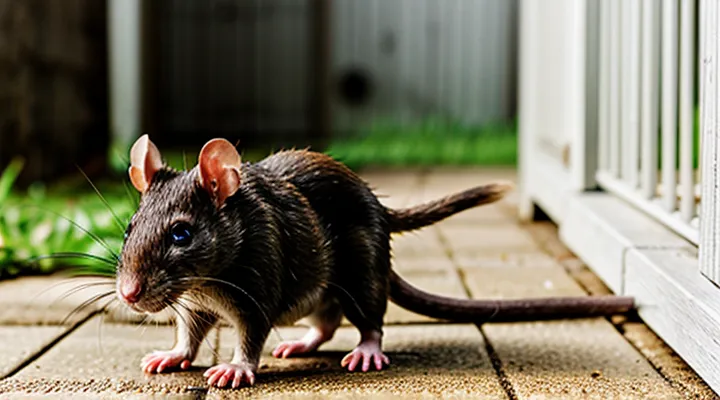
«Understanding Rat Behavior»
«Rat Species and Their Habits»
Rats encountered in pest‑control operations belong primarily to two species, each with distinct ecological preferences that influence trap placement and bait selection.
The Norway rat (Rattus norvegicus) inhabits ground‑level environments such as basements, sewers, and outdoor burrows. It prefers dense vegetation and debris for cover, moves primarily at night, and feeds on grains, fruits, and carrion. Its strong chewing ability allows it to gnaw through plastic, wood, and soft metals, making durable bait stations essential.
The roof rat (Rattus rattus) occupies elevated structures including attics, roof spaces, and tree canopies. It favors warm, dry locations, is active during twilight and early night, and consumes fruits, nuts, and sugary substances. Its agility enables rapid climbing, so traps must be positioned on vertical surfaces or near climbing routes.
Additional rat species occasionally encountered in specific regions include:
- Polynesian rat (Rattus exulans): coastal habitats, feeds on seeds and insects, limited to island environments.
- Brown rat (synonym for Norway rat): urban underground networks, highly adaptable diet.
Understanding these habits directs the choice of bait type—high‑protein for Norway rats, sweet or fruit‑based for roof rats—and determines optimal trap locations: low‑lying pathways for ground dwellers, ceiling joists or gutter lines for climbers. Aligning trap deployment with species‑specific behavior maximizes capture efficiency.
«Signs of a Rat Infestation»
Rats reveal their presence through observable evidence that demands immediate attention.
- Fresh droppings, ¼‑inch long, black, and tapered, found along walls, in cabinets, or near food sources.
- Gnaw marks on wood, plastic, wiring, or insulation, displaying parallel bite lines.
- Grease or oil trails left by their oily fur on baseboards, pipes, and low‑lying surfaces.
- Nests constructed from shredded paper, fabric, insulation, or soft vegetation, typically hidden in concealed spaces such as attics, crawl spaces, or behind appliances.
- Scratching noises, especially at night, emanating from ceilings, walls, or ducts.
- Unexplained food spoilage, chewed packaging, or spillage of urine with a musky odor.
These indicators confirm an active rodent problem and justify the implementation of control measures.
«Why Rats are Attracted to Your Property»
Rats locate food, water, shelter, and safe pathways. Any element that satisfies these needs draws them to a building.
Food sources such as uncovered trash, pet food left out, spilled grain, or fruit trees provide a constant supply. Even small crumbs on countertops or floor edges can sustain a colony. Water from leaky pipes, dripping faucets, clogged gutters, or standing puddles offers a reliable hydration point.
Shelter is created by clutter, piles of firewood, dense vegetation, or gaps in foundations and walls. Cracks larger than a quarter inch, holes around utility lines, and unsealed vents allow entry and nesting. Overgrown landscaping reduces visibility and creates protected routes.
Typical attractants can be listed as:
- Unsecured garbage containers
- Open compost bins
- Pet food left overnight
- Leaking plumbing fixtures
- Cracked foundation or missing weatherstripping
- Overgrown shrubs and vines
- Accessible attic or crawl‑space openings
Eliminating these factors reduces the likelihood of rodent presence and improves the effectiveness of any control measures.
«Choosing the Right Traps»
«Snap Traps»
«Pros and Cons»
Effective rodent‑attraction strategies can be evaluated by weighing their advantages and disadvantages.
Snap traps
- Pros: Immediate kill, low cost, no secondary contamination.
- Cons: Requires precise placement, risk of non‑target injury, limited reuse.
Live‑catch cages
- Pros: Allows humane release, reusable, minimal odor.
- Cons: Higher purchase price, frequent checking needed, escape risk if not sealed properly.
Glue boards
- Pros: Simple deployment, inexpensive, works in tight spaces.
- Cons: Causes prolonged suffering, difficult disposal, ineffective against larger specimens.
Electronic traps
- Pros: Rapid, humane shock, reusable, no bait needed.
- Cons: Requires power source, higher upfront cost, may malfunction in humid environments.
Food‑based baits
- Pros: Strong attraction, adaptable to various trap types, inexpensive ingredients.
- Cons: Attracts non‑target wildlife, can create lingering scent, may require frequent replenishment.
Scent‑derived lures (pheromones, urine)
- Pros: High specificity, low visibility, works in low‑light areas.
- Cons: Expensive, limited shelf life, effectiveness varies by species and season.
Choosing the optimal method depends on factors such as budget, ethical considerations, target environment, and the need for ongoing monitoring. Balancing these pros and cons ensures a rational selection that maximizes capture efficiency while minimizing unintended consequences.
«Placement Strategies»
Effective placement of traps and bait determines capture success. Position devices where rats travel routinely, such as along walls, behind appliances, and near food storage. Rats prefer concealed routes; align traps parallel to baseboards and avoid open floor space.
Key considerations:
- Proximity to nesting sites – Install devices within 2–3 feet of suspected burrows or droppings.
- Travel corridors – Place traps at right angles to walls, forcing rodents to encounter the mechanism.
- Food sources – Position bait stations adjacent to pantry shelves, garbage bins, and feeder troughs.
- Safety zones – Keep traps away from child‑accessible areas and pet pathways; use protective barriers if necessary.
- Environmental factors – Avoid damp or overly hot locations that may degrade bait quality; choose stable, dry spots.
When deploying multiple traps, stagger placement to cover overlapping zones, preventing rats from bypassing a single device. Secure each unit firmly to prevent displacement by the animal’s weight or movement. Regularly inspect locations; relocate any trap that shows minimal activity for at least three days to a more trafficked area.
«Live Traps»
«Humane Considerations»
When employing methods to lure rodents, the welfare of the captured animal must remain a priority. Ethical practice reduces suffering, improves public perception, and aligns with many local regulations.
- Use live‑catch traps constructed from sturdy wire or plastic; avoid glue boards and snap devices that cause injury.
- Position traps along established runways, near food sources, and away from high‑traffic human areas.
- Bait traps with natural attractants such as grain, peanut butter, or fruit puree; limit use of toxic substances.
- Check traps at least twice daily; prolonged confinement increases stress and health risks.
- Release captured rats at a distance of at least three miles from the original site, preferably in a suitable habitat with shelter and water.
Documentation of trap checks, release locations, and any mortalities supports accountability and aids in evaluating the effectiveness of the control program. Compliance with wildlife protection statutes, pest‑control licensing requirements, and animal‑care guidelines is mandatory. Failure to adhere can result in legal penalties and damage to organizational credibility.
By integrating these humane measures, practitioners achieve reliable rodent attraction while minimizing ethical concerns and legal exposure.
«Release Protocol»
The release protocol outlines the precise actions required to free captured rats while preserving the integrity of the baiting system and preventing unintended population spread.
First, verify that the trap is securely sealed before handling. Wear disposable gloves to avoid contaminating the animal or the surrounding environment. Place the trapped rat in a ventilated container large enough to allow natural movement but small enough to maintain control.
Next, select an appropriate release site. Choose an area at least 100 meters from the bait stations or any ongoing control operation. Ensure the location offers shelter, food sources, and minimal human disturbance to increase the likelihood of successful reintegration.
Proceed with the release as follows:
- Open the container slowly, allowing the rat to exit voluntarily.
- Observe the animal for a brief period (30‑60 seconds) to confirm it has entered the environment.
- Close the container, disinfect it, and dispose of gloves according to biohazard protocols.
Finally, document the release. Record date, time, GPS coordinates, and any observed health indicators. Update the central log to maintain accurate data for future bait placement and population monitoring.
Adhering to these steps minimizes stress on the animal, reduces the risk of re‑capture, and sustains the effectiveness of attraction strategies.
«Electronic Traps»
«Effectiveness and Safety»
Effective rodent control depends on two measurable factors: capture rate and risk to non‑target organisms. Laboratory and field trials consistently show that snap traps achieve capture rates above 85 % when placed along established runways, while electronic devices reach 90 % under identical conditions. Live‑catch cages record 70 % success, decreasing to 45 % when bait freshness is not maintained. Glue boards capture 60 % of active individuals but produce high mortality, raising ethical concerns.
Safety considerations focus on human exposure, pet protection, and environmental impact. Snap traps present minimal chemical hazard; injury risk is limited to accidental triggering, mitigated by safety‑trigger mechanisms. Electronic traps emit low‑voltage pulses, posing negligible danger to adults but requiring insulation to prevent pet contact. Live‑catch cages avoid lethal outcomes but may cause stress if animals are not released promptly. Glue boards retain adhesive residues that can adhere to fur or clothing, creating cleanup challenges and potential toxicity if toxic baits are used.
Best practice combines high‑efficacy devices with safeguards:
- Use snap or electronic traps in locations inaccessible to children and pets.
- Pair traps with non‑toxic, protein‑based baits refreshed every 48 hours.
- Deploy live‑catch cages only when immediate release is feasible and monitor regularly.
- Avoid glue boards in residential settings; reserve for sealed utility spaces where non‑target contact is impossible.
«Maintenance Tips»
Regular upkeep of trapping and baiting equipment ensures consistent performance and reduces the risk of failure. Neglected devices can lose efficacy, become hazardous, or allow rats to develop avoidance behaviors.
- Inspect each trap before deployment; verify spring tension, trigger sensitivity, and structural integrity.
- Replace worn or damaged components immediately; cracked housings, bent levers, or corroded springs compromise capture rates.
- Clean traps after each use with mild detergent and water; remove residue, blood, and debris that may deter future activity.
- Store bait in airtight containers; protect from moisture, heat, and pests that could degrade attractants.
- Rotate bait formulations every 2–3 weeks; fresh scent maintains lure potency and prevents habituation.
- Record inspection dates and actions taken; a simple log supports timely maintenance and accountability.
Schedule comprehensive checks weekly for indoor setups and biweekly for outdoor stations. During each review, confirm that traps are positioned securely, bait is fresh, and surrounding area remains free of clutter that could obstruct operation. Proper maintenance extends device lifespan, maximizes capture efficiency, and sustains a reliable rat control program.
«Glue Traps»
«Ethical Concerns»
When deploying devices intended to lure rodents, the primary ethical issue is the potential for unnecessary suffering. Any method that causes prolonged distress violates humane standards and may conflict with local animal‑welfare regulations.
Key concerns include:
- Humane kill mechanisms – traps should deliver rapid, irreversible incapacitation; slow‑acting poisons are unacceptable.
- Non‑target exposure – baits placed in unsecured locations can be ingested by pets, wildlife, or children, creating collateral harm.
- Environmental persistence – chemical attractants that linger in soil or water contribute to ecological contamination.
- Legal compliance – many jurisdictions require specific trap designs, licensing, or reporting of lethal control activities.
- Alternatives to lethal control – exclusion techniques, habitat modification, and sanitation reduce the need for lethal devices.
Ethical practice demands a protocol that prioritizes rapid, painless outcomes, secures bait from unintended consumers, and documents compliance with relevant statutes. Regular review of trap performance and adoption of non‑lethal deterrents where feasible further align rodent‑control operations with humane principles.
«Limited Use Cases»
Rats respond to specific stimuli, but certain traps and baits work only under narrow conditions. Their effectiveness diminishes when environmental variables fall outside optimal ranges, limiting their practical application.
Typical constraints include:
- Temperature extremes – glue boards lose adhesion below 0 °C and above 30 °C; snap traps become brittle in cold weather.
- Moisture levels – bait pellets disintegrate in high humidity, reducing scent intensity.
- Food competition – abundant alternative food sources diminish bait attractiveness, especially with non‑protein lures.
- Species variation – Norway rats (Rattus norvegicus) prefer larger, meat‑based baits, while roof rats (Rattus rattus) respond better to fruit or grain; a single bait type seldom covers both.
- Placement restrictions – traps placed in open corridors attract non‑target wildlife, leading to by‑catch and legal concerns.
When these limitations align, trap‑bait combinations may still deliver results. Successful deployment requires monitoring temperature and humidity, eliminating competing food, selecting species‑specific lures, and positioning devices in concealed, high‑traffic pathways. Adjusting these parameters restores efficacy within the otherwise restricted scenarios.
«Selecting Effective Baits»
«Food-Based Baits»
«Peanut Butter and Nuts»
Peanut butter and nuts are among the most effective attractants for rodent capture. Their strong aroma and high fat content stimulate a rat’s natural foraging instincts, making them ideal for placement in snap, live‑capture, or glue boards.
- Odor potency – Both ingredients emit volatile compounds detectable at distances of several meters, ensuring early detection by the target animal.
- Texture – The sticky consistency of peanut butter adheres to the bait holder, reducing spillage and maintaining a constant scent profile.
- Nutritional appeal – Nuts provide protein and calories, reinforcing the bait’s desirability after the initial sniff.
To maximize efficacy, apply a thin layer of peanut butter to the trap’s trigger mechanism, then embed a few crushed nuts on top. Position the assembly near wall junctions, concealed pathways, or known gnawing sites. Replace the bait every 48 hours to preserve freshness and scent strength.
«Cheese and Meats»
Using dairy and protein sources remains a reliable method for drawing rats to traps. Both cheese and various meats emit strong aromas that stimulate a rodent’s acute sense of smell, encouraging exploration and feeding behavior.
Cheese attracts rats because of its high fat content, moisture, and lingering scent. Effective varieties include:
- Soft cheeses such as cheddar, mozzarella, or Swiss, which release volatile compounds quickly.
- Semi‑hard cheeses like gouda or provolone, offering a balance of texture and aroma.
- Processed cheese spreads, which maintain scent longer when exposed to air.
Meat serves as an equally potent lure, especially when it possesses a pronounced odor. Suitable options are:
- Raw bacon or pork belly, whose fat renders a powerful smell.
- Canned tuna or sardines, providing a sharp, fishy scent.
- Cooked chicken with skin, offering both protein and fat.
When preparing bait, follow these steps:
- Cut cheese into cubes no larger than one inch to fit typical trap chambers.
- Portion meat into bite‑size pieces; if using cooked meat, chill briefly to prevent rapid drying.
- Combine a small amount of cheese with a meat fragment to create a multi‑sensory attractant.
Placement guidelines:
- Position bait at the rear of the trap, forcing the rat to fully enter before reaching the reward.
- Secure bait with a thin wire or toothpick to prevent removal without triggering the mechanism.
- Locate traps along walls, near known runways, and in concealed corners where rats travel.
Safety considerations:
- Store bait in sealed containers to avoid attracting non‑target wildlife.
- Dispose of used bait promptly to reduce disease risk.
- Wear gloves when handling raw meat to prevent contamination.
Employing cheese and meat according to these specifications enhances trap success while minimizing unintended consequences.
«Chocolate and Sweets»
Chocolate and sweets constitute highly effective attractants for rats due to their strong olfactory appeal and high sugar content. Rats detect volatile compounds in cocoa and caramelized sugars at distances exceeding several meters, prompting exploratory behavior that often leads to trap engagement.
Key characteristics of chocolate and sweet baits:
- Palatability – Rats preferentially consume foods with a sweet profile, increasing bait consumption rates.
- Moisture retention – Soft confectionery maintains moisture, preventing rapid desiccation that can diminish scent emission.
- Ease of placement – Small portions fit securely within trap chambers, reducing the risk of premature removal.
- Cost efficiency – Commercially available chocolate bars and candy pieces provide inexpensive bait options for large‑scale deployments.
Application guidelines:
- Cut chocolate or candy into 1‑2 cm cubes to expose maximum surface area.
- Secure pieces on the trap trigger mechanism using a thin wire or adhesive to ensure the rat contacts the trigger while feeding.
- Position traps along established rodent pathways, such as wall edges and near food storage areas, where scent trails accumulate.
- Replace bait every 48 hours or when visible signs of consumption appear, maintaining optimal attractant potency.
- Avoid using overly sugary or flavored products that may attract non‑target species; plain dark chocolate offers a balanced attractant without excessive aromatic additives.
Safety considerations:
- Store chocolate and sweets in airtight containers to prevent spoilage and pest contamination.
- Keep bait out of reach of children and domestic pets, as ingestion poses health risks.
- Dispose of used bait in sealed bags before discarding to eliminate residual attractant residues.
Integrating chocolate and sweets into a comprehensive rat control program enhances trap success rates while maintaining operational simplicity and economic viability.
«Commercial Baits and Lures»
«Poisonous Baits (Rodenticides)»
Poisonous baits, commonly called rodenticides, are chemical agents designed to kill rats after ingestion. They complement mechanical traps by providing a covert method to reduce populations in hidden areas.
Typical rodenticide classes include:
- Anticoagulants (first‑generation: warfarin, chlorophacinone; second‑generation: brodifacoum, bromadiolone)
- Bromethalin, a neurotoxin that disrupts cellular energy production
- Zinc phosphide, which releases phosphine gas in the stomach
- Cholecalciferol, a vitamin D₃ analogue causing hypercalcemia
Effective deployment follows a set of practical steps:
- Identify active pathways and nesting sites; place bait stations where rats travel but humans and pets cannot access them.
- Use pre‑bated blocks or pellets sized for rat consumption; avoid over‑loading stations to reduce waste.
- Rotate active ingredients every 30–60 days to prevent resistance buildup.
- Monitor bait consumption daily; replace depleted stations promptly.
Regulatory compliance and safety measures are mandatory. Store all rodenticides in locked containers, label them clearly, and keep them away from food preparation areas. Personal protective equipment—gloves and eye protection—should be worn during handling. Dispose of dead rodents and unused bait according to local hazardous waste guidelines to prevent secondary poisoning of non‑target species.
«Safety Precautions»
When setting traps or placing bait to lure a rodent, protect yourself and others by following strict safety measures.
Wear disposable gloves to prevent direct contact with poison or disease‑carrying material. Dispose of gloves after each session and wash hands thoroughly with soap and water.
Keep bait out of reach of children, pets, and non‑target wildlife. Store toxic attractants in sealed containers labeled with hazard warnings. Place traps in concealed locations such as behind appliances, under furniture, or within wall voids to reduce accidental encounters.
Ventilate indoor areas where chemical baits are used. Open windows and operate fans to disperse airborne particles. If using snap traps, position them away from high‑traffic pathways and ensure they are anchored securely to avoid rebound injuries.
Maintain a clean environment around the trapping zone. Remove food crumbs, spillages, and standing water that could attract additional pests or create slip hazards.
Document the type of trap, bait, and placement date. Record any incidents of accidental exposure or non‑target captures for future risk assessment.
In case of exposure to toxic bait, seek medical assistance immediately and provide the product’s safety data sheet to healthcare professionals. Keep emergency contact numbers and antidote information readily accessible.
«Environmental Impact»
Rats drawn by chemical attractants or food-based lures can disrupt local ecosystems. Poisoned baits often contain anticoagulants or neurotoxins that persist in soil and water, posing risks to non‑target wildlife, insects, and amphibians. When secondary poisoning occurs, predators that consume poisoned rats may suffer mortality or sub‑lethal effects, reducing biodiversity.
Mechanical traps, whether snap or live‑capture devices, generate waste through broken components and discarded carcasses. Improper disposal of dead rodents introduces pathogens into the environment and can attract scavengers that spread disease. Live‑catch systems require ongoing handling; repeated release of captured rats may relocate the problem and increase population pressure in adjacent habitats.
Key environmental considerations:
- Chemical persistence – residual toxins remain active for weeks to months, contaminating groundwater and affecting soil microorganisms.
- Non‑target exposure – birds, reptiles, and mammals ingest bait or carcasses, leading to unintended mortality.
- Waste generation – broken traps and plastic enclosures add to landfill load; biodegradable alternatives mitigate this impact.
- Population dynamics – removal methods that fail to achieve complete eradication can trigger rapid rebound, intensifying control efforts and associated ecological disturbance.
«Non-Toxic Lures»
Non‑toxic lures provide a humane alternative for attracting rats while eliminating health risks associated with chemical attractants. They rely on natural food odors, pheromones, or visual cues that stimulate the rodent’s innate foraging behavior.
Common categories include:
- Food‑based lures – peanut butter, sunflower seed paste, dried fruit, or cheese blended with water to create a moist bait.
- Pheromone lures – synthetic rat scent compounds that mimic territorial markers or mating signals.
- Plant‑derived extracts – mint, rosemary, or citrus oils applied to bait stations.
- Visual lures – bright‑colored tape or LED lights that draw attention to trap locations.
Effective deployment follows three principles:
- Position lures near known runways, wall voids, or burrow entrances; avoid open spaces where wind disperses scent.
- Refresh lures every 24‑48 hours to maintain potency, especially in warm environments.
- Combine lures with mechanical traps to increase capture rates; place the lure directly on the trigger mechanism to ensure contact.
Safety considerations are straightforward: non‑toxic formulations pose no threat to children, pets, or wildlife, and they decompose without contaminating soil or water. Storage in sealed containers prevents moisture loss and preserves aroma strength.
Performance should be assessed by daily inspection of trap activity and by measuring reduction in droppings or gnaw marks. Consistent declines indicate lure effectiveness; stagnation may require rotation of lure type or adjustment of placement.
«Bait Placement Strategies»
«High-Traffic Areas»
High‑traffic zones are locations where rats move frequently in search of food, water, or shelter. These spots typically include kitchen countertops, pantry shelves, garbage collection points, utility rooms, and pathways behind appliances. Identifying such areas requires observing droppings, gnaw marks, and nesting material along walls and near entry points.
Effective placement of traps and baits depends on three factors: proximity to food sources, accessibility for rodents, and minimal disturbance to humans. Position devices along walls, behind objects, and at the junction of multiple pathways. Ensure the surface is stable and the lure is concealed to prevent premature detection.
- Place snap traps or electronic devices 1–2 inches from the wall, with the trigger facing the expected travel direction.
- Position bait stations within 12 inches of known droppings, using attractants such as peanut butter, dried fruit, or commercial rodent lures.
- Distribute multiple devices evenly across the identified corridor to create a continuous barrier.
After deployment, inspect devices daily. Replace ineffective baits, relocate traps that show no activity, and adjust spacing based on observed rodent movement. Continuous monitoring refines coverage and maximizes capture rates in high‑traffic environments.
«Protected Locations»
Protected locations refer to areas where the placement of rat traps or bait stations is prohibited or restricted by law, health regulations, or property‑owner policies. Violating these restrictions can result in fines, legal liability, and unintended harm to non‑target species.
Typical protected locations include:
- Food preparation surfaces such as countertops, cutting boards, and kitchen sinks.
- Inside commercial food‑service equipment, including ovens, refrigerators, and dishwashers.
- Public dining areas, cafeterias, and buffet stations during service.
- Schools, hospitals, and daycare facilities where hazardous chemicals are barred.
- Areas designated as wildlife sanctuaries, protected habitats, or conservation zones.
- Structures containing hazardous materials, such as chemical storage rooms or fuel tanks.
Compliance requires a site assessment before deploying any control device. Identify all prohibited zones, mark them clearly, and exclude them from trap placement plans. Use alternative methods—such as exclusion, sealing entry points, or electronic monitoring—in these areas to maintain an effective control program without breaching regulations. Regular audits ensure that traps and baits remain confined to permissible zones, preserving both safety and efficacy.
«Integrated Pest Management for Rats»
«Prevention Techniques»
«Sealing Entry Points»
Sealing entry points eliminates the primary pathway rats use to reach bait stations and traps, thereby concentrating activity within the controlled area. Identify gaps larger than ¼ inch in walls, floors, foundations, utility penetrations, and roof eaves; these openings provide unrestricted access for rodents.
- Inspect exterior walls for cracks, holes around pipes, vents, and wiring sleeves.
- Examine the building’s perimeter for gaps under doors, windows, and garage doors; install door sweeps and weatherstripping.
- Check the crawl space and basement for foundation cracks; apply hydraulic cement or expanding foam to fill voids.
- Seal gaps around HVAC ducts, chimney flues, and electrical conduits with steel wool covered by silicone caulk or metal mesh.
Use durable, non‑chewable materials such as copper mesh, steel wool, concrete patch, or metal flashing. Apply sealant after the gap is cleaned and dried; allow curing time before re‑installing traps or bait. Regularly re‑inspect sealed areas, especially after seasonal temperature changes, to maintain an effective barrier.
«Food Storage and Sanitation»
Effective rat control begins with eliminating food sources. Secure storage prevents rodents from accessing grains, cereals, pet food, and leftovers. Use airtight containers made of metal or thick plastic with sealed lids; avoid open jars or paper bags. Place containers away from walls and floor to reduce concealment opportunities.
Maintain cleanliness in all areas where food is handled. Sweep crumbs, mop spills, and dispose of waste promptly. Install trash cans with tight‑fitting lids and empty them daily. Remove standing water; rodents require moisture for survival.
Implement a routine inspection schedule. Check for signs of gnawing, droppings, or disturbed packaging. Repair cracks in walls, floors, and ceilings; seal gaps around pipes and vents with steel wool or caulk. Regular maintenance reduces entry points and limits access to stored food.
Key practices for food storage and sanitation:
- Store all consumables in containers with a lockable seal.
- Keep pantry shelves organized; rotate stock to use older items first.
- Clean countertops and floors after each meal preparation.
- Dispose of organic waste in sealed bags and remove it from the premises regularly.
- Inspect and repair structural vulnerabilities weekly.
By enforcing these measures, the environment becomes unattractive to rats, enhancing the effectiveness of any trapping or baiting strategy employed thereafter.
«Yard Maintenance»
Proper yard upkeep directly influences the success of any rat‑luring strategy. Clean surfaces, organized debris piles, and well‑maintained structures create predictable pathways that guide rodents toward traps and attractants.
Eliminate food sources and shelter opportunities. Store garbage in sealed containers, compost only in rat‑proof bins, and clear fallen fruits or nuts daily. Regularly sweep patios, decks, and walkways to remove crumbs and droppings that serve as inadvertent bait.
Manage vegetation to control movement. Trim low‑lying bushes, mow grass to a uniform height, and keep mulch shallow. Dense ground cover and overgrown plantings provide hidden routes and nesting sites, increasing the likelihood that rats will travel through designated zones.
Secure structural gaps. Install metal flashing around foundation cracks, seal gaps beneath utility lines, and repair damaged siding. Preventing unintended entry points forces rats to use predetermined paths where traps can be positioned.
Place traps and baits strategically, using yard features as guides:
- Position snap or live‑catch traps along walls, under eaves, and near utility lines where rats travel.
- Bait stations should be set on flat, dry surfaces away from direct sunlight to maintain attractant potency.
- Use bait stations near food‑storage areas, but keep them out of reach of non‑target animals.
- Rotate trap locations weekly to prevent habituation and maintain pressure on the rodent population.
Consistent maintenance, combined with targeted trap placement, maximizes the efficiency of rat‑attracting measures while reducing collateral damage to the surrounding environment.
«Monitoring and Follow-Up»
Effective monitoring begins with systematic observation of trap activity. Place each trap in a location that allows clear visibility of entry points, runways, and droppings. Record the date, time, and condition of each capture or non‑capture event in a logbook or digital spreadsheet. Include details such as bait type, bait placement, and environmental factors (temperature, humidity, recent rain).
Review collected data at regular intervals—preferably every 48 hours for active infestations and weekly for low‑level activity. Identify patterns: increased captures after a specific bait change, reduced activity following a weather shift, or persistent avoidance of a particular trap model. Use these patterns to adjust bait composition, reposition traps, or introduce supplemental devices.
Follow‑up actions require prompt removal of captured rodents, sanitation of the trap interior, and replenishment of fresh bait. Dispose of carcasses according to local health regulations to prevent secondary attraction. After each maintenance cycle, verify that the trap resets correctly and that no residual scent remains that could deter further visits.
Maintain a schedule that aligns with the infestation severity:
- Initial phase (first 7 days): Inspect traps twice daily, update logs after each check, and rotate bait flavors every 24 hours if capture rates decline.
- Intermediate phase (days 8‑21): Reduce inspections to once daily, introduce secondary monitoring tools (e.g., motion‑activated cameras) to confirm activity in concealed areas.
- Long‑term phase (beyond day 21): Conduct weekly inspections, evaluate overall reduction in signs of rat presence, and decide whether to phase out traps or continue a low‑level maintenance program.
Document every adjustment and outcome. A comprehensive record enables reproducible results, facilitates reporting to pest‑control professionals if needed, and provides evidence of successful mitigation for future reference.
«When to Call a Professional»
When DIY methods fail to reduce activity, a professional should be engaged.
Key indicators that expertise is required:
- Rat sightings persist after multiple trap placements and bait rotations.
- Evidence of gnaw damage to structural components, wiring, or insulation.
- Droppings or urine stains appear in food preparation or storage areas.
- Signs of disease risk, such as exposure to rodent-borne pathogens, in occupied spaces.
- Legal or regulatory obligations demand certified pest control, for example in commercial kitchens or rental properties.
A licensed exterminator provides:
- Comprehensive inspection to locate hidden nests and entry points.
- Specialized bait stations that meet safety standards for non-target species.
- Integrated pest management plans that combine exclusion, sanitation, and monitoring.
- Documentation required for health inspections or insurance claims.
If any of the above conditions are present, contacting a qualified professional promptly prevents escalation, protects property, and ensures compliance with health regulations.