
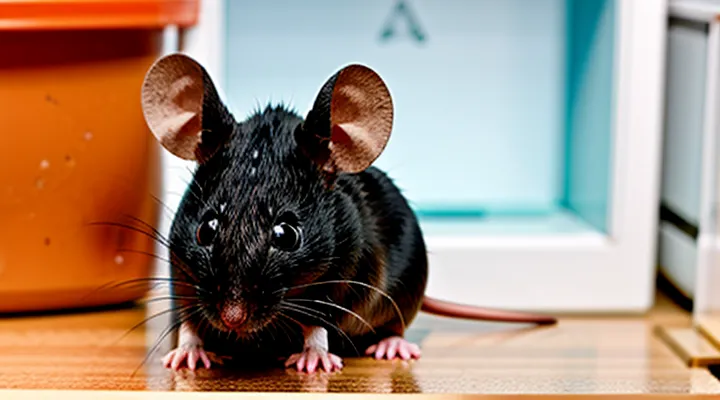
Understanding Mouse Behavior and Needs
Basic Biology and Sensory Perception
Olfactory Cues and Their Importance
Olfactory stimulation is the most reliable method for directing a mouse toward a capture device. Mice possess a highly developed sense of smell; even minute concentrations of specific volatiles trigger investigative behavior. Selecting appropriate odorants and controlling their release parameters maximizes attraction efficiency.
Key odorants include:
- Food-derived scents (e.g., peanut oil, grain extracts, vanilla).
- Rodent pheromones (e.g., female estrus urine, male bedding).
- Synthetic attractants (e.g., methyl anthranilate, isoamyl acetate).
Effective deployment follows a precise protocol:
- Prepare a dilute solution (0.1–1 % v/v) in a neutral carrier such as mineral oil.
- Apply 0.5–1 ml to a cotton wick or absorbent pad positioned inside the trap entrance.
- Replace the odor source every 12–24 hours to maintain a constant gradient.
- Ensure ambient temperature remains within the species’ preferred range (20–24 °C) to prevent volatilization loss.
Concentration gradients must be steep enough to be detectable at a distance of 30–50 cm but not so strong as to cause aversion. Empirical testing with a calibrated olfactometer can fine‑tune the optimal range for a given laboratory strain.
Combining multiple cues—food scent with a species‑specific pheromone—produces synergistic attraction, reducing capture latency by up to 40 % compared with single‑odor setups. Properly managed olfactory cues therefore constitute the cornerstone of any protocol aimed at luring mice into experimental environments.
Auditory Responses and Sensitivities
Mice possess acute auditory systems that detect frequencies from roughly 1 kHz to 100 kHz, with peak sensitivity between 10 kHz and 20 kHz. This range exceeds human hearing, allowing rodents to perceive subtle acoustic cues that are invisible to researchers.
Auditory thresholds are low; a 60 dB SPL tone at 12 kHz can elicit a startle response, while softer sounds (30–40 dB SPL) may guide movement without causing distress. Continuous broadband noise above 70 dB SPL typically induces avoidance, whereas brief, high‑frequency pulses encourage exploratory behavior.
Effective sound‑based attraction relies on precise control of frequency, intensity, and timing:
- Frequency: 12–16 kHz pure tones or ultrasonic sweeps (20–30 kHz) for maximal detection.
- Intensity: 35–45 dB SPL at cage floor level to remain audible yet non‑threatening.
- Duration: 2–3 seconds per pulse, with inter‑pulse intervals of 5–10 seconds to prevent habituation.
- Modulation: slight frequency modulation (±2 kHz) mimics natural conspecific calls, increasing approach likelihood.
- Source placement: speaker positioned near entry points or feeding stations to create a directional acoustic gradient.
Avoid prolonged exposure (>10 minutes) to high‑intensity sounds, as chronic stimulation can lead to auditory fatigue and reduced responsiveness. Verify equipment calibration before each session; inconsistencies in SPL or frequency drift diminish reproducibility.
When integrating auditory cues with other attractants (e.g., scent or visual markers), synchronize timing so that the sound precedes or coincides with the additional stimulus. This temporal pairing reinforces the association between the acoustic signal and the reward location, enhancing capture efficiency.
Visual Acuity and Environmental Preferences
Mice rely primarily on low‑resolution vision; they detect movement and contrast rather than fine detail. Bright, high‑contrast objects appear more salient, while muted tones blend into the background. Positioning bait or entry devices against a dark wall, illuminated by a dim, steady light source, maximizes visibility without inducing stress.
- Use matte, dark‑colored platforms for traps; avoid glossy surfaces that reflect light.
- Place food items on pale, flat trays that stand out against the surrounding floor.
- Provide a narrow, well‑lit corridor leading to the bait area; the contrast between the corridor walls and floor guides the mouse’s approach.
Environmental preferences further influence attraction. Mice favor enclosed, low‑noise zones with stable temperature and humidity. Excessive airflow or sudden temperature changes deter exploration. Maintaining a constant ambient temperature (22 ± 2 °C) and relative humidity (45‑55 %) creates a comfortable microclimate.
- Install a soft, absorbent bedding material near the entry point; the texture mimics natural nesting sites.
- Limit acoustic disturbances to below 40 dB; use sound‑dampening panels if necessary.
- Ensure the floor surface is firm yet slightly textured; smooth surfaces reduce grip, discouraging movement.
Combining visual contrast with optimal environmental conditions directs mouse attention toward the target area, increasing the likelihood of successful laboratory capture.
Environmental Factors Influencing Attraction
Temperature and Humidity Considerations
Optimal temperature ranges for laboratory rodents lie between 20 °C and 26 °C (68 °F–79 °F). Within this window, mice exhibit normal metabolic activity and maintain steady feeding behavior, which enhances bait uptake. Temperatures below 18 °C reduce activity levels, leading to slower approach to traps, while temperatures above 28 °C increase stress, causing avoidance of novel objects.
Relative humidity should be kept between 40 % and 60 %. Lower humidity accelerates evaporation of moisture‑based attractants, diminishing scent trails that guide mice toward bait stations. Excessive humidity above 70 % promotes mold growth on food items and can create unpleasant odors, deterring mice from the area.
Key considerations:
- Verify thermostat calibration daily; adjust to stay within the 20 °C–26 °C band.
- Use hygrometers at multiple points to detect microclimate variations.
- Place bedding and enrichment materials that retain moderate moisture without becoming soggy.
- Store attractants in sealed containers to prevent premature drying or moisture saturation.
- Monitor environmental logs for trends; correlate temperature/humidity shifts with capture rates to refine settings.
Maintaining these parameters creates a stable microenvironment that supports natural foraging patterns, thereby increasing the likelihood of successful mouse attraction.
Light Cycles and Circadian Rhythms
Light cycles shape mouse behavior more predictably than any other environmental cue. Maintaining a stable photoperiod—12 hours light, 12 hours dark—aligns the animal’s internal clock with experimental schedules and increases the likelihood of voluntary entry into testing arenas.
Adjust light intensity to mimic natural twilight. Values between 30 and 50 lux at cage level encourage exploratory activity without inducing stress. Gradual transitions (ramping over 10–15 minutes) between light and dark phases prevent abrupt hormonal spikes that suppress movement.
Select light spectrum carefully. Short‑wavelength (blue‑green) LEDs stimulate melanopsin pathways, reinforcing circadian entrainment. Avoid excessive red light, which offers limited entrainment value and may disrupt nocturnal foraging patterns.
Implement the following protocol:
- Set lights on at 07:00 h, off at 19:00 h; keep timing consistent daily.
- Use dimming controllers to achieve a 10‑minute ramp‑up at sunrise and a 10‑minute ramp‑down at sunset.
- Verify lux levels with a calibrated sensor each week; adjust bulbs if readings drift.
- Record mouse entry times to the target area for at least three consecutive cycles to confirm increased approach behavior.
Synchronizing cage lighting with the animal’s circadian rhythm reduces latency to explore novel devices, thereby improving capture efficiency and data reliability.
Social Structures and Isolation Effects
Understanding mouse social dynamics improves bait acceptance and reduces stress‑induced avoidance. Laboratory mice naturally form hierarchies; dominant individuals influence the behavior of subordinates, especially regarding novel food sources. Introducing attractants to a group rather than to isolated individuals leverages this social transmission.
Isolation heightens anxiety, suppresses exploratory drive, and diminishes response to olfactory cues. Mice kept alone for extended periods often reject unfamiliar bait, prolonging acclimation. Minimizing solitary housing before exposure to attractants restores normal foraging patterns.
Practical measures:
- Maintain small cohorts (2‑4 animals) in the same cage when presenting lure devices.
- Apply scent marks from familiar cage mates to bait stations; conspecific odor increases curiosity.
- Limit pre‑experiment isolation to no more than 24 hours; longer periods require gradual re‑introduction.
- Rotate attractant locations within the group’s enclosure to prevent territorial avoidance.
- Monitor dominant individual behavior; if a single mouse monopolizes the lure, redistribute food to encourage subordinate access.
Implementing these strategies aligns social incentives with experimental objectives, ensuring reliable mouse attraction without compromising welfare.
Practical Strategies for Mouse Attraction
Bait Selection and Placement
Types of Attractive Food Sources
Choosing the right food bait determines the success of mouse capture in a research environment. Effective attractants combine palatability, odor strength, and consistency with the animal’s natural preferences. The following categories represent the most reliable sources of attraction for laboratory mice.
- High‑fat seeds and nuts – sunflower seeds, pumpkin kernels, and peanuts provide dense energy content and emit strong scent cues that stimulate foraging behavior.
- Sweet solutions – dilute sucrose or honey mixtures (5–10 % concentration) create a liquid reward that mice readily sip, especially when presented on a soaked sponge or cotton pad.
- Protein‑rich morsels – boiled egg yolk, small pieces of cooked chicken, or commercial rodent treats enriched with casein appeal to the mouse’s need for amino acids and trigger rapid investigation.
- Aromatic herbs – fresh rosemary, thyme, or mint leaves release volatile compounds that attract mice from a distance; a few sprigs placed near the bait platform enhance detection.
- Novel textured items – gelatin cubes, gelatinized cheese, or soft cheese spreads introduce unfamiliar mouthfeel, increasing curiosity and exploration.
Combining two or more items from different categories often yields higher capture rates, as the mixture addresses multiple sensory drivers simultaneously. Consistency in bait placement, regular replenishment, and avoidance of contamination are essential for maintaining attraction throughout the trial period.
Scent Lures and Pheromones
Mice locate food and shelter primarily through olfactory signals; exploiting this behavior is essential for successful capture in a laboratory setting.
Commercial scent lures typically contain a blend of grain, peanut butter, and vanilla extract. Apply a thin layer to a cotton swab or small piece of cardboard and place it near entry points, traps, or feeding stations. Refresh the lure every 24 hours to maintain volatility.
Synthetic pheromones mimic natural chemical messages that trigger exploratory or mating responses. Two effective formulations are:
- Female estrus pheromone, which attracts males from distances up to 30 cm.
- Male urinary pheromone, which stimulates curiosity in both sexes.
Use pheromone dispensers that release a controlled micro‑dose every few minutes. Position dispensers adjacent to, but not directly on, trap mechanisms to prevent saturation of the immediate area.
Practical deployment guidelines:
- Identify high‑traffic zones by observing mouse movement patterns for 12–24 hours.
- Place scent lures at the far side of each zone, ensuring the surface is dry and free of competing odors.
- Install pheromone dispensers 5–10 cm from the lure, oriented toward the anticipated travel path.
- Monitor trap captures every 4 hours; replace lures and refill dispensers if capture rates decline.
- Record environmental variables (temperature, humidity) to correlate with lure efficacy.
Consistent application of these olfactory tools increases capture efficiency while minimizing stress to the target animals.
Optimal Placement within Cages and Enclosures
Effective attraction of laboratory mice depends heavily on the spatial arrangement inside cages and enclosures. Position bait stations close to natural foraging zones, such as the periphery of bedding where mice typically explore. Ensure the bait is visible without being exposed to excessive airflow that could disperse scent.
Key placement considerations:
- Proximity to shelter: Place food or scent sources adjacent to hiding spots (e.g., tunnels, nesting material) to encourage discovery during routine movement.
- Vertical gradient: Utilize the cage’s height by placing attractants on lower platforms; mice preferentially occupy lower levels when seeking resources.
- Lighting control: Maintain dim illumination near bait areas while keeping the rest of the enclosure brighter to guide movement toward the attractant.
- Temperature zones: Create a slight warmth differential (1–2 °C) near the lure; mice are drawn to modestly warmer micro‑environments.
- Barrier avoidance: Keep attractants distant from structural bars or mesh that may obstruct access or impede scent diffusion.
Consistent application of these spatial principles maximizes encounter rates, thereby improving capture efficiency and experimental reliability.
Trap Design and Setup
Humane Trapping Methods
Effective laboratory research with wild‑caught mice requires capture techniques that minimize stress and injury. Humane traps meet ethical standards, reduce physiological alterations, and improve data reliability.
Key characteristics of humane devices include rapid closure, smooth interior surfaces, and mechanisms that prevent crushing. Traps must allow immediate release or transfer without prolonged confinement.
- Live‑catch snap‑free traps with spring‑loaded doors that close within seconds; equipped with padded edges to avoid bruising.
- Multi‑compartment cage traps that guide the mouse into a secure holding chamber after activation; ventilation openings maintain airflow.
- Funnel‑type entry traps constructed from clear acrylic; a one‑way flap permits entry while preventing exit, facilitating observation of capture.
- Baited tube traps using soft bedding and a food attractant; a gentle push‑rod releases the door once the mouse reaches the bait zone.
After capture, transfer the animal into a pre‑conditioned holding cage containing nesting material and a water source. Monitor for signs of agitation; provide a quiet environment for at least 15 minutes before any handling or experimental procedures. Regular cleaning of traps eliminates scent cues that could deter subsequent captures.
Trap Features for Successful Capture
Effective mouse capture in a research setting relies on specific trap characteristics. Selecting devices that align with rodent behavior maximizes capture rates and minimizes stress on the animal.
Key features include:
- Appropriate size – interior dimensions must accommodate adult mice without allowing escape; a chamber height of 5–7 cm and width of 10 cm are typical.
- Sensitive trigger mechanism – low‑force levers or pressure plates activate with minimal movement, ensuring quick closure when a mouse enters.
- Secure locking system – spring‑loaded or magnetic locks hold the door firmly, preventing accidental release during handling.
- Non‑toxic construction – materials such as stainless steel or BPA‑free plastic avoid contaminating specimens and facilitate sterilization.
- Easy‑to‑clean design – smooth surfaces and removable trays allow rapid disassembly, reducing exposure to pathogens.
- Bait compartment – recessed area isolates attractants from the trigger, maintaining consistent scent concentration and preventing premature activation.
- Ventilation openings – small slits provide airflow, reducing heat buildup and encouraging natural activity within the trap.
- Visibility window – transparent sections enable quick assessment of capture status without opening the device.
Integrating these elements produces a reliable capture system suitable for laboratory use. Proper maintenance, regular inspection of trigger sensitivity, and consistent bait placement further enhance performance.
Minimizing Stress During Trapping
Effective mouse capture hinges on reducing physiological and psychological stress, which directly influences experimental reliability. Ensure the trapping environment mimics natural conditions: maintain ambient temperature (20‑24 °C), humidity (40‑60 %), and low ambient noise. Provide shelter within the trap by adding nesting material such as shredded paper or cotton.
- Use live‑catch traps with smooth interior surfaces to prevent injuries.
- Pre‑condition traps with a small amount of familiar bedding to lower novelty anxiety.
- Limit exposure time; check traps every 30 minutes and release captured individuals promptly.
- Administer a mild sedative only when required, following institutional animal‑care protocols.
- Keep handling to a minimum; use gloved hands and gentle scooping motions.
Record each capture event, noting trap type, placement, and elapsed time before removal. Consistent documentation allows identification of stress‑inducing variables and supports refinement of capture strategies.
Habitat Enrichment and Lure Techniques
Providing Shelter and Hiding Spots
Providing suitable shelter is a primary factor in enticing a mouse to enter a research environment. Mice prefer enclosed spaces that mimic natural burrows; such areas reduce exposure to predators and stress, encouraging exploration of nearby resources.
Construct shelters using materials that retain mild humidity and moderate temperature. Options include:
- Stacked cardboard tubes cut to 2‑3 cm diameter, sealed at one end.
- Small wooden boxes with a single entrance hole (approximately 1 cm) and a removable lid for cleaning.
- Fabric tunnels made from breathable cotton, folded into a rectangular shape and secured with non‑toxic adhesive.
Place shelters near bait stations but away from direct human traffic. Ensure each hiding spot contains a soft bedding layer, such as shredded paper or corn husk, to provide comfort and insulation. Regularly inspect for signs of occupancy—chewed edges, urine stains, or displaced bedding—to confirm effectiveness and adjust placement as needed.
Exploring Novel Objects and Textures
Introducing unfamiliar items and varied surface textures can increase the likelihood that a rodent will investigate a trap or bait station. Mice are driven by curiosity and tactile exploration; novel stimuli interrupt routine foraging patterns and encourage approach behavior.
- Small plastic tunnels or PVC pipes placed near the entry point provide enclosed pathways that mimic natural burrows while offering a distinct material feel.
- Textured silicone mats or rubberized pads create a contrasting surface that draws the animal’s whiskers and paws, prompting examination.
- Light‑reflective objects such as foil strips or glitter‑coated beads generate visual cues that differ from the surrounding environment, triggering exploratory movement.
- Aromatic substrates, for example, dried lavender buds or citrus peels, add a scent layer that complements the tactile novelty and reinforces interest.
Implementation steps:
- Position each novel object within a 10‑cm radius of the intended capture zone, ensuring stability to prevent displacement by the mouse.
- Alternate textures across successive trials to prevent habituation; rotate between smooth, ridged, and soft surfaces every 48 hours.
- Combine tactile items with standard bait to reinforce the association between novelty and food reward, placing bait at the far end of the object to encourage full entry.
Safety considerations include using non‑toxic materials, avoiding sharp edges that could injure the animal, and ensuring that any added scents do not interfere with required laboratory protocols. Proper cleaning between sessions maintains experimental integrity while preserving the effectiveness of novel stimuli.
Sound Simulation for Curiosity
Sound simulation exploits the innate exploratory drive of rodents, providing a non‑visual cue that can guide a mouse toward a designated area. Laboratory mice respond to acoustic frequencies within the 2–10 kHz range, especially when the sounds mimic natural foraging or predator‑avoidance contexts. By delivering brief, intermittent tones that differ from ambient noise, researchers create a localized curiosity hotspot that encourages movement without inducing stress.
Effective implementation requires precise control of several variables:
- Frequency: select 4–6 kHz tones for maximal detection; avoid ultrasonic bands (>20 kHz) that are less salient.
- Duration: emit pulses of 200–500 ms; longer sounds risk habituation.
- Inter‑pulse interval: space pulses 5–10 seconds apart to sustain interest.
- Amplitude: maintain 60–70 dB SPL at the source; higher levels may startle the animal.
- Spatial focus: use directional speakers or acoustic waveguides to confine the sound field to the target zone.
Calibration of these parameters, combined with simultaneous monitoring of mouse position, yields a reliable method for steering rodents into experimental chambers while preserving natural behavior patterns.
Post-Capture Handling and Acclimation
Safe Transfer Protocols
Effective relocation of a captured mouse requires a defined protocol that eliminates stress for the animal and exposure risk for personnel. Prior to any attempt, assemble a sealed transport cage, a pair of nitrile gloves, a disposable gown, and a disinfectant solution approved for rodent use. Verify that the cage is labeled with the animal’s identification number and that the sealable lid functions without gaps.
The transfer sequence proceeds as follows:
- Place gloves and gown, then approach the capture site calmly.
- Gently guide the mouse into the pre‑positioned cage using a soft brush or a small funnel.
- Close the cage lid, confirm the latch, and immediately place the cage into a secondary containment box.
- Record the time of capture, cage number, and any observable health indicators on a standardized log sheet.
- Transport the secondary container to the designated holding area, maintaining a temperature range of 20‑24 °C and avoiding abrupt movements.
After arrival, inspect the cage for signs of damage, then transfer the mouse to the permanent housing unit following the facility’s acclimation guidelines. Clean all external surfaces of the transport equipment with the chosen disinfectant, then dispose of gloves and gowns according to biohazard waste procedures. Store the documentation in the central database for traceability and compliance audits.
Reducing Stress in New Environments
Reducing stress when mice encounter a novel setting directly increases their willingness to explore baited zones and enter experimental enclosures. Elevated cortisol levels suppress natural foraging drive, causing avoidance of traps or feeding stations. Maintaining physiological equilibrium restores the innate curiosity that guides mice toward attractants.
- Provide a habituation cage for at least 24 hours before exposure; include nesting material and a shelter to mimic familiar conditions.
- Keep ambient temperature within 20‑26 °C and humidity at 40‑60 %; extreme fluctuations trigger anxiety responses.
- Minimize sudden sounds and vibrations; use acoustic dampening mats and schedule work during quiet periods.
- Employ low‑intensity, red‑shifted lighting; bright white light disrupts circadian rhythms and heightens stress.
- Limit human scent by wearing powder‑free gloves and handling animals with clean tools only.
- Introduce food rewards gradually; start with small portions placed near the cage entrance and increase quantity as mice approach.
- Establish a consistent daily routine for cage cleaning and bait placement; predictability reduces anticipatory stress.
Implementing these measures creates a low‑stress environment that encourages mice to investigate novel attractants, thereby improving capture efficiency and experimental reliability.
Initial Feeding and Hydration Strategies
Attracting a laboratory mouse begins with offering immediately recognizable nutrition and a dependable water source. The animal’s natural foraging instincts respond quickly to familiar flavors and accessible moisture, making initial feeding and hydration the cornerstone of successful capture.
Select foods that mimic the mouse’s standard diet while providing a strong olfactory cue. Preferred items include:
- Commercial rodent pellets, freshly opened to release aroma.
- Small pieces of soft fruit (e.g., banana, apple) presented on a sterile platform.
- Unsalted peanut butter applied thinly to a lickable surface.
- High‑protein treats such as boiled egg yolk or low‑fat cheese, limited to 0.5 g per mouse.
Present the food in a shallow dish placed near the entry point, ensuring the surface is clean and free of contaminants. Replace uneaten portions every 12 hours to maintain freshness and encourage repeated visits.
Hydration must be reliable from the first exposure. Effective methods are:
- Sipper bottles with stainless‑steel tips, calibrated to deliver 2–3 ml per lick.
- Hydrogel blocks positioned adjacent to the food dish, providing both moisture and a mild scent.
- Small droplets of sterile water placed on a sterile cotton pad for mice that prefer surface drinking.
Check water levels twice daily, refilling bottles and rehydrating gels to prevent evaporation. Ensure all containers are sealed to avoid spillage and maintain a sanitary environment.
Implement the feeding and hydration plan by:
- Setting up the food dish and water source before the mouse enters the enclosure.
- Monitoring consumption for the first 24 hours to confirm attraction.
- Adjusting food type or water presentation if intake is low, based on observed preferences.
Consistent provision of appealing nutrition and accessible moisture establishes a reliable lure, facilitating the mouse’s movement into the laboratory environment.