
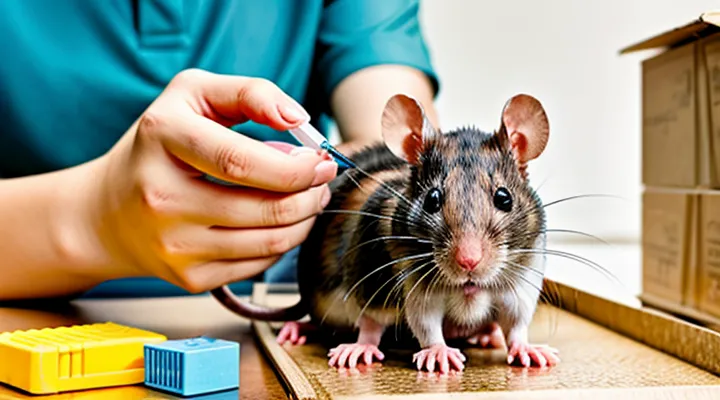
Understanding Rat Behavior and Stress
Recognizing Signs of Stress and Illness
When delivering medication to a laboratory rat, accurate assessment of the animal’s condition is essential. Detecting stress or disease before dosing prevents complications and ensures reliable experimental results.
Observable indicators of stress include:
- Rapid, shallow breathing or panting
- Elevated heart rate detectable by palpation of the femoral pulse
- Excessive grooming or self‑biting
- Hunched posture, reduced mobility, or reluctance to explore
- Vocalizations such as high‑pitched squeaks when handled
- Piloerection (raised fur) and darkened eye rims
Signs of illness that may affect drug metabolism or absorption:
- Weight loss of more than 10 % within a week
- Diarrhea, loose stools, or abnormal fecal consistency
- Nasal or ocular discharge, crusting, or swelling
- Skin lesions, ulcerations, or alopecia
- Lethargy, decreased responsiveness, or loss of righting reflex
- Fever, measured with a rectal probe exceeding normal rodent temperature (38–39 °C)
If any of these symptoms appear, postpone medication until veterinary evaluation resolves the underlying condition. Continuous monitoring during the dosing period, including post‑injection observation for at least 15 minutes, helps identify acute adverse reactions. Documentation of each sign and subsequent action supports reproducibility and animal welfare compliance.
Building Trust and Acclimatizing Your Rat
Establishing trust with a rat minimizes stress and facilitates reliable medication delivery. Consistent, gentle handling conditions the animal to accept human contact without defensive reactions.
Acclimatization prepares the rat for the specific procedures involved in drug administration. The process should progress in stages that mirror the eventual delivery method.
- Conduct daily sessions of brief, calm handling; limit each encounter to 1–2 minutes.
- Introduce the restraint device gradually: allow the rat to explore the apparatus while it remains unclosed, then practice light confinement for a few seconds, extending duration over several days.
- Pair handling and restraint with a preferred treat; reward the rat immediately after each successful interaction.
- Present the medication delivery tools (e.g., oral gavage needle, injection syringe) without administering a dose; allow the rat to sniff and investigate them.
- Perform mock administrations using a harmless substance such as sterile saline to reinforce the sequence of actions.
Observe the rat’s behavior for signs of anxiety—excessive grooming, vocalization, or attempts to escape. Adjust the pace of exposure until the animal exhibits calm acceptance before proceeding to actual medication.
A well‑trusting, acclimated rat tolerates handling and restraint, reducing the risk of injury and ensuring accurate dosing during therapeutic interventions.
Preparing for Medication Administration
Essential Supplies for Safe Handling
Accurate drug delivery to laboratory rats requires dedicated equipment that minimizes stress and prevents contamination. Selecting appropriate tools ensures reproducible results and protects personnel from accidental exposure.
- Disposable syringes (1 ml, 0.5 ml) with fine‑gauge needles (30–31 G) for precise dosing.
- Calibrated micropipettes (10 µl–1 ml) with sterile tips for liquid formulations.
- Anesthesia apparatus (isoflurane vaporizer, induction chamber) for immobilization when intraperitoneal or subcutaneous injection is needed.
- Restraining devices (transparent tubes, soft‑foam restrainers) that allow quick positioning without injury.
- Personal protective equipment: nitrile gloves, lab coat, safety goggles, and sealed waste containers.
- Disinfection supplies (70 % ethanol, disposable wipes) for instrument and surface decontamination between animals.
- Record‑keeping tools (electronic log, barcode scanner) to match each dose with the correct subject.
Maintain sterility by using single‑use items whenever possible and by autoclaving reusable components after each session. Verify syringe volume before every injection, and inspect needles for bending or blockage. Store anesthetic agents in sealed containers, away from heat sources, and monitor vaporizer output regularly. Proper disposal of sharps and contaminated materials follows institutional biosafety protocols, reducing risk of needle sticks and cross‑contamination.
Understanding Medication Types and Dosages
Oral Medications
Oral delivery remains the most practical route for administering drugs to laboratory rats when the compound is stable in the gastrointestinal tract and palatable formulations are available. Successful dosing depends on accurate measurement, appropriate vehicle selection, and minimization of stress.
Accurate dosing requires calculation of the exact volume based on the animal’s body weight (e.g., mg kg⁻¹ × weight kg ÷ concentration mg mL⁻¹). Use a calibrated microsyringe or gavage needle to ensure reproducibility. Record the administered volume immediately after delivery.
Vehicle considerations:
- Choose a solvent that maintains drug solubility without irritating the stomach (e.g., distilled water, saline, 0.5 % methylcellulose).
- Adjust pH to the physiological range (6.5–7.5) if the compound is pH‑sensitive.
- Add a non‑nutritive flavoring agent (e.g., sucrose, vanilla) only when necessary to improve acceptance.
Administration techniques:
- Restrain the rat gently but securely, using a tube or a padded restrainer to prevent escape.
- Position the animal in a supine orientation with the head slightly elevated.
- Insert a flexible gavage needle (size 1–2 Fr) along the midline of the tongue, advancing until resistance indicates entry into the esophagus.
- Deliver the calculated volume slowly, pausing briefly to allow the rat to swallow.
- Withdraw the needle, observe the animal for 30 seconds to confirm no regurgitation, then return it to the cage.
Post‑administration monitoring:
- Check for signs of distress, such as excessive grooming, vocalization, or abnormal posture.
- Verify that the animal resumes normal feeding and activity within the next hour.
- Document any adverse reactions in the experimental log.
When oral gavage is impractical, alternative methods include mixing the drug with a palatable food item (e.g., flavored gel) or providing it in a calibrated drinking bottle. These approaches require validation of dose consumption by weighing the food or measuring fluid intake over a defined period.
Adherence to the outlined procedures ensures consistent drug exposure while preserving animal welfare.
Topical Medications
Topical agents provide a non‑invasive route for delivering drugs to laboratory rats when systemic exposure is unnecessary or when localized treatment is required. Formulations typically include creams, gels, ointments, or transdermal patches designed for small mammals. Prior to application, verify that the product is compatible with rodent skin, free of irritants, and prepared at the appropriate concentration for the target species.
Accurate dosing depends on surface area and body weight. Calculate the required amount by multiplying the prescribed dose (mg kg⁻¹) by the animal’s weight, then convert to the volume of the topical preparation using its potency (e.g., mg mL⁻¹). Apply the calculated volume to a defined region—commonly the dorsal flank or the shaved area over the interscapular region—to ensure consistent absorption.
Key procedural steps:
- Shave the application site with a sterile clipper; avoid deep cuts that could cause bleeding.
- Clean the skin with a mild, alcohol‑free antiseptic; allow it to air dry.
- Dispense the measured dose using a calibrated micropipette or sterile syringe.
- Spread the preparation evenly with a gloved fingertip or a sterile applicator; do not rub aggressively.
- Observe the rat for at least five minutes to confirm that the material remains in place and does not spread to unintended regions.
- Record the exact amount applied, site, and time; note any immediate adverse reactions such as erythema or excessive grooming.
Safety considerations include preventing ingestion through grooming, which can be mitigated by applying a temporary barrier (e.g., a light‑weight mesh collar) for the first 30 minutes. Use personal protective equipment to avoid dermal exposure to the researcher. Store topical products at recommended temperatures and protect them from light to maintain potency.
Monitoring continues for the duration of the treatment course. Inspect the application site daily for signs of inflammation, ulceration, or excessive drying. Adjust the formulation or dosing schedule if adverse skin reactions occur, and document all observations in the animal’s health record.
Injectable Medications (Brief Overview for Context)
Injectable agents are the most common means of delivering precise drug doses to laboratory rats. The category includes antibiotics, analgesics, anesthetics, hormones, and experimental compounds. Selection of a product depends on therapeutic goal, required onset, and duration of action.
Key characteristics of injectable formulations:
- Sterile preparation, free of particulates, with pH adjusted to match physiological range (≈7.2–7.4).
- Solvent compatible with rat physiology; isotonic saline, phosphate‑buffered saline, or specific carrier solutions are typical.
- Concentration that permits administration of volumes not exceeding 0.1 mL per 10 g of body weight to avoid tissue distension.
Common routes:
- Intraperitoneal (IP) – rapid absorption, suitable for many small‑molecule drugs.
- Subcutaneous (SC) – slower release, ideal for sustained‑effect agents.
- Intramuscular (IM) – used for vaccines and agents requiring depot effect.
- Intravenous (IV) – provides immediate systemic distribution; requires catheterization or tail‑vein injection with a 27‑30 G needle.
Safety considerations:
- Needle gauge selected to balance minimal trauma with adequate flow; 27‑30 G for most injections.
- Injection site rotated to prevent fibrosis and local irritation.
- Needle inserted at appropriate angle: 90° for SC and IM, 45° for IP.
- Observe rats for signs of pain, swelling, or abnormal behavior after each administration.
Understanding these fundamentals ensures that injectable drug delivery to rats is both accurate and humane, supporting reliable experimental outcomes.
Oral Medication Administration Techniques
Direct Oral Syringe Method
Proper Restraint Techniques
Effective restraint is a prerequisite for accurate dosing and minimizes stress‑induced variability. Choose a method that secures the animal without compromising respiratory function or causing injury.
- Tail‑pinch grip: Hold the base of the tail between thumb and forefinger, then support the body with the opposite hand. Maintain the grip for no more than 30 seconds; release immediately after injection.
- Tube restraint: Place the rat in a clear acrylic tube sized to allow forward movement but restrict turning. The tube prevents escape while permitting access to the dorsal or ventral surface for subcutaneous or intraperitoneal injections.
- Soft‑mesh pouch: Enclose the animal in a breathable fabric pouch, leaving the head exposed. The pouch limits movement and distributes pressure evenly across the torso. Suitable for repeated dosing sessions.
- Manual cradle: Support the rat on the forearm with the left hand cradling the torso and the right hand gently securing the hindquarters. This technique provides direct visual access for oral gavage or eye drops.
Key considerations for all techniques:
- Verify that the animal’s airway remains unobstructed; monitor respiration throughout the procedure.
- Apply the minimum necessary force; excessive pressure can elevate cortisol levels and alter pharmacokinetics.
- Use disposable gloves to maintain hygiene and prevent cross‑contamination.
- Release the rat promptly after drug delivery; prolonged restraint increases risk of hypothermia.
Training should include practice on dummy models before handling live subjects. Record restraint duration and any adverse reactions in the experimental log. Consistent application of these methods ensures reliable medication administration while upholding animal welfare standards.
Syringe Placement and Slow Delivery
Accurate syringe placement minimizes tissue trauma and ensures consistent drug distribution. Hold the rat gently but firmly, supporting the torso with one hand while the other hand guides the syringe. Locate the lateral tail vein or the subcutaneous space on the dorsal flank; these sites provide reliable access with minimal restraint. Insert the needle bevel‑up at a 30‑45° angle, advancing until a slight resistance indicates entry into the vessel or tissue plane. Confirm placement by observing a small flash of blood (intravenous) or by feeling a slight give in subcutaneous tissue.
Deliver the medication slowly to prevent rapid systemic spikes and local irritation. Use a syringe with a calibrated volume of 0.1–0.5 mL, depending on the animal’s weight and the drug’s concentration. Depress the plunger at a rate of 0.1 mL per second or slower for irritant solutions. Maintain the needle in place for a few seconds after injection to allow the fluid to disperse and to reduce backflow.
Key steps for safe administration:
- Restrain rat with a clean, soft towel or specialized restraint device.
- Identify and clean the injection site with sterile saline or alcohol, allowing it to dry.
- Position needle correctly (bevel‑up, appropriate angle).
- Verify entry by visual or tactile cue.
- Inject at a controlled, slow pace.
- Hold needle briefly before removal, then apply gentle pressure with sterile gauze.
Medicated Treats or Food Mix-ins
Choosing Appropriate Treats
Selecting treats that encourage voluntary ingestion is essential for reliable drug delivery in laboratory rats. Treats must be palatable, nutritionally compatible, and free of substances that could interact with the medication.
- Palatability: choose flavors rats naturally prefer, such as chocolate-flavored pellets or fruit‑based gels.
- Nutrient composition: avoid high fat or high protein treats that could alter drug absorption.
- Chemical inertness: ensure the treat contains no antioxidants, preservatives, or additives that may degrade the compound.
- Size and texture: use a portion that fits comfortably in the rat’s mouth and can be fully consumed in one bite.
Commonly used treats meeting these criteria include:
- Small pieces of banana or apple, fresh or freeze‑dried.
- Commercial rodent chewable tablets formulated without active pharmacological agents.
- Gelatin‑based cubes infused with a mild sweetener, prepared under sterile conditions.
Preparation steps for safe administration:
- Weigh the chosen treat to the exact dose required for the rat’s body weight.
- Mix the medication with the treat using a sterile spatula, ensuring uniform distribution.
- Form the mixture into a bite‑sized piece, avoiding air bubbles that could trap the drug.
- Offer the treat to the rat in a clean cage environment, observing complete consumption before returning the animal to its housing.
Monitoring after delivery includes confirming ingestion, checking for signs of aversion, and recording any adverse reactions. Consistent use of appropriate treats reduces stress, improves dosing accuracy, and supports the overall reliability of pharmacological studies involving rats.
Ensuring Full Consumption
Ensuring that a laboratory rat consumes the entire administered dose is essential for reliable experimental outcomes. Incomplete ingestion introduces variability that can compromise data integrity and animal welfare.
Key factors influencing full consumption include the taste of the formulation, the volume delivered, and the choice of carrier. Bitter compounds often deter intake; excessive volumes can cause spillage or regurgitation; inappropriate carriers may reduce palatability or alter drug stability.
Practical measures to maximize ingestion:
- Acclimate the animal to the dosing apparatus by offering small amounts of the carrier in the home cage for several days before the experiment.
- Incorporate flavor enhancers such as sucrose, fruit extracts, or non‑nutritive sweeteners to mask unpleasant tastes.
- Limit the administered volume to 10 µL per gram of body weight, ensuring the rat can swallow without difficulty.
- Use a low‑viscosity vehicle (e.g., saline, 0.5 % methylcellulose) that spreads easily over the tongue.
- Deliver the dose directly onto the dorsal palate with a calibrated pipette, allowing the rat to swallow naturally.
- Observe the animal for at least two minutes after dosing; if any residue remains, repeat the administration using a gentle oral gavage technique.
Verification steps include visual inspection of the oral cavity for residual liquid, weighing the dosing syringe before and after delivery, and, when appropriate, adding a non‑toxic dye to the formulation to confirm complete passage through the gastrointestinal tract.
Consistent application of these protocols reduces the risk of partial dosing, thereby enhancing reproducibility and ensuring that each animal receives the intended therapeutic exposure.
Troubleshooting Oral Administration Challenges
Dealing with Resistant Rats
When a rat evades oral gavage, subcutaneous injection, or other standard delivery routes, the researcher must adjust technique to maintain dosing accuracy and animal welfare. Identify the cause of resistance—stress, previous handling, or pain—and modify the approach accordingly.
Effective strategies include:
- Habituation: Conduct daily brief sessions of gentle restraint in the same environment for several days before the procedure. This reduces fight‑or‑flight responses without requiring anesthesia.
- Physical aids: Use a soft restraining tube or a padded cone that limits movement while allowing access to the injection site. Ensure the device fits the animal’s size to avoid excessive pressure.
- Chemical sedation: Apply a short‑acting sedative (e.g., midazolam at 0.5 mg/kg intraperitoneally) to calm the rat just before medication delivery. Monitor respiration and recover promptly after dosing.
- Alternative routes: If oral administration fails repeatedly, switch to intramuscular injection in the hindlimb or deliver the drug via a palatable vehicle (e.g., flavored gelatin) to encourage voluntary ingestion.
- Positive reinforcement: Pair handling with a high‑value treat (e.g., sucrose solution) immediately after successful dosing. This creates an associative memory that can diminish future resistance.
Document each attempt, noting the method, dose, and animal response. Consistent records enable identification of patterns and refinement of the protocol, ensuring reliable drug administration despite initial resistance.
Preventing Aspiration
Preventing aspiration is essential whenever medication is delivered orally to a rat. Improper technique can introduce fluid into the trachea, leading to respiratory distress or fatal pneumonia.
Maintain the animal in a dorsal recumbent position with the head slightly extended. This alignment opens the esophagus and reduces the likelihood of entry into the airway. Secure the rat gently but firmly to prevent sudden movements during the procedure.
Select a gavage needle whose length matches the animal’s body weight (approximately 1 cm per 100 g). Apply a thin layer of sterile lubricant to the needle tip to minimize mucosal trauma. Verify the needle’s curvature aligns with the natural path of the esophagus before insertion.
Before delivering the dose, gently aspirate a small volume of air through the needle. The presence of clear fluid indicates tracheal placement; withdraw and reposition the needle immediately. Advance the needle until resistance is felt, then administer the medication slowly to avoid sudden pressure spikes that could force material into the airway.
After dosing, observe the rat for at least five minutes. Monitor respiratory rate, chest movement, and any signs of coughing or choking. If abnormal breathing patterns emerge, intervene with supplemental oxygen and, if necessary, consult a veterinarian.
Key preventive actions:
- Position the rat with head elevated and neck extended.
- Use a gavage needle sized appropriately for the animal’s weight.
- Apply sterile lubricant to the needle tip.
- Perform a pre‑dose aspiration check for tracheal entry.
- Deliver the medication at a controlled, low flow rate.
- Conduct immediate post‑dose observation of respiratory function.
Topical Medication Application
Preparing the Application Area
Preparing the application area is a prerequisite for safe and reproducible drug delivery to laboratory rats. Begin by selecting a flat, non‑slippery surface that can be easily cleaned and disinfected. Place a clean, absorbent pad or disposable towel on the surface to contain spills and protect the animal’s fur from contamination. Ensure the area is free of drafts, direct sunlight, and excessive noise, which can stress the animal and affect dosing accuracy.
Maintain a sterile environment throughout the procedure. Disinfect the work surface with an appropriate antiseptic solution, allow it to air‑dry, and then cover it with a sterile barrier such as a disposable sheet or autoclaved cloth. Keep all required equipment—syringes, needles, dosing syringes, and waste containers—within arm’s reach to minimize movement and reduce the risk of accidental contamination.
Key steps for setting up the application area:
- Clean and disinfect the work surface before each session.
- Lay a disposable, absorbent pad to catch any excess fluid.
- Arrange sterile tools and waste receptacles in a logical order.
- Verify that lighting is adequate for visual inspection of injection sites.
- Eliminate sources of airflow that could disperse aerosolized medication.
Following these measures creates a controlled environment that supports precise dosing, minimizes cross‑contamination, and upholds animal welfare standards.
Applying Creams, Gels, or Sprays
Topical delivery of medication to laboratory rats provides a non‑invasive alternative to injections, allowing localized treatment of skin, wounds, or systemic absorption through the epidermis. Creams, gels, and sprays must be formulated for rodent use, ensuring appropriate viscosity, stability, and absence of irritants.
Before application, verify the product’s concentration, ensure it is at room temperature, and dispense a measured volume using a calibrated syringe or pipette. Avoid air bubbles in gels and confirm even distribution in sprays by testing a sample on a non‑absorbent surface.
- Restrain the rat gently but securely, using a soft cloth or a specialized restrainer that permits access to the dorsal or ventral skin without causing stress.
- Clean the target area with sterile saline; dry with a sterile gauze pad.
- Apply the prescribed amount of cream or gel with a disposable spatula, spreading thinly to cover the entire lesion or designated site.
- For sprays, hold the nozzle 2–3 cm from the skin, deliver a uniform mist, and allow the solution to air‑dry for 30–60 seconds before handling the animal further.
- Record the exact dose applied, time of administration, and any observable reactions.
Safety measures include wearing gloves, using aseptic technique, and confirming that the compound is non‑toxic to rodents at the intended dose. Monitor the animal for signs of irritation, redness, or behavioral changes for at least 15 minutes post‑application. Document any adverse events and adjust the formulation or dosage according to institutional animal care guidelines.
Preventing Ingestion of Topical Medications
When a topical preparation is applied to a rat, accidental grooming can transfer the drug to the gastrointestinal tract, compromising dosage accuracy and animal welfare. Preventing ingestion requires a combination of procedural controls and environmental modifications.
Effective measures include:
- Restrictive bandaging – Apply a lightweight, breathable wrap that covers the treated area while allowing normal movement. Secure the bandage with hypoallergenic tape, ensuring it does not impede respiration or circulation.
- Temporary confinement – Place the animal in a clean, well‑ventilated cage with smooth surfaces for a minimum of 30 minutes after application. Remove objects that could be chewed or used to reach the treated site.
- Use of non‑grooming agents – Incorporate a bittering agent or a veterinary‑grade taste deterrent into the topical formula to discourage licking.
- Observation protocol – Assign a trained technician to monitor the rat continuously during the critical absorption period. Record any attempts to groom or bite the treated area and intervene immediately.
- Environmental sanitation – Clean the cage and bedding before and after treatment to eliminate residual medication that could be ingested inadvertently.
Applying the medication with a calibrated micro‑applicator reduces excess volume, limiting the surface area available for grooming. After the initial observation window, return the rat to its regular housing only once the bandage is removed and the skin surface appears dry.
Document each administration event, noting the specific preventive steps taken, the duration of confinement, and any observed grooming behavior. Consistent record‑keeping supports reproducibility and facilitates regulatory compliance.
Post-Administration Care
Monitoring for Adverse Reactions
After a drug is delivered to a rodent, immediate and sustained observation determines the safety of the procedure. Detecting adverse reactions prevents unnecessary suffering and protects experimental integrity.
Typical indicators of toxicity include:
- Reduced locomotion or complete immobility
- Abnormal grooming or self‑injury
- Respiratory distress such as rapid or shallow breathing
- Changes in body temperature (hypothermia or hyperthermia)
- Visible skin discoloration, swelling, or ulceration at the injection site
- Altered posture, tremors, or seizures
- Decreased food and water intake
Observations should begin within minutes of administration and continue at regular intervals: every 5 minutes for the first 30 minutes, then hourly for the next 4 hours, followed by twice‑daily checks for 48 hours. Record each parameter precisely, noting onset time, duration, and severity.
If any sign reaches a predetermined threshold—e.g., loss of righting reflex, respiratory rate > 120 breaths/min, or severe edema—initiate corrective actions promptly. Common interventions comprise supportive oxygen, subcutaneous fluids, analgesics, or reversal agents specific to the drug class. Document the intervention, the animal’s response, and any subsequent adjustments to the dosing regimen.
Consistent, systematic monitoring provides reliable data on drug tolerance and informs refinements to delivery techniques, ensuring both animal welfare and experimental validity.
Providing Comfort and Positive Reinforcement
Providing comfort during drug delivery minimizes stress‑induced physiological changes that can alter experimental outcomes. Gentle restraint, a calm environment, and consistent handling reduce corticosterone spikes, ensuring that the administered dose reflects the intended pharmacological effect rather than a stress response.
Effective positive reinforcement reinforces cooperative behavior and facilitates repeat dosing.
- Use a small amount of a preferred treat (e.g., sweetened mash) immediately after the procedure.
- Pair the handling session with a brief, low‑intensity tactile cue (soft brushing) that the animal associates with safety.
- Record each reinforcement event to maintain consistency across sessions.
Combining low‑stress handling with immediate, predictable rewards creates a reliable routine. The rat learns that medication administration is followed by a pleasant outcome, leading to quicker compliance and more accurate dosing in longitudinal studies.
Maintaining Accurate Medication Records
Accurate medication records are indispensable for reproducible research and animal welfare when delivering drugs to laboratory rats. Every dose must be logged with precision to prevent overdosing, underdosing, or accidental cross‑contamination.
Record each administration event immediately after it occurs. Include the following elements:
- Date and time of dosing
- Rat identification number or cage location
- Drug name, concentration, and formulation
- Exact volume administered
- Route of delivery (e.g., oral gavage, intraperitoneal injection)
- Person performing the procedure
- Observations of animal response or adverse effects
Use a standardized, paper‑based logbook or an electronic data‑capture system with mandatory fields to eliminate omissions. Ensure that the system timestamps entries automatically, reducing reliance on manual time stamps.
Implement verification steps. Before each dose, compare the planned amount with the recorded previous dose to confirm consistency. After dosing, have a second qualified staff member review the entry for accuracy.
Maintain records for the entire duration of the study and archive them according to institutional and regulatory requirements. Retain copies in a secure, backed‑up location to protect against data loss.
Regular audits of the medication log detect trends such as systematic dosing errors or deviations from the protocol. Document audit findings and corrective actions promptly.
By adhering to these practices, researchers guarantee that medication delivery to rats remains safe, traceable, and compliant with ethical standards.
Safety Precautions and Best Practices
Consulting with a Veterinarian
Consultation with a qualified veterinarian is essential before delivering any medication to a rat. A professional assessment confirms the appropriateness of the drug, determines the correct dosage based on the animal’s weight and health status, and identifies potential drug‑interaction risks. The veterinarian also provides guidance on the most humane and effective delivery technique for the specific formulation, whether oral, subcutaneous, intraperitoneal, or topical.
Key points to address during the veterinary consultation include:
- Verification of the drug’s safety profile for rodents.
- Calculation of an exact dose per kilogram of body weight.
- Selection of an administration route that minimizes stress and injury.
- Recommendations for equipment sterilization and handling procedures.
- Instructions for monitoring post‑administration effects and emergency interventions.
Following the veterinarian’s recommendations ensures compliance with ethical standards, reduces the likelihood of adverse reactions, and supports reliable experimental outcomes. Regular follow‑up appointments allow adjustments to the treatment plan as the rat’s condition evolves.
Hygiene and Sterilization
Effective hygiene and sterilization are essential for safe drug delivery to laboratory rodents. Contaminated equipment can introduce pathogens, alter pharmacokinetics, and compromise experimental outcomes.
Prior to handling, wash hands with an antimicrobial soap, dry with disposable towels, and wear sterile gloves. Disinfect the work surface with a 70 % ethanol solution or an approved veterinary disinfectant, allowing the surface to remain wet for the manufacturer‑specified contact time.
Prepare all tools—syringes, needles, gavage tubes, and weighing platforms—by:
- Immersing in an autoclave‑compatible disinfectant, then rinsing with sterile water.
- Autoclaving at 121 °C for 15 minutes, or using a dry heat oven at 160 °C for 2 hours when autoclaving is unsuitable.
- Inspecting for damage or residue before each use.
When mixing medication, employ sterile containers and pipettes. Use a laminar flow hood or a clean bench if the compound is aseptic‑sensitive. Label each vial with drug name, concentration, and preparation date to avoid cross‑contamination.
During administration, maintain a sterile field by:
- Covering the injection site with a sterile drape.
- Using a fresh needle for each animal.
- Disposing of used sharps in puncture‑proof containers immediately.
After the procedure, clean all reusable items with an enzymatic detergent, rinse thoroughly, and sterilize again before storage. Replace disposable supplies after each session.
Document hygiene practices in the laboratory log, noting any deviations and corrective actions. Consistent adherence to these protocols preserves animal health, ensures data reliability, and meets institutional animal care standards.
Recognizing When Professional Help is Needed
When a researcher attempts medication delivery to a laboratory rat, routine procedures may be sufficient for most cases. Certain conditions, however, indicate that the situation exceeds the practitioner’s expertise and requires veterinary or qualified laboratory animal specialist intervention.
- Sudden respiratory distress or labored breathing
- Profuse or uncontrolled bleeding from the injection site
- Rapid onset of seizures, tremors, or loss of motor control
- Marked swelling, discoloration, or necrosis at the administration site
- Evidence of anaphylactic reaction, such as facial edema, hives, or collapse
- Inability to secure the animal without excessive stress or injury
- Uncertainty about drug dosage, concentration, or compatibility with the chosen route
- Lack of appropriate equipment for a specific delivery method (e.g., intrathecal, intracerebral)
When any of these signs appear, cease the procedure immediately. Contact a veterinarian or the institution’s animal care committee without delay. Provide a concise report that includes the drug name, dosage, route attempted, observed adverse signs, and the time elapsed since administration. Follow the professional’s instructions regarding emergency treatment, observation period, and documentation. Record all actions in the animal’s study log to ensure compliance with ethical and regulatory standards.