
Natural Instincts and Predatory Behavior
The Hunter's Role in a Household
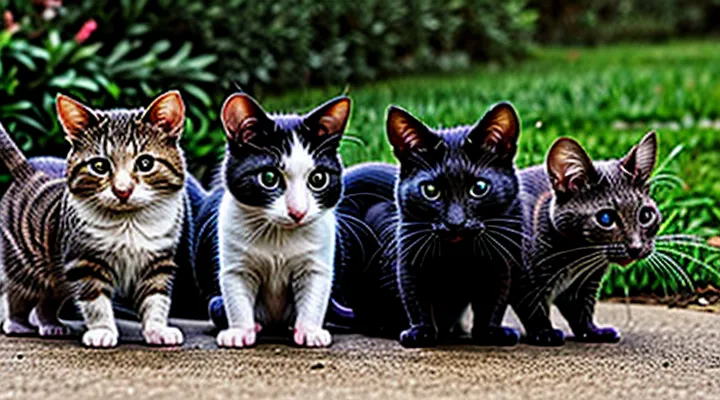
Three cats introduced into a home act as natural predators that target rats and mice, providing a continuous, low‑maintenance method of population control. Their predatory instincts drive them to hunt, stalk, and capture small mammals, which reduces the need for chemical or mechanical interventions.
The hunter’s responsibilities within a household include:
- Detecting rodent activity through scent and movement cues.
- Interrupting breeding cycles by removing individuals before they reproduce.
- Maintaining a deterrent presence that discourages new rodents from entering.
- Contributing to the overall health of the home by limiting disease vectors carried by pests.
Effective integration of feline hunters requires proper feeding schedules, veterinary care, and safe environments that allow free movement. Regular health checks ensure cats remain fit for hunting and prevent the spread of parasites to humans. Providing access to outdoor or semi‑outdoor spaces enhances their ability to patrol perimeter zones where rodents typically infiltrate.
Management practices such as rotating the cats’ hunting territories, supplying enrichment toys that mimic prey, and monitoring capture rates help owners evaluate the program’s efficiency. Data collected over weeks can be compared against baseline rodent sightings to quantify impact.
In summary, the household’s hunter function relies on the cats’ innate predatory behavior, supported by responsible care and systematic observation, to sustain a reduced rodent presence without resorting to external extermination methods.
Scent Marking as a Deterrent
Cats communicate territory through scent deposits left in urine, feces, and facial glands. These chemical signals persist long after the animal has moved, creating an invisible barrier that rodents detect and avoid.
Rodents rely on acute olfactory cues to locate safe pathways. When a scent profile associated with a predator is present, stress hormones rise, movement slows, and foraging activity drops. The deterrent effect does not require direct confrontation; the mere perception of a feline presence disrupts the rodents’ risk assessment.
Deploying three cats multiplies the scent footprint. Each individual establishes a distinct core area, while overlapping zones reinforce the warning signal. Continuous rotation among the cats ensures fresh deposits, preventing scent habituation that could diminish effectiveness.
Practical measures to strengthen scent deterrence:
- Allow cats unrestricted access to entry points and storage areas where rodents are likely to travel.
- Refrain from intensive cleaning of spots marked by cats; preserve the scent for at least 48 hours.
- Provide scratching posts and elevated perches near vulnerable zones to encourage marking behavior.
- Rotate the cats’ locations every few days to refresh the scent map across the facility.
The Power of a Feline Trio
Increased Territory Coverage
Three cats deployed together expand the area monitored for rodent activity. Each animal establishes a personal patrol zone; when the zones overlap, the combined reach exceeds the sum of individual territories, eliminating blind spots where rats and mice could hide.
- Cat 1 secures the perimeter of the building, patrolling walls, roofs, and exterior structures.
- Cat 2 focuses on interior corridors and storage rooms, covering spaces inaccessible to the first cat.
- Cat 3 patrols the central hub and adjacent service areas, linking the outer and inner zones.
The overlap of these zones creates a continuous barrier. Rodents attempting to move from one sector to another encounter a cat within seconds, reducing travel opportunities and limiting access to food sources. The result is a dense network of predatory presence that suppresses rodent populations more effectively than a single cat could achieve.
Diverse Hunting Styles and Skills
Three felines deployed against rodent infestations each employ a distinct hunting methodology, creating a comprehensive predatory network. The first cat relies on ambush, positioning itself near known entry points and remaining motionless until a rat or mouse triggers its sight line. This approach maximizes surprise and reduces energy expenditure during the chase.
The second cat adopts a stalking technique, utilizing heightened auditory sensitivity to locate movement within walls or beneath debris. By advancing in low, deliberate steps, it maintains a silent proximity that forces prey to flee into open areas where the third cat can intercept.
The third cat specializes in rapid pursuit and aerial pounce. Equipped with superior sprint speed and vertical leap capacity, it captures rodents that have been flushed from hiding. Its reflexive strike timing, combined with acute night vision, ensures effectiveness during low‑light conditions when many rodents are most active.
Key skills supporting these styles include:
- Acute hearing that detects squeaks and rustling beyond human perception.
- Sensitive whisker feedback for spatial mapping in confined spaces.
- Muscular coordination allowing sudden directional changes without loss of balance.
- Learned adaptability, enabling each cat to modify tactics based on previous encounters.
Collectively, the varied tactics and physiological assets of the trio form a layered defense, reducing rat and mouse populations more efficiently than a single‑style predator could achieve.
Enhanced Deterrent Effect
Having three cats in a single environment creates a layered deterrent that surpasses the impact of a solitary animal. Each cat establishes a distinct territory, expanding the area where predator scent and visual cues are present. Overlapping ranges prevent rodents from identifying safe zones, forcing them to remain vigilant and reducing the likelihood of foraging.
The presence of multiple felines also disrupts rodent habituation. When only one cat patrols, mice and rats can learn its routine and adjust movements accordingly. With three independent hunters, patterns become unpredictable; rodents encounter varied hunting styles, altered activity periods, and differing vocalizations, all of which maintain a high level of stress and deter settlement.
Key mechanisms that contribute to the amplified deterrent effect include:
- Scent saturation: simultaneous urine and glandular marking raises predator odor density.
- Visual intimidation: three moving silhouettes increase perceived risk during daylight and night.
- Auditory disruption: combined meows, hisses, and footfalls create a constant acoustic warning.
- Behavioral diversity: differing prey preferences and hunting tactics cover a broader spectrum of rodent species.
Collectively, the trio generates a persistent, multifaceted threat that limits rodent access, lowers population growth, and supports long‑term pest management without chemical interventions.
Preparing for Feline Pest Control
Choosing the Right Breeds and Temperaments
Choosing cat breeds with strong predatory instincts maximizes effectiveness against rodent populations. Natural hunters such as the Maine Coon, American Shorthair, and Turkish Van possess muscular builds, keen reflexes, and a history of mouse‑catching that aligns with the goal of using a trio of felines for pest control.
Temperament matters as much as physical traits. Cats that display confidence, high energy, and a willingness to stalk prey will maintain activity levels when multiple individuals share the same territory. Individuals described as “playful” or “assertive” are more likely to engage rodents rather than ignore them.
Key considerations when selecting the three cats:
- Complementary energy levels: Pair a vigorous hunter with a steadier, focused companion to ensure continuous coverage throughout the day.
- Social compatibility: Choose cats that tolerate each other’s presence; low aggression reduces stress and preserves hunting drive.
- Adaptability to indoor environments: Breeds that adjust well to confined spaces retain predatory behavior without needing extensive outdoor access.
Assess each candidate by observing response to moving toys, willingness to chase laser pointers, and reaction to live prey simulations. Document these behaviors before adoption to verify suitability for collaborative rodent suppression.
Essential Cat Care for Working Felines
Cats assigned to rodent control must receive care that preserves hunting ability and overall well‑being.
A diet rich in animal protein, adequate calories, and fresh water supports muscle strength and stamina. Commercial feline formulas designed for active adults, supplemented with occasional raw or cooked meat, meet nutritional demands. Regular feeding times stabilize energy levels and reduce digestive disturbances.
Health maintenance includes core vaccinations, quarterly flea and tick treatments, and deworming. Veterinary examinations every six months detect early signs of illness, monitor weight, and verify joint health. Prompt treatment of injuries—especially cuts from prey—prevents infection and loss of function.
Safe housing provides shelter from weather, predators, and excessive noise. Each cat needs a comfortable sleeping area, a clean litter box, and elevated perches for observation. Environmental enrichment—scratching posts, interactive toys, and short hunting simulations—reduces stress and encourages natural predatory behavior.
Work schedules should balance activity and recovery. A typical routine consists of:
- Morning release for a 2‑hour hunting period.
- Midday rest in a quiet enclosure with access to food and water.
- Evening release for an additional 2‑hour session.
Rotating cats on a three‑day cycle prevents fatigue and maintains consistent rodent pressure.
Accurate documentation tracks performance and health metrics. Records should list:
- Daily hunting output (number of rodents captured).
- Weight and body condition scores.
- Vaccination dates, parasite treatments, and veterinary notes.
Consistent application of these care standards ensures that working felines remain effective, healthy, and motivated in their role of controlling rat and mouse populations.
Integrating Cats into the Environment
Integrating domestic cats into a property’s ecosystem creates a natural deterrent against rats and mice. The presence of three well‑socialized felines establishes a territorial boundary that rodents avoid, reducing the need for chemical control methods.
Effective integration requires attention to habitat, health, and behavior management:
- Provide safe outdoor access through secured catios or fenced enclosures to prevent escape and protect wildlife.
- Ensure regular veterinary care, including vaccinations and parasite prevention, to maintain cat health and prevent disease transmission.
- Supply adequate shelter, water, and feeding stations positioned away from rodent activity zones to avoid attracting pests.
- Introduce the cats gradually, allowing them to become familiar with the property’s layout and each other’s scent, which reinforces territorial stability.
Monitoring and adjustment are essential. Track rodent sightings and cat activity using motion‑activated cameras or inspection logs. If rodent pressure persists, consider augmenting the cat population with additional individuals or enhancing environmental modifications such as removing food waste and sealing entry points.
By aligning feline behavior with the physical layout of the surroundings, property owners create a self‑sustaining system where three cats reliably suppress rodent populations while maintaining animal welfare standards.
Managing Expectations and Challenges
Understanding Cat Limitations
Cats possess innate predatory instincts, yet several biological constraints limit their effectiveness against rodent infestations. Vision is optimized for motion detection at short distances; mice and rats that remain motionless or hide in low‑light areas often escape detection. Auditory acuity favors high‑frequency sounds, but many rodents produce low‑frequency noises that fall outside the cat’s most sensitive range, reducing the likelihood of a successful ambush.
Physical endurance imposes another restriction. A domestic cat can sustain intense pursuit for only a few minutes before fatigue sets in, after which it may abandon the chase. This limitation becomes pronounced when multiple rodents are active simultaneously, as the cat’s energy reserves deplete rapidly. Additionally, health conditions such as obesity, arthritis, or dental problems diminish hunting efficiency, potentially rendering the animal incapable of capturing prey altogether.
Social dynamics influence the collective performance of three felines assigned to rodent control. Hierarchical disputes can lead to territorial aggression, causing overlap in hunting zones and reducing overall coverage. Compatibility issues may also result in one cat monopolizing prey, leaving the others idle. Effective deployment therefore requires careful assessment of individual temperament, health status, and the spatial layout of the environment.
Key limitations to consider
- Limited visual range and reliance on movement cues
- Reduced auditory sensitivity to low‑frequency rodent sounds
- Short burst of stamina, leading to rapid fatigue
- Health impairments that curb hunting ability
- Inter‑cat territorial conflicts that diminish coordinated effort
Addressing these constraints through proper selection, health monitoring, and environmental enrichment maximizes the contribution of a small feline team to rodent suppression.
Potential Risks and Mitigation Strategies
Employing a trio of felines to curb rodent populations introduces several operational hazards that must be addressed before implementation.
- Territorial aggression among the cats can lead to injuries, reducing their effectiveness and creating liability concerns.
- Predatory focus on non‑target wildlife, such as birds or small mammals, may upset local ecosystems.
- Health issues, including parasites, fleas, or zoonotic diseases, pose risks to both the animals and human occupants.
- Noise and odor generated by the cats can provoke complaints from neighboring residents or tenants.
- Legal restrictions in certain jurisdictions may prohibit the use of domestic predators for pest control, exposing owners to fines or litigation.
Mitigation measures require systematic planning and ongoing oversight.
- Conduct behavioral assessments to select compatible individuals; separate them when conflicts arise.
- Install physical barriers, such as selective fencing, to limit access to protected wildlife and prevent accidental predation.
- Implement a regular veterinary schedule that includes vaccinations, deworming, and flea control; maintain records for compliance verification.
- Provide adequate sanitation, ventilation, and waste management to minimize odor and noise; schedule routine litter box cleaning.
- Verify local ordinances and obtain any required permits; document compliance to protect against regulatory action.
By integrating these controls, the advantages of feline predation can be harnessed while minimizing health, ecological, and legal exposures.
Complementary Pest Control Methods
Three felines provide continuous predation pressure on rodent populations, but sustainable reduction typically requires additional tactics that address the environment, attractants, and residual individuals.
- Habitat modification – eliminate clutter, seal entry points, and maintain vegetation at a distance from structures to reduce shelter and travel routes.
- Sanitation – store food, waste, and feed in rodent‑proof containers; clean spills promptly to remove accessible energy sources.
- Physical exclusion – install metal flashing, mesh screens, and sealed door sweeps to prevent ingress into buildings and storage areas.
- Mechanical trapping – place snap or live traps in high‑activity zones; combine with regular bait rotation to target wary individuals.
- Chemical deterrents – apply low‑toxicity repellents (e.g., essential‑oil based sprays) along perimeters; reserve rodenticides for confirmed infestations and use under professional supervision.
- Monitoring and record‑keeping – track sightings, trap captures, and cat activity; adjust measures based on trends and seasonal patterns.
Integrating these methods with the presence of three cats creates a layered defense that lowers reproductive rates, limits food availability, and prevents re‑infestation, thereby enhancing overall rodent management effectiveness.