
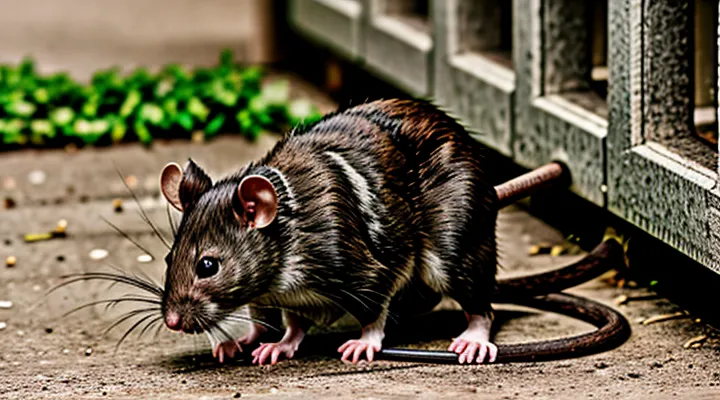
Why Rats Gnaw Wires
The Biological Imperative to Gnaw
Continuous Tooth Growth
Rats possess incisors that erupt continuously throughout life. Growth occurs at a rate of approximately 2–3 mm per week, driven by stem cells in the dental lamina. Because teeth never cease elongating, the animal must gnaw to keep the length within functional limits. This self‑sharpening mechanism directs chewing toward objects of low resistance, such as uninsulated copper or plastic-coated wires.
The persistent dental growth creates a natural incentive to inspect and bite any accessible material. When a wire offers a suitable texture and minimal hardness, the rodent’s incisors make contact, producing cuts that compromise electrical integrity and increase fire risk. Understanding the biological drive behind relentless tooth extension clarifies why standard deterrents often fail.
Effective mitigation strategies focus on removing the opportunity for gnawing or increasing the effort required:
- Encase cables in steel conduit or hardened metal tubing; hardness exceeds the cutting capability of continuously growing incisors.
- Install stainless‑steel mesh or perforated metal plates around conduit routes; mesh spacing prevents teeth from entering while allowing airflow.
- Apply bitter‑tasting, non‑toxic polymer coatings; taste receptors trigger aversion despite ongoing tooth growth.
- Deploy ultrasonic emitters that generate frequencies uncomfortable for rodents; discomfort reduces exploratory chewing.
- Implement regular visual inspections and replace compromised sections promptly; early detection limits damage extent.
By addressing the physiological necessity for constant tooth wear, these measures reduce the likelihood that a rat will select a wire as a gnawing target, thereby protecting electrical infrastructure.
Dental Hygiene
Rats possess continuously growing incisors; without regular wear, teeth become overgrown, increasing the likelihood of aggressive gnawing on available materials such as electrical wiring. Proper «dental hygiene» limits excessive tooth length, thereby reducing the incentive for rodents to seek alternative gnawing surfaces.
Incisor growth occurs at a rate of approximately 0.1 mm per day. Natural wear results from chewing on hard objects, yet in confined environments the absence of suitable substrates forces rats to gnaw softer, more vulnerable items, including insulated cables. Maintaining optimal tooth length through routine dental care disrupts this maladaptive behavior pattern.
Effective «dental hygiene» measures include:
- Provision of hardened chew blocks designed to match natural wear rates.
- Regular inspection of oral health by qualified personnel, with prompt trimming of overgrown incisors.
- Enrichment items composed of mineral-rich wood or composite materials that promote balanced wear.
- Dietary adjustments that incorporate fibrous components, encouraging natural chewing activity.
Implementing these practices alongside physical barriers—such as conduit sleeves, steel mesh, or rodent‑proof cable coverings—creates a multi‑layered defense. By controlling tooth length through disciplined oral care, the propensity for rats to gnaw wiring diminishes, safeguarding infrastructure without reliance on chemical deterrents.
Nutritional Exploration
Rats gnaw electrical cables when nutritional needs are unmet or when diet supplies insufficient chewing satisfaction. Deficiencies in protein, essential fatty acids, and minerals such as calcium can increase compulsive gnawing, as rodents instinctively seek nutrients lacking in their intake. High‑energy foods that meet caloric requirements reduce the drive to chew non‑food objects, decreasing the likelihood of wire damage.
A balanced rodent diet should contain:
- 18‑20 % high‑quality protein from sources like soy, fish meal, or insect protein.
- 5‑7 % fat, emphasizing omega‑3 and omega‑6 fatty acids to support neural development.
- Adequate calcium and phosphorus in a 1.2 : 1 ratio to prevent skeletal deficiencies that trigger gnawing.
- Fiber content of 5‑7 % from beet pulp, wheat bran, or cellulose to satisfy oral stimulation.
- Limited availability of sugary or high‑salt treats that may encourage opportunistic chewing.
Supplementary strategies reinforce nutritional control:
- Provide hardened chew blocks enriched with the same protein‑fat‑mineral profile as the primary feed.
- Distribute small, frequent feedings to maintain stable blood glucose levels, reducing stress‑induced gnawing.
- Rotate protein sources weekly to prevent dietary monotony, which can stimulate exploratory chewing.
Monitoring feed consumption and body condition scores enables early detection of nutritional gaps. Adjusting formulations promptly curtails the incentive for rodents to target wiring, contributing to long‑term infrastructure protection.
Curiosity and Environmental Exploration
Rats possess a strong drive to investigate new surroundings. When electrical conduits provide a protected pathway, the animals follow scent trails and structural gaps, treating the space as an extension of their habitat. Their exploratory instinct leads them to test objects encountered along the route.
Chewing serves both as a sensory assessment and as a means to modify the environment. By gnawing, rats evaluate material hardness, reduce dental overgrowth, and create passages that facilitate further movement. Wire insulation offers a readily available, easily penetrable substrate, making it a frequent target.
Effective mitigation relies on interrupting the exploratory loop and eliminating attractive conditions. Recommended actions include:
- Install metal or hard‑plastic conduit sleeves that resist gnawing.
- Seal entry points with cement, steel mesh, or expanding foam.
- Remove food residues and nesting materials that draw rodents into building interiors.
- Deploy ultrasonic or scent‑based repellents in high‑risk zones.
- Conduct regular inspections to identify early signs of damage.
By addressing the curiosity that drives rats into wiring systems and by reinforcing vulnerable areas, the likelihood of electrical compromise can be substantially reduced.
The Dangers of Rat Gnawing
Electrical Hazards
Short Circuits
Rats that bite through insulation expose conductive cores, creating a direct path between voltage and ground. The resulting short circuit forces excessive current flow, rapidly raising temperature and triggering protective devices or causing fire.
Short circuits degrade system reliability, increase maintenance costs, and pose safety hazards. When a conductor is compromised, voltage drops across the damaged segment, leading to equipment malfunction and potential loss of critical functions.
Early identification relies on visual inspection of wiring bundles, thermal imaging to locate hot spots, and monitoring of circuit breaker trips that lack an obvious load cause. Periodic testing of insulation resistance reveals degradation before complete failure.
Preventive measures include:
- Installing metal conduit or rigid PVC sleeves around vulnerable cables.
- Applying rodent‑resistant coating to insulation surfaces.
- Deploying ultrasonic or motion‑sensor deterrents in high‑risk zones.
- Maintaining a clean environment to reduce food sources that attract rodents.
- Conducting routine audits of cable routing and sealing entry points.
Fire Risk
Rats that chew electrical cables create a direct fire hazard. Exposed conductors can spark when short‑circuited, igniting surrounding insulation, combustible materials, or building structures. The probability of ignition increases in confined spaces where heat accumulates and ventilation is limited.
Chewing activity removes protective sheathing, leaving bare wires vulnerable to contact with flammable debris. Damaged insulation also compromises circuit breakers, allowing fault currents to persist longer before interruption. As a result, heat buildup may reach temperatures sufficient to trigger a fire without immediate detection.
Preventive actions include:
- Installing rodent‑proof conduit or metal‑clad cable trays that prevent gnawing.
- Applying steel‑wool or copper mesh sleeves around vulnerable sections.
- Using bait stations and traps to reduce rodent populations near electrical installations.
- Conducting regular visual inspections for signs of bite marks, frayed insulation, or droppings.
- Implementing sealed entry points and weather‑stripping to block access to crawl spaces and attics.
These measures reduce the likelihood of electrical failure and the ensuing fire risk caused by rodent activity.
Power Outages
Rats chew insulated copper and fiber‑optic cables, exposing conductors and creating short circuits. Short circuits trigger protective devices, disconnecting power distribution and producing immediate outages. Damage often occurs behind walls, in conduit, or within underground ducts, where inspection is difficult and repair times increase.
Typical consequences include:
- Sudden loss of lighting and HVAC operation
- Interruption of critical equipment such as servers and medical devices
- Activation of emergency generators, which may be delayed by damaged control wiring
Preventive measures focus on eliminating access and deterring gnawing:
- Install steel mesh or concrete sleeves in conduit openings; rodents cannot penetrate hardened barriers
- Apply rodent‑resistant cable sheathing, such as metal‑wrapped or aramid‑reinforced jackets, to vulnerable runs
- Deploy ultrasonic repellents or scent‑based deterrents near known infestation zones; regular replacement maintains efficacy
- Conduct quarterly visual inspections and use fiber‑optic cameras to locate gnaw marks before failure occurs
- Maintain a perimeter of metal flashing around utility rooms and basements; seal gaps larger than ¼ inch
Effective implementation reduces the frequency of unplanned interruptions, safeguards infrastructure, and limits costly emergency repairs.
Data and Communication Disruptions
Internet and Telephone Lines
Rats frequently target outdoor cable conduits, exploiting gaps in insulation to reach the metallic cores of «Internet and telephone lines». Their incisors can sever both fiber‑optic jackets and copper pairs, creating intermittent service failures that propagate through residential and commercial networks.
Damage manifests as signal loss, increased error rates, and complete line outages. Once a conductor is compromised, moisture ingress accelerates corrosion, reducing the lifespan of the entire infrastructure segment.
Preventive actions include:
- Installing metal‑mesh conduit or rigid steel tubing in vulnerable trench sections.
- Applying rodent‑resistant sheathing composed of reinforced polymer blends.
- Deploying bait stations and ultrasonic deterrents at known entry points.
- Conducting quarterly visual inspections of exposed cable runs, focusing on junction boxes and street‑level cabinets.
- Sealing all utility openings with steel‑capped plugs and expanding foam.
Implementing these measures reduces the likelihood of gnawing incidents, stabilizes connectivity, and extends the operational life of communication lines.
Appliance Damage
Rats frequently gnaw electrical cables that supply household appliances, creating direct pathways for «appliance damage». When insulation is breached, voltage irregularities can cause motor failure, overheating, or complete loss of function. The resulting faults often manifest as intermittent operation, unexplained shutdowns, or visible scorch marks on plug housings.
Typical indicators of rodent‑related harm include:
- Exposed copper strands or frayed insulation near appliance cords.
- Unusual odors of burnt plastic emanating from power outlets.
- Sudden tripping of circuit breakers without overload conditions.
Effective countermeasures focus on eliminating access and protecting wiring:
- Seal cracks, gaps, and utility openings with steel mesh or cement; rodents cannot penetrate metal barriers.
- Replace vulnerable sections of cable with conduit‑protected wiring, especially in crawl spaces and behind appliances.
- Deploy snap traps or electronic bait stations in areas of known activity; regular monitoring prevents population growth.
- Apply non‑toxic rodent repellents—such as peppermint oil‑infused pads—near power strips and appliance connections.
- Conduct quarterly visual inspections of cords and connections; replace any compromised sections immediately.
Implementing these practices reduces the likelihood of «appliance damage» caused by rodent chewing, safeguards equipment performance, and minimizes fire risk.
Structural Damage to Vehicles
Engine Compartments
Engine compartments provide a warm, sheltered environment that encourages rodent activity. The abundance of insulation, exposed wiring, and food residues creates ideal conditions for gnawing. Damage typically appears as chewed insulation, missing wire strands, or nests built from insulation material.
Signs of infestation include gnaw marks on copper or aluminum conductors, droppings near connectors, and the presence of gnawing noises when the engine operates. Early detection prevents costly electrical failures and potential fire hazards.
Preventive actions:
- Install stainless‑steel mesh or hardware cloth around all openings larger than ¼ inch.
- Apply rodent‑repellent compounds (e.g., capsaicin‑based sprays) to cable bundles and vent covers.
- Secure loose wiring with zip ties or conduit to eliminate dangling sections that attract gnawing.
- Place ultrasonic deterrents calibrated for the frequency range rodents detect.
- Conduct routine visual inspections before each flight, focusing on insulation integrity and evidence of nesting.
Maintenance programs should record inspection results, replacement dates for damaged wires, and the effectiveness of deterrent measures. Consistent application of these practices reduces the likelihood of rodent‑induced electrical failures within engine compartments.
Under-the-Hood Wiring
Under‑the‑hood wiring consists of harnesses, connectors, and protective sleeves that route power and signal cables throughout the engine bay. Rodent activity targets these components because insulation provides a convenient food source and tunnels offer shelter. Continuous chewing creates exposed conductors, short circuits, and intermittent system failures that may compromise engine control, lighting, and safety‑critical sensors.
Typical damage patterns include:
- Stripping of PVC or rubber jackets along the length of bundles.
- Chewed sections of high‑temperature silicone hoses that also contain embedded wires.
- Gnawed protective sleeves leaving bare copper or aluminum exposed.
Effective mitigation strategies focus on deterrence, barrier installation, and regular inspection:
- Apply rodent‑repellent tapes or sprays formulated with bitter agents to exposed cable surfaces.
- Install stainless‑steel conduit or flexible mesh sleeves around vulnerable harnesses, creating a physical obstacle that rodents cannot easily penetrate.
- Deploy ultrasonic emitters calibrated for the engine compartment frequency range; ensure devices operate continuously while the vehicle is parked.
- Schedule periodic visual checks of wiring bundles during routine maintenance, documenting any signs of gnawing or nesting material.
- Maintain a clean engine bay by removing food debris, oil residues, and standing water that attract rodents.
Combining chemical deterrents with robust mechanical protection significantly reduces the likelihood of wire damage, preserving electrical reliability and extending component lifespan.
Identifying Rat Gnawing Activity
Visual Clues
Gnaw Marks on Wires
Gnaw marks on wires appear as shallow, crescent‑shaped indentations with frayed insulation. The edges are often rough and may exhibit exposed copper or aluminum strands.
Typical indicators include irregular bite patterns, chewed sections ranging from a few millimeters to several centimeters, and accumulation of rodent droppings near the damaged area. Marks frequently align with a wire’s routing path, suggesting repeated gnawing activity.
Compromised insulation raises the risk of short circuits, fire hazards, and equipment malfunction. Exposed conductors can also attract insects, accelerating deterioration.
Inspection techniques involve visual surveys under adequate lighting, use of magnifying lenses to detect fine cuts, and thermal imaging to locate abnormal heat signatures caused by increased resistance at damaged sites.
Preventive actions:
- Install stainless‑steel or brass mesh conduits to block rodent access.
- Apply rodent‑resistant coating, such as bitter‑tasting polymer, to exposed cable sections.
- Seal entry points with metal flashing, concrete, or silicone sealant.
- Maintain a clean environment, removing food sources and nesting material.
- Deploy ultrasonic deterrents or motion‑activated traps in high‑risk zones.
Droppings and Urine Stains
Rats leave droppings and urine stains wherever they travel, including near electrical conduits. These excretions contain proteins and enzymes that accelerate corrosion of metal components, creating additional points of failure beyond the physical damage caused by gnawing. Moisture from urine also promotes mold growth, which can compromise insulation and increase the risk of short circuits.
Visible signs of contamination serve as early indicators of infestation. Fresh droppings appear as small, dark pellets roughly the size of a grain of rice; older deposits turn lighter and may blend with dust. Urine stains manifest as yellowish rings or wet patches, often accompanied by a distinctive odor. Regular inspection of cable trays, junction boxes, and surrounding wall cavities enables prompt identification of these hazards.
Preventive actions focus on eliminating access and removing attractants:
- Seal gaps larger than ¼ inch with steel wool, metal mesh, or cement‑based caulking.
- Install rodent‑proof conduit covers that lock securely over entry points.
- Maintain a clean environment by storing food and waste in sealed containers, reducing the scent cues that draw rats to the area.
- Deploy bait stations or electronic traps in concealed locations to reduce population density.
- Conduct routine cleaning of detected droppings and urine using enzymatic cleaners that neutralize organic residues and inhibit corrosion.
When contamination is discovered, remove all droppings and urine stains before repairing or replacing affected wiring. Use disposable gloves and protective eyewear, and follow occupational safety guidelines to prevent disease transmission. After decontamination, re‑inspect the area for new signs of activity and reinforce barriers as necessary.
Nests and Debris
Rats build nests from shredded insulation, paper, food scraps and other debris. These structures provide warmth, concealment and a steady supply of soft material that rats gnaw to expand their burrows. When nests are positioned near electrical conduits, the rodents frequently chew the surrounding insulation to access the wires, creating a direct risk of short circuits.
Accumulated debris creates pathways that guide rats along walls and ceilings. Moisture retained in organic matter softens surrounding insulation, making it easier for the incisors to cut through. The combination of a secure nest and accessible debris increases the likelihood that rats will target nearby cables.
Preventive actions focus on eliminating the conditions that support nest formation and debris buildup:
- Conduct routine inspections of ceilings, walls and equipment racks; remove any visible nests or shredded material immediately.
- Seal cracks, gaps and utility openings with steel wool, caulk or metal flashing to block entry.
- Install sealed conduit systems that isolate wires from potential gnawing zones.
- Maintain a clean environment by disposing of food waste in sealed containers and regularly cleaning storage areas.
- Deploy rodent‑deterrent devices, such as ultrasonic emitters or snap traps, in proximity to high‑risk zones.
By removing nests and reducing debris, the incentive for rats to gnaw wires diminishes, protecting electrical infrastructure from damage.
Auditory Clues
Scratching and Squeaking Sounds
Rats produce distinct scratching and squeaking noises when they explore or gnaw near electrical cables. The sounds arise from claws contacting insulation, metal conduits, or structural elements, and from vocalizations triggered by stress or territorial disputes. Detecting these acoustic signals early allows identification of potential damage before insulation is breached.
Scratching indicates initial contact with wiring surfaces. Repeated high‑frequency squeaks often accompany active gnawing, signaling that incisors have reached the conductive core. The combination of persistent, rhythmic scratching followed by intermittent squeaking correlates with progressive wire compromise, increasing fire risk and system failure.
Preventive actions focus on sound monitoring and physical barriers:
- Install ultrasonic or acoustic detectors calibrated to the frequency range of rodent claw and vocal emissions.
- Position detectors at junction boxes, conduit entry points, and near known entry routes.
- Deploy sealed cable trays, metal conduit, or hardened sleeves to block access.
- Apply rodent‑repellent coatings to cable insulation; reapply according to manufacturer schedule.
- Maintain a clean environment, eliminating food sources and nesting materials that attract rodents.
Regular inspection of detection logs, combined with immediate sealing of identified entry points, reduces the likelihood that scratching and squeaking noises will progress to wire damage.
Sounds of Gnawing at Night
Rats produce a distinctive gnawing noise during nocturnal activity. The sound is a sharp, repetitive squeak lasting 0.5–2 seconds, followed by brief silence. Frequency peaks around 3–5 kHz, audible through thin walls and ceilings. Detection of this pattern allows early identification of rodent intrusion before visible damage occurs.
The audible cue signals potential compromise of electrical insulation. Continuous gnawing creates frayed conductors, increasing fire risk. Differentiating the noise from settling structures or HVAC systems relies on its irregular rhythm and higher pitch. Prompt response to the sound reduces the likelihood of catastrophic wiring failure.
Preventive actions focus on exclusion, monitoring, and immediate remediation.
- Seal openings larger than ¼ inch with steel wool, cement, or metal mesh.
- Install motion‑activated ultrasonic detectors near known entry points.
- Conduct quarterly visual inspections of conduit, especially in attics and crawl spaces.
- Deploy snap traps or live‑capture devices along established runways.
- Replace any cable showing exposed fibers or chew marks without delay.
«The sound of gnawing at night serves as an early warning indicator, enabling timely intervention to protect electrical infrastructure».
Prevention Strategies
Exclusion Methods
Sealing Entry Points
Rats infiltrate buildings through any unsealed gap, then gnaw exposed wires, causing short‑circuits and fire hazards.
Sealing entry points eliminates the primary access route, forcing rodents to seek alternative, less dangerous paths.
Materials suitable for durable sealing include:
- Steel wool, compressed tightly into cracks
- Copper or stainless‑steel mesh, overlapped at seams
- Silicone‑based sealant, applied to joints and around conduit
- Expanding polyurethane foam, used sparingly in larger voids
- Rigid hardware cloth, installed over vent openings
Procedure for effective sealing:
- Inspect exterior and interior walls, foundation, roof eaves, utility penetrations, and vent openings.
- Remove loose debris and trim vegetation that may conceal gaps.
- Insert steel wool or mesh into each opening, ensuring a snug fit.
- Apply silicone sealant over the filler, smoothing the surface to create a continuous barrier.
- For larger cavities, spray expanding foam, then cover with mesh and sealant to prevent re‑entry.
- Secure vent covers with hardware cloth, fastening with screws or zip ties.
Regular inspection, at least twice yearly, verifies integrity of seals and identifies new breaches before rodents can exploit them.
«All gaps must be sealed» serves as a concise directive for maintenance crews and property managers.
Using Mesh and Hardware Cloth
Rats frequently target exposed wiring, creating fire hazards and equipment failures. Installing a physical barrier that resists chewing offers a reliable solution.
Mesh and hardware cloth provide dense, metal lattices that rodents cannot easily penetrate. Typical specifications include 1‑mm to 2‑mm openings, stainless‑steel or galvanized finishes, and thicknesses of 0.5 mm to 1 mm. These dimensions balance flexibility for installation with strength to withstand repeated gnawing attempts.
Effective implementation follows a systematic approach:
- Measure the length of conduit or cable run requiring protection.
- Cut mesh or hardware cloth to length, allowing a 2‑inch overlap at each joint.
- Secure overlaps with stainless‑steel staples or wire ties, ensuring no gaps larger than the mesh opening.
- Wrap the protected section with a heat‑shrink sleeve or PVC conduit for additional insulation.
- Inspect joints periodically for signs of wear or displacement.
Selection criteria prioritize corrosion resistance, especially in humid or outdoor environments, and compatibility with existing conduit systems. Stainless‑steel hardware cloth offers superior longevity, while galvanized options provide cost‑effective performance in dry conditions.
Maintenance requires visual checks every six months. Replace any compromised sections immediately to preserve the barrier’s integrity. Properly installed mesh and hardware cloth dramatically reduce the likelihood of rodent‑induced wire damage, extending the lifespan of electrical infrastructure.
Repellents and Deterrents
Electronic Repellents
Electronic repellents emit ultrasonic or electromagnetic signals that rodents find uncomfortable, discouraging them from approaching wiring assemblies. The devices operate continuously or on a timed schedule, creating an environment that rodents perceive as hostile without physical contact.
Typical categories include:
- Ultrasonic emitters: produce high‑frequency sound beyond human hearing, targeting the auditory sensitivity of rats.
- Electromagnetic field generators: generate low‑frequency fields that interfere with rodent nervous systems.
- Combination units: integrate both ultrasonic and electromagnetic outputs for broader coverage.
Installation guidelines:
- Position units near cable bundles, conduit entries, and junction boxes where gnawing incidents are most frequent.
- Ensure unobstructed line‑of‑sight for ultrasonic waves; avoid placing devices behind dense insulation or metal enclosures.
- Connect power supplies to a reliable source, using surge protectors to prevent interruption.
- Verify that the coverage radius matches the dimensions of the protected area; multiple units may be required for extensive installations.
Maintenance considerations:
- Replace batteries or check power adapters every six months to sustain emission strength.
- Clean speaker and antenna surfaces periodically to avoid dust accumulation that can attenuate signal output.
- Conduct periodic efficacy assessments by inspecting cables for fresh gnaw marks; adjust unit placement if damage reappears.
Advantages:
- Non‑chemical approach eliminates health hazards associated with poisons.
- Silent operation for humans; ultrasonic frequencies remain inaudible.
- Rapid deployment without structural modifications.
Limitations:
- Effectiveness may diminish as rodents habituate to constant frequencies; rotating signal patterns can mitigate adaptation.
- Physical barriers such as thick metal shielding can block ultrasonic propagation, reducing reach.
- Not a substitute for comprehensive rodent management; sealing entry points and maintaining cleanliness remain essential.
When applied correctly, electronic repellents form a proactive layer of protection that reduces the likelihood of rodent‑induced cable damage, complementing other preventive measures.
Natural Repellents
Rats gnaw electrical wiring to sharpen incisors, exposing conductors and creating fire risk. Natural repellents deter rodents without chemicals that damage equipment or environment.
• Peppermint oil – strong scent overwhelms olfactory receptors, discouraging entry into treated areas. Apply diluted solution to cotton balls placed near cables or spray onto insulation surfaces.
• Capsaicin – active component of cayenne pepper irritates mucous membranes; dust powdered form on gaps and around conduit openings.
• Ammonia – volatile ammonia vapour mimics predator urine, prompting avoidance behavior. Soak rags in diluted ammonia and position in concealed junction boxes.
• Predator urine – commercially available urine from foxes or cats contains pheromones that signal danger. Distribute sachets in attic spaces and crawl zones.
• Plant extracts – neem oil and eucalyptus oil possess insecticidal and repellent properties; spray mixture onto wire sheaths for continuous effect.
Effectiveness depends on regular reapplication, especially after cleaning or humidity changes. Combining several repellents creates layered barrier that reduces likelihood of rodents contacting insulation. Monitoring for chew marks and replacing compromised sections completes preventive strategy.
Scent-Based Deterrents
Rats gnaw electrical cables because the material provides easy access to food sources and shelter. Scent‑based deterrents exploit the rodents’ acute olfactory system to create an environment that is perceived as hostile.
Effective aromatic agents include:
- Peppermint oil, applied to cotton balls or soaked into fabric strips, produces a volatile compound that rats avoid.
- Ammonia, diluted with water and sprayed along cable routes, generates a pungent vapour that interferes with scent tracking.
- Predator urine, such as fox or ferret, mimics the presence of natural enemies and triggers instinctive avoidance.
- Capsaicin extracts, derived from hot peppers, create a burning sensation when inhaled, discouraging proximity to treated surfaces.
Application guidelines:
- Place scent sources at regular intervals (approximately 30 cm) along exposed wiring.
- Refresh volatile agents every 2–3 weeks, as potency diminishes with exposure to air.
- Combine with physical barriers—metal conduit, sealed conduit fittings—to prevent direct contact.
Limitations:
- Strong odors may dissipate quickly in well‑ventilated areas, reducing long‑term efficacy.
- Some rodents habituate to low‑intensity scents; rotating between different agents mitigates adaptation.
- Scent deterrents do not address structural vulnerabilities; they must complement sealing and insulation measures.
Integrating aromatic repellents with comprehensive rodent‑proofing—such as sealing entry points, installing chew‑resistant conduit, and maintaining a clean environment—provides the most reliable protection against cable damage.
Trapping and Removal
Snap Traps
Snap traps constitute a direct, mechanical response to rodent activity near electrical conduits. These devices rely on a spring‑loaded bar that closes rapidly when triggered by a rat’s movement, delivering an instantaneous lethal force. The simplicity of the mechanism eliminates reliance on chemicals, reducing the risk of contaminating surrounding components.
Effective deployment of snap traps follows several practical guidelines:
- Position traps along established runways, typically within 30 cm of suspected gnawing sites, to maximize encounter probability.
- Secure traps to stable surfaces using screws or brackets, preventing displacement by curious rodents.
- Employ bait that appeals to the target species, such as peanut butter or dried fruit, placed on the trigger plate to ensure activation.
- Inspect traps daily, removing captured specimens and resetting mechanisms to maintain continuous pressure on the infestation.
Maintenance considerations include regular lubrication of the spring mechanism to preserve snap speed, and periodic replacement of worn trigger plates to avoid false releases. In environments where wires are exposed, integrating snap traps with protective conduit sleeves creates a layered defense, limiting access while delivering immediate removal of intruders. This combination addresses both the physical damage caused by gnawing and the underlying population pressure, offering a robust solution for infrastructure protection.
Live Traps
Live traps provide a humane method for removing rats that threaten electrical installations. By capturing rodents without lethal force, these devices reduce the likelihood of gnawing incidents that can damage insulation and create fire hazards.
Typical designs include cage traps with spring‑loaded doors, multi‑catch models that hold several individuals, and electronic triggers that release a latch when weight is applied. Each type offers specific advantages: cage traps allow immediate observation of captured animals; multi‑catch units minimize the need for frequent resetting; electronic triggers improve sensitivity to small rodents while preventing accidental closures.
Effective deployment follows a systematic approach. First, identify pathways used by rats to reach wiring, such as gaps behind appliances, conduit openings, and wall voids. Place traps along these routes, positioning bait—peanut butter, dried fruit, or fish flakes—at the far end to encourage entry. Check traps at least twice daily; prompt removal of captured rodents prevents stress and eliminates the risk of secondary damage. After release, relocate animals at least 500 meters from the original site to discourage immediate return.
Integration with complementary measures enhances overall protection. Seal entry points, maintain cleanliness to reduce food sources, and install rodent‑resistant conduit where feasible. Live traps address the immediate presence of rats, while structural improvements limit future infestations and the associated risk to wiring.
Professional Pest Control
Rats gnawing electrical cables create immediate safety hazards and costly equipment failures. Damage often appears as exposed conductors, short circuits, or fire‑induced outages. Prompt intervention prevents escalation and protects infrastructure.
Professional pest control providers assess infestation levels, identify entry points, and design comprehensive mitigation plans. Services include inspection, species‑specific control, and ongoing monitoring to ensure lasting protection.
Key actions implemented by specialists:
- Seal gaps, vents, and foundation cracks with steel‑wool‑reinforced caulk or metal flashing.
- Install rodent‑proof conduit and cable trays to eliminate direct contact with chewing surfaces.
- Deploy bait stations and snap traps in accordance with regulatory guidelines, targeting active burrows.
- Conduct regular sanitation to remove food residues and nesting materials that attract rodents.
- Schedule quarterly inspections to verify exclusion measures and adjust tactics as needed.
«Effective rodent management requires integrated strategies», emphasizes industry standards. Consistent application of these measures reduces downtime, complies with safety regulations, and lowers long‑term maintenance expenses.
Environmental Management
Eliminating Food Sources
Rats are attracted to environments where food residues persist. When crumbs, spilled grain, or improperly stored feed remain near electrical conduits, rodents are drawn to the area, increasing the likelihood of wire damage.
Removing these attractants cuts the incentive for rats to explore and gnaw. Without a reliable food source, populations decline, and the frequency of chewing incidents drops markedly.
Practical steps for eliminating food sources:
- Store all consumables in sealed, rodent‑proof containers made of metal or thick plastic.
- Clean workspaces daily; sweep floors, wipe surfaces, and dispose of waste in tightly sealed bins.
- Install splash‑proof trays under equipment that may release food particles.
- Conduct regular inspections of pantry and storage rooms; remove expired or spilled items immediately.
- Position bait stations away from electrical installations to prevent accidental consumption.
Consistent application of these measures creates an environment where rodents find little sustenance, thereby reducing the risk of wire gnawing. «No food, no rats» encapsulates the preventive principle.
Reducing Clutter
Rats locate nesting sites and food sources in disorganized spaces where insulation, cardboard, and debris provide shelter and concealment. When clutter accumulates around conduits, rodents gain easy access to wires, increasing the likelihood of gnawing that can cause short circuits and fire hazards.
Eliminating unnecessary items from work areas, storage rooms, and utility closets removes hiding places and forces rodents to seek alternative routes. A tidy environment reduces the probability of contact between animals and electrical components, thereby lowering the risk of damage.
Practical measures for clutter reduction include:
- Removing cardboard boxes, paper stacks, and fabric piles from proximity to wiring.
- Storing tools and equipment on shelves with solid backs rather than on open floors.
- Installing sealed containers for waste and food scraps to deny attractants.
- Conducting regular inspections to identify and discard abandoned materials.
Consistent application of these actions creates a hostile setting for rodents, limits opportunities for wire gnawing, and supports long‑term reliability of electrical installations.
Proper Waste Management
Rats are attracted to food residues and improperly stored refuse; eliminating these attractants reduces the likelihood of gnawing on electrical components.
Effective waste management begins with strict segregation: organic waste, packaging, and hazardous material must each be placed in dedicated, sealed containers. Containers should feature tight‑closing lids and be constructed of materials resistant to chewing.
A fixed collection timetable prevents accumulation. Waste should be removed from the premises before it becomes a breeding ground, and transport vehicles must be sealed to avoid spillage during transit.
Storage areas require regular inspection. Any signs of damage, moisture, or leakage demand immediate repair; damaged containers provide entry points for rodents.
Key practices include:
- Use of rodent‑proof bins with lockable lids.
- Placement of bins away from walls and electrical conduits.
- Routine cleaning of bin exteriors and surrounding floors.
- Prompt disposal of food scraps in sealed bags before transfer to larger containers.
Implementing these measures removes food sources, limits shelter opportunities, and directly mitigates the risk of wire damage caused by rodent activity.