
Common Signs of Illness and Weakness
Changes in Physical Appearance
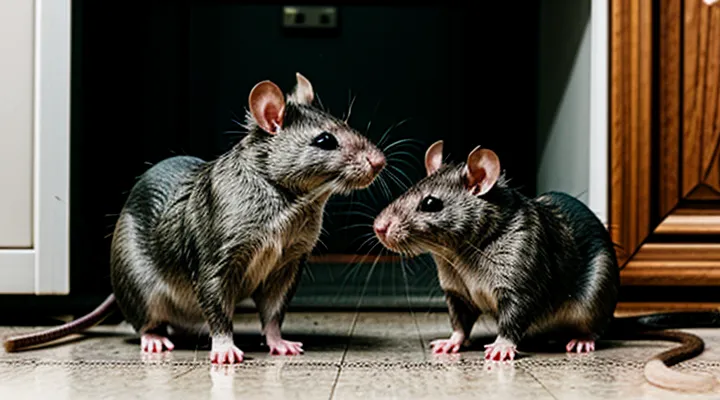
Rats nearing the end of life exhibit distinct alterations in their outward condition. Fur becomes dull, loses its glossy sheen, and may develop patches of thinning or baldness, particularly along the dorsal surface. Skin appears pallid, with reduced perfusion evident as a grayish hue around the ears and tail. Eyes often lose clarity; the cornea may develop a cloudy film, and the pupils become sluggishly reactive or fixed. The tail, a key thermoregulatory organ, may show reduced temperature, manifesting as a cooler, less vibrant color compared with healthy individuals.
Additional observable changes include:
- Weight loss leading to a noticeable reduction in body mass and a more angular appearance of the abdomen.
- Decreased muscle tone, resulting in a flaccid posture and diminished ability to maintain upright stance.
- Accumulation of excreta around the nest area, reflecting reduced grooming and hygiene behaviors.
- Swelling or edema in the limbs, sometimes accompanied by a waxy or gelatinous texture of the skin.
These physical markers provide reliable indicators of imminent mortality in laboratory and wild rat populations, facilitating timely intervention or humane endpoint decisions.
Altered Grooming Habits
Rats approaching the end of life display distinct changes in self‑maintenance activities. Grooming frequency declines sharply, often limited to brief, irregular strokes rather than the continuous, patterned bouts seen in healthy individuals. When grooming does occur, it tends to focus on a single body region, typically the head or forepaws, while other areas remain unattended. This reduction in coverage reflects diminished motor coordination and a shift in energy allocation away from non‑essential behaviors.
Additional alterations include:
- Fragmented grooming sequences, with frequent interruptions and incomplete cycles.
- Increased latency before initiating grooming after a disturbance.
- Abnormal posture during grooming, such as elevated forelimbs or hunching, indicating discomfort or weakness.
These modifications serve as reliable indicators of physiological decline and can assist researchers in identifying rats that are nearing mortality.
Reduced Activity Levels
Rats approaching the end of life display a marked decline in overall activity. Locomotor measurements show reduced speed and shorter travel distances in open‑field tests. Exploratory behavior diminishes; rats spend less time investigating novel objects and frequently remain in a single corner of the cage. Grooming frequency drops, and bouts that occur are shorter and less thorough. Wheel‑running activity declines sharply, often ceasing altogether within days of the terminal phase. Sleep–wake cycles become fragmented, with longer periods of immobility during the dark phase when rats normally exhibit peak activity. These patterns provide reliable indicators of impending mortality and are consistently observed across laboratory strains.
Behavioral Shifts Indicating Distress
Isolation and Hiding
Rats nearing the end of life often withdraw from the colony, seeking solitude. This withdrawal reduces social interaction and minimizes exposure to potential threats, reflecting an innate survival strategy.
- Individuals isolate in corners or beneath bedding, avoiding open spaces.
- Vocalizations decrease markedly, with occasional low‑frequency sounds indicating distress.
- Movement becomes limited to short, cautious forays within a confined area.
- Grooming behavior declines, conserving energy for essential physiological functions.
The tendency to hide aligns with reduced activity levels and a focus on conserving resources. Rats may select nest material that offers additional concealment, reinforcing the protective barrier against predators and conspecific aggression.
Observations of isolation and hiding provide reliable indicators of impending mortality, aiding researchers in identifying terminal phases without invasive monitoring.
Aggression or Increased Timidity
Rats approaching the end of life display a distinct shift in behavior that falls into two opposite categories: heightened aggression and pronounced timidity. Observations across multiple laboratories indicate that these patterns emerge within hours to days before death, regardless of the underlying cause.
Aggressive responses intensify when terminal rodents encounter unfamiliar stimuli or conspecifics. Behavioral assays record increased biting, lunging, and persistent territorial marking. Neurochemical analyses reveal elevated corticosterone and reduced serotonergic activity, suggesting stress‑induced hyperarousal. In disease models such as tumor burden or severe infection, aggression often coincides with rapid weight loss and diminished grooming, reflecting a desperate attempt to secure resources.
Timidity manifests as reduced locomotion, avoidance of open spaces, and diminished interaction with cage mates. Video tracking shows a 40‑60 % decrease in exploratory bouts compared to baseline. Hormonal profiles indicate lower norepinephrine and higher oxytocin levels, consistent with a withdrawal strategy. Rats exhibiting timidity frequently adopt crouched postures, remain motionless for extended periods, and seek shelter in corners of the enclosure.
Factors influencing the choice between aggression and timidity include:
- Genetic strain (e.g., Sprague‑Dawley vs. Long‑Evans)
- Age at onset of terminal condition
- Type of pathology (cancer, neurodegeneration, infection)
- Housing density and social hierarchy
- Prior exposure to stressors or enrichment
Understanding these behavioral trajectories refines humane endpoint criteria and improves the interpretation of experimental outcomes. Recognizing whether a dying rat is becoming more hostile or more withdrawn informs cage‑side monitoring protocols and guides timely intervention to minimize suffering.
Unusual Vocalizations
Rats emit distinct vocal signals during the terminal phase of their lifespan, differing markedly from the ultrasonic calls used for social communication. These sounds appear shortly before cessation of vital functions and persist for minutes to hours, depending on the individual’s health status.
- Frequency: 2–5 kHz, audible to humans, often overlapping with low‑frequency ultrasonic components.
- Duration: bursts lasting 0.1–0.5 s, repeated in irregular intervals.
- Pattern: irregular rhythm, occasional crescendo‑decrescendo sequences, occasional high‑pitch squeaks interspersed with low‑frequency moans.
The emergence of these vocalizations correlates with physiological stressors such as hypoxia, metabolic acidosis, and heightened activity in the periaqueductal gray and amygdala. Neural recordings reveal increased firing rates in brainstem nuclei responsible for respiratory and vocal motor control, suggesting a reflexive response to systemic deterioration.
Recognition of these acoustic markers improves early identification of impending mortality in laboratory colonies, enabling humane interventions and more accurate interpretation of experimental outcomes. Continuous acoustic monitoring provides a non‑invasive metric for assessing animal welfare and for studying the neurobiology of death‑related behaviors.
Physiological Manifestations
Changes in Eating and Drinking
Rats approaching the end of life display a marked decline in food consumption. Daily intake often falls to less than 30 % of baseline levels within 24–48 hours before death. The reduction is not uniform; some individuals cease eating altogether, while others ingest only small, sporadic meals. This pattern reflects both loss of appetite and impaired gastrointestinal motility.
Water intake follows a similar trajectory but may diverge in timing. Many rats maintain modest drinking behavior for a short period after food intake drops, yet overall fluid consumption typically declines to under 20 % of normal volumes within the final two days. In some cases, excessive thirst emerges, leading to polydipsia that precedes renal failure, while in others, dehydration becomes evident as urine output ceases.
Key physiological changes associated with these feeding and drinking alterations include:
- Decreased gastric motility and delayed gastric emptying.
- Reduced secretion of orexigenic hormones such as ghrelin.
- Elevated circulating corticosterone, suppressing appetite.
- Impaired renal concentrating ability, affecting thirst regulation.
Observations across controlled studies indicate that the onset of reduced intake correlates with systemic inflammation and organ dysfunction. Monitoring food and water patterns provides a reliable, non‑invasive indicator of imminent mortality in laboratory rats.
Breathing Difficulties
Rats approaching the end of life often display marked respiratory abnormalities that signal imminent death. These abnormalities arise from progressive physiological failure, including loss of muscular control over the diaphragm and reduced lung compliance. The resulting hypoventilation leads to rapid oxygen depletion and carbon dioxide accumulation, which further depresses central nervous function.
Observable respiratory signs include:
- Shallow, irregular breaths with prolonged pauses.
- Audible wheezing or rattling caused by airway obstruction.
- Sudden cessation of breathing (apnea) following a series of weak gasps.
- Visible chest wall tremor as respiratory muscles fatigue.
Underlying mechanisms involve degeneration of the brainstem respiratory centers, impaired gas exchange due to pulmonary edema, and systemic acidosis. Experimental data show that rats exhibiting these patterns typically die within minutes to a few hours, providing a reliable metric for assessing the terminal phase in laboratory studies.
Loss of Coordination
Rats approaching the end of life display a marked decline in motor control. Muscle tremors, irregular gait, and frequent stumbling replace the smooth locomotion typical of healthy individuals. The loss of coordination often begins with subtle missteps on uneven surfaces and progresses to severe ataxia, rendering the animal unable to navigate its enclosure without assistance.
Key manifestations include:
- Unsteady walking, characterized by wide‑based stance and frequent pauses.
- Inability to maintain balance when elevated, leading to frequent falls.
- Erratic forelimb movements during grooming or food handling.
- Reduced grip strength, causing dropped objects and failure to climb.
These deficits arise from deteriorating central nervous system function, compromised cerebellar signaling, and peripheral neuropathy associated with systemic decline. The observable pattern provides researchers with reliable indicators for identifying the terminal stage in laboratory rodents.
The Final Stages: Subtle Cues
Decreased Responsiveness
Rats approaching the end of their lifespan exhibit a marked decline in responsiveness to external stimuli. This reduction manifests as slower reaction times, diminished startle reflexes, and a lowered frequency of exploratory movements. Electrophysiological recordings often show decreased neuronal firing rates in sensory cortices, correlating with the behavioral observations.
Key characteristics of diminished responsiveness include:
- Delayed withdrawal from tactile or nociceptive probes, extending from seconds to several minutes.
- Reduced orientation toward auditory cues, with fewer head turns and lower amplitude of ear movements.
- Decreased engagement with novel objects, reflected in fewer contacts and shorter investigation periods.
Physiological studies link these behaviors to progressive alterations in synaptic transmission, reduced neurotransmitter release, and systemic metabolic slowdown. Hormonal changes, such as elevated corticosterone, further suppress arousal mechanisms, reinforcing the observed lethargy.
Understanding this pattern aids researchers in distinguishing normal terminal decline from pathological conditions, improving the interpretation of experimental data involving aged or disease‑model rodents.
Labored Breathing
Labored breathing, also known as dyspnea, emerges as a prominent indicator of imminent mortality in rodents. As physiological systems deteriorate, respiratory muscles weaken, airway resistance increases, and gas exchange becomes inefficient. The resulting pattern includes irregular rhythm, reduced tidal volume, and audible wheezing or gasp-like sounds.
Key characteristics of terminal respiratory distress in rats:
- Shallow, rapid breaths alternating with pauses
- Audible inspiratory stridor or expiratory wheeze
- Visible abdominal muscle contractions without thoracic expansion
- Decreased oxygen saturation measurable by pulse oximetry
These signs appear within hours of the final decline and often coincide with other systemic failures such as cardiovascular collapse and loss of locomotor control. Continuous monitoring in laboratory settings enables early detection, allowing researchers to apply humane endpoints and reduce unnecessary suffering.
Physiological mechanisms underlying the phenomenon involve hypoxemia, hypercapnia, and metabolic acidosis, which stimulate chemoreceptor pathways and provoke compensatory, yet ultimately unsustainable, respiratory effort. Histological examination frequently reveals edema in alveolar spaces and congestion of pulmonary vasculature, confirming the progressive loss of pulmonary function.
Accurate documentation of labored breathing contributes to a comprehensive understanding of end-of-life behavior in rats, informing both ethical protocols and the interpretation of experimental outcomes that involve terminal phases.
Body Temperature Fluctuations
Rats entering the terminal phase exhibit a consistent decline in core body temperature. Measurements taken from telemetry implants show a reduction from the normal 37‑38 °C to approximately 30 °C within 24 hours before death. The drop proceeds at an average rate of 0.3 °C per hour, accelerating as the animal approaches the end of life.
The temperature decrease reflects diminished metabolic heat production and impaired hypothalamic regulation. Peripheral vasoconstriction limits heat loss, yet the loss of autonomic control eventually permits ambient temperature to dominate. Concurrent reductions in oxygen consumption and cardiac output further suppress internal heat generation.
Typical temperature patterns include:
- Steady decline over several hours.
- Brief transient elevations (1‑2 °C) associated with sporadic movement or stress.
- Final plateau near ambient temperature shortly before cessation of cardiac activity.
Providing Comfort and Care
Creating a Peaceful Environment
Rats approaching the end of life exhibit heightened stress, reduced mobility, and altered social interactions. A tranquil setting mitigates these responses, supporting natural physiological decline and preventing unnecessary suffering.
- Provide a quiet enclosure; eliminate sudden noises and vibrations.
- Maintain stable temperature within the species‑specific comfort range (20‑24 °C) to avoid thermal stress.
- Use soft, absorbent bedding that remains dry; replace soiled material promptly to prevent odor buildup.
- Dim ambient lighting to mimic dusk, reducing visual stimulation that can trigger agitation.
- Limit handling to essential care tasks; when contact is required, move slowly and use gentle restraint techniques.
Consistent environmental control fosters a calm atmosphere, allowing rats to display typical pre‑mortem behaviors—such as decreased grooming, solitary retreat, and slowed respiration—without added distress. This approach aligns with humane research standards and ethical animal‑care practices.
Nutritional Support and Hydration
Rats approaching the end of life exhibit marked alterations in food intake and water consumption. Consumption declines sharply within 24‑48 hours of imminent death, often accompanied by prolonged periods of inactivity near the food source. The reduction is not uniform; some individuals retain brief, sporadic bouts of feeding, typically limited to high‑energy items that are easily accessed.
Key physiological changes accompany these behavioral shifts:
- Gastric motility slows, leading to delayed emptying and reduced appetite signals.
- Plasma osmolality rises as renal function deteriorates, prompting thirst suppression despite dehydration.
- Hormonal profiles shift, with decreased ghrelin and elevated cortisol, reinforcing anorexia and hypohydration.
Experimental protocols that maintain nutritional support during this phase must account for the animal’s diminished motivation. Strategies include:
- Providing palatable, soft diets that require minimal manipulation.
- Offering water in shallow trays or gel-based sources to reduce effort.
- Monitoring intake hourly to detect abrupt cessation, which often predicts imminent mortality.
Failure to adjust feeding regimens can accelerate physiological decline, confounding data on terminal behavior. Precise documentation of intake patterns therefore contributes to reliable interpretation of end‑of‑life observations in rodent models.
Veterinary Consultation
Veterinary consultation for rats exhibiting terminal behavior requires systematic observation, accurate documentation, and prompt intervention. Clinicians must assess physical condition, behavioral changes, and environmental factors to differentiate disease‑related decline from natural senescence.
Key observations include:
- Reduced locomotion, frequent resting in corners or burrows
- Decreased grooming, fur appearing unkempt
- Altered feeding patterns, refusal of food or water
- Vocalizations such as high‑pitched squeaks or prolonged silence
- Changes in posture, hunching, or inability to maintain balance
During the consultation, the veterinarian should:
- Conduct a thorough physical exam, noting weight loss, respiratory sounds, and skin integrity.
- Collect a complete medical history, focusing on recent illnesses, injuries, and exposure to toxins.
- Perform diagnostic tests as indicated—blood panels, radiographs, or necropsy samples—to identify underlying pathology.
- Discuss prognosis with the owner, outlining expected duration of decline and humane end‑of‑life options.
- Provide supportive care recommendations, including temperature regulation, hydration methods, and pain management protocols.
Effective communication with the caretaker is essential. The veterinarian must explain observable signs, clarify the significance of each symptom, and guide decision‑making based on the rat’s quality of life. Documentation of all findings ensures continuity of care and informs future research on rat mortality patterns.