
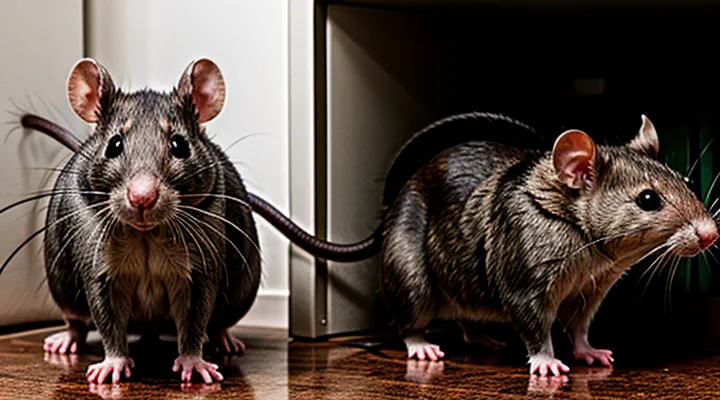
Understanding Rat Behavior
Why Rats Enter Homes
Search for Food
Rats enter homes primarily to locate reliable food sources. Their acute sense of smell detects crumbs, spilled liquids, and stored provisions hidden in cabinets, pantries, and garbage containers. When food is readily available, individuals establish foraging routes that connect entry points with feeding sites, reinforcing their presence and encouraging additional members to follow.
Key factors that drive the search for nourishment:
- Open containers of dry goods or pet food left uncovered.
- Food residues on countertops, floors, or appliances.
- Leaking pipes or dripping appliances that provide moisture and attract insects, which become secondary food.
- Unsealed garbage bags or compactor lids that release odor cues.
- Cluttered storage areas where food items are hidden from regular cleaning.
Effective prevention requires eliminating these attractants. Secure all food in airtight containers, clean surfaces after each meal, repair leaks promptly, and maintain a regular schedule for emptying and sealing waste receptacles. By removing the incentives that guide rodents toward sustenance, the likelihood of their intrusion diminishes markedly.
Search for Water
Rats are driven to locate moisture when ambient humidity drops or when natural water sources become scarce. The search for water often pushes them toward human dwellings, where plumbing, leaks, and condensation provide reliable supplies.
Rats detect moisture through tactile whisker sensing and olfactory cues. They are attracted to:
- Dripping faucets or pipes
- Leaky roofs and walls
- Stagnant water in sinks, bathtubs, or pet bowls
- Condensation on cold surfaces such as windowsills and refrigerated appliances
These cues guide rats along familiar routes, including wall voids, utility conduits, and foundation cracks. Once a water source is identified, rats exploit the same openings to enter interior spaces, establishing foraging paths that may later support breeding colonies.
Preventive actions focus on eliminating water availability:
- Repair all leaks promptly, inspect under appliances and behind walls.
- Seal gaps larger than ¼ inch around pipes, vents, and foundation walls.
- Install automatic shut‑off devices on faucets and ensure pet water dishes are emptied nightly.
- Use moisture‑absorbing materials in basements and crawl spaces to reduce ambient humidity.
By removing accessible water, the incentive for rats to breach the building envelope diminishes, reducing the likelihood of indoor infestation.
Search for Shelter
Rats enter residential spaces primarily to secure a protected environment that satisfies their needs for food, water, and safety. The search for shelter drives their movement from outdoor habitats into walls, attics, and basements where temperature remains stable and predators are absent.
Typical locations that provide the necessary protection include:
- Wall voids and insulation cavities
- Ceiling joists and attic insulation
- Crawl spaces beneath foundations
- Unsealed utility penetrations (e.g., pipes, electrical conduits)
- Cluttered storage areas with abundant debris
These sites share common characteristics: limited human disturbance, concealed entry points, and proximity to potential food sources such as pantry items, pet feed, or waste. Structural gaps as small as a quarter‑inch allow rats to infiltrate, exploiting any breach in the building envelope.
Effective mitigation begins with identifying and sealing these access routes. Installing steel wool or metal mesh in openings, repairing damaged siding, and maintaining a clean interior reduce the attractiveness of a dwelling as a refuge. Regular inspections of vulnerable zones, combined with prompt repair of water leaks, deprive rats of the conditions they seek for shelter.
Breeding Grounds
Rats establish breeding grounds where food, water, and shelter converge, creating a reliable environment for population growth. In residential settings, these sites often include:
- Unsealed entry points such as gaps around pipes, vents, and foundation cracks.
- Accumulated debris in basements, crawl spaces, and attics that offers nesting material.
- Stagnant water sources from leaking appliances, pet bowls left unattended, or clogged gutters.
- Overfilled trash cans, compost piles, and open food containers that provide continuous nourishment.
The proximity of these conditions to the interior of a dwelling encourages rats to expand their colonies into living spaces. Female rats can produce multiple litters annually; each litter may contain up to twelve offspring, rapidly increasing the infestation pressure.
Mitigation requires eliminating the factors that sustain breeding grounds. Seal all structural openings with steel wool or caulking, repair leaks, and maintain proper drainage. Store food in airtight containers, dispose of waste regularly, and keep compost bins away from the house. Regularly inspect hidden areas for signs of nesting material, droppings, or gnaw marks, and address any findings promptly.
By disrupting the combination of resources that constitute a breeding ground, the likelihood of rats penetrating the home diminishes significantly. Continuous vigilance and preventive maintenance form the core of an effective control strategy.
Common Entry Points
Gaps in Foundations
Rats exploit openings in a building’s foundation to gain access to interior spaces. Cracks, settling gaps, and improperly sealed joints create direct pathways from soil to crawl spaces, basements, and utility trenches. These voids often develop from moisture‑induced movement, poor construction practices, or aging materials, and they remain unnoticed until rodent activity appears.
Typical characteristics of foundation gaps that attract rats include:
- Width exceeding ¼ inch, sufficient for a rat’s body.
- Proximity to food sources or water lines.
- Location near drainage systems or sewer connections.
- Presence of loose debris that can be used for burrowing.
Detecting vulnerable points requires a systematic inspection:
- Visually examine all exterior walls, especially where concrete meets brick or wood.
- Probe seams and joints with a thin rod or flashlight to reveal hidden fissures.
- Check around pipe penetrations, vent stacks, and foundation footings for deteriorated sealant.
- Observe signs of rodent activity—droppings, gnaw marks, or nesting material—near suspected openings.
Remediation strategies focus on eliminating the physical route:
- Fill cracks with hydraulic cement or epoxy that expands as it cures.
- Install metal flashing or steel mesh over larger gaps to prevent re‑entry.
- Apply high‑quality silicone or polyurethane sealant around pipes and utility entries.
- Ensure proper grading and drainage away from the foundation to reduce moisture‑driven movement.
Regular maintenance—annual foundation checks and prompt repair of new fissures—reduces the likelihood of rat ingress and limits the need for extensive pest‑control interventions.
Open Doors and Windows
Open doors and windows provide direct pathways for rodents to move from exterior environments into interior spaces. When a door is left ajar, a rat can slip through gaps as narrow as 2 cm, exploiting the same size limits that allow it to navigate tight burrows. Unscreened windows create similar openings; even partially closed panes often leave enough clearance for a small rodent to push through, especially when weather conditions force the animal to seek shelter.
- Gaps around door frames: wear, misalignment, or missing weatherstripping create entry points.
- Unlocked doors: lack of latch or automatic closure permits unattended access.
- Unscreened windows: absence of mesh or damaged screens eliminates a barrier.
- Overhead vents near openings: poorly sealed vents adjacent to doors or windows can channel rats inside.
- Seasonal ventilation: windows opened for airflow during warm months increase exposure to foraging rodents.
Sealing these apertures reduces the likelihood of rodent intrusion. Install robust weatherstripping, maintain functional locks, fit fine mesh screens, and regularly inspect for damage. Routine checks of door and window seals are essential for preventing rats from exploiting these access routes.
Utility Line Openings
Utility line openings serve as primary pathways for rodent ingress. Gaps around sewer pipes, electrical conduit, telephone cables, and gas lines often remain unsealed, providing direct access from the exterior to interior spaces. Rats exploit these voids because they align with the animals’ natural tendency to travel along linear structures that offer shelter and moisture.
Common entry points include:
- Uncapped or damaged sewer pipe sleeves near foundations.
- Loose-fitting conduit sleeves where wiring passes through walls or floors.
- Gaps around cable bundles entering the building envelope.
- Openings around gas or water service lines lacking proper collars.
- Penetrations for HVAC ducts, especially where ducts intersect exterior walls.
Effective mitigation requires systematic inspection and sealing. Inspectors should:
- Locate all utility penetrations using a flashlight and mirror, focusing on low‑lying sections where moisture accumulates.
- Verify the integrity of existing collars, flashing, and sealants; replace cracked or missing components.
- Install steel mesh or stainless‑steel flashing around pipe sleeves, securing with corrosion‑resistant screws.
- Apply expanding polyurethane foam or silicone caulk to fill irregular gaps, ensuring a continuous barrier.
- Conduct a final walkthrough to confirm no residual openings remain.
Routine maintenance—checking for wear, re‑applying sealants after seasonal temperature shifts, and clearing debris that could conceal gaps—prevents re‑entry. By addressing utility line openings methodically, homeowners eliminate one of the most reliable routes rats use to infiltrate residential structures.
Roof and Attic Access Points
Rats gain access to residential structures primarily through gaps and openings located on the roof and in the attic. Unsealed eaves, damaged soffits, and cracked roofing material create direct pathways from the exterior to the interior. Chimney flues without caps, roof vents, and skylights with deteriorated flashing allow rodents to climb and enter the attic space. Utility penetrations—electrical conduit, plumbing stacks, and HVAC ducts—often lack proper sealing, providing additional routes.
Typical roof‑related entry points include:
- Loose or missing shingles
- Gaps around dormer windows
- Uncovered vent pipes
- Damaged flashing around skylights
- Open soffit vents without mesh screens
- Uncapped chimneys
- Unsealed attic access doors or hatch panels
- Gable end openings without weatherstripping
Preventing infestation requires inspecting each of these locations, repairing structural defects, and installing durable seals or metal flashing where gaps exist. Regular maintenance of roof components reduces the likelihood of rodent intrusion.
Drainage Systems
Drainage systems provide pathways that rats can exploit to gain access to residential interiors. Underground pipes connect the street sewer network to interior fixtures such as sinks, bathtubs, and floor drains. When joints are improperly sealed or vent stacks are left uncovered, rodents move through these conduits, emerging in basements, kitchens, or bathrooms.
Structural flaws that facilitate entry include:
- Cracked or deteriorated pipe couplings
- Missing or damaged trap seals
- Unscreened vent openings
- Gaps around pipe penetrations through walls and floors
Rodents locate these weaknesses by following moisture gradients and scent trails. Once inside, they use the drainage network to travel between rooms, locate food sources, and establish nests.
Preventive measures focus on sealing and maintenance. Replace worn seals with stainless‑steel or copper fittings, install mesh screens on vent caps, and apply sealant around all pipe penetrations. Regular inspection of trap integrity and prompt repair of leaks reduce the moisture that attracts rodents. A systematic approach to drainage integrity limits the routes rats can use to infiltrate a dwelling.
Signs of Rat Presence
Visual Evidence
Droppings
Droppings provide the most immediate confirmation that rats have entered a residence. Their presence indicates active foraging, nesting, or movement through walls and ceilings.
Typical rat feces measure ¼ to ½ inch in length, are dark brown to black, and possess a tapered, cylindrical shape. Fresh droppings appear glossy and may contain a faint, oily sheen; older specimens become dry, crumbly, and may emit a faint, rancid odor. Common deposition sites include pantry shelves, behind appliances, in attics, along baseboards, and within crawl spaces where food residues or water sources exist.
Health concerns stem from pathogens carried on the fecal material. Direct contact or inhalation of dried particles can transmit:
- Leptospirosis
- Hantavirus
- Salmonella
- Rat‑bite fever
Allergic reactions may develop from airborne droppings, especially in poorly ventilated areas.
Detection relies on systematic visual surveys. Inspect dark corners, under sinks, and within storage boxes at least once weekly. Use a flashlight to highlight shadows cast by droppings on surfaces. Record the location and density of findings to assess the extent of activity.
When cleaning, follow these steps:
- Wear disposable gloves, a mask, and eye protection.
- Moisten droppings with a disinfectant solution (e.g., 1 % bleach) to prevent aerosolization.
- Scrape the material into a sealed bag.
- Apply the disinfectant to the contaminated area and allow a minimum of 10 minutes of contact time.
- Dispose of the bag in an external waste container and wash hands thoroughly after removal of protective gear.
Preventive actions focus on eliminating conditions that attract rats and on removing the evidence of their presence. Secure food in airtight containers, repair leaks that provide water, and seal cracks or gaps larger than ¼ inch around foundations, doors, and utility penetrations. Regular sanitation reduces the likelihood that droppings will accumulate, thereby limiting the risk of further infestation.
Gnaw Marks
Rats leave distinctive gnaw marks that reveal their presence inside a dwelling. The bites are shallow, V‑shaped incisions with rough edges, typically measuring 2–6 mm in depth. Wood, plastic, and electrical wiring display clean, parallel cuts, while softer materials such as insulation show ragged, irregular holes.
Common locations for these signs include:
- Baseboards and trim where rodents travel along walls.
- Behind appliances and inside cabinets, especially near food sources.
- Near plumbing fixtures, where gnawing can expose or damage pipes.
- Ceiling joists and attic rafters, providing access routes between floors.
Identifying gnaw marks promptly prevents structural damage and reduces fire hazards caused by compromised wiring. Inspection should focus on continuity of the bite pattern; consistent spacing indicates active feeding, whereas sporadic marks suggest occasional passage.
Remediation begins with sealing entry points larger than a quarter‑inch, followed by placement of traps or bait stations in areas where marks concentrate. After removal, replace damaged components and monitor for new marks to confirm that the infestation has been eliminated.
Grease Marks
Grease marks serve as a reliable indicator of rodent activity inside a dwelling. The residue appears as oily, brown‑to‑black smears that may be glossy or matte, often accompanied by a faint, musky odor. Rats deposit these trails while moving along surfaces, using the secretion to enhance grip and to leave a scent trail for conspecifics.
Typical locations include the backs of kitchen appliances, the underside of cabinets, baseboards, and the edges of pantry shelves. Marks frequently follow the shortest route between water sources, food supplies, and nesting sites. In bathrooms, greasy streaks may appear near pipe junctions where moisture is abundant.
The purpose of the secretion is twofold: it provides traction on smooth surfaces and functions as a chemical signal that marks pathways and territory. Consequently, the presence of multiple parallel lines suggests repeated traffic, while isolated spots often indicate a single crossing.
Distinguishing rat grease from other stains requires attention to texture and placement. Grease marks are uniformly oily, lack the cracking pattern of dried paint, and are usually found at low‑level heights (10‑30 cm above the floor). Food splatters are typically irregular and contain visible particles.
Inspection and remediation steps:
- Visually scan all low‑level vertical surfaces for glossy smears.
- Use a white cloth dampened with mild detergent to confirm oiliness; the cloth will become slick.
- Clean confirmed marks with an enzymatic cleaner to break down protein residues.
- Seal entry points (cracks, gaps around pipes) to interrupt the scent trail.
- Set traps or bait stations along identified pathways to reduce the population.
Regular monitoring of grease marks enables early detection of rat ingress, allowing timely intervention before damage escalates.
Rat Nests
Rat nests represent the primary refuge for rodents that have entered residential spaces. These structures consist of shredded insulation, paper, fabric, and building debris, compacted into a dense ball that provides warmth and protection.
Typical locations include:
- Attic rafters and insulation cavities
- Wall voids behind drywall or paneling
- Under floorboards and in crawl‑space joists
- Behind appliances such as refrigerators or water heaters
Construction begins with a few loose fibers, rapidly expanding as the colony’s population grows. Rats gnaw openings to access food sources, then reinforce the nest with additional material, creating a self‑sustaining habitat.
Visible indicators of an active nest are:
- Accumulated droppings near suspected sites
- Strong musky odor, especially in confined areas
- Chewed insulation or wiring, often accompanied by gnaw marks
- Fresh nests of shredded material, sometimes with a central cavity
The presence of a nest compromises structural integrity and increases fire risk due to damaged wiring. It also facilitates disease transmission through rodent urine and feces.
Effective control measures focus on eliminating nesting sites:
- Seal entry points larger than ¼ inch with steel wool, metal flashing, or concrete caulk.
- Remove clutter and stored materials that can serve as nesting material.
- Install traps or bait stations near identified locations, ensuring safe placement to avoid accidental exposure.
- Conduct regular inspections of attics, walls, and crawl spaces, especially after seasonal changes that drive rodents indoors.
By targeting the nest’s location, material, and accessibility, homeowners can disrupt the rodents’ habitat and prevent further infestation.
Auditory Evidence
Scratching Noises
Scratching noises heard within walls, ceilings, or floorboards often indicate rodent activity. The sound is intermittent, sharp, and usually louder at night when rats move between nesting sites and foraging areas. Frequency increases during the breeding season, as juveniles explore new routes.
Typical locations where scratching is detected:
- Attic insulation and rafters
- Kitchen cabinets and pantry walls
- Basement crawl spaces
- Behind appliances such as refrigerators or dishwashers
Characteristics that distinguish rat scratching from other sources:
- Rapid, repetitive strokes lasting a few seconds, followed by brief pauses
- Occurs in concealed spaces rather than on exposed surfaces
- Accompanied by gnaw marks on wood, plastic, or wiring
When scratching is confirmed, the presence of additional signs—droppings, gnaw holes, or urine stains—strengthens the diagnosis of an active infestation. Immediate inspection of the affected area, using a flashlight and a small inspection camera, helps locate entry points and nesting sites.
Control measures focus on exclusion and removal:
- Seal gaps larger than ¼ inch with steel wool, metal flashing, or cement.
- Install snap traps or electronic traps near identified pathways.
- Employ bait stations in accordance with local regulations, ensuring safety for non‑target species.
- Replace damaged insulation or wiring to prevent fire hazards.
Professional pest‑management services can assess structural vulnerabilities, apply targeted baiting, and advise on long‑term prevention strategies. Prompt response to scratching noises reduces the risk of property damage and health hazards associated with rodent infestations.
Squeaking Sounds
Rats entering a home generate distinctive squeaking noises that differ from typical rodent rustling. The sounds originate from high‑frequency vocalizations used for communication, territorial claims, and distress. When a rat is confined in a wall cavity or attic, the squeaks often echo, creating a resonant pattern that can be traced to the source.
Typical characteristics of rat squeaks include:
- Pitch ranging from 3 kHz to 8 kHz, audible to humans but often mistaken for insects.
- Repetitive bursts lasting 0.2–0.5 seconds, followed by brief pauses.
- Increased frequency during feeding, mating, or when the animal feels threatened.
Identifying these acoustic signatures helps pinpoint infestation sites. Monitoring the timing and intensity of squeaks can reveal activity cycles, allowing targeted inspection of insulation, ducts, and structural gaps where rodents may be nesting. Prompt detection reduces the risk of structural damage and disease transmission associated with unchecked rodent presence.
Olfactory Evidence
Ammonia-like Odor
Rats entering residential spaces often emit a sharp, ammonia‑like smell. The odor originates from their urine and feces, which contain high concentrations of urea that break down into ammonia when exposed to air. This scent is strongest near nesting sites, food storage areas, and entry points such as cracks, vents, or gaps around doors and windows.
Detection of the ammonia odor serves as an early indicator of rodent activity. Homeowners should:
- Inspect dark, concealed locations (attics, basements, wall voids) for the characteristic smell.
- Examine areas where food is stored or waste accumulates, as rats concentrate waste there.
- Use a handheld chemical detector or a simple cotton ball dipped in a neutralizing solution to confirm the presence of ammonia.
Persistent ammonia odor signals an established infestation, requiring immediate remediation. Effective measures include sealing entry gaps, removing food sources, and deploying traps or professional extermination services. Eliminating the odor source also reduces health risks associated with rodent‑borne pathogens and ammonia exposure.
Preventing Rat Infestations
Sealing Entry Points
Inspecting Exterior Walls
Inspecting the exterior walls of a residence provides the first line of defense against rat intrusion. Identify gaps, cracks, and openings that connect the interior to the surrounding environment. These defects often serve as entry points for rodents seeking shelter and food.
Key inspection points include:
- Gaps around windows, doors, and utility penetrations larger than ¼ inch.
- Cracks in foundation, siding, or stucco that extend from ground level upward.
- Unsealed openings around vent pipes, chimney flues, and crawl‑space access doors.
- Damaged or missing weather‑stripping and door sweeps.
- Evidence of gnaw marks, droppings, or nesting material on the wall surface.
Repairing identified defects with appropriate materials—such as steel wool, caulking, metal flashing, or concrete sealant—eliminates the pathways rats exploit. Regular visual checks, especially after severe weather or seasonal changes, maintain the integrity of the building envelope and reduce the likelihood of rodent entry.
Repairing Damaged Screens
Rats gain access through openings that compromise the integrity of window and door screens. When a screen tears, bends, or develops gaps, it creates a direct pathway for rodents seeking shelter and food.
Repairing damaged screens restores a barrier that blocks rodent entry. The process involves three essential steps:
- Inspect each screen for tears, loose mesh, or warped frames. Pay particular attention to corners and seams where rats often pry.
- Apply a durable patch material, such as fiberglass mesh or heavy‑duty screen tape, overlapping the damage by at least two inches. Secure the patch with stainless‑steel staples or epoxy resin to prevent future separation.
- Re‑align the frame, tighten all screws, and verify that the screen sits flush against the opening. Test for movement by applying gentle pressure; any flex indicates a remaining weakness.
Regular maintenance, including cleaning debris and checking for wear after storms, reduces the likelihood of new damage. By keeping screens intact, homeowners eliminate a common entry point and significantly lower the risk of rodent infestation.
Covering Vents and Drains
Rats exploit unsealed openings to move from exterior environments into residential spaces. Vents and drains represent common pathways because they provide direct access to interior cavities, walls, and utility rooms.
Securing these points requires a systematic approach:
- Install metal mesh or stainless‑steel screens over all dryer, bathroom, and kitchen exhaust vents. Mesh openings should be no larger than ¼ inch to prevent rodent passage while maintaining airflow.
- Fit removable caps on floor drains, laundry tub drains, and utility sink traps. Caps must be fitted tightly and feature a latch that allows regular cleaning without compromising the seal.
- Replace damaged or corroded vent covers with reinforced, rat‑proof models. Reinforcement often includes a solid metal flange and a locking mechanism that resists gnawing.
- Apply a continuous strip of hardware cloth around vent ducts where they penetrate walls or ceilings. Overlap seams and secure with corrosion‑resistant screws to eliminate gaps.
- Inspect roof vent pipes and chimney flues for cracks or gaps. Seal any openings with high‑temperature silicone caulk or metal flashing, ensuring a watertight and rodent‑proof barrier.
Routine maintenance is essential. Verify that screens remain intact, caps are not warped, and fastening hardware is not loosened. Regular visual checks, especially after storms or seasonal changes, help identify new vulnerabilities before rats can establish entry routes.
Food Storage Practices
Using Airtight Containers
Airtight containers create a physical barrier that prevents rodents from accessing food and nesting materials. The sealed lid eliminates entry points, so rats cannot chew through or slip beneath the closure. When food is stored in such containers, the attraction that typically draws rats into a dwelling diminishes sharply.
Choosing the right container involves three criteria: material durability, seal integrity, and size appropriate for the stored item. Heavy‑walled plastic or glass resists gnawing; a gasket‑based latch provides a leak‑proof seal; and the volume must accommodate the quantity without requiring frequent opening. Containers that meet all three specifications reduce the likelihood of rodent intrusion.
Proper placement and upkeep reinforce the protective effect. Store containers on elevated surfaces, away from walls and corners where rats travel. Inspect seals regularly for wear, replace damaged gaskets promptly, and clean the interior after each use to remove residue that could attract pests.
- Use containers with a compression latch or twist‑lock mechanism.
- Verify that the seal compresses uniformly around the lid.
- Keep containers closed whenever not in immediate use.
- Rotate stock to avoid prolonged exposure of any single container.
Consistent application of these practices limits the availability of food sources, thereby decreasing the frequency of rat activity inside residential spaces.
Cleaning Up Spills Promptly
Rats are drawn to environments where food residues and moisture persist. A spill that remains unattended provides both a scent trail and a source of nourishment, encouraging rodents to explore and eventually establish a presence inside the dwelling.
Immediate removal of liquid and solid waste eliminates the olfactory cues rats use to locate food. By eradicating these signals, the likelihood of rodent entry decreases sharply, and existing infestations lose a critical attractant.
Practical actions for rapid spill management:
- Wipe up liquids within minutes using disposable paper towels or a clean cloth.
- Dispose of the used material in a sealed bag to prevent odor diffusion.
- Scrub the affected surface with a mild detergent to dissolve residual sugars or fats.
- Rinse and dry the area thoroughly, ensuring no moisture remains.
- Inspect nearby storage spaces for hidden crumbs or drips and clean them simultaneously.
Consistent execution of these steps creates an environment that offers no nutritional incentive for rats, thereby reducing the probability of their appearance in residential spaces.
Securing Trash Bins
Securing trash containers is a critical factor in preventing rat intrusion into residential spaces. Open or loosely sealed bins provide easy access to food residues, attracting rodents and facilitating their movement indoors.
- Choose bins with snap‑tight, lockable lids; ensure the closure mechanism remains functional after each use.
- Position containers on a stable surface away from building foundations, maintaining at least a 12‑inch gap from walls and doors.
- Prefer metal or heavy‑duty plastic bins that resist gnawing; inspect for damage regularly and replace compromised units.
- Empty waste daily, especially in warm weather, to limit food availability.
- Clean the interior of bins with a mild disinfectant after each collection to remove lingering odors.
Consistent implementation of these practices reduces the likelihood that rats will locate and exploit household waste, thereby lowering the risk of entry into the home.
Maintaining a Clean Environment
Decluttering Basements and Attics
Rats seek shelter, food, and nesting sites in cluttered basements and attics. Excess boxes, unused furniture, and piles of insulation create hidden pathways and protect rodents from predators. Removing these resources reduces the likelihood of a rat infestation.
Key actions for a clean, rat‑resistant space:
- Sort items; keep only essentials needed for seasonal use or emergency access.
- Store retained belongings in sealed, rodent‑proof containers made of metal or heavy‑wall plastic.
- Dispose of broken or damaged items that could serve as shelter.
- Elevate stored boxes off the floor using sturdy shelving; maintain a clear aisle of at least 18 inches around each unit.
- Inspect insulation and wiring for gaps; fill openings with steel wool and caulk.
After decluttering, inspect the perimeter of the basement and attic. Look for entry points such as gaps around utility pipes, vents, or foundation cracks. Seal each opening with metal flashing, concrete, or hardware cloth to prevent re‑entry.
Regular maintenance includes a quarterly visual check for new debris, signs of rodent activity, and integrity of seals. Consistent decluttering and sealing create an environment where rats find no viable habitat, thereby minimizing their presence in the home.
Trimming Overhanging Branches
Trimming overhanging branches reduces the pathways rats use to reach a roof and gain entry to an attic. Branches that touch or extend over a roof provide a direct bridge from trees to shingles, allowing rodents to climb and exploit gaps in eaves, soffits or roof vents.
Cutting branches back to a distance of at least three feet from the building eliminates this bridge. The clearance creates a physical barrier that forces rats to seek alternative routes, which are typically more exposed and easier to detect.
Key actions for effective pruning:
- Identify all limbs that intersect the roofline or lie within three feet of the structure.
- Use a ladder or pole saw to remove the identified limbs, taking care to avoid damage to the roof surface.
- Dispose of cut wood promptly; store in sealed containers or burn to prevent rodents from nesting in the debris.
- Inspect the roof after pruning for gaps or damaged flashing; seal openings with steel wool, mesh, or caulk.
Regular maintenance—pruning every six months and after severe weather—maintains the barrier and limits new growth that could re‑establish a bridge. By keeping the exterior environment clear, the likelihood of rodents accessing the interior through the roof diminishes significantly.
Removing Stagnant Water Sources
Eliminating standing water removes a primary attractant for rodents. Rats require moisture for hydration and for cooling their bodies, especially in hot weather. When water accumulates in basements, under appliances, or in outdoor containers, it creates a reliable resource that encourages rats to explore and eventually enter residential spaces.
Identifying and addressing sources of stagnant water reduces the likelihood of rat activity. Common locations include:
- Leaking pipes or fixtures left unattended.
- Sump pumps that fail to discharge water properly.
- Pet water dishes left out overnight.
- Clogged gutters or downspouts that pool on foundations.
- Open containers such as buckets, flower pots, or rain barrels without covers.
Remediation actions involve repairing leaks promptly, installing drip‑free faucets, ensuring proper drainage away from the building, and covering or emptying containers daily. Regular inspection of basements, crawl spaces, and utility areas for moisture accumulation completes the preventive strategy.