
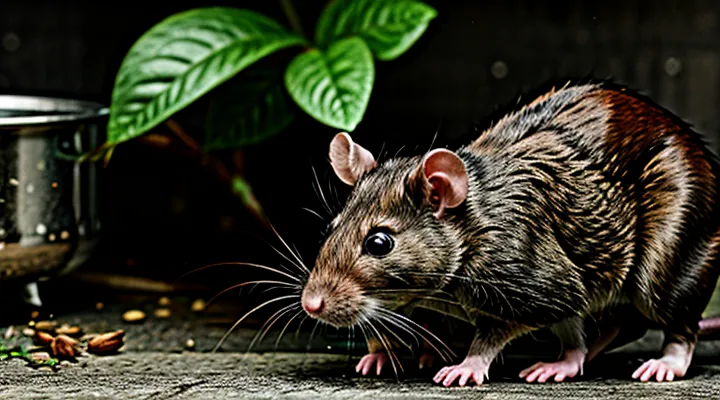
Understanding Rat Poisons
Types of Rodenticides
Anticoagulants
Anticoagulant rodenticides interrupt the blood‑clotting cascade by inhibiting vitamin K epoxide reductase. Without functional vitamin K, clotting factors II, VII, IX and X remain inactive, leading to uncontrolled internal bleeding after a single lethal dose. First‑generation compounds (warfarin, chlorophacinone) require multiple feedings, whereas second‑generation agents (bromadiolone, brodifacoum) achieve mortality after one ingestion due to higher potency and longer biological half‑life.
Effectiveness depends on several variables:
- Palatability – bait formulations must attract rodents while masking the bitter taste of the active ingredient.
- Dosage – lethal dose 50 (LD₅₀) for rats ranges from 0.1 mg/kg (second‑generation) to 1 mg/kg (first‑generation).
- Resistance – genetic mutations in the VKORC1 gene reduce binding affinity, rendering some populations tolerant to specific anticoagulants.
- Environmental stability – second‑generation compounds persist in soil and water, extending exposure time for target and non‑target organisms.
Risks arise from secondary poisoning. Predatory birds, mammals and scavengers ingest contaminated prey, accumulating the toxin because of its lipophilic nature. Chronic exposure can cause hemorrhagic disease, even at sub‑lethal levels. Human safety concerns focus on accidental ingestion of bait or contaminated food, with symptoms mirroring those in rodents: bruising, hematuria, gastrointestinal bleeding. Treatment requires rapid administration of vitamin K₁, often in high intravenous doses, to restore coagulation.
Regulatory frameworks typically restrict the use of second‑generation anticoagulants to certified professionals, mandate bait stations that limit access by children and pets, and require record‑keeping of application sites. Integrated pest management strategies combine anticoagulant baiting with sanitation, exclusion, and mechanical control to reduce reliance on chemical agents and mitigate unintended consequences.
Non-Anticoagulants
Non‑anticoagulant rodenticides represent a distinct class of poisons that kill rats without interfering with blood clotting. They are employed when anticoagulant resistance is documented or when rapid action is required.
Common active ingredients include:
- Bromethalin – disrupts mitochondrial function, causing cerebral edema.
- Cholecalciferol (vitamin D₃) – induces hypercalcemia, leading to renal failure.
- Zinc phosphide – releases phosphine gas in the acidic stomach, producing cellular toxicity.
- Phosphonic acid – interferes with cellular respiration.
- Sodium nitrite – generates methemoglobin, impairing oxygen transport.
Mechanisms of action differ markedly from anticoagulants. Bromethalin blocks ATP production, resulting in neuronal swelling and loss of motor control. Cholecalciferol elevates calcium levels beyond physiological limits, damaging soft tissues. Zinc phosphide’s phosphine gas penetrates cell membranes, disrupting enzyme systems. Phosphonic acid inhibits oxidative phosphorylation, causing systemic energy failure. Sodium nitrite converts hemoglobin to methemoglobin, preventing oxygen delivery.
Effectiveness is characterized by high lethality after a single ingestion. Toxic doses are typically measured in milligrams per kilogram of body weight, ensuring mortality within hours to days depending on the compound. Resistance to these agents is rare because they target pathways not commonly mutated in rodent populations.
Risks involve secondary poisoning of predators and scavengers that consume poisoned rats. Phosphine gas and bromethalin residues can persist in carcasses, posing hazards to birds of prey, domestic pets, and wildlife. Human exposure through accidental ingestion or inhalation may result in severe systemic effects, requiring immediate medical intervention. Environmental contamination is possible if baits are dispersed in wet areas, allowing runoff of toxic substances.
Mitigation measures include:
- Securing bait stations to restrict access by non‑target species.
- Wearing gloves and protective clothing during handling.
- Following label instructions for dosage and placement density.
- Monitoring bait consumption and removing uneaten product promptly.
- Conducting regular training for personnel involved in rodent control operations.
Active Ingredients and Their Mechanisms
First-Generation Anticoagulants
First‑generation anticoagulant rodenticides are vitamin K antagonists that interrupt the recycling of vitamin K epoxide, halting the hepatic synthesis of clotting factors II, VII, IX, and X. The interruption creates a progressive coagulopathy that culminates in internal bleeding, typically 2–5 days after ingestion.
Key compounds include:
- Warfarin
- Chlorophacinone
- Diphacinone
- Coumachlor (coumafuryl)
These agents share low acute toxicity; lethal effects arise from cumulative dosing. Single‑feed exposure may be insufficient, whereas multiple low‑dose feeds achieve the required anticoagulant load. Effectiveness depends on the target species’ ability to metabolize and excrete the compound; some rodent populations exhibit genetic resistance, reducing efficacy and prompting higher application rates.
Risks extend to secondary poisoning. Predators, scavengers, and pets that consume poisoned rodents can acquire sub‑lethal or lethal doses because the anticoagulant remains in the carcass for several days. Environmental persistence varies: warfarin degrades within weeks, while chlorophacinone and diphacinone persist longer in soil and water, increasing the probability of non‑target exposure.
Regulatory agencies classify first‑generation anticoagulants as restricted use products. Compliance requires:
- Placement in tamper‑resistant bait stations.
- Label‑mandated signage indicating hazardous material.
- Documentation of application sites and dates.
Proper handling minimizes accidental ingestion and limits ecological impact while preserving the rodent‑control benefits of these anticoagulants.
Second-Generation Anticoagulants
Second‑generation anticoagulants represent the most widely used class of rodent‑control agents today. These compounds, such as brodifacoum, difenacoum, and difethialone, function by inhibiting vitamin K epoxide reductase, an enzyme essential for the regeneration of active vitamin K. The resulting deficiency impairs the synthesis of clotting factors II, VII, IX, and X, leading to uncontrolled internal bleeding in the target animal.
The potency of these agents exceeds that of first‑generation compounds. A single sub‑lethal dose can remain active in the liver for weeks, allowing the poison to affect rodents that consume the bait after the initial exposure. This delayed action reduces the likelihood of bait avoidance, thereby increasing overall efficacy in population control programs.
Risks associated with second‑generation anticoagulants stem from their persistence and broad toxicity spectrum. Non‑target species, including predatory birds, domestic pets, and wildlife scavengers, may ingest poisoned rodents or contaminated bait. Chronic exposure can cause subclinical hemorrhage, organ damage, or death. Human health concerns arise from accidental ingestion or handling of contaminated materials, necessitating strict adherence to safety protocols such as personal protective equipment and secure bait stations.
Key considerations for safe and effective use:
- Choose formulations with calibrated concentrations to match target species size and behavior.
- Implement bait placement strategies that minimize access by non‑target animals (e.g., tamper‑resistant stations).
- Monitor for signs of resistance, which may emerge in populations repeatedly exposed to the same anticoagulant.
- Conduct regular environmental assessments to detect secondary poisoning incidents.
Understanding the pharmacological action, durability, and ecological impact of second‑generation anticoagulants enables practitioners to balance control success with responsible risk management.
Cholecalciferol
Cholecalciferol, a synthetic form of vitamin D₃, is employed in rodent control formulations because it induces lethal hypercalcemia after a single ingestion. Once absorbed, the compound is metabolized to calcitriol, the hormonally active vitamin D, which drives excessive intestinal calcium uptake and renal calcium reabsorption. The resulting plasma calcium surge disrupts cardiac rhythm, renal function, and vascular integrity, leading to death within 2–7 days depending on dose and individual susceptibility.
Effectiveness stems from a low bait refusal rate; rodents readily consume pellets flavored to mask the taste of the active ingredient. The median lethal dose (LD₅₀) for rats ranges from 5–10 mg kg⁻¹, providing a narrow therapeutic window that limits the amount of bait needed for population reduction. Delayed mortality reduces bait shyness, as affected rodents often return to the source before exhibiting overt symptoms.
Risks include accidental exposure of non‑target mammals, especially predators, scavengers, and domestic pets that may ingest contaminated carcasses. While secondary poisoning is limited because calcium overload does not bioaccumulate, primary ingestion can cause rapid onset of symptoms such as:
- Lethargy and weakness
- Polyuria and polydipsia
- Vomiting and anorexia
- Cardiac arrhythmias
- Renal failure
Human contact is hazardous; ingestion of as little as 0.5 mg kg⁻¹ may produce severe hypercalcemia, necessitating immediate medical intervention.
Mitigation measures require strict placement of bait stations away from human activity, use of tamper‑proof containers, and clear labeling of toxic content. Personal protective equipment should be worn during handling, and unused bait must be disposed of according to hazardous waste regulations to prevent environmental contamination.
Bromethalin
Bromethalin is a second‑generation rodenticide that disrupts cellular energy production. After ingestion, the compound is absorbed from the gastrointestinal tract and converted to an active metabolite that uncouples oxidative phosphorylation in mitochondria. The resulting depletion of adenosine triphosphate (ATP) leads to progressive neurological dysfunction and eventual death, typically within 2–5 days.
Effectiveness stems from several characteristics:
- High potency; a single 0.1 g pellet can kill an adult rat.
- Delayed onset of symptoms, reducing bait aversion.
- Broad spectrum of activity against Rattus norvegicus, Rattus rattus, and Mus musculus.
Risks associated with bromethalin include:
- Secondary poisoning of predators and scavengers that consume poisoned rodents.
- Toxicity to non‑target mammals, birds, and reptiles at doses comparable to target species.
- Persistence in soil and water; degradation half‑life ranges from weeks to months, depending on temperature and pH.
- Potential for accidental exposure in domestic settings, especially where bait is accessible to children or pets.
Clinical signs in affected rodents progress from lethargy and ataxia to tremors, paralysis, and respiratory failure. Necropsy often reveals cerebral edema and hepatic congestion, confirming mitochondrial impairment.
Regulatory agencies classify bromethalin as a restricted use product. Use guidelines mandate secure bait stations, placement away from food sources, and adherence to maximum application rates (typically 0.025 % w/w in bait). Monitoring programs recommend periodic surveys for non‑target exposure and environmental residues.
In summary, bromethalin provides rapid, reliable control of rodent populations but demands strict handling protocols to mitigate ecological and health hazards.
Zinc Phosphide
Zinc phosphide is a widely used rodenticide that releases phosphine gas when it contacts the acidic environment of a rat’s stomach. The gas interferes with cellular respiration, causing rapid collapse of vital organ systems. This mode of action makes the compound highly lethal even at low doses, allowing small bait quantities to control large infestations.
Effectiveness stems from several factors:
- Rapid onset of toxicity, typically within minutes after ingestion.
- High potency, requiring only a few milligrams per animal to achieve mortality.
- Low palatability for non‑target species, reducing accidental consumption when bait is correctly placed.
Risks associated with zinc phosphide demand strict management:
- Phosphine is flammable and can ignite in confined spaces, creating fire or explosion hazards.
- Inhalation of released gas poses acute respiratory danger to humans and domestic animals.
- Environmental persistence may affect soil chemistry; excess residues can harm beneficial insects and microorganisms.
- Misapplication, such as scattering bait where children or pets roam, leads to poisoning incidents.
Safe handling procedures include:
- Store the product in airtight containers, away from heat sources and ignition points.
- Apply bait only in sealed, tamper‑proof stations designed for rodent access.
- Wear protective gloves and respiratory equipment during preparation and placement.
- Conduct regular site inspections to remove uneaten bait and monitor for signs of non‑target exposure.
Regulatory guidelines often require disposal of unused zinc phosphide according to hazardous waste protocols, preventing contamination of water supplies and agricultural fields. Properly executed, the compound delivers efficient rat control while minimizing unintended consequences.
Effectiveness of Rat Poisoning
Factors Influencing Efficacy
Bait Formulation
Bait formulation determines the potency and safety of rodent control products. Precise selection of active compounds, carriers, and attractants creates a delivery system that maximizes ingestion by rats while limiting exposure to other animals.
Key components include:
- Active ingredient – typically first‑generation anticoagulants (warfarin, chlorophacinone) or second‑generation agents (bromadiolone, difethialone). Concentration is calibrated to achieve lethal blood‑coagulopathy after a single or few meals.
- Attractant – grain, fish oil, or synthetic flavorings that stimulate feeding behavior. Concentration balances palatability with avoidance of habituation.
- Binder or matrix – powdered cellulose, starch, or wax that holds the active ingredient and attractant together, ensuring uniform distribution and resistance to moisture.
- Stabilizer – antioxidants or moisture‑absorbing agents that preserve potency during storage and outdoor deployment.
Formulation design must address several risk factors. Anticoagulant residues can persist in carcasses, creating secondary poisoning hazards for predators and scavengers. To reduce this, manufacturers limit the amount of active ingredient per bait unit and incorporate biodegradable matrices that disintegrate after consumption. Regulatory agencies impose maximum allowable concentrations and require field‑testing data that demonstrate low non‑target toxicity.
Effective bait formulation therefore combines a calibrated dose of a fast‑acting toxin with highly palatable attractants, a stable carrier, and safety features that mitigate environmental and secondary‑exposure risks.
Rodent Species
Rodent poisoning targets specific mammalian pests that cause structural damage, food contamination, and disease transmission. Understanding the biology and behavior of each species helps predict bait acceptance and lethal outcomes.
Common target species include:
- Norway rat (Rattus norvegicus) – large, ground‑dwelling, prefers low‑lying burrows and sewers; tolerates higher bait concentrations.
- Roof rat (Rattus rattus) – agile climber, inhabits attics and trees; selects smaller, more palatable baits.
- House mouse (Mus musculus) – diminutive, thrives in indoor environments; responds quickly to low‑dose formulations.
- Deer mouse (Peromyscus maniculatus) – primarily outdoor, feeds on seeds and insects; less likely to encounter indoor bait stations.
- Harvest mouse (Micromys minutus) – tiny, grass‑land species; generally avoids conventional rodenticides due to limited exposure.
Each species exhibits distinct foraging patterns, metabolic rates, and susceptibility to anticoagulant or bromethalin toxins. Effective control programs match bait type and placement to these traits, reducing non‑target exposure while maximizing mortality among the intended pests.
Environmental Conditions
Environmental conditions directly influence the performance of anticoagulant baits used for rodent control and determine the level of hazard to non‑target species. Temperature regulates the rate at which toxic compounds degrade; low temperatures slow enzymatic breakdown, prolonging potency, while high temperatures accelerate decomposition, reducing effectiveness within days. Moisture content affects bait integrity: excessive humidity can cause clumping, making the product unpalatable, whereas dry conditions preserve texture and increase ingestion likelihood.
Seasonal precipitation patterns also shape exposure risk. Heavy rain can wash baits into surrounding soil and water sources, expanding the zone of contamination and raising the probability of accidental ingestion by wildlife or domestic animals. Conversely, drought conditions concentrate bait placement, potentially increasing the density of poisoned rodents but also heightening the chance that predators encounter contaminated prey.
Key environmental variables include:
- Ambient temperature (°C or °F)
- Relative humidity (%)
- Rainfall intensity and frequency
- Soil composition and drainage capacity
- Presence of standing water or runoff channels
Monitoring these factors enables precise adjustment of bait formulation, application timing, and placement density, thereby optimizing rodent eradication while minimizing unintended ecological impact.
Bait Placement and Quantity
Effective rodent control depends on precise bait deployment and measured application rates. Position stations where rats travel routinely, such as along walls, behind appliances, near waste containers, and within concealed pathways. Avoid open areas exposed to sunlight or heavy rain, which degrade active ingredients.
- Place bait 1–2 feet above ground on sturdy platforms to deter non‑target species that forage at floor level.
- Secure stations inside sealed containers with entrance holes sized for rats but too small for birds and pets.
- Locate at least three stations per 1,000 sq ft in high‑infestation zones; increase density in densely built structures.
Quantity must align with the product’s concentration and the target population. Manufacturers typically recommend 0.5 g of anticoagulant per 10 g of bait for adult rats; adjust downward for juveniles to reduce secondary poisoning risk. Do not exceed the labeled maximum amount per station, commonly 2–3 g, to prevent accumulation and unintended exposure.
Monitor stations daily, replenish only depleted units, and remove excess bait after a 48‑hour period if no activity is observed. This practice limits environmental contamination and minimizes hazards to wildlife, children, and domestic animals while maintaining lethal efficacy against the rodent cohort.
Speed of Action
Acute Poisons
Acute poisons are chemicals that cause rapid physiological failure after a single exposure. In rodent control they act by disrupting essential metabolic pathways, leading to death within minutes to hours. The most common agents include anticoagulants that inhibit vitamin K recycling, neurotoxins that block acetylcholine receptors, and metabolic inhibitors such as phosphides that generate lethal gases in the stomach.
Effectiveness depends on dosage, route of ingestion, and the species’ tolerance. A typical anticoagulant bait delivers a lethal dose of 0.1 mg per kilogram of body weight; neurotoxins require as little as 0.02 mg kg⁻¹. Rapid onset reduces the chance of bait avoidance, but also limits the opportunity for sub‑lethal exposure that could foster resistance.
Risks associated with acute poisons are substantial:
- Non‑target wildlife may consume bait directly or feed on poisoned carcasses.
- Humans handling or disposing of contaminated materials can experience gastrointestinal or neurological symptoms.
- Environmental contamination occurs when residues leach into soil or water sources.
Mitigation measures include precise bait placement, use of tamper‑proof containers, and strict adherence to dosage guidelines. Monitoring of carcass removal and regular assessment of non‑target exposure are essential to maintain safety while preserving the rapid lethality that characterizes acute rodenticides.
Chronic Poisons
Chronic rodenticides are anticoagulant compounds that require repeated ingestion over several days to produce lethal internal bleeding. The active agents, typically second‑generation anticoagulants such as brodifacoum, difethialone, or bromadiolone, inhibit vitamin K epoxide reductase, preventing clotting factor regeneration. This delayed action allows a single bait to remain attractive after the initial dose, increasing the probability that a rat will consume a fatal amount.
Effectiveness relies on several factors:
- Palatability of the bait matrix, ensuring consumption despite the presence of the toxin.
- Persistence of the active ingredient in the rodent’s system, maintaining anticoagulant activity for up to two weeks.
- Lack of prior exposure to similar compounds, which can reduce susceptibility through metabolic adaptation.
Risks associated with chronic poisons include:
- Secondary poisoning of predators and scavengers that ingest contaminated carcasses; tissue residues can reach toxic levels in birds of prey, mammals, and domestic pets.
- Environmental contamination via runoff or leaching from discarded bait, leading to detectable residues in soil and water sources.
- Development of resistance in rat populations; repeated sublethal exposure selects for genetic mutations that diminish anticoagulant binding, reducing long‑term efficacy.
Regulatory agencies impose maximum residue limits for food‑chain exposure and require secure bait stations to limit non‑target access. Risk mitigation strategies emphasize:
- Rotation of active ingredients to prevent resistance buildup.
- Integration of non‑chemical control methods, such as trapping and habitat modification, to reduce reliance on chronic toxicants.
- Monitoring of bait consumption and carcass removal to minimize secondary exposure.
Understanding the pharmacodynamics, resistance mechanisms, and ecological implications of chronic anticoagulants informs responsible deployment and supports effective rodent management while safeguarding public health and biodiversity.
Resistance to Rodenticides
Resistance to rodenticides describes the reduced susceptibility of rats and other rodents to chemicals designed to cause lethal anticoagulant or neurotoxic effects. The phenomenon emerges when populations survive exposure that would normally be fatal, allowing tolerant individuals to reproduce and spread the trait.
Genetic mutations in the VKORC1 gene, which encodes the vitamin K epoxide reductase complex, diminish binding of first‑generation anticoagulants such as warfarin. Enhanced hepatic enzymes, particularly cytochrome P450 isoforms, increase metabolic breakdown of second‑generation compounds. Behavioral adaptations—avoidance of bait stations, preference for alternative food sources, or reduced bait consumption—also contribute to lowered efficacy.
Documented cases include widespread warfarin resistance in Europe, emerging bromadiolone tolerance in North America, and limited resistance to brodifacoum in Southeast Asia. Surveillance records show that resistance can develop within a few generations when the same active ingredient is applied continuously.
Reduced susceptibility compromises control programs, leading to higher bait usage, increased cost, and greater likelihood of non‑target exposure. Persistent sub‑lethal doses may promote secondary poisoning of predators and scavengers, amplifying ecological risk.
Detection relies on laboratory bioassays that compare mortality rates of field‑collected rodents with a known susceptible strain, and on molecular assays that identify VKORC1 mutations. Routine monitoring provides early warning of resistance trends.
Management strategies focus on preventing selection pressure and restoring efficacy:
- Rotate active ingredients with different modes of action on a regular schedule.
- Incorporate non‑chemical measures such as sanitation, habitat modification, and trapping.
- Use bait formulations that combine anticoagulants with attractants to overcome avoidance behavior.
- Apply targeted, high‑dose bait stations only where resistance has been confirmed.
- Conduct periodic resistance testing to adjust control tactics promptly.
Implementing these measures maintains the potency of rodenticides while limiting the development and spread of resistance.
Risks Associated with Rat Poisoning
Hazards to Non-Target Animals
Secondary Poisoning
Secondary poisoning occurs when a non‑target animal consumes a rodent that has ingested an anticoagulant or neurotoxic bait. The toxin, still active in the rodent’s tissues, transfers to the predator, scavenger, or pet, producing similar clinical signs as in the primary victim.
The process begins with the rodent’s metabolism of the poison. Anticoagulants bind to vitamin K‑dependent clotting factors, preventing blood coagulation for several days. During this period, the rodent’s blood and organs retain measurable concentrations of the compound. A predator that eats the whole carcass or internal organs can ingest a dose sufficient to disrupt its own clotting cascade. Neurotoxic agents, such as bromadiolone or zinc phosphide, act more rapidly; tissue residues can cause seizures, respiratory failure, or death in secondary consumers.
Key risk factors include:
- Use of second‑generation anticoagulants, which have longer half‑lives and higher bioaccumulation potential.
- Placement of bait in areas frequented by wildlife, domestic animals, or livestock.
- Failure to remove dead rodents promptly, allowing scavengers prolonged access.
- Lack of bait stations that restrict access to target species only.
Detection relies on clinical observation of unexplained bleeding, bruising, or neurological symptoms, combined with laboratory analysis of blood or tissue samples for specific rodenticides. Necropsy findings often reveal hemorrhagic lesions in anticoagulant cases or pulmonary edema in neurotoxic exposures.
Mitigation strategies:
- Employ bait stations that exclude non‑target species.
- Choose first‑generation anticoagulants when effective, as they clear more quickly from animal tissues.
- Conduct regular removal of dead rodents from premises.
- Educate owners of pets and livestock about the signs of secondary poisoning and emergency treatment protocols.
- Follow regional regulations governing rodenticide use, which may mandate reporting of secondary poisoning incidents.
Understanding the pathway from primary to secondary exposure informs risk assessment and guides responsible pest‑control practices, reducing unintended harm to wildlife, companion animals, and humans.
Primary Poisoning
Primary poisoning refers to the direct administration of toxic agents to rodents with the intention of causing immediate mortality. The method relies on a single dose of anticoagulant or acute toxin that, once ingested, interferes with blood clotting pathways or disrupts vital physiological processes. Anticoagulant formulations typically inhibit vitamin K epoxide reductase, preventing regeneration of clotting factors and leading to internal hemorrhage within 24–72 hours. Acute toxins such as bromethalin or zinc phosphide act faster, compromising neuronal function or releasing phosphine gas, respectively, and can kill within hours.
Effectiveness of primary poisoning depends on several variables: bait palatability, dosage accuracy, and the target species’ feeding behavior. When correctly formulated, a single lethal dose achieves mortality rates above 80 % in susceptible rat populations. Consistent results require:
- Bait placement in concealed, high‑traffic locations.
- Use of a concentration that meets regulatory lethal dose guidelines.
- Regular monitoring to confirm consumption and adjust placement density.
Risks associated with this approach include non‑target exposure, secondary poisoning of predators, and development of resistance. Anticoagulant resistance emerges through genetic mutations that reduce binding affinity, diminishing efficacy over successive generations. Environmental contamination may occur if baits are scattered or if dead rodents decompose in proximity to water sources. Mitigation measures involve strict bait management, use of resistant‑breakdown formulations, and integration with alternative control tactics such as habitat modification.
Risks to Humans
Accidental Ingestion
Accidental ingestion of rodent toxicants occurs when non‑target individuals—children, domestic animals, or wildlife—consume bait or contaminated material. The event typically follows one of three routes:
- Direct consumption of unsecured bait that resembles food.
- Contact with surfaces or objects contaminated by spilled or tracked poison.
- Secondary exposure after eating a poisoned rodent.
The active ingredients in most rodent poisons are anticoagulant compounds that inhibit vitamin K recycling, leading to progressive hemorrhage. After ingestion, clotting factors decline over 24–48 hours, and internal bleeding may appear in the gastrointestinal tract, nasal passages, or joints.
Observable signs include:
- Weakness, lethargy, or collapse.
- Bleeding from gums, nose, or wound sites.
- Blood‑tinged urine or feces.
- Pale mucous membranes.
Rapid medical intervention improves outcomes. Recommended actions are:
- Contact emergency veterinary or poison‑control services immediately.
- Induce vomiting or administer activated charcoal only under professional guidance.
- Initiate vitamin K1 therapy, typically 5–10 mg/kg daily, for a minimum of 14 days to restore clotting function.
- Provide supportive care, such as fluid therapy and blood transfusions, if severe bleeding is present.
Mortality risk correlates with dose, species sensitivity, and timeliness of treatment. Small animals and young children exhibit higher susceptibility due to lower body mass and faster absorption rates.
Prevention strategies focus on containment and education:
- Store bait in locked containers away from food preparation areas.
- Use tamper‑resistant bait stations designed for target‑only access.
- Clearly label all poison products and keep them out of reach of children and pets.
- Conduct regular inspections for spillage and promptly clean contaminated surfaces.
Implementing these measures reduces the likelihood of unintended exposure while maintaining the efficacy of rodent control programs.
Occupational Exposure
Occupational exposure to rodenticides occurs primarily among pest‑control technicians, agricultural employees, and sanitation workers who handle, apply, or clean contaminated surfaces. Direct contact with bait, dust, or aerosol formulations creates the highest risk of absorption.
Common pathways include:
- Inhalation of fine particles or vapors during mixing and application.
- Dermal contact with liquid or granulated bait, especially when gloves are absent or compromised.
- Accidental ingestion from hand‑to‑mouth transfer or contaminated food and drink.
Acute toxicity manifests as hemorrhagic disorders when anticoagulant compounds inhibit vitamin K recycling, leading to uncontrolled bleeding. Neurotoxic agents such as bromethalin cause cerebral edema and seizures. Chronic exposure may produce subclinical coagulopathy, liver enzyme alterations, and cumulative organ damage, particularly with repeated low‑dose contact.
Protective strategies that demonstrably reduce incident cases:
- Full‑body chemical‑resistant gloves, goggles, and disposable coveralls.
- Respiratory protection rated for particulate and vapor filtration during mixing and spray.
- Engineering controls, including local exhaust ventilation and closed‑system bait dispensers.
- Mandatory training on safe handling, spill containment, and decontamination procedures.
- Routine medical monitoring of blood coagulation parameters and liver function tests.
Regulatory agencies set occupational exposure limits (OELs) for specific rodenticides; compliance with these thresholds, combined with documented safety protocols, balances effective pest management against worker health risks. Immediate medical evaluation and administration of vitamin K1 are required when signs of anticoagulant poisoning appear.
Environmental Impact
Contamination of Soil and Water
Rodent control agents, particularly anticoagulant baits, introduce toxic compounds into environments where they can persist after target species are eliminated. Once ingested, the chemicals are excreted in urine, feces, and carcass residues, creating a continuous source of contamination that migrates from the point of application to surrounding soil and water bodies.
Key pathways of contaminant movement include:
- Leaching of dissolved toxins through soil layers during rainfall or irrigation.
- Runoff carrying surface residues into streams, ponds, and groundwater recharge zones.
- Decomposition of dead rodents releasing active ingredients into the surrounding substrate.
- Transport by scavengers and insects that relocate contaminated material to new locations.
Soil absorption rates depend on texture, organic matter content, and pH, influencing the longevity of the poison in the ground. In sandy or loamy soils, rapid percolation can lead to detectable concentrations in underlying aquifers, while clay-rich soils may retain higher levels near the surface, increasing exposure risk for burrowing wildlife.
Water contamination manifests as measurable concentrations in surface runoff and groundwater, often exceeding safety thresholds for non‑target species. Persistent residues can disrupt aquatic ecosystems, impairing fish reproduction and reducing invertebrate populations. Monitoring programs typically detect these compounds using chromatography methods, guiding mitigation strategies such as buffer zones, targeted bait placement, and the use of less soluble formulations to limit environmental spread.
Impact on Wildlife Populations
Rodent anticoagulant baits introduce a potent chemical cascade that extends beyond targeted pests. When non‑target species ingest secondary or primary doses, the same clotting inhibition that kills rats triggers internal bleeding, often leading to rapid mortality. Predatory birds, scavengers, and mammals that feed on poisoned rodents or encounter bait directly suffer acute hemorrhagic events, reducing their numbers in affected habitats.
Key pathways of wildlife impact include:
- Secondary poisoning: Carnivores and omnivores consume contaminated prey, accumulating sub‑lethal doses that can become lethal over time.
- Primary exposure: Species such as ground‑dwelling birds and small mammals mistake bait for food, ingesting sufficient toxin to cause immediate death.
- Reproductive suppression: Sub‑lethal exposure impairs clotting factors, increasing embryonic loss and decreasing litter viability in susceptible populations.
- Population dynamics: Elevated mortality rates in keystone predators disrupt trophic balances, potentially allowing rodent surges and altering vegetation patterns.
Long‑term ecological consequences manifest as reduced biodiversity, altered predator‑prey relationships, and compromised ecosystem services. Monitoring programs that track carcass residues, track mortality events, and assess population trends are essential for quantifying these effects and informing mitigation strategies.
Mitigation Strategies
Integrated Pest Management (IPM)
Integrated Pest Management (IPM) addresses rodent control by combining preventive, monitoring, and corrective actions. Prevention focuses on eliminating shelter and food sources, thereby reducing the likelihood that rats encounter toxic baits. Monitoring employs traps, visual inspections, and activity tracking to determine population size and movement patterns. Corrective measures include targeted use of anticoagulant baits, mechanical removal, and habitat modification.
When anticoagulant baits are employed within an IPM framework, effectiveness improves because applications are limited to confirmed infestation zones. This precision lowers the total quantity of poison released into the environment and reduces exposure for non‑target species. Risk mitigation is achieved through:
- Placement of baits in secured stations inaccessible to wildlife and children.
- Use of low‑dose formulations that require multiple feedings for lethal effect, decreasing accidental poisoning.
- Regular inspection of bait stations to remove expired or excess product.
- Integration of alternative controls, such as snap traps or exclusion devices, to complement chemical treatment.
IPM also incorporates resistance management. Rotating active ingredients and monitoring for reduced susceptibility prevent the development of bait‑resistant rat populations. Documentation of each intervention creates a data set that informs future decisions, ensuring that chemical control remains a last resort rather than a routine practice.
Safer Baiting Practices
Effective rodent control with anticoagulant baits demands strict safety protocols to protect non‑target species, humans, and pets while preserving efficacy. Proper placement, dosage control, and environmental management reduce accidental exposure and mitigate secondary poisoning risks.
- Use tamper‑proof bait stations that restrict access to rodents only.
- Position stations along walls, behind appliances, and in concealed corners where rodents travel, avoiding open floors and elevated surfaces.
- Select baits with the lowest lethal dose required for the target species; opt for formulations labeled for indoor use when possible.
- Record exact locations, quantities, and dates of deployment to facilitate monitoring and compliance with local regulations.
- Implement regular inspection schedules; replace depleted stations and remove untouched bait after the intended control period.
Monitoring and disposal procedures further enhance safety. Conduct visual checks weekly to confirm bait consumption and identify signs of non‑target interference. When bait is no longer needed, place residual product in sealed containers and submit to an authorized hazardous‑waste facility. Educate household members about the presence of bait stations and enforce strict hand‑washing practices after handling.
Adhering to these measures maintains the intended impact on rat populations while minimizing health hazards and environmental contamination.
Regulation and Labeling
Regulatory agencies define the permissible composition of rodent anticoagulants, limiting the concentration of active compounds such as brodifacoum, difenacoum, and bromadiolone. In the United States, the Environmental Protection Agency (EPA) requires manufacturers to submit toxicity data, environmental impact assessments, and mitigation plans before approval. The European Union enforces similar controls through the Biocidal Products Regulation (BPR), which mandates periodic re‑evaluation of active substances and restricts products that pose unacceptable hazards to non‑target species.
Labeling must convey precise information to reduce accidental exposure and misuse. Required elements include:
- Active ingredient(s) and concentration expressed in milligrams per kilogram.
- Application instructions specifying target species, dosage per unit area, and recommended placement methods.
- Hazard warnings indicating risks of secondary poisoning, potential effects on wildlife, and contraindications for use near food storage.
- Personal protective equipment (PPE) guidance, detailing gloves, masks, and eye protection.
- First‑aid measures for ingestion, inhalation, or dermal contact, with emergency contact numbers.
- Child‑resistant and tamper‑evident packaging to prevent unintended access by children or pets.
- Disposal directives outlining procedures for unused product, contaminated containers, and environmental cleanup.
Compliance audits verify that product labels match the approved registration dossier, and violations trigger enforcement actions such as product recalls, fines, or suspension of sales. Ongoing monitoring programs track adverse events reported by health professionals and wildlife agencies, prompting label revisions when new hazards emerge.