
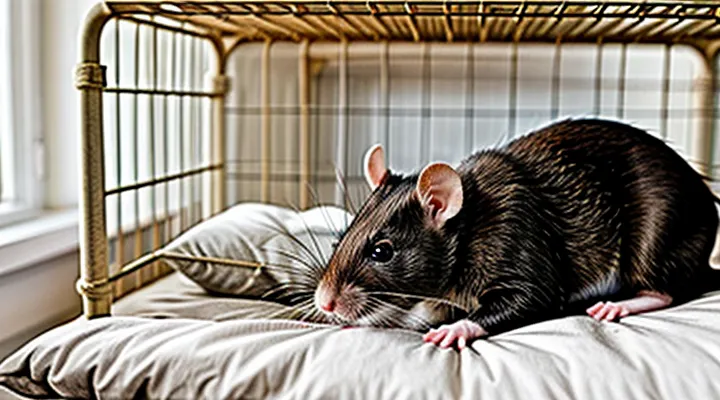
«Importance of Cleanliness for Rat Health»
«Health Risks of Dirty Cages»
Dirty cages expose rats to pathogens, parasites, and toxic by‑products that compromise immune function and respiratory health. Accumulated urine and feces create ammonia concentrations that irritate nasal passages, reduce mucociliary clearance, and predispose animals to pneumonia. Persistent moisture fosters mold growth, releasing spores that trigger allergic reactions and exacerbate asthma‑like conditions.
The following health hazards arise from inadequate bedding turnover:
- Bacterial overgrowth – Escherichia coli, Salmonella, and Pseudomonas proliferate in soiled substrate, increasing the likelihood of gastrointestinal infections.
- Parasitic infestation – Flea larvae, mite eggs, and pinworm cysts develop in damp bedding, leading to dermatitis, anemia, and intestinal distress.
- Ammonia toxicity – Concentrations above 25 ppm cause corneal irritation, bronchial inflammation, and reduced weight gain.
- Fungal contamination – Aspergillus and Penicillium spores cause systemic mycoses and severe allergic responses.
Regular removal of contaminated bedding eliminates these risks, stabilizes ambient air quality, and supports normal growth rates. Monitoring cage cleanliness and scheduling frequent substrate changes are essential components of a preventive health program for laboratory and pet rats.
«Benefits of Regular Cleaning»
Regularly replacing the substrate in a rat enclosure prevents the buildup of urine, feces, and food debris, which are primary sources of bacterial growth. By removing these contaminants, the risk of respiratory infections, skin irritation, and gastrointestinal disorders declines sharply.
Consistent cleaning controls odor. Accumulated waste releases ammonia and volatile compounds that become noticeable to both the animals and caretakers. Fresh bedding absorbs moisture and masks scent, maintaining a neutral environment that reduces stress for the rodents.
A clean cage encourages natural behaviors. When the floor is free of clumps and damp spots, rats can explore, dig, and nest without obstruction. This promotes physical activity and mental stimulation, contributing to overall well‑being.
The cleaning routine simplifies health monitoring. Clear visibility of the bedding surface makes it easier to detect wounds, parasites, or abnormal droppings early, allowing prompt veterinary intervention.
Key advantages of a scheduled substrate change:
- Reduced pathogen load
- Lower ammonia concentration
- Minimized odor emission
- Enhanced animal comfort and activity
- Easier detection of health issues
Implementing a systematic replacement schedule—typically every 3 to 7 days depending on cage size, number of occupants, and bedding type—maximizes these benefits and supports a stable, hygienic habitat for laboratory or pet rats.
«Factors Influencing Bedding Change Frequency»
«Number of Rats»
The number of rats housed together directly impacts the rate at which bedding becomes soiled and the associated need for replacement. More occupants increase urine and fecal output, accelerate ammonia buildup, and raise the risk of bacterial growth. Consequently, larger groups demand more frequent bedding changes to maintain a healthy environment.
- One rat: replace bedding every 5–7 days if the cage is cleaned weekly.
- Two to three rats: replace bedding every 3–5 days, with spot cleaning of wet areas daily.
- Four or more rats: replace bedding every 2–3 days; conduct daily removal of clumped material and monitor odor levels.
When the cage contains a breeding pair plus offspring, treat the total count as a single unit for scheduling. Adjust intervals if visible soiling or strong odor appears before the recommended period. Regular monitoring of moisture and smell provides a practical check beyond a fixed calendar.
«Cage Size and Type»
Choosing a cage that provides adequate space and appropriate material directly influences how often the substrate must be refreshed. A minimum floor area of 200 cm² per adult rat prevents excessive accumulation of waste in a confined spot, reducing the speed at which bedding becomes soiled. Larger enclosures distribute urine and feces over a broader surface, extending the interval between full changes while still requiring spot cleaning of heavily soiled zones.
The type of cage also determines bedding turnover. Solid‑bottom cages retain moisture and odor longer than ventilated wire floors, demanding more frequent complete replacements. Wire‑mesh floors allow droppings to fall through, but the gaps can trap fine particles that need regular removal. Plastic or acrylic cages are impermeable; they hold heat and humidity, which accelerates bacterial growth if bedding is not changed promptly.
Key factors to assess when planning bedding maintenance:
- Floor area per rat (minimum 200 cm²)
- Presence of a solid base versus a perforated floor
- Material of the cage walls (metal, plastic, glass)
- Availability of ventilation openings
- Ease of disassembly for thorough cleaning
By matching cage dimensions and design to these criteria, caretakers can establish a realistic schedule for bedding replacement that balances hygiene with labor efficiency.
«Type of Bedding Material»
Choosing a bedding material determines how frequently the substrate must be refreshed. Absorbent, low‑dust substrates extend the interval between complete changes, while high‑odor or clumping materials require more frequent replacement.
- Aspen shavings: low dust, moderate absorbency, odor control adequate; replace every 7‑10 days or when soiled.
- Paper pulp (e.g., Carefresh): high absorbency, minimal dust; change every 10‑14 days, or sooner if urine saturation is visible.
- Corncob bedding: good absorbency, moderate odor; replace every 7‑9 days.
- Wood chips (e.g., pine, cedar): high dust, strong scent; change every 5‑7 days, monitor for respiratory irritation.
- Recycled cellulose pellets: excellent absorbency, low dust; replace every 12‑14 days.
Absorbency directly correlates with the time before urine saturation; once the substrate appears damp, the risk of ammonia buildup rises, mandating immediate removal. Odor‑controlling properties influence how long a cage remains acceptable for both animals and handlers; strong smells signal the need for a change. Dust levels affect respiratory health; high‑dust bedding should be inspected daily and refreshed at the shortest safe interval.
For each material, the recommended schedule assumes a standard laboratory rat colony (2‑4 rats per cage) and routine spot cleaning of visible waste. Adjust intervals upward if occupancy is lower or if environmental controls (ventilation, temperature) are optimal; reduce intervals if cages house more animals or exhibit excessive moisture.
«Rat Habits and Messiness»
Rats constantly chew, dig, and urinate, producing a mixture of soiled bedding, droppings, and gnawed material. Their nocturnal activity results in concentrated waste in corners and tunnels, while their grooming habits spread saliva and skin cells throughout the substrate. The combination of urine, feces, and saliva creates a moist environment that accelerates bacterial growth and produces strong odors.
The level of messiness dictates how frequently the bedding must be refreshed. Replace the substrate when any of the following conditions are met:
- Visible clumps of urine or feces covering more than 30 % of the cage floor.
- Persistent odor that can be detected from outside the enclosure.
- Moisture content exceeding 20 % of the bedding weight, as measured by a simple squeeze test.
- Presence of mold or discoloration on the bedding material.
In practice, a well‑ventilated cage with a high‑absorbency substrate typically requires a full bedding change every 7–10 days, with spot cleaning of soiled areas every 24–48 hours. Adjust the schedule upward if the rats are particularly active, the cage is densely populated, or the ambient humidity is high. Regular monitoring of waste accumulation and odor levels ensures a hygienic environment and reduces health risks for the animals.
«Individual Rat Health Considerations»
Individual rats differ in susceptibility to skin irritation, respiratory stress, and parasite load, all of which are directly affected by bedding condition. Wet or soiled substrate can harbor mold spores that aggravate allergic rhinitis, while abrasive materials may cause foot pad lesions in animals with compromised skin integrity. Monitoring each rat’s coat, nasal discharge, and activity level provides early indicators that the current bedding schedule may be insufficient for that animal’s health status.
Key health factors that dictate bedding turnover frequency include:
- Dermatological health: Rats with dermatitis or recent injuries require more frequent changes to prevent bacterial colonization.
- Respiratory condition: Animals prone to respiratory infections benefit from dry, low‑dust bedding replaced at shorter intervals.
- Age and immune competence: Juvenile or geriatric rats, whose immune systems are less robust, need cleaner environments to reduce pathogen exposure.
- Metabolic rate: High‑metabolism individuals produce more urine and feces, accelerating substrate contamination.
When a rat exhibits any of the above signs, the caretaker should increase bedding replacement to a minimum of every 48 hours, regardless of the standard schedule applied to the colony. Conversely, healthy adults housed in a well‑ventilated enclosure with low‑dust, absorbent bedding may tolerate a longer interval, such as three to four days, provided regular visual inspections confirm dryness and absence of odor.
Implementing a health‑driven bedding protocol involves:
- Conducting daily visual checks for moisture, clumping, and odor.
- Recording each rat’s health observations alongside bedding change dates.
- Adjusting the replacement interval based on the most sensitive individual in the cage.
By aligning bedding maintenance with the specific health needs of each rat, caretakers minimize stressors, reduce disease risk, and promote overall well‑being.
«Recommended Bedding Change Schedule»
«Full Bedding Change»
«Weekly Recommendations»
Regularly replacing the substrate in a rodent enclosure is essential for health, odor control, and behavioral comfort. A weekly schedule provides a reliable baseline while allowing adjustments based on observed conditions.
A typical seven‑day routine includes:
- Day 1: Remove all soiled material, clean the cage bottom with mild detergent, rinse thoroughly, and add fresh bedding to a depth of 2–3 cm.
- Days 2–4: Perform spot checks; remove any clumped or excessively damp spots, and add small amounts of fresh substrate if the surface becomes thin.
- Day 5: Inspect for urine stains, fecal buildup, or strong odor. If present, replace the affected area rather than the entire layer.
- Day 6: Conduct a brief visual and olfactory assessment. Replace any localized wet patches and refresh the top layer to maintain a uniform surface.
- Day 7: Execute a full change‑out: discard all bedding, clean the cage interior, and replenish with new material.
Key indicators that may require more frequent changes include:
- Persistent ammonia odor despite spot cleaning.
- Wet or compacted sections that impede digging behavior.
- Visible mold, mildew, or fungal growth.
- Increased respiratory symptoms in the animals.
Selecting an absorbent, low‑dust bedding (e.g., paper‑based or aspen shavings) reduces the need for emergency changes and supports the weekly protocol. Monitoring these factors ensures that the enclosure remains sanitary, odor‑free, and conducive to normal activity.
«Bi-Weekly Considerations»
A two‑week interval often balances waste removal, odor control, and labor efficiency in a rat enclosure. The schedule assumes regular monitoring and adjustment based on observable conditions rather than a fixed calendar alone.
Key variables that dictate whether a bi‑weekly change is sufficient include:
- Number of occupants: higher density accelerates bedding saturation.
- Bedding material: absorbent fibers such as paper or wood shavings retain moisture longer than cellulose pellets.
- Cage size and ventilation: larger, well‑ventilated spaces reduce humidity buildup.
- Health status: signs of respiratory irritation or excessive droppings demand more frequent replacement.
- Feeding and enrichment practices: food spillage and nesting material increase contamination risk.
Implementing the routine involves:
- Marking the start date on a calendar or digital reminder.
- Inspecting the substrate each day for clumps, dampness, or strong odor.
- Removing all soiled bedding at the end of the 14‑day period, cleaning the cage with a mild disinfectant, and adding fresh material to the recommended depth.
- Recording observations (e.g., droplet formation, rat behavior) to inform future adjustments.
For most laboratory or hobbyist setups, a fortnightly change meets hygiene standards while minimizing disturbance. Exceptions arise when any of the listed variables exceed typical thresholds; in such cases, increase the frequency to weekly or adopt spot cleaning between full changes. Continuous assessment ensures the environment remains safe and comfortable for the rats.
«Spot Cleaning»
«Daily Spot Cleaning Guidelines»
Daily spot cleaning in a rat enclosure prevents ammonia buildup, reduces disease risk, and maintains a comfortable environment for the animals. Perform the procedure at the same time each day to establish a consistent routine.
Begin each session by removing visible waste. Use a small scoop or gloved hand to collect droppings, urine-soaked bedding, and uneaten food. Dispose of material in a sealed container to avoid odor spread.
Next, inspect the cage for wet spots or soiled corners. Dampen a clean cloth with a mild, rodent‑safe disinfectant and wipe these areas. Avoid saturating the bedding; a light dampening removes residue without creating excess moisture.
After cleaning, replace the removed bedding with fresh, absorbent material. Aim for a depth of 2–3 cm to provide insulation and nesting support. Ensure the new substrate is evenly distributed to prevent gaps where waste can accumulate.
Complete the routine by checking water bottles and food hoppers for contamination. Replace water daily and remove any spilled food. Record the cleaning time and any observations—such as unusual odors or excessive droppings—to track cage hygiene over time.
Key actions for each daily spot clean:
- Remove solid waste and soiled bedding.
- Wipe wet or contaminated surfaces with a safe disinfectant.
- Add fresh bedding to maintain proper depth.
- Refresh water and inspect food supplies.
- Log observations for health monitoring.
«Tools for Spot Cleaning»
Spot cleaning between full bedding changes prevents odor buildup and reduces the need for premature litter replacement. Effective spot‑cleaning tools allow quick removal of urine, feces, and soiled material while preserving the rest of the substrate.
- Disposable paper towels or lint‑free wipes: absorb liquids, limit cross‑contamination, and are easy to discard.
- Small hand‑held scoops or stainless‑steel spoons: lift solid waste without disturbing surrounding bedding.
- Soft‑bristled brushes: dislodge clumped debris from fibrous substrates without tearing the material.
- Enzyme‑based cleaning sprays: break down organic stains, neutralize odors, and dry rapidly, minimizing disturbance to the cage environment.
- Reusable micro‑fiber cloths: capture fine particles after spraying, can be laundered at high temperatures for repeated use.
Selecting the appropriate combination of these tools aligns with a regular bedding change schedule, ensuring a hygienic habitat while extending the usable life of the substrate.
«Step-by-Step Bedding Change Guide»
«Preparation»
Before replacing the substrate, assemble all required items: fresh bedding material, paper towels, a scrub brush, a bucket of warm water, a pet‑safe disinfectant, disposable gloves, and a clean container for waste. Keep the supplies within arm’s reach to reduce the time the cage remains open.
Prepare a secondary enclosure or a temporary holding box for the rats. Line it with a thin layer of clean bedding, provide food and water, and ensure the environment remains quiet. Transfer the animals promptly to avoid prolonged exposure to the open cage.
Sanitize the work surface where the cleaning tools will be placed. Apply the disinfectant according to the manufacturer’s instructions, allowing the recommended contact time before wiping it down.
Remove the old bedding in one motion, placing it directly into the waste container. Avoid scattering debris; a shallow tray beneath the cage can catch stray particles.
Rinse the cage interior with warm water, then apply the disinfectant. Use the scrub brush to address corners and corners of the cage floor. After the disinfectant’s dwell time, rinse thoroughly to eliminate residues.
Dry the cage completely before adding fresh bedding. A clean, dry surface prevents mold growth and reduces the risk of respiratory irritation for the rats.
Finally, replenish the cage with the new substrate, spreading it evenly to a depth of 1–2 cm. Ensure the bedding is free of clumps and debris before returning the rats to their habitat.
«Removing Old Bedding»
Removing soiled bedding is essential for maintaining a healthy environment for laboratory and pet rats. Accumulated urine, feces, and moisture foster bacterial growth, increase ammonia levels, and can cause respiratory irritation. Prompt removal reduces these risks and supports normal behavior.
The timing of bedding removal depends on cage size, number of occupants, and bedding material absorbency. In small cages with two to three rats, replace the substrate at least twice weekly. Larger enclosures or those using highly absorbent paper-based bedding may extend to three or four days between changes. Visible wet spots, strong odor, or clumped material signal immediate removal regardless of schedule.
Procedure for removing old bedding
- Turn off any heating or ventilation devices attached to the cage.
- Wear disposable gloves to prevent cross‑contamination.
- Lift the cage lid and gently shake loose debris into a waste container.
- Use a scoop or hand‑held tool to pull out the bulk of the substrate, avoiding disturbance of the rats.
- Dispose of the used material in a sealed bag; follow institutional biohazard protocols if applicable.
- Clean the cage interior with a mild, non‑toxic disinfectant, rinse thoroughly, and allow to dry completely before adding fresh bedding.
After the substrate is replaced, monitor the rats for signs of stress or illness. Consistent removal of contaminated bedding preserves air quality, minimizes disease transmission, and contributes to reliable experimental or pet‑care outcomes.
«Cleaning the Cage»
«Disinfection Procedures»
Regular replacement of bedding in a rat cage reduces microbial load, but thorough disinfection of the cage and accessories remains essential between changes. Disinfection eliminates pathogens that survive in residual droppings, urine, and organic matter, protecting colony health and experimental integrity.
Effective disinfection follows a defined sequence:
- Remove all bedding, food, and water containers. Dispose of waste in a biohazard bag.
- Rinse the cage, water bottle, and feeder with warm water to eliminate debris.
- Apply an EPA‑registered rodent‑safe disinfectant (e.g., 10 % bleach solution or quaternary ammonium compound) at the manufacturer‑specified concentration.
- Ensure full surface contact for the recommended dwell time (typically 10–15 minutes).
- Scrub interior walls, corners, and latch mechanisms with a soft brush to disrupt biofilm.
- Rinse thoroughly with deionized water to remove chemical residues.
- Dry the cage completely, preferably with forced air or a clean towel, before adding fresh bedding.
Scheduling disinfection aligns with bedding turnover. Perform the full protocol each time bedding is removed, which generally occurs every 7–14 days depending on colony density and waste accumulation. In high‑traffic or disease‑sensitive units, shorten the interval to 5–7 days and repeat the disinfection steps without delay. Maintaining this routine minimizes cross‑contamination and sustains a stable environment for the rats.
«Safe Cleaning Products»
Choosing cleaning agents that do not harm rats is essential when maintaining a clean cage environment. Products must be non‑toxic, odorless, and free of residues that could be ingested or inhaled by the animals.
Safe options include:
- Diluted white vinegar (1 part vinegar to 4 parts water). Acts as a disinfectant and removes mineral deposits without leaving harmful chemicals.
- Hydrogen peroxide at a concentration of 3 %. Effective against bacteria and fungi; rinse thoroughly to eliminate any remaining peroxide.
- Unscented, biodegradable dish soap mixed with warm water. Provides gentle cleaning; rinse well to prevent soap film.
- Enzyme‑based cleaners specifically labeled for small‑animal habitats. Break down organic waste; verify that the formulation contains no essential oils or phenols.
Products to avoid:
- Bleach or chlorine‑based solutions. Can cause respiratory irritation and chemical burns.
- Ammonia, phenolic disinfectants, and products containing pine oil, citrus extracts, or lavender. These aromatics are toxic to rodents.
- Strong acid or alkaline cleaners. May corrode cage components and leave hazardous residues.
Application guidelines:
- Remove all bedding, food, and accessories before cleaning.
- Scrub cage surfaces with the chosen safe solution using a non‑abrasive sponge.
- Rinse thoroughly with de‑chlorinated water; allow surfaces to air‑dry completely.
- Replace bedding with fresh, absorbent material after the cage is dry.
Using only the listed safe agents reduces the risk of chemical exposure while supporting a regular schedule for bedding replacement. This approach maintains hygiene and protects rat health without compromising the cleaning effectiveness.
«Adding New Bedding»
Adding fresh bedding directly influences rat health and cage hygiene. New substrate should be introduced before the existing layer becomes saturated with urine, feces, or odor. Replace a portion of the material when visual inspection shows damp spots or a noticeable smell; otherwise, a full change is advisable every 7–10 days for commonly used wood shavings, and every 5–7 days for absorbent paper or cellulose products.
When introducing new bedding:
- Remove visibly soiled sections, leaving only clean, dry portions.
- Distribute fresh material evenly across the entire cage floor.
- Ensure the depth reaches 1–2 cm to provide adequate insulation and nesting space.
- Monitor rats for any aversion; adjust type or thickness if they avoid the new substrate.
Regular partial replacements reduce stress by maintaining familiar scent cues while preventing the buildup of harmful ammonia. Complete changes, performed weekly, eliminate accumulated waste and reset the microenvironment, supporting optimal respiratory health and overall well‑being.
«Choosing the Right Bedding»
«Safe Bedding Options»
Safe bedding for laboratory or pet rats must meet three criteria: low dust generation, absence of aromatic oils, and sufficient absorbency to control moisture and odor. Materials that fail any of these standards can cause respiratory irritation, skin irritation, or digestive problems if ingested.
- Paper-based products (e.g., shredded paper, cellulose pellets): Minimal dust, non‑toxic, highly absorbent; easy to replace and dispose of.
- Aspen shavings: Free of phenols found in pine and cedar, low dust, moderate absorbency; suitable for cages where paper is unavailable.
- Hemp bedding: Naturally low in dust, biodegradable, good moisture retention; provides enrichment as rats can chew safely.
- Coconut husk (coir): High absorbency, low dust, neutral pH; requires thorough drying before use to prevent mold growth.
- Corn cob bedding: Low dust, decent absorbency, inexpensive; may become compacted over time, reducing airflow.
Selection should align with the intended replacement interval. For weekly changes, highly absorbent options such as paper pellets or coir minimize odor buildup and reduce the volume of material removed each cycle. When changes occur every two to three days, lower‑absorbency materials like aspen shavings remain acceptable, provided the cage is inspected for wet spots and replaced promptly. Consistent use of a safe bedding type, combined with the appropriate change frequency, maintains a healthy environment for rats and simplifies husbandry protocols.
«Bedding to Avoid»
Rats are sensitive to dust, chemicals, and moisture; unsuitable bedding can cause respiratory irritation, gastrointestinal upset, or mold growth. Selecting appropriate substrate therefore reduces health risks and minimizes the need for frequent cleaning.
- Wood shavings with high aromatic oils (e.g., cedar, pine): volatile compounds irritate the nasal passages and may suppress immune function.
- Dust‑heavy particle board or sawdust: creates airborne particles that settle in the respiratory tract, increasing the likelihood of lung inflammation.
- Paper products with strong inks or dyes: chemicals can leach into the cage environment, potentially causing digestive disturbances.
- Corncob bedding: prone to rapid decomposition, leading to ammonia buildup and mold formation if not removed promptly.
- Silica‑based or synthetic granules: non‑absorbent, retain moisture, and foster bacterial colonies, making them unsuitable for small mammals.
Avoiding these materials supports cleaner air quality, reduces ammonia spikes, and extends the interval between bedding changes. Opt for low‑dust, absorbent substrates such as plain paper‑based bedding, aspen shavings, or hemp, which maintain dryness and limit contaminant exposure.
«Absorbency and Odor Control»
Absorbent bedding captures urine and moisture, preventing saturation of the cage floor. When the material reaches its capacity, excess liquid pools, creating a damp environment that accelerates bacterial growth and amplifies odors. Selecting a substrate with high liquid‑holding capacity reduces the interval between changes, because the bedding remains dry longer and maintains hygienic conditions.
Effective odor control depends on the same property. Materials that lock in moisture also trap volatile compounds, limiting their release into the air. Some substrates incorporate charcoal or natural enzymes that neutralize scent molecules, further extending the period before replacement is necessary. The combination of moisture retention and scent‑binding agents determines how frequently the bedding must be refreshed.
Key considerations for managing absorbency and odor:
- Absorption rating: higher values allow longer use.
- Particle size: finer grains distribute evenly, improving contact with waste.
- Additives: charcoal, zeolite, or antimicrobial agents enhance odor suppression.
- Load per cage: more rats generate more waste, shortening usable time.
- Environmental factors: temperature and humidity affect drying rate.
Monitoring the bedding’s surface for wet spots or a noticeable smell provides a practical indicator that the substrate has reached its limit, signalling the need for replacement. Adjusting the change schedule according to these observations ensures a clean, low‑odor environment for the animals.
«Signs Your Rat Cage Needs Changing»
«Visual Cues»
Visual cues provide a reliable method for deciding when to replace the substrate in a rodent enclosure. Clean, dry bedding appears light in color, maintains a uniform texture, and shows no clumps or wet spots. Any deviation from these characteristics signals the need for a change.
Key indicators to monitor include:
- Discoloration: yellowing, darkening, or the presence of stains.
- Moisture: visible dampness, clumping, or a musty odor.
- Accumulated waste: large piles of urine, feces, or nesting material.
- Odor intensity: strong, lingering smells that persist after ventilation.
- Texture alteration: gritty or soggy feel when touched.
Regular observation of these signs allows caretakers to replace the bedding at appropriate intervals, ensuring a hygienic environment without relying solely on a fixed schedule.
«Odor Detection»
Rats possess a highly sensitive olfactory system capable of detecting volatile compounds at concentrations as low as parts per billion. This ability allows them to perceive changes in cage environment almost immediately after waste accumulation or bedding degradation.
Elevated odor levels correlate with increased stress markers, reduced feeding, and compromised respiratory health. Persistent ammonia, methylamine, and sulfurous gases impair mucosal integrity and can mask subtle scents used for social communication among colony members.
Practical recommendations for bedding turnover derive from measurable odor thresholds:
- Replace bedding when ammonia concentration exceeds 25 ppm, a level detectable by rats and associated with irritation.
- Perform visual inspection for discoloration or clumping; these signs often precede detectable odor spikes.
- Conduct weekly air quality checks with a calibrated sensor; if readings approach the 15 ppm mark, schedule an earlier change.
- Adjust frequency for high‑density cages or diets rich in protein, which accelerate waste breakdown and odor production.
Implementing a monitoring routine based on these criteria ensures that odor detection remains a reliable indicator for maintaining optimal cage hygiene.
«Rat Behavior Changes»
Frequent bedding replacement directly influences rat activity patterns, stress levels, and social interactions. When litter accumulates moisture, odor, or waste, rats exhibit measurable shifts in behavior that signal the need for a cleaner environment.
Observable changes include:
- Decreased nesting effort; rats abandon constructed nests or build shallow, temporary piles.
- Increased grooming frequency, especially of the paws and fur, indicating irritation from contaminated substrate.
- Aggressive encounters rising in frequency, often triggered by heightened scent marking in a dirty cage.
- Reduced exploration of the enclosure, with rats spending more time motionless in one corner.
- Elevated vocalizations during the dark phase, reflecting discomfort or anxiety.
These indicators suggest that the current bedding turnover schedule is insufficient. A practical approach is to monitor the listed behaviors daily and adjust cleaning intervals accordingly: replace bedding at the first sign of nesting neglect or grooming spikes, and enforce a minimum change every 5–7 days under typical housing conditions. In high‑density setups or during humid seasons, shorten the interval to 3–4 days to prevent the onset of the described behavioral alterations.
«Maintaining a Healthy Environment Between Changes»
«Ventilation»
Ventilation directly influences the rate at which soiled bedding must be replaced. Adequate airflow removes moisture and ammonia, preventing the substrate from becoming a breeding ground for pathogens and reducing odor accumulation. Poor air exchange allows waste liquids to linger in the bedding, accelerating deterioration and shortening the interval between changes.
Key ventilation effects on bedding management:
- Increased air turnover lowers relative humidity, keeping the substrate dry.
- Continuous removal of ammonia slows chemical breakdown of bedding fibers.
- Faster odor dispersion reduces stress for the animals and simplifies cleaning schedules.
- Enhanced circulation disperses heat, preventing localized warm spots where microbes thrive.
Practical guidance:
- Monitor cage humidity; a rise above 50 % typically signals the need for fresh bedding.
- Observe odor intensity; a detectable ammonia smell indicates insufficient ventilation and warrants immediate replacement.
- In cages equipped with high‑efficiency fans or filtered airflow, bedding can often remain clean for 10–14 days.
- Without active ventilation, replace bedding every 4–7 days to maintain a healthy environment.
Regular assessment of airflow quality ensures that bedding changes are timed appropriately, optimizing both animal welfare and caretaker efficiency.
«Food and Water Bowl Hygiene»
Maintaining clean food and water bowls is essential for preventing bacterial growth that can compromise the health of rats and contaminate the substrate. Bowls should be emptied, rinsed, and sterilized at least once daily; a more thorough cleaning is required whenever bedding is refreshed.
- Remove leftover food and debris immediately after each feeding.
- Rinse bowls with hot water to eliminate residue.
- Disinfect with a dilute bleach solution (1 % sodium hypochlorite) for 5 minutes, then rinse thoroughly.
- Air‑dry or use a clean towel before refilling with fresh supplies.
When the bedding is replaced, inspect bowls for signs of wear, cracks, or mineral buildup. Replace damaged containers promptly, as imperfections can harbor pathogens and affect the cleanliness of the new substrate.
Aligning bowl sanitation with the bedding turnover schedule reduces cross‑contamination. If bedding is changed every 5–7 days, perform a deep bowl cleaning on the same day to ensure both the environment and feeding stations start the cycle free of microbial load. Regular monitoring of water clarity and food freshness supports this regimen and promotes overall colony hygiene.
«Litter Training Considerations»
Litter training in a rat enclosure directly affects bedding replacement frequency. Effective training reduces waste accumulation, limits odor, and prevents excessive moisture that can compromise cage hygiene. When planning a litter system, consider the following factors:
- Absorbency of substrate: Choose a material that retains moisture without disintegrating. High‑absorbency litter holds waste longer, extending intervals between full‑bed changes.
- Rat size and activity level: Larger or more active rats produce more droppings and urine, accelerating saturation. Adjust change schedule accordingly.
- Location of litter area: Position the tray or pad away from food and water stations to prevent cross‑contamination and to keep waste confined.
- Cleaning method: Spot‑cleaning droppings daily while retaining the bulk of the substrate preserves its functional life; complete bedding swaps should occur only when absorbency is exhausted or odor becomes detectable.
- Health monitoring: Observe for signs of respiratory irritation or excessive dampness; these indicate that bedding is no longer effective and must be replaced promptly.
Balancing these considerations enables a maintenance routine that keeps the environment clean while minimizing unnecessary bedding turnover. Regular assessment of substrate condition, rather than a fixed calendar, ensures optimal hygiene and supports successful litter training.