
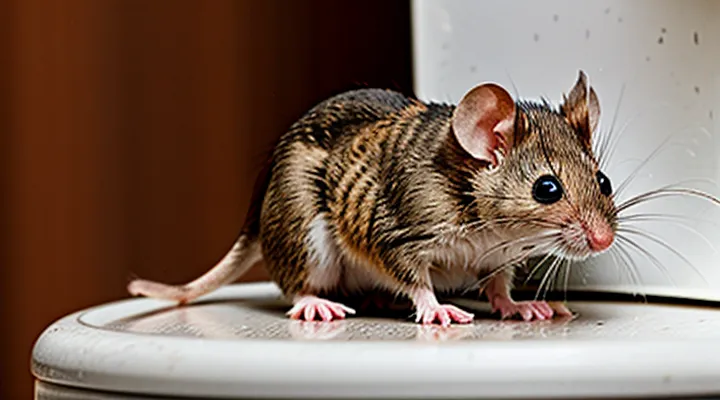
The Average Weight of a House Mouse
Factors Influencing Mouse Weight
Age and Development
House mice (Mus musculus) display a predictable weight trajectory from birth to senescence. Newborn pups weigh approximately 1 g, a figure that reflects the limited tissue development present at delivery. Within the first week, rapid growth increases mass to 2–3 g as skeletal muscle and organ systems expand.
Between two and four weeks of age, juveniles experience a phase of accelerated somatic growth. During this period, average weight rises to 5–7 g, driven by heightened protein synthesis and increased food intake. The transition to sexual maturity typically occurs around eight weeks, when mice reach an adult weight range of 12–25 g. Males tend toward the upper end of this spectrum, while females often remain slightly lighter.
Mature adults maintain relatively stable body mass until middle age (approximately 12–18 months). At this stage, slight fluctuations appear, with some individuals gaining up to 30 g due to fat accumulation, whereas others may lose weight as muscle mass declines. In geriatric mice (over 24 months), weight loss becomes common, reflecting reduced appetite, metabolic slowdown, and the onset of age‑related pathology.
Typical weight milestones:
- Birth: ~1 g
- 1 week: 2–3 g
- 3 weeks: 5–7 g
- 8 weeks (sexual maturity): 12–25 g
- 12–18 months (mid‑life): up to 30 g
-
24 months (senescence): gradual decline
Understanding these age‑linked weight patterns clarifies how developmental stage influences the mass of a house mouse, providing essential context for research and pest management.
Diet and Nutrition
House mice (Mus musculus) maintain a body mass that typically ranges from 10 g to 25 g, with nutrition directly influencing this variability. Their diet is omnivorous, allowing rapid adaptation to human‑associated environments.
Key dietary components affecting weight:
- Grains and seeds – high carbohydrate content provides quick energy; excessive intake can increase fat deposition.
- Insects and larvae – source of protein and essential amino acids; supports muscle development and lean body mass.
- Fruit and vegetables – supply vitamins (A, C, K) and minerals (potassium, magnesium); contribute to metabolic efficiency.
- Anthropogenic waste – processed foods rich in fats and sugars accelerate weight gain and may lead to obesity.
Nutrient balance determines growth rate. Protein levels above 15 % of total diet promote faster maturation, while diets low in protein extend the juvenile phase and reduce adult size. Lipid intake exceeding 10 % of calories correlates with increased adiposity, especially in captive populations where food is abundant.
Water consumption is essential; mice ingest 3–5 ml of liquid daily. Dehydration reduces feed intake, leading to weight loss, whereas constant access to clean water stabilizes body mass.
Seasonal variations affect foraging behavior. In colder months, mice increase consumption of high‑energy foods, resulting in a measurable rise in average weight of up to 20 % compared with summer averages.
Understanding these nutritional dynamics enables accurate predictions of house‑mouse weight under different environmental conditions.
Genetics and Species Variation
Genetic makeup determines the average mass of a common house mouse. Distinct subspecies carry alleles that influence skeletal size, muscle development, and fat storage, producing measurable weight differences.
The three primary subspecies display the following typical adult weights:
- Mus musculus domesticus: 12–18 g
- Mus musculus musculus: 14–20 g
- Mus musculus castaneus: 10–16 g
Hybrid zones where subspecies interbreed generate individuals with intermediate or variable weights, reflecting the combined genetic contribution of parental populations.
Environmental pressures such as temperature, food availability, and population density interact with genetic factors. Genes regulating metabolic rate adjust to colder climates, often resulting in slightly heavier individuals, while abundant resources in temperate regions can increase average body mass across all subspecies.
Research on laboratory mouse strains demonstrates that selective breeding for specific traits—growth rate, disease resistance, or behavior—produces weight ranges that deviate from wild averages by up to 30 %. These variations illustrate the plasticity of mouse genetics under controlled conditions.
Understanding the genetic basis of weight variation assists in designing experiments, interpreting ecological data, and managing pest populations, as weight correlates with reproductive capacity and survival likelihood.
Why Mouse Weight Matters
Health and Survival Implications
Predator Evasion
A typical house mouse weighs between 10 g and 25 g, with most adults clustering around 15 g. This minimal mass enables rapid acceleration, allowing the animal to reach speeds of up to 8 m·s⁻¹ in a few strides.
Low weight directly enhances predator evasion. The mouse’s light frame reduces inertia, making sudden direction changes effortless. Small size permits entry into gaps as narrow as 1 cm, a barrier many predators cannot breach. Additionally, a reduced body mass lowers the acoustic signature of movement, decreasing detection by auditory hunters.
- Burst acceleration: short, high‑intensity sprints escape approaching threats.
- Vertical leap: ability to jump 10 cm upward clears obstacles and predators’ reach.
- Silent scurrying: minimal footfall pressure yields near‑inaudible footfalls.
- Narrow‑passage navigation: exploitation of crevices and ducts inaccessible to larger predators.
Cats, owls, and snakes represent the primary predators. A mouse’s 15 g mass often falls below the threshold required for a cat’s grasp, while the rapid, erratic flight pattern confounds owl strike vectors. Snakes rely on constriction; the mouse’s capacity to slip through minute openings reduces encounter likelihood. Consequently, the mouse’s lightweight physiology constitutes a decisive factor in survival against these hunters.
Reproductive Success
House mice typically weigh between 10 and 25 g, a size that enables rapid maturation and high reproductive output. Females reach sexual maturity at 5–6 weeks, producing litters of 5–8 pups after a 19‑day gestation. The small body mass supports a short gestation period, allowing multiple breeding cycles within a single year.
Key factors influencing reproductive success include:
- Nutrition: Access to high‑calorie foods accelerates ovulation and increases litter size.
- Population density: Moderate crowding stimulates breeding, whereas extreme overcrowding suppresses fertility.
- Temperature: Ambient temperatures of 20–25 °C optimize sperm viability and embryonic development.
- Predation pressure: Reduced threat levels extend breeding seasons and raise offspring survival rates.
Males mature slightly later, around 8 weeks, and achieve peak reproductive performance after establishing dominance hierarchies. Dominant males secure mating opportunities with multiple females, enhancing gene propagation. Sperm competition and frequent copulation further boost fertilization chances, ensuring that the species maintains its characteristic high reproductive rate despite its modest size.
Pest Control Considerations
Infestation Severity
House mice typically weigh between 10 and 25 grams, a range that allows rapid population growth when food and shelter are abundant. The cumulative biomass of a colony provides a practical metric for assessing infestation severity; a handful of individuals can quickly reach several hundred grams, indicating a transition from a minor presence to a substantial problem.
Key indicators of a severe mouse infestation include:
- Visible droppings exceeding a few grams per day across multiple rooms.
- Damage to structural components, wiring, or stored goods that reflects cumulative gnawing activity.
- Persistent odor of urine or nesting material that cannot be eliminated with routine cleaning.
- Repeated sightings of mice during daylight hours, suggesting that the population density has exceeded normal nocturnal activity levels.
Estimating total mouse biomass helps prioritize control measures. For example, a colony of 50 mice averaging 15 grams each represents roughly 750 grams of live weight, a threshold that typically warrants professional extermination. Monitoring weight‑related metrics alongside behavioral signs enables accurate determination of infestation severity and informs effective intervention strategies.
Baiting Strategies
House mice typically weigh between 10 and 25 grams, a range that influences the dosage and type of bait required for effective control. Accurate dosing prevents waste and reduces the risk of non‑target exposure.
Effective baiting relies on three core principles: palatability, placement, and timing.
- Palatability: Choose attractants that match the mouse’s diet preferences, such as grain‑based cereals, seed blends, or high‑protein formulations. Incorporate flavors like peanut butter or cheese to increase acceptance.
- Placement: Position bait stations along walls, behind appliances, and near known runways. Mice travel close to surfaces; low‑profile stations minimize detection.
- Timing: Deploy bait during periods of heightened activity, usually at dusk and before sunrise. Refresh bait every 48 hours to maintain freshness and potency.
When selecting a bait, calculate the required amount based on the average mouse mass. A single dose of 0.5 g of anticoagulant rodenticide delivers a lethal dose for a 15‑gram mouse; adjust proportionally for larger individuals. Use pre‑measured pellets to ensure consistent delivery.
Monitoring involves inspecting stations daily for consumption patterns and signs of secondary poisoning. Replace depleted units promptly and rotate active stations to prevent bait aversion.
Integrating these strategies with sanitation measures—sealing entry points, removing food debris, and reducing clutter—maximizes control outcomes while limiting environmental impact.
Comparing House Mice to Other Rodents
Weight Differences: House Mouse vs. Field Mouse
The house mouse (Mus musculus) typically weighs between 12 and 25 grams, with adult males averaging slightly higher than females. Body length ranges from 6 to 9 cm, and the species exhibits a compact, muscular build that contributes to its relatively dense mass.
Field mice, such as the common wood mouse (Apodemus sylvaticus), generally fall within a 15‑30 gram weight window. Their length extends 7‑10 cm, and the elongated tail adds proportionally to overall size, resulting in a lighter frame compared with the house mouse despite overlapping weight ranges.
Key distinctions:
- House mouse: 12‑25 g; shorter tail; higher body density.
- Field mouse: 15‑30 g; longer tail; leaner physique.
The overlapping intervals indicate that individual measurements may not reliably identify species without additional morphological cues. Consistently, house mice present a marginally higher average weight, while field mice display broader variability linked to habitat and seasonal food availability.
Weight Differences: House Mouse vs. Rat
The common house mouse (Mus musculus) reaches an adult mass of 15–25 g, with most individuals clustering around 20 g. Body length, excluding the tail, rarely exceeds 10 cm, and the tail adds another 5–10 cm.
The Norway rat (Rattus norvegicus), the species most frequently encountered in urban settings, typically weighs 250–300 g. Larger specimens can surpass 500 g. Total body length, including the tail, ranges from 20 cm to 30 cm.
Weight comparison
- House mouse: 15–25 g (≈0.5–0.9 oz)
- Norway rat: 250–300 g (≈9–10.5 oz)
- Ratio: a rat is roughly 10–20 times heavier than a mouse.
The disparity reflects divergent ecological strategies: mice maintain a lightweight frame for rapid maneuvering through narrow openings, while rats possess greater muscle mass to support stronger foraging and burrowing activities. Consequently, any assessment of rodent control or habitat impact must account for the pronounced mass difference between these two species.
Interesting Facts About Mouse Weight
Remarkable Adaptability
House mice (Mus musculus) demonstrate extraordinary adaptability, which directly influences their average body mass of 12–30 grams. Their capacity to thrive in diverse environments stems from several physiological and behavioral traits.
- Dietary flexibility: Mice consume seeds, insects, human leftovers, and even paper, allowing survival where food sources fluctuate.
- Reproductive efficiency: Females can produce up to ten litters per year, each containing 5–8 offspring, rapidly repopulating depleted populations.
- Habitat tolerance: Individuals occupy rural fields, urban basements, and industrial warehouses, adjusting nesting materials to suit moisture, temperature, and predator pressure.
- Sensory acuity: Enhanced whisker and auditory systems detect subtle vibrations, facilitating navigation through cluttered or dark spaces.
- Metabolic regulation: Ability to lower basal metabolic rate during food scarcity conserves energy, maintaining weight within a narrow range despite environmental stress.
These adaptive mechanisms enable house mice to maintain a stable weight profile across habitats, ensuring consistent survival and reproductive success.
Metabolic Rate and Energy Needs
Food Consumption
House mice typically weigh between 10 and 25 grams, a range that directly influences their daily caloric requirements. An adult mouse consuming roughly 3–5 % of its body weight in food each day needs about 0.3–1.2 grams of nutrients, translating to 1–2 kilocalories.
Their diet is opportunistic:
- Seeds, grains, and cereals provide carbohydrates and modest protein.
- Insects, eggs, or small arthropods supply essential amino acids and fats.
- Human‑derived scraps, such as cheese, bread crusts, and fruit peels, add sugars and moisture.
Food intake fluctuates with temperature and activity level. In colder environments, metabolic demand rises, prompting mice to increase consumption by up to 30 %. Conversely, during periods of reduced activity, intake drops proportionally, helping maintain a stable body mass.
Digestive efficiency is high; mice extract approximately 85 % of usable energy from ingested material. Excess calories are stored as adipose tissue, allowing rapid weight gain when food is abundant. Conversely, prolonged scarcity can reduce body weight to the lower end of the species’ range within weeks.
Activity Levels
House mice exhibit remarkably high activity throughout the day and night. An adult typically covers 2–4 kilometers of ground, climbing, foraging, and exploring within a confined space. This constant motion contributes to the maintenance of a lean body mass, with average individuals weighing between 10 and 30 grams.
Energy expenditure correlates directly with movement intensity. Mice display bursts of rapid locomotion, known as “sprinting,” lasting a few seconds, followed by brief periods of rest. Laboratory observations record an average of 12–15 minutes of active sprinting per hour during nocturnal phases.
Key behavioral patterns include:
- Exploratory runs: frequent, short-distance trips across the enclosure.
- Nest construction: repetitive gathering of bedding material, enhancing muscular activity.
- Food retrieval: swift, repeated trips between feeding stations and hideouts.
- Social interaction: aggressive or mating pursuits that elevate heart rate and respiration.
These activity levels influence weight fluctuations. Increased locomotion accelerates metabolism, often resulting in lower fat accumulation, while reduced movement can lead to modest weight gains despite unchanged caloric intake.