
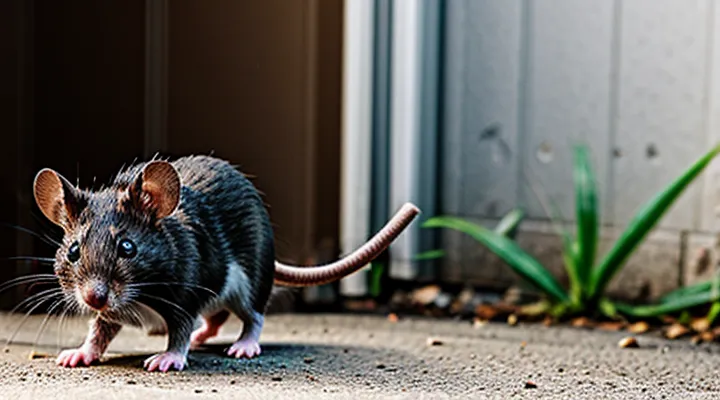
Understanding Rabies
What is Rabies?
Rabies is an acute viral encephalitis caused by the rabies lyssavirus, a neurotropic pathogen that invades peripheral nerves and travels to the central nervous system. The virus replicates in the salivary glands of infected mammals, enabling transmission through bites, scratches, or exposure to contaminated saliva. Although most cases involve carnivores such as dogs and bats, the disease can affect any warm‑blooded animal, including rodents.
Key characteristics of rabies:
- Enveloped, single‑stranded RNA virus belonging to the Rhabdoviridae family.
- Incubation period varies from weeks to months, depending on the entry site and viral load.
- Prodromal signs include behavioral changes, fever, and hypersalivation.
- Progression leads to neurological disturbances, paralysis, and inevitably death without timely post‑exposure prophylaxis.
- Diagnosis relies on detection of viral antigens in brain tissue or nucleic acid testing of saliva, skin, or cerebrospinal fluid.
- Effective prevention consists of pre‑exposure vaccination for high‑risk species and immediate administration of rabies immune globulin and vaccine after suspected exposure.
Understanding the nature of rabies provides the foundation for assessing the risk of infection in small mammals and implementing appropriate control measures.
How Rabies is Transmitted
Viral Pathogenesis
Rabies virus enters mice primarily through bites, scratches, or exposure to contaminated saliva. The virus binds to nicotinic acetylcholine receptors at neuromuscular junctions, facilitating rapid uptake into peripheral nerves. Once inside axons, the virus exploits retrograde axonal transport mechanisms, moving toward the central nervous system via dynein motor complexes. In the spinal cord and brain, viral replication triggers neuronal dysfunction, leading to the characteristic neurological signs observed in infected rodents.
Key steps in the pathogenic cascade include:
- Attachment to neuronal receptors and membrane fusion.
- Exploitation of microtubule-based transport for central migration.
- Suppression of host interferon responses through viral phosphoprotein (P) inhibition of STAT1 signaling.
- Induction of apoptosis in specific brain regions, contributing to clinical deterioration.
Mice that survive initial exposure but remain asymptomatic can shed virus in saliva, posing a hidden risk to cohabiting animals and humans. Environmental contamination of cages, bedding, and feed further amplifies transmission potential.
Preventive measures focus on interrupting the infection pathway:
- Vaccinate breeding colonies with inactivated rabies vaccines approved for rodent use.
- Implement strict quarantine for newly introduced mice; monitor for bite wounds and unusual behavior for at least 30 days.
- Maintain barrier housing to prevent cross‑species contact with potential wildlife vectors.
- Disinfect cages and equipment with virucidal agents known to inactivate lyssaviruses (e.g., sodium hypochlorite at 0.1% concentration) after each use.
- Provide personal protective equipment for personnel handling mice, including gloves and face shields, to reduce exposure to saliva.
Understanding the molecular mechanisms of rabies virus movement and immune evasion in mice informs targeted interventions, reduces the probability of outbreaks, and safeguards both laboratory animal welfare and public health.
Common Carriers of Rabies
Rabies spreads to mice primarily through exposure to saliva from infected animals. The virus persists in the nervous tissue of several wildlife species that frequently share habitats with rodents, creating a direct transmission pathway.
Common reservoirs include:
- Raccoons, which transmit the virus via bites or contaminated surfaces.
- Skunks, known for high viral loads in salivary glands.
- Foxes, which can infect mice during predation or scavenging.
- Bats, especially insectivorous species that may leave virus‑laden droppings in nesting areas.
- Coyotes, which occasionally prey on small mammals.
- Domestic dogs and cats, if unvaccinated and infected, can introduce rabies into peridomestic environments.
Transmission occurs when a mouse sustains a bite, licks an open wound, or contacts saliva on food or bedding. The virus travels along peripheral nerves to the central nervous system, leading to fatal encephalitis.
Preventive actions focus on reducing exposure to these carriers. Strategies include vaccinating pets, limiting wildlife access to human dwellings, securing garbage and feed sources, and conducting regular surveillance of local rabies reservoirs. Prompt removal of dead wildlife and disinfection of contaminated areas further diminish the risk of infection in rodent populations.
Mice and Rabies: A Low-Risk Scenario
Why Mice Are Seldom Rabid
Biological Factors
Rabies infection in mice depends on several intrinsic biological characteristics. The virus accesses the host through peripheral nerves after a bite or exposure to infected saliva. Murine neuronal tissue expresses the nicotinic acetylcholine receptor and neural cell adhesion molecule, which facilitate viral binding and retrograde transport to the central nervous system. Genetic variation among mouse strains influences receptor density, altering susceptibility.
Immune competence modulates disease progression. Neonatal and immunocompromised individuals exhibit reduced interferon‑γ production, allowing faster viral replication. Conversely, robust innate responses can delay onset but rarely prevent fatality once the virus reaches the brain. Co‑infection with other pathogens, such as hantavirus, can suppress antiviral pathways and increase the likelihood of successful rabies establishment.
Environmental stressors intersect with physiological factors. Elevated cortisol levels suppress lymphocyte activity, diminishing the host’s capacity to contain viral spread. High viral loads in the source animal raise the inoculum size, overwhelming local immune defenses and shortening the incubation period.
Key biological determinants include:
- Receptor expression patterns on peripheral nerves
- Genetic background affecting immune signaling
- Age‑related immune maturity
- Presence of concurrent infections
- Stress‑induced immunosuppression
Understanding these mechanisms informs targeted preventive measures, such as selective breeding for resistance, vaccination of reservoir species, and minimizing stress in laboratory mouse colonies.
Behavioral Patterns
Mice acquire rabies primarily through bites from infected predators or conspecifics; their innate activities determine exposure frequency. Aggressive encounters, territorial patrols, and nocturnal foraging increase contact with rabid carnivores, while social grooming and nest sharing facilitate intra‑species spread once the virus is present.
- Aggression toward intruders or other rodents creates bite wounds that transmit the virus directly.
- Extensive roaming during peak activity periods expands the geographic range of potential encounters with infected wildlife.
- Communal nesting and close physical contact allow saliva‑borne virus particles to spread among colony members.
- Exploration of garbage, compost, and outdoor structures brings mice into proximity with stray or wild carnivores that may carry rabies.
Reducing risk requires interventions that modify these behaviors. Limiting access to food sources and shelter curtails roaming and aggregation. Installing physical barriers around waste and animal housing prevents entry of rabid predators. Regular monitoring of rodent colonies for signs of bite wounds or abnormal lethargy enables early detection and removal of infected individuals, interrupting transmission cycles.
Documented Cases and Research Findings
Documented incidents of rabies infection in mice are rare but well recorded. Cases reported in North America, Europe, and Asia involve laboratory‑bred mice exposed to infected carnivores or experimentally inoculated with the virus. Field observations include wild mice captured near rabid foxes or raccoons, with viral antigen detected in brain tissue by immunofluorescence assay. Laboratory outbreaks often result from accidental breaches in biosafety protocols, leading to virus isolation from mouse brain homogenates.
Research has identified several critical findings. Experimental inoculation demonstrates that mice can develop clinical rabies after peripheral or intracerebral exposure, with incubation periods ranging from 10 to 30 days depending on viral strain and inoculum dose. Viral replication occurs primarily in the peripheral nervous system before central nervous system invasion, mirroring the pathway observed in larger mammals. Genetic analysis of isolates from infected mice shows close similarity to regional carnivore rabies variants, confirming spillover rather than an independent rodent lineage. Serological surveys of wild rodent populations reveal low seroprevalence, suggesting limited natural transmission cycles.
Epidemiological data indicate that mouse involvement in rabies ecology is incidental. Surveillance records show that mice account for less than 1 % of all mammalian rabies confirmations. Geographic hotspots correspond to areas with high densities of rabid wildlife reservoirs, such as raccoon or skunk populations in the eastern United States. Seasonal peaks align with increased wildlife activity during spring and autumn, when mouse populations also rise.
Prevention strategies derived from documented cases and research include:
- Strict adherence to biosafety level 3 practices in laboratories handling rabies‑infected material.
- Routine testing of rodent colonies for viral contamination when housed near wildlife‑derived specimens.
- Integrated wildlife vaccination programs that reduce overall reservoir infection pressure.
- Environmental management to limit mouse access to areas where rabid carnivores are present, such as sealing entry points and controlling food sources.
These measures, grounded in empirical evidence, reduce the risk of rabies transmission to mice and, consequently, the potential for accidental exposure to humans and other animals.
Potential Routes of Exposure for Mice
Contact with Infected Wildlife
Predation by Rabid Animals
Rabid carnivores such as foxes, raccoons, and feral cats frequently hunt small rodents, creating a direct pathway for the virus to reach mice. When a rabid animal bites or kills a mouse, viral particles are introduced through the wound, allowing infection to develop during the incubation period.
Risks linked to predation by infected predators include:
- Immediate exposure to high viral loads during a bite or claw injury.
- Secondary contamination of mouse nesting material with saliva or blood.
- Increased likelihood of transmission within dense mouse populations when a single infected individual is introduced.
- Difficulty in detecting infection early because rodents often exhibit subtle clinical signs.
Prevention strategies focus on minimizing contact between mice and potentially rabid predators:
- Secure enclosures for laboratory and pet mice with mesh screens that exclude carnivores.
- Implement regular surveillance for rabies in wildlife surrounding facilities; vaccinate domestic animals that could act as bridges.
- Remove carcasses and refuse promptly to deter scavenging predators from entering mouse habitats.
- Employ rodent‑proof barriers on building exteriors, including sealed entry points and overhangs that prevent predator access.
Adhering to these measures reduces the probability that mice acquire rabies through predatory encounters, thereby protecting both animal colonies and public health.
Shared Habitats
Mice and rabies‑infected wildlife often occupy the same shelters, burrows, or storage areas. Direct contact with saliva, blood, or tissue from infected animals can occur when mice forage for food, nest material, or water within these shared spaces. The risk intensifies in environments where rodents and larger mammals, such as raccoons, foxes, or bats, overlap during seasonal migrations or when human activity concentrates food sources.
Shared habitats also facilitate indirect transmission. Contaminated surfaces retain the virus for several hours, allowing mice to acquire the pathogen by grooming or chewing on infected debris. Dense populations increase the frequency of encounters, raising the probability that an individual mouse will become a carrier.
Prevention measures focus on habitat management:
- Seal entry points to exclude larger mammals from barns, sheds, and attics.
- Store feed in rodent‑proof containers and remove spillage promptly.
- Regularly disinfect surfaces with a virucidal solution validated for rabies.
- Conduct routine health inspections of wildlife reservoirs and implement vaccination programs where feasible.
- Maintain low rodent density through integrated pest‑management practices, including trapping and environmental sanitation.
Bite Wounds from Rabid Mammals
Bite wounds inflicted by rabid mammals represent a primary transmission route for the virus in rodent populations. When a mouse receives a puncture or laceration from an infected animal, viral particles are introduced directly into the bloodstream and peripheral nerves, accelerating the incubation period. The severity of the wound—depth, location, and degree of tissue damage—correlates with the likelihood of infection; deep bites to the head or neck pose the greatest risk because they provide shorter pathways to the central nervous system.
Immediate management of a suspected rabid bite includes thorough irrigation with soap and water for at least five minutes, followed by application of an antiseptic solution. Veterinary assessment should occur within hours, and post‑exposure prophylaxis (PEP) must be administered according to current guidelines. PEP typically involves a series of rabies vaccine injections and, when indicated, rabies immune globulin at the wound site.
Prevention strategies focus on minimizing exposure to potentially infected mammals:
- Secure food storage and waste disposal to deter wild carnivores and bats from entering mouse habitats.
- Install physical barriers such as fine mesh screens on cages and enclosures.
- Conduct regular health monitoring of laboratory and pet mice; isolate any individual showing signs of neurological distress.
- Vaccinate domestic animals that share the environment, reducing the reservoir of rabies virus.
- Educate personnel handling mice about proper protective equipment, including gloves and face shields, to avoid accidental bites.
Understanding the mechanics of rabid bite wounds and implementing rapid wound care, veterinary intervention, and environmental controls substantially reduces the probability of viral transmission to mice.
Identifying Rabies in Mice
Clinical Signs in Rodents
Behavioral Changes
Mice infected with rabies display distinct alterations in behavior that signal disease progression and increase the likelihood of virus transmission. Early signs include heightened irritability and reduced responsiveness to normal stimuli. As the infection advances, affected rodents often exhibit uncharacteristic aggression, attacking objects or conspecifics without provocation. Excessive grooming and frantic scratching may accompany this phase, reflecting discomfort from neurological irritation. Salivation becomes pronounced, leading to drooling that can contaminate the environment and expose other animals to infectious saliva. Later stages are marked by motor impairment: hind‑limb weakness, loss of coordination, and eventual paralysis of the forelimbs, which may cause the mouse to assume a characteristic “dumb‑show” posture. These behavioral shifts not only indicate the presence of rabies but also facilitate virus spread through bites and contaminated secretions.
Monitoring rodent colonies for the described changes enables early detection. Immediate isolation of individuals showing aggression, excessive salivation, or motor deficits limits contact with humans and other animals. Prompt euthanasia, following biosafety protocols, prevents further environmental contamination. Veterinary oversight, combined with routine health assessments, reduces the risk of unnoticed rabies cases in laboratory or pet mouse populations.
Physical Symptoms
Rabies infection in mice produces a rapid progression of neurological and systemic signs. Early manifestations often include:
- Fever and lethargy, detectable within 48–72 hours after exposure.
- Loss of appetite and weight loss, reflecting metabolic disruption.
- Hyperexcitability or agitation, marked by erratic movements and heightened response to stimuli.
As the virus advances toward the central nervous system, clinical presentation shifts to more severe neurological deficits:
- Ataxia and loss of coordination, resulting in stumbling or inability to maintain posture.
- Tremors or involuntary muscle jerks, commonly observed in the facial region and limbs.
- Excessive salivation and foaming at the mouth, caused by impaired swallowing and autonomic dysfunction.
- Paralysis of the hind limbs, progressing to generalized flaccidity in later stages.
In terminal phases, mice exhibit:
- Respiratory distress due to compromised brainstem control.
- Coma and eventual death, typically occurring within a week of symptom onset.
Recognition of these physical indicators enables timely intervention and containment measures to reduce transmission risk.
Challenges in Diagnosis
Mice infected with rabies often display nonspecific neurological signs that overlap with other rodent diseases, making early clinical recognition unreliable. The virus may be present in low concentrations within peripheral tissues, limiting the sensitivity of standard diagnostic assays. Obtaining adequate specimens poses additional difficulty; brain tissue must be harvested promptly after death, and improper handling can degrade viral RNA, compromising molecular testing.
Key obstacles include:
- Variable symptomatology: Neurological manifestations such as tremors, ataxia, or aggression are intermittent and may be mistaken for stress‑induced behaviors.
- Limited viral load: Peripheral samples (saliva, blood) frequently contain insufficient virus for detection, reducing the utility of rapid antigen tests.
- Sample integrity: Delays in necropsy or suboptimal storage temperatures accelerate RNA decay, leading to false‑negative PCR results.
- Cross‑reactivity: Serological assays can produce ambiguous results due to antibodies generated against related lyssaviruses, complicating interpretation.
- Laboratory capacity: Many diagnostic facilities lack validated protocols for small‑rodent rabies testing, resulting in reliance on methods optimized for larger mammals.
Overcoming these challenges requires rapid post‑mortem processing, adoption of highly sensitive quantitative PCR techniques, and the development of standardized protocols tailored to murine specimens.
Human Interaction and Risk Assessment
Exposure to Potentially Rabid Mice
Bites and Scratches
Mice can acquire rabies primarily through direct exposure to the saliva of infected animals. Bites deliver virus-laden fluid into muscle tissue, providing an efficient entry route. Scratches that break the skin may also introduce the virus if the claw is contaminated with infectious saliva.
The risk escalates in environments where rodents share space with wildlife carriers such as raccoons, foxes, or bats. Small wounds often go unnoticed, allowing the virus to replicate before clinical signs appear. Without prompt intervention, infection spreads to the central nervous system, leading to fatal outcomes.
Preventive actions focus on minimizing contact with potentially rabid animals and managing wound exposure:
- Secure food storage and waste disposal to deter wildlife intrusion.
- Seal entry points in buildings to restrict rodent access to outdoor habitats.
- Use protective gloves when handling mice or cleaning enclosures; replace gloves if torn.
- Clean any bite or scratch with soap and water immediately; apply an antiseptic.
- Seek veterinary assessment and post‑exposure vaccination for mice that have been injured by suspect animals.
Monitoring rodent health and maintaining strict biosecurity reduce the likelihood of rabies transmission through bites and scratches.
Indirect Contact
Mice may acquire rabies without direct bite exposure. The virus can persist on contaminated surfaces such as bedding, feed containers, cages, and equipment for several hours, depending on temperature and humidity. When a mouse contacts these fomites, viral particles can enter mucous membranes or small skin abrasions, establishing infection.
Factors that increase indirect transmission risk include:
- Overcrowded housing that limits cleaning frequency.
- Use of shared feeding stations without disinfection between groups.
- Presence of infected wildlife or stray animals that contaminate the environment.
- Inadequate ventilation that promotes moisture retention on surfaces.
Preventive actions focus on environmental control:
- Implement a routine cleaning schedule with disinfectants proven effective against rabies virus (e.g., sodium hypochlorite solutions).
- Isolate new or sick rodents before integration into existing colonies.
- Replace bedding and feed containers regularly; avoid reuse of contaminated materials.
- Restrict access of wild animals to laboratory or domestic mouse habitats by sealing entry points and using secure storage.
- Monitor temperature and humidity to reduce viral stability on surfaces.
Adhering to these measures reduces the probability that mice encounter infectious material, thereby lowering overall rabies risk.
When to Seek Medical Attention
If a mouse bite, scratch, or contact with saliva from a potentially infected rodent occurs, immediate medical evaluation is essential. Delays increase the likelihood of viral entry into the nervous system and reduce the effectiveness of post‑exposure prophylaxis.
Key indicators for urgent care include:
- Penetrating wound caused by a mouse, especially if the animal was acting unusually aggressive or displayed signs of illness.
- Presence of foaming at the mouth, excessive drooling, or paralysis in the animal observed prior to exposure.
- Development of pain, burning, or tingling at the bite site within hours of the incident.
- Onset of fever, headache, nausea, or unexplained neurological symptoms such as muscle weakness, confusion, or seizures within days of exposure.
- Uncertainty about the mouse’s vaccination status or inability to locate the animal for observation.
Even in the absence of symptoms, a healthcare professional should assess the risk based on the geographic prevalence of rabies, the circumstances of the encounter, and the animal’s behavior. The standard protocol involves thorough wound cleansing, administration of rabies immunoglobulin when indicated, and initiation of the vaccine series.
Prompt consultation minimizes disease progression and maximizes the chance of full recovery. Do not wait for symptoms to appear; seek professional advice immediately after any potentially rabid rodent exposure.
Prevention and Safety Measures
Managing Rodent Populations
Exclusion Techniques
Exclusion techniques aim to eliminate pathways that allow mice to encounter rabies‑carrying wildlife or contaminated environments. By sealing structural openings, controlling access points, and managing habitat conditions, the risk of infection can be reduced to a minimum.
Effective measures include:
- Installing steel‑wool or copper mesh around vents, utility penetrations, and foundation cracks.
- Applying weather‑resistant caulking to gaps around doors, windows, and pipe sleeves.
- Using door sweeps and tight‑fitting thresholds to block entry beneath exterior doors.
- Reinforcing crawl‑space and attic screens with fine‑mesh hardware cloth.
- Maintaining vegetation clearance at least two feet from building foundations to discourage rodent sheltering.
Additional steps enhance the primary barriers:
- Removing food sources by storing grain, pet food, and waste in sealed containers.
- Managing water accumulation through proper drainage and fixing leaks promptly.
- Conducting regular inspections of building envelopes to identify and repair new openings.
- Implementing a perimeter trap line to monitor and reduce mouse populations before they reach interior spaces.
These exclusion strategies create a physical environment that prevents mice from accessing rabies reservoirs, thereby lowering the probability of disease transmission. Consistent application and periodic verification are essential for sustained protection.
Habitat Modification
Habitat modification reduces the likelihood that mice encounter rabid wildlife and limits virus exposure. Removing dense vegetation near structures eliminates natural corridors used by foxes, raccoons, and bats, which are common rabies reservoirs. Maintaining a clear perimeter around buildings forces potential carriers to travel farther, decreasing contact rates.
Sealing entry points in foundations, walls, and roofs prevents mice from nesting in close proximity to infected animals. Installing metal flashing or concrete barriers around vent openings blocks small mammals from accessing interior spaces. Regular inspection and repair of gaps in siding and drainage systems eliminates hidden shelters.
Controlling food availability curtails attractants that draw both rodents and rabies‑carrying species. Storing grain, pet food, and waste in sealed containers removes a primary incentive for mice to cohabit with larger mammals. Prompt removal of spilled feed and regular cleaning of outdoor dining areas reduce incidental feeding opportunities.
Implementing these measures creates an environment where mice are less likely to share space with rabies vectors, thereby lowering infection risk and supporting broader disease‑prevention strategies.
Pet Vaccination and Protection
Vaccinating companion animals is the most reliable method to block rabies transmission from wildlife, including rodents that may carry the virus. A complete rabies vaccine series, administered according to veterinary guidelines, establishes immunity that lasts for the legally required period, typically one to three years depending on the product.
The vaccination protocol includes:
- Initial dose given at the appropriate age (usually 12 weeks or older).
- Booster administered 30 days after the first dose.
- Subsequent boosters scheduled in accordance with the vaccine’s duration of immunity.
Pet owners should maintain up‑to‑date records and ensure that annual or triennial revaccination occurs before the expiration date. Failure to comply increases the likelihood of exposure when pets encounter infected mice or other wildlife.
In addition to immunization, protective measures reduce risk. Secure fencing prevents unsupervised access to areas where rodents are active. Regular health checks allow early detection of bite wounds or abnormal behavior that could indicate exposure. Prompt veterinary evaluation and post‑exposure prophylaxis are essential if a pet is bitten by a potentially rabid mouse.
Implementing a consistent vaccination schedule combined with environmental controls creates a robust barrier against rabies, safeguarding both animals and humans from the disease.
Education and Awareness
Understanding Local Rabies Epidemiology
Local rabies epidemiology determines the probability that mice encounter infectious saliva in a given area. Surveillance data from public health agencies identify regions where rabies persists in wildlife reservoirs such as raccoons, skunks, foxes, and bats. In these zones, rodent populations frequently share burrows, feeding sites, and water sources with infected mammals, creating opportunities for spill‑over transmission.
Key epidemiological indicators include:
- Reported cases per 100,000 inhabitants in wildlife and domestic animals.
- Seasonal peaks in rabies activity, often linked to breeding cycles of reservoir species.
- Density of stray or feral animals that serve as vectors.
- Geographic overlap of mouse habitats with high‑risk wildlife corridors.
Understanding these metrics enables risk assessment for rodent exposure. Areas with elevated case counts and dense wildlife corridors present the greatest threat to mice. Conversely, regions with robust vaccination programs for pets and wildlife oral bait campaigns show reduced incidence, lowering the chance of mouse infection.
Prevention strategies derived from epidemiological insight involve:
- Monitoring wildlife rabies trends through routine testing of carcasses and live captures.
- Implementing oral rabies vaccine (ORV) distribution in identified hotspots to reduce reservoir prevalence.
- Controlling stray animal populations to limit cross‑species contact.
- Educating laboratory and field personnel on protective handling procedures when working with mice in high‑risk zones.
Accurate, up‑to‑date epidemiological data provide the foundation for targeted interventions, minimizing the likelihood that mice become vectors for rabies transmission.
Reporting Suspect Animal Encounters
When a mouse or any other animal displays abnormal behavior—such as aggression, excessive salivation, or paralysis—immediate documentation and notification are critical to curb potential rabies transmission. Accurate reporting enables public health officials to assess exposure risk, initiate laboratory testing, and coordinate timely vaccination campaigns for humans and domestic animals.
Key elements of an effective report include:
- Species identification (mouse, rat, etc.) and approximate number observed.
- Precise location (address, GPS coordinates, or landmark).
- Date and time of the encounter.
- Description of the animal’s condition (signs of disease, injuries, unusual activity).
- Contact information of the reporter (name, phone, email).
- Any known interaction with humans or pets.
Submit the information to local animal control, the health department’s rabies surveillance unit, or a designated emergency hotline. Follow any additional instructions they provide, such as isolating the animal, avoiding direct contact, or seeking medical evaluation if exposure occurred. Prompt, detailed reports reduce the likelihood of unchecked spread and support coordinated prevention measures.