
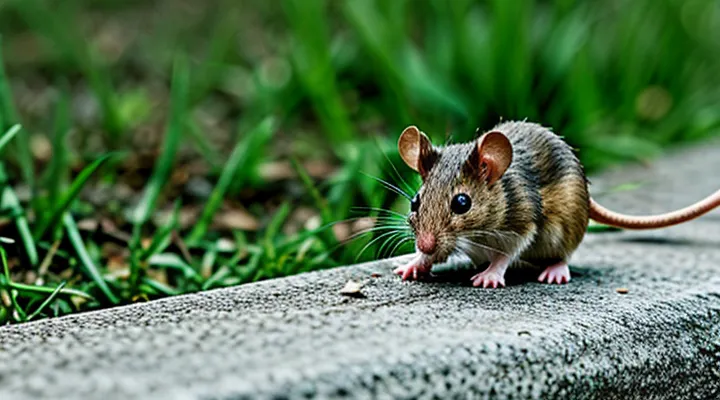
Factors Influencing Mouse Longevity
Genetic Predisposition
Genetic makeup determines the intrinsic potential for mouse longevity. Specific alleles modify metabolic rate, stress resistance, and cellular repair, thereby setting the upper limits of lifespan for each individual.
- Mutations that reduce insulin‑like growth factor signaling (e.g., IGF1R hypomorphic alleles) extend average lifespan by 15–30 %.
- Enhanced activity of the tumor suppressor p53 correlates with delayed onset of age‑related pathologies.
- Variants in the mitochondrial DNA polymerase Polg affect mitochondrial fidelity and influence survival curves.
Different inbred strains illustrate the impact of genetics on lifespan. C57BL/6 mice typically live 2–2.5 years, whereas DBA/2 mice average 1.5 years under identical housing conditions. These disparities arise from distinct allelic profiles governing immune function, oxidative stress response, and telomere maintenance.
Experimental crossbreeding confirms heritability of longevity traits. F1 hybrids display intermediate lifespans, while backcross populations segregate for extreme longevity phenotypes, allowing quantitative trait loci mapping. Genome‑wide association studies in heterogeneous stock mice have identified dozens of loci that together explain up to 40 % of lifespan variance.
Understanding genetic predisposition clarifies why some mice achieve near‑maximum lifespan while others succumb early. Targeted manipulation of identified genes offers a route to extend healthspan in laboratory models and informs translational research on mammalian aging.
Environmental Conditions
Environmental conditions exert a decisive influence on mouse longevity. Laboratory rodents kept at 20 °C–22 °C with a relative humidity of 45 %–55 % typically reach 2 years, whereas individuals exposed to temperatures above 30 °C experience accelerated metabolic rates and reduced survival, often not exceeding 12 months.
Key factors that modify lifespan include:
- Ambient temperature: Cooler environments slow metabolism, extending life; heat stress increases mortality.
- Humidity level: Excessive dryness or moisture predisposes respiratory infections, shortening lifespan.
- Light cycle: Constant illumination disrupts circadian rhythms, leading to hormonal imbalances and earlier death.
- Diet quality: High‑protein, balanced feeds support tissue repair; nutrient deficiencies accelerate aging.
- Housing density: Overcrowding raises stress hormones and disease transmission, lowering average lifespan.
- Air quality: Elevated ammonia or particulate matter irritates respiratory tracts, causing premature mortality.
Seasonal fluctuations illustrate these effects. In winter, indoor temperatures remain stable, allowing mice to achieve near‑maximum longevity. Summer heat waves elevate cage temperatures, often requiring supplemental cooling to prevent heat‑induced fatalities.
Mitigating adverse conditions—maintaining optimal temperature, controlling humidity, providing consistent nutrition, and ensuring adequate ventilation—maximizes the potential lifespan of mice across both laboratory and pet settings.
Diet and Nutrition
A mouse’s lifespan is heavily influenced by the quality and composition of its diet. Laboratory strains receive standardized feed that supplies precise ratios of protein, fat, carbohydrate, vitamins, and minerals, resulting in predictable growth patterns and mortality rates. In contrast, wild mice encounter fluctuating food sources, leading to variable nutrient intake and generally shorter lives.
Caloric intake is a primary determinant. Moderate restriction—approximately 10‑30 % fewer calories than ad libitum feeding—has been shown to extend median survival by 15‑30 % in several mouse models. Excess calories, particularly from saturated fats, accelerate age‑related pathologies and reduce longevity.
Key nutritional components include:
- Protein: 18‑20 % of total calories; essential amino acids support tissue repair and immune function.
- Fat: 5‑7 % of calories; predominantly unsaturated fatty acids improve cardiovascular health.
- Carbohydrate: 65‑70 % of calories; complex sources provide steady glucose levels.
- Vitamins and minerals: Adequate levels of vitamin E, B‑complex, selenium, and zinc are critical for antioxidant defenses and metabolic regulation.
Environmental factors such as housing temperature, stress, and pathogen exposure interact with diet, modifying its impact on longevity. Optimizing nutrient balance while avoiding over‑nutrition remains the most reliable strategy for maximizing mouse lifespan.
Predation and Disease
Mice rarely exceed two years in the wild, and mortality is driven primarily by predation and disease. Predators such as owls, hawks, snakes, feral cats, and foxes account for the majority of deaths in the first six months, when juveniles are most vulnerable. Larger carnivores, including weasels and mustelids, target adult mice during periods of reduced shelter availability. Each predation event reduces average lifespan by an estimated 0.3–0.5 years, depending on habitat complexity.
Disease contributes a comparable proportion of losses. Common pathogens include:
- Hantavirus – causes acute respiratory distress, often fatal within weeks.
- Salmonella spp. – leads to septicemia, especially after exposure to contaminated food sources.
- Murine norovirus – induces gastrointestinal illness, decreasing foraging efficiency.
- Heligmosomoides polygyrus (intestinal nematode) – reduces nutrient absorption, shortening reproductive period.
Outbreaks can raise mortality rates by 15–25 % in dense populations, shortening average lifespan by up to six months. Interactions between predation pressure and disease are synergistic: stress from predator encounters weakens immune responses, increasing susceptibility to infection. Consequently, the combined effect of these factors limits mouse longevity to a narrow range centered around 18–24 months in natural environments.
Wild Mice vs. Pet Mice: A Lifespan Comparison
Lifespan of Wild Mice
Wild mice typically survive between six and twelve months, with occasional individuals reaching up to two years under favorable conditions. Longevity varies among species, habitats, and seasonal pressures.
Key determinants of life expectancy include:
- Predation pressure: Birds, snakes, and carnivorous mammals account for the majority of mortality, especially in the first three months after birth.
- Food availability: Fluctuations in seed and insect populations directly affect survival rates; scarcity accelerates attrition.
- Climate: Cooler temperatures during winter reduce metabolic demands, often extending lifespan by several weeks.
- Disease exposure: Parasites and viral agents such as hantavirus contribute to early death in dense populations.
- Genetic factors: Species such as the house mouse (Mus musculus) average around one year, while field mice (Apodemus spp.) may live up to eighteen months.
Reproductive cycles influence population turnover. Females reach sexual maturity at six weeks and can produce multiple litters annually, each containing three to eight offspring. High fecundity compensates for the short individual lifespan, maintaining stable populations despite constant predation and environmental stressors.
Challenges Faced by Wild Mice
Wild mice encounter a range of environmental pressures that directly influence their average lifespan. Predation, limited food availability, disease exposure, and harsh weather conditions compress the period in which individuals can reproduce and survive. These factors create a survival environment markedly different from that of captive rodents, where controlled conditions extend life expectancy.
Key challenges include:
- Predators: Birds of prey, snakes, and mammalian carnivores locate mice through scent and movement, causing high mortality rates, especially for juveniles.
- Food scarcity: Seasonal fluctuations reduce seed and insect supplies, forcing mice to compete intensely for limited resources.
- Pathogens: Parasites, viruses, and bacterial infections spread rapidly in dense populations, often leading to sudden die‑offs.
- Climate extremes: Low temperatures increase energy demands for thermoregulation, while heat waves can cause dehydration and heat stress.
Each pressure shortens the window for growth and reproduction, resulting in a typical wild mouse lifespan measured in months rather than the several years observed under laboratory conditions. Adaptations such as rapid breeding cycles and opportunistic foraging mitigate some risks, but the cumulative effect of these challenges remains the primary determinant of longevity in natural settings.
Lifespan of Pet Mice
Pet mice typically live between 1.5 and 3 years, with most individuals reaching the 2‑year mark under optimal conditions. The exact lifespan depends on genetics, species, and husbandry practices.
Key factors influencing longevity include:
- Genetic background – pure‑bred strains such as the Fancy mouse often have more predictable lifespans than mixed‑breed individuals.
- Diet quality – balanced nutrition, appropriate caloric intake, and fresh water reduce the risk of obesity‑related disease.
- Housing environment – spacious cages, regular cleaning, and proper ventilation prevent respiratory infections.
- Health monitoring – early detection of tumors, dental overgrowth, or respiratory issues extends survival.
- Stress reduction – minimizing handling stress, avoiding loud noises, and providing enrichment lower cortisol levels and improve immune function.
Common health concerns that can shorten life expectancy are respiratory infections (e.g., Mycoplasma pulmonis), neoplastic growths, and dental problems. Prompt veterinary intervention and routine health checks mitigate these risks.
Breeding practices also affect lifespan. Selective breeding for specific coat colors or body shapes may introduce hereditary defects, potentially reducing average survival time. Responsible breeding avoids extreme traits and prioritizes robust genetics.
In summary, a pet mouse’s life expectancy ranges from 1.5 to 3 years, with the median around 2 years. Proper nutrition, clean housing, regular veterinary care, and stress‑free handling collectively maximize the likelihood of reaching the upper end of this range.
Benefits of Domestic Care
Domestic care extends the natural lifespan of laboratory and pet mice. Controlled temperature, humidity, and lighting reduce stressors that accelerate aging. Consistent environmental conditions prevent abrupt physiological changes, allowing the animal’s biological clock to operate within optimal parameters.
Nutrition management is another decisive factor. High‑quality rodent chow supplies essential amino acids, vitamins, and minerals, while eliminating contaminants that could shorten life expectancy. Regular feeding schedules maintain metabolic stability, which correlates with prolonged survival.
Health monitoring under domestic supervision yields early detection of disease. Routine cage cleaning, parasite control, and veterinary examinations identify issues before they become fatal. Prompt treatment mitigates the progression of conditions that typically reduce longevity.
Key advantages of home‑based care include:
- Extended lifespan through environmental stability
- Improved growth rates and reproductive success
- Lower incidence of infectious diseases
- Enhanced welfare, reducing stress‑induced mortality
Collectively, these practices create conditions that support the maximum achievable lifespan for mice under human stewardship.
Common Health Issues Affecting Mice Lifespan
Respiratory Problems
Respiratory diseases significantly shorten the average lifespan of laboratory and pet mice, which typically range from 1.5 to 3 years under optimal conditions. Infections, genetic predispositions, and environmental factors are the primary contributors.
Common respiratory conditions include:
- Mycoplasma pulmonis infection – chronic inflammation of the upper and lower airways; leads to sneezing, nasal discharge, and progressive weight loss.
- Bacterial pneumonia – caused by Streptococcus pneumoniae or Klebsiella pneumoniae; rapid onset of dyspnea, lethargy, and high mortality if untreated.
- Viral infections – Sendai virus and mouse hepatitis virus can produce bronchiolitis and interstitial pneumonia, impairing gas exchange.
- Allergic airway disease – exposure to dust, bedding fibers, or mold triggers eosinophilic inflammation, reducing pulmonary function.
Risk factors:
- High humidity and poor ventilation – foster microbial growth and aerosol transmission.
- Overcrowding – increases contact rates, accelerating pathogen spread.
- Stressful handling – suppresses immune response, making mice more susceptible to infection.
Management strategies:
- Maintain relative humidity between 30‑50 % and provide at least 15 air changes per hour.
- Use low‑dust, autoclaved bedding; replace it regularly.
- Implement quarantine for new arrivals and perform routine health screening (PCR for Mycoplasma, serology for viral agents).
- Administer appropriate antibiotics or antivirals promptly when infections are confirmed.
- Monitor clinical signs daily; euthanize severely affected individuals to prevent herd loss.
By controlling these variables, researchers can extend the functional lifespan of mice, ensuring more reliable experimental outcomes and reducing animal welfare concerns.
Tumors and Cancers
Mice typically survive between two and three years under optimal husbandry, yet tumor development markedly truncates this interval. Spontaneous neoplasms appear in 50‑80 % of aged laboratory strains, with incidence rising sharply after twelve months. Tumor burden directly reduces functional organ capacity, leading to premature mortality that often precedes the genetic ceiling for lifespan.
Genetically engineered models illustrate the impact of oncogenic pathways on longevity. Mice lacking functional p53 die at an average of eight to ten weeks due to aggressive lymphomas, while transgenic overexpression of oncogenes such as MYC shortens survival to four to six months. These strains provide calibrated extremes for studying the relationship between malignancy and life expectancy.
Environmental carcinogens accelerate tumor onset and compress the survival window. Chronic exposure to benzopyrene, radiation, or high‑fat diets induces hepatic and pulmonary tumors that appear months earlier than in untreated cohorts, thereby decreasing median lifespan by 20‑30 %.
Research protocols exploit lifespan alterations to assess therapeutic efficacy. Interventions that delay tumor onset or slow progression extend survival, offering quantitative benchmarks for anti‑cancer drug development.
Key determinants of mouse longevity related to tumors
- Frequency of spontaneous neoplasms in a given strain
- Presence of germline mutations affecting tumor suppressor or oncogene pathways
- Intensity and duration of carcinogenic exposure
- Efficacy of preventive or therapeutic agents in delaying tumor progression
Understanding how malignancies curtail mouse life span informs experimental design, improves translational relevance, and refines predictions of therapeutic benefit in human oncology.
Parasites
Parasites significantly reduce the average lifespan of laboratory and wild mice by imposing physiological stress, impairing nutrient absorption, and facilitating secondary infections.
Common internal parasites include:
- Heligmosomoides polygyrus (stomach nematode) – causes chronic intestinal inflammation;
- Syphacia obvelata (pinworm) – leads to weight loss and reduced fertility;
- Eimeria spp. (coccidia) – produces intestinal hemorrhage and diarrhea;
- Taenia taeniaeformis (tapeworm) – interferes with hepatic function.
External parasites frequently encountered are:
- Myobia musculi (mouse fur mite) – induces intense pruritus, skin lesions, and secondary bacterial infections;
- Xenopsylla cheopis (oriental rat flea) – vectors Yersinia pestis and other pathogens;
- Ixodes ricinus (tick) – transmits Borrelia and Anaplasma species, contributing to systemic illness.
Physiological consequences of infestation encompass anemia, immunosuppression, and organ damage, each accelerating mortality. In laboratory colonies, untreated parasitism can halve expected survival times, while in wild populations, high parasite loads correlate with reduced reproductive success and increased predation vulnerability.
Effective control relies on rigorous husbandry: regular health screening, environmental decontamination, and prophylactic anthelmintic or acaricide regimens tailored to identified species. Integrated pest management, combined with quarantine of new arrivals, minimizes reinfection risk and supports maximal longevity.
Maximizing the Lifespan of Pet Mice
Providing a Suitable Habitat
A suitable habitat directly influences mouse longevity. Proper enclosure design, environmental control, and enrichment reduce stress, lower disease incidence, and support natural behaviors, all of which extend the animal’s life expectancy.
Enclosure size must allow unrestricted movement. A minimum floor area of 0.5 m² per adult mouse provides enough space for foraging, nesting, and exercise. Vertical space is equally important; platforms, tubes, and climbing structures enable the use of the third dimension, mimicking the arboreal tendencies of many species.
Environmental parameters require constant monitoring. Temperature should remain between 18 °C and 26 °C, with relative humidity of 40‑60 %. Sudden fluctuations increase metabolic strain and predispose mice to respiratory infections. Adequate ventilation prevents ammonia buildup while avoiding drafts that could cause chilling.
Nutrition and water access are essential components of a healthy habitat. Fresh, nutritionally balanced pellets must be available at all times, supplemented with occasional fresh vegetables or protein sources. Water bottles should be leak‑proof and cleaned daily to prevent bacterial growth.
Enrichment items promote mental stimulation and prevent stereotypic behaviors that can shorten lifespan. Effective options include:
- Nesting material (e.g., shredded paper, cotton) for building secure nests.
- Chewable objects (e.g., wooden blocks, safe dental sticks) to maintain dental health.
- Puzzle feeders that require problem‑solving to access food.
- Rotating toys or rearranged tunnels to introduce novelty.
Sanitation practices sustain a disease‑free environment. Spot‑clean waste daily, replace bedding weekly, and perform a full enclosure deep clean monthly. Use non‑toxic, dust‑free bedding to avoid respiratory irritation.
By adhering to these standards—adequate space, stable climate, consistent nutrition, enrichment, and rigorous hygiene—caretakers create conditions that maximize mouse health and, consequently, extend their natural lifespan.
Optimal Diet for Pet Mice
An optimal diet directly influences the lifespan of pet mice. Nutrient balance, caloric control, and food safety are the primary factors that determine health outcomes and longevity.
Key components of a balanced diet include:
- High‑quality commercial mouse pellets formulated for small rodents; these provide consistent protein (15‑20 %), fat (4‑6 %), and fiber levels.
- Fresh vegetables such as carrots, broccoli, and leafy greens; supply vitamins A, C, K, and essential minerals.
- Limited fruit portions (e.g., apple or berries); offer natural sugars and antioxidants without excess calories.
- Small amounts of whole‑grain cereal or rolled oats; increase dietary fiber and support digestive health.
- Clean, fresh water available at all times; essential for metabolic processes.
Supplementary considerations:
- Avoid high‑fat treats, seeds, and nuts that can cause obesity and shorten life expectancy.
- Rotate vegetable varieties weekly to prevent nutrient deficiencies.
- Store dry food in airtight containers to protect against mold and contamination.
- Monitor body condition regularly; adjust portions to maintain a lean, active physique.
Implementing these guidelines promotes robust immune function, reduces disease risk, and maximizes the natural lifespan potential of domestic mice.
Regular Veterinary Care
Regular veterinary examinations extend mouse longevity by identifying health issues before they become critical. Veterinarians assess weight, coat condition, and behavior during each visit, providing objective data that owners can track over time.
Key components of professional care include:
- Physical examination of the entire body, focusing on the eyes, ears, and limbs.
- Screening for common parasites such as mites and pinworms, followed by appropriate treatment.
- Dental evaluation to prevent overgrowth, which can impair eating and cause systemic infection.
- Guidance on balanced diets, supplementation, and feeding schedules tailored to the species and age.
- Vaccination recommendations only for facilities where disease exposure risk is documented.
Prompt treatment of respiratory infections, gastrointestinal disturbances, or skin lesions reduces mortality risk. Consistent record‑keeping of veterinary findings enables early detection of trends, allowing interventions that preserve health and maximize the expected lifespan of laboratory or pet mice.
Socialization and Enrichment
Mice typically reach adulthood within eight weeks and may live between 1.5 and 3 years under optimal conditions. Longevity correlates strongly with environmental quality, including opportunities for interaction and mental stimulation.
Social interaction reduces stress hormones, promotes normal grooming behavior, and stabilizes circadian rhythms. Group housing of compatible individuals prevents isolation‑induced aggression and encourages natural hierarchy formation, which together support immune function and reduce morbidity.
Environmental enrichment supplies sensory, cognitive, and physical challenges that prevent stereotypic behaviors and enhance neuroplasticity. Effective enrichment items include:
- Nesting material for construction of burrows and shelters.
- Running wheels or tunnels that enable aerobic exercise and exploration.
- Puzzle feeders that require problem‑solving to access food.
- Varied textures and objects rotated regularly to maintain novelty.
Implementing consistent social grouping and a structured enrichment program extends average mouse lifespan by up to 30 percent, as documented in longitudinal laboratory studies. Regular assessment of group dynamics and enrichment utilization ensures that the benefits persist throughout the animal’s life.
The Life Cycle of a Mouse
Gestation and Birth
Mice reach reproductive maturity within 5–8 weeks, initiating the breeding phase that influences overall longevity. The gestation period lasts 19–21 days, a brief interval that enables rapid population turnover. During this time, the embryo undergoes organogenesis, skeletal formation, and hair follicle development, completing the transition from blastocyst to fully formed neonate.
At parturition, females typically deliver litters of 4–12 pups, though numbers can vary with species, nutrition, and environmental conditions. Birth occurs without a prolonged labor phase; uterine contractions expel pups in quick succession. Each newborn weighs approximately 1–2 g and is altricial, lacking fur and with closed eyes. Immediate post‑natal care involves:
- Nursing: Pups attach to the mother’s nipples within minutes, receiving colostrum rich in antibodies.
- Thermoregulation: The mother provides warmth by huddling, essential for survival during the first 24 hours.
- Developmental milestones: Eyes open at 10–14 days, fur appears at 7–10 days, and weaning begins around 21 days.
The short gestation and swift post‑natal development contribute to the species’ high reproductive output, a factor that interacts with their typical lifespan of 1–3 years in natural settings.
Weaning and Maturation
Mice detach from maternal milk between post‑natal day 21 and day 28, a stage known as weaning. During this interval the digestive system shifts from lactase‑dominant activity to enzymes capable of processing solid chow, and the gut microbiota undergoes rapid diversification. Weight gain stabilizes as the animal relies on external food sources, and thermoregulatory independence is achieved.
Following weaning, mice enter the maturation phase. Puberty commences around day 35‑45 for females and day 45‑55 for males, marked by the first estrus cycle in females and the appearance of spermatozoa in males. Skeletal growth continues until approximately day 60, after which bone length plateaus while muscle mass increases. Hormonal changes, particularly rises in gonadotropins and sex steroids, drive reproductive competence and behavioral maturation.
Key developmental milestones:
- Day 21‑28: complete weaning, solid diet adoption
- Day 35‑45 (females) / Day 45‑55 (males): onset of sexual maturity
- Day 60: cessation of longitudinal bone growth
- Day 70‑90: peak adult body weight and full reproductive capacity
These stages occupy the first 10 % of a mouse’s typical lifespan, which averages 2 years under laboratory conditions. Early transition through weaning and maturation therefore influences the proportion of life spent in adult, reproductively active phases.
Adulthood and Seniority
Mice reach sexual maturity between five and eight weeks of age. At this point they enter the adult phase, characterized by stable body weight, fully developed reproductive organs, and the onset of regular estrous cycles in females. Adult mice maintain peak physiological performance for approximately two to three months, during which growth ceases and energy is allocated primarily to reproduction and maintenance.
Senescence begins around ten to twelve months of age in laboratory strains, though wild mice may show earlier decline due to environmental pressures. Senior mice exhibit reduced locomotor activity, diminished immune responsiveness, and a higher incidence of neoplastic lesions. Lifespan averages differ among species:
- House mouse (Mus musculus): 1.5–3 years, median ≈ 2 years.
- Deer mouse (Peromyscus maniculatus): 1–2 years, median ≈ 1.5 years.
- Laboratory strains (e.g., C57BL/6): 2–2.5 years, median ≈ 2 years.
Physiological markers of seniority include sarcopenia, increased oxidative stress, and altered hormone profiles such as elevated cortisol and reduced growth hormone. Management of aging colonies requires adjustments in diet, enrichment, and health monitoring to mitigate age‑related morbidity.
Understanding the transition from adulthood to senescence informs experimental design, particularly when age‑dependent variables influence outcomes. Accurate age classification ensures reproducibility and relevance of findings across biomedical research.