
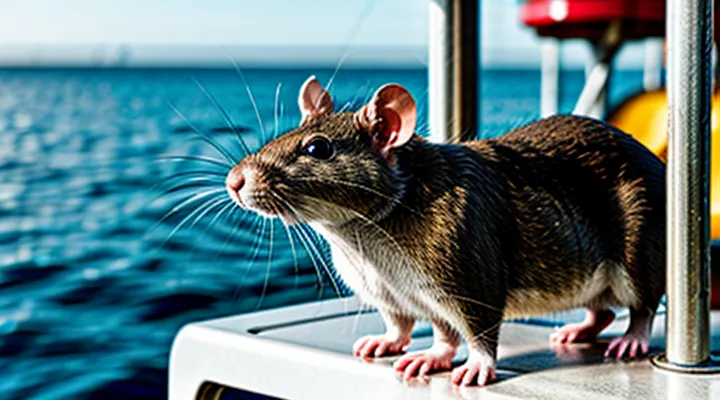
Understanding the Maritime Rat Problem
Historical Context of Rats and Ships
Rats have accompanied seafaring vessels since antiquity. Early Mediterranean traders stored grain in wooden hulls, providing a reliable food source that attracted commensal rodents. Archaeological finds from shipwrecks dating to the 5th century BC contain rat teeth and gnawed cargo, confirming their presence long before the Age of Exploration.
The spread of rats intensified during the European expansion of the 15th and 16th centuries. Ships equipped with large holds of provisions, timber, and ballast created ideal habitats. Rats migrated from coastal ports onto ships via:
- Dockside warehouses where grain was off‑loaded
- Open‑deck cargo during loading and unloading operations
- Small boats used to ferry supplies between shore and vessel
Rats contributed to several maritime challenges. Their burrowing weakened hull planking, and their droppings contaminated food stores, leading to disease outbreaks such as plague. Naval records from the 17th century cite repeated hull repairs attributed to rodent damage, prompting the adoption of early pest‑control measures, including cats and bait traps.
By the 19th century, the introduction of steam power and iron hulls reduced some rat habitats, yet the practice of carrying bulk provisions ensured their continued association with ships. Contemporary historical studies link the persistence of rats on vessels to the same ecological incentives—shelter, food, and limited predation—that have existed for millennia.
The Allure of Ships for Rodents
Food Sources on Board
Rats board vessels primarily to exploit stored provisions. When cargo includes grains, dried legumes, salted meat, or powdered dough, the scent permeates the hold, creating a detectable food gradient. Rats locate these sources by scent and by following the movement of crew members who carry food supplies.
Typical attractants found on ships:
- Whole or cracked grain sacks
- Flour barrels and biscuit tins
- Cured fish, salted pork, and jerky
- Fresh fruit crates and vegetable bundles
- Spilled waste water and discarded scraps
Crew practices that increase exposure include irregular waste disposal, inadequate sealing of cargo holds, and leaving food containers open during loading. Each lapse provides a direct entry point for rodents seeking nourishment, facilitating their establishment aboard the vessel.
Shelter and Hiding Spots
Rats board maritime vessels seeking secure environments where they can avoid detection and access food. Their survival depends on locating concealed areas that provide darkness, stable temperature, and protection from crew activity.
Typical shelter locations include:
- Cargo holds filled with bulk goods such as grain, flour, or rope
- Storage lockers containing spare parts, fabrics, or provisions
- Insulation and decking cavities created by damaged planking or loose panels
- Engine rooms and machinery spaces where heat and vibrations mask movement
- Bilge compartments and drainage pits that retain moisture and debris
These sites share common attributes: limited light, proximity to food sources, and structural gaps that prevent easy entry by humans. Rats exploit cracks, holes, and worn seals to move between compartments while remaining unseen.
Mitigation strategies focus on eliminating refuge points. Actions involve sealing openings, repairing damaged structures, removing accumulated waste, and installing barriers that restrict access to hidden spaces. Continuous monitoring of suspected shelters ensures early detection and reduces the likelihood of infestation.
Water Access
Rats reach vessels primarily because ships provide reliable water, a scarce resource on land for the species. Freshwater stored in barrels, tanks, or casks remains accessible during voyages, creating a steady supply that supports rat colonies aboard. Leaking pipes, condensation on metal surfaces, and collected rainwater in deck scuppers add supplementary sources, allowing rats to survive without venturing ashore.
When a ship docks, rats exploit the transfer of water containers from shore to deck. Open barrels or partially filled tanks become entry points; a rat can climb aboard while seeking the liquid. In addition, rats are capable swimmers; they can cross short distances between piers, docks, or floating debris, using any visible water body as a guide.
Key water-related factors that facilitate rat infiltration:
- Stored fresh water – barrels, drums, and tanks left uncovered.
- Leakage and condensation – damp areas under decks and bulkheads.
- Rain collection – water gathered in scuppers or deck gratings.
- Transfer operations – loading and unloading of water containers.
- Swimming ability – short water gaps between shore and ship.
Controlling water access—sealing containers, repairing leaks, and promptly draining accumulated water—reduces the likelihood that rats will board and establish populations on maritime vessels.
Primary Entry Points and Mechanisms
Mooring Lines and Gangways
Climbing and Scaling Abilities
Rats reach vessels primarily through their exceptional climbing and scaling capabilities. Their body structure—light weight, flexible spine, and strong forelimbs—enables rapid ascent of vertical surfaces such as masts, rigging, and hull seams. Sharp, retractable claws embed into wood, rope, and metal, providing reliable traction even on wet or slick textures.
The following traits facilitate board‑time:
- Curved, keratinized claws that grip uneven substrates.
- Prehensile tail that balances body weight and assists in maintaining orientation while navigating narrow ledges.
- Muscular hind limbs that generate powerful pushes for upward bursts.
- Highly developed proprioception, allowing precise foot placement on moving or vibrating structures.
- Ability to squeeze through gaps as small as 1 cm, exploiting any breach in hull plating or deck fittings.
Combined, these adaptations allow rats to climb from dockside environments onto ships without assistance, ensuring their presence aboard maritime vessels.
Opportunities During Loading/Unloading
Rats frequently board vessels during cargo handling because loading and unloading create multiple points of contact between the ship’s interior and the external environment. Open hatches, unsecured pallets, and temporary storage areas provide direct pathways for rodents to move from dockside warehouses onto deck and into holds.
- Loose grain, produce, or other foodstuffs left exposed on pallets or in containers attract rats and encourage them to climb aboard.
- Waste bins emptied near the vessel release odors that draw rodents toward the ship’s hull and access points.
- Shipping containers with damaged seals or broken doors allow rats to enter the cargo space during transfer.
- Temporary scaffolding, ladders, and gangways serve as bridges for rats to navigate from shore to ship.
- Uncovered machinery or fuel tanks left open for inspection create shelter and concealment for rodents during the brief period of exposure.
These conditions concentrate rodent activity at the moment cargo moves, increasing the likelihood of infestation. Prompt sealing of hatches, inspection of container integrity, and immediate removal of food residues during loading and unloading mitigate the risk. Implementing routine rodent monitoring at these critical stages reduces the probability of rats establishing a presence on the vessel.
Cargo Infestations
Stowing Away in Containers
Rats reach vessels primarily by hiding inside cargo containers that are loaded at ports worldwide. The sealed environment offers protection from predators and weather, while residual food particles provide a reliable food source.
Containers are typically stored in open yards before loading. Gaps between stacked units allow rodents to enter, and the darkness inside the metal shell discourages detection. During unloading, crates are often left unattended, giving rats the opportunity to escape onto the deck.
The most common pathways include:
- Direct entry through damaged or improperly sealed doors.
- Migration from adjacent containers that already house rodent populations.
- Movement through ventilation openings and cable passages.
- Transfer during manual handling when workers inadvertently carry rats on pallets or equipment.
Effective control measures rely on a combination of inspection and treatment:
- Mandatory visual checks of each container before loading.
- Application of approved rodenticides or fumigants in sealed units.
- Installation of bait stations and snap traps at cargo bays.
- Use of metal sheeting or mesh to block ventilation gaps.
- Regular monitoring of deck areas for droppings and gnaw marks.
By enforcing strict container hygiene, sealing all access points, and maintaining continuous surveillance, shipping operators can substantially reduce the risk of rat infestations aboard their vessels.
Hidden in Pallets and Crates
Rats reach vessels primarily through cargo containers, pallets, and wooden crates that are loaded at ports. These items often originate from warehouses where rodent activity is common, providing a direct pathway onto the ship.
The structure of pallets and crates creates numerous hiding spots. Gaps between slats, loose boards, and torn fabric allow rats to nest unnoticed. When containers are stacked, rats move between them, using the dark interiors as transit routes.
Key factors that facilitate rat transport in cargo:
- Presence of food residues or spilled grain inside the packaging.
- Warm, sheltered environment created by tightly packed goods.
- Lack of regular inspection of sealed pallets before loading.
- Ability of rats to gnaw through thin wood or cardboard to escape.
During loading, crew members may inadvertently shift pallets, causing rats to emerge onto the deck. Once aboard, the animals exploit the ship’s ventilation system and bulkheads to spread throughout the vessel. Effective prevention requires thorough cleaning of pallets, sealing of cracks, and mandatory rodent inspections prior to embarkation.
Agricultural Product Risks
Rats frequently hitch rides on vessels that transport agricultural commodities, turning cargo into a vector for pest introduction. Their presence compromises product integrity and creates multiple hazards that demand strict management.
Contamination of grains, fruits, and vegetables occurs when rodents gnaw packaging, excrete waste, and spread pathogens. The resulting losses include reduced market value, increased disposal costs, and potential bans from importing countries that enforce zero‑tolerance standards for rodent‑borne contaminants.
Key risks associated with agricultural shipments include:
- Direct damage to produce through chewing and physical injury.
- Introduction of disease agents such as Salmonella, Listeria, and Hantavirus, which can survive in rodent droppings and urine.
- Cross‑contamination of other cargo, especially when bulk loads share storage areas.
- Elevated inspection and quarantine expenses due to heightened regulatory scrutiny.
- Disruption of supply chains when shipments are delayed or rejected after rodent detection.
Mitigation measures focus on integrated pest management, sealed containers, regular onboard inspections, and pre‑departure sanitation of loading facilities. Implementing these controls limits rodent infiltration, preserves product quality, and maintains compliance with international trade regulations.
Ship-to-Shore Bridges and Infrastructure
Direct Access from Docks
Rats reach vessels primarily through the immediate interface between the pier and the hull. When a ship is moored, gaps between the quay and the ship’s side create a pathway that rodents can exploit without obstruction. The proximity of cargo, waste, and shelter on the dock amplifies the incentive for rats to move directly onto the vessel.
Typical mechanisms of direct dock access include:
- Open gangways or gangplanks left unattended, providing a bridge from shore to deck.
- Loose or damaged hull planking at the waterline, allowing entry during low tide.
- Unsealed cargo hatches and loading ramps that align with dockside platforms.
- Accumulated debris and food scraps on the pier, attracting rats and encouraging them to follow freight directly onto the ship.
Preventive measures focus on sealing all potential openings, maintaining a clear perimeter around loading areas, and implementing regular inspections of gangways and hull seams before and after docking. Continuous monitoring of dockside waste reduces the attractant that initiates rat movement onto vessels.
Unnoticed Crossings
Rats reach vessels without detection by exploiting routine maritime operations. Their small size, nocturnal habits, and ability to navigate confined spaces allow them to move through ship environments while crew activity focuses elsewhere.
Typical unnoticed pathways include:
- Concealment within bulk cargo such as grain, flour, or timber, where rats hide among the product and emerge after loading.
- Occupation of shipboard machinery compartments, including engine rooms and ventilation ducts, which receive limited visual inspection.
- Use of deck equipment—crates, pallets, and ropes—to travel from dockside warehouses to the vessel’s interior.
- Hitchhiking on crew clothing, personal gear, or supplies that are transferred without thorough pest‑control measures.
These methods enable rats to establish populations on board before any signs of infestation become apparent, creating a persistent biosecurity challenge for maritime operators.
Stowaways
Rats reach vessels primarily by concealing themselves among cargo, equipment, and provisions that are loaded at ports. Their small size and agility allow them to slip into crates, barrels, and sacks, especially when goods are stacked without inspection. Once inside, they exploit gaps between planking, ventilation shafts, and deck fittings to move freely throughout the ship.
Key pathways for rat stowaway activity include:
- Loose timber and decking material harvested from infested docks.
- Bulk shipments of grain, flour, or dried foods stored in open containers.
- Ship‑building components such as ropes, canvas, and tarred rope bundles.
- Waste and scrap material discarded during loading operations.
Historical records document rat infestations following voyages that transported timber from forested regions, as well as after the carriage of grain convoys during wartime. Modern preventative measures focus on inspecting cargo, sealing entry points, and conducting regular rodent monitoring on board. These practices reduce the likelihood of accidental rat transport and limit the establishment of breeding populations on maritime vessels.
Prevention and Mitigation Strategies
Onboard Measures
Regular Inspections
Regular inspections constitute the primary safeguard against rodent intrusion on maritime vessels. By systematically evaluating the ship’s structure, storage areas, and waste management systems, crews can identify and eliminate conditions that attract rats before they become established.
Inspections are conducted at defined intervals: pre‑departure, post‑port call, and quarterly while underway. Each session covers exterior hull integrity, deck drainage, cargo hold sealing, galley cleanliness, and waste storage compartments. The routine creates a predictable pattern that deters rats from exploiting overlooked gaps.
Key inspection tasks include:
- Verifying that all access points—hatches, vents, and pipe penetrations—are sealed with metal or stainless‑steel mesh.
- Inspecting drainage channels for blockages and ensuring water does not pool on deck.
- Examining food storage for spillage, damaged packaging, and proper rotation.
- Checking waste containers for secure lids and timely removal.
- Assessing insulation and wiring for signs of gnawing or nesting material.
Inspection records must detail findings, assign responsibility for remediation, and set deadlines for corrective measures. Immediate repair of identified breaches prevents rats from gaining entry, while documented follow‑up confirms that corrective actions are effective. Consistent adherence to this inspection protocol dramatically reduces the likelihood of rodent presence on ships.
Sanitation and Waste Management
Rats thrive where food residues, moisture, and shelter accumulate. On vessels, inadequate sanitation supplies the resources rats need to establish colonies.
Food scraps, fish offal, and spoiled provisions constitute the primary attractants. Organic matter stored in open containers or left on decks decomposes, releasing odors that guide rats to feeding sites. Solid waste that is not compacted or sealed creates nesting opportunities beneath deck planking and within hold spaces.
Improper segregation of waste streams intensifies the problem. When garbage, recyclables, and hazardous materials share the same storage area, rats encounter diverse food sources and safe harborage in a single location. Failure to empty waste bins regularly extends the period during which supplies remain accessible.
Effective sanitation and waste management reduce rat presence through the following measures:
- Store all food in sealed, rodent‑proof containers.
- Separate organic waste from dry refuse; keep each compartment closed and elevated from the deck.
- Compact garbage daily and transfer it to sealed external containers for off‑loading.
- Clean decks and hold interiors after each meal service, removing crumbs and liquid spills immediately.
- Conduct routine inspections of waste storage areas for signs of gnawing or droppings; repair any gaps in hull or flooring promptly.
Consistent application of these practices eliminates the conditions that encourage rat colonization, thereby safeguarding crew health and preserving cargo integrity.
Securing Food and Supplies
Rats reach ships primarily through lapses in the protection of provisions and equipment. When cargo holds, galley stores, or deck warehouses are left unsecured, rodents gain access to food, water, and shelter, establishing a foothold that spreads throughout the vessel.
Effective control of provisions includes several critical actions:
- Seal all containers with pest‑proof lids or metal sheeting; avoid cardboard or perforated packaging that rodents can gnaw through.
- Store dry goods on raised platforms or pallets, keeping them at least six inches above the deck to prevent direct contact with the floor.
- Maintain a strict inventory rotation, discarding expired or spoiled items that attract scavengers.
- Install and regularly inspect bait stations, traps, and electronic deterrents in every storage area.
- Ensure waste bins are equipped with tight‑fitting lids and are emptied daily; transfer refuse to sealed containers for off‑ship disposal.
Additional measures reinforce the primary safeguards:
- Conduct pre‑departure inspections of all storage compartments, verifying that seals are intact and no gaps exist in bulkheads or hatches.
- Train crew members on proper handling of foodstuffs, emphasizing immediate reporting of any rodent signs such as droppings, gnaw marks, or nesting material.
- Implement a scheduled cleaning regimen that removes residual crumbs and spills, eliminating potential attractants.
By rigorously securing food and supplies, ships eliminate the primary incentive for rodents to board, thereby reducing the likelihood of infestation.
Physical Barriers and Traps
Rats gain access to vessels through gaps in hulls, cargo holds, and deck fittings. Physical barriers block these entry points, while traps reduce populations already aboard.
- Steel or aluminum mesh (½‑inch gauge) installed over ventilation ducts and hatch openings prevents rodent passage without restricting airflow.
- Bulkhead seals made of rubber or silicone compress tightly around pipe penetrations, eliminating crevices.
- Removable metal grates fitted to stairwell and ladder openings allow crew movement but deny rats a foothold.
- Double‑door airlocks at cargo bays create a pressure buffer; the outer door remains closed while the inner door is opened, limiting direct entry.
Trapping devices complement barriers:
- Snap traps mounted in concealed corners of storage areas deliver immediate kill, reducing breeding potential.
- Live‑catch cages placed along known runways allow humane removal for disposal at port.
- Electronic bait stations equipped with infrared sensors trigger a lethal pulse when a rodent contacts the lure, minimizing non‑target exposure.
Effective implementation combines seal integrity checks with regular trap maintenance. Inspection schedules should document barrier condition, replace worn mesh, and rotate trap placement to address shifting rat activity patterns. This systematic approach restricts rodent ingress and curtails infestations on maritime vessels.
Port and Dockside Practices
Rodent Control at Ports
Rodents reach vessels primarily through cargo shipments, residual food waste, and gaps in hull or deck structures. The combination of abundant shelter and easy access makes ports a critical point for initial infestation.
International standards require ships to undergo pre‑arrival inspections, certify compliance with pest‑free certification, and maintain records of fumigation or disinfestation. Port authorities enforce these measures through random checks and verification of cargo sealing procedures.
Effective rodent control at ports relies on an integrated approach:
- Physical barriers: sealed bulkheads, screened ventilation, and gap‑filled hull openings.
- Trapping systems: snap traps, electronic kill traps, and live‑capture cages positioned in high‑traffic zones.
- Chemical deterrents: approved rodenticides applied in bait stations under strict supervision.
- Biological agents: use of predatory insects or controlled release of sterile rodents where regulations permit.
Continuous monitoring involves regular trap checks, digital tracking of capture rates, and immediate reporting of any sightings to port health officials. Data collected informs risk assessments and prompts targeted treatment before ships depart.
Implementing these practices reduces the likelihood of rats boarding vessels, safeguards cargo integrity, and prevents the spread of rodent‑borne diseases across maritime routes.
Pre-departure Checks
Pre‑departure inspections serve as the primary barrier against rodent intrusion on vessels. Inspectors verify that every potential entry point is sealed before a ship leaves port.
- Hull and deck joints examined for gaps or damage
- Cargo holds inspected, doors and hatches secured, ventilation openings screened
- Waste storage compartments cleaned, sealed, and positioned away from food supplies
- Bait stations placed strategically, bait integrity confirmed, non‑target exposure prevented
- Water tanks checked for leaks, drainage lines screened, standing water eliminated
Documentation of each check is recorded in the vessel’s inspection log. Crew members receive briefings on inspection outcomes and required corrective actions. Follow‑up verification occurs after any repair or cargo shift, ensuring continued protection throughout the voyage.
Fumigation Protocols
Rats gain access to vessels through cargo holds, decking gaps, and supply lines, creating health and safety risks that demand systematic chemical control. Fumigation protocols provide a proven barrier against such incursions by delivering lethal concentrations of gas throughout enclosed spaces.
Effective fumigation follows a defined sequence:
- Inspection and sealing – Identify entry points, close hatches, and seal ventilation to maintain gas integrity.
- Selection of agent – Choose a registered fumigant (e.g., methyl bromide, phosphine, or sulfuryl fluoride) based on cargo type, temperature, and regulatory limits.
- Dosage calculation – Compute required concentration (mg·h/m³) using space volume, temperature, and humidity data.
- Application – Introduce gas via calibrated release system, ensuring uniform distribution with fans or forced air.
- Exposure monitoring – Deploy gas detectors to verify target concentration and maintain exposure for the prescribed period.
- Aeration and ventilation – After exposure, purge the area with filtered air until gas levels fall below occupational safety thresholds.
- Documentation – Record all parameters (agent, concentration, duration, temperature, personnel) in a logbook for compliance audits.
Safety measures include personal protective equipment for crew, emergency evacuation plans, and adherence to maritime and environmental regulations. Regular post‑treatment inspections confirm eradication and prevent re‑infestation. When executed correctly, chemical fumigation eliminates rodent populations, securing cargo integrity and crew welfare.
The Risks Posed by Ship Rats
Health Hazards
Disease Transmission
Rats are common stowaways on maritime vessels, and their presence creates a direct pathway for pathogens to move between ports. When rodents board a ship—through cargo, provisions, or gaps in hulls—they bring bacteria, viruses, and parasites that thrive in crowded, unsanitary conditions. These microorganisms can survive on ship surfaces, in stored food, and within the rodent population itself, allowing them to persist throughout long voyages.
Key disease agents associated with maritime rodents include:
- Yersinia pestis (plague) – transmitted by flea bites or direct contact with infected rats.
- Leptospira spp. (leptospirosis) – spreads through urine contaminating water and food supplies.
- Salmonella spp. – proliferates in rodent droppings that contaminate provisions.
- Hantavirus – released in aerosolized rodent excreta, posing inhalation risk to crew.
Transmission occurs via several mechanisms. Direct contact with rodent fur or saliva can introduce pathogens to skin lesions. Inhalation of aerosolized particles from dried urine or feces enables respiratory infection. Consumption of contaminated food or water provides a gastrointestinal route. Additionally, ectoparasites such as fleas and mites hitchhike on rats, extending the vector range to human hosts and other animals aboard.
Effective mitigation relies on stringent biosecurity measures: regular inspections of cargo holds, sealing entry points, maintaining clean galley areas, and employing rodent control programs. Prompt detection and eradication of infestations reduce pathogen load, limiting the risk of outbreaks that could affect crew health and spread to shore communities upon docking.
Contamination of Food and Water
Rats reach vessels primarily through compromised provisions. Food stored in bulk, especially grains, dried meat, or canned goods, attracts rodents when moisture levels rise or packaging deteriorates. Water stores—casks, barrels, or tanks—become breeding grounds if they develop leaks or become stagnant, providing a reliable drinking source.
Contamination pathways include:
- Spoiled or damp cargo that creates an odor gradient, guiding rats to the source.
- Leaking water containers that release moisture, softening surrounding materials and facilitating burrowing.
- Inadequate sealing of food sacks, allowing rats to gnaw through and access contents.
- Improper waste disposal on deck, where discarded scraps mix with fresh supplies, sustaining rodent populations.
Preventive actions focus on maintaining dry, sealed storage, regular inspection of water vessels for leaks, and prompt removal of waste. Routine fumigation and physical barriers, such as metal bulkheads and rat-proof doors, further reduce the likelihood of infestation.
Damage to Infrastructure
Gnawing on Cables and Pipes
Rats reach vessels by exploiting weaknesses created when they chew through wiring and plumbing. Their incisors can breach insulated cable jackets, rubber hoses, and metal conduit, producing openings that serve as entry points or pathways to interior compartments. Once a gap appears, a rat can slip through gaps in bulkheads, climb ladders, or crawl along the newly exposed conduit to access cargo holds, engine rooms, and living quarters.
The act of gnawing also triggers secondary problems that facilitate further infestation:
- Damaged insulation exposes live wires, generating sparks that can melt surrounding material and enlarge the breach.
- Compromised pipes leak water, creating damp zones that attract additional rodents.
- Open conduits provide direct routes from the deck to hidden spaces, allowing rapid movement throughout the ship.
- Visible chew marks signal other rats that the area is safe and supplies are available, encouraging colony expansion.
Preventive measures focus on reinforcing vulnerable components, sealing any openings promptly, and inspecting cables and pipes regularly for bite marks. Early detection limits the structural damage that enables rats to establish a foothold on maritime vessels.
Structural Weaknesses
Rats gain access to vessels through a series of structural deficiencies that compromise the hull’s integrity and interior barriers.
- Unsealed hatchways and deck openings allow direct entry when cargo is loaded or during maintenance.
- Corroded or cracked bulkheads create hidden pathways between cargo holds and living quarters.
- Poorly fitted ventilation ducts and exhaust fans serve as conduits for rodent movement throughout the ship.
- Deteriorated deck plates and loose fasteners generate gaps large enough for rats to squeeze through.
- Inadequate sealing of pipe penetrations and cable conduits leaves continuous routes from the exterior to internal compartments.
Each weakness provides a direct route for rodents, facilitating colonization and persistence on board. Regular inspection, immediate repair of compromised structures, and reinforcement of sealing points are essential to eliminate these entry points.
Economic Impact
Cargo Damage and Loss
Rats reach vessels primarily through cargo that is loaded at ports, concealed in pallets, packaging, or loose freight. They also board ships by climbing from dockside structures, riding on containers, or entering through unsecured hatches during loading operations.
Once aboard, rats cause damage that directly reduces cargo value and compromises safety. Common effects include:
- gnawing of packaging, wires, and structural components;
- contamination of foodstuffs, chemicals, and medical supplies with urine, feces, and hair;
- spoilage of perishable goods caused by stress and exposure to rodent‑borne pathogens;
- weakening of insulation and fire‑protective barriers through repeated chewing.
Financial losses from rat‑related incidents range from a few hundred dollars for isolated cases to millions for large‑scale infestations, with industry surveys reporting average cargo loss rates of 0.5‑1 % per voyage when control measures are insufficient.
Effective control relies on a layered approach: pre‑departure inspection of cargo, sealing of all entry points, routine placement of bait stations and snap traps, and periodic fumigation of storage areas. Documentation of inspections and prompt removal of identified rodents are essential to maintain cargo integrity and avoid repeat incursions.
Quarantine Delays and Fines
Rats discovered during a vessel’s health inspection trigger mandatory quarantine, halting cargo loading and departure until the infestation is eradicated. The waiting period varies by jurisdiction, but typical delays range from 48 hours for minor sightings to several weeks for confirmed infestations. During this time, the ship remains in port, incurring dock fees, crew wages, and loss of charter revenue.
Regulatory authorities impose financial penalties on operators who fail to meet established pest‑control standards. Fines are calculated on a per‑day basis and may include additional charges for repeated violations. Common penalty structures include:
- Fixed fine of $2,500 for the first documented breach.
- Additional $1,000 per day for each day the vessel remains non‑compliant after the initial notice.
- Extra $5,000 surcharge for each subsequent infraction within a twelve‑month period.
Ship owners can mitigate delays and fines by maintaining rigorous rodent‑prevention programs, conducting pre‑departure inspections, and documenting pest‑management actions. Prompt reporting of sightings to port authorities enables faster clearance procedures and reduces the financial impact of quarantine enforcement.