
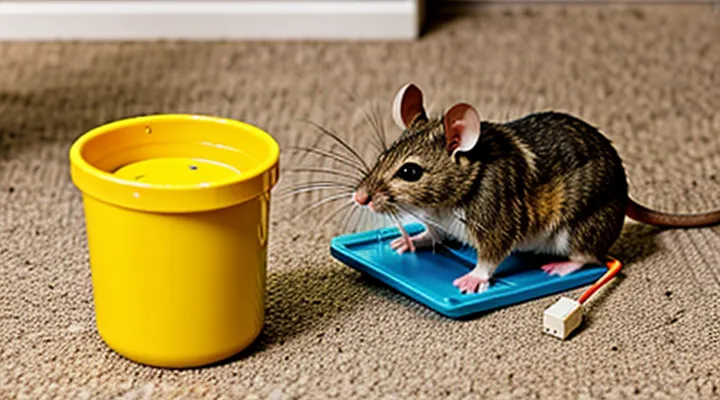
The Rodent Menace: Why DIY?
Understanding the Problem
Mice infiltrate residential spaces when food, shelter, and access points align. Their rapid reproduction and nocturnal activity create immediate health concerns, including contamination of surfaces with droppings and urine, which can transmit pathogens. Structural damage follows as gnawed wiring and insulation increase fire risk and raise utility costs.
Factors that intensify the infestation:
- Unsecured food storage, especially grains, cereals, and pet feed.
- Gaps larger than ¼ inch in walls, foundations, or around utilities.
- Cluttered areas offering nesting material and concealment.
- Warm, humid environments that accelerate breeding cycles.
- Absence of natural predators within the indoor setting.
Understanding these drivers informs the design of a rapid, effective homemade capture solution. By targeting the primary attractants and entry routes, the trap addresses the root cause rather than merely reacting to occasional sightings.
Advantages of Homemade Traps
Cost-Effectiveness
A homemade mouse trap built for speed and efficiency can be assembled with materials that cost a fraction of commercial devices. Typical components—such as a wooden block, a spring steel coat hanger, a small piece of cardboard, and adhesive—are readily available at local hardware stores or household inventories. The total expense rarely exceeds a few dollars per unit.
- Wooden base: $0.50 – $1.00
- Spring steel (coat hanger): $0.30 – $0.70
- Cardboard or plastic bait holder: $0.10 – $0.20
- Glue or tape: $0.05 – $0.10
- Optional bait (peanut butter, seeds): $0.20 – $0.40
In contrast, a single pre‑manufactured snap trap averages $5 – $10, while electronic models range from $15 to $30. The price differential becomes more pronounced when multiple traps are required for larger infestations.
The DIY design is reusable; the spring mechanism and wooden platform withstand repeated cycles without loss of performance. Reassembly after each capture involves simple cleaning and repositioning of the bait, eliminating the need for replacement parts. Commercial alternatives often require disposable components, increasing long‑term expenditure.
Overall, the low upfront cost, combined with durability and minimal maintenance, yields substantial savings. For households facing occasional rodent activity, the homemade solution delivers comparable capture speed and effectiveness at a fraction of the market price.
Customization and Control
Customization allows the trap to match the specific environment where rodents appear. Adjust the trigger mechanism by selecting spring tension, lever length, or a simple snap‑back bar. Choose bait type—peanut butter, grain, or scented oil—based on the species’ preferences. Modify the enclosure material; thin cardboard reduces escape routes, while sturdy wood provides durability for high‑traffic areas.
Control over placement and operation enhances capture rates. Position the device along walls, near gnaw marks, or behind appliances where mice travel. Secure the trap to a stable surface to prevent dislodgement during activation. Reset the mechanism promptly after each catch to maintain readiness.
Key customization variables:
- Trigger sensitivity (soft, medium, hard)
- Bait container size (small, medium, large)
- Enclosure shape (flat, tubular, angled)
- Release method (manual, automatic reset)
Implementing these adjustments tailors the homemade device to the target setting, ensuring rapid and reliable performance.
Safety for Pets and Children
When constructing a DIY rodent capture device, the primary concern is preventing accidental injury to pets and children. Select materials that are non‑toxic and avoid sharp edges that can be reached without supervision. Secure the trap in a location inaccessible to household members who are not responsible for its operation.
Key safety practices:
- Mount the trap on a wall or under a cabinet using brackets that lock out unintended access.
- Use a trigger mechanism that requires a specific amount of pressure, reducing the chance of activation by a curious cat or a toddler’s hand.
- Cover the bait compartment with a transparent shield, allowing observation of activity while keeping the lure out of reach.
- Inspect the device daily; remove any captured rodents promptly and reset the mechanism before leaving the area unattended.
- Store all components, especially springs or adhesives, in a locked cabinet when not in use.
Finally, educate all household members about the trap’s purpose and proper handling procedures. Clear labeling and a brief demonstration minimize misuse and ensure that the solution remains both rapid and safe for everyone in the home.
Essential Principles of Mouse Trap Design
Attractants: What Lures Them In?
Mice are driven by a narrow set of sensory cues; effective bait exploits these cues directly. Food odors that signal high caloric value and easy access dominate attraction, while strong non‑food scents can mask or deter. The following items consistently trigger feeding behavior and improve capture rates in a DIY trap:
- Peanut butter – dense, aromatic, adheres to trigger mechanisms.
- Sunflower seeds (plain or salted) – hard‑shell texture encourages gnawing.
- Chocolate chips – sweet, fat‑rich scent penetrates deep into hiding places.
- Dried fruit pieces – strong sugar aroma attracts nocturnal foragers.
- Meat scraps or canned fish – protein odor overrides plant‑based preferences when mice are in a protein‑deficient state.
Secondary attractants reinforce the primary bait:
- Cotton balls soaked in vanilla extract – sweet volatile compounds complement food scents.
- Small amounts of petroleum jelly mixed with the bait – creates a slick surface that hinders escape.
- A few drops of essential oil blend (e.g., peppermint, clove) – can be used sparingly to stimulate curiosity without causing aversion.
Placement strategy matters as much as bait selection. Position the lure near known pathways, such as along walls or behind appliances, and ensure the scent is not masked by strong cleaning agents. Rotate bait types weekly to prevent habituation; mice quickly lose interest in a static odor profile.
In summary, a combination of high‑fat, high‑sugar food baits with supplemental aromatic enhancers, applied directly to the trap’s trigger surface, maximizes attraction and accelerates capture in a homemade solution.
Mechanisms: How Do They Work?
Live-Catch Methods
Live‑catch traps provide a humane alternative to lethal devices while maintaining speed and reliability. A simple bucket trap uses a wooden ramp, a small platform, and a baited trigger. When a mouse climbs the ramp, its weight tips the platform, sending the animal into the bucket where a smooth interior prevents escape. The bucket can be covered with a lid that includes a small opening for easy release.
A box trap consists of a shallow container with a hinged door. Bait placed at the far end attracts the mouse; as it reaches the bait, the door swings shut, enclosing the creature. The door mechanism can be fashioned from a spring‑loaded piece of cardboard or a piece of flexible wood, allowing rapid closure without excessive force.
Live‑catch methods share common design principles:
- Use food items such as peanut butter, oats, or dried fruit as bait.
- Ensure the trap interior is smooth and free of gaps that allow the mouse to climb out.
- Position the trap along walls, near known travel routes, because mice prefer to move close to surfaces.
- Check the trap at least twice daily to prevent stress or injury to the captured animal.
- Release captured mice at least 200 meters from the residence, preferably in a wooded or field area, to reduce the chance of return.
Materials required for a basic homemade live‑catch trap are inexpensive and readily available: a 5‑gallon plastic bucket or a sturdy cardboard box, a piece of wood for a ramp, a small hinge or flexible strip for the door, and a bait of choice. Assembly time typically ranges from 15 to 30 minutes, after which the trap can be deployed immediately.
Lethal Methods
A homemade mouse trap that kills quickly must rely on mechanisms that deliver immediate, irreversible damage. The most reliable lethal approaches are:
- Snap mechanism – a spring‑loaded wooden or plastic bar that strikes the rodent’s neck or spine with sufficient force to break vital structures.
- Electric shock – a low‑voltage circuit attached to conductive plates; when the mouse completes the circuit, a high‑current pulse induces fatal cardiac arrest.
- Poison bait – a pellet or paste containing a single‑dose anticoagulant; the toxin is absorbed rapidly, causing fatal internal bleeding within minutes.
- Glue board with toxic coating – a high‑adhesion surface laced with a fast‑acting neurotoxin; the mouse becomes immobilized and the toxin penetrates the skin, leading to swift death.
Each method requires precise construction: the snap bar must be calibrated to strike at the correct angle, the electric circuit must deliver a controlled pulse, and poison concentrations must meet regulatory limits.
Safety measures include wearing gloves during assembly, sealing all components to prevent accidental human contact, and disposing of carcasses in sealed bags to avoid disease spread. Local pest‑control regulations may restrict certain poisons; verify compliance before deployment.
The combination of a rapid kill mechanism and proper handling ensures a DIY trap that eliminates rodents efficiently while minimizing risk to non‑target species.
Placement: Where to Set Your Traps
Effective placement determines the success of a DIY mouse trap. Identify travel routes by observing droppings, gnaw marks, and grease trails. Position traps directly in these pathways, not in open spaces where rodents can bypass them.
- Along walls, within 2 inches of the baseboard where mice prefer to scurry.
- Adjacent to known entry points such as gaps around pipes, vents, or doors.
- Near food storage areas, including pantry shelves, cabinets, and behind appliances.
- Under furniture or equipment that offers concealment, especially if the floor is cluttered.
- In corners of rooms where mice tend to turn, creating a natural choke point.
Additional factors:
- Ensure the trap surface contacts the floor to prevent slipping.
- Avoid placing traps on carpeted areas unless the trap is designed for fabric.
- Keep traps away from pet access to prevent accidental interference.
- Replace or relocate traps after each capture to maintain continuous coverage.
Strategic distribution, typically three to five traps per 500 sq ft, maximizes encounter rates while minimizing waste of bait. Regular inspection and adjustment based on activity patterns sustain high capture efficiency.
Crafting Your Own: Step-by-Step Guides
The Bucket Trap: Simple and Effective
Materials Required
A functional homemade mouse trap relies on a short list of readily available components. Each item serves a specific purpose in the capture mechanism, ensuring speed and reliability.
- Sturdy cardboard or thin plywood (approximately 12 × 12 in.) for the base and walls.
- A spring‑loaded snap bar or a strong rubber band to provide rapid closure.
- A small piece of wood or plastic to act as a trigger lever.
- Adhesive tape or hot‑glue for securing joints.
- Bait such as peanut butter, sunflower seeds, or dried fruit to attract rodents.
- Optional: a disposable container (e.g., a plastic cup) to house the caught mouse for humane release.
All materials are inexpensive, replaceable, and compatible with standard household tools, allowing swift assembly and effective operation.
Assembly Instructions
The device consists of a simple base, a trigger mechanism, a spring‑loaded arm, and a containment chamber. All parts can be fabricated from readily available materials such as plywood, a steel spring, a small wooden dowel, and a plastic container for safe release.
Materials required
- 12 × 12 cm plywood sheet
- 150 mm steel coil spring
- 5 cm wooden dowel, smooth finish
- 1 L plastic container with lid
- 2 mm thick steel rod (for the trigger pin)
- Screws, nuts, and washers (size M4)
- Wood glue and epoxy adhesive
- Utility knife and drill set
Assembly steps
- Cut the plywood into a rectangular base (12 × 12 cm) and a hinged arm (8 × 5 cm).
- Drill a central hole (3 mm) in the base for the trigger pin; insert the steel rod and secure with a washer.
- Attach the spring to the underside of the arm using epoxy; ensure the spring exerts upward pressure when the arm is depressed.
- Align the arm’s pivot point with the trigger pin, then fasten with a screw that allows free rotation but prevents lateral movement.
- Position the plastic container beneath the arm, securing it to the base with screws; the container’s opening must align with the arm’s tip to capture the rodent.
- Test the mechanism by pressing the arm gently; the spring should snap the arm back, closing the container securely.
- Apply wood glue to all joints for added stability, allow curing for 24 hours before use.
The completed trap operates with a single press, delivering rapid closure and secure containment, suitable for indoor deployment.
Baiting and Setup
Choosing an appropriate lure is critical for attracting mice to a DIY rodent catcher. Effective bait options include:
- Peanut butter or nut butter, applied in a thin layer.
- Small pieces of dried fruit or cheese, no larger than a pea.
- Commercial rodent attractants, used according to label instructions.
Apply the selected bait directly to the trigger mechanism, ensuring it adheres without dripping. The amount should be sufficient to entice a mouse but not so excessive that it saturates the trap and reduces sensitivity.
When assembling the trap, follow these steps:
- Construct a sturdy base using a wooden board or thick cardboard, dimensions around 6 × 4 inches.
- Attach a spring‑loaded lever or a simple tensioned wire that releases when the mouse applies pressure to the bait platform.
- Secure the bait platform on the lever’s end, positioning it so the mouse must step onto the trigger to reach the food.
- Test the release action repeatedly with a small weight to confirm reliable activation.
Placement of the finished device influences capture speed. Position traps along known mouse pathways: behind appliances, near wall junctions, and within concealed corners. Align the trap so the entry side faces the wall, forcing the rodent to approach from the narrow side.
Safety precautions: keep the trap out of reach of children and pets, and wear gloves when handling bait to prevent scent transfer. After successful capture, dispose of the rodent promptly and reset the trap with fresh bait for continued effectiveness.
The Bottle Trap: Ingenious and Reusable
Gathering Your Supplies
Before assembling a DIY rodent catcher, verify that every component is on hand; missing items prolong construction and reduce effectiveness.
Essential supplies include:
- Sturdy base (plastic container, wooden block, or thick cardboard) to support the mechanism.
- Trigger element (spring‑loaded bar, clothespin, or tensioned wire) that releases the trap when pressure is applied.
- Bait holder (small cup, foil dish, or pierced lid) to secure attractive food without allowing escape.
- Fastening tools (zip ties, duct tape, or small nails) for securing joints.
- Cutting implements (utility knife, scissors, or wire cutters) to shape materials precisely.
- Protective gloves to maintain hygiene and prevent accidental injury.
Optional accessories that improve performance:
- Non‑slip pads for the base, ensuring the trap remains stationary.
- Light‑weight fishing line or thread for a remote release mechanism.
- Small flashlight or headlamp for nighttime setup.
Confirm that each item matches the design plan, then proceed to the assembly stage.
Construction Process
The construction of a rapid, low‑cost rodent capture device relies on common household items and straightforward assembly.
Materials required:
- Sturdy cardboard or thin plywood for the base
- A disposable plastic bottle (1‑liter size)
- Strong elastic band or spring steel strip
- Small wooden dowel or metal rod for the trigger
- Adhesive tape and glue
- Bait such as peanut butter or grain
Assembly steps:
- Cut the bottle in half lengthwise; keep the larger section as the funnel.
- Attach the funnel to the base opening, securing edges with tape to form a one‑way entry.
- Position the dowel across the base, creating a pivot point for the trigger mechanism.
- Stretch the elastic band between the dowel and a fixed point on the base, calibrating tension so the door snaps shut when released.
- Affix the smaller bottle section to the opposite side of the base, forming a latch that holds the door closed until the trigger is disturbed.
- Apply bait at the far end of the funnel, ensuring it does not obstruct movement.
- Test the mechanism by gently pressing the door; adjust elastic tension or latch alignment until the closure is swift and reliable.
Final adjustments include reinforcing stress points with additional tape and confirming that the trap resets easily after each capture. The completed device provides a fast, effective solution for controlling mouse infestations without specialized equipment.
Deployment Tips
Deploy the trap near walls, behind appliances, and within 12–18 inches of known mouse activity. Position the bait holder so the lure is directly in line with the trigger mechanism; this maximizes contact and reduces false releases.
- Secure the base to a stable surface using tape or a small screw to prevent displacement by the animal.
- Align the trigger arm parallel to the floor; a slight upward angle improves sensitivity.
- Place multiple units at 6‑foot intervals along the suspected travel corridor; this creates a continuous barrier.
- Rotate trap orientation daily; mice tend to avoid repeated patterns, and alternating placement forces exploration.
Maintain the device by checking it every 24 hours. Remove captured rodents promptly, reset the trigger, and replenish bait with fresh material. Avoid relocating traps after a capture without cleaning, as residual scent can deter further activity. For optimal coverage, integrate the homemade solution with sealing of entry points and removal of food sources.
The Cardboard Box Trap: Quick and Disposable
What You'll Need
To construct an efficient DIY rodent catcher, gather the following items:
- A sturdy cardboard tube (e.g., from a paper towel roll) or a short PVC pipe, 4–6 inches in diameter.
- Two wooden or plastic dowels, each 6–8 inches long, to serve as the trigger arm.
- A small piece of elastic band or spring steel for tension.
- A disposable plastic cup or shallow container for the catchment area.
- Adhesive tape (duct or packing) and a strong glue suitable for wood or plastic.
- Bait such as peanut butter, dried fruit, or cheese, placed on a small scrap of cloth.
- Optional: a pair of scissors or a utility knife for cutting and shaping components.
Each component plays a specific role: the tube or pipe forms the tunnel, the dowels create a lever mechanism, the elastic supplies the snap action, and the cup collects the captured mouse. Secure all connections with tape and glue before installing the bait and testing the trap.
Building the Trap
The trap delivers rapid capture using inexpensive, readily available components, making it suitable for immediate deployment in residential or commercial settings.
Materials needed
- 1 × plastic bottle (1‑liter capacity)
- 1 × metal coat hanger or sturdy wire
- 1 × small piece of cardboard or wood (approximately 5 × 5 cm)
- 1 × adhesive tape or zip ties
- 1 × attractive bait (peanut butter, cheese, or grain)
Construction steps
- Cut the bottle near its base, preserving the neck and opening.
- Puncture a small hole near the bottle’s lip; insert the bent wire so it forms a lever that pivots when the mouse enters.
- Secure the wire with tape or zip ties to prevent movement.
- Attach the cardboard platform inside the bottle, positioned so the mouse must step onto it to reach the bait.
- Apply bait to the platform, ensuring it does not obstruct the lever mechanism.
- Place the assembled trap along mouse pathways, preferably against walls where rodents travel.
After placement, monitor the device for successful captures. If the lever fails to trigger, adjust the wire angle or reinforce the pivot point. Replace bait regularly to maintain attraction. The described configuration maximizes speed of capture while minimizing material costs and assembly time.
Best Practices for Use
A DIY rodent catcher works reliably when it is set correctly, positioned strategically, and maintained regularly.
- Place the trap along walls, behind appliances, or near known activity zones; mice prefer concealed routes.
- Secure bait firmly to prevent premature removal; use a small amount of peanut butter, chocolate, or dried fruit.
- Adjust the trigger mechanism so that slight pressure releases the latch; test with a lightweight object before deployment.
- Keep the trap away from pets and children by using a protective enclosure or mounting it out of reach.
- Check the trap at least once daily; dispose of captured rodents promptly and clean the device with mild detergent to avoid odor buildup.
Regular inspection of the trap’s components ensures consistent performance. Replace worn springs or damaged arms, and refresh bait to maintain attraction. Consistent application of these practices maximizes capture rates while minimizing false triggers.
Enhancing Trap Effectiveness
Scent Management
Effective scent management is critical for a quick, homemade mouse capture system. The goal is to create an olfactory environment that draws rodents to the trap while minimizing competing odors that could deter them.
Select bait odors that mice naturally seek. Proven choices include:
- Peanut butter or almond butter, applied in a thin layer.
- Sunflower or pumpkin seeds, lightly toasted.
- Commercial mouse attractant gels, containing cheese or grain extracts.
- Fresh catnip, crushed to release volatile compounds.
Apply the chosen scent directly to the trigger mechanism or a small platform inside the trap. Use no more than a half‑teaspoon of soft bait per trap; excess material can cause mice to lose interest after a brief investigation.
Control extraneous smells that may interfere with the bait’s effectiveness. Recommended practices:
- Wear disposable gloves when handling bait to avoid transferring human scent.
- Place traps away from strong kitchen odors, such as garlic, onions, or cleaning chemicals.
- Clean the trap surface with unscented alcohol before each use to remove residual residues.
- Store unused bait in airtight containers, refrigerated if necessary, to preserve potency.
Maintain bait freshness by replacing it every 24–48 hours, especially in warm environments where volatile compounds dissipate quickly. Regularly inspect traps for dust or debris that could mask the intended scent.
By following these precise scent‑management steps, a DIY mouse trap can achieve rapid, reliable results without reliance on commercial devices.
Trap Concealment
Effective concealment maximizes a DIY rodent barrier while preserving its speed and reliability. Use materials that blend with the surrounding environment, such as cardboard boxes, wooden crates, or fabric covers matching floor or wall colors. Ensure the covering does not impede the trigger mechanism; cut openings just large enough for a mouse to enter and for the spring to activate.
Position the trap along established rodent pathways—behind appliances, under cabinets, or near baseboards—where mice naturally travel. Secure the camouflage with tape or adhesive that does not interfere with the trap’s movement. Test the setup repeatedly to verify that the concealment does not delay activation or cause premature release.
Practical concealment steps:
- Select a container whose interior dimensions exceed the trap by at least 2 cm on each side.
- Drill a discreet entry hole at the front, sized 1 cm wide by 2 cm high.
- Line the interior with a thin layer of soft material to prevent noise when the mouse steps inside.
- Attach the trap to the container’s base using a sturdy wire or zip tie, keeping the trigger exposed through the entry hole.
- Cover the exterior with a fabric or paper that mimics nearby surfaces, securing edges to avoid gaps.
Regularly inspect the camouflage for wear, reposition if debris accumulates, and replace any damaged components promptly to maintain rapid, effective capture.
Regular Monitoring and Maintenance
Regular monitoring guarantees that a DIY rodent catcher continues to function at peak speed and reliability. Inspect the device at least once daily while it is active; look for signs of wear, misalignment, or obstruction that could delay trigger response.
- Verify that the spring or tension mechanism moves freely; lubricate hinges with a light oil if friction appears.
- Check bait placement; replace spoiled or depleted bait to maintain attraction.
- Clean trap surfaces with mild detergent; remove dust, debris, or urine residues that could impair sensitivity.
- Examine structural components for cracks or fatigue; reinforce or rebuild compromised sections before they cause failure.
- Test trigger sensitivity by applying gentle pressure; adjust tension until the snap occurs within milliseconds.
Document each inspection in a simple log, noting date, observations, and corrective actions. Consistent record‑keeping reveals patterns, such as recurring bait loss or component fatigue, enabling preemptive adjustments.
By adhering to a strict schedule of checks and upkeep, the homemade mouse trap retains rapid action, reduces escape incidents, and extends service life without additional expense.
Post-Capture: What's Next?
Releasing Live-Caught Mice
When a homemade rodent catcher secures a live mouse, immediate, humane release is essential to prevent injury and maintain effectiveness of the device.
- Wear disposable gloves to protect both handler and animal.
- Place the trap on a flat surface, open the door or release mechanism slowly to avoid startling the mouse.
- Allow the mouse to exit voluntarily; do not force movement.
- Transfer the mouse to a pre‑selected release site at least 150 feet from the building, preferably in a field or wooded area with natural cover.
- Release the animal on its hind legs, giving it time to orient and flee.
- Close the trap securely after release to eliminate escape risk for any remaining occupants.
After release, clean the trap with mild detergent and disinfectant, then dry thoroughly before redeployment. Regular inspection of the trap’s components ensures consistent performance and minimizes future captures.
Disposing of Deceased Mice
When a homemade rodent trap kills a mouse, immediate and safe disposal prevents disease spread and odors. Wear disposable gloves, seal the dead animal in a plastic bag, and remove it from the house without direct contact.
- Place the bagged mouse in a second sealed bag for double containment.
- Dispose of the double‑bagged carcass in an outdoor trash bin that is collected weekly.
- If local regulations allow, bury the sealed bag at least 12 inches deep, away from vegetable gardens and water sources.
- For compostable waste streams, ensure the bag is marked as non‑edible and add it to a high‑temperature compost pile that reaches 140 °F (60 °C) to destroy pathogens.
After removal, clean the trap and surrounding area with a disinfectant solution (e.g., 1 % bleach). Rinse with water, dry, and store the trap in a sealed container until the next use. Regular sanitation of the trap and surrounding surfaces maintains effectiveness and reduces the risk of reinfestation.
Preventing Future Infestations
A homemade trap that catches rodents quickly reduces the immediate problem, but lasting control depends on eliminating conditions that attract mice.
Seal entry points. Inspect walls, floors, and foundations for gaps larger than a quarter‑inch. Apply steel wool or copper mesh, then cover with caulk or expanding foam. Install door sweeps and repair damaged screens.
Remove food sources. Store pantry items in airtight containers. Clean crumbs and spills promptly. Keep garbage bins tightly sealed and relocate pet food dishes after feeding.
Manage clutter. Declutter storage areas, especially cardboard boxes and paper piles that provide nesting material. Elevate items off the floor and use plastic bins with tight lids.
Control moisture. Fix leaking pipes and faucets. Use a dehumidifier in basements or crawl spaces to lower humidity, which discourages mouse activity.
Maintain regular monitoring. Place snap traps or humane catch‑and‑release devices along walls for early detection. Check traps daily and record any captures to identify hotspots.
Schedule periodic inspections. Conduct a thorough walkthrough every quarter, focusing on the same areas listed above. Promptly repair any new breaches or signs of activity.
By combining a rapid, effective trap with these preventative actions, the likelihood of future mouse infestations diminishes significantly.