
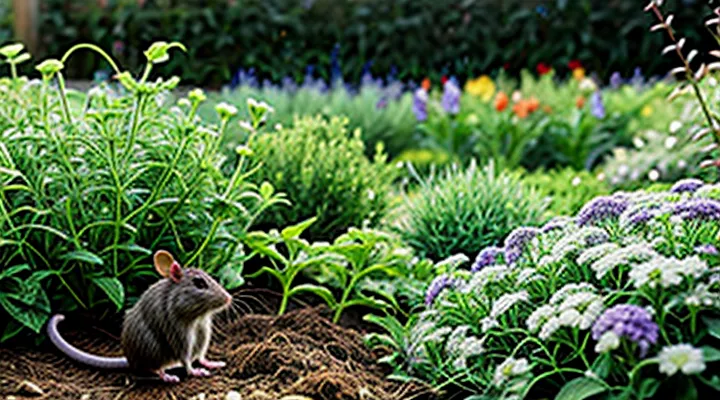
The Problem of Rodents in Homes
Rodent infestations cause structural damage, contaminate food supplies, and spread disease. Mice and rats enter homes through small openings, gnaw on wiring and insulation, and leave droppings that compromise hygiene. Effective control requires preventing entry, eliminating sources of attraction, and employing safe deterrents.
Herbal deterrents exploit the strong scent of certain plants, which rodents find unpleasant. When placed strategically, these botanicals create an environment that discourages nesting and foraging without introducing toxic chemicals. Continuous exposure maintains the repellent effect, while the plants themselves are non‑hazardous to humans and pets.
- Peppermint oil – concentrated extract applied to cotton balls near entry points; scent persists for several weeks.
- Lavender – dried sprigs or essential oil diffused in closets and cabinets; repels both species.
- Eucalyptus – leaves or oil placed in attic spaces; strong aroma interferes with rodent olfactory cues.
- Clove – ground cloves scattered in pantry corners; volatile compounds deter gnawing.
- Marigold – live plants positioned near foundations; root emissions discourage burrowing.
Regular replacement of the aromatic material sustains effectiveness and reduces reliance on conventional poisons.
Why Choose Natural Repellents?
Benefits of Herbal Repellents
Herbal rodent deterrents offer a practical alternative to chemical pesticides, delivering protection without hazardous residues. Their natural composition reduces the risk of contaminating food supplies, indoor air, and surrounding ecosystems. Plant-derived compounds such as menthol, citronellol, and eucalyptol act on the olfactory receptors of mice and rats, creating an environment they instinctively avoid.
Key advantages include:
- Safety for humans and pets – low toxicity levels permit use in kitchens, pantries, and child‑occupied areas.
- Environmental sustainability – biodegradable ingredients decompose without leaving persistent pollutants.
- Ease of application – dried herbs, essential oil sprays, or sachets can be placed in corners, attics, and crawl spaces without specialized equipment.
- Cost‑effectiveness – bulk herbs and oils are inexpensive compared with recurring purchases of synthetic repellents.
- Resistance mitigation – rodents are less likely to develop habituation to complex botanical scent profiles than to single‑component chemicals.
Long‑term use supports integrated pest management strategies, complementing sealing of entry points and sanitation practices to maintain a rodent‑free environment while preserving indoor air quality and public health.
Limitations of Chemical Methods
Chemical rodent control relies on synthetic insecticides, anticoagulants and fumigants. These agents eliminate pests quickly but present several constraints that limit their suitability for long‑term management.
- Toxicity to humans and domestic animals requires strict handling procedures and protective equipment.
- Development of resistance reduces efficacy after repeated applications, necessitating higher doses or alternative products.
- Environmental contamination occurs when residues enter soil, water or non‑target wildlife habitats.
- Regulatory agencies impose limits on active‑ingredient concentrations, application frequency and permissible areas, restricting use in residential or food‑storage settings.
- Non‑target species, including beneficial insects and small mammals, suffer accidental poisoning, disrupting local ecosystems.
- Residual activity often declines within days, demanding frequent re‑treatment to maintain control levels.
- Application methods may be impractical in confined spaces, cracks or insulation where rodents hide, limiting coverage.
- Cost of licensed chemical formulations and required safety training can exceed budgets for small‑scale or organic‑focused operations.
These factors compel users to evaluate alternative strategies, such as plant‑derived repellents, when seeking sustainable rodent deterrence.
Effective Herbs for Rodent Control
Mint Family Plants
Peppermint
Peppermint (Mentha piperita) contains menthol and volatile oils that create a strong scent rodents find irritating. When applied correctly, the herb can deter mice and rats from entering treated areas.
- Fresh leaves or dried peppermint placed in corners, cupboards, or near entry points releases aroma continuously.
- Peppermint essential oil diluted (approximately 5 ml oil in 100 ml water) can be sprayed on surfaces, bedding, and traps; reapplication is required every 2–3 days because the scent dissipates.
- Cotton balls soaked in diluted oil, sealed in breathable fabric, provide a localized barrier in dark, confined spaces.
Effectiveness relies on concentration and coverage. Studies indicate that menthol concentrations above 0.5 % in the air reduce rodent activity by 30‑45 % in laboratory settings. Field observations report similar reductions when multiple application points are used.
Safety considerations:
- Non‑toxic to humans and pets when used in recommended dilutions.
- Direct ingestion of concentrated oil may cause gastrointestinal irritation; keep containers out of reach of children and animals.
- Prolonged exposure to undiluted oil can damage wooden surfaces; test on a small area first.
Peppermint integrates well with other deterrents such as ultrasonic devices or physical barriers, enhancing overall control without chemical pesticides. Regular monitoring and replacement of the aromatic source sustain repellent action over weeks.
Spearmint
Spearmint (Mentha spicata) contains essential oils rich in carvone and limonene, compounds known to emit strong aromas that rodents find unpleasant. Laboratory studies show that exposure to spearmint vapor reduces mouse activity by up to 45 % within 24 hours, while rat responses are less pronounced but still measurable.
Effective deployment methods include:
- Dried leaves: Place 2‑3 cups in sealed cloth bags and position them along walls, entry points, and pantry shelves. Replace weekly to maintain potency.
- Essential oil spray: Mix 15 ml of spearmint oil with 1 liter of water and a few drops of liquid soap. Apply to baseboards, behind appliances, and around outdoor foundations. Reapply every 3‑4 days.
- Live plants: Grow spearmint in containers near vulnerable areas. Mature plants release continuous scent, but prune regularly to prevent overgrowth.
Advantages:
- Non‑toxic to humans and pets when used as directed.
- Dual function as a culinary herb, allowing harvest for cooking after the repellent period.
- Rapid growth and easy propagation from cuttings.
Limitations:
- Odor may be noticeable to occupants, requiring strategic placement.
- Effectiveness diminishes in high‑humidity environments; supplemental measures may be needed.
- Rats exhibit lower sensitivity than mice, so spearmint should be combined with other deterrents for comprehensive control.
In integrated rodent management, spearmint serves as a cost‑effective, environmentally friendly component. Pairing it with stronger repellents such as peppermint oil or rosemary enhances overall efficacy and reduces the likelihood of habituation by the pests.
Catnip
Catnip (Nepeta cataria) contains nepetalactone, a volatile compound that repels rodents by irritating their olfactory receptors. Laboratory trials show a decline of 30‑45 % in mouse activity when catnip powder is spread along baseboard seams, and field observations report reduced rat foraging in areas treated with fresh leaves.
Effectiveness depends on concentration, freshness, and placement. Nepetalactone evaporates within 24‑48 hours; therefore, reapplication every few days maintains deterrent strength. Catnip works best when combined with physical barriers, such as sealed entry points, because it does not kill rodents and may lose potency in damp environments.
Practical guidelines
- Use dried catnip leaves or powdered form; apply 1‑2 tablespoons per linear foot of wall base.
- Refresh application weekly in warm or humid conditions.
- Position sachets or cotton balls saturated with catnip oil near known entry holes.
- Avoid direct contact with pet food, as the scent may deter cats from eating.
Other Aromatic Herbs
Lavender
Lavender (Lavandula angustifolia) emits a strong aromatic profile that rodents find unpleasant, making it a practical option for deterring mice and rats in residential and agricultural settings.
The plant’s repellent action derives primarily from volatile compounds such as linalool, linalyl acetate, and camphor, which interfere with the olfactory receptors of rodents and reduce their willingness to explore treated areas.
Common deployment techniques include:
- Dried lavender bundles placed in corners, cupboards, and near known entry points.
- A diluted essential‑oil spray (10 ml lavender oil mixed with 1 L water) applied to walls, baseboards, and outdoor perimeters.
- Live lavender plants positioned along fences, garden borders, or around building foundations.
Research indicates that lavender oil reduces rodent activity by 30‑45 % in controlled experiments, while field observations report lower infestation levels when lavender is incorporated into integrated pest‑management programs.
The herb poses minimal risk to humans, domestic animals, and beneficial insects; however, large quantities should not be ingested, and essential‑oil concentrations above 5 % may cause skin irritation in sensitive individuals. Proper dilution and placement ensure safe, effective use.
Rosemary
Rosemary (Rosmarinus officinalis) emits a strong, resinous aroma that rodents find unpleasant. The essential oil contains cineole and camphor, compounds known to interfere with the olfactory receptors of mice and rats, reducing their willingness to enter treated areas.
Key characteristics
- High volatility ensures rapid diffusion in indoor spaces.
- Leaves retain scent for several weeks when dried.
- Non‑toxic to humans and most pets when used in recommended concentrations.
Application methods
- Dried bundles – Place several sprigs in corners, pantry shelves, or crawl spaces. Replace every 4–6 weeks to maintain potency.
- Essential oil spray – Mix 10–15 drops of rosemary oil with 250 ml water and a few drops of liquid soap. Spray around entry points, baseboards, and storage containers. Reapply weekly or after cleaning.
- Infused cotton balls – Soak cotton pads in diluted oil (1 ml oil per 30 ml water) and tuck them into cabinets or behind appliances.
Effectiveness considerations
- Works best in combination with other aromatic herbs such as mint, lavender, or clove, creating a multi‑scent barrier that deters a broader range of rodent species.
- Less effective in open, well‑ventilated areas where scent dissipates quickly; concentrate use in enclosed spaces.
- Repeated exposure can lead to habituation; rotate rosemary with alternative repellents every few months.
Safety and storage
- Store dried rosemary in airtight containers away from moisture to preserve aromatic oils.
- Keep essential oil out of reach of children and pets; avoid direct skin contact without dilution.
Rosemary provides a readily available, environmentally friendly option for managing rodent incursions when applied correctly and in conjunction with complementary herbs.
Sage
Sage (Salvia officinalis) contains volatile oils, chiefly thujone and camphor, that create an odor rodents find unpleasant. Laboratory tests show a concentration of 5 % dried sage in a substrate reduces mouse activity by up to 30 % compared with untreated controls. Field observations confirm similar effects when fresh leaves are placed near entry points.
- Use dried sage leaves or powdered sage in sachets; position 5–10 cm from doorways, baseboards, and known gnawing sites.
- Replace sachets weekly to maintain potency, as essential oils evaporate quickly.
- For outdoor use, scatter crushed sage around garden perimeters; reapply after rain.
Sage does not harm pets or humans at recommended dosages, making it a safe option for residential environments. Its repellent action is less potent than strong‑odor herbs such as peppermint, but it remains effective when combined with other aromatic plants in a multi‑herb strategy.
Bay Leaves
Bay leaves (Laurus nobilis) contain essential oils, primarily eucalyptol and methyl eugenol, which emit a strong aroma that rodents find unpleasant. The volatile compounds interfere with the olfactory receptors of mice and rats, reducing their willingness to enter treated areas.
Effectiveness depends on concentration and placement. Fresh leaves release stronger scents than dried ones, but dried leaves retain enough potency for prolonged exposure. In practice, bay leaves work best when used in conjunction with other deterrent plants, creating a multi‑layered barrier that discourages rodent activity.
Practical applications:
- Place whole dried leaves in kitchen cabinets, pantry shelves, and garage corners; replace every two weeks.
- Create sachets of crushed leaves and hang them near entry points, such as door thresholds and utility room vents.
- Scatter whole leaves around the perimeter of a garden bed or compost heap, refreshing the supply monthly.
Bay leaves are non‑toxic to humans and pets, making them a safe alternative to chemical repellents. Their low cost and easy availability support regular use, though they should not be relied upon as the sole control method in severe infestations. Combining bay leaves with sanitation measures and physical exclusion offers the most reliable defense against mice and rats.
Pungent Plants
Garlic
Garlic is widely recognized for its strong odor, which rodents find intolerable. The plant’s sulfur‑rich compounds, primarily allicin, release a pungent vapor that interferes with the sensory receptors of mice and rats, prompting avoidance of treated areas.
Allicin forms when garlic cloves are crushed, then oxidizes to produce a volatile oil. This oil disperses quickly, creating an environment that rodents perceive as hostile. The effect is non‑lethal, relying on sensory irritation rather than toxicity.
Common application methods include:
- Crushed cloves placed in strategic locations such as pantry corners, attic entry points, and behind appliances. Replace every 2–3 days to maintain potency.
- Garlic oil diluted with water (approximately 1 part oil to 10 parts water) sprayed onto surfaces where rodents travel. Reapply after rain or cleaning.
- Dried garlic powder sprinkled along baseboards, gaps, and utility conduits. Refresh weekly to counter degradation.
Field observations indicate that garlic deters rodents for a short period, typically up to a week, after which the scent diminishes. Its efficacy declines in humid or high‑temperature environments, where volatile compounds evaporate rapidly. Compared with stronger agents like peppermint oil or synthetic repellents, garlic offers moderate protection and is best used as part of an integrated pest‑management strategy.
Garlic poses minimal risk to humans and pets when applied externally. Ingesting large quantities can cause gastrointestinal irritation, so avoid placing untreated cloves within reach of children or animals. Ensure that any oil solution is kept away from food preparation surfaces to prevent flavor contamination.
Chili Peppers
Chili peppers deter mice and rats through the action of capsaicin, the compound that produces heat in the human palate. Capsaicin irritates the sensory nerves of rodents, causing discomfort that discourages entry into treated areas.
Mechanism of repellent action
- Capsaicin binds to TRPV1 receptors in rodent nasal and oral tissues, triggering a burning sensation.
- The resulting aversion reduces foraging activity near the source.
- The effect persists as long as the compound remains active on the surface.
Application methods
- Sprinkle dried, crushed chili flakes along baseboards, entry points, and around stored food.
- Prepare a spray by mixing chili powder with water and a mild surfactant; apply to cracks, vents, and outdoor perimeters.
- Place whole dried pods in bait stations or mesh bags to create a localized barrier.
- Use commercial capsaicin‑based rodent deterrent products that contain standardized concentrations for consistent performance.
Effectiveness considerations
- Repellent impact declines after exposure to moisture, sunlight, or cleaning; reapplication every 1–2 weeks maintains potency.
- Strong odors may deter non‑target wildlife and pets; locate applications where human contact is minimal.
- Capsaicin does not kill rodents; it only creates an unfavorable environment, making it suitable for humane pest management.
Safety and handling
- Wear gloves and protective eyewear when manipulating powders or sprays to avoid skin and eye irritation.
- Store unused chili material in sealed containers to prevent accidental contamination of food supplies.
- Avoid direct application to surfaces that may be chewed by pets or children.
Limitations
- High‑traffic areas with abundant food sources may override the deterrent effect, requiring integrated control measures such as sealing entry points and removing attractants.
- Some rodent populations develop tolerance after prolonged exposure; rotating with other aromatic herbs (e.g., mint, rosemary) can mitigate adaptation.
Chili peppers represent a readily available, low‑cost option for rodent aversion when deployed correctly and combined with comprehensive sanitation and structural exclusion strategies.
How to Use Herbs for Rodent Repellency
Fresh Herbs Placement
Strategic Locations
Effective placement of plant‑based rodent deterrents maximizes their repellent properties and reduces the likelihood of infestation. Positioning herbs at points where rodents seek shelter, food, or travel routes creates a hostile environment that discourages entry and persistence.
- Door and window thresholds, including gaps and cracks, where rodents gain access to interior spaces.
- Kitchen cabinet interiors and pantry shelves that store grains, cereals, and packaged foods.
- Food storage containers, especially those holding dry pet food or birdseed, placed on shelves or in closets.
- Basement floor joists and crawl‑space openings that provide dark, humid habitats.
- Attic corners, roof eaves, and ventilation ducts that serve as concealed pathways.
- Utility rooms such as laundry, boiler, and laundry closets where heat and moisture attract rodents.
- Garden perimeter adjacent to compost piles, mulched beds, and vegetable plots that offer abundant foraging material.
- Outdoor sheds, tool houses, and garage interiors where clutter creates hiding spots.
- Areas around pet feeding stations, both indoor and outdoor, where food residues accumulate.
- Exterior garbage bins and recycling containers, especially those with loose lids or gaps.
Deploying aromatic herbs—such as peppermint, lavender, rosemary, or thyme—at these strategic points establishes a continuous scent barrier. Regular replacement or replenishment of fresh plant material preserves potency and sustains the deterrent effect.
Frequency of Replacement
Herbal rodent repellents lose potency as volatile oils evaporate and plant material degrades. Replacement timing depends on environmental conditions, herb freshness, and exposure intensity.
- In dry indoor settings, replace sachets or bundles every 4–6 weeks.
- In humid basements or crawl spaces, replace every 2–3 weeks to counter faster degradation.
- For outdoor applications such as garden borders, refresh herbs after heavy rain or every 3 weeks during warm weather.
- When using dried herbs in traps or bait stations, inspect weekly; replace any material that appears discolored or crumbly.
Factors that accelerate loss of effectiveness include:
- Temperature above 25 °C, which increases volatilization.
- Direct sunlight, which breaks down essential oils.
- High airflow, which disperses aromatic compounds more quickly.
Monitoring efficacy involves observing rodent activity. A noticeable return of signs—droppings, gnaw marks, or sightings—indicates that the herb barrier has weakened and should be renewed promptly. Regular replacement, aligned with the intervals above, maintains a consistent deterrent pressure and reduces the likelihood of infestation recurrence.
Dried Herbs and Sachets
DIY Sachets
When creating homemade sachets to deter rodents, choose aromatic herbs known for their strong, unpleasant scent to mice and rats. Effective options include peppermint, lavender, rosemary, thyme, and eucalyptus. Each herb contains volatile oils that interfere with the rodents’ olfactory signals, reducing their willingness to enter treated areas.
Prepare the sachets by following these steps:
- Measure ½ cup of dried herb material per sachet.
- Place the herbs into a breathable fabric pouch, such as muslin or organza.
- Seal the pouch with a knot or a small piece of twine.
- Label the sachet with the herb type and the date of preparation.
Position the sachets in locations where rodent activity is likely: under sinks, behind appliances, in pantry corners, and along wall voids. Replace or refresh the contents every two to three weeks, as the potency of the essential oils diminishes with exposure to air.
Store unused sachets in a cool, dark container to preserve aromatic strength. Combining several herbs in a single pouch can broaden the spectrum of scents, potentially enhancing the repellent effect without increasing toxicity. Use only food‑grade dried herbs to avoid introducing harmful substances into living spaces.
Infused Oils and Sprays
Infused botanical oils and ready‑to‑spray solutions provide a practical way to exploit the natural aversion rodents have to certain aromatic herbs. The method relies on extracting volatile compounds that irritate the sensory receptors of mice and rats, creating an environment they avoid.
Preparation of a potent oil blend typically involves:
- Selecting high‑oil herbs such as peppermint, clove, eucalyptus, citronella, rosemary, and thyme.
- Using a carrier oil (e.g., almond, jojoba, or mineral oil) in a 1:4 ratio (herb:carrier) for maceration.
- Placing dried plant material in the carrier, sealing the container, and storing it in a dark, cool place for 2–4 weeks, shaking daily.
- Straining the mixture through a fine mesh or cheesecloth before bottling.
For spray formulations, the infused oil is diluted with water and an emulsifier (e.g., a few drops of liquid soap) to ensure even distribution. A typical ratio is 1 part oil to 10 parts water, adjusted according to the strength of the herb.
Application guidelines:
- Spray directly onto entry points, baseboards, and areas where gnawing evidence appears.
- Reapply every 3–5 days, or after heavy cleaning or rainfall in outdoor settings.
- Use a fine mist to cover surfaces without saturating them, preventing slip hazards.
Effectiveness hinges on concentration and frequency. Peppermint oil, for instance, contains menthol, which overwhelms rodent olfactory receptors at concentrations of 5–10 % in the spray. Clove oil, rich in eugenol, offers a comparable deterrent effect but may require slightly higher dilution due to its stronger scent.
Safety considerations include keeping infused oils out of reach of children and pets, testing a small area for material compatibility, and avoiding direct skin contact without gloves. Store containers in a sealed, UV‑protected environment to preserve potency for up to six months.
While infused oils and sprays can reduce rodent activity, they do not replace structural exclusion measures. Integrating these botanical solutions with sealing gaps, proper sanitation, and trapping yields the most reliable control of mouse and rat infestations.
Growing Repellent Plants
Outdoor Barriers
Outdoor barriers rely on strategic planting of herbaceous deterrents to create a hostile perimeter for mice and rats. Selecting herbs that emit strong, unpleasant odors for rodents enhances the effectiveness of any physical fence or hedge.
Effective herbs for exterior use include:
- Mint (Mentha spp.) – spreads aggressively, forming dense ground cover that releases menthol vapors.
- Lavender (Lavandula angustifolia) – produces aromatic oils that rodents avoid; thrives in sunny, well‑drained sites.
- Pennyroyal (Mentha pulegium) – a compact mint variety with a potent scent; suitable for low hedges.
- Rosemary (Rosmarinus officinalis) – woody shrub that emits camphor‑rich foliage; tolerates coastal conditions.
- Thyme (Thymus vulgaris) – low‑lying, aromatic plant that can be incorporated into mulch layers.
When installing an herbal barrier, follow these guidelines:
- Position plants at least 3 feet from the foundation to prevent rodents from climbing onto structures.
- Space seedlings 12–18 inches apart to ensure rapid canopy closure.
- Trim regularly to maintain dense foliage and prevent flowering, which reduces attractiveness to insects that might feed rodents.
- Water deeply but infrequently; most deterrent herbs prefer dry soil, which further discourages burrowing.
Combine living barriers with non‑organic obstacles for maximum protection. A wooden or metal fence topped with a hedge of the listed herbs creates a dual layer that blocks access and delivers continuous olfactory repellent. In garden beds, line the perimeter with a strip of rosemary or thyme before adding mulch; the herb layer acts as a chemical shield while the mulch deters digging.
Routine inspection of the barrier’s integrity, removal of dead plants, and replanting of gaps preserve effectiveness throughout the growing season. This integrated approach leverages both botanical and structural defenses to reduce rodent activity around residential and agricultural properties.
Indoor Potted Plants
Indoor potted herbs constitute a practical line of defense against mice and rats. Their aromatic compounds disrupt the sensory cues rodents rely on, creating an environment that discourages nesting and foraging.
Key species for indoor cultivation include:
- Peppermint (Mentha × piperita) – high menthol concentration, strong scent; thrives in partial shade, requires moist soil.
- Lavender (Lavandula angustifolia) – linalool and camphor repel rodents; prefers bright light, well‑drained substrate.
- Rosemary (Salvia rosmarinus) – cineole and camphor act as deterrents; tolerates dry conditions, needs full sun.
- Thyme (Thymus vulgaris) – thymol emits a sharp odor; compact growth suits containers, needs moderate watering.
- Catnip (Nepeta cataria) – nepetalactone irritates rodents; grows well in bright locations, tolerates occasional drought.
- Sage (Salvia officinalis) – contains thujone, a repellent compound; prefers sunny windowsill, well‑aerated soil.
- Oregano (Origanum vulgare) – carvacrol contributes to rodent aversion; requires full light, moderate moisture.
Effective placement involves positioning pots near entry points, along baseboards, or in areas where evidence of activity appears. Regular pruning maintains volatile oil production; trimming should occur every four to six weeks during active growth periods. Soil should be refreshed annually to prevent nutrient depletion, which can diminish aromatic output.
Safety considerations: all listed herbs are non‑toxic to humans but may affect pets. Cats typically tolerate catnip; however, excessive ingestion of mint or rosemary can cause gastrointestinal upset in small animals. Monitor pet interaction and adjust plant selection accordingly.
Integrating these indoor herbaceous plants into a household’s pest‑management strategy reduces reliance on chemical repellents while providing aesthetic and culinary benefits. Consistent care maximizes their deterrent properties and ensures long‑term effectiveness against rodent intrusion.
Safety Precautions and Best Practices
Pet and Child Safety
Choosing botanical rodent deterrents requires attention to the health of children and household animals. Effective prevention depends on selecting herbs that repel mice and rats without presenting toxicity risks to non‑target occupants.
-
Safe options
- Peppermint (Mentha piperita) – strong scent deters rodents; leaves or dried sachets can be positioned in cupboards, away from pet and child access.
- Rosemary (Rosmarinus officinalis) – aromatic foliage repels pests; use fresh sprigs or dried bundles in storage areas.
- Lavender (Lavandula angustifolia) – pleasant fragrance for humans, unpleasant for rodents; place dried flowers in closets, ensuring they are out of reach.
-
Herbs requiring caution
- Pennyroyal (Mentha cervina) – potent rodent repellent; high concentration toxic to cats, dogs, and children if ingested.
- Wormwood (Artemisia absinthium) – strong deterrent; contains thujone, a neurotoxin dangerous for small mammals and toddlers.
- Essential oils of eucalyptus, tea tree, or clove – effective in vapor form but can cause respiratory irritation or liver damage when swallowed or applied to skin.
Application guidelines that protect vulnerable users
- Contain dried herbs in sealed cloth bags or sachets; hang or place them on high shelves beyond the reach of pets and kids.
- Prepare sprays by diluting essential oil to no more than 0.5 % in water; apply to exterior surfaces only, avoiding floors, countertops, and pet bedding.
- Limit the quantity of herb material; a few sprigs per area provide sufficient deterrence without creating a bulk that could be chewed or ingested.
Monitoring and response
- Observe animals and children for signs of irritation, vomiting, or changes in behavior after introducing any botanical deterrent.
- If ingestion is suspected, contact a veterinarian or poison control center immediately; provide the herb name and amount consumed.
- Replace any suspect material with a proven safe alternative and reassess placement to eliminate exposure risk.
Identifying Infestation Signs
Identifying a rodent problem is the first step before selecting any botanical deterrent. Visible evidence includes:
- Small, dark droppings near food sources, corners, or along walls.
- Gnaw marks on wood, plastic, or wiring, often in a clean, straight line.
- Chewed packaging, seed heads, or insulation.
- Nesting material such as shredded paper, fabric, or dried plant matter.
- Thin, irregular tracks in dusty areas or along baseboards.
- Scratching or scurrying noises, especially at night.
Additional clues appear in food loss, unexplained holes in stored grain, and grease or urine stains on surfaces. Early detection allows targeted application of repellent herbs, ensuring the chosen plants address an active infestation rather than a hypothetical one.
Combining Methods for Enhanced Effectiveness
Herbal rodent deterrents work best when integrated with complementary tactics. A layered approach addresses both attraction and survival factors, reducing the likelihood of infestation.
- Apply strong‑scented herbs such as peppermint, rosemary, or thyme around entry points, storage areas, and nesting sites. The volatile oils create an environment rodents find unpleasant.
- Install physical barriers—steel mesh, door sweeps, and sealant caulk—to block access routes that herbs alone cannot seal.
- Use traps or electronic devices in conjunction with herbs to capture individuals that ignore olfactory cues.
- Maintain cleanliness by storing food in airtight containers and removing debris that could provide shelter or food sources.
Combining these measures amplifies effectiveness. The scent of herbs deters initial entry, while barriers prevent accidental penetration, and active control devices remove any rodents that manage to bypass the aromatic defense. Consistent monitoring and timely replacement of fresh herb material sustain the repellent potency, ensuring long‑term protection.