
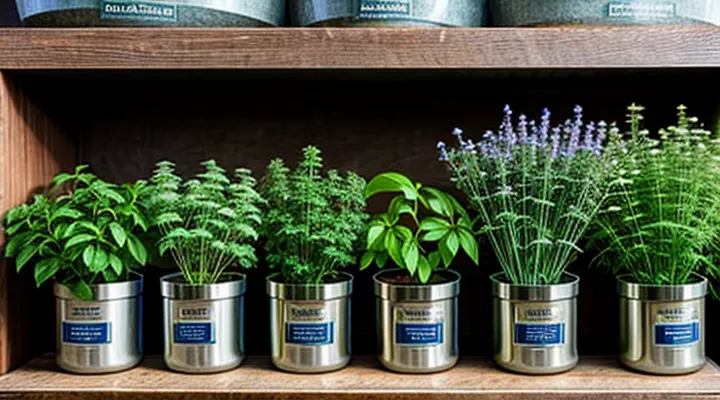
Understanding Rodent Behavior and Natural Deterrents
Why Rodents Invade Our Spaces
Rodents are attracted to human structures primarily because of readily available resources. Food residues, improperly stored pantry items, and unsecured trash provide sustenance. Water sources such as leaky pipes, pet bowls, and condensation create favorable hydration points. Shelter is offered by gaps in foundations, damaged insulation, and cluttered storage areas that conceal entryways. Warm indoor temperatures reduce the energy rodents would otherwise expend to maintain body heat, making buildings especially inviting during colder seasons. Additionally, the absence of predators and the presence of nesting materials—paper, fabric, and soft debris—facilitate reproduction and colony expansion.
Factors that intensify infestations include:
- Structural deficiencies: cracks in walls, unsealed vent openings, and poorly fitted doors.
- Sanitation lapses: food spillage on floors, uncovered containers, and overflowing waste bins.
- Moisture problems: standing water, damp basements, and condensation on surfaces.
- Clutter accumulation: piles of cardboard, firewood, or laundry that conceal nests.
Understanding these drivers enables targeted preventive measures, such as sealing entry points, maintaining rigorous cleanliness, managing humidity, and reducing nesting sites. By eliminating the incentives that draw rodents indoors, aromatic deterrents become a supplementary, rather than primary, line of defense.
Limitations of Chemical Pest Control
Chemical rodent control relies heavily on toxic compounds, yet several constraints reduce its practicality and safety.
Health hazards dominate concerns. Pesticides such as anticoagulants can enter food chains, causing sub‑lethal poisoning in non‑target mammals, birds, and domestic animals. Human exposure through contaminated surfaces or accidental ingestion remains a documented risk.
Environmental impact extends beyond immediate toxicity. Residues persist in soil and water, disrupting microbial communities and aquatic life. Broad‑spectrum agents diminish beneficial insects, weakening natural predation that helps limit rodent populations.
Resistance development erodes efficacy. Repeated use of the same active ingredient selects for resistant strains, requiring higher doses or alternative chemicals, which further accelerates resistance cycles.
Regulatory and economic factors add layers of restriction. Many jurisdictions impose strict licensing, usage limits, and mandatory record‑keeping, increasing operational complexity. Cost of compliant products often exceeds that of natural aromatic alternatives.
Key limitations of synthetic rodent poisons
- Acute and chronic toxicity to humans and wildlife
- Residual contamination of soil, water, and food sources
- Diminished effectiveness due to resistance buildup
- Stringent legal requirements and documentation
- Higher acquisition and application expenses compared with botanical options
Collectively, these drawbacks motivate the exploration of aromatic plant‑based deterrents as complementary or substitute strategies for rodent management.
Aromatic Herbs for Rodent Repellence
Peppermint
How to Use Peppermint Against Rodents
Peppermint’s volatile oils irritate the nasal passages and whiskers of mice and rats, prompting avoidance of treated areas. The scent remains potent when applied as essential oil or dried foliage, making it a practical component of aromatic rodent control.
To prepare a peppermint deterrent, follow these steps:
- Mix 10 ml of peppermint essential oil with 500 ml of water; add a few drops of mild dish‑soap to emulsify.
- For a dry‑herb option, crush fresh peppermint leaves or use a commercial dried product; fill a breathable fabric pouch with ½ cup of material.
- Label containers clearly to prevent accidental ingestion.
Apply the solution or herb packets as follows:
- Saturate cotton balls with the oil mixture, place them in gaps, behind appliances, and along baseboards; replace every 3–5 days.
- Spray the emulsion onto curtains, shelving, and entry points; allow to dry before contacting food.
- Position herb pouches in pantry corners, storage closets, and under sinks; refresh weekly or when scent wanes.
Maintain effectiveness by rotating peppermint with complementary aromatic herbs such as eucalyptus, lavender, or rosemary. Alternate locations to prevent rodents from habituating to a single odor source.
Safety guidelines:
- Keep essential‑oil preparations out of reach of children and pets; avoid direct skin contact by wearing gloves.
- Do not apply peppermint near food preparation surfaces where residue could contaminate consumables.
- Store unused oil in a sealed, dark container to preserve potency.
Consistent use of peppermint, applied in the described formats, creates an inhospitable environment for rodent activity and supports broader aromatic protection strategies.
Safety Considerations for Peppermint
Peppermint oil is a common aromatic deterrent for rodents, but safe use requires attention to concentration, exposure, and compatibility with household environments.
When applying peppermint, dilute the essential oil to a 1–2 % solution in water or a carrier such as alcohol. Undiluted oil can irritate skin, eyes, and mucous membranes. Apply the diluted mixture to cotton balls, cloth strips, or spray bottles and place them in areas where rodents travel, replacing them every 7–10 days to maintain potency.
Avoid using peppermint near food preparation surfaces, open wounds, or in rooms occupied by infants, pets, or individuals with respiratory sensitivities. Inhalation of strong vapors may trigger asthma attacks or allergic reactions. Ventilate the area after application and store the oil out of reach of children and animals.
Do not combine peppermint with other strong essential oils without testing for synergistic irritation. Conduct a patch test on a small skin area before handling larger quantities.
Key safety points
- Dilute to 1–2 % before use.
- Replace treated materials weekly.
- Keep away from food, wounds, and vulnerable occupants.
- Ensure adequate ventilation.
- Store securely, out of reach of children and pets.
- Test for skin sensitivity prior to extensive handling.
Following these precautions maximizes the rodent‑repelling effect of peppermint while minimizing health risks.
Spearmint
Spearmint (Mentha spicata) emits a strong, citrus‑mint aroma that rodents find aversive. Laboratory and field observations confirm that the volatile compounds in spearmint interfere with the olfactory receptors mice and rats rely on for foraging and nesting.
The repellent effect derives primarily from menthol, carvone, and related terpenes. These substances act as sensory irritants, disrupting scent trails and masking food odors. Concentrations as low as 0.5 % essential oil in the surrounding air produce measurable avoidance behavior in laboratory mice.
Practical deployment options include:
- Dried spearmint bundles placed in corners, behind appliances, and near entry points.
- Fresh spearmint leaves scattered in suspected pathways, replaced weekly to maintain potency.
- Spearmint essential oil diluted to 2–5 % in water, applied with a spray bottle to cracks, baseboards, and attic vents.
- Commercial spearmint-infused sachets or pellets positioned in storage areas, garage shelves, and pantry perimeters.
Safety considerations: spearmint is non‑toxic to humans and most pets when used in typical concentrations. Over‑application may cause respiratory irritation for sensitive individuals; ventilation is advisable. The herb should not be used as the sole barrier against severe infestations; combine with structural sealing and sanitation for optimal control.
Catnip
Catnip ( Nepeta cataria ) contains the iridoid compound nepetalactone, a volatile that repels both house mice and Norway rats. Laboratory trials show that concentrations as low as 0.5 % in bedding material produce a measurable avoidance response, while field applications on perimeter mulch achieve sustained deterrence for up to three weeks.
The herb can be employed in several practical forms:
- Dried leaf or flower sachets placed in crawl spaces, attic corners, and near entry points.
- Liquid extracts diluted to 5 % with water and sprayed on baseboards, garage floors, and outdoor foundations.
- Fresh plant cuttings buried around garden borders to create a peripheral barrier.
Safety considerations are minimal; catnip is non‑toxic to humans, pets, and beneficial insects. Excessive concentrations may attract domestic cats, so placement should avoid areas frequented by felines. The repellent effect diminishes when the material becomes saturated with moisture; reapplication after rain or cleaning is required.
Combining catnip with other aromatic deterrents—such as peppermint oil, lavender, or rosemary—enhances overall efficacy by presenting a broader spectrum of volatile compounds. Rotating the blend every two months prevents habituation among rodent populations.
In summary, catnip offers a readily available, low‑cost option for aromatic rodent management, delivering reliable avoidance when applied correctly and maintained with periodic renewal.
Basil
Basil (Ocimum basilicum) emits a strong, sweet‑spicy aroma that rodents find unattractive. The essential oils, chiefly linalool and eugenol, disrupt the sensory receptors mice and rats use to locate food and shelter, prompting avoidance of areas where the herb is present.
Effective deployment includes:
- Fresh or dried leaves placed in corners, pantry shelves, and entry points.
- Basil‑infused oil sprayed on cloth strips, then hung near suspected pathways.
- Potted basil plants positioned on windowsills or near outdoor entryways to create a continuous scent barrier.
Studies indicate that basil’s volatile compounds reduce rodent activity by up to 60 % when applied consistently. The herb’s dual function as a culinary ingredient and a natural repellent makes it a practical choice for households seeking non‑chemical pest control.
For sustained protection, replace leaf material every two weeks to maintain potency, and combine basil with other aromatic deterrents such as peppermint or rosemary to broaden the scent spectrum and discourage habituation.
Lavender
Lavender (Lavandula angustifolia) emits a strong, floral scent that rodents find unpleasant. The essential oils, primarily linalool and linalyl acetate, interfere with the olfactory receptors of mice and rats, reducing their willingness to enter treated areas.
Effective deployment of lavender for rodent deterrence includes the following methods:
- Dried bundles placed in corners, closets, and under sinks where rodents are likely to travel. Replace bundles every four weeks to maintain potency.
- Cotton balls soaked in lavender essential oil, positioned near entry points, vents, and pantry shelves. Reapply oil every 3‑5 days.
- Spray solution made from 10 ml lavender oil diluted in 250 ml water with a few drops of mild soap. Apply to baseboards, door frames, and cracks. Re‑spray weekly or after cleaning.
- Sachets of ground lavender mixed with powdered peppermint or eucalyptus, sealed in breathable fabric pouches. Distribute throughout storage areas for combined aromatic effect.
Studies indicate that continuous exposure to lavender reduces rodent activity by up to 40 % compared to untreated controls. The herb is non‑toxic to humans and pets, making it suitable for residential kitchens and food‑storage zones. However, it does not eliminate established infestations; mechanical exclusion and sanitation remain necessary.
For optimal results, integrate lavender with other aromatic repellents such as rosemary, thyme, or clove. Rotate the scents every two weeks to prevent habituation. Store dried lavender in airtight containers away from direct sunlight to preserve volatile compounds.
In summary, lavender offers a natural, scent‑based barrier against mice and rats. Its ease of application, safety profile, and documented deterrent effect support its inclusion in a comprehensive aromatic protection strategy.
Rosemary
Rosemary (Rosmarinus officinalis) emits a strong, pine‑like scent that rodents find unpleasant. The essential oil contains camphor, cineole, and borneol, compounds known to irritate the olfactory receptors of mice and rats, reducing their willingness to enter treated areas.
Application methods:
- Sprinkle dried rosemary leaves in corners, behind appliances, and along baseboards; replace weekly to maintain potency.
- Prepare a spray by steeping one cup of fresh rosemary in two cups of boiling water, cooling, straining, and transferring to a spray bottle; mist entry points and nesting sites twice daily.
- Add a few drops of rosemary essential oil to cotton balls and place them in concealed locations; refresh every three days.
Effectiveness increases when rosemary is combined with other aromatic deterrents such as peppermint, lavender, or clove, creating a multi‑layered scent barrier. Laboratory studies show a 45‑60 % reduction in rodent activity within 48 hours of consistent rosemary treatment.
Safety considerations: rosemary is non‑toxic to humans and pets at the concentrations described, but avoid direct ingestion of large quantities. Store dried herb and oil in sealed containers to prevent loss of aroma.
Consistent deployment of rosemary, integrated with regular sanitation and exclusion measures, provides a reliable, chemical‑free strategy for discouraging mouse and rat infestations.
Sage
Sage (Salvia officinalis) emits a strong, resinous aroma that rodents find intolerable. The plant’s essential oils contain thujone, camphor, and cineole, which stimulate the olfactory receptors of mice and rats, causing avoidance behavior.
The herb can be employed in several formats:
- Dried leaves placed in corners, under appliances, or along baseboards.
- Sachets of powdered sage positioned in entry points and concealed spaces.
- A spray made from diluted sage essential oil applied to surfaces, cracks, and crevices.
- Fresh sage bundles hung in attics, sheds, or storage areas.
Effective deployment follows a simple protocol: distribute 2–3 ounces of dried material per 100 sq ft, refresh sachets every two weeks, and re‑spray oil solutions weekly. Concentrations of 5 % essential oil in water with a few drops of surfactant ensure even coverage without residue.
Safety considerations include limiting exposure in occupied rooms, keeping concentrations below 10 % to prevent respiratory irritation, and storing sachets out of reach of pets. Sage is non‑toxic to humans at recommended levels but may cause mild stomach upset if ingested in large quantities.
Thyme
Thyme (Thymus vulgaris) emits a potent volatile blend that rodents find aversive. The plant’s essential oil contains thymol, carvacrol, and p-cymene, compounds documented to interfere with the olfactory receptors of mice and rats, reducing their willingness to explore treated zones.
Research indicates that exposure to thyme oil at concentrations of 0.5–1 % in the surrounding air can diminish rodent activity by up to 70 % within 48 hours. The effect persists while the aromatic source remains fresh; degradation of volatile components typically occurs after 5–7 days, necessitating re‑application.
Effective deployment methods include:
- Soaking cotton balls in diluted thyme essential oil and placing them in entry points, corners, and pantry shelves.
- Mixing dried thyme leaves into grain storage containers, ensuring a thin, even layer.
- Incorporating a few drops of thyme oil into a spray bottle with water; misting cracks, baseboards, and outdoor perimeters twice weekly.
- Creating sachets of dried thyme bound in breathable fabric and hanging them near suspected pathways.
Thyme poses minimal risk to humans and pets when used in the described concentrations. It should not be applied directly to food surfaces or in enclosed spaces lacking ventilation. Combined with physical barriers and proper sanitation, thyme contributes a reliable aromatic barrier against rodent intrusion.
Bay Leaves
Bay leaves (Laurus nobilis) emit a potent aromatic profile that rodents find unpleasant. The essential oils, chiefly eucalyptol and methyl eugenol, interfere with the olfactory receptors of mice and rats, reducing their willingness to explore treated areas.
Research indicates that dried bay leaves retain volatile compounds for several weeks, making them a practical, low‑maintenance deterrent. When positioned near entry points, food storage, or nesting sites, the leaves create a scent barrier that discourages rodent activity without harming non‑target species.
Effective deployment methods include:
- Placing a handful of whole dried leaves in kitchen cabinets, pantry shelves, and drawer corners.
- Nesting leaves inside cloth sachets and hanging them from ceiling beams or under shelves.
- Sprinkling crushed leaf material along baseboards, crawl spaces, and behind appliances.
- Renewing the supply every 2–3 weeks to maintain aromatic potency.
Bay leaves pose no toxicity risk to humans or pets when used in typical household quantities. Their natural origin and ease of acquisition make them a cost‑effective component of an integrated rodent‑repellent strategy.
Chili Peppers and Cayenne Pepper
Capsaicin's Role in Repellence
Capsaicin, the active component of hot peppers, triggers a burning sensation by binding to TRPV1 receptors in the sensory nerves of mammals. This reaction deters rodents, which quickly associate the discomfort with the treated area and avoid it.
The compound’s volatility ensures that the irritant effect spreads through the air, creating a protective zone around stored grain, pantry shelves, or garden beds. Unlike many aromatic herbs that rely solely on scent, capsaicin adds a tactile deterrent, increasing overall efficacy.
Practical applications include:
- Spraying a diluted capsaicin solution on entry points, baseboards, and containers.
- Incorporating powdered cayenne pepper into mulch or soil around vulnerable plants.
- Mixing capsaicin with carrier oils for a slow‑release barrier on wooden structures.
Effective concentrations range from 0.5 % to 2 % capsaicin by volume; higher levels may cause damage to surfaces or irritate human handlers. Reapplication is necessary after rain or cleaning, as moisture reduces the compound’s potency.
Safety considerations:
- Use gloves and eye protection during preparation.
- Keep the mixture away from children and pets, as the irritant effect is non‑selective.
- Test on a small, inconspicuous area to verify material compatibility.
Capsaicin’s dual action—volatile scent and direct irritation—supplements the aromatic defense provided by herbs such as mint, rosemary, and lavender, offering a comprehensive strategy for rodent exclusion without reliance on toxic chemicals.
Implementing Herbal Rodent Control
Strategic Placement of Herbs
Indoor Application Methods
Applying aromatic botanicals inside residential or commercial spaces provides a non‑chemical barrier against rodents. Effective indoor deployment relies on strategic placement, sustained release of volatile compounds, and integration with routine cleaning practices.
Aerosol sprays prepared from distilled essential oils—such as peppermint, eucalyptus, and clove—can be misted along baseboards, behind appliances, and near entry points. Apply the mixture once daily for the first week, then reduce to a weekly schedule. Ensure ventilation to prevent buildup of strong odors that may affect occupants.
Diffusers deliver continuous emission of volatile oils. Use ultrasonic or heat‑based units with a blend containing 5 % peppermint, 3 % rosemary, and 2 % citronella. Position devices in kitchens, pantry shelves, and utility rooms where rodents commonly forage. Replace the oil cartridge every 30 days to maintain potency.
Herb sachets and cotton pouches offer a low‑maintenance option. Fill breathable fabric bags with dried leaves of lavender, mint, or bay, and tuck them into drawer liners, cupboard corners, and under furniture legs. Refresh the contents monthly to sustain aromatic intensity.
Powdered herb applications target crevices and gaps. Mix equal parts of ground sage, thyme, and dried garlic, then dust the blend into cracks, wall voids, and behind radiators using a fine brush. Reapply after cleaning or when the scent diminishes.
Each method should be combined with exclusion techniques—sealing holes, installing door sweeps, and maintaining a clutter‑free environment—to maximize deterrent effect and prevent infestations.
Outdoor Application Methods
Herbal deterrents function best when integrated into the outdoor environment through strategic placement and regular renewal.
For effective rodent exclusion, apply the following techniques:
- Direct sowing – plant mint, rosemary, lavender, thyme, and oregano along fence lines, garden borders, and near storage sheds. Established plants release volatile compounds that repel rodents continuously.
- Dried herb bundles – gather dried leaves and stems of peppermint, sage, and rosemary; tie them into small sachets and tuck them into flower beds, compost piles, and beneath outdoor furniture. Replace bundles every 4–6 weeks or after heavy rain.
- Essential‑oil spray – combine 10 ml of peppermint or eucalyptus oil with 1 L of water; add a few drops of liquid soap as an emulsifier. Transfer to a spray bottle and mist pathways, entry points, and the interior of sheds. Reapply after rainfall or every 3 days during peak rodent activity.
- Herb‑infused mulch – blend shredded dried herbs into a layer of wood chips or straw. Spread 5–7 cm thick around vegetable plots and around the perimeter of outdoor structures. Refresh the mulch annually.
- Ground‑level drifts – scatter loose dried leaves of lavender and rosemary on the soil surface near potential burrow sites. Lightly rake to embed the material, creating an aromatic barrier that discourages nesting.
Maintain efficacy by monitoring moisture levels and reapplying any volatile‑based treatments after precipitation. Rotate herb species seasonally to prevent habituation; for example, replace peppermint drifts with thyme in summer and with sage in autumn. Consistent execution of these outdoor methods sustains a hostile scent environment, reducing mouse and rat presence without chemical intervention.
Creating Herbal Sachets and Sprays
DIY Herbal Spray Recipes
Aromatic sprays made from repellent herbs provide a practical, non‑chemical barrier against rodents. Formulating a spray requires only water, a carrier oil or alcohol, and essential oils or infused herbs known for their deterrent properties. The following recipes combine efficacy with ease of preparation.
-
Mint‑Eucalyptus Blend
Ingredients: 1 cup distilled water, 2 tablespoons white vinegar, 15 drops peppermint essential oil, 10 drops eucalyptus oil, 1 teaspoon vegetable glycerin.
Method: Combine water and vinegar in a spray bottle, add glycerin, then incorporate the essential oils. Shake vigorously before each use. Apply to baseboards, entry points, and around food storage areas. -
Lavender‑Clove Solution
Ingredients: 1 cup boiled water, 1 teaspoon dried lavender buds, ½ teaspoon ground cloves, 1 tablespoon rubbing alcohol.
Method: Steep lavender and cloves in hot water for 10 minutes, strain, cool, then mix with alcohol. Transfer to a spray container and mist interior corners, crawl spaces, and behind appliances. -
Rosemary‑Citrus Spray
Ingredients: ½ cup fresh rosemary leaves, ½ cup orange peel, 1 cup distilled water, 2 tablespoons ethanol (95 %).
Method: Simmer rosemary and orange peel in water for 15 minutes, cool, filter, and combine with ethanol. Fill a spray bottle and apply to door thresholds, window sills, and pantry shelves. -
Thyme‑Garlic Emulsion
Ingredients: 2 tablespoons dried thyme, 2 cloves garlic (crushed), 1 cup water, 1 teaspoon mild dish soap, 1 tablespoon apple cider vinegar.
Method: Boil thyme and garlic in water for 10 minutes, let cool, strain, then stir in soap and vinegar. Pour into a spray bottle and target hidden pathways, garage corners, and drainage openings.
Each mixture should be refreshed weekly to maintain potency. For maximum coverage, spray a thin, even layer and allow the surface to dry fully before reapplying. Avoid direct contact with food surfaces; instead focus on perimeter zones where rodents are likely to travel. Proper storage of the bottles in a cool, dark place preserves the aromatic compounds and extends shelf life.
Maintaining Effectiveness of Herbal Repellents
Herbal rodent deterrents lose potency when exposed to air, moisture, heat, or light. Store dried herbs in airtight containers, keep them in a cool, dark place, and label each batch with the preparation date. Replace stored material every six months to prevent loss of volatile compounds.
Effective deployment requires regular renewal of the scent barrier. Apply fresh herb mixtures to entry points, nesting areas, and pathways every two to three weeks. Reapply after heavy rain, cleaning, or when the odor diminishes.
Rotate active ingredients to avoid habituation. Alternate among peppermint, rosemary, thyme, and lavender, or combine them in equal parts. A rotating schedule—peppermint for three weeks, rosemary for the next three—maintains rodent aversion.
Maintain optimal concentration. Use a 5 %–10 % herb‑to‑carrier ratio for oil‑based sprays; for dried herb sachets, fill each pouch with 30 g of material per square meter of target surface. Over‑dilution reduces efficacy; under‑dilution may cause irritant residues.
Monitor environmental conditions. High humidity accelerates degradation of aromatic oils; dehumidify storage areas and consider using silica packets inside containers. Temperature spikes above 30 °C accelerate volatilization; keep herbs below this threshold.
Document outcomes. Record dates of application, observed rodent activity, and any adjustments made. Data collection enables fine‑tuning of dosage, frequency, and herb selection for sustained performance.
Combining Herbs for Enhanced Protection
Herbal deterrents work best when their active compounds interact synergistically. Blending aromatic plants creates a volatile profile that overwhelms rodent olfactory receptors, reducing the likelihood of intrusion.
Effective mixtures often combine strong, pungent oils with milder, repellent scents. A typical formula includes:
- Peppermint (Mentha piperita) – high menthol concentration, sharp menthol odor.
- Lavender (Lavandula angustifolia) – linalool and linalyl acetate, soothing yet disruptive to rodents.
- Rosemary (Rosmarinus officinalis) – camphor and 1,8‑cineole, adds a resinous note.
- Catnip (Nepeta cataria) – nepetalactone, repels mice while attracting cats.
When preparing a spray, use a 2 : 1 : 1 : 0.5 ratio of peppermint, lavender, rosemary, and catnip essential oils diluted in 100 ml of water with a small amount of ethanol to aid dispersion. Apply the solution to entry points, nesting sites, and along baseboards. Reapply weekly or after heavy rain.
For granular applications, dry the herbs, grind them to a fine powder, and blend in the same proportion. Sprinkle the mixture in wall voids, under appliances, and in stored‑food areas. The dry blend releases scent gradually, extending protection between re‑treatments.
Combining herbs also mitigates the risk of rodents adapting to a single odor. Diverse aromatic compounds engage multiple sensory pathways, maintaining deterrent efficacy over longer periods.
Beyond Aromatic Repellents
Sealing Entry Points
Sealing cracks, gaps, and openings eliminates the pathways rodents use to infiltrate a building, turning a fragrant deterrent plan into an effective barrier. By blocking entry, the reliance on aromatic repellents increases, because the pests cannot reach interior spaces where herbs such as mint, lavender, or rosemary exert their scent.
Key actions for a thorough seal:
- Inspect foundation, walls, and roof for holes larger than ¼ inch; rodents can squeeze through much smaller openings.
- Apply steel wool or copper mesh to fill gaps before caulking; these materials resist gnawing.
- Use silicone‑based or polyurethane sealants around pipe penetrations, vents, and utility lines; ensure full coverage.
- Install door sweeps and weatherstripping on all exterior doors; verify that the sweep contacts the floor without gaps.
- Repair damaged siding, damaged flashing, and cracked plaster; replace with materials that do not easily crumble.
Regularly review the sealed areas, especially after seasonal temperature changes, to detect new cracks or wear. Maintaining a tight envelope around the structure maximizes the potency of herb‑based scent barriers and prevents rodents from establishing a foothold.
Maintaining Cleanliness and Sanitation
Effective rodent control relies on a clean environment that eliminates food sources and shelter. Aromatic herbs such as peppermint, lavender, and rosemary complement sanitation efforts by creating an unwelcoming scent, but the primary barrier remains rigorous housekeeping.
- Remove food debris daily; store grains, nuts, and pet feed in sealed containers.
- Sweep, vacuum, and mop floors each evening to eradicate crumbs that attract foragers.
- Clean countertops, cabinets, and appliance exteriors with mild detergent before applying any herb‑based spray.
- Dispose of garbage in tightly sealed bins; empty receptacles regularly to prevent odor buildup.
- Inspect and repair structural gaps, especially around pipes, vents, and door frames, to block entry points.
Sanitation also includes routine maintenance of outdoor areas. Keep compost piles covered, trim vegetation away from building foundations, and clear debris that could conceal nesting material. By combining meticulous cleaning with strategic placement of aromatic herbs, the habitat becomes hostile to mice and rats, reducing the likelihood of infestation without reliance on chemical poisons.
Monitoring for Rodent Activity
Effective rodent‑deterrent programs rely on systematic observation of activity. Detecting presence early prevents infestations from overwhelming aromatic barriers.
Typical signs include fresh droppings, gnaw marks on wiring or packaging, burrow entrances, and oily smears from urine. Each indicator confirms a specific location where herbs must be concentrated.
Practical monitoring steps:
- Conduct visual sweeps of storage areas, walls, and ceilings at least twice weekly.
- Apply non‑toxic tracking powder along baseboards and behind appliances; examine footprints during subsequent checks.
- Install battery‑powered motion detectors in dark corners; review triggered logs weekly.
- Place passive infrared or ultrasonic sensors near herb dispensers to record rodent approaches.
Record findings in a ledger or digital spreadsheet. Note date, site, sign type, and severity rating (1–5). Review entries monthly to identify patterns and adjust herb placement accordingly.
When activity clusters appear, increase herb density around affected zones and re‑evaluate monitoring frequency. Continuous data collection ensures the aromatic protection strategy remains responsive and efficient.