
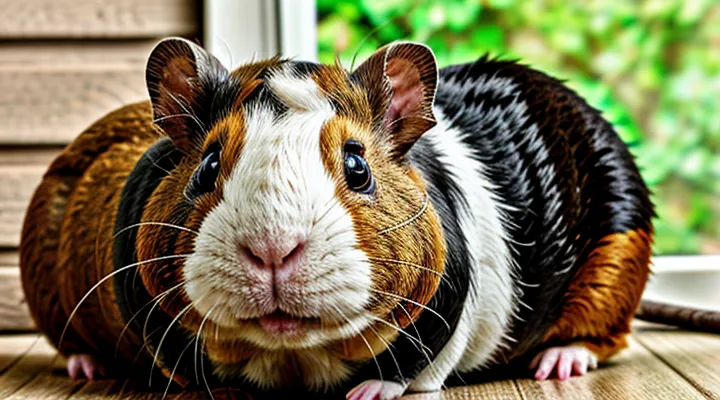
Introduction to Pet Rodents
Why Choose a Small Pet?
Small pets fit comfortably into apartments, dormitories, and homes where space is at a premium. Their compact size reduces the need for large enclosures, making them compatible with standard furniture layouts and permitting discreet placement within a living area.
- Minimal spatial footprint: cages occupy less than two square feet, allowing placement on shelves, under desks, or in closets.
- Lower financial commitment: feed, bedding, and veterinary expenses remain modest compared to larger animals.
- Simplified daily care: routine cleaning, feeding, and health monitoring require only a few minutes each day.
Companion value remains high despite the reduced size. Both guinea pigs and rats demonstrate social intelligence, respond to handling, and develop recognizable personalities when provided with enrichment items such as tunnels, chew toys, and foraging opportunities. Their ability to bond with owners supports emotional well‑being and reduces feelings of loneliness.
Health considerations reinforce the appeal of miniature companions. Their limited shedding and reduced dander production lower the risk of allergic reactions. Cage cleaning procedures are quick, limiting exposure to pathogens and allowing owners to maintain hygienic environments with minimal effort.
Overall, the combination of space efficiency, affordability, manageable care requirements, and genuine companionship makes a small pet a pragmatic and rewarding choice for individuals seeking an animal partner without the logistical demands of larger species.
Overview of Guinea Pigs and Rats
Guinea pigs and rats are small mammals frequently kept as companion animals, each offering distinct biological and behavioral characteristics.
- Taxonomy: Guinea pigs (Cavia porcellus) belong to the Caviidae family; rats (Rattus norvegicus and Rattus rattus) belong to Muridae.
- Origin: Guinea pigs originate from the Andes of South America; rats have a global distribution, originally from Asia.
- Size: Adult guinea pigs weigh 700–1,200 g and measure 20–30 cm in length; adult rats weigh 300–500 g and measure 20–25 cm, with a longer tail.
- Lifespan: Guinea pigs typically live 4–8 years; rats live 2–3 years under optimal conditions.
- Diet: Both require a high‑fiber diet; guinea pigs need continuous access to vitamin C‑rich hay, while rats thrive on a balanced grain‑based mix supplemented with fresh produce.
- Social structure: Guinea pigs are herd animals that benefit from same‑species companionship; rats are highly social, forming complex hierarchies and requiring interaction with conspecifics or humans.
- Activity pattern: Guinea pigs are crepuscular, active at dawn and dusk; rats are nocturnal, most active during night hours.
- Enclosure needs: Guinea pigs need spacious cages with solid flooring and enrichment such as tunnels; rats require multi‑level cages with climbing structures and chewable materials.
- Health considerations: Common guinea pig ailments include dental overgrowth and respiratory infections; rats are prone to tumors, respiratory disease, and dental issues.
Both species demand regular handling, mental stimulation, and a clean environment to ensure welfare. Selection between them should reflect the owner’s schedule, interaction preferences, and capacity to meet species‑specific care requirements.
Guinea Pig Characteristics
Physical Traits of Guinea Pigs
Size and Weight
Guinea pigs and rats differ markedly in physical dimensions, affecting housing requirements and handling considerations.
- Adult guinea pigs typically measure 8–10 inches (20–25 cm) in length and weigh 1.5–2.5 lb (0.7–1.1 kg). Their compact, robust bodies occupy a larger footprint than most rodents of comparable weight.
- Adult rats range from 7–9 inches (18–23 cm) in body length, with an additional 3–4 inches (7.5–10 cm) of tail. Weight averages 0.4–0.8 lb (180–360 g), making them substantially lighter despite similar length measurements.
These size variations influence enclosure volume: guinea pigs require at least 7.5 sq ft (0.7 m²) of floor space per animal, whereas rats can be comfortably housed in 2 sq ft (0.19 m²) per individual. Handling techniques also diverge; the greater mass of guinea pigs demands firmer support, while rats’ lighter bodies allow more delicate manipulation.
Coat Types and Colors
Guinea pigs display a range of coat varieties that differ markedly from rat pelage. The primary guinea‑pig coat types include:
- Short‑haired (American): smooth, dense fur; colors range from solid black, white, and chocolate to patterned varieties such as roan and brindle.
- Long‑haired (Peruvian, Silkie, Teddy): flowing hair that may reach the floor; common colors mirror short‑haired patterns, with additional shades like lilac and cream.
- Hairless (Skinny): minimal fur, exposing pink or pigmented skin; skin tones may be pink, black, or spotted.
Rats possess a more uniform coat structure, but several texture and coloration categories are recognized:
- Standard fur: short, sleek hair; colors include black, white, brown, and agouti, often combined in hooded or bicolor patterns.
- Rex: velvety, plush fur caused by a genetic mutation; colors parallel standard fur with added shades such as blue and red.
- Hairless (Nude): absent fur, revealing pink or pigmented skin; skin may be uniformly pink or display patches of color.
- Satin: glossy, slightly longer hair; color palette similar to standard fur but with enhanced sheen.
Both species exhibit albino forms, characterized by pink eyes and white fur or skin. Coat coloration in guinea pigs can be influenced by selective breeding, resulting in rare patterns like merle or harlequin. Rat coloration is governed by genetic loci that produce distinct markings such as “blaze” (white facial stripe) or “piebald” (large white patches).
When selecting a pet, coat type affects grooming requirements. Short‑haired guinea pigs need weekly brushing; long‑haired varieties require daily maintenance to prevent matting. Rats with Rex or Satin coats benefit from occasional grooming to preserve texture, while hairless individuals demand regular skin inspection. The choice of coat and color should align with the owner’s willingness to perform the necessary care.
Guinea Pig Temperament and Behavior
Social Needs
Guinea pigs and rats differ markedly in their social requirements, influencing suitability for various household environments.
Guinea pigs are highly social mammals that thrive in the presence of at least one conspecific. A single individual often exhibits signs of stress, such as reduced activity and weight loss, when isolated. Pairing or grouping guinea pigs provides opportunities for mutual grooming, vocal communication, and shared exploration of the enclosure. When multiple animals are kept together, they establish a hierarchy that reduces aggression and promotes stability.
Rats also demonstrate strong social instincts, but they adapt more readily to solitary housing if provided with extensive human interaction. In group settings, rats engage in complex play behavior, establish social bonds, and display cooperative problem‑solving. However, overcrowding can lead to dominance disputes and increased stress hormones. Balanced group sizes (typically two to three rats) optimize social enrichment while minimizing conflict.
Key considerations for prospective owners:
- Companionship needs
- Space requirements
- Behavioral monitoring
- Guinea pigs: watch for signs of isolation stress (hunched posture, decreased vocalization).
- Rats: observe for excessive fighting or over‑grooming in groups.
Understanding these social dynamics helps owners create environments that meet the innate needs of each species, promoting health and behavioral well‑being.
Vocalizations and Communication
Guinea pigs and rats communicate primarily through audible sounds, each species employing a distinct repertoire that reflects its social structure and environmental needs.
Guinea pigs produce a range of vocalizations that serve specific functions:
- Wheeking – sharp, high‑pitched call indicating anticipation of food or attention.
- Purring – soft, continuous tone associated with contentment during grooming or resting.
- Chirping – brief, melodic notes emitted when spotting predators or when startled.
- Whining – low, sustained sound expressing discomfort or distress.
Rats rely on a different set of sounds, often linked to hierarchical interactions and territorial behavior:
- Ultrasonic squeaks – emitted at frequencies beyond human hearing, used for close‑range social bonding and mother‑pup communication.
- High‑frequency chirps – signal excitement or exploratory activity, particularly during play.
- Low‑frequency growls – accompany aggressive encounters or warning displays.
- Pleasant squeaks – accompany grooming and indicate relaxed states.
Both species supplement vocal output with non‑vocal signals. Guinea pigs employ body language such as foot thumping to warn of danger, while rats combine scent marking with whisker movements to convey dominance. Understanding these communication channels aids owners in interpreting needs, monitoring health, and fostering appropriate social environments for each pet.
Guinea Pig Care Requirements
Diet and Nutrition
When evaluating the nutritional requirements of guinea pigs versus rats, the differences are pronounced and dictate distinct feeding regimens.
Guinea pigs require a constant supply of fiber and vitamin C. Their diet should consist of:
- Unlimited timothy, orchard, or meadow hay to promote dental wear and gastrointestinal motility.
- A measured portion (approximately 1–2 tablespoons) of fortified guinea‑pig pellets daily, ensuring the supplement contains at least 250 mg of vitamin C per kilogram of feed.
- Fresh vegetables rich in vitamin C, such as bell peppers, kale, and parsley, offered in small daily servings (no more than ¼ cup).
- Limited fruit (e.g., apple slices) as occasional treats, not exceeding a few bite‑size pieces per week.
- No foods containing high oxalate levels (spinach, beet greens) or toxic substances (chocolate, caffeine).
Rats thrive on a diet higher in protein and lower in fiber. Recommended components include:
- Commercial rat chow formulated for laboratory or pet use, providing balanced protein (15–20 % of calories) and essential nutrients. A daily allotment of ¼–½ cup per adult rat is typical.
- Small quantities of fresh produce, such as carrots, broccoli, or peas, supplied a few times per week to add variety and vitamins.
- Occasional protein treats (hard‑boiled egg, cooked chicken) limited to 1–2 teaspoons per week.
- Fresh water available at all times.
- Exclusion of high‑fat snacks, citrus fruits (which can cause digestive upset), and any foods containing onions, garlic, or raw beans.
Both species benefit from routine feeding times to establish stable metabolic patterns. Over‑feeding, especially of high‑calorie treats, can lead to obesity in rats and gastrointestinal stasis in guinea pigs. Monitoring body condition and adjusting portions accordingly is essential for long‑term health.
Habitat Setup
When housing a guinea pig or a rat, the enclosure must meet species‑specific spatial, substrate, and enrichment requirements.
A suitable cage for a guinea pig should provide at least 7.5 sq ft of floor space, with a minimum height of 12 in to allow comfortable movement. For a rat, a minimum of 2 sq ft per animal is sufficient, but larger enclosures improve activity levels. Multi‑level cages are acceptable for rats; they are unsuitable for guinea pigs, which require a single, level floor.
- Bedding: Use dust‑free, absorbent material such as paper‑based or aspen shavings for guinea pigs; avoid cedar or pine, which release volatile compounds. Rats tolerate the same bedding but benefit from added nesting material like shredded tissue or cotton strips.
- Enrichment: Provide hideouts, tunnels, and chew toys for both species. Guinea pigs need solid platforms for chewing and a hide box for security. Rats require climbing structures, ladders, and foraging toys to stimulate natural behavior.
- Location: Place the cage in a quiet, temperature‑controlled area away from direct sunlight, drafts, and loud appliances. Maintain ambient temperature between 65–75 °F (18–24 °C) for guinea pigs; rats tolerate slightly cooler ranges but should not be exposed to temperatures below 60 °F (15 °C).
Cleaning protocols differ in frequency. Spot‑clean daily, removing soiled bedding and uneaten food. Perform a full substrate change weekly for guinea pigs and every 5–7 days for rats, sanitizing the cage with a mild, non‑chlorine disinfectant. Rinse thoroughly before adding fresh bedding.
Ventilation is essential. Ensure cages have adequate airflow without creating strong currents. Wire panels should have a spacing of no more than ½ in for guinea pigs to prevent foot injuries; rat cages may use larger gaps but must still prevent escape.
By adhering to these parameters, owners create a safe, comfortable environment that supports the health and well‑being of either small‑rodent companion.
Health Considerations
When choosing a small‑mammal companion, health requirements differ markedly between guinea pigs and rats. Understanding species‑specific needs prevents common ailments and supports longevity.
Guinea pigs demand a diet rich in vitamin C; deficiency leads to scurvy, manifested by lethargy, joint pain, and weight loss. Their gastrointestinal tract is sensitive to abrupt fiber changes, so gradual diet adjustments are essential. Dental growth continues throughout life; unchecked overgrowth causes malocclusion, difficulty eating, and facial deformities, requiring regular tooth trimming. Respiratory infections, especially from Bordetella and Mycoplasma, spread quickly in crowded enclosures; maintaining low humidity and providing clean bedding reduces incidence.
Rats exhibit robust metabolism but are prone to respiratory tract lesions caused by ammonia accumulation from urine. Efficient ventilation and frequent cage cleaning mitigate this risk. Nutritional imbalances, particularly excess fat, predispose rats to hepatic lipidosis and cardiovascular strain; balanced pellets supplemented with limited fresh produce are recommended. Dental health remains critical; continuous incisor growth necessitates gnawing material to prevent overgrowth and associated oral trauma.
Key health considerations
- Vitamin C supplementation: mandatory for guinea pigs, unnecessary for rats.
- Dental maintenance: regular trimming for guinea pigs; provision of chew toys for rats.
- Respiratory environment: low‑ammonia, well‑ventilated housing essential for both, with heightened sensitivity in rats.
- Weight management: monitor caloric intake to avoid obesity in rats; ensure adequate nutrition to prevent scurvy in guinea pigs.
Rat Characteristics
Physical Traits of Rats
Size and Weight
Guinea pigs and rats differ markedly in body dimensions, influencing cage size, handling, and space requirements.
- Guinea pig: adult length 8–12 in (20–30 cm); height 10–12 in (25–30 cm) at the shoulder; weight 1.5–2.5 lb (0.7–1.1 kg).
- Rat: adult length 7–9 in (18–23 cm) excluding tail; tail adds 6–8 in (15–20 cm); weight 0.5–1 lb (0.2–0.45 kg).
The larger mass and greater height of guinea pigs demand sturdier flooring and higher enclosure walls, while rats’ compact size permits smaller, vertically oriented habitats. Selecting a pet therefore requires matching enclosure dimensions to the species’ physical profile to ensure safety and comfort.
Coat Types and Colors
Guinea pigs display three primary coat varieties: smooth, long (often called "rex"), and wiry. Each type offers distinct texture and grooming requirements.
- Smooth coats are short, glossy, and require minimal brushing.
- Long coats feature dense, flowing hair that benefits from regular combing to prevent matting.
- Wiry coats consist of stiff, bristly strands; occasional trimming keeps the coat tidy.
Color patterns in guinea pigs are extensive, including solid hues (black, white, chocolate), agouti (banded fur), and combinations such as roan, sable, and Himalayan. Genetic markers determine each pattern, allowing breeders to predict outcomes based on parent coloration.
Rats possess two main coat categories: standard (short, sleek) and hairless (often termed "rex" or "fancy"). The standard coat requires occasional grooming to remove excess dander; hairless varieties need careful skin care to avoid dryness.
- Standard coats vary from dense, glossy fur to lighter, finer hair in certain breeds.
- Hairless coats present a velvety texture with minimal shedding.
Rat coloration includes solid shades (black, albino, brown), patterned types (agouti, hooded, blaze), and mixed designs such as sable, tuxedo, and piebald. Each pattern derives from specific pigment genes, enabling precise selection for desired appearance.
Rat Temperament and Behavior
Intelligence and Trainability
Rats demonstrate higher performance in maze navigation, pattern recognition, and operant conditioning tasks than guinea pigs, reflecting greater problem‑solving capacity. Studies using water mazes and radial arm tests consistently record faster acquisition of spatial cues by rats, while guinea pigs show limited success in comparable experiments.
Both species respond to positive reinforcement, but the speed and durability of learned behaviors differ. Rats quickly associate clicker sounds or food rewards with specific actions, maintaining the association after several weeks of non‑reinforcement. Guinea pigs acquire simple cue‑reward links, yet require more repetitions and display weaker retention.
Typical trainable behaviors include:
- Responding to a hand signal for coming when called.
- Performing a target‑touch on a designated object.
- Executing a short obstacle course with rewards at checkpoints.
Rats achieve proficiency in all three items after fewer training sessions; guinea pigs reach comparable levels only after extended repetition. Consequently, cognitive assessments and conditioning protocols should account for the rat’s superior learning rate and the guinea pig’s more modest adaptability.
Social Needs
Guinea pigs and rats each exhibit pronounced social drives, but the nature of those drives differs markedly. Understanding these differences informs responsible ownership and promotes animal welfare.
Guinea pigs function as herd animals. A single individual often experiences stress, reduced appetite, and abnormal behaviors when isolated. Minimum group size of two companions satisfies the species‑specific need for constant visual and tactile contact. Compatibility depends on gender and temperament; mixed‑sex groups require neutering to prevent breeding. Enclosure design should allow multiple entry points and overlapping sight lines to facilitate group cohesion.
Rats demonstrate complex social structures comparable to small primate societies. They form hierarchical bonds, engage in mutual grooming, and respond positively to regular human interaction. A group of three to five rats provides sufficient social stimulation, while solitary housing leads to heightened anxiety and diminished exploratory activity. Frequent handling by a familiar caretaker reinforces trust and reduces stress responses.
Practical considerations for prospective owners include:
- Minimum group composition: two guinea pigs; three to five rats.
- Space allocation: at least 0.5 sq ft per guinea pig, 1 sq ft per rat, plus additional area for enrichment.
- Enrichment requirements: tunnels, chew toys for guinea pigs; climbing structures, nesting material for rats.
- Health monitoring: observe changes in grooming, vocalization, or activity levels as early indicators of social deprivation.
Meeting the distinct social needs of each species reduces the risk of behavioral disorders and supports long‑term health, making informed group housing a critical component of pet management.
Rat Care Requirements
Diet and Nutrition
Guinea pigs and rats require distinct nutritional plans to maintain health.
Guinea pigs need continuous fiber, vitamin C, and balanced minerals.
- Unlimited timothy, orchard, or meadow hay supplies roughage and prevents dental overgrowth.
- Commercial guinea‑pig pellets fortified with vitamin C provide essential nutrients; feed ¼ cup per day for an adult.
- Fresh vegetables such as bell peppers, kale, and carrots add vitamins and moisture; limit leafy greens to ½ cup daily.
- Fruit portions should not exceed ¼ cup per week to avoid excess sugar.
- Water must be available at all times in a sipper bottle.
Rats thrive on an omnivorous diet rich in protein and moderate fats.
- High‑quality rat blocks or pellets constitute the staple; offer ¼–½ cup daily depending on size.
- Cooked lean meats, boiled eggs, or low‑fat dairy serve as protein sources; limit to 1–2 tablespoons per feeding.
- Whole grains, oats, and small amounts of whole‑grain pasta supply carbohydrates; include ¼ cup daily.
- Fresh fruits (apple, banana) and vegetables (broccoli, peas) provide vitamins; restrict to 2–3 tablespoons each day.
- Occasional nuts or seeds deliver healthy fats; keep portions under 1 teaspoon weekly.
- Fresh water should be refreshed daily.
Both species require regular monitoring of body condition and adjustment of portions to prevent obesity or malnutrition.
Habitat Setup
When choosing between a guinea pig and a rat, the enclosure design determines health, comfort, and behavior. Both species need a secure, well‑ventilated space, but dimensions, materials, and accessories differ.
-
Minimum floor area:
• Guinea pig: 7.5 sq ft (≈0.7 m²) for a single animal; add 2 sq ft (≈0.2 m²) per additional companion.
• Rat: 2 sq ft (≈0.2 m²) per rat; a 4‑foot‑by‑2‑foot cage comfortably houses a small group. -
Height:
• Guinea pig: 12–18 in (30–45 cm) sufficient; vertical space unimportant.
• Rat: 12–18 in (30–45 cm) required for climbing structures and hammocks.
Substrate selection influences respiratory health and waste control.
- Guinea pig: dust‑free, absorbent bedding such as paper‑based pellets or fleece liners; avoid pine or cedar shavings that emit aromatic oils.
- Rat: plain paper strips, aspen shavings, or reusable fleece; ensure material does not fragment into small pieces that could be ingested.
Enrichment items support natural behaviors.
- Guinea pig: hide boxes, chew tunnels, and a solid platform for standing; provide unlimited access to fresh hay.
- Rat: climbing ropes, hammocks, tunnels, and chew toys; include a solid floor area for nesting and a rotating wheel designed for rats.
Cleaning routines maintain hygiene and prevent disease.
- Daily: spot‑clean soiled areas, replace wet bedding, refresh food and water dishes.
- Weekly: remove all bedding, wash the cage with mild, unscented detergent, rinse thoroughly, and reinstall fresh substrate.
- Monthly: inspect structural integrity of bars, hinges, and locks; replace worn components promptly.
By adhering to these specifications, owners can create environments that meet the distinct physiological and behavioral needs of guinea pigs and rats, facilitating a fair comparison of their suitability as household companions.
Health Considerations
Guinea pigs and rats present distinct health profiles that affect daily care and long‑term wellbeing. Understanding species‑specific requirements reduces morbidity and supports responsible ownership.
Guinea pigs require dietary vitamin C, as they cannot synthesize the nutrient. Deficiency leads to scurvy, manifested by weight loss, joint pain, and hemorrhagic lesions. Dental incisors grow continuously; inadequate chewing surfaces cause malocclusion, resulting in oral trauma and impaired feeding. Respiratory infections, especially caused by Bordetella and Streptococcus, progress rapidly in humid environments. Regular monitoring of nasal discharge, breathing rate, and temperature enables early intervention.
Rats exhibit a high incidence of neoplasia, particularly mammary and pituitary tumors, which often emerge after 12 months of age. Respiratory disease, frequently linked to Mycoplasma pulmonis, presents with sneezing, nasal crusting, and reduced activity. Dental overgrowth occurs when gnawing opportunities are limited, leading to malocclusion and secondary infections. Rats also display a propensity for metabolic disorders such as fatty liver disease when fed high‑fat diets.
Comparative considerations include lifespan—approximately 4–7 years for guinea pigs versus 2–3 years for rats—and veterinary accessibility. Exotic‑animal veterinarians commonly treat guinea pigs, while rat care may require specialists familiar with rodent oncology. Preventive protocols apply to both species:
- Daily provision of species‑appropriate fresh vegetables and fortified pellets.
- Continuous access to chewable objects to maintain dental health.
- Quarterly health examinations, including weight checks and oral inspection.
- Environmental control of humidity and temperature to mitigate respiratory risk.
- Prompt isolation of sick individuals to prevent pathogen spread.
Adhering to these guidelines maximizes health outcomes for each pet, allowing owners to address inherent vulnerabilities without unnecessary complexity.
Direct Comparison: Guinea Pig vs. Rat
Cost of Ownership
Initial Purchase Price
When budgeting for a new small‑animal companion, the initial purchase price differs noticeably between guinea pigs and rats.
A guinea pig typically costs $15–$30 from a reputable breeder or pet store. Additional essentials include a minimum‑size cage (≈30 × 20 × 20 inches) priced at $60–$120, a water bottle ($5–$10), a food dish ($3–$5), and a starter bundle of hay, pellets, and bedding ($15–$25). The total upfront investment ranges from $98 to $190.
A rat is generally priced at $5–$12 per animal. Required accessories consist of a smaller cage (≈24 × 12 × 12 inches) costing $40–$80, a water bottle ($4–$8), a food dish ($2–$4), and a starter supply of rat blocks, fresh vegetables, and bedding ($10–$15). The overall initial outlay falls between $61 and $119.
Summary of costs
- Guinea pig
- Animal: $15–$30
- Cage: $60–$120
- Accessories & supplies: $23–$40
- Total: $98–$190
- Rat
- Animal: $5–$12
- Cage: $40–$80
- Accessories & supplies: $16–$27
- Total: $61–$119
The price gap reflects the larger enclosure and greater quantity of hay required for guinea pigs, while rats demand less space and lower ongoing feed costs.
Ongoing Expenses (Food, Vet, Supplies)
When evaluating long‑term financial commitments, guinea pigs and rats differ in three primary categories: nutrition, veterinary care, and equipment.
-
Food
- Guinea pigs require a constant supply of hay (approximately 1 kg per week) and a daily portion of fresh vegetables, plus a measured amount of fortified pellets. Monthly cost typically ranges from $30 to $45.
- Rats thrive on a mixed diet of commercial rat blocks, occasional fresh produce, and protein treats. Their consumption is lower, leading to monthly expenses of $15 to $25.
-
Veterinary care
- Guinea pigs are prone to dental overgrowth and gastrointestinal issues, necessitating bi‑annual examinations and possible dental trimming. Annual veterinary fees average $80–$120.
- Rats have a shorter lifespan and are less likely to develop chronic conditions, but they require quarterly health checks and occasional treatment for respiratory infections. Annual veterinary costs fall between $50 and $80.
-
Supplies
- Guinea pig housing demands a spacious cage (minimum 7.5 sq ft), sturdy bedding, chew toys, and regular cage cleaning supplies. Initial outlay is $150–$200; ongoing replacement of bedding and toys adds $20–$35 per month.
- Rat enclosures can be smaller (minimum 2 sq ft per pair) and use similar bedding, but rats benefit from more complex enrichment items such as tunnels and climbing structures. Initial cage setup costs $80–$120; monthly replenishment of bedding and toys averages $10–$20.
Summing these figures, a guinea pig typically incurs $70–$100 per month, while a rat generally costs $45–$70 per month. The disparity stems mainly from higher dietary volume and more frequent veterinary interventions for guinea pigs.
Lifespan Comparison
Guinea pigs generally live 4 to 8 years, with most individuals reaching 5 to 6 years under optimal conditions. Longevity is influenced by diet quality, veterinary care, and housing environment. Common health issues such as dental overgrowth or respiratory infections can reduce lifespan if untreated.
Rats typically survive 2 to 3 years, though some may live up to 4 years with meticulous care. Their shorter lifespan results from rapid metabolism, higher susceptibility to tumors, and genetic predisposition to age‑related diseases. Preventive health measures, including regular health checks and balanced nutrition, can extend life expectancy modestly.
Key lifespan figures
- Guinea pig: 4–8 years (average 5–6 years)
- Rat: 2–3 years (average 2.5 years)
Factors affecting both species—nutrition, genetics, environment, and veterinary intervention—play decisive roles in achieving the upper range of these intervals.
Space Requirements
Guinea pigs need a habitat that provides enough floor area for movement, exercise, and a comfortable resting place. A minimum enclosure size of 7.5 square feet (approximately 0.7 m²) is recommended for a single animal; additional 2–3 square feet per extra guinea pig helps prevent overcrowding and supports social interaction. The enclosure should have a solid base, avoid wire flooring, and include a separate zone for a hideout, a feeding area, and a small exercise platform.
Rats thrive in vertically oriented cages that maximize usable space without excessive floor area. A cage offering at least 2 cubic feet (≈ 0.06 m³) of volume per rat, with multiple levels, ladders, and platforms, satisfies their climbing instincts. For a pair of rats, a minimum floor space of 2 square feet (≈ 0.19 m²) combined with at least 4–5 cubic feet of total volume ensures adequate room for exploration and enrichment.
Key differences in spatial demands:
- Floor area: Guinea pigs require considerably more horizontal space; rats can function comfortably with less floor area due to vertical design.
- Volume: Rats benefit from increased cage height and overall volume, while guinea pigs prioritize spacious floor coverage.
- Enrichment placement: Guinea pigs need distinct zones on a single level; rats require multi‑level structures that fit within a compact footprint.
Interaction and Bonding Potential
Guinea pigs demonstrate strong social affinity when housed in pairs or small groups, forming stable hierarchies that facilitate regular grooming and vocal exchanges. Their vocal repertoire—purring, wheeking, and chirping—provides owners with clear cues about emotional states, enabling responsive interaction. Frequent handling during early life stages enhances tactile tolerance, allowing gentle petting and lap time without aggressive reflexes.
Rats exhibit high cognitive flexibility and curiosity, engaging readily with complex enrichment and problem‑solving tasks. Their capacity for reciprocal play and scent‑based communication creates dynamic bonds that can extend to multiple human caretakers. Rats respond to human voice tones and body language, often approaching for treats and initiating social contact within seconds of recognition.
Key differences in bonding potential:
- Social structure: Guinea pigs rely on group cohesion; rats thrive on individual relationships and can bond with several people simultaneously.
- Communication: Guinea pigs use audible signals; rats combine vocalizations with whisker and tail movements.
- Handling response: Guinea pigs show consistent calmness after gradual habituation; rats may display rapid enthusiasm but can become skittish if handling is abrupt.
- Lifespan of bond: Guinea pig bonds tend to stabilize after 2–3 months; rat bonds can strengthen within weeks and persist throughout their 2‑3‑year lifespan.
Both species achieve meaningful interaction when owners allocate daily time for gentle handling, environmental enrichment, and consistent routine. Selecting the animal whose social dynamics align with the caretaker’s availability and interaction style optimizes long‑term bonding outcomes.
Suitability for Different Lifestyles
Families with Children
Families with children often consider small mammals for companionship, weighing factors such as maintenance, safety, and educational value. Guinea pigs and rats present distinct profiles that affect suitability for a household with young members.
Guinea pigs require daily feeding of hay, fresh vegetables, and a measured amount of pellets. Their cages need a minimum of 7.5 sq ft of floor space, with regular bedding changes to control odor. Handling is gentle; the animals are typically less active at night, reducing the likelihood of sudden movements that could startle children. Their lifespan averages 4–6 years, providing a longer-term commitment.
Rats thrive on a diet of commercial rat blocks supplemented with occasional fruits and nuts. Enclosures can be smaller—approximately 2 sq ft per animal—yet benefit from multiple levels and enrichment toys. Rats are nocturnal and highly energetic, which can result in rapid, unpredictable motion during play. Their average lifespan is 2–3 years, offering a shorter responsibility period.
Key considerations for families:
- Health safety – Both species can transmit zoonotic infections; regular hand‑washing after contact is essential.
- Interaction level – Rats respond quickly to training and can perform tricks, while guinea pigs are more passive and enjoy quiet companionship.
- Noise – Rats emit occasional squeaks; guinea pigs produce soft vocalizations, generally quieter.
- Cost – Initial purchase price is comparable; guinea pig supplies (hay, larger cages) tend to be slightly higher over time.
- Space requirements – Guinea pigs need larger floor area; rats can be housed in vertical space efficiently.
Choosing between the two depends on a family’s schedule, willingness to supervise active play, and preference for either a longer‑term pet or a more dynamic, trainable companion. Both animals can teach children responsibility, empathy, and basic animal care when proper supervision is maintained.
Individuals Living Alone
People who reside alone often seek low‑maintenance companions that provide emotional support without demanding extensive interaction. When evaluating small rodents for this purpose, two common options are guinea pigs and rats, each presenting distinct practical considerations.
-
Space requirements: Guinea pigs need a larger enclosure, typically 7.5 sq ft per animal, to accommodate their size and activity level. Rats thrive in cages as small as 2 sq ft per pair, making them suitable for limited living quarters.
-
Social needs: Guinea pigs are herd animals; a single individual may exhibit stress, prompting the recommendation of at least two companions. Rats also display strong social bonds, but a single rat can adapt more readily to solitary housing if provided with regular human interaction.
-
Noise and scent: Guinea pigs produce occasional squeaks and a mild odor that intensifies without daily cleaning. Rats emit higher‑frequency sounds that are less audible to humans and generate a stronger musky scent, requiring diligent cage maintenance.
-
Lifespan and commitment: Average lifespan for guinea pigs ranges from 5 to 7 years, whereas rats live 2 to 3 years. Longer commitment may appeal to individuals seeking sustained companionship, while a shorter cycle can suit those hesitant about long‑term responsibility.
-
Handling and temperament: Guinea pigs are generally docile, responding well to gentle handling, but may become startled by sudden movements. Rats are highly curious, often seeking interaction, and can be trained for simple tricks, offering more dynamic engagement for solitary owners.
-
Health considerations: Both species are prone to respiratory issues; guinea pigs require vitamin C supplementation, while rats demand a diet low in fat to prevent obesity. Regular veterinary check‑ups are advisable for either pet.
Choosing between these rodents depends on the occupant’s living space, willingness to manage social dynamics, tolerance for odor and noise, and desired length of pet relationship. The comparative analysis assists individuals living alone in aligning pet selection with personal lifestyle constraints.
Making Your Decision
Factors to Consider
When deciding between a guinea pig and a rat, evaluate the following factors.
- Lifespan: Guinea pigs typically live 5–7 years; rats average 2–3 years. Longer commitment may influence choice.
- Space requirements: Guinea pigs need a larger, low‑profile cage with solid flooring and ample bedding. Rats thrive in vertical space; a multi‑level cage can accommodate their climbing behavior.
- Social needs: Both species are social, but guinea pigs benefit from same‑sex pairs or small groups to reduce stress. Rats form tight bonds with a single companion and often prefer one or two cage‑mates.
- Handling tolerance: Guinea pigs are generally more tolerant of gentle handling, especially when accustomed early. Rats are highly curious and can be hand‑trained, but they may bite if startled.
- Noise level: Guinea pigs produce soft chirps and occasional squeaks; rats emit higher‑pitched squeaks and occasional rustling. Consider household sensitivity to continuous sounds.
- Dietary considerations: Guinea pigs require a constant supply of vitamin C‑rich vegetables and hay; rats need a balanced grain‑based mix supplemented with fresh fruits and proteins. Both demand regular cleaning to prevent health issues.
- Health monitoring: Guinea pigs are prone to respiratory infections and dental overgrowth; rats often develop tumors and respiratory problems. Access to veterinary care specialized in small mammals is essential for either species.
- Cost of care: Initial cage setup for guinea pigs is typically larger and more expensive; rat cages can be smaller and cheaper. Ongoing expenses include food, bedding, enrichment toys, and veterinary visits for both.
Assessing these criteria against personal lifestyle, time availability, and financial resources will guide a rational decision between the two small‑animal options.
Questions to Ask Yourself
When deciding whether a guinea pig or a rat will be the better companion, personal circumstances determine the outcome. Evaluate lifestyle, expectations, and resources before committing to either species.
- How much daily interaction can you provide? Guinea pigs typically require several short sessions, while rats thrive on frequent, longer play periods.
- What space is available? A guinea pig needs a larger enclosure with separate zones for sleeping and feeding; a rat can live comfortably in a smaller cage with vertical enrichment.
- Are you comfortable with the animal’s lifespan? Guinea pigs live 5–7 years, whereas rats average 2–3 years.
- How do you feel about handling? Guinea pigs tolerate gentle restraint, while rats enjoy being held and often seek direct contact.
- What level of odor tolerance do you have? Rats produce a stronger scent that intensifies without regular cleaning; guinea pig waste is less odorous but still requires consistent maintenance.
- Do you have any allergies? Both species shed, but rat fur is finer and may trigger reactions more readily.
- How much time can you allocate to grooming and health checks? Guinea pigs need nail trimming and regular dental monitoring; rats require routine cage cleaning and occasional health assessments for respiratory issues.
- What is your budget for food, bedding, and veterinary care? Guinea pig diets rely on hay, fresh vegetables, and fortified pellets; rats need a mix of pellets, occasional treats, and enrichment items.
- Are you prepared for the animal’s social needs? Guinea pigs are herd animals that benefit from a same‑sex partner; rats are highly social and usually prefer a small group of companions.
Answering these questions provides a factual basis for selecting the pet that aligns with your environment, commitment level, and preferences.
Resources for Further Research
When extending a comparative study of guinea pigs and rats as companion animals, authoritative sources are essential for accurate conclusions.
- Academic journals: Journal of Applied Animal Welfare Science, Laboratory Animal Science, and Veterinary Record regularly publish peer‑reviewed articles on rodent behavior, health, and husbandry. Access through university libraries or databases such as PubMed and ScienceDirect.
- Specialized books:
- The Guinea Pig Handbook (Second Edition) – comprehensive guide to care, nutrition, and medical needs.
- Rats: The Complete Guide to Care and Training – detailed coverage of behavior, enrichment, and health management.
- Rodent Welfare in the Home – comparative analysis of small‑pet species, including ethical considerations.
- Professional organizations: American Veterinary Medical Association (AVMA) provides position statements on small‑animal care; the International Society for Laboratory Animal Science (ISLAS) offers guidelines applicable to pet rodents. Both publish downloadable PDFs and webinars.
- Online repositories: The National Center for Biotechnology Information (NCBI) hosts species‑specific research articles; the International Rabbit and Rodent Association’s website maintains a curated list of recent studies and conference proceedings.
- Community platforms: The forums at PetMD and the subreddit r/guineapigs and r/ratting feature discussions moderated by experienced owners and veterinarians, often linking to primary literature.
Consulting these resources ensures that any analysis of guinea pig versus rat ownership rests on current scientific evidence, regulatory standards, and expert consensus.