
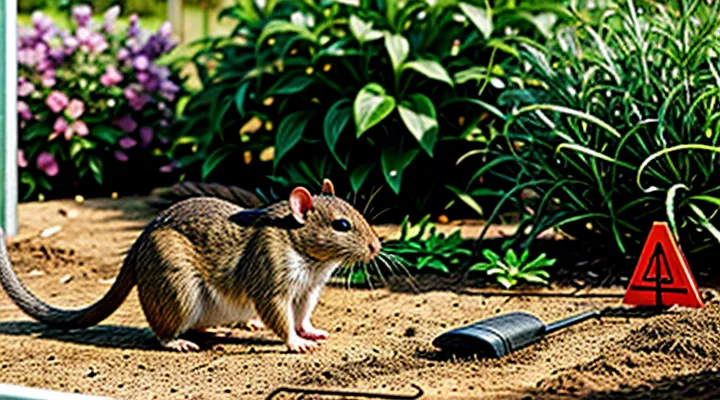
Understanding Ground Rats in Your Garden
Identifying Ground Rats
Physical Characteristics
Ground rats that frequent garden beds are medium‑sized rodents, typically measuring 15–25 cm in body length with an additional 8–12 cm tail. Their weight ranges from 120 g to 300 g, depending on species and seasonal condition.
Key physical traits include:
- Fur coloration: dorsal coat varies from brown‑gray to reddish‑brown, providing camouflage among soil and leaf litter; ventral side is lighter, often creamy or whitish.
- Tail: relatively short, cylindrical, and sparsely haired; the tip may be darker than the base.
- Ears: small, rounded, and covered with fine hair, lying close to the skull to reduce heat loss.
- Feet: robust hind limbs with sharp, clawed toes for digging; forefeet are shorter, equipped with dexterous digits for handling food.
- Whiskers: long, stiff vibrissae extending forward and laterally, aiding navigation in low‑visibility burrows.
- Eyes: modestly sized, positioned on the sides of the head, granting a wide field of view but limited depth perception.
These characteristics enable efficient burrowing, nocturnal foraging, and rapid escape from predators, contributing to their success in cultivated environments.
Behavior Patterns
Ground rats exhibit distinct activity cycles that align with temperature and daylight. They emerge at dusk, forage throughout the night, and retreat to burrows before sunrise. Movement is rapid, with short bursts of speed followed by pauses to assess predator presence.
Typical behavior patterns include:
- Nocturnal foraging – consumption of seedlings, roots, and fallen fruit.
- Burrow construction – extensive tunnel networks up to 2 m deep, reinforced with packed soil.
- Territorial marking – deposition of urine and feces at tunnel entrances and along pathways.
- Social interaction – brief gatherings for mating and juvenile care, then immediate dispersal.
- Escape response – rapid retreat into burrows when exposed to sudden light or vibrations.
Understanding these habits assists in identifying activity zones, timing control interventions, and interpreting visual evidence captured in garden photography.
Recognizing Signs of Infestation
Damage to Plants and Property
Ground‑dwelling rats commonly infiltrate vegetable beds, ornamental borders, and fruiting shrubs. Their burrowing activity loosens soil structure, exposing roots and reducing water retention. Continuous gnawing severs stems, removes foliage, and creates entry points for fungal pathogens, leading to stunted growth, wilting, and loss of yield.
Typical damage includes:
- Severed stems and broken shoots caused by chewing.
- Defoliation of leaves and flower buds.
- Root exposure and destruction from tunnel networks.
- Increased susceptibility to disease due to wounds.
- Consumption of seeds, bulbs, and tubers, directly reducing harvest.
Beyond horticultural loss, rats compromise garden infrastructure. Burrows undermine paving stones, walkways, and raised beds, creating uneven surfaces and potential tripping hazards. Their nesting material—dry vegetation, mulch, and debris—accumulates against garden walls, promoting moisture retention and rot. In severe cases, extensive tunnel systems destabilize retaining structures and irrigation lines, leading to costly repairs.
Burrow Entrances and Tunnels
Burrow entrances created by garden-dwelling rodents are typically 2–4 cm in diameter, circular, and lined with loose soil that collapses easily when disturbed. Entrance shafts slope downward at a shallow angle, often converging into a network of tunnels that extend 1–3 m beneath the surface. Tunnels are reinforced with packed earth and may contain side chambers used for nesting, food storage, or waste disposal.
Visible indicators of active burrows include fresh soil mounds, chewed plant roots, and faint trails of loose soil leading away from the entrance. In humid conditions, tunnels retain moisture, creating damp patches on the lawn surface. Rodent activity may also be inferred from gnaw marks on garden tools or the presence of shredded vegetation near the openings.
Control measures focus on disrupting the burrow system and preventing re‑establishment:
- Fill entrances with tightly packed soil or sand, then tamp firmly to collapse the shaft.
- Apply a layer of coarse mulch or gravel over the area to deter digging.
- Install physical barriers such as hardware cloth (½‑inch mesh) beneath planting beds, securing edges with garden staples.
- Use bait stations or traps positioned near active entrances, following local regulations for humane placement.
- Rotate garden plots annually, relocating susceptible plants to break the scent trail that guides rodents to established tunnels.
Droppings and Tracks
Droppings left by ground rats are typically 0.5–0.8 cm long, dark brown to black, and have a distinct, irregular shape with pointed ends. Fresh pellets are moist and may emit a faint, musky odor; older droppings become dry, crumbly, and may be found in clusters near burrow entrances, feeding stations, or along garden pathways. Presence of droppings indicates active foraging and can help locate high‑traffic zones for targeted control.
Tracks provide complementary evidence. Ground rats leave four‑toed footprints about 8 mm wide, often visible in soft soil, mulch, or damp sand. The pads are rounded, and the stride length averages 5–7 cm. Tracks are usually found in linear patterns connecting food sources to shelter, and they may be accompanied by shallow, crescent‑shaped scrape marks from grooming or nest building.
Key identification points:
- Droppings: 0.5–0.8 cm, dark, irregular, clustered near activity sites.
- Fresh pellets: moist, faint odor; old pellets: dry, crumbly.
- Footprints: four toes, ~8 mm wide, rounded pads, 5–7 cm stride.
- Track pattern: straight or slightly curved lines linking food to burrow.
- Associated signs: shallow scrape marks, disturbed mulch, gnaw marks on plant stems.
Recognizing these signs enables precise placement of bait stations, traps, and habitat‑modification measures, reducing the need for widespread pesticide application and focusing effort on confirmed activity zones.
Auditory Cues
Ground rats produce distinct sounds that can be heard even when visual evidence is scarce. The most common auditory signals include high‑pitched squeaks emitted during territorial disputes, rapid chattering when a colony is disturbed, and soft rustling as individuals move through dense vegetation. These noises often intensify at dusk and dawn, coinciding with peak activity periods.
Detecting these sounds allows early identification of infestations. Gardeners should listen for:
- Repetitive, sharp squeaks lasting less than a second, usually spaced a few seconds apart.
- Continuous, low‑volume chattering that escalates when a predator or human presence is nearby.
- Persistent rustling under leaf litter or mulch, especially when the soil surface is disturbed.
Auditory monitoring can complement visual inspections. Handheld ultrasonic detectors tuned to 20–30 kHz capture the higher‑frequency components of rodent vocalizations, providing objective data on population density. Recording devices placed near suspected burrow entrances can log activity patterns over several nights, revealing peak foraging times.
Control measures that exploit sound include:
- Acoustic deterrents that emit irregular, high‑frequency pulses mimicking predator calls; rodents typically vacate the area within minutes of exposure.
- Playback of conspecific distress calls, which trigger avoidance behavior and reduce foraging in treated zones.
- Timed noise bursts synchronized with dusk activity, disrupting mating and territorial communication.
When deploying acoustic devices, ensure coverage of the entire garden perimeter and adjust volume to avoid habituation. Regularly rotate frequencies and sound patterns to maintain effectiveness. Combining auditory surveillance with physical barriers and habitat modification yields the most reliable reduction in ground rat presence.
Effective Control Measures
Non-Lethal Approaches
Garden Modifications
Ground rats thrive in dense ground cover, loose soil, and unprotected garden edges. Altering the physical environment removes shelter and food sources, making the area inhospitable.
- Install raised beds with at least 15 cm of clean, well‑drained soil; compacted surfaces discourage burrowing.
- Replace thick straw mulch with coarse bark or stone mulch that limits concealment.
- Surround planting zones with buried hardware cloth or metal flashing extending 30 cm below ground level to block entry.
- Trim low‑lying vegetation and maintain a 30‑cm clearance around pathways and fence lines.
- Improve drainage by grading slopes away from structures and installing perforated pipe where water accumulates.
These modifications reduce the likelihood of infestation, complement visual monitoring, and support integrated control strategies without reliance on chemical interventions.
Natural Deterrents
Ground rats frequently exploit garden habitats because of abundant cover and easy access to food residues. Effective natural deterrents focus on altering the environment to make it inhospitable, disrupting sensory cues, and introducing biological competitors.
- Strong aromatic plants such as mint, rosemary, and lavender release volatile oils that repel rodents. Plant these herbs along perimeter borders and near vegetable beds.
- Capsaicin‑based sprays, prepared from hot peppers, cause irritation when ingested or contacted. Apply diluted solution to mulch, fence bases, and entry points.
- Predator scent products containing fox, coyote, or owl urine mimic the presence of natural enemies. Distribute sachets or spray extracts around likely pathways.
- Rough, sharp mulch materials like pine needles, crushed shells, or coarse bark hinder burrowing and create uncomfortable footing.
- Companion animals, particularly trained feral‑cat colonies or barn owls attracted by nesting boxes, exert continuous predation pressure.
Physical modifications complement chemical deterrents. Install low, solid fencing buried at least 12 cm underground to block tunneling. Seal cracks in garden walls and remove debris that offers shelter. Regularly harvest fallen fruit and secure compost in sealed containers to eliminate food sources.
Encouraging native insectivorous birds and small mammals through habitat enhancement—such as birdhouses, hedgerows, and rock piles—creates a balanced ecosystem where ground rats face competition for resources and increased predation risk. Consistent application of these natural measures reduces rodent activity without resorting to synthetic poisons.
Trapping and Relocation
Effective trapping of garden-dwelling rodents requires a systematic approach. Select traps designed for ground rats, such as snap, live-catch, or multi-catch devices. Snap traps deliver immediate mortality; live-catch traps enable relocation. Use bait that appeals to omnivorous rodents—peanut butter, dried fruit, or grain mixtures. Position traps along established runways, near burrow entrances, or adjacent to vegetable rows. Set traps at dusk, check them early each morning, and reset promptly.
When opting for relocation, follow these guidelines:
- Relocate captured individuals at least 2 kilometers from the original site to prevent re‑entry.
- Choose release locations lacking food sources and shelter, such as open fields or forest edges.
- Release animals during cooler periods to reduce stress.
- Record release coordinates for future reference.
Legal considerations vary by jurisdiction; verify local wildlife regulations before moving any animal. If relocation is prohibited, dispose of carcasses in sealed containers and place them in designated waste facilities.
Post‑relocation monitoring should include:
- Inspection of original trap sites for new activity.
- Installation of additional traps if signs reappear.
- Evaluation of garden damage levels to assess control efficacy.
Lethal Control Methods
Baits and Poisons
Baits and poisons constitute the primary chemical strategy for reducing garden‑dwelling rodents. Effective products combine an attractant with a toxicant, ensuring consumption by target animals while minimizing exposure to non‑target species.
Common bait categories include:
- Anticoagulant pellets (e.g., bromadiolone, difenacoum) – disrupt blood clotting, cause fatal hemorrhage after several days of ingestion.
- Metal phosphide blocks (e.g., zinc phosphide) – release phosphine gas in the stomach, producing rapid lethal effects.
- Acute neurotoxic powders (e.g., strychnine) – induce swift paralysis; restricted in many jurisdictions due to high risk to wildlife.
Selection criteria focus on rodent species, level of infestation, and environmental constraints. Anticoagulants are preferred for moderate infestations because of delayed action, which reduces bait shyness. Metal phosphides suit high‑density populations where rapid knock‑down is required. Acute poisons are reserved for emergency situations and must comply with local pesticide regulations.
Application guidelines:
- Place baits in tamper‑resistant stations positioned along established runways, near burrow entrances, and at the periphery of vegetable beds.
- Maintain a minimum distance of 3 m from edible plants, water sources, and pet activity zones.
- Replenish stations only after visual confirmation of consumption; avoid over‑stocking to limit secondary poisoning.
- Record placement dates, bait type, and observed mortality to evaluate efficacy and adjust dosage.
Safety measures demand protective gloves, eye protection, and proper storage in locked containers. Dispose of unused bait and dead rodents according to hazardous waste protocols to prevent secondary exposure.
Regulatory compliance varies by region; many authorities require licensed applicators for anticoagulant and phosphide products. Verify label instructions, maximum application rates, and pre‑harvest intervals before deployment.
When integrated with habitat modification and trapping, baits and poisons provide a reliable component of an overall rodent management plan for garden environments.
Trapping for Extermination
Effective trapping eliminates ground rats from garden areas while minimizing non‑target impacts. Choose traps that match the size and behavior of the target species. Snap traps, live‑capture cages, and multi‑capture box traps are the most reliable options.
- Snap traps: steel jaws, immediate kill, suitable for single‑capture zones.
- Live‑capture cages: wire mesh enclosure, release after humane dispatch.
- Multi‑capture box traps: hinged door, holds several rodents, reduces handling frequency.
Place traps along established runways, near burrow entrances, and along fence lines where rats travel. Set traps low to the ground, with the trigger mechanism flush against the soil to prevent avoidance. Bait with high‑protein items such as peanut butter, dried fish, or fresh fruit; refresh bait daily to maintain attractiveness.
Check traps at least twice daily. Remove captured rats promptly to prevent scent buildup that deters further activity. For live‑capture devices, euthanize according to local regulations before disposal. Clean and reset traps after each check to maintain effectiveness.
Integrate trapping with complementary measures: seal entry points, eliminate food sources, and manage vegetation that provides cover. Consistent trap monitoring combined with habitat modification yields rapid population decline and protects the garden from further damage.
Professional Pest Control
When to Call an Expert
Garden rat infestations can quickly exceed the capacity of DIY methods. Professional assistance becomes necessary when the situation meets any of the following criteria.
- Damage extends beyond superficial burrows, affecting plant roots, irrigation lines, or structural elements such as fences and sheds.
- Population density is high, indicated by multiple active tunnels, frequent sightings, and abundant droppings throughout the garden area.
- Control measures applied by the homeowner have failed to reduce activity after at least two treatment cycles spanning several weeks.
- The infestation occurs near food storage zones, children’s play areas, or pet habitats, raising health and safety concerns.
- Local regulations restrict the use of certain rodenticides or traps, requiring licensed application and disposal procedures.
Contact a certified pest‑management professional when any of these conditions are present. Experts can conduct precise identification, implement integrated pest‑management strategies, and ensure compliance with environmental and safety standards. Prompt intervention prevents further crop loss, protects surrounding ecosystems, and reduces the risk of disease transmission.
What to Expect from Professionals
Professional pest‑control teams begin with a thorough site inspection. Technicians locate burrow entrances, assess soil conditions, and identify activity patterns to confirm the presence of underground rodents. They document findings with photographs and measurements, providing a clear baseline for treatment.
The service plan includes:
- Targeted bait placement or trapping calibrated to the species and infestation level.
- Application of rodent‑specific rodenticides following label instructions and safety protocols.
- Soil and plant protection measures to prevent collateral damage.
- A written schedule outlining treatment dates, expected progress, and any required homeowner actions.
After the initial intervention, professionals schedule follow‑up visits to verify efficacy, adjust tactics if necessary, and issue a final report. Guarantees typically cover a defined period during which re‑infestation is monitored and remedial actions are provided at no extra cost. Clients receive a detailed invoice, safety data sheets for all chemicals used, and recommendations for habitat modification to reduce future risks.
Prevention and Long-Term Management
Maintaining a Rat-Resistant Garden
Sanitation Practices
Effective sanitation is a cornerstone of any strategy to limit rodent activity in cultivated outdoor spaces. Removing food sources, shelter, and water reduces the attractiveness of the area for ground-dwelling rats and diminishes the likelihood of infestation.
Regular removal of fallen fruit, vegetable debris, and compost that is not properly contained eliminates abundant nourishment. Store harvested produce in sealed containers and promptly clean up spillage from feeding stations. Keep garden beds free of decaying plant matter, as it provides both food and nesting material.
Maintain clean pathways and work areas by sweeping away leaf litter, mulch, and soil clods that could conceal burrows. Trim low vegetation and prune dense ground cover to increase exposure to predators and limit concealment opportunities.
Control moisture levels to discourage rats from seeking water. Fix leaky irrigation lines, drain standing water from puddles and birdbaths, and avoid overwatering plant beds. Ensure that drainage systems function correctly and direct runoff away from the garden perimeter.
Implement a disciplined waste management routine. Use rat-resistant trash cans with tight-fitting lids, empty them regularly, and store them away from garden borders. Compost bins should be constructed of sturdy material, have secure covers, and be turned frequently to prevent buildup of heat and odor.
A concise sanitation checklist can guide daily and weekly tasks:
- Collect and dispose of fallen fruit, vegetable scraps, and dead plant material.
- Store all harvested produce in airtight containers.
- Sweep pathways, remove leaf litter, and thin mulch layers.
- Trim ground-level foliage and maintain open sightlines.
- Repair irrigation leaks and eliminate standing water.
- Use sealed waste containers and relocate them from garden edges.
- Secure compost piles with tight-fitting lids and turn them regularly.
Consistent application of these practices creates an environment that is inhospitable to ground rats, supporting broader control measures such as trapping and habitat modification.
Securing Food Sources
Securing food sources is a primary step in preventing garden rats from establishing a foothold. Eliminating readily available nourishment reduces the attraction radius and limits population growth.
Key actions include:
- Prompt removal of fallen fruit, vegetables, and seed pods; collect debris daily.
- Store harvested produce in sealed containers or a locked shed; avoid open bins.
- Maintain compost piles with a tight-fitting lid; turn material regularly to accelerate decomposition and discourage burrowing.
- Install rat‑proof barriers around bird feeders and pet food stations; use metal or heavy‑duty plastic trays with secure lids.
- Keep mulch, straw, and leaf litter thin; spread material no deeper than 2 inches to expose the soil surface.
Additional measures reinforce food security:
- Rotate garden beds each season to disrupt foraging patterns.
- Use motion‑activated lights or ultrasonic devices near high‑risk zones.
- Apply non‑toxic repellent granules around the perimeter of storage areas.
Implementing these practices creates an environment where rats find no reliable sustenance, thereby reducing the likelihood of infestation and supporting overall garden health.
Sealing Entry Points
Sealing entry points prevents ground rats from accessing garden beds, compost piles, and storage sheds. Identify all openings larger than a quarter‑inch, including gaps around pipes, vents, foundation cracks, and damaged foundation blocks. Close each gap with durable, rodent‑proof materials before the rats can exploit them.
Effective sealing methods:
- Insert steel‑wool or copper mesh into small holes, then apply expanding polyurethane foam to lock the filler in place.
- Fit hardware cloth (¼‑inch mesh) over larger openings, fastening it with stainless‑steel screws or rivets.
- Use concrete or mortared brick to fill cracks in foundations, walkways, and retaining walls.
- Apply silicone or acrylic caulk around window frames, door thresholds, and utility penetrations.
- Install self‑closing doors on utility chutes and access panels, ensuring a tight seal when not in use.
After sealing, inspect the perimeter weekly for new damage caused by weather, digging, or animal activity. Prompt repair maintains an impenetrable barrier, reducing the likelihood of rat colonisation and supporting long‑term garden health.
Monitoring and Early Detection
Effective monitoring of garden-dwelling rats begins with systematic observation. Walk the planting beds each morning and each evening, noting any new disturbances in soil, mulch, or compost. Record the location, date, and weather conditions in a simple log; consistent data enables pattern recognition and timely response.
Visible indicators of early activity include:
- Small, fresh burrow entrances, typically 2–3 cm wide, with loose soil at the rim.
- Fine, pellet‑shaped droppings near plant roots or under debris.
- Gnawed edges on seedlings, roots, or garden tools.
- Tracks in damp soil, especially near irrigation lines.
Early detection tools complement visual checks. Deploy motion‑activated cameras aimed at known entry points to capture nocturnal movement. Place non‑toxic bait stations equipped with tracking powder to reveal footprints without harming the animals. Use soil moisture probes to detect abnormal moisture loss that may indicate tunneling. Review collected evidence weekly; any confirmed sign should trigger immediate control measures to prevent population expansion.
Integrated Pest Management Strategies
Ground rats damage garden plants, contaminate soil, and compete with cultivated species. Effective management requires an integrated approach that combines preventive, monitoring, and intervention tactics.
Monitoring establishes the presence and activity level of rats. Use motion‑activated cameras, chew‑resistant traps, and grain‑based bait stations to record activity patterns. Record trap catches, droppings, and gnaw marks weekly to assess population trends.
Cultural practices reduce habitat suitability. Keep vegetation trimmed, remove debris, and store compost in sealed containers. Rotate crops seasonally to disrupt food sources. Install raised beds with smooth, impermeable borders to hinder burrowing.
Mechanical methods provide immediate reduction. Deploy snap traps or live‑catch cages along established runways, positioning them perpendicular to travel paths. Place snap traps at a 45‑degree angle to the ground for optimal strike. Check and reset devices daily.
Biological control exploits natural predators. Encourage barn owls, hawks, and snakes by installing perches and nesting boxes. Apply nematodes (e.g., Steinernema spp.) to moist soil zones where juvenile rats may reside; nematodes infect and kill larvae.
Chemical options serve as a last resort. Apply rodenticides in tamper‑proof bait stations, selecting products with low secondary toxicity. Follow label instructions, rotate active ingredients, and monitor for non‑target impacts.
Integrated pest management combines these elements into a coordinated program:
- Conduct weekly monitoring and adjust tactics based on activity data.
- Implement cultural sanitation to eliminate shelter and food.
- Deploy mechanical traps strategically along high‑traffic routes.
- Foster predator presence through habitat enhancement.
- Apply rodenticides only when population thresholds exceed economic injury levels, and rotate chemicals to prevent resistance.
Regular evaluation of each component ensures that control measures remain effective while minimizing environmental disruption.