
Understanding Ground Rats
Identifying Ground Rats
Physical Characteristics
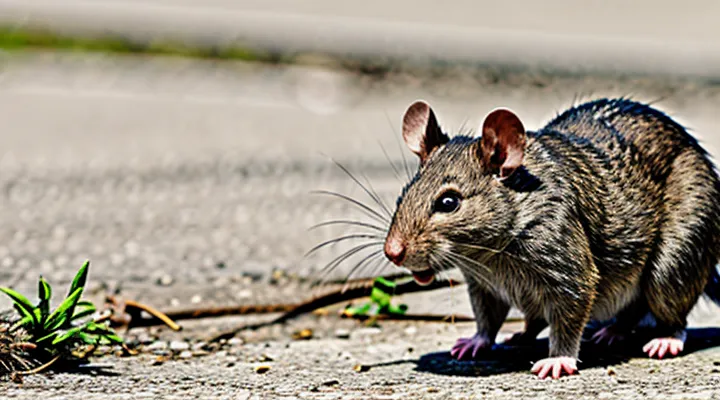
Ground rats, commonly identified as Norway (Rattus norvegicus) and roof (Rattus rattus) species, exhibit a set of physical traits that directly influence control tactics. Adult individuals range from 20 to 30 cm in body length, with tails adding an additional 15 to 25 cm. Body mass typically falls between 150 g and 300 g, though well‑fed specimens may exceed 400 g.
Key morphological features include:
- Fur coloration: Norway rats display coarse brown to black dorsal fur and lighter ventral patches; roof rats possess finer gray‑brown coats with a more pronounced contrast between dorsal and ventral surfaces.
- Head and snout: Broad skull with a blunt, robust snout; incisors continuously grow and are oriented forward, enabling efficient gnawing of hard materials.
- Tail: Scaly, hairless, and proportionally long; provides balance for climbing and rapid movement through burrows.
- Limbs: Strong forelimbs equipped with dexterous paws; hind limbs support swift sprinting and leaping.
- Sensory organs: Large, forward‑facing ears and prominent whiskers (vibrissae) enhance auditory and tactile perception, essential for navigating low‑light environments.
These characteristics affect bait placement, trap design, and habitat modification. For instance, the robust incisors require baits that can withstand gnawing, while the tail length and climbing ability necessitate traps positioned both on the ground and at elevated points. Understanding the species’ size range informs the selection of trap sizes that ensure effective capture without injury to non‑target wildlife.
Common Habitats
Ground rats thrive in environments that provide shelter, food, and easy access to water. Understanding these settings is essential for implementing effective control measures.
Typical habitats include:
- Urban sewer systems and drainage pipes, where darkness and moisture create ideal nesting sites.
- Residential basements and crawl spaces, especially in structures with gaps around utility lines.
- Commercial kitchens and food‑service areas, where waste accumulates and cleaning may be inconsistent.
- Outdoor refuse piles, compost heaps, and dumpsters that offer abundant food sources.
- Agricultural fields and grain storage facilities, where crops and stored produce attract foraging activity.
- Vacant lots and abandoned buildings, providing undisturbed shelter and limited human presence.
These locations share common characteristics: proximity to food waste, availability of hiding places, and conditions that limit exposure to predators. Control programs that target entry points, improve sanitation, and reduce available food will reduce population density in each of these habitats.
Signs of Infestation
Droppings and Urine
Rat feces and urine present the primary health hazards in any rodent‑infestation program. Droppings contain pathogens such as Leptospira, Salmonella, and Hantavirus, while urine can aerosolize viruses and trigger allergic reactions. Both substances contaminate food, surfaces, and ventilation systems, creating immediate risks for humans and livestock.
Effective mitigation requires systematic identification, safe removal, and preventive measures:
- Conduct visual inspections in concealed areas, focusing on corners, behind appliances, and along walls where deposits accumulate.
- Use disposable gloves, N‑95 respirators, and sealed bags to collect droppings; avoid sweeping or vacuuming dry material to prevent aerosolization.
- Apply a 10 % bleach solution or EPA‑registered disinfectant to all contaminated surfaces; maintain contact time of at least five minutes.
- Install sealed waste containers and establish routine cleaning schedules to eliminate residual traces.
- Integrate exclusion techniques—seal entry points, repair structural gaps, and employ trapping devices—to reduce future deposits.
Monitoring droppings density and urine stains provides a quantitative indicator of infestation severity and the efficacy of control actions. Regular documentation and prompt response to elevated levels sustain a low‑risk environment.
Burrows and Tunnels
Burrow systems provide ground rats with shelter, breeding sites, and routes for foraging. Effective management targets the structure, accessibility, and environmental conditions of these underground networks.
Identifying active burrows relies on visible signs such as fresh soil mounds, gnaw marks, and scent trails. Infrared cameras and ground‑penetrating radar can locate concealed tunnels when surface evidence is limited.
Control measures focus on disruption and exclusion:
- Seal entry points with metal flashing, concrete, or heavy‑duty mesh; ensure a minimum overlap of 2 inches to prevent re‑excavation.
- Fill abandoned tunnels with expanding foam or sand‑cement mix, compacting material to eliminate voids.
- Install one‑way gates at strategic locations to allow rats to exit but block re‑entry.
- Apply rodenticide or bait stations at tunnel junctions, positioning them where rats naturally travel.
- Conduct regular soil disturbance, such as shallow plowing, to collapse shallow burrows and deter new construction.
Habitat modification reduces the incentive for burrow creation. Remove dense vegetation, mulch, and debris within a 10‑foot radius of structures; maintain a clear perimeter to discourage digging. Provide alternative, hardened pathways for wildlife to limit rat movement toward human habitats.
Monitoring should include monthly inspections of known burrow clusters, documentation of seal integrity, and adjustments to bait placement based on activity patterns. Consistent evaluation ensures that burrow control remains effective and that rat populations cannot reestablish underground strongholds.
Gnaw Marks
Gnaw marks are the primary physical evidence of ground rat activity. Their size, depth, and location reveal the species, population density, and preferred pathways. Identifying these marks enables targeted intervention before damage escalates.
Typical characteristics include:
- Oval or round holes 2‑5 mm in diameter, often with smooth, clean edges.
- Parallel or intersecting grooves on wooden beams, plastic pipes, or insulation.
- Fresh, light‑colored cuts on soft materials versus darker, weathered edges on hardened surfaces.
Analysis of gnaw patterns informs control decisions:
- Species inference – Larger, deeper bites suggest Norway rats; shallower, more numerous marks indicate roof rats.
- Activity hotspots – Concentrations near food storage, burrow entrances, or structural joints pinpoint high‑traffic zones.
- Population estimate – Repeated gnawing on the same element over weeks signals a stable colony; sporadic marks suggest transient individuals.
Effective management integrates gnaw‑mark assessment with proven control techniques:
- Seal identified entry points using metal flashing or concrete to disrupt established routes.
- Deploy bait stations and traps within a 10‑meter radius of the most heavily marked zones.
- Replace compromised materials promptly to eliminate shelter and reduce reinforcement of rat pathways.
Regular monitoring of gnaw marks, combined with systematic remediation, reduces infestation levels and prevents structural damage.
Prevention Strategies
Habitat Modification
Removing Food Sources
Eliminating food availability directly reduces ground rat populations by denying the primary driver of their reproductive success. Secure storage of grains, pet food, and compost prevents accidental access. Use sealed containers, metal bins, or reinforced plastic boxes with tight-fitting lids. Position storage units away from building foundations and elevate them if possible.
Maintain a clean environment around structures. Remove fallen fruit, discarded vegetables, and animal carcasses promptly. Install waste bins with secure lids and empty them regularly. Sweep patios, walkways, and yard edges to eliminate crumbs and seed remnants.
Control outdoor feeding sources. Disable bird feeders that spill seed, or place them on platforms with catch trays. Trim low-hanging branches that provide easy access to roofs and eaves where rats can forage. Replace mulch with coarse rock or gravel in areas where rats may hide while searching for food.
Implement routine inspections. Record locations where food residues accumulate and apply corrective measures immediately. Consistent enforcement of these practices sustains low food availability, thereby supporting long‑term rat population suppression.
Eliminating Shelter
Eliminating shelter deprives ground rats of the protection needed for nesting, resting, and evading predators, directly reducing population stability. Removing or altering potential hideouts forces rats into exposed areas where traps and baits become more effective.
- Clear discarded materials, woodpiles, and compost heaps that provide cover.
- Trim low vegetation and grass to eliminate dense growth near foundations.
- Seal gaps, cracks, and utility openings larger than ¼ inch with metal flashing or concrete.
- Elevate stored feed and waste containers on sturdy platforms with tight‑fitting lids.
- Install hard‑scaping features such as gravel pathways to discourage burrowing.
Implementation begins with a site survey to identify all shelter sources, followed by systematic removal or modification according to the list above. Each step should be documented, and any newly created gaps must be sealed immediately to prevent re‑entry.
After modifications, conduct regular inspections—weekly for the first month, then monthly—to verify that shelter removal remains intact and to address any re‑emerging hideouts promptly. Continuous vigilance sustains the reduction achieved by eliminating shelter.
Sealing Entry Points
Sealing entry points eliminates the primary pathways that ground rats use to access buildings. Blocking these routes removes the opportunity for infestations to establish and spread.
Typical openings include foundation cracks, gaps around utility lines, vent openings, door sweeps, and poorly fitted window frames. Each aperture can accommodate a rodent as small as a quarter‑inch in diameter, making comprehensive coverage essential.
Inspection begins with a visual sweep of the building envelope, followed by a focused review of high‑risk zones. Use a flashlight to reveal hidden cracks, insert a thin probe to detect concealed gaps, and document all findings before remediation.
Materials and application methods:
- Steel wool combined with expanding foam for irregular cracks.
- Cement‑based mortar for larger foundation fissures.
- Metal flashing or stainless‑steel mesh over vent openings.
- Door sweeps and weatherstripping for movable barriers.
- Silicone sealant on small gaps around pipe penetrations.
After sealing, schedule quarterly reviews to verify integrity. Repair any damage caused by weather, settlement, or animal activity promptly. Maintaining a sealed perimeter sustains the effectiveness of broader rodent control measures.
Exclusion Techniques
Fencing and Barriers
Fencing and barriers form a practical line of defense against ground‑dwelling rats, preventing entry into gardens, farms, and storage areas. Durable materials such as galvanized steel, heavy‑gauge mesh, or reinforced concrete create physical obstacles that rodents cannot easily breach. Properly installed barriers reduce the need for chemical controls and limit population growth by restricting access to food and shelter.
- Material selection: choose mesh with openings no larger than 6 mm; prefer corrosion‑resistant steel for long‑term exposure. Concrete walls should be at least 30 cm thick and extend at least 20 cm below ground level to block burrowing.
- Design features: incorporate a lip or overhang at the top edge to deter climbing; embed the lower edge in compacted soil or concrete footings to stop digging.
- Installation steps: clear vegetation along the fence line; excavate a trench 15–20 cm deep; lay the barrier, secure joints with clamps or welding; backfill and compact soil to eliminate gaps.
- Maintenance routine: inspect weekly for damage, corrosion, or vegetation growth; repair tears promptly; clear debris that could provide leverage for gnawing.
Integrating fences with complementary tactics—such as habitat modification, bait stations positioned away from the barrier, and regular monitoring—enhances overall efficacy. Consistent application of these measures yields measurable reductions in rat activity and protects assets without reliance on extensive pesticide programs.
Building Maintenance
Effective building maintenance is integral to reliable ground‑rodent management. Regular inspection of foundations, crawl spaces, and utility penetrations identifies gaps that permit entry. Prompt sealing of cracks, installation of metal flashing, and replacement of deteriorated sealants eliminate primary access points.
Routine cleaning schedules reduce attractants. Removing food residues, storing waste in sealed containers, and maintaining clear zones around building exteriors deter foraging activity. Moisture control prevents conditions that favor rodent nesting; fixing leaks, installing proper drainage, and ensuring ventilation in damp areas are essential steps.
A structured maintenance program should include:
- Monthly visual checks of exterior walls, doors, and windows for signs of damage.
- Quarterly assessment of underground utilities, including pipe sleeves and conduit seals.
- Bi‑annual verification of roof overhangs, soffits, and eaves for intact protective barriers.
- Immediate repair of identified deficiencies, documented with timestamps and responsible personnel.
Integrating these practices with pest‑monitoring data creates a feedback loop that refines preventive measures. When maintenance records align with reduced rodent activity, the facility demonstrates sustained control efficacy.
Control Methods
Trapping
Live Traps
Live traps offer a direct, humane solution for reducing ground‑rat populations. They capture individuals without killing, allowing relocation or euthanasia in accordance with local regulations. This approach eliminates the risks associated with poison and prevents secondary poisoning of non‑target species.
Effective live trapping depends on three factors: trap design, placement strategy, and monitoring routine.
-
Design: Choose traps constructed of sturdy wire mesh or heavy‑gauge plastic, equipped with a sensitive trigger mechanism that activates with minimal pressure. Size should accommodate adult rats (approximately 250–300 mm body length) while preventing escape.
-
Placement: Position traps along established runways, near burrow entrances, or adjacent to food sources. Bait with high‑protein items such as peanut butter, dried fish, or boiled eggs to attract wary individuals. Set traps at ground level, ensuring the trigger plate aligns with the rat’s natural gait.
-
Monitoring: Check traps at least twice daily to reduce stress and prevent mortality. Remove captured rats promptly, record date, location, and condition, then reset the trap with fresh bait. Maintain a log to identify activity patterns and adjust trap density accordingly.
When relocating captured rats, transport them at least 2 km from the original site to avoid re‑infestation. If relocation is prohibited, follow humane euthanasia guidelines prescribed by veterinary authorities. Regularly inspect and clean traps to prevent disease transmission and maintain trigger sensitivity.
Integrating live traps with complementary measures—such as habitat modification, exclusion of entry points, and sanitation—enhances overall control efficacy. Consistent application of these proven tactics yields measurable declines in ground‑rat activity while preserving ecological balance.
Snap Traps
Snap traps provide rapid, reliable reduction of ground‑dwelling rat populations. Their mechanical action delivers immediate mortality, eliminating the need for chemical residues and reducing secondary poisoning risks.
The device consists of a spring‑loaded bar that snaps shut when a rat applies pressure to a trigger plate. The force generated exceeds 50 lb, sufficient to fracture the cervical spine or crush the thoracic cavity, ensuring a humane kill when properly set.
Effective models feature a sturdy base, a concealed trigger mechanism to prevent accidental activation, and a reusable spring. Choose traps constructed from rust‑resistant steel and equipped with a removable snap‑bar for easy cleaning.
Placement guidelines:
- Position traps along established runways, typically within 2 inches of walls or fences.
- Set traps at ground level, aligning the trigger plate with the rat’s natural path.
- Deploy in clusters of 3–5 traps per 100 sq ft to increase encounter probability.
- Avoid locations with high foot traffic or domestic animal access.
Bait recommendations:
- Fresh peanut butter, applied sparingly to the trigger plate.
- Small pieces of dried fruit, such as apple or apricot.
- Commercial rodent attractants formulated for snap traps.
Safety measures include wearing thick gloves during setup, securing traps in inaccessible areas when not in use, and checking traps daily to remove captured animals. Prompt disposal of carcasses prevents disease spread; place deceased rats in sealed bags and discard according to local wildlife regulations.
Regular maintenance extends trap lifespan: inspect springs for fatigue, replace corroded components, and clean the base with a mild detergent after each catch. Re‑bait traps before each deployment cycle to maintain attractiveness.
Integrating snap traps with habitat modification—removing food sources, sealing entry points, and managing vegetation—enhances overall rat control efficacy. Snap traps act as a frontline tool, delivering immediate population suppression while complementary measures sustain long‑term results.
Bait Selection
Effective rodent management relies on selecting baits that match the biology and behavior of ground rats while minimizing risks to non‑target wildlife. The following factors determine the suitability of a bait:
- Active ingredient – Choose anticoagulants (e.g., brodifacoum, bromadiolone) for high‑mortality scenarios, or acute toxins (e.g., zinc phosphide) when rapid knock‑down is required. Match the toxicant’s mode of action to local resistance patterns.
- Palatability – Incorporate grains, peanuts, or meat‑based attractants that reflect the rats’ natural diet. Flavor enhancers such as molasses or fish oil increase acceptance in arid or cold climates.
- Form factor – Block baits provide longer exposure periods; granules disperse quickly but may be more susceptible to wind or rain. Select a formulation compatible with the intended placement method.
- Durability – Ensure the bait remains intact under the expected temperature range and humidity. Waterproof coatings or gelatin shells protect the active ingredient from degradation.
- Non‑target protection – Use tamper‑resistant stations or bait matrices that deter birds and larger mammals. Opt for low‑density baits when the presence of domestic animals is likely.
- Regulatory compliance – Verify that the chosen product is registered for ground rat control in the jurisdiction and that label instructions for dosage and placement are strictly followed.
Proper bait selection integrates these criteria into a cohesive plan. Begin with a field assessment to identify rat activity hotspots, then match the bait’s characteristics to those conditions. Deploy baits at a density of 1–2 units per 100 m², spacing them 3–5 m apart to ensure overlapping foraging zones. Monitor bait consumption weekly, adjusting the formulation if uptake declines. This systematic approach maximizes efficacy while safeguarding the surrounding ecosystem.
Trap Placement
Effective rodent management relies on precise trap placement. Position devices where rats travel, feed, or shelter to maximize capture rates.
Select locations based on observable activity: along walls, near food storage, adjacent to burrow entrances, and within established runways. Place traps flush against surfaces to prevent avoidance. Ensure each device is stable and inaccessible to non‑target species.
- Spacing: place traps 2–3 m apart in low‑density areas; reduce to 0.5–1 m in heavy infestations. Overlap coverage zones to eliminate gaps.
- Density: increase trap count proportionally to signs of activity (droppings, gnaw marks, sightings).
- Alignment: orient spring‑loaded or snap traps perpendicular to the expected travel direction; for multi‑capture models, align the trigger plate with the runway.
Choose bait that matches local diet preferences; secure bait to prevent removal. Replace bait daily to maintain attractiveness and prevent spoilage.
Adjust placement seasonally: in colder months, focus on indoor structures and heated zones; during warm periods, expand to exterior walls, vegetation edges, and drainage areas where moisture attracts foraging.
Inspect traps at least once per day. Record capture numbers, trap condition, and location changes. Remove captured rats promptly, disinfect devices, and reposition any ineffective units. Maintain documentation to track trends and refine placement strategy over time.
Baits and Rodenticides
Types of Rodenticides
Rodenticide selection is a critical component of effective ground rat management. Understanding the chemical classes, mode of action, and practical considerations enables practitioners to apply the most appropriate product while minimizing non‑target exposure and resistance development.
First‑generation anticoagulants, such as warfarin, diphacinone, and chlorophacinone, inhibit vitamin K recycling, leading to fatal hemorrhage after multiple feedings. Their relatively low potency makes them suitable for low‑density infestations but limits efficacy where resistance is established.
Second‑generation anticoagulants, including brodifacoum, difethialone, and bromadiolone, possess higher potency and require a single lethal dose. They remain effective against many resistant populations but present increased secondary‑poisoning risk, necessitating strict bait placement and monitoring.
Bromethalin acts as a neurotoxin by disrupting mitochondrial oxidative phosphorylation, causing rapid paralysis and death after a single ingestion. It is effective against anticoagulant‑resistant rats and offers a distinct mode of action, reducing cross‑resistance potential.
Zinc phosphide releases phosphine gas in the acidic stomach environment, producing acute respiratory failure. It is valued for its rapid action and low residual toxicity, though it demands careful handling to prevent accidental exposure.
Cholecalciferol (vitamin D₃) induces hypercalcemia, leading to kidney failure and cardiac arrest. Its gradual onset reduces bait shyness, and its specific physiological pathway provides an alternative when other classes fail.
Key considerations for each class
- Target specificity: Choose formulations that limit access by wildlife and domestic animals.
- Resistance management: Rotate between chemical classes to delay resistance buildup.
- Regulatory compliance: Verify local approval status and adhere to label instructions.
- Environmental conditions: Assess bait stability under temperature and moisture extremes.
- Safety protocols: Implement personal protective equipment and secure bait stations.
Selecting the appropriate rodenticide type, aligned with infestation severity, resistance patterns, and safety constraints, optimizes control outcomes and supports sustainable rat management programs.
Safety Precautions
Effective rodent management on the ground demands strict adherence to safety protocols. Personnel must wear appropriate personal protective equipment (PPE) before any operation. This includes chemical‑resistant gloves, eye protection, respirators rated for the specific agents used, and sturdy footwear with slip‑resistant soles.
All toxic substances should be stored in clearly labeled, sealed containers away from heat sources. Application instructions must be followed precisely; dosage limits, exposure times, and ventilation requirements are non‑negotiable. When using bait stations, ensure they are placed out of reach of children, pets, and non‑target wildlife.
Traps and mechanical devices require regular inspection. Verify that spring mechanisms are intact, release triggers are functional, and disposal chambers are emptied promptly. Replace damaged components immediately to prevent accidental release of stored energy.
Training is mandatory for every team member. Courses must cover hazard identification, correct handling techniques, emergency response, and proper documentation of incidents. Refresher sessions should occur at least annually.
In case of accidental exposure, follow these steps:
- Remove contaminated clothing and seal it for disposal.
- Rinse affected skin with copious amounts of water for a minimum of 15 minutes.
- Seek medical evaluation, providing details of the chemical and exposure duration.
- Report the incident to the safety officer and record it in the incident log.
Routine equipment maintenance reduces the likelihood of malfunction. Clean all tools after each use, inspect seals on containers, and calibrate dispensing devices according to manufacturer specifications. Keep a stocked inventory of spill‑control kits, fire extinguishers suitable for chemical fires, and first‑aid supplies at each worksite.
Application Methods
Effective control of ground‑dwelling rats depends on precise application of proven techniques. Successful implementation requires adherence to specific procedures for each method, ensuring maximum impact while minimizing non‑target exposure.
- Bait distribution – Place rodenticide blocks or pellets directly in active runways, burrow entrances, and feeding zones. Use low‑profile dispensers to protect bait from weather and scavengers. Replenish every 3–5 days until activity ceases.
- Live‑capture trapping – Deploy snap or cage traps at intervals of 10–15 feet along established pathways. Set traps in the evening, check at dawn, and record captures to assess population trends. Release non‑target species immediately.
- Habitat modification – Remove debris, excess vegetation, and food sources within a 20‑foot radius of structures. Compact soil around burrow openings to discourage re‑excavation. Install physical barriers such as metal flashing around building foundations.
- Biological agents – Introduce predatory insects or nematodes into soil pockets where burrows are dense. Apply according to manufacturer dosage, ensuring even coverage throughout the targeted area.
- Chemical soil treatment – Inject rodenticide granules into burrow tunnels using a hand‑held applicator. Follow label‑specified concentration, typically 0.5 g m‑2, and seal entry points after application to force rodents to encounter the treated zones.
Timing aligns with peak activity periods, generally late evening to early morning. Use calibrated equipment to maintain consistent dosage. Record all applications, including location coordinates and product batch numbers, to facilitate regulatory compliance and post‑treatment evaluation. Continuous monitoring for reinfestation should commence within 48 hours and persist for at least two weeks, adjusting tactics as necessary based on observed activity levels.
Natural Predators
Encouraging Owls and Hawks
Encouraging resident owls and hawks enhances natural predation pressure on ground-dwelling rodents. Installing perches, nesting boxes, and roosting platforms creates suitable habitats, increasing raptor presence in agricultural and urban fringe areas. Placement should consider line‑of‑sight to open fields and proximity to rodent activity zones, typically within 200 m of target sites.
Key management actions include:
- Installing wooden or metal pole perches 12–15 ft high, oriented toward fields.
- Providing cavity nesting boxes with entrance holes sized 4–5 in for owls and 5–6 in for hawks, mounted on trees or poles at 10–20 ft elevation.
- Maintaining open corridors of low vegetation to facilitate flight and hunting.
- Minimizing pesticide use that can reduce prey availability and impair raptor health.
- Conducting regular inspections to ensure structures remain intact and free of debris.
Monitoring raptor activity through motion‑activated cameras or scheduled counts quantifies predation impact. Data typically show a 15–30 % reduction in rodent sightings where raptor habitats are established, supporting integration of avian predators into broader rodent management programs.
Use of Domestic Animals
Domestic animals provide a practical component of integrated rodent management. Cats, especially breeds with strong hunting instincts, reduce outdoor rat populations by direct predation. Regular exposure to outdoor environments maintains their hunting drive, while controlled feeding prevents reliance on supplemental food sources that could diminish predatory behavior.
Dogs trained for scent detection locate burrows and nests, enabling targeted trap placement or bait application. Breeds with high olfactory acuity, such as spaniels, excel in this role. Training protocols involve scent‑association exercises and controlled field trials to verify detection accuracy.
Ferrets, small carnivores with agility in tight spaces, access burrow systems that larger predators cannot reach. Their use requires confinement to prevent escape and veterinary supervision to manage health risks. Successful deployments report rapid decline in active rat sightings within confined areas.
Poultry, notably chickens and ducks, forage for young rats and disrupt nesting activities. Maintaining a secure coop with predator‑proof fencing allows continuous foraging without endangering the birds. Egg production remains unaffected when adequate feed supplements are provided.
Key considerations for employing domestic animals include:
- Legal restrictions on feral cat ownership and wildlife protection regulations.
- Health monitoring to prevent zoonotic disease transmission.
- Compatibility with existing pest‑control methods such as snap traps, bait stations, and habitat modification.
- Seasonal adjustments; predatory activity peaks during cooler months when rats seek shelter.
When integrated with environmental management—removing food sources, sealing entry points, and reducing shelter availability—domestic animal predation amplifies overall effectiveness, achieving sustained reduction of rat activity across residential and agricultural settings.
Professional Extermination
When to Call an Expert
Professional assessment becomes essential when standard preventive measures fail to reduce ground rat activity. Persistent burrowing near foundations, repeated sightings despite traps, or damage to irrigation systems signals that the infestation has exceeded the capacity of DIY interventions.
Key indicators that merit expert involvement include:
- Population density that triggers measurable loss of vegetation or soil stability.
- Evidence of disease vectors, such as fleas or ticks, associated with rodent presence.
- Structural compromise, including gnawed wiring, weakened concrete, or compromised drainage.
- Legal or regulatory requirements, for example, compliance with agricultural or wildlife protection statutes.
Engaging a certified pest‑control specialist ensures accurate identification of species, appropriate use of rodenticides, and implementation of integrated management plans that minimize environmental impact while eliminating the problem. Immediate consultation prevents escalation, reduces economic loss, and safeguards human health.
Integrated Pest Management (IPM) Approaches
Integrated Pest Management (IPM) for ground‑rat populations combines observation, prevention, and targeted action to achieve sustainable suppression while minimizing non‑target impacts.
Effective IPM begins with systematic monitoring. Traps, motion‑activated cameras, and burrow surveys provide quantitative data on activity patterns, population density, and habitat use. Records enable threshold‑based decisions, ensuring interventions occur only when infestations exceed acceptable levels.
Cultural and mechanical tactics reduce habitat suitability. Practices include:
- Removing food sources such as spilled grain, compost, and discarded waste.
- Maintaining clean, debris‑free perimeters around structures.
- Installing physical barriers like metal flashing or concrete curbing to block entry points.
- Employing snap or live traps positioned along runways and near burrow entrances.
Biological controls exploit natural enemies. Predatory birds (e.g., owls, hawks) and feral cats can be encouraged through nesting platforms and habitat enhancement. In some regions, venomous snakes or predatory mammals are introduced under controlled conditions to increase predation pressure.
Chemical measures serve as a last resort, applied selectively to avoid resistance buildup and environmental contamination. Preferred options are:
- Anticoagulant baits placed in tamper‑proof stations, calibrated to target only active rats.
- Rodenticides with rapid degradation profiles, rotated annually to prevent habituation.
Integration of these components follows a decision‑support framework. Data from monitoring inform the selection and timing of tactics; cultural practices lower baseline populations; mechanical and biological methods provide immediate reduction; chemicals address residual hotspots. Continuous evaluation adjusts the program, maintaining efficacy while adhering to regulatory and ecological standards.
Post-Control Measures
Sanitation and Cleanup
Disposing of Carcasses
Effective management of ground rat populations requires prompt and safe disposal of dead rodents to prevent disease spread, attractants for survivors, and environmental contamination.
Carcass handling must comply with local health regulations and incorporate biosecurity measures. The following procedures are recommended:
- Immediate removal: Collect each carcass within two hours of discovery using disposable gloves and sealed containers.
- Segregation: Separate carcasses from other waste; place them in labeled, leak‑proof bags to avoid cross‑contamination.
- Disinfection: Apply a registered disinfectant to the exterior of containers before transport.
- Transport: Move sealed bags to an authorized disposal site using a dedicated vehicle that is cleaned after each load.
- Final disposal: Utilize one of the approved methods:
- Incineration: Burn carcasses at temperatures exceeding 850 °C for a minimum of 30 minutes.
- Deep burial: Dig pits at least 1.5 m deep, line with impermeable material, and cover with compacted soil.
- Rendering: Send to a licensed rendering facility that converts tissue into safe by‑products.
Documentation of each step—date, location, personnel, disposal method—must be recorded in a logbook and retained for audit purposes. Regular training of field staff reinforces compliance and reduces the risk of accidental exposure.
By integrating these disposal protocols into a comprehensive rat control program, operators minimize health hazards, limit reinfestation, and maintain ecological integrity.
Disinfecting Infested Areas
Effective rodent management requires thorough sanitation of contaminated zones. Prior to disinfection, remove debris, food residues, and nesting material to expose surfaces. Use a vacuum equipped with a HEPA filter or a broom to collect loose waste, then dispose of it in sealed containers.
Select a disinfectant proven against pathogens carried by rats, such as a 10 % bleach solution, quaternary ammonium compounds, or accelerated hydrogen peroxide. Apply the agent according to the manufacturer’s concentration and contact time specifications. Ensure complete coverage of floors, walls, shelving, and equipment using a low‑pressure sprayer or fogger for hard‑to‑reach areas.
Implement safety measures: wear gloves, goggles, and respiratory protection; ventilate the space during and after application; and post clear signage indicating the treated zone. After the required dwell period, rinse surfaces with clean water if the disinfectant is not food‑grade, then dry thoroughly to prevent moisture‑related mold growth.
Maintain a record of each disinfection event, noting date, product, concentration, volume applied, and personnel involved. Conduct follow‑up inspections to confirm the absence of residual odor, staining, or re‑contamination. Repeat the process whenever new rodent activity is detected or after major cleaning cycles.
Monitoring for Reinfestation
Regular Inspections
Regular inspections form the backbone of any effective ground‑rat management program. They provide early detection of activity, verify the performance of traps and bait stations, and identify new entry points before infestations expand.
A systematic inspection routine should include the following elements:
- Frequency: Conduct visual checks weekly during peak activity periods and bi‑weekly when populations are low.
- Coverage: Examine all potential habitats, such as burrow entrances, runways, food storage areas, and building foundations.
- Indicators: Look for fresh droppings, gnaw marks, burrow debris, and audible sounds of movement.
- Device assessment: Confirm that traps are set correctly, bait is fresh, and devices are free of damage or tampering.
- Record keeping: Log date, location, observed signs, and corrective actions taken; maintain records for trend analysis.
- Follow‑up: Implement immediate remedial measures—repair structural gaps, adjust trap placement, or replenish bait—based on inspection findings.
Consistent documentation enables quantitative evaluation of control efficacy. Trends in detection rates guide adjustments to baiting schedules, trap density, and habitat modification efforts. Integrating regular inspections with other proven control tactics ensures a coordinated response that reduces rat populations while minimizing chemical reliance.
Early Detection Signs
Early detection of ground rat activity relies on observable indicators that appear before populations reach damaging levels. Recognizing these signs enables swift intervention and reduces the need for extensive control measures.
Typical early signs include:
- Fresh burrow entrances, usually 2–4 cm wide, with smooth, untouched soil at the lip.
- Small piles of excavated soil (soil casts) near the entrance, often dry and crumbly.
- Fresh droppings, light brown to black, measuring 0.5–1 cm in length, found on pathways, near food sources, or on building foundations.
- Gnaw marks on wooden structures, plastic containers, or insulation, identifiable by clean, parallel cuts.
- Presence of fresh tracks in sand, mulch, or dust, showing clear paw prints with distinct heel pads.
- Occasional sightings of live individuals, especially at dusk when ground rats forage.
Monitoring protocols should incorporate systematic inspection of these indicators. Inspectors should:
- Survey potential habitats weekly, focusing on low-lying vegetation, irrigation edges, and storage areas.
- Record burrow dimensions, soil cast volume, and droppings count using standardized forms.
- Set up motion‑activated cameras or infrared sensors at high‑traffic points to confirm activity.
- Conduct trace analysis by sprinkling a thin layer of flour or powdered charcoal on suspected pathways; fresh tracks will appear as darkened lines.
Prompt response to any of the listed signs—such as sealing burrow openings, applying targeted bait stations, or deploying physical barriers—prevents escalation and safeguards property integrity.