
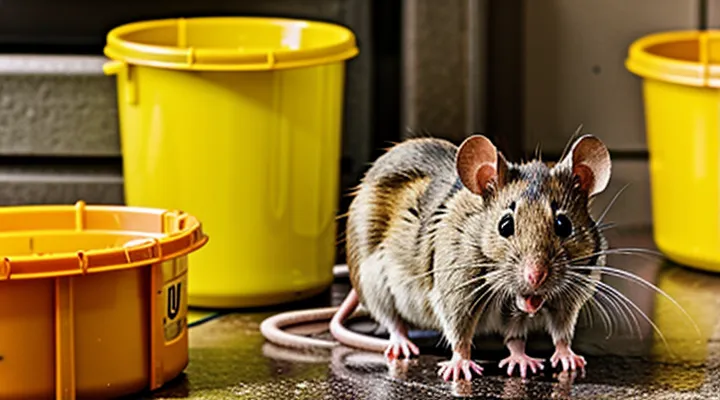
Understanding Glue Traps
What Are Glue Traps?
A glue trap is a flat platform coated with a strong, non‑drying adhesive designed to immobilize rodents upon contact. The adhesive remains tacky for weeks, allowing the trap to capture multiple animals without losing effectiveness.
The device typically consists of a thin cardboard or plastic base, a clear protective film, and a layer of viscous glue. The protective film is removed before placement, exposing the sticky surface. When a mouse or rat steps onto the trap, the adhesive adheres to its paws and fur, preventing escape.
Key characteristics:
- Passive operation: No bait or electricity required; capture occurs solely through contact.
- Compact size: Dimensions range from 6 × 6 cm for small‑rodent models to 15 × 15 cm for larger species.
- Visibility: Transparent backing permits easy observation of captured pests.
- Multi‑capture capacity: A single unit can retain several individuals before replacement is needed.
Advantages include low cost, ease of deployment, and suitability for tight spaces such as wall voids and under appliances. Limitations involve potential humane concerns, risk of non‑target captures, and the necessity for careful disposal to avoid injury.
Proper handling mandates wearing disposable gloves, positioning traps along established rodent pathways, and securing them away from children and pets. After a capture, the trap should be placed in a sealed container before disposal according to local regulations.
How Glue Traps Work
Adhesive traps consist of a flat base coated with a non‑drying, tacky polymer that remains sticky for weeks. The surface is typically sealed in a cardboard or plastic housing to protect the adhesive until deployment.
Rodents encounter the trap because it is positioned along established pathways, near food sources, or close to nesting sites. Commercial versions often incorporate scented lures—such as grain, peanut butter, or synthetic pheromones—to increase the likelihood of contact.
When a mouse or rat steps onto the sticky layer, the adhesive bonds to the animal’s paws and fur. The bond prevents locomotion, causing the creature to remain immobilized. Over time, lack of movement leads to exhaustion, dehydration, and eventual death.
Key factors that affect trap performance:
- Size of the adhesive panel relative to the target species
- Placement at low‑traffic points, typically against walls or behind objects
- Environmental conditions; extreme heat or moisture can degrade stickiness
- Absence of competing food sources that might divert attention
Proper handling requires gloved removal of captured rodents, disposal in sealed containers, and replacement of the trap to maintain continuous coverage.
Advantages and Disadvantages of Using Glue Traps
Benefits of Glue Traps
Adhesive traps offer several practical advantages in rodent control. Their design captures mice and rats instantly, eliminating the need for delayed-acting poisons. Because they contain no toxic chemicals, they pose minimal risk to non‑target wildlife and reduce the possibility of secondary poisoning. The traps are compact and can be placed in concealed locations, allowing discreet deployment in kitchens, basements, or storage areas. Their low purchase price and single‑use nature make them cost‑effective compared to reusable mechanical devices. Disposal is straightforward: once a pest is caught, the trap can be sealed in a plastic bag and removed from the premises, ensuring hygienic handling without additional cleaning agents. Finally, the absence of bait eliminates attraction of insects or other animals that might be drawn to food‑based lures.
Key benefits:
- Immediate immobilization of the rodent
- No chemical residues or poisons
- Minimal impact on non‑target species
- Economical per‑unit cost
- Simple, hygienic disposal procedure
- Discreet placement options
Drawbacks and Ethical Considerations
Adhesive traps designed for rodent control present several practical disadvantages. Their non‑selective nature captures not only target mice and rats but also non‑target species such as birds, reptiles, and beneficial insects. Captured animals remain immobilized for extended periods, leading to prolonged distress and potential secondary injuries. Disposal requires careful handling to avoid accidental contact with the adhesive surface, increasing labor and risk for personnel. The traps generate persistent residue that can damage flooring, furniture, and other surfaces, necessitating additional cleaning measures. Regulatory frameworks in many jurisdictions restrict or prohibit the use of such devices, imposing compliance obligations on users.
Ethical analysis highlights concerns regarding animal welfare. Prolonged suffering contradicts humane pest‑management principles that prioritize rapid, painless elimination. The inability to verify species identity before capture raises the risk of unintended harm to protected wildlife. Alternatives such as snap traps, electronic devices, or integrated pest‑management strategies offer more humane outcomes and reduce collateral damage. Decision‑making should incorporate cost‑benefit evaluation, legal requirements, and respect for ethical standards that minimize unnecessary animal distress.
Proper Placement and Setup
Identifying Problem Areas
Identifying problem areas is the first step in deploying adhesive capture devices for rodents. Observation of droppings, gnaw marks, and nesting material reveals activity hotspots. Trail markings on walls or baseboards indicate regular travel routes. Entry points such as gaps around pipes, vents, and doors often concentrate movement. Locations where food is stored or waste accumulates attract foraging behavior and should be inspected closely.
Effective assessment follows a systematic approach:
- Inspect corners, behind appliances, and under furniture for signs of infestation.
- Examine attic spaces, crawl spaces, and basement corners where darkness and shelter are available.
- Check exterior foundations, garage walls, and utility penetrations for potential ingress.
- Monitor areas near pet food bowls, garbage containers, and compost bins for heightened activity.
Documenting each identified zone enables strategic placement of adhesive traps, maximizes capture rates, and reduces unnecessary exposure of non‑target species. Regular re‑evaluation ensures that new problem areas are addressed promptly.
Preparing the Glue Traps
Preparing adhesive rodent traps requires a systematic approach to ensure effectiveness and safety.
Before handling, clean the intended placement area with a dry cloth to remove dust, grease, or debris that could reduce adhesive performance.
Wear disposable nitrile gloves to protect skin from the sticky surface and to prevent contaminating the trap with oils from the hands.
Unwrap the trap carefully, avoiding contact with the adhesive side. If the trap is folded for packaging, unfold it on a flat, stable surface and allow the adhesive to settle for a few minutes.
Secure the trap to the chosen location using the built‑in anchoring tabs or by applying a small amount of non‑toxic adhesive to the back. Ensure the trap lies flat, without wrinkles or air bubbles, which could create escape routes for the pest.
Position traps along established rodent pathways, such as walls, behind appliances, or near entry points. Place each trap perpendicular to the wall, with the adhesive surface facing outward, to maximize contact when the animal traverses the route.
Label each trap with the deployment date and intended inspection interval. This practice facilitates timely monitoring and replacement.
After the monitoring period, remove traps using gloves, place them in a sealed, puncture‑proof container, and dispose of them according to local hazardous waste regulations.
Maintain an inventory of unused traps in a cool, dry environment, away from direct sunlight, to preserve adhesive integrity for future use.
Strategic Placement Techniques
Near Walls and Runways
Placement of adhesive traps should focus on structural features that rodents routinely use for movement and shelter. Walls provide a continuous vertical surface that rodents follow to avoid open spaces. Position traps directly against the baseboard, within 2–3 cm of the wall, where the animal’s tail or foot is likely to contact the adhesive surface. Ensure the trap’s adhesive side faces outward, away from the wall, to maximize contact.
Runways, such as narrow gaps beneath cabinets, along pipe lines, or beneath door thresholds, serve as preferred travel routes. Install traps at the midpoint of each runway, securing them firmly to prevent displacement. If the runway is longer than 30 cm, place additional traps at 15 cm intervals to maintain coverage.
Key considerations for effective deployment near walls and runways:
- Align the trap edge with the wall or runway edge to intersect the rodent’s path.
- Use non‑slip tape or adhesive backing to keep the trap flat and stable.
- Remove clutter and food sources that could divert traffic away from the trap line.
- Inspect traps daily; replace saturated or damaged units promptly.
By concentrating adhesive devices along these structural corridors, the likelihood of intercepting mice and rats increases, resulting in more reliable control outcomes.
Away from Children and Pets
Adhesive rodent traps present a significant poisoning risk if they are accessible to children or domestic animals. Placement must occur in locations unreachable by non‑target species, such as behind appliances, inside wall voids, or within sealed chambers. All traps should be installed after confirming that no child‑sized or pet‑sized objects can be inadvertently contacted.
Key precautions:
- Store unused traps in a locked container, away from play areas and food storage.
- Secure each trap with a protective cover that can only be removed by an adult.
- Inspect the surrounding area regularly; remove any displaced traps immediately.
- Use physical barriers, such as pet gates or child‑proof latches, to restrict access to treated zones.
- Label the area with a warning sign that conforms to safety regulations, using durable, tamper‑resistant signage.
If a trap is accidentally disturbed by a child or pet, isolate the device with gloves, place it in a sealed plastic bag, and dispose of it according to local hazardous‑waste guidelines. Continuous monitoring and strict adherence to these measures eliminate unintended exposure while maintaining effective rodent control.
Effective Use and Monitoring
Checking Traps Regularly
Regular inspection of adhesive rodent traps prevents prolonged exposure of captured animals to the glue, reduces odor buildup, and ensures continued effectiveness.
Inspection should occur at least once every 12 hours while traps are active. During colder months, when rodent activity slows, a 24‑hour interval may suffice; however, any sign of a captured pest warrants immediate attention.
Key steps for each inspection:
- Locate each trap promptly after the scheduled interval.
- Examine the surface for any trapped mouse or rat; note the species and condition.
- Record the date and time of capture in a log for monitoring infestation trends.
- Remove the trap if an animal is present, dispose of it according to local regulations, and replace it with a fresh unit.
Safety measures include wearing disposable gloves when handling traps, avoiding direct skin contact with the adhesive, and keeping traps out of reach of children and non‑target wildlife.
Consistent monitoring maintains trap performance, limits secondary issues, and supports an overall integrated pest‑management strategy.
Handling Captured Pests
Safe Disposal of Traps
When a glue trap has captured a rodent, handle the device with disposable gloves to prevent direct contact with adhesive and bodily fluids. Place the trap in a sealable plastic bag, expel excess air, and tie the closure securely. Dispose of the sealed bag in a regular waste container that is collected by municipal services; do not place it in recycling streams.
Follow these steps for safe disposal:
- Wear protective gloves before touching the trap.
- Transfer the trap to a heavy‑duty polyethylene bag.
- Remove as much excess glue as possible by folding the bag and pressing the trap against the interior surface.
- Seal the bag tightly to contain any residual adhesive.
- Place the sealed bag in a trash bin designated for non‑recyclable waste.
- Wash hands thoroughly after removing gloves.
Check local regulations for any specific requirements regarding the disposal of pest‑control devices. Some jurisdictions mandate that adhesive traps be delivered to hazardous‑waste facilities. If such a rule applies, transport the sealed bag to the appropriate collection point rather than the general trash.
After disposal, clean the surrounding area with a disinfectant solution to eliminate any stray adhesive residue. Ensure the cleaning agent is compatible with the surface material to avoid damage.
By adhering to these procedures, the risk of accidental exposure or environmental contamination is minimized.
Preventing Re-infestation
Adhesive traps are effective only when the environment is managed to eliminate future rodent activity. Seal all exterior openings larger than a quarter‑inch, including cracks around doors, windows, utility penetrations and foundation gaps. Install weather‑stripping on doors and screens to block entry points.
Maintain a clean interior by storing food in sealed containers, promptly cleaning crumbs, and disposing of waste in tightly closed bins. Eliminate water sources by fixing leaks, wiping up spills, and using covered pet‑water dishes.
Reduce shelter opportunities by trimming vegetation, removing debris, and storing firewood away from walls. Regularly inspect attics, basements and crawl spaces for signs of nesting material and address any moisture problems.
Implement a monitoring routine: check traps weekly, replace them when baited or damaged, and record capture locations. Persistent hotspots indicate unresolved access points that require additional sealing.
Consider complementary control methods such as snap traps or electronic devices in high‑risk zones, but ensure they are positioned away from non‑target species. Integrating these practices with proper trap placement creates a comprehensive barrier that minimizes the likelihood of a renewed rodent infestation.
When to Remove or Replace Traps
Timing for removing or replacing adhesive rodent catchers determines effectiveness and safety.
Check each device at least once daily. If a mouse or rat is caught, remove the trap immediately to prevent prolonged suffering and to avoid contaminating the surrounding area with urine or feces.
Replace a trap in the following situations:
- The adhesive surface is visibly dirty, dusty, or saturated with fluids.
- The trap has been set for more than 48 hours without a capture, indicating loss of stickiness.
- The trap shows signs of wear, such as torn backing or detached edges.
Dispose of used traps according to local regulations for pest‑control waste. Store spare traps in a cool, dry place to preserve adhesive quality until needed.
Regular inspection and timely replacement maintain control efficacy and reduce health risks.
Safety and Humane Considerations
Minimizing Suffering
When deploying adhesive devices for rodent control, the primary objective should be to limit pain and distress. Position traps along established pathways, away from food sources and nesting areas, to reduce the likelihood of non‑target captures. Select models with a smooth, non‑sticky surface that releases only upon contact, preventing prolonged struggle.
After placement, inspect traps at regular intervals—no longer than thirty minutes after anticipated capture. Immediate removal of trapped animals prevents dehydration and prolonged exposure to the adhesive. Use thick gloves to avoid direct contact, then place the animal in a sealed container with a soft absorbent material.
Disposal procedures must prioritize humane treatment:
- Place the animal in a freezer for at least two hours to induce unconsciousness.
- Transfer to a sealed bag and discard according to local regulations.
- Clean and replace the trap surface before reuse.
Consider alternative control methods when feasible. Snap devices, live‑catch cages, or exclusion techniques eliminate the need for adhesive surfaces altogether, further reducing potential suffering. Regular sanitation and sealing of entry points diminish the overall rodent population, decreasing reliance on lethal traps.
Alternatives to Glue Traps
Other Pest Control Methods
Adhesive traps for rodents are one component of an integrated pest‑management strategy. Complementary methods reduce reliance on glue devices and address infestations at different stages.
- Snap traps: Mechanical devices that deliver a rapid kill, useful for immediate reduction of active populations.
- Live‑catch traps: Cages that capture without killing, allowing relocation or humane disposal in accordance with local regulations.
- Bait stations: Enclosed containers holding anticoagulant or non‑anticoagulant rodenticides, designed to limit exposure to non‑target species.
- Ultrasonic emitters: Electronic units that produce high‑frequency sound waves, intended to deter rodents from occupied spaces.
- Exclusion techniques: Sealing entry points, installing door sweeps, and repairing structural gaps to prevent ingress.
- Sanitation measures: Removing food sources, storing waste in sealed containers, and maintaining clutter‑free environments to reduce attraction.
Selecting an appropriate method depends on infestation severity, target species, occupancy constraints, and regulatory considerations. Combining mechanical or chemical controls with adhesive traps enhances overall effectiveness while minimizing the number of glue devices required. Continuous monitoring and periodic reassessment ensure that the chosen approach remains aligned with the evolving pest situation.
Prevention Strategies
Effective rodent control begins with measures that reduce the likelihood of infestation before adhesive devices are deployed. Sealing entry points eliminates access routes; caulking gaps around pipes, doors, and windows, and installing metal flashing on vents prevents rodents from entering structures. Maintaining a clean environment removes food sources; storing grain, pet food, and waste in sealed containers, and promptly cleaning spills discourages foraging. Reducing clutter creates fewer hiding places; disposing of cardboard boxes, piles of newspaper, and excess debris limits shelter opportunities. Monitoring activity informs strategic placement of adhesive devices; inspecting droppings, gnaw marks, and runways identifies high‑traffic zones where traps are most effective. Proper positioning of «glue traps» follows these guidelines: place devices along walls, behind appliances, and near identified pathways; attach traps to flat, dry surfaces to ensure adhesion; avoid locations with high humidity that diminish effectiveness. Rotating trap locations prevents rodents from learning avoidance patterns and maintains pressure on populations. Integrating alternative control methods, such as snap traps or ultrasonic repellents, complements adhesive devices and addresses resistant individuals. Regular inspection of traps, prompt disposal of captured rodents, and replacement of expired adhesive surfaces sustain efficacy and minimize health risks.
First Aid for Accidental Contact
When adhesive rodent traps cause skin contact, immediate action reduces injury risk and prevents toxic exposure.
- Remove the trap gently. Pull the adhesive surface away from the skin without tearing the skin.
- Rinse the affected area with lukewarm water for at least 30 seconds. Avoid hot water, which may increase irritation.
- Apply a mild, non‑oil‑based soap while rinsing to dissolve residual glue. Rinse thoroughly.
- Pat the skin dry with a clean towel. Do not rub, as friction can embed adhesive particles deeper.
- If adhesive remains, apply a small amount of mineral oil or medical‑grade silicone lubricant. Allow it to sit for 1–2 minutes, then wipe away with a soft cloth.
After decontamination, inspect the skin for signs of abrasion, redness, or allergic reaction. If any of the following occur, seek professional medical assistance:
- persistent pain or swelling,
- signs of infection such as pus or increasing warmth,
- difficulty breathing or widespread rash,
- exposure of large surface area to adhesive.
Store first‑aid supplies, including mineral oil, non‑oil soap, and sterile gauze, within easy reach of trap locations. Regularly review safety data sheets for the specific adhesive used to stay informed about potential hazards.
For repeated exposure incidents, consider revising trap placement, using protective gloves, or selecting alternative pest‑control methods to minimize risk.