
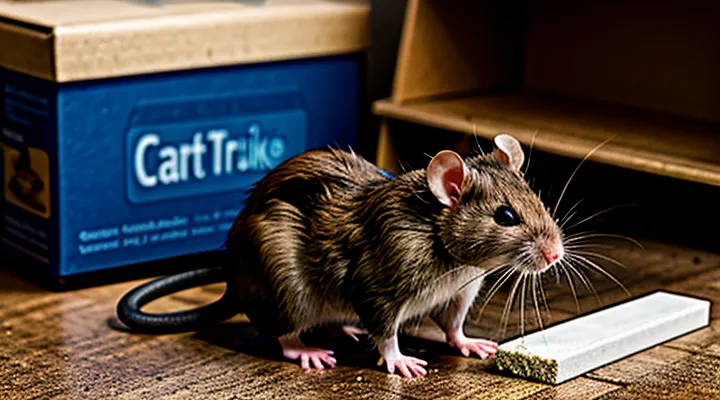
Understanding Glue Traps
What are Glue Traps?
Glue traps are flat devices coated with a high‑strength adhesive that immobilizes rodents upon contact. The adhesive layer is typically a synthetic polymer formulated to remain tacky over a wide temperature range, preventing the animal from escaping once it steps onto the surface. The traps are usually mounted on walls, ceilings, or in corners where rats travel, and they require no mechanical components or bait beyond the glue itself.
Key characteristics of glue traps include:
- Material: Polypropylene or polyester backing with a polymer‑based adhesive.
- Form factor: Square or rectangular sheets, often 4 × 4 inches to 12 × 12 inches.
- Placement: Fixed with nails, staples, or adhesive strips; positioned along established rodent pathways.
- Retention time: Adhesive retains effectiveness for several weeks, even under moderate humidity.
- Disposal: Traps are sealed in a plastic bag after capture to contain the carcass and prevent contamination.
Operationally, a rat steps onto the adhesive surface, its paws become stuck, and the animal cannot generate sufficient force to free itself. The immobilization leads to rapid exhaustion, dehydration, or suffocation, resulting in death within hours to a few days. This mechanism eliminates the need for poison, reduces secondary poisoning risk, and provides visual confirmation of capture.
How Glue Traps Work
Adhesive rodent traps consist of a rigid base coated with a viscous polymer resin that remains tacky at ambient temperatures. The resin is formulated to retain its stickiness when exposed to dust, moisture, and low‑level heat, ensuring consistent performance over several weeks.
When a rat encounters the trap, a combination of visual cues (color, shape) and optional scent attractants draws it onto the surface. The animal’s paws and tail contact the resin, which rapidly penetrates the fur and skin, creating a mechanical bond that prevents forward or backward movement. The trap does not rely on a lethal mechanism; immobilization occurs within seconds, and the animal remains restrained until removal.
Key design elements that affect function:
- Resin composition – high‑molecular‑weight polymers provide strength and elasticity.
- Surface area – larger adhesive zones increase capture probability.
- Base rigidity – a sturdy platform resists bending, preserving trap integrity.
- Placement guidelines – positioning along known runways maximizes encounter rates.
Effective use requires regular inspection, humane disposal of captured rodents, and replacement of the adhesive surface once contamination reduces tackiness. Proper handling minimizes secondary hazards and maintains the trap’s efficacy for ongoing control efforts.
Components of Glue Traps
Adhesive traps for rats consist of several distinct elements that together create an effective capture device.
- Adhesive matrix – a viscous, non‑drying polymer applied in a thin layer. It remains tacky under a wide temperature range and bonds instantly to the rodent’s fur or paws.
- Backing substrate – typically a rigid cardboard, plastic, or fiberboard sheet that supports the adhesive. The material must be strong enough to prevent tearing while allowing easy placement on surfaces.
- Attractant coating – a scent or flavor additive (e.g., peanut butter, cheese, or synthetic pheromones) applied over the adhesive to lure rats to the trap.
- Protective liner – a removable release paper or foil that shields the adhesive during storage and handling, preserving its potency until deployment.
- Encasement or frame – optional plastic or metal borders that contain the adhesive area, preventing accidental contact with non‑target species and facilitating cleanup.
- Labeling and instructions – printed information detailing usage guidelines, safety warnings, and disposal procedures, ensuring proper application and compliance with regulations.
Each component serves a specific function: the matrix provides the capture mechanism, the substrate supplies structural integrity, the attractant increases encounter probability, the liner maintains freshness, the encasement enhances safety, and the labeling guides correct operation. Together, they form a cohesive system for reliable rodent control.
Advantages of Using Glue for Rat Trapping
Glue traps offer a direct, humane solution for rat control. The adhesive surface immobilizes rodents instantly, eliminating the need for lethal chemicals or prolonged suffering. This method simplifies disposal; captured rats remain attached to the trap, allowing safe removal without additional tools.
Key advantages include:
- Immediate capture – Rats are trapped the moment they contact the glue, reducing escape risk.
- No poison exposure – Eliminates hazards to non‑target wildlife, pets, and humans.
- Ease of use – Placement requires only positioning the trap in high‑traffic areas; no bait preparation is necessary.
- Cost efficiency – Individual traps are inexpensive, and a small quantity can cover extensive infestations.
- Reduced contamination – Absence of chemical residues lowers the chance of contaminating food storage or surfaces.
- Compact storage – Traps occupy minimal space, facilitating discreet placement in concealed locations.
The adhesive approach also supports monitoring efforts. Traps can be inspected regularly to assess infestation levels, informing timely intervention. By providing rapid, low‑risk capture, glue traps constitute an effective component of integrated pest management strategies.
Disadvantages and Ethical Concerns
Humane Considerations
Adhesive traps marketed for rodent control raise specific ethical issues because they immobilize animals without immediate death, often causing prolonged distress. The design of the glue surface, the size of the baited area, and the enclosure’s material influence the severity of suffering. Manufacturers that claim humane performance must demonstrate rapid immobilization, minimal injury risk, and easy release mechanisms.
Key humane considerations include:
- Immediate immobilization without crushing or tearing of limbs;
- Prevention of secondary injuries such as dehydration, starvation, or exposure;
- Provision of a method for safe, non‑lethal removal of captured rats;
- Clear labeling of potential pain and instructions for humane disposal;
- Evaluation of alternative control methods that reduce reliance on glue, such as snap traps, live‑catch cages, or exclusion techniques.
Regulatory bodies and animal‑welfare organizations recommend limiting glue trap use to situations where no effective non‑lethal alternative exists, documenting each capture, and ensuring prompt humane euthanasia if release is impractical. Compliance with these standards reduces unnecessary suffering while maintaining effective rodent management.
Potential for Non-Target Catches
Adhesive traps designed for rodent control present a measurable risk of capturing unintended species. The glue surfaces do not discriminate between target rodents and other animals that encounter the bait or the trap placement.
- Small mammals such as shrews, voles, and field mice
- Domestic pets, particularly cats and small dogs
- Ground‑dwelling birds, including sparrows and pigeons
- Reptiles and amphibians that forage near the ground
- Human fingers or hands when handling traps without protective gloves
Risk levels increase when traps are positioned in areas of high wildlife activity, when bait attracts a broad diet, or when environmental moisture reduces the glue’s selectivity. Placement near food sources, water lines, or shelter sites elevates the probability of incidental capture.
Effective mitigation includes:
- Locating traps exclusively along known rat pathways, away from wildlife corridors.
- Using species‑specific attractants that are unattractive to non‑target fauna.
- Installing protective barriers, such as mesh covers, that allow rats to enter but prevent larger animals from contacting the adhesive surface.
- Conducting regular inspections to remove captured non‑target individuals promptly.
- Training personnel in safe handling procedures and the use of gloves to avoid human exposure.
Implementing these controls reduces unintended captures while maintaining the efficacy of adhesive rodent control methods.
Limitations in Efficacy
Adhesive traps designed for rodent control exhibit several inherent constraints that reduce their overall effectiveness. The primary issues stem from the physical properties of the glue, the behavior of the target species, and environmental factors that alter performance.
- Limited holding strength on wet or oily fur, causing escape after brief contact.
- Reduced adhesion in low‑temperature conditions, leading to slower immobilization.
- Susceptibility to contamination by dust, debris, or food residues, which diminishes tackiness.
- Inability to capture larger or more agile individuals that can avoid contact entirely.
- Short functional lifespan; glue dries or loses potency after exposure to air for a few days.
These factors collectively diminish capture rates, increase the likelihood of partial trapping, and may necessitate supplemental control measures to achieve reliable population reduction.
Types of Glue Used in Trapping
Formulations and Adhesiveness
Various chemical bases dominate rodent capture adhesives. Water‑soluble polymers, typically PVA or acrylic emulsions, provide rapid set‑up and low odor but lose strength when exposed to moisture. Solvent‑based resins, such as polyurethane or epoxy formulations, maintain high shear strength across humidity ranges and resist degradation. Silicone‑based gels supply extreme tack with minimal residue, suitable for sensitive environments. Natural‑origin options, including latex from Hevea brasiliensis or plant‑derived gums, offer biodegradability while delivering moderate adhesion.
Key formulation parameters influencing performance include:
- Polymer molecular weight, which governs viscosity and ultimate shear strength.
- Cross‑link density, affecting cure time and resistance to mechanical stress.
- Additives such as plasticizers, thickeners, or anti‑fungal agents, which modify tack and longevity.
- Solvent evaporation rate, determining the window for effective trap placement.
Adhesiveness is quantified through standardized tests. Shear strength measures the force required to slide a probe across the cured surface, expressed in kilopascals. Tack is assessed by a rapid contact‑release method, yielding a peak force reading. Peel resistance evaluates the energy needed to separate a flexible substrate from the adhesive layer, reported in newton‑meters per meter. Consistency across these metrics ensures reliable capture efficiency.
Practical implications for trapping devices include selecting a formulation that balances immediate tack with durability under variable temperature and humidity. High‑shear resins reduce premature release of captured rodents, while low‑odor water‑based gels minimize disturbance in occupied spaces. Proper storage—cool, airtight containers—preserves viscosity and prevents premature curing, extending shelf life and maintaining performance.
Toxicity Levels
The adhesive employed in rodent capture devices contains chemical constituents that vary in acute toxicity. Toxicity is measured primarily by oral LD₅₀ values in laboratory rodents, expressed in milligrams of substance per kilogram of body weight.
- Low toxicity: LD₅₀ > 2000 mg/kg. Typical components include water‑based polyvinyl acetate emulsions and non‑ionic silicone rubbers. These substances cause reversible skin irritation but produce no lethal effects at exposure levels encountered during normal trap use.
- Moderate toxicity: LD₅₀ = 500–2000 mg/kg. Formulations often incorporate solvent‑based acrylic polymers and certain phenolic resins. Ingestion can lead to gastrointestinal distress, vomiting, and temporary loss of coordination; mortality is uncommon unless large quantities are consumed.
- High toxicity: LD₅₀ < 500 mg/kg. Rare in commercially available traps but may appear in specialty adhesives containing organophosphate or heavy‑metal additives. Exposure can result in rapid onset of neurotoxic symptoms, respiratory failure, and a significant risk of death.
Regulatory guidelines classify adhesives with LD₅₀ < 200 mg/kg as hazardous for non‑target species, requiring labeling, child‑proof packaging, and restricted distribution. Manufacturers must disclose the exact composition and provide safety data sheets that outline first‑aid measures, including immediate decontamination of skin and, for ingestion, induction of emesis or administration of activated charcoal under medical supervision.
Durability and Environmental Factors
Durability of rat‑trap adhesive is determined by its ability to maintain tack and structural integrity over the product’s intended lifespan. Shelf life typically ranges from 12 to 24 months when stored in sealed containers at ambient temperature (15‑25 °C). Prolonged exposure to temperatures above 30 °C accelerates polymer degradation, reducing viscosity and weakening bond strength within weeks. Conversely, storage below 5 °C slows chemical reactions, preserving performance but increasing the risk of crystallisation, which can be remedied by gentle warming before use.
Environmental conditions directly influence adhesive effectiveness during deployment. Key factors include:
- Humidity: Relative humidity above 70 % introduces moisture into the glue matrix, diluting tack and creating a surface film that rats can avoid. Low humidity (30‑50 %) maintains optimal viscosity.
- Temperature fluctuations: Rapid shifts between hot and cold cycles cause expansion‑contraction of the adhesive layer, leading to cracking or flaking.
- Dust and debris: Accumulated particulate matter embeds in the glue, diminishing contact area and allowing rodents to slip away.
- Exposure to sunlight: UV radiation breaks down polymer chains, resulting in brittleness and loss of adhesion after several days of direct light.
- Chemical contaminants: Presence of oils, cleaning agents, or food residues interferes with the glue’s bonding mechanism, reducing capture rates.
Performance testing under controlled laboratory conditions confirms that adhesives meeting the following specifications retain ≥90 % of original tack after 30 days of continuous exposure to 25 °C, 50 % RH, and simulated dust load. Field data indicate that adherence declines sharply when any single factor exceeds its recommended threshold, emphasizing the need for proper storage and strategic placement of traps in environments that align with these parameters.
Proper Application Techniques
Placement Strategies
Effective deployment of adhesive rodent traps hinges on precise placement. Identify high‑traffic corridors, wall voids, and near food sources where rats habitually travel. Ensure surfaces are clean, dry, and free of debris before affixing the trap; moisture or dust reduces adhesive performance. Position traps perpendicular to the expected direction of movement, with the sticky side facing the anticipated path. Avoid locations exposed to direct sunlight or extreme temperatures, as heat can soften the adhesive and cold can harden it, compromising capture efficiency. Secure traps at a height of 6–12 inches above the floor, aligning with the typical gait of Norway and roof rats.
- Locate traps at junctions of walls, baseboards, and pipe runs.
- Place a trap every 10–15 ft in densely infested areas; increase density to 5 ft in severe infestations.
- Mount traps on flat, non‑porous surfaces (e.g., tile, metal, sealed wood).
- Use a thin layer of petroleum‑jelly remover on nearby surfaces to prevent accidental adhesion of non‑target objects.
- Replace traps promptly after capture or when adhesive loses tack.
These practices maximize contact probability while minimizing non‑target exposure and trap degradation.
Baits and Attractants
Baits and attractants are essential components of adhesive rodent control systems, providing the sensory stimulus that draws rats to the sticky surface. Their effectiveness determines capture rates and influences trap placement density.
Common bait categories include:
- Protein-rich foods: dried fish, meat scraps, canned cat food.
- Grain-based options: oats, wheat kernels, peanut butter.
- Synthetic lures: pheromone blends, commercial rodent attractant gels.
Attractants complement baits by emitting odors that activate the rat’s olfactory receptors. Typical forms are:
- Liquid formulations: applied to trap edges, evaporate slowly for prolonged diffusion.
- Solid pellets: placed near the adhesive area, release scent as they degrade.
- Powdered compounds: sprinkled on bait to enhance volatility.
Effectiveness assessment relies on:
- Palatability: measured by initial contact frequency within a defined observation period.
- Persistence: duration the lure maintains detectable odor under ambient conditions.
- Compatibility: absence of substances that reduce adhesive strength or cause trap deformation.
Selecting baits and attractants that align with the target rat population’s dietary preferences and environmental conditions maximizes capture efficiency for glue-based trapping solutions.
Safety Precautions
When using adhesive traps for rodents, personal protection is essential to prevent skin contact, inhalation of fumes, and accidental ingestion. Wear disposable nitrile gloves and ensure that hands are washed thoroughly after handling the product. Keep the adhesive material sealed until use, and avoid touching the sticky surface with bare skin.
Maintain a well‑ventilated workspace. Open windows or employ an exhaust fan to disperse any volatile compounds released from the glue. Do not use the product in confined areas such as closets or small rooms without adequate airflow.
Store the adhesive in its original container, away from direct sunlight, heat sources, and open flames. Place the container out of reach of children and pets, preferably in a locked cabinet. Label the storage area clearly with hazard warnings.
Dispose of used traps and empty containers according to local hazardous waste regulations. Do not place them in regular trash bins, as residual glue may pose a contamination risk.
Key safety steps
- Wear nitrile gloves and protective eyewear.
- Work in a ventilated area; avoid enclosed spaces.
- Keep the product sealed until needed; store away from heat and ignition sources.
- Keep out of reach of non‑authorized persons and animals.
- Follow local guidelines for disposal of contaminated materials.
Alternatives to Glue Trapping
Mechanical Traps
Mechanical traps provide an alternative to adhesive solutions when dealing with rodent infestations. Their operation relies on physical restraint rather than chemical attraction, which eliminates the mess associated with glue surfaces and reduces the risk of accidental contact with non‑target animals.
Common mechanical designs include:
- Snap traps: spring‑loaded jaws deliver a rapid, lethal strike.
- Live‑catch cages: hinged doors close after the rodent enters, allowing relocation.
- Multi‑catch units: a series of trigger plates captures several rodents before requiring reset.
- Electronic devices: voltage‑based shocks incapacitate the target instantly.
Performance factors for mechanical traps are:
- Trigger sensitivity: calibrated to respond to the weight of a rat while ignoring lighter debris.
- Bait compatibility: ability to hold food attractants without compromising the mechanism.
- Reset speed: time needed to prepare the trap for subsequent use.
- Durability: resistance to corrosion and wear in environments such as basements or warehouses.
When evaluating mechanical traps against adhesive options, consider the following points:
- Hygiene: mechanical traps produce no sticky residue, simplifying cleanup.
- Selectivity: live‑catch models can release captured rodents unharmed, addressing humane concerns.
- Maintenance: spring‑based devices require periodic tension checks; electronic units need battery replacement.
- Cost: initial purchase price may be higher, but the reusable nature reduces long‑term expenses.
Overall, mechanical traps deliver reliable control with minimal environmental contamination, making them suitable for settings where cleanliness and animal welfare are priorities.
Live Traps
Live traps capture rats without the use of adhesive, allowing for relocation or humane euthanasia. They consist of a cage, tube, or box with a trigger mechanism that closes the entrance when the animal enters. The design eliminates the risk of glue residue on fur, which can cause skin irritation or impede escape attempts.
Key characteristics of live traps:
- Trigger sensitivity: Adjustable pressure plates ensure activation by a single rat while preventing false closures from debris.
- Ventilation: Mesh panels provide airflow, reducing stress and preventing overheating during capture periods.
- Material durability: Polycarbonate or stainless‑steel construction resists corrosion from urine and droppings, extending service life.
- Ease of cleaning: Removable trays or liners simplify sanitation, minimizing disease transmission between captures.
When comparing live traps to adhesive methods, several operational differences emerge:
- Animal welfare: Live traps avoid chemical contact, reducing pain and injury risk.
- Regulatory compliance: Many jurisdictions permit live capture but restrict glue use due to animal cruelty concerns.
- Labor requirements: Manual release or disposal of captured rats demands more personnel time than passive glue boards.
- Cost efficiency: Initial purchase price is higher, yet the reusable nature offsets long‑term expenses relative to consumable glue strips.
Effective deployment of live traps includes strategic placement along walls, near food sources, and within established runways. Bait selection—peanut butter, dried fruit, or commercial rodent attractants—enhances capture rates. Regular monitoring, at intervals of 12–24 hours, prevents prolonged confinement and maintains trap efficacy.
Exclusion Methods
Exclusion methods prevent rats from entering structures, thereby limiting the need for adhesive capture devices. By eliminating access routes, the environment becomes less attractive to rodents and the effectiveness of any remaining traps improves.
- Seal cracks and gaps in walls, foundations, and floors with steel wool, caulk, or expanding foam.
- Install door sweeps and weather stripping on all exterior doors.
- Repair or replace damaged vent screens, chimney caps, and utility openings.
- Apply metal flashing around pipe penetrations and conduit entries.
- Use rodent‑proof mesh on crawl spaces and attic vents.
- Maintain landscaping to keep vegetation away from building walls and trim tree branches that contact the exterior.
Implementation requires regular inspection of the building envelope, selection of durable materials, and prioritization of high‑traffic entry points such as basements, garages, and utility rooms. Documentation of sealed locations supports ongoing maintenance and ensures that new breaches are promptly addressed.
When exclusion is combined with adhesive traps, the reduced ingress rate concentrates rodent activity near the remaining entry points, allowing fewer traps to achieve higher capture rates. This synergy minimizes non‑target captures and extends the service life of the glue boards.
Regulatory and Legal Aspects
Local Regulations
Adhesive rat traps are subject to varying municipal and regional statutes that determine their legal availability, labeling requirements, and permissible deployment methods. Authorities typically categorize these devices as pest‑control products, thereby applying the same regulatory framework used for chemical baits and traps.
Key regulatory aspects include:
- Licensing and registration – Some jurisdictions require manufacturers and distributors to obtain a pest‑control product license before selling glue traps. Registration often involves submitting efficacy data and safety assessments.
- Labeling standards – Labels must display hazard warnings, usage instructions, and disposal guidelines in plain language. Certain areas mandate bilingual labels or specific symbols to convey risk to non‑English speakers.
- Placement restrictions – Regulations may prohibit the use of glue traps in residential dwellings, schools, hospitals, or food‑handling establishments. Public parks and wildlife reserves often have explicit bans to protect non‑target species.
- Disposal protocols – Local waste‑management ordinances frequently require sealed containers for used traps, preventing accidental release of captured rodents and minimizing environmental contamination.
- Animal‑welfare provisions – Some states enforce humane‑capture standards, limiting the use of glue traps that cause prolonged suffering. Compliance may involve periodic inspections and documentation of trap performance.
Enforcement mechanisms typically involve routine inspections by health departments or wildlife agencies, with penalties ranging from fines to revocation of business permits for non‑compliance. Operators who intend to employ adhesive traps should consult the specific municipal code or contact the relevant regulatory body before implementation.
Animal Welfare Guidelines
Adhesive-based rat capture devices must comply with established animal welfare standards to minimize suffering and ensure ethical handling. The following guidelines are recognized by veterinary and pest‑management authorities:
- Use only traps that are specifically designed for rodents, with smooth surfaces that prevent fur entanglement and allow rapid immobilization.
- Apply adhesive at a concentration that immobilizes the animal within seconds, avoiding prolonged struggle.
- Conduct regular inspections, at least every two hours, to detect captured rats and intervene promptly.
- Provide immediate humane euthanasia for captured individuals, following approved methods such as CO₂ exposure or cervical dislocation performed by trained personnel.
- Record each capture, including date, location, and condition of the animal, to enable traceability and compliance verification.
- Store and dispose of used traps in sealed containers, then incinerate or treat according to local hazardous‑waste regulations.
- Train all staff in proper handling, inspection schedules, and emergency euthanasia techniques.
- Prefer non‑adhesive alternatives, such as live‑catch traps or bait stations, when they meet the same control objectives with lower welfare impact.
Compliance with these provisions aligns pest‑control operations with legal requirements and professional ethical codes, reducing unnecessary distress while maintaining effective rat management.
Disposal of Glue Traps and Trapped Rodents
Safe Handling Practices
When using adhesive traps for rodents, personal protection is the first priority. Wear disposable nitrile gloves to prevent skin contact with the tacky surface and any contaminants the captured animal may carry. Dispose of gloves immediately after handling to avoid cross‑contamination.
Prepare the work area before placing traps. Clear debris, ensure adequate ventilation, and keep the trap away from food preparation surfaces. Use a dedicated tray or container to transport the trap, minimizing the risk of accidental adhesion to clothing or tools.
During trap placement, follow these steps:
- Inspect the trap for defects; a damaged adhesive layer can release particles.
- Position the trap on a flat, stable surface to prevent slipping.
- Apply a thin layer of protective film over the adhesive until the trap is ready for use; remove the film only when the trap is in its final location.
- Record the exact placement coordinates for future monitoring and removal.
When removing a trap, handle it with the same gloves, place it in a sealed biohazard bag, and label the bag with date, location, and species captured. Decontaminate reusable tools with an alcohol‑based solution after each use.
Training all personnel on these procedures ensures consistent compliance and reduces the likelihood of accidental exposure or environmental contamination. Regular review of safety protocols, aligned with local health regulations, maintains a controlled and responsible trapping program.
Environmental Considerations
Glue traps designed for rodent control raise several environmental issues that demand careful assessment. The adhesive contains synthetic polymers and plasticizers that may persist in the environment after disposal. When a trap is discarded in a landfill, the polymer matrix degrades slowly, contributing to microplastic accumulation.
Non‑target organisms are vulnerable to accidental capture. Small mammals, birds, reptiles, and insects can become stuck on exposed surfaces, leading to unintended mortality. The risk increases in outdoor settings where traps are placed near natural habitats or wildlife corridors.
Proper disposal protocols mitigate ecological impact. Traps should be sealed in rigid containers before removal to prevent escaped specimens. Municipal waste facilities often lack specific guidelines for adhesive products; compliance with local hazardous‑waste regulations reduces the chance of contaminant release.
Regulatory frameworks address these concerns in many jurisdictions. Some regions classify glue traps as pest‑control devices requiring licensing, while others impose bans due to animal‑welfare and environmental arguments. Awareness of applicable statutes ensures lawful and responsible use.
Alternative control methods present lower ecological footprints. Mechanical snap traps, electronic devices, and integrated pest‑management strategies eliminate the need for adhesive chemicals and reduce by‑catch. Selecting an approach aligned with environmental stewardship limits adverse outcomes while maintaining efficacy.
Key environmental considerations:
- Persistence of polymeric adhesive in waste streams
- Threat to non‑target wildlife and biodiversity
- Requirements for secure containment and disposal
- Compliance with regional regulations governing pest‑control products
- Availability of lower‑impact alternatives
Addressing each point supports informed decision‑making and minimizes the ecological burden associated with adhesive rodent traps.