
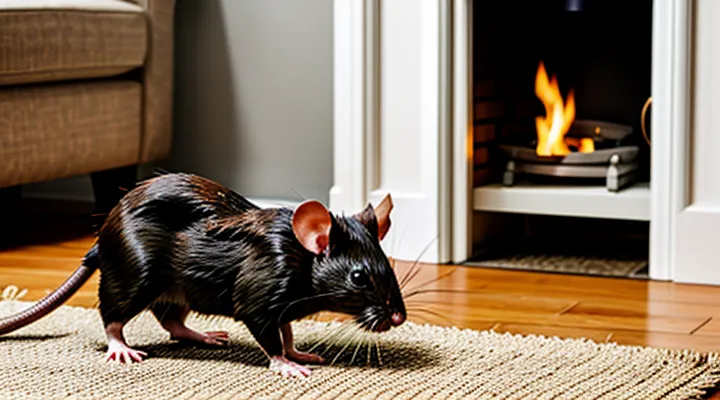
Understanding the Rat Problem
Signs of Infestation
Common Indicators
Identifying the presence of rodents before applying traditional household pest‑control methods prevents wasted effort and health risks. Reliable detection relies on observable signs rather than speculation.
- Small, dark, pellet‑shaped droppings near food sources, corners, or hidden pathways. Fresh droppings appear moist and dark; older ones dry and turn gray.
- Gnaw marks on wood, plastic, or wiring, typically 6‑10 mm wide with parallel teeth. Repeated bites indicate active foraging.
- Chewed or contaminated food packaging, especially sealed bags or containers with ragged edges.
- Nesting material composed of shredded paper, fabric, insulation, or dried vegetation, often found in wall cavities, attics, or behind appliances.
- Audible scratching or scurrying sounds during night hours, especially within ceilings, walls, or under floors.
- Visible tracks in dust, flour, or soft soil, showing a characteristic four‑toed pattern with a small pad near the heel.
- Burrow entrances at the base of walls, near foundations, or along utility lines, identified by loose soil and a circular opening up to 2 cm in diameter.
- Damage to electrical cords, cables, or appliances, indicating chewing that may lead to short circuits or fire hazards.
Consistent observation of these indicators confirms an infestation that warrants the implementation of folk-based eradication techniques. Prompt action based on verified signs reduces rodent population growth and limits property damage.
Areas of Activity
Effective rodent control in a private residence relies on coordinated actions across several functional domains. Each domain contributes specific measures that, when combined, sustain a hostile environment for rats and maintain long‑term results.
- Sanitation management – regular removal of food residues, secure storage of grains, and elimination of standing water reduce attractants.
- Structural fortification – sealing gaps, installing metal mesh on vents, and reinforcing door sweeps prevent ingress.
- Natural deterrent deployment – application of peppermint oil, crushed dried chilies, or citrus peels in entry points creates sensory barriers.
- Homemade trapping systems – construction of baited snap traps using peanut butter or grain, and placement in high‑traffic corridors, enables direct removal.
- Biological control – encouraging predatory birds by installing nesting boxes, or maintaining a limited number of domestic cats, adds a living deterrent.
- Monitoring and documentation – systematic inspection logs, photographic records of activity signs, and periodic count of captures track effectiveness and guide adjustments.
- Community awareness – sharing knowledge with neighbors about waste management schedules and coordinated efforts minimizes reinfestation risk from adjacent properties.
Integrating these activity areas forms a comprehensive strategy that eliminates infestations without reliance on commercial chemicals, ensuring safety for occupants and sustainability for the household environment.
Risks Associated with Rats
Health Hazards
Traditional home rat‑control practices often involve natural substances, homemade traps, or ritualistic deterrents. Many of these approaches expose occupants to toxic chemicals, biological agents, or physical injuries.
Common health hazards include:
- Inhalation of volatile compounds – essential oils, camphor, or powdered herbs release fumes that can irritate the respiratory tract, trigger asthma attacks, or cause dizziness.
- Dermal absorption – direct skin contact with concentrated extracts (e.g., nicotine, pyrethrum) may lead to dermatitis, systemic poisoning, or allergic reactions.
- Ingestion risks – unsecured bait mixtures containing bitter almonds, garlic paste, or fermented liquids can be accidentally consumed by children or pets, resulting in gastrointestinal distress or organ toxicity.
- Physical injuries – improvised traps made from wire, glue, or sharp objects cause cuts, puncture wounds, or entrapment, increasing infection risk.
- Secondary contamination – spreading powdered repellents on surfaces can contaminate food preparation areas, leading to cross‑contact and prolonged exposure.
Mitigation measures require proper ventilation, protective gloves, child‑proof storage, and replacement of folk methods with certified rodenticides or professional extermination services. Continuous monitoring of indoor air quality and regular medical check‑ups for exposed individuals help detect early signs of toxicity.
Property Damage
Rats compromise structural integrity by gnawing wood, insulation, and wiring, leading to weakened beams, exposed circuits, and increased fire risk. Their burrowing undermines foundations, creates gaps in walls, and permits moisture intrusion, which accelerates rot and mold growth.
Typical damage includes:
- Chewed electrical cables that can cause short circuits or outages.
- Deteriorated wooden members, especially joists and studs.
- Punctured plumbing and water lines, resulting in leaks.
- Compromised drywall and plaster from nesting activity.
- Contaminated stored food and pantry items, prompting waste and pest proliferation.
Traditional household measures—such as aromatic herbs, vinegar solutions, and natural predators—target rat presence without chemical residues. By deterring rodents, these methods reduce the frequency of gnawing incidents, thereby preserving the condition of structural components. Consistent application of strong-smelling repellents near vulnerable entry points limits access, decreasing the likelihood of new damage.
When employing folk techniques, maintain cleanliness, seal cracks, and remove food sources. The combined approach of environmental management and natural deterrents offers a low‑cost strategy to protect property from the physical harm rats inflict.
Prevention and Exclusion Techniques
Sealing Entry Points
Inspecting Your Home
A thorough examination of the dwelling is the first prerequisite for any traditional rodent‑control program. Detecting gaps, concealed pathways, and attractive food sources eliminates the conditions that allow rats to thrive.
- Inspect exterior walls, foundation, and roof for cracks, holes, or loose siding; seal each opening with steel wool, caulk, or cement.
- Examine windows, doors, and utility penetrations; verify that screens and weather‑stripping are intact.
- Probe the attic, crawl spaces, and basement for droppings, gnaw marks, or shredded insulation; note any debris piles that could serve as nesting material.
- Survey the kitchen, pantry, and garbage areas; ensure containers are tightly sealed and surfaces are free of crumbs.
- Check outdoor structures such as sheds, decks, and garden beds; remove overgrown vegetation and store firewood away from the house.
Document each finding, prioritize repairs that address the most accessible entry points, and apply natural repellents—peppermint oil, crushed garlic, or dried cayenne—near identified gaps. Re‑inspect after remediation to confirm that no new openings have emerged. Continuous vigilance sustains the efficacy of folk‑based rat eradication in a private residence.
Materials for Sealing
Effective sealing blocks entry points that attract rodents, limiting the need for repeated traps or poisons. Selecting appropriate materials ensures long‑term protection and aligns with traditional, low‑chemical pest control practices.
- Steel wool: compressible, readily inserted into cracks; resistant to gnawing.
- Copper mesh: flexible, withstands weather exposure; deters chewing due to metal hardness.
- Silicone caulk: adheres to wood, drywall, and masonry; remains flexible, sealing gaps around pipes and vents.
- Expanding polyurethane foam: fills irregular voids; expands to create a tight barrier while resisting moisture.
- Weatherstripping: applied to doors and windows; prevents small rodents from slipping through narrow spaces.
- Metal flashing: installed over larger openings such as foundation cracks; provides a durable, chew‑proof surface.
- Concrete sealant: used on foundation walls and floor joints; creates a hard, impermeable layer.
Application guidelines:
- Inspect the entire perimeter, including roof eaves, utility penetrations, and basement walls, to locate potential entry points.
- Clean debris and remove loose material before applying any sealant to ensure adhesion.
- Use steel wool or copper mesh as a primary filler for gaps larger than ¼ inch, then cover with silicone caulk or expanding foam for a seamless seal.
- Reinforce high‑traffic areas with metal flashing or concrete sealant to prevent future damage.
- Replace weatherstripping annually or after significant wear to maintain effectiveness.
Combining these materials creates a multi‑layered defense that complements folk‑based rodent deterrents, delivering a sustainable solution for households seeking persistent rat control without reliance on chemical interventions.
Maintaining a Clean Environment
Food Storage Best Practices
Proper food storage is a fundamental element in preventing rodent activity within a household. Rodents are attracted to readily accessible nutrients; eliminating easy food sources reduces the likelihood of infestation.
- Store dry goods in containers with sealed, screw‑top lids made of glass, metal, or heavy‑wall plastic.
- Choose containers that are resistant to gnawing; avoid thin plastic or cardboard.
- Keep containers off the floor; place them on shelves or in cabinets with solid backs.
- Label containers with purchase dates and rotate stock to use older items first.
Maintain a clean environment around food areas. Wipe spills immediately, sweep crumbs from countertops, and vacuum storage spaces regularly. Dispose of waste in bins equipped with tight‑fitting lids and remove trash from the kitchen at least once daily.
Inspect storage areas weekly. Look for signs of damage, chew marks, or droppings. Replace compromised containers promptly and repair any gaps in cabinetry or pantry doors that could provide entry points for rodents.
Waste Management
Effective waste handling is essential for preventing rat infestations when employing traditional household measures. Improper storage of food scraps, unsecured trash bins, and accumulated garbage create attractive foraging sites, encouraging rodents to remain in the dwelling.
Key practices to reduce rodent access to waste include:
- Seal all food waste in airtight containers before disposal.
- Transfer household trash to a sealed, sturdy bin with a tight‑fitting lid.
- Position external garbage containers at least three meters from the building’s foundation.
- Empty indoor waste receptacles daily; avoid letting compost piles sit inside the home.
- Use natural repellents such as dried mint leaves or crushed cloves around bin openings to deter entry.
Maintaining a clean disposal routine eliminates the primary food source that undermines folk rat‑control techniques. Consistent application of these waste‑management steps supports the overall effectiveness of traditional rodent‑reduction strategies in private residences.
Yard Maintenance
Landscaping Tips
Effective landscaping can significantly reduce rodent activity around a residence. Design choices that eliminate shelter, food sources, and travel routes create an environment hostile to rats. Implement the following measures:
- Trim vegetation to ground level within three meters of the building foundation. Low‑lying branches and dense shrubs provide cover; regular pruning removes hiding places.
- Maintain a clear perimeter by removing leaf litter, mulch, and compost piles that lie directly against the house. Replace deep mulch with stone or gravel to discourage burrowing.
- Install a drainage system that prevents standing water. Moist soil attracts insects, which in turn lure rats; proper grading directs water away from the foundation.
- Position ornamental plants with strong scents—such as lavender, mint, or rosemary—near entry points. These herbs emit volatile compounds that rodents find repellent.
- Use barriers like metal flashing or concrete edging at the base of exterior walls. Physical obstructions block gnawing and climbing attempts.
- Elevate firewood stacks and store them off the ground, covered with a tarp. Untended wood provides both food and shelter for rodents.
Combine these landscaping practices with traditional home remedies—such as planting catnip near cracks or scattering dried chilies in concealed gaps—to enhance overall effectiveness. Consistent maintenance ensures the property remains inhospitable, reducing the need for chemical interventions.
Removing Debris
Effective rat control in a residence relies on eliminating shelter and food sources. Debris such as shredded paper, cardboard, and compost residue creates hiding places that attract rodents. Removing these materials reduces the environment’s suitability for infestation.
First, identify accumulation zones: under appliances, in corners, behind furniture, and inside storage containers. Second, clear each zone using the following steps:
- Gather gloves, a dust mask, and a sturdy trash bag.
- Sweep or vacuum loose fragments, then collect them in the bag.
- Dispose of the bag in an outdoor refuse container with a tight‑fitting lid.
- Wipe surfaces with a mild detergent solution to eliminate residual scent trails.
Third, maintain a routine schedule. Perform a thorough sweep of the entire dwelling weekly, focusing on areas prone to clutter. Replace shredded materials with sealed storage options, such as plastic bins with snap‑on lids.
Finally, integrate debris removal with complementary folk practices, such as placing dried mint leaves near entry points and using a mixture of powdered garlic and cayenne pepper on surfaces. Consistent sanitation, combined with these traditional deterrents, creates an inhospitable setting for rats and supports long‑term elimination.
Natural Repellents and Deterrents
Botanical Solutions
Peppermint Oil
Peppermint oil is a volatile essential oil extracted from Mentha piperita leaves. Its strong menthol aroma disrupts the olfactory receptors of rodents, causing discomfort and prompting avoidance of treated areas.
Application methods for household rodent deterrence include:
- Soak cotton balls in undiluted peppermint oil and place them in corners, behind appliances, and within wall cavities where activity is observed.
- Mix 10 ml of peppermint oil with 250 ml of water, add a few drops of dish soap, and spray the solution along baseboards, entry points, and pathways.
- Add 5 ml of oil to a small sachet of dried herbs; conceal the sachet in closets, cabinets, and attic spaces.
Effectiveness depends on regular replenishment; oil evaporates within 24–48 hours, so replacement every two days maintains a persistent scent barrier. Peppermint oil does not kill rats but creates an inhospitable environment that reduces ingress and encourages relocation.
Safety considerations:
- Keep oil away from pets, especially cats and small dogs, as ingestion can cause respiratory irritation.
- Avoid direct skin contact; wear gloves when handling undiluted oil.
- Store in a sealed container away from heat and sunlight to prevent degradation.
Limitations include reduced efficacy in heavily infested homes, where structural sealing and professional extermination may be required in addition to aromatic deterrents. Peppermint oil functions best as part of an integrated approach that combines exclusion techniques, sanitation, and regular monitoring.
Other Essential Oils
Essential oils provide a natural deterrent against rodents when applied correctly. Their strong aromatic compounds interfere with rats’ sensitive olfactory system, prompting avoidance of treated areas. Among the less‑common options, several oils demonstrate documented repellent activity and integrate well with traditional household pest‑control practices.
- Clove oil (Syzygium aromaticum): High eugenol concentration creates a pungent scent that rats find unpleasant. Mix 10 ml with 90 ml water, add a few drops of liquid soap, and spray along baseboards, entry points, and near stored food. Reapply every 48 hours.
- Eucalyptus oil (Eucalyptus globulus): Phenolic compounds produce a sharp, menthol‑like odor. Dilute 5 ml in 100 ml carrier oil, dab on cotton balls, and position in corners, attics, and crawl spaces. Replace cotton balls weekly.
- Cedarwood oil (Juniperus virginiana): Contains cedrol, which masks food odors and discourages nesting. Combine 15 ml with 200 ml water, mist floor drains and behind appliances. Refresh after heavy cleaning.
- Lemongrass oil (Cymbopogon citratus): Citral component emits a citrus fragrance that rats avoid. Apply 8 ml to a spray bottle with 150 ml water, spray around garbage bins and pantry shelves. Reapply after each cleaning cycle.
Safety considerations include avoiding direct skin contact without a carrier oil, keeping treated fabrics away from children and pets, and testing a small area for material compatibility. Essential oils complement, rather than replace, structural sealing, proper waste management, and regular sanitation. Consistent application of the listed oils, combined with these preventive measures, sustains an environment hostile to rat habitation.
Chili Peppers and Spices
Chili peppers and a range of aromatic spices are widely employed in traditional household rodent deterrence. Capsaicin, the active compound in hot peppers, irritates the nasal passages and mucous membranes of rats, creating an environment they instinctively avoid. Complementary spices such as black pepper, cayenne, and cloves emit strong volatile oils that further discourage nesting and foraging.
Effective application requires strategic placement of the substances where rodents are most likely to travel. Common practice includes:
- Sprinkling powdered chili or cayenne along baseboards, entry points, and the perimeter of storage areas.
- Soaking cloth strips in a solution of water and crushed garlic, hot pepper flakes, and a few drops of essential oil (e.g., clove or peppermint); hanging the strips in closets and pantry corners.
- Mixing equal parts of ground black pepper and dried chili powder into cat litter or sawdust, then spreading the mixture in underground burrows or crawl spaces.
Safety considerations dictate that the powders be kept out of reach of children and pets, as ingestion can cause irritation. Use gloves when handling concentrated forms to prevent skin contact. Regular reapplication—every 3–5 days or after cleaning—maintains potency, as exposure to air and moisture degrades the active compounds.
Empirical observations from rural households indicate that sustained use of these spices reduces rat sightings and damage. While not a sole solution for severe infestations, chili-based deterrents form a reliable component of a broader, low‑toxicity rodent management strategy.
Household Items as Repellents
Ammonia
Ammonia is a volatile compound with a pungent odor that deters rodents. When applied correctly, it creates an inhospitable environment for rats, reducing their presence in residential settings.
The substance can be incorporated into folk-based rodent control through the following methods:
- Dilute household ammonia (5‑10 % concentration) with water at a 1:1 ratio. Soak cloth strips or cotton balls and place them near entry points, nesting areas, and food storage zones.
- Soak rags in undiluted ammonia and hide them in concealed corners where rats travel. Replace every 24 hours to maintain odor potency.
- Mix a small quantity of ammonia with baking soda to form a paste. Apply the paste to wooden surfaces or crawl spaces; the reaction emits additional fumes that heighten the repellent effect.
Effectiveness relies on sustained exposure. Ammonia’s scent overwhelms rats’ olfactory system, prompting avoidance of treated zones. Studies of traditional practices report noticeable decline in rodent activity within three to five days of consistent application.
Safety considerations are mandatory:
- Ensure adequate ventilation; inhalation of concentrated fumes can irritate respiratory passages.
- Keep ammonia away from children and pets; accidental ingestion or skin contact may cause burns.
- Store the chemical in a sealed container, away from heat sources, to prevent volatilization and accidental spills.
Ammonia’s role in home-based pest management complements other non‑chemical strategies, such as sealing entry points and maintaining cleanliness. When integrated into a comprehensive plan, it provides a low‑cost, readily available option for suppressing rat populations in private dwellings.
Dryer Sheets
Dryer sheets, commonly used to soften fabrics, emit a strong fragrance that rodents find unpleasant. The scent, derived from synthetic fragrance oils and quaternary ammonium compounds, interferes with rats’ sensory receptors, discouraging them from entering treated areas.
- Place a dryer sheet in each corner of rooms where activity is observed.
- Replace sheets every 48 hours to maintain potency.
- Combine with sealing of entry points to prevent re‑infestation.
- Use in closets, behind appliances, and under furniture where rats may hide.
Field reports indicate that the odor reduces rat presence when applied consistently, especially in conjunction with physical barriers. The method does not harm pets or humans when used as directed, but prolonged exposure to high concentrations may irritate sensitive individuals; ventilation is advisable. Integrating dryer sheets into a broader strategy of sanitation, trap placement, and structural repairs enhances overall success in eliminating persistent rodent problems.
Electronic Deterrents
Ultrasonic Devices
Ultrasonic devices emit high‑frequency sound waves that are inaudible to humans but distress rodents, causing them to avoid treated areas. The technology relies on frequencies between 20 kHz and 65 kHz, which interfere with rats’ communication and navigation systems.
Effectiveness depends on several factors:
- Frequency range matches the hearing sensitivity of the target species.
- Coverage area matches the room dimensions; most units list a square‑meter rating.
- Placement avoids obstacles that block sound propagation, such as furniture or walls.
Installation guidelines:
- Position the unit at least 30 cm above the floor to prevent sound absorption by carpets.
- Mount devices on walls opposite entry points to create a barrier zone.
- Use multiple units in large rooms or multi‑level homes to eliminate dead zones.
Limitations include reduced efficacy in environments with high ambient noise, open windows, or excessive clutter. Rats may become habituated after prolonged exposure; rotating devices or adjusting frequency settings can mitigate this effect.
Safety considerations are minimal: ultrasonic emitters do not produce harmful radiation, but they may cause discomfort for pets with sensitive hearing. Selecting models with adjustable intensity allows coexistence with cats or dogs.
When combined with traditional household practices—such as sealing entry gaps, maintaining cleanliness, and employing natural deterrents—ultrasonic devices provide a non‑chemical, low‑maintenance component of a comprehensive rat‑control strategy.
Their Effectiveness
Various traditional methods claim to suppress rodent activity inside residences. Their practical value can be measured by three criteria: speed of action, durability of results, and safety for occupants.
-
Peppermint oil: Applied on cotton balls or diluted for spray, it creates an odor rats find unpleasant. Field observations show initial avoidance within hours, but rats often habituate after 2–3 days, reducing long‑term efficacy.
-
Ground cayenne or hot pepper: Sprinkled along baseboards or entry points, the capsaicin irritates nasal passages. Immediate repellent effect occurs, yet repeated exposure leads to desensitization, requiring frequent reapplication.
-
Garlic and onion extracts: Employed as sprays or mixed with flour for bait, these substances emit sulfur compounds that deter rodents. Laboratory data indicate moderate repellency for the first 24 hours; effectiveness wanes quickly, and the approach does not address existing infestations.
-
Ultrasonic devices: Although marketed as folk inventions, they emit high‑frequency sound beyond human hearing. Independent tests reveal inconsistent results; some rats display avoidance, while others ignore the signal entirely, making reliability questionable.
-
Predator scent products (fox urine, hawk feathers): Introduce chemical cues associated with natural enemies. Short‑term avoidance is documented, but rats quickly recognize the absence of actual predators, limiting sustained impact.
Overall, traditional repellents provide rapid but transient disturbance. Their success depends on continuous rotation and combination with structural controls—sealing entry points, eliminating food sources, and maintaining cleanliness. Reliance on any single folk technique rarely achieves lasting eradication; integrating multiple measures yields the most consistent reduction in rodent presence.
Trapping and Removal Methods
Live Trapping
Trap Types and Placement
Effective rat control in a private residence depends on matching trap design to rodent behavior and positioning each device where activity concentrates.
- Snap traps: Metal spring mechanisms that deliver instantaneous lethal force. Best for high‑traffic corridors where quick kills reduce population quickly.
- Live‑catch traps: Wire cages with a trigger plate that close when a rat enters. Suitable for owners who prefer relocation; require frequent checking to prevent stress.
- Electronic traps: Battery‑powered plates that deliver a high‑voltage shock. Offer clean disposal and reduced risk of accidental contact with children or pets.
- Glue boards: Adhesive surfaces that immobilize rodents. Effective for monitoring and low‑level infestations but may cause prolonged suffering; placement must avoid non‑target species.
- Bucket traps: Homemade devices using a baited ramp leading to a deep container. Capture rats alive; simple materials enable rapid deployment in large spaces.
Placement guidelines maximize capture rates:
- Position traps along walls, within 2 inches of the baseboard, because rats travel close to surfaces.
- Install devices at known gnawing sites, near food storage, and behind appliances where crumbs accumulate.
- Set traps in dark, concealed corners, especially near sewer openings or pipe junctions.
- Space multiple snap or electronic traps 1–2 meters apart to create an overlapping detection zone.
- Elevate glue boards 6–12 inches above the floor to intercept climbing rodents while reducing contact with pets.
Select bait that appeals to local rat diet—peanut butter, dried fruit, or small meat pieces—and refresh it daily to maintain potency. Secure traps to prevent displacement by curious children or pets. Inspect and reset devices each morning; dispose of captured rodents according to local health regulations. Regular sanitation—sealing entry points, removing food residues, and storing waste in sealed containers—supports trap effectiveness and prevents reinfestation.
Release Protocols
Release protocols outline the precise actions required to deploy traditional rodent‑control measures safely and effectively within a domestic environment. They ensure that the chosen herbal or mineral preparations achieve maximum impact on the target population while minimizing exposure to occupants and pets.
Core steps for implementing a release protocol
-
Preparation of the remedy
-
Placement of bait stations
- Position stations along known runways, near walls, and in concealed corners.
- Maintain a spacing of 2‑3 m between stations to prevent overlap.
-
Application timing
- Deploy in the early evening when rodent activity peaks.
- Allow the remedy to remain undisturbed for 12‑24 hours before inspection.
-
Post‑deployment removal
- Retrieve all bait residues after the exposure period.
- Seal collected material in airtight containers for disposal.
-
Sanitation and decontamination
- Clean surfaces with a mild detergent followed by a vinegar rinse to neutralize residual compounds.
- Launder or replace any fabrics that have come into direct contact with the remedy.
Safety considerations
- Wear gloves and a mask during preparation and handling to avoid skin irritation and inhalation of fine particles.
- Store unused remedy in a locked cabinet out of reach of children and animals.
- Verify that all household members are aware of the deployment schedule to prevent accidental ingestion.
Monitoring and documentation
- Record the date, time, and location of each deployment.
- Note observations of rodent activity before and after treatment.
- Adjust the concentration or carrier ratio based on efficacy data collected over successive cycles.
Adhering to these protocols maximizes the deterrent effect of folk-based solutions while preserving household health and safety.
Snap Traps and Other Lethal Methods
Safe Handling and Placement
When employing traditional rodent deterrents inside a residence, handling must prevent accidental exposure to hazardous substances and avoid unintended harm to non‑target occupants. Always wear disposable gloves and a mask when mixing or applying powders, oils, or botanical extracts. Store prepared mixtures in sealed containers away from food preparation areas, and label them clearly with contents and date of preparation.
Key safety practices for placement:
- Position bait stations on low, flat surfaces inaccessible to children and pets; use elevated platforms or sealed boxes with narrow entry slots.
- Locate repellents near entry points, wall voids, or concealed pathways, ensuring they do not contact food storage or cooking surfaces.
- Maintain a distance of at least 1 meter between chemical‑based repellents and ventilation openings to reduce inhalation risk.
- Inspect and replace used or degraded materials weekly; dispose of spent bait in a sealed bag before discarding in a secure waste container.
Regular monitoring confirms that the remedies remain effective while preserving a safe domestic environment.
Disposal of Carcasses
When rats are killed using traditional home‑based methods, the resulting carcasses become a source of disease and a lure for scavengers if not handled correctly. Immediate, secure disposal prevents secondary infestations and limits health hazards for occupants.
Improper disposal—leaving bodies in open trash, dumping near food storage, or burying shallowly—creates pathways for pathogens such as leptospirosis and attracts predators that may spread the problem further. Secure practices eliminate these risks.
Effective carcass management includes:
- Deep burial – Dig a pit at least 60 cm deep, place the carcass inside, cover with soil and a layer of lime to accelerate decomposition and neutralize odors.
- Incineration – Use a metal container or a dedicated outdoor fire pit; heat the carcass until fully ash, then scatter the ash in a non‑cultivated area.
- Composting – Incorporate the carcass into a high‑temperature compost heap (≥55 °C) with a carbon‑rich bulking agent; maintain aeration to ensure rapid breakdown.
- Seal‑in bags – Place the body in a double‑sealed, heavy‑duty plastic bag, then dispose of the package in a municipal hazardous‑waste collection point or a landfill that accepts animal remains.
Safety measures are non‑negotiable: wear disposable gloves, a mask, and protective clothing; wash hands thoroughly after handling; disinfect tools and surfaces with a solution of 1 % bleach or a commercial sanitizer. Avoid contact with raw blood or internal organs, and keep children and pets away from the disposal site until the process is complete.
Bait Stations (Non-Toxic)
Commercial Options
Commercial solutions for persistent rodent control in a private residence focus on proven products, regulated formulations, and targeted application methods. Available options include rodenticides, traps, and electronic devices, each designed to reduce population levels while minimizing collateral damage.
- Rodenticides – anticoagulant baits (e.g., bromadiolone, difenacoum) and acute toxins (e.g., zinc phosphide). Anticoagulants require multiple feedings; acute toxins act after a single ingestion. Both demand secure placement to prevent accidental exposure to children or pets.
- Snap Traps – spring‑loaded devices calibrated for quick kill. Modern models feature safety shields to reduce non‑target captures. Proper baiting (peanut butter, bacon) enhances capture rates.
- Live‑Catch Traps – cage‑type mechanisms that immobilize rodents without lethal force. Effective when combined with immediate release protocols or humane euthanasia. Requires regular monitoring to prevent stress‑induced mortality.
- Electronic Repellents – ultrasonic emitters claim to deter rodents through high‑frequency sound. Field studies show limited efficacy; best used as supplementary deterrent rather than primary control.
- Glue Boards – adhesive surfaces that immobilize rodents. Generally discouraged due to animal welfare concerns and potential for secondary poisoning if captured rodents are later consumed by pets.
Selection criteria should address toxicity level, regulatory compliance, and integration with existing household practices. Products containing second‑generation anticoagulants are restricted in many jurisdictions; users must verify local legislation before purchase. Placement strategy—along walls, near entry points, and in concealed corners—optimizes exposure while reducing risk to non‑target species.
Cost considerations range from inexpensive snap traps (under $5 per unit) to professional‑grade rodenticide stations ($20–$30 each). Bulk purchasing lowers per‑unit expense but increases storage requirements and potential for misuse. Combining commercial tools with preventive measures—such as sealing entry gaps, maintaining sanitation, and removing food sources—maximizes long‑term effectiveness and reduces reliance on chemical agents.
DIY Bait Recipes
Effective homemade bait mixtures can complement traditional household pest control when rats persist in a residence. The following formulas rely on readily available ingredients, avoid commercial poisons, and are safe for indoor environments when used as directed.
-
Peanut‑Butter and Oatmeal Bait
- Ingredients: 2 tablespoons smooth peanut butter, 1 tablespoon rolled oats, a pinch of powdered cayenne pepper.
- Procedure: Mix peanut butter and oats until uniform, stir in cayenne. Form small pea‑sized balls, place on flat surfaces near suspected activity. The sweet scent attracts rodents, while cayenne creates a mild irritant that discourages repeated visits.
-
Apple‑Cinnamon Paste
- Ingredients: ½ cup grated apple, ¼ cup honey, 1 teaspoon ground cinnamon, 2 tablespoons whole wheat flour.
- Procedure: Combine apple and honey, heat briefly to blend, add cinnamon and flour, stir to a thick paste. Deposit thin ribbons on cardboard strips positioned along walls. Fruit aroma lures rats; cinnamon adds a sensory deterrent.
-
Soy‑Milk and Garlic Gel
- Ingredients: ¼ cup soy milk, 2 cloves minced garlic, 1 tablespoon cornmeal, 1 teaspoon powdered sugar.
- Procedure: Warm soy milk, dissolve cornmeal and sugar, incorporate garlic. Cool to a gel consistency, apply in shallow dishes near entry points. Garlic odor is repellent, while the sweet‑protein blend sustains interest.
-
Molasses‑Flaxseed Bait
- Ingredients: 3 tablespoons molasses, 2 tablespoons ground flaxseed, a dash of powdered mint.
- Procedure: Stir molasses and flaxseed until evenly coated, sprinkle mint over the mixture. Place dollops on paper trays in concealed corners. Molasses provides strong olfactory draw; mint adds a volatile element that rats find unpleasant.
Apply each bait in limited quantities, replace daily, and monitor for consumption. Rotate recipes every few days to prevent habituation. Combine these preparations with sealing entry gaps and maintaining cleanliness for comprehensive rodent management.
Long-Term Rat Management
Continuous Monitoring
Regular Inspections
Regular inspections form the backbone of any sustainable rodent‑control strategy in a household that relies on traditional methods. By systematically surveying the premises, owners can detect early signs of infestation, identify entry points, and verify the effectiveness of applied remedies.
Key inspection actions include:
- Visual scan of walls, ceilings, and storage areas for gnaw marks, droppings, or shredded material.
- Examination of potential food sources such as pantry items, pet feed, and uncovered waste bins.
- Assessment of structural gaps: cracks around doors, windows, utility penetrations, and foundation seams.
- Monitoring of traps or natural deterrents (e.g., peppermint oil sachets, ground‑nut shells) for placement accuracy and activity levels.
- Documentation of findings in a simple log, noting date, location, and observed evidence.
Conducting these checks on a weekly basis creates a feedback loop that informs adjustments to homemade repellents and barrier measures. Prompt repair of identified breaches prevents re‑entry, while regular removal of food residues reduces attractants. The cumulative effect of disciplined inspections sustains a rat‑free environment without reliance on chemical interventions.
Keeping Records
Effective documentation is indispensable when applying traditional rodent‑control practices in a residence. Precise records enable homeowners to assess the efficacy of each remedy, identify patterns of rodent activity, and prevent unnecessary repetition of ineffective measures.
Key elements to capture for every treatment include:
- Date and time of application.
- Description of the remedy (herbs, spices, oils, or mixtures).
- Source and quantity of each ingredient.
- Preparation method (infusion, paste, placement).
- Exact location of deployment (kitchen corner, attic beam, etc.).
- Observed rodent behavior before and after treatment.
- Measurable outcomes (number of sightings, droppings, damage).
- Any adverse reactions affecting pets, humans, or the environment.
Maintaining such data supports objective analysis. Comparative tables reveal which formulations produce the highest reduction in rodent presence, allowing adjustments to dosage or placement without reliance on anecdotal judgment. Documentation also supplies evidence of safe practice should regulatory inquiries arise.
Practical tools range from a bound field notebook to digital spreadsheets or dedicated mobile applications. Consistency is achieved by using a standardized template, recording entries immediately after each session, and backing up digital files regularly.
Periodic review—monthly or after a series of treatments—highlights trends, confirms long‑term success, and guides the selection of future folk solutions. Structured records transform intuitive pest control into a reproducible, evidence‑based process.
Community Involvement
Neighborhood Solutions
Neighbors can dramatically improve the effectiveness of home‑based, traditional rat deterrents by coordinating actions that reduce attractants and increase barriers across the block. Collective waste management, for example, eliminates food sources that individual households may overlook. When every resident places garbage in sealed containers, stores it in a locked area, and schedules regular collection, the overall food availability for rodents drops sharply.
Shared resources amplify the impact of folk methods. A community garden planted with strong‑smelling herbs—such as mint, rosemary, and lavender—creates a perimeter that rats tend to avoid. Residents can rotate planting schedules, ensuring continuous coverage and preventing herb fatigue. Similarly, a neighborhood cat‑care program, where vetted cats patrol common areas, provides a natural predator presence without requiring each homeowner to keep a pet.
Coordinated monitoring and communication reinforce prevention. Establish a simple alert system—text group, notice board, or shared calendar—where sightings are reported instantly. Prompt notification allows neighbors to reinforce barriers, set additional traps, or apply repellent sprays before an infestation spreads. Periodic workshops, led by experienced locals, disseminate proven recipes for homemade deterrent sprays (e.g., pepper‑oil mixtures) and teach proper placement techniques.
Key community actions
- Secure all external trash bins with tight‑fitting lids.
- Rotate planting of deterrent herbs along shared fences and walkways.
- Maintain a neighborhood cat‑watch roster with regular feeding stations.
- Use a rapid‑share platform for rat sightings and response coordination.
- Conduct quarterly meetings to review successes, adjust strategies, and share new folk formulas.
Shared Best Practices
Traditional rodent control methods for persistent infestations rely on community‑tested techniques that combine prevention, attraction, and elimination. Effective implementation requires coordination among household members and adherence to proven practices that minimize health risks and property damage.
Key shared practices include:
- Seal entry points: Apply steel wool, caulk, or metal flashing to gaps around pipes, vents, and foundation cracks. Verify integrity weekly.
- Maintain cleanliness: Store food in airtight containers, remove spilled grains, and dispose of waste in sealed bins. Eliminate standing water sources.
- Use natural repellents: Distribute sachets of peppermint oil, crushed cloves, or dried lavender in concealed locations. Replace every two weeks to sustain potency.
- Set humane traps: Position snap or live traps along walls, behind appliances, and near known pathways. Bait with peanut butter, dried fruit, or fresh meat; check traps daily.
- Deploy bait stations responsibly: Prepare mixtures of cornmeal, powdered sugar, and powdered boric acid in sealed containers. Position out of reach of children and pets; monitor consumption rates.
Regular monitoring reinforces effectiveness. Record trap captures, inspect sealed openings, and adjust bait placement based on rodent activity patterns. Sharing observations with neighbors or local cooperative groups accelerates collective success and reduces reinfestation risk.
Consulting Professionals
When to Seek Expert Help
Persistent rodent activity in a residence often begins with simple, home‑based deterrents, but certain conditions demand professional intervention. Recognize these indicators and act promptly.
- Rat droppings appear in multiple rooms or accumulate faster than cleaning can remove them.
- Gnaw marks are evident on structural elements, wiring, or food containers, suggesting a growing population.
- Unexplained noises persist during daylight hours, indicating that rodents are active beyond typical nocturnal patterns.
- Signs of disease, such as unexplained fevers or allergic reactions among occupants, emerge after exposure to rodent waste.
- Attempts to eradicate pests with traditional methods repeatedly fail, despite correct application and dosage.
When any of the above occurs, contact a licensed pest‑control service. Professionals can conduct thorough inspections, identify hidden infestations, and apply regulated treatments that protect health and property. Delaying expert help increases the risk of structural damage, electrical failures, and transmission of pathogens, potentially resulting in higher remediation costs and prolonged exposure.
Integrated Pest Management
Integrated Pest Management (IPM) provides a structured framework for reducing rat populations in residential settings while minimizing reliance on chemical agents. The approach combines observation, habitat modification, physical barriers, and culturally rooted control techniques to achieve sustained results.
Effective IPM begins with systematic monitoring. Homeowners place non‑toxic tracking stations along walls, near suspected entry points, and in concealed areas. Data collected from these stations guide decisions about where to focus interventions and how intensively to act.
Sanitation and exclusion form the second pillar. Eliminating food sources involves sealing containers, promptly cleaning spills, and storing waste in sealed bins. Structural repairs—such as sealing gaps around pipes, vents, and foundation cracks—prevent rodents from entering the interior.
When a rat presence is confirmed, mechanical and folk-based controls are employed. Options include:
- Live traps positioned along established pathways, checked daily and released far from the dwelling.
- Snap traps baited with locally available attractants such as peanut butter or dried fruit.
- Homemade repellents prepared from strong-smelling herbs (e.g., peppermint oil, dried rosemary) applied to entry points and nesting sites.
- Predatory deterrents, such as domestic cats, placed strategically to discourage activity.
The final IPM component involves evaluation. After each control cycle, homeowners reassess trap captures, signs of gnawing, and droppings. Adjustments to sanitation, exclusion, or trap placement are made based on observed outcomes, ensuring the program remains effective over time.