
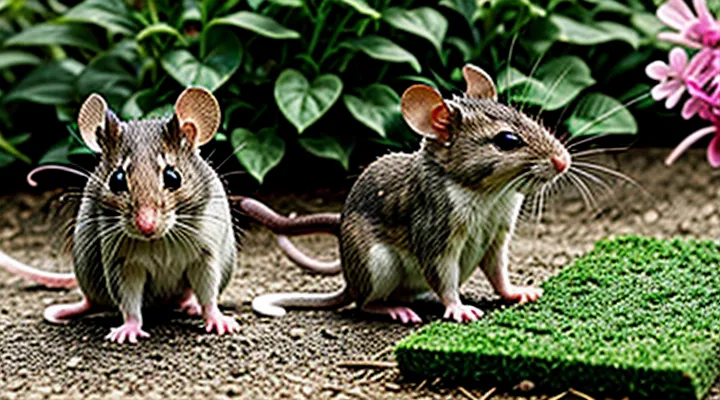
Understanding Garden Mice
Identifying Mouse Presence
Signs of Damage
Mice activity leaves unmistakable evidence in cultivated areas. Look for the following indicators:
- Gnawed stems, buds, or seed heads, often with clean, rounded bite marks.
- Small, crescent‑shaped holes in the bark of young shrubs or woody perennials.
- Chewed or missing seedlings, typically found near the base of plants.
- Visible droppings, 3‑5 mm long, dark and pellet‑shaped, clustered along pathways or under foliage.
- Nests constructed from shredded leaves, grass, or plant material, usually concealed in dense ground cover or beneath mulch.
- Soil disturbance, including shallow tunnels or burrows that collapse after rain, exposing loose earth.
These signs confirm rodent presence and indicate where immediate intervention is required to protect garden productivity.
Droppings and Tracks
Droppings and tracks provide the most reliable early indicators of mouse activity in a garden. Fresh droppings appear as small, dark, rice‑shaped pellets, typically 3–5 mm long. They accumulate in clusters near food sources, along walls, and beneath plant debris. The presence of a fine, dark line of droppings on a soil surface signals recent movement, while a dry, powdery residue indicates older activity.
Tracks reveal the routes mice use to navigate the garden. Footprints are visible as tiny, paired impressions of the front and hind paws, often aligned in a straight line. When a mouse moves through soft soil or mulch, it leaves a shallow groove that can be traced back to entry points such as cracks in foundations, gaps under pavers, or openings at the base of plant pots.
Key observations for effective monitoring:
- Location: Concentrate searches near compost piles, seed trays, and low‑lying foliage.
- Frequency: Inspect droppings and tracks daily during peak activity (dusk to early morning).
- Condition: Fresh, moist droppings retain a slight sheen; dry droppings crumble easily.
- Pattern: Repeated tracks forming a loop indicate a established foraging circuit.
Cleaning procedures must eliminate both droppings and tracks to reduce attractants and prevent disease spread. Use a stiff brush or garden trowel to remove droppings, then disinfect the area with a 10 % bleach solution or a commercial rodent‑safe sanitizer. After cleaning, compact the soil to erase residual tracks, and apply a thin layer of mulch or gravel to deter re‑tracking.
By systematically documenting droppings and tracks, gardeners can map infestation hotspots, prioritize treatment zones, and evaluate the success of control measures without resorting to guesswork.
Nesting Sites
Mice establish nests in garden structures that provide shelter, moisture, and proximity to food. Typical nesting locations include compost piles, dense ground cover, woodpiles, garden sheds, and the undersides of raised beds. Identifying these sites is the first step in reducing mouse populations.
Effective management of nesting areas involves:
- Removing debris: discard leaf litter, straw, and unused plant material that create insulated cavities.
- Elevating storage: keep firewood and gardening tools off the ground on pallets or shelves, leaving a clear space beneath.
- Securing compost: use airtight bins with tight-fitting lids; avoid adding fresh kitchen waste that attracts rodents.
- Trimming vegetation: maintain a 2‑foot clearance around beds and structures to eliminate cover.
- Installing barriers: place hardware cloth (½‑inch mesh) beneath raised beds and around the perimeter of garden beds to prevent burrowing.
Regular inspection and prompt elimination of newly formed nests prevent mice from gaining a foothold, thereby supporting broader control measures throughout the garden.
Common Types of Garden Mice
Field Mice
Field mice (Apodemus spp.) are small, omnivorous rodents that frequently inhabit garden borders, compost piles, and low‑lying vegetation. Their size, typically 6–10 cm body length, enables easy concealment among mulch and leaf litter, while their nocturnal activity reduces visibility during daylight inspections.
These rodents consume seeds, seedlings, and tender foliage, directly reducing plant vigor and yield. Their gnawing behavior also damages stems and roots, creating entry points for pathogens. Evidence from field surveys shows a correlation between high field‑mouse density and decreased vegetable production in small‑scale gardens.
Effective control relies on habitat modification, exclusion, and targeted removal:
- Remove dense ground cover, excess mulch, and debris that provide shelter.
- Install low, solid garden fences with a minimum 2‑cm mesh to prevent entry.
- Use bait stations with anticoagulant pellets, positioned away from non‑target wildlife, and replace according to manufacturer guidelines.
- Deploy snap traps or live‑catch cages along established runways; check and reset daily.
- Encourage natural predators such as barn owls and hedgehogs by installing nesting boxes and shelter piles.
Monitoring includes weekly visual checks for fresh droppings, gnaw marks, and disturbed soil. Population estimates can be derived from track plates or motion‑activated cameras, allowing timely adjustment of control measures.
Integrating these practices minimizes field‑mouse impact while preserving garden biodiversity and productivity.
House Mice (in garden context)
House mice regularly invade garden spaces in search of food, shelter, and nesting material. Their small size (approximately 7–10 cm body length) enables entry through minute gaps in fences, raised beds, and sheds. Once established, mice consume seeds, seedlings, and tender foliage, reducing crop yields and compromising plant health. Their gnawing also damages irrigation tubing, wire mesh, and wooden structures, creating pathways for additional pests.
Effective control relies on a combination of preventive measures and targeted interventions:
- Seal all ground-level openings with metal flashing or hardware cloth; gaps larger than 6 mm provide unrestricted access.
- Maintain a clean garden perimeter: remove fallen fruit, discard compost only in sealed containers, and keep grass trimmed to reduce cover.
- Install physical barriers such as raised bed skirts extending 30 cm below soil level; embed the lower edge into the substrate to prevent burrowing.
- Deploy bait stations containing anticoagulant or bromethalin formulations, positioning them near mouse activity zones while complying with local regulations.
- Utilize snap traps or electronic traps calibrated for house mouse size; place them along walls, near entry points, and beside food sources.
- Apply rodent-repellent granules or liquid sprays containing natural compounds (e.g., peppermint oil, capsaicin) to perimeter soil; reapply after heavy rain.
Monitoring should include regular inspection of trap catches, evidence of gnaw marks, and droppings. Adjust trap density and bait placement based on observed activity patterns. Integrated use of exclusion, sanitation, and mechanical control yields sustained reduction of house mouse populations in garden environments.
Voles vs. Mice
Voles and mice are often confused, yet they differ in taxonomy, feeding habits, and burrowing behavior. Voles belong to the family Cricetidae, possess blunt noses, and create extensive underground tunnel systems. Mice, members of the Muridae family, have pointed snouts and prefer surface runways and occasional nesting in concealed debris.
Both species threaten garden productivity. Voles consume roots, crowns, and tender shoots, leading to plant wilting and increased susceptibility to disease. Mice gnaw on seeds, seedlings, and stored produce, and may introduce pathogens through droppings. Their overlapping presence intensifies competition for limited resources and accelerates plant loss.
Effective control requires species‑specific tactics:
- Habitat alteration – Reduce ground cover, remove dense mulch, and trim perennial borders to eliminate shelter for voles; keep vegetation trimmed to deter mice.
- Physical barriers – Install fine‑mesh underground fencing (¼‑inch hardware cloth) around beds to block vole tunnels; place metal or plastic plant collars to prevent mouse entry.
- Trapping – Use snap traps placed near active runways for mice; employ live‑capture traps baited with carrots or apple slices for voles, checking and releasing away from the garden.
- Predator encouragement – Provide nesting boxes for owls and raptors, and maintain hedgerows that attract foxes and weasels, natural predators of both rodents.
- Targeted baits – Apply vole‑specific anticoagulant pellets in burrow entrances; use mouse‑grade bait stations with tamper‑proof covers to limit non‑target exposure.
Monitoring remains essential. Identify fresh tunnels, chew marks, and droppings to confirm species presence, then adjust interventions accordingly. Consistent application of these measures reduces rodent populations and protects garden yields.
Prevention Strategies
Garden Hygiene
Removing Food Sources
Eliminating edible attractants deprives rodents of the energy needed to thrive, making the garden less hospitable for mouse populations.
- Collect and dispose of fallen fruit, vegetables, and seeds daily.
- Seal compost bins with tight-fitting lids; avoid adding fresh kitchen waste that contains grains or meat.
- Store pet food in airtight containers and feed pets only inside a designated area that can be cleaned promptly.
- Remove birdseed spillage; use feeders with trays that catch excess seed and clean them regularly.
Maintain a tidy perimeter by sweeping debris, trimming low‑lying foliage, and removing mulch piles that can conceal food remnants. Consistent removal of these resources interrupts the foraging cycle and supports long‑term rodent suppression.
Clearing Debris and Hiding Spots
Removing plant litter, fallen fruit, and excess mulch eliminates the shelter mice use to evade predators and traps. Direct contact with the soil surface forces rodents to travel in open areas where detection is easier.
- Collect and compost only well‑managed material; keep compost bins sealed and raised off the ground.
- Cut back dense groundcover, low‑lying shrubs, and tall grasses to a height of no more than six inches.
- Dispose of wood chips, broken pots, and garden debris in sealed containers or burn them if local regulations permit.
- Regularly rake pathways and beds to expose any hidden nests or food remnants.
A clear garden reduces the number of viable entry points into structures. Seal gaps around foundations, pipe penetrations, and drainage openings with steel wool or caulk. Replace damaged siding and repair torn netting to prevent re‑infestation.
By systematically eliminating waste and potential hideaways, the habitat becomes inhospitable, making control measures such as traps or deterrents significantly more effective.
Physical Barriers
Fencing and Netting
Physical barriers are the most reliable means of preventing mice from entering garden beds. Fencing and netting create a continuous exclusion zone that eliminates the need for chemical repellents and reduces the risk of damage to plants.
A well‑constructed fence must meet specific criteria. Use metal or sturdy plastic mesh with a minimum opening of 6 mm; larger gaps allow mouse passage. Install the fence at a depth of 15–20 cm below ground to block burrowing, and extend it at least 30 cm above soil surface to stop climbing. Secure posts with concrete footings to resist wind and animal pressure. Ensure that gates and entry points are fitted with tight‑closing latches.
Netting serves as an additional layer over vulnerable crops and seed trays. Select a fine mesh (≤1 mm) to prevent mice from squeezing through. Stretch netting tightly across the top of raised beds and anchor it to the fence or frame with stainless‑steel staples. Check for tears after each rainstorm and replace compromised sections immediately.
Key considerations for integrating both methods:
- Combine fence and netting to address ground‑level entry and aerial access.
- Inspect the perimeter weekly for gaps, loose fittings, or signs of gnawing.
- Choose UV‑stabilized materials to prolong lifespan under sunlight.
- Budget for periodic replacement of mesh; initial investment is offset by reduced crop loss.
Consistent maintenance of these barriers maintains an environment where mice cannot establish a foothold, ensuring garden productivity and plant health.
Raised Garden Beds
Raised garden beds modify the garden’s ground level, creating a physical barrier that limits mouse access to soil and root zones. Elevating the planting area forces rodents to climb or burrow through additional obstacles, reducing the likelihood of direct contact with crops.
Design elements that strengthen mouse resistance include:
- Bed height of at least 30 cm (12 in) to require a vertical climb.
- Smooth, non‑porous edging material such as metal or hard‑plastic to prevent gnawing and burrowing.
- Tight‑fitting liners or mesh beneath the soil to block underground tunnels.
- Overhead covers or netting that seal the top opening while allowing light and air flow.
Maintenance practices that sustain the barrier effect:
- Keep the soil surface free of debris, fallen fruit, and excess moisture that attract rodents.
- Rotate crops and avoid planting heavily scented or high‑sugar varieties in the same bed year after year.
- Inspect and repair any gaps in edging or liner promptly, especially after heavy rain or wind.
Integrating raised beds with additional proven mouse‑control tactics—such as snap traps, natural predators, and habitat reduction around the garden perimeter—creates a multi‑layered defense. The combination of elevated planting zones and complementary measures maximizes the reduction of mouse activity while preserving garden productivity.
Repellent Plants
Mint and Other Strong-Scented Herbs
Mint, rosemary, lavender, sage, and thyme emit volatile compounds that mice find unpleasant. Planting these herbs around garden borders creates a chemical barrier that reduces rodent activity.
- Mint (Mentha spp.) – spreads rapidly, releases menthol and pulegone; establish a 12‑inch buffer zone along fences and raised beds.
- Rosemary (Rosmarinus officinalis) – produces cineole and camphor; position in sunny spots to maximize oil production.
- Lavender (Lavandula angustifolia) – emits linalool and linalyl acetate; interplant with flowering vegetables for dual pest‑repellent and pollinator benefits.
- Sage (Salvia officinalis) – contains thujone and camphor; prune regularly to prevent woody overgrowth and maintain strong scent.
- Thyme (Thymus vulgaris) – releases thymol; use as ground cover beneath taller crops.
Effective deployment requires:
- Soil preparation – incorporate compost with a pH of 6.0‑7.0; herbs thrive in well‑drained media.
- Spacing – maintain at least 18 inches between individual plants to avoid competition and ensure consistent aroma diffusion.
- Maintenance – harvest leaves weekly; cutting stimulates fresh growth and renews volatile release.
- Integration – combine strong‑scented herbs with physical deterrents such as metal mesh or wooden barriers for synergistic protection.
Research indicates that continuous exposure to these aromatic oils disrupts mouse olfactory cues, leading to avoidance of treated zones. Consistent herb coverage, proper pruning, and strategic placement sustain the deterrent effect throughout the growing season.
Alliums and Daffodils
Alliums and daffodils serve as natural deterrents against garden rodents. Their strong odors disrupt mouse olfactory pathways, reducing the likelihood of burrowing and foraging near planted beds.
Planting strategies:
- Interplant garlic, onions, or shallots among vegetables to create a scented barrier.
- Establish a perimeter of daffodil bulbs around high‑value crops; the toxic alkaloids in daffodil tissue discourage gnawing.
- Combine alliums with mulches that retain moisture, limiting the dry microhabitats mice prefer for nesting.
Maintenance guidelines:
- Replant alliums annually to maintain volatile compound levels.
- Replace daffodil crowns every three to five years to preserve toxin potency.
- Remove wilted foliage promptly; decaying material can attract insects that, in turn, attract mice.
Integrating these plants with physical controls—such as traps and exclusion fencing—enhances overall efficacy, offering a multi‑layered approach to rodent management in the garden.
Non-Lethal Control Methods
Live Trapping and Relocation
Types of Live Traps
Live traps provide a practical alternative to poisons when managing mice that invade garden beds. They capture rodents without killing them, allowing removal and relocation away from cultivated areas.
- Multi‑catch box trap – a sturdy cage with a hinged entrance; multiple mice can be collected before the trap is emptied.
- Single‑catch tube trap – a narrow PVC or acrylic tube that triggers a door when the mouse pushes a baited trigger plate; ideal for tight spaces between rows.
- Bucket trap with ramp – a wooden or metal bucket fitted with a sloping ramp and a trigger mechanism; the mouse falls into the bucket and cannot escape.
- Live‑catch snap‑back trap – a spring‑loaded door that snaps shut once the mouse removes a baited trigger; designed for quick release and easy cleaning.
- Fold‑down humane trap – a collapsible wooden or plastic box that folds flat for storage; includes a transparent lid for observation.
Choosing the appropriate trap depends on garden layout, target mouse activity, and handling preferences. Place traps along established runways, near food sources, and at dusk when mice are most active. Bait with high‑protein items such as peanut butter or sunflower seeds, and check traps every 12 hours to prevent stress and ensure timely release.
Safe Relocation Practices
Effective mouse control begins with relocation that protects both the garden ecosystem and surrounding habitats. Capture devices should be humane traps that allow live release; snap traps are unsuitable for relocation objectives. Ensure traps are placed near active tunnels and baited with high‑protein foods such as peanut butter or dried seed to increase capture rates.
When a mouse is secured, follow these steps:
- Transport the animal in a ventilated container lined with soft material to reduce stress.
- Relocate at a minimum distance of 500 meters from the garden, preferably to a wooded area or field with natural cover.
- Release the mouse at dusk, allowing it to seek shelter before predators become active.
- Record the release site and date to monitor relocation effectiveness.
After relocation, reinforce garden boundaries to prevent re‑entry. Install metal or concrete barriers around beds, seal all entry points in fences, and maintain a clean environment free of food debris. Regular inspection of these measures ensures long‑term protection without recurring disruptions.
Natural Predators
Encouraging Owls and Hawks
Encouraging owls and hawks provides a natural, self‑sustaining control on garden rodent populations. These raptors locate prey by sight and sound, delivering rapid predation that reduces mouse activity without chemical intervention.
Key practices to attract and retain raptors:
- Install nesting boxes sized for barn owls (30 × 30 × 45 cm) and for hawks (40 × 40 × 60 cm) on sturdy poles or trees, positioned 3–5 m above ground and facing away from prevailing winds.
- Preserve mature trees and dead wood to supply perching sites and roosting opportunities.
- Maintain open sightlines by trimming low hedges, allowing predators to scan the garden for movement.
- Provide a water source such as a shallow birdbath; refill regularly to ensure availability.
- Avoid excessive use of bright lights and loud machinery that may deter nocturnal hunters.
Habitat management enhances predation efficiency. Limiting ground cover to short grass and removing dense debris reduces hiding places for mice, making them more vulnerable to aerial attack. Planting native shrubs that produce berries attracts small mammals, thereby supporting a food chain that sustains raptor presence during lean periods.
Monitoring can be conducted by recording raptor sightings, noting perch usage, and tracking mouse damage before and after implementation. Consistent documentation confirms the correlation between increased raptor activity and decreased rodent signs.
Integrating these measures into garden maintenance creates a reliable biological barrier, lowers reliance on poisons, and supports biodiversity while achieving effective mouse control.
Attracting Snakes (non-venomous)
Non‑venomous snakes naturally hunt small rodents, making them effective allies for reducing mouse activity in garden beds. By encouraging the presence of species such as garter snakes, brown snakes, or ribbon snakes, gardeners can establish a biological control layer that directly targets the pests.
Creating conditions that appeal to these reptiles involves three core actions:
- Shelter: Install piles of leaf litter, log stacks, or stone heaps to provide hiding places and thermoregulation sites.
- Water: Place shallow, regularly refreshed dishes or low‑profile ponds to supply hydration without creating mosquito breeding grounds.
- Basking surfaces: Position flat rocks or weathered bricks in sunny spots where snakes can regulate body temperature.
Supplementary measures reinforce attraction:
- Reduce or eliminate broad‑spectrum pesticides that diminish the insects snakes consume, thereby maintaining a balanced food web.
- Preserve native groundcover and low‑lying vegetation, which supports both prey insects and the snakes’ movement corridors.
- Avoid landscaping elements that create hazardous conditions, such as deep mulch layers that can trap snakes or overly compacted soil that impedes burrowing.
Safety protocols are essential. Identify local non‑venomous species through field guides or extension services, and educate household members—especially children—about recognizing harmless snakes versus potentially dangerous ones. Keep pet food and rodent bait away from snake habitats to prevent accidental ingestion of toxins.
Implementing these practices establishes a self‑sustaining predator presence, directly lowering mouse populations while preserving ecological integrity in the garden environment.
Ultrasonic Repellents
Effectiveness and Limitations
Effective control of garden rodents relies on methods with measurable impact and recognized constraints. Each approach delivers specific results, yet none guarantees total eradication without side effects.
-
Physical barriers (hardware cloth, mesh fencing)
- Effectiveness: Prevents entry into beds and raised beds when installed with ¼‑inch mesh and sealed seams; reduces mouse activity by up to 90 % in treated zones.
- Limitations: Requires regular inspection for gaps; high initial cost; may impede access for larger gardening tools.
-
Live traps
- Effectiveness: Captures individual mice quickly; allows humane removal; success rates exceed 70 % when baited with high‑fat seeds and checked hourly.
- Limitations: Labor‑intensive; limited capacity; captured mice may relocate to neighboring plots if released improperly.
-
Snap traps
- Effectiveness: Immediate kill; placement near runways yields rapid population decline; efficacy documented at 80‑95 % in controlled trials.
- Limitations: Risk of non‑target captures; requires careful positioning to avoid accidental injury; public perception may discourage use.
-
Rodenticide bait stations
- Effectiveness: Chemical action reduces numbers within a few days; resistant populations decline when bait rotation is applied.
- Limitations: Secondary poisoning hazards for pets and wildlife; resistance development; regulatory restrictions in many regions.
-
Habitat modification (removing debris, trimming vegetation)
-
Biological deterrents (predator urine, ultrasonic devices)
- Effectiveness: Creates perceived threat; short‑term avoidance reported in field studies.
- Limitations: Effect wanes as mice habituate; ultrasonic range limited by soil and plant density; no lethal impact.
Overall, the most reliable strategy combines multiple tactics: barrier installation to block access, targeted trapping for immediate reduction, and ongoing habitat management to sustain low mouse densities. Each method’s constraints must be weighed against site-specific factors such as budget, safety regulations, and desired level of control.
Placement Considerations
Effective placement determines the success of any mouse‑control strategy in a garden. Position devices where rodents are most likely to travel while avoiding areas frequented by pets, children, or beneficial wildlife.
- Locate traps and bait stations near active burrow entrances, fresh seed heads, or compost piles.
- Position devices along established runways; rodents habitually follow the same paths.
- Embed snap traps or live‑catch cages at a depth of 2–3 cm to align with mouse movement near the ground surface.
- Space snap traps 1–1.5 m apart in high‑traffic zones; increase spacing to 3 m in peripheral areas.
- Place electronic deterrents or repellents at the perimeter of the garden, ensuring coverage of all entry points.
- Avoid placement directly on wet soil or mulch that can conceal devices; use firm, level ground.
- Keep devices away from flowering beds and vegetable patches to prevent accidental capture of non‑target species.
Adjust placements as seasons change. In spring, focus on areas where new growth attracts foraging; in autumn, shift toward storage sites such as seed bins and fallen fruit. Rotate trap locations every two weeks to prevent habituation. Regularly inspect and reset devices to maintain continuous pressure on the mouse population.
Lethal Control Methods (Considered as a Last Resort)
Snap Traps
Proper Baiting Techniques
Effective bait placement determines success when managing garden rodents. Position bait stations along established runways, near burrow entrances, and at the periphery of vegetable rows. Ensure stations are concealed from non‑target wildlife and children by using secure, lockable containers.
- Select bait with high palatability for mice, such as wheat germ, peanut butter, or commercial rodent blocks containing anticoagulant or non‑anticoagulant active ingredients.
- Pre‑bait for 24–48 hours with a non‑toxic attractant to encourage exploration of the station before introducing lethal material.
- Maintain a consistent bait density of approximately one station per 10 m² in heavily infested zones; increase to one per 5 m² in severe cases.
- Replace bait every 3–5 days, or sooner if moisture or spoilage is evident.
- Record station locations and inspection dates to track effectiveness and adjust placement as activity shifts.
Monitor stations daily. Remove uneaten bait promptly to prevent secondary poisoning and to reduce the risk of attracting predators. Rotate station locations every two weeks to interrupt mouse habituation patterns. Combine baiting with habitat modification—eliminate debris, trim low vegetation, and store feed in sealed containers—to sustain long‑term control.
Safe Placement to Avoid Non-Target Animals
Effective mouse control in a garden requires precise placement of traps and deterrents to protect birds, beneficial insects, and small mammals. Position devices where mouse activity is highest while minimizing exposure to non‑target species.
- Install snap traps or electronic devices along wall edges, under eaves, or within concealed burrows; these locations limit access for larger animals.
- Place baited stations on low‑lying platforms with a 2‑inch clearance, preventing entry of reptiles and amphibians.
- Use bait containers with narrow entry holes (¼‑inch diameter) that accommodate mouse heads but exclude squirrels and chipmunks.
- Position deterrent emitters (ultrasonic or scent‑based) at ground level, away from bird feeders and pollinator habitats.
- Avoid placement near water sources, flower beds, or compost piles that attract beneficial wildlife.
Select bait that is unattractive to birds and mammals, such as high‑protein rodent pellets rather than grains or fruit. Deploy traps in the early evening when mice are active and other animals are less likely to encounter them. Regularly inspect stations to remove captured mice and reset devices, ensuring continued specificity. Adjust placement if non‑target signs appear, relocating or modifying barriers promptly.
Poison Baits
Risks to Pets and Wildlife
Controlling rodents in a garden can expose domestic animals and native species to unintended hazards.
-
Pet exposure to toxicants – Ingesting bait pellets or chews leads to acute poisoning; sub‑lethal doses may cause organ damage.
-
Secondary poisoning – Predatory or scavenging pets that eat poisoned mice can suffer delayed toxic effects.
-
Physical injury – Snap‑type or live‑catch traps can maim cats, dogs, or small companion animals that trigger the mechanism.
-
Behavioral stress – Repeated encounters with traps or strong odors may produce anxiety or avoidance of the garden area.
-
Impact on wildlife – Non‑target birds may consume bait or become entangled in traps, resulting in mortality.
-
Beneficial insects – Broad‑spectrum rodenticides can reduce populations of pollinators and predatory insects that naturally limit mouse numbers.
-
Small mammals – Hedgehogs, shrews, and field voles are vulnerable to accidental poisoning or capture.
-
Ecosystem balance – Removing a primary prey species without compensatory control can alter predator‑prey dynamics, affecting biodiversity.
Mitigation requires precise application: place bait stations out of reach of pets and wildlife, select rodenticides with low secondary toxicity, employ mechanical traps with protective covers, and monitor the area regularly for non‑target captures. Documentation of incidents and prompt removal of affected animals reduce long‑term risks.
Safe Handling and Application
Effective rodent control in garden beds requires strict adherence to safety protocols during preparation, deployment, and post‑application procedures. Operators must wear disposable gloves, long sleeves, and eye protection to prevent direct contact with toxic agents. Respiratory masks are mandatory when handling powdered or aerosolized formulations, as inhalation poses acute health risks.
Before treatment, identify target zones by inspecting planting rows, mulch layers, and perimeter fences. Remove food sources, such as fallen fruit or seed spillage, to reduce bait competition. Place bait stations at least 1 meter apart, positioning them low to the ground and away from non‑target wildlife pathways.
Application guidelines
- Measure the exact amount of rodenticide specified on the product label; do not exceed recommended concentrations.
- Mix liquid baits with water according to manufacturer instructions; avoid stirring for more than 30 seconds to preserve active ingredients.
- Dispense bait evenly across identified zones, ensuring each station contains a consistent dose.
- Record the date, location, and amount applied for future reference and regulatory compliance.
After deployment, monitor stations daily for depletion or contamination. Replace spent bait promptly, maintaining the prescribed spacing. At the end of the control cycle, collect all residual bait and dispose of it in sealed, labeled containers. Follow local hazardous waste regulations for final disposal.
All personnel must receive training on proper handling techniques, emergency decontamination procedures, and first‑aid measures for accidental exposure. Documentation of training, application records, and waste disposal logs should be retained for at least one year to demonstrate compliance and enable continuous improvement of safety practices.
Post-Control Measures and Maintenance
Repairing Damage
Replanting and Soil Amendment
Effective rodent management in garden beds begins with proper replanting and soil preparation. After removing mouse‑damaged plants, select varieties that are less attractive to rodents, such as herbs with strong scents (mint, rosemary) or dense, thorny shrubs. Space seedlings according to recommended spacing guidelines to reduce ground cover that offers shelter.
Amend the soil to create an environment hostile to mice while supporting healthy plant growth. Incorporate the following materials:
- Coarse sand or fine gravel to improve drainage and discourage burrowing.
- Wood ash, applied at a rate of 2–3 lb per 100 sq ft, to raise pH and deter gnawing.
- Diatomaceous earth, spread thinly over the surface, to create a desiccating barrier.
- Compost enriched with neem meal, providing both nutrients and a natural repellent.
Finally, compact the amended soil lightly with a garden roller to eliminate voids that could serve as nesting sites. Replant promptly, water consistently, and monitor for fresh activity to ensure the new planting remains free of rodent interference.
Ongoing Monitoring
Regular Inspections
Regular inspections form the backbone of any effective garden rodent‑control program. By systematically surveying planting beds, mulch, and structural features, gardeners can detect early signs of mouse activity before populations reach damaging levels.
Key inspection points include:
- Soil and mulch layers – Look for fresh burrows, gnawed roots, and droppings.
- Plant stems and leaves – Check for nibble marks, especially on tender seedlings.
- Garden structures – Examine fences, trellises, and storage sheds for gaps or chew damage.
- Water sources – Verify that birdbaths, drip lines, and rain barrels are sealed to prevent access.
Inspection frequency should match seasonal risk. During spring and autumn, when mice breed most actively, conduct checks twice weekly. In summer and winter, a weekly schedule is sufficient. Document findings each visit, noting location, type of damage, and any signs of nesting. This record enables targeted interventions, such as trap placement or habitat modification, and provides measurable data to assess control efficacy over time.
Adjusting Strategies as Needed
Effective rodent control in a vegetable plot requires continual reassessment. Initial measures often lose efficacy as mice adapt to traps, baits, or habitat modifications. Regular observation identifies declining capture rates, bait avoidance, or new activity zones, prompting timely adjustments.
Monitoring involves counting daily trap captures, noting bait consumption, and mapping movement patterns. When data reveal a shift, replace static devices with alternative types or relocate them to newly active areas. Rapid response prevents population resurgence.
- Rotate trap designs (snap, live‑catch, electronic) every two weeks.
- Alternate bait flavors and formulations to counter learned aversion.
- Adjust placement height and distance from shelter to target foraging routes.
- Integrate physical barriers (mesh, raised beds) after confirming entry points.
- Combine chemical deterrents with mechanical methods only after non‑chemical tactics prove insufficient.
Documentation of each change, including date, method, and outcome, creates a reference for future seasons. An evidence‑based approach ensures that control strategies remain aligned with mouse behavior, sustaining garden productivity.