
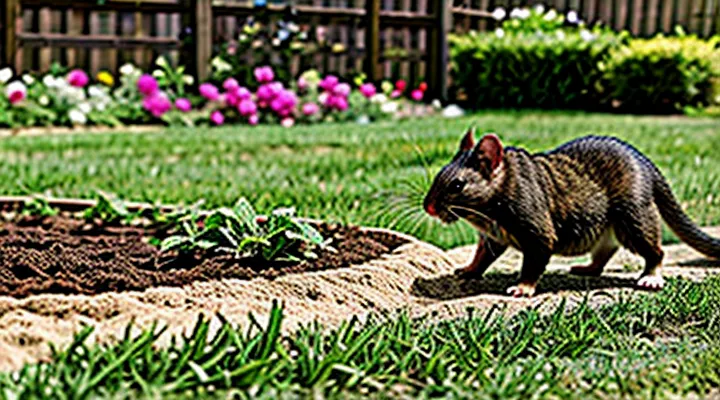
Understanding the Enemy: Ground Rats
Identifying Ground Rats
Physical Characteristics
Ground rats that invade garden beds exhibit a set of distinctive physical traits useful for identification and control. Adults typically measure 20–30 cm in body length, with an additional 15–25 cm tail that is proportionally shorter than the body. Weight ranges from 150 to 300 g, reflecting a sturdy, muscular build.
Fur coloration varies from brown‑gray on the dorsal side to lighter, silvery‑gray on the ventral surface. The coat is dense and short, providing protection against soil moisture and temperature fluctuations. Ears are relatively small, rounded, and sparsely haired, allowing the animal to navigate tight burrow entrances.
Whiskers extend well beyond the snout, serving as tactile sensors for detecting obstacles in dark tunnels. The eyes are small, positioned on the sides of the head, granting a wide field of view but limited depth perception. Teeth are continuously growing incisors with a characteristic orange‑brown enamel, enabling constant gnawing on roots and plant material.
Key morphological markers include:
- Broad, blunt snout adapted for root excavation
- Strong forelimbs with clawed paws for digging
- Tail covered in sparse short hair, tapering to a point
- Hardened dorsal spine of vertebrae that supports rapid underground movement
Recognition of these physical characteristics facilitates early detection and targeted management of rodent activity in cultivated plots.
Signs of Infestation
Ground rats leave unmistakable evidence that a garden plot is compromised. Recognizing these indicators enables prompt intervention and prevents extensive damage.
- Freshly excavated tunnels, typically 2–4 cm in diameter, appear as smooth, soil‑free channels near plant bases or along garden edges.
- Small, dark pellets measuring 2–5 mm are deposited in clusters beneath foliage, along pathways, or near burrow entrances.
- Gnawed stems, roots, and seed heads exhibit clean, crescent‑shaped cuts; stems may be partially severed, allowing plants to wilt rapidly.
- Visible chew marks on irrigation tubing, wooden stakes, or garden furniture indicate active foraging.
- Tracks consisting of tiny, paired footprints with elongated toes become apparent in soft soil after rain or watering.
- Occasional rustling or squeaking sounds emanate from underground chambers, especially at dusk.
These signs, when observed collectively, confirm an infestation and warrant immediate control measures.
Why Ground Rats are a Problem
Damage to Plants and Crops
Ground rats inflict direct damage on garden vegetation by gnawing roots, stripping bark, and consuming seedlings. Their incisors sever vascular tissue, leading to wilting, reduced nutrient uptake, and eventual plant death. Seed pods and fruit are frequently chewed, diminishing both yield quantity and quality.
Secondary effects arise from the rats’ activity. Burrow entrances disrupt soil structure, increasing erosion and creating pathways for fungal pathogens. Excreta introduce parasites and bacterial contaminants that weaken plant immunity and may spread to adjacent crops.
Typical indicators of rat‑induced injury include:
- Exposed, chewed roots at the soil surface
- Hollowed stems with fresh bite marks
- Missing or partially eaten seedlings and fruits
- Freshly disturbed soil mounds surrounding plant bases
- Presence of droppings or gnaw marks on garden infrastructure
Early detection and prompt intervention prevent extensive loss, preserve crop marketability, and maintain soil health.
Health Risks and Hygiene Concerns
Ground rats inhabiting a garden plot introduce pathogens that can affect human health. Direct contact with droppings, urine, or contaminated soil creates a pathway for bacteria, viruses, and parasites to enter the food chain.
- Salmonella spp. transmitted through contaminated produce.
- Leptospira interrogans causing leptospirosis via water or soil contact.
- Hantavirus exposure from inhaled aerosolized rodent excreta.
- Tapeworm eggs (Taenia spp.) deposited on vegetables, leading to intestinal infection.
Hygiene practices must mitigate these hazards. Regular removal of rodent nests and droppings eliminates primary sources of contamination. Soil should be turned and allowed to dry, reducing moisture that supports rodent activity. Protective gloves and masks are advisable when handling soil or harvesting crops. Washing vegetables with a dilute bleach solution (« 1 part bleach to 10 parts water ») followed by thorough rinsing removes residual pathogens. Storage containers must be sealed to prevent re‑infestation. Compost piles should reach temperatures above 55 °C to destroy rodent‑borne organisms. Implementing perimeter barriers, such as fine mesh fencing, restricts rodent entry into cultivated areas.
Adhering to these measures preserves the sanitary quality of garden produce and safeguards public health.
Prevention Strategies
Garden Maintenance and Sanitation
Removing Food Sources
Eliminating edible attractants deprives ground rats of the sustenance needed to persist in a garden bed.
All fallen fruit, vegetables and seed pods must be collected promptly. Compost piles should be enclosed with fine mesh and positioned away from planting areas; open piles provide a convenient feeding ground.
Pet food, birdseed and any stored grains require airtight containers. Feeding stations for wildlife should be elevated and equipped with squirrel‑proof dispensers to prevent spillage.
Mulch layers thicker than five centimeters create shelter and retain food debris; maintaining a thin, regularly turned mulch reduces both cover and available nourishment.
Waste bins must feature sealed lids and be emptied frequently. Discarded plant material, especially leafy greens and root vegetables, should be composted in a controlled system rather than left on the soil surface.
Key actions for removing food sources
- Gather and dispose of fallen produce each day.
- Enclose compost with mesh, locate it away from crops.
- Store all feed in sealed, rodent‑proof containers.
- Elevate and protect bird feeders, clean up spilled seed.
- Keep mulch shallow and turn it regularly.
- Use sealed waste containers, empty them often.
Consistent implementation of these measures removes the primary nutritional incentives that sustain ground rats, thereby reducing their presence in the garden plot.
Eliminating Shelter and Hiding Spots
Ground rats thrive in garden plots when shelter and hiding places are abundant. Removing these refuges directly reduces population pressure and limits reinfestation.
Typical hiding spots include:
- Mulch layers thicker than two inches
- Wood piles or compost heaps left untended
- Dense low‑lying vegetation
- Gaps between stones, bricks, or garden edging
- Burrows under loose soil or debris
Eliminating shelter requires systematic actions. First, thin mulch to a depth of one inch or replace it with coarse bark that discourages nesting. Second, relocate wood piles away from the garden perimeter and store them on a raised platform. Third, trim hedges and weeds to a height that prevents cover, maintaining open sightlines across the plot. Fourth, fill cracks and gaps with mortar or sand, creating a continuous barrier. Fifth, install raised beds with smooth sides, preventing rats from accessing soil directly. Sixth, apply a perimeter barrier of hardware cloth, buried at least six inches deep, to block underground entry.
Consistent execution of these steps removes the conditions that allow ground rats to establish shelter, thereby supporting long‑term garden health.
Proper Waste Management
Effective waste management reduces attractants for ground rats in garden beds. Prompt removal of fallen fruit, vegetable scraps, and seed debris eliminates food sources that sustain rodent populations. Secure compost piles with tight‑fitting lids; avoid open‑top containers that permit entry. Place waste bins at least two meters from planting areas and ensure lids close tightly. Regularly inspect and clean bins to prevent odor buildup that draws rats.
Key actions include:
- Collect garden refuse daily and deposit in sealed containers.
- Use compost bins with fine mesh screens to block rodents.
- Store animal feed in metal containers with secure closures.
- Remove standing water from trays and saucers to eliminate hydration points.
- Rotate compost material frequently to discourage nesting.
Implementing these practices creates an environment where ground rats find little sustenance, thereby decreasing their presence in garden plots.
Physical Barriers
Fencing and Netting
Ground rats exploit gaps in garden boundaries, causing damage to plants and soil structure. Effective physical barriers prevent entry and protect cultivated areas.
Fencing provides a durable, visible deterrent. Select materials that resist gnawing and corrosion. Install a fence at least 30 cm below ground level to block burrowing. Secure posts firmly in concrete to maintain tension and prevent collapse. Use mesh with openings no larger than 1 cm to stop even juvenile rats. Ensure the top of the fence extends 50 cm above the tallest vegetation, reducing climbing opportunities.
Netting complements fencing by covering vulnerable sections such as raised beds and trellises. Choose polypropylene netting with a tensile strength of at least 150 N m⁻¹. Anchor the net securely to the ground with staples or earth spikes, overlapping seams by 10 cm and fastening with UV‑resistant tape. Tension the net tightly to eliminate sagging pockets where rats could hide.
Regular maintenance sustains barrier effectiveness:
- Inspect fences weekly for chewed sections or rust.
- Repair mesh tears within 24 hours.
- Clean debris that may create shelter near barrier bases.
- Replace netting annually or after severe weather exposure.
Combined fencing and netting create a continuous physical shield, reducing ground rat activity and preserving garden productivity.
Protecting Raised Beds and Containers
Ground rats frequently burrow into raised beds and containers, causing root damage, soil loss, and reduced yields. Their activity compromises plant health and increases the need for frequent soil replacement.
- Install a solid perimeter barrier of hardware cloth (mesh size ≤ ¼ inch) around each bed, burying the lower edge 6–8 inches underground to block entry tunnels.
- Place raised beds on a base of crushed stone or concrete pavers; the hard surface deters digging and facilitates drainage.
- Use deep‑rooted, aromatic plants such as mint, rosemary, or lavender along the edge of containers; strong scents discourage rodent foraging.
- Apply a thin layer of fine sand or horticultural grit on the soil surface; rats avoid walking on loose, shifting material.
- Secure containers with tight‑fitting lids or mesh covers, especially during night hours when rodent activity peaks.
Regular inspection of barrier integrity prevents small breaches from becoming full‑scale infestations. Replace damaged sections of mesh promptly, and reseat covers after any wind or rain event. Maintain a clean garden perimeter by removing fallen fruit, debris, and excessive mulch, which provide shelter and attract rodents.
Implementing these measures creates a physical and sensory environment that limits ground rat access, preserves soil structure, and supports sustained vegetable production in raised beds and containers.
Natural Deterrents
Repellent Plants
Ground rats cause damage to vegetable beds, and certain plants deter their activity through scent, texture, or toxic compounds. Selecting appropriate species creates a natural barrier that reduces burrowing and feeding.
- « marigold » (Tagetes spp.) – emits strong volatile oils that repel rodents; plant in rows around the perimeter.
- « lavender » (Lavandula angustifolia) – aromatic foliage discourages gnawing; intersperse with crops that tolerate partial shade.
- « garlic » (Allium sativum) – cloves release sulfur compounds toxic to rodents; mulch crushed garlic near vulnerable plants.
- « rosemary » (Rosmarinus officinalis) – woody stems and pungent aroma act as a repellent; trim regularly to maintain vigor.
- « peppermint » (Mentha × piperita) – leaves contain menthol, an irritant for rodents; plant in containers to prevent spreading.
Effective deployment requires planting repellent species at least 30 cm apart from the main crop, maintaining soil moisture to enhance scent release, and rotating the barrier annually to avoid habituation. Combining multiple plants in a mixed border strengthens the deterrent effect and supports beneficial insects. Regular monitoring confirms reduced rodent activity and informs adjustments to the plant composition.
Encouraging Natural Predators
Encouraging natural predators creates a biologically based barrier against garden rodents. Providing suitable habitats attracts birds of prey, such as kestrels and owls, which hunt small mammals. Install wooden nesting boxes at 4–6 m height, maintain open sight lines, and avoid dense shrubbery that blocks flight paths.
Ground-dwelling predators, including hedgehogs and foxes, require shelter and undisturbed cover. Preserve stone piles, log stacks, and brush heaps; avoid excessive tillage that removes these refuges.
Feline presence can deter rodent activity. Allow outdoor cats access to the garden while ensuring they are vaccinated and spayed to prevent ecological imbalance.
Beneficial insects, particularly predatory beetles and ants, contribute to early-stage rodent control by consuming eggs and juvenile insects that support rodent diets. Increase insect diversity by planting flowering herbs such as dill, fennel, and yarrow, and by avoiding broad‑spectrum insecticides.
Water sources sustain predator populations. Install shallow bird baths and drip‑irrigated troughs, ensuring regular cleaning to prevent disease.
A concise checklist for predator encouragement:
- Install elevated nesting boxes for raptors.
- Preserve ground cover: stone piles, log stacks, brush.
- Provide safe access for outdoor cats.
- Plant insect‑attracting herbs; limit chemical sprays.
- Maintain clean water stations.
Implementing these measures establishes a self‑regulating ecosystem that reduces rodent pressure without reliance on chemical controls.
Active Control Methods
Trapping Techniques
Types of Traps
Ground rats compromise the health of garden beds and diminish crop yields; selecting the right trap is essential for effective control.
- Snap traps – steel‑spring devices that deliver a rapid, lethal strike. Position them along established runways, set the trigger just beyond the bait, and check daily to remove captured rodents.
- Live‑capture traps – cage‑style mechanisms that confine the animal unharmed. Use bait such as grain or fruit, place the trap in shaded areas, and release captured rats at least 500 m from the garden to prevent re‑entry.
- Electric traps – insulated chambers that administer a high‑voltage shock when the rodent completes the circuit. Ensure the power source is weather‑proof, and clean the interior after each use to maintain efficacy.
- Glue boards – adhesive sheets that immobilize rodents upon contact. Apply them on the ground near burrow entrances, and replace promptly once activity ceases to avoid prolonged suffering.
- Bait stations with trigger mechanisms – sealed containers that release a toxic pellet only when a rodent manipulates the trigger. Select formulations approved for garden use, and locate stations out of reach of non‑target wildlife.
«A trap that aligns with the target’s natural behavior yields the highest success rate». Combining multiple trap types along the perimeter and within the planting area enhances overall reduction of ground rat populations. Regular inspection and prompt disposal of captured animals prevent secondary infestations.
Baiting Strategies
Effective control of rodents in a garden bed relies on precise bait placement and selection. Proper baiting reduces damage to crops and minimizes non‑target exposure.
Key considerations for baiting include:
- Choose palatable, high‑protein baits such as fish meal, peanut butter, or commercial rodent blocks.
- Incorporate a small amount of attractant, for example, a few drops of vanilla or a piece of fruit, to increase uptake.
- Position bait stations at ground level, near burrow entrances, and away from irrigation lines to prevent wash‑out.
- Use weather‑resistant containers with one‑way entry slots; this prevents rodents from escaping with bait while shielding it from rain.
- Replace bait every 3–5 days to maintain freshness and monitor consumption rates.
Safety measures:
- Mark bait locations with low‑visibility flags to avoid accidental contact by humans or pets.
- Store unused bait in sealed containers, away from food preparation areas.
- Follow local regulations regarding rodent control products, ensuring compliance with environmental standards.
Integrating baiting with habitat modification—removing debris, trimming vegetation, and sealing entry points—enhances overall effectiveness and sustains a healthy garden ecosystem.
Safe Trap Placement and Monitoring
Safe trap placement forms the backbone of any garden rat control effort. Position traps along established burrow runways, close to the ground surface, and away from irrigation lines to prevent accidental flooding. Select sites where rats frequently travel, such as the edges of vegetable rows or near compost piles, and ensure the ground is firm enough to hold the trap without sinking.
Secure each trap firmly to the soil using stakes or heavy stones. Cover the trap with a thin layer of mulch or leaf litter to blend with the environment while keeping the trigger visible. Shield the mechanism with a protective cage to exclude non‑target wildlife and children. Place traps no more than 30 cm apart in high‑activity zones to maximize capture probability.
Monitoring requires a disciplined routine. Inspect traps early each morning and again at dusk, removing captured rodents promptly. Record the date, location, and number of captures for each trap to identify patterns and adjust placement. Reset or relocate traps that show no activity for three consecutive checks, and replace bait with fresh material to maintain attractiveness.
Key actions for effective trap management:
- Choose locations along active burrow paths, avoiding water sources.
- Anchor traps securely and conceal with natural ground cover.
- Protect triggers with cages to prevent accidental activation by non‑target species.
- Conduct twice‑daily inspections, log results, and modify trap distribution based on capture data.
Baits and Rodenticides
Understanding Different Formulations
Effective control of garden‑dwelling rodents depends on selecting the appropriate formulation for the specific situation. Formulations differ in delivery method, active ingredient, and environmental impact, influencing both efficacy and safety for non‑target organisms.
Common formulations include:
- Solid bait blocks – dense matrices that release anticoagulant compounds gradually; suitable for burrow entrances where rodents linger.
- Granular baits – fine particles spread over soil surface; provide rapid ingestion for active foragers and allow precise dosing.
- Liquid sprays – repellents containing volatile oils or synthetic deterrents; applied to plant foliage and soil to discourage entry without lethal effect.
- Pelletized traps – pre‑loaded devices containing a single dose of toxicant; activate when a rodent bites a trigger, limiting exposure to other wildlife.
- Biological agents – formulations of rodent‑specific pathogens or nematodes; introduced into burrows to reduce populations through disease cycles.
Key considerations when choosing a formulation:
- Target behavior – nocturnal foragers respond better to granular baits, while burrow‑bound individuals prefer solid blocks placed at tunnel mouths.
- Environmental conditions – rain or irrigation can dilute liquid sprays; granules may clump in moist soil, affecting availability.
- Non‑target risk – solid blocks and pelletized traps limit accidental consumption by birds or pets; liquid repellents pose minimal toxicity but require re‑application after rain.
- Regulatory compliance – verify that the active ingredient is approved for garden use and that label instructions are followed precisely.
Integrating multiple formulations often yields superior results. For example, deploying solid bait blocks at primary entry points while applying a liquid repellent to surrounding vegetation creates a barrier that both attracts and deters rodents. Continuous monitoring of activity signs, such as fresh droppings or burrow openings, guides timely adjustments to the formulation mix, ensuring sustained reduction of rodent pressure on the garden plot.
Safe Application and Disposal
Applying rodent control measures in a garden requires strict adherence to safety guidelines. Select products labeled for outdoor use and approved by relevant agricultural authorities. Follow label instructions precisely, including recommended dosage, timing, and weather conditions. Wear protective gloves and eyewear when handling chemicals, and keep them out of reach of children and pets.
When using mechanical traps, position them away from high‑traffic areas and near established pathways. Check traps regularly; remove captured rodents promptly to prevent disease spread. Dispose of live captures according to local wildlife regulations, and handle dead specimens with disposable gloves.
Disposal of contaminated materials must prevent environmental contamination. Place used bait containers, broken traps, and protective gear in sealed, puncture‑proof bags. Transfer bags to a licensed hazardous waste facility or follow municipal guidelines for chemical waste. Do not discard residues in storm drains, compost piles, or regular trash.
Cleaning tools after each use reduces cross‑contamination. Rinse equipment with water, then soak in a solution of mild detergent followed by a rinse with a disinfectant approved for agricultural settings. Allow all items to dry completely before storage.
Recording application dates, product names, and quantities supports compliance monitoring and helps adjust future control strategies. Maintaining accurate records also facilitates communication with pest‑management professionals and regulatory agencies.
Precautions for Pets and Children
Ground rats pose a health risk to both domestic animals and youngsters when control measures are applied in garden beds. Safety measures must address exposure to traps, toxic baits, and habitat disruption.
Pet safety requires strict separation from control devices.
- Store snap traps and live‑catch cages out of reach of dogs and cats.
- Choose non‑chemical deterrents, such as ultrasonic emitters, to avoid ingestion hazards.
- Inspect pet bedding and feeding areas for residual bait particles after each treatment session.
- Supervise outdoor playtime; redirect curious animals away from treated zones.
Child safety focuses on preventing accidental contact with hazardous materials.
- Keep all rodent‑control products locked in a high, child‑proof cabinet.
- Use bait stations that lock securely, eliminating direct handling.
- Conduct a visual sweep of the garden before allowing children to play, removing any exposed traps or debris.
- Educate caregivers about the appearance of common bait pellets and the importance of immediate reporting of any ingestion.
Ongoing monitoring reinforces protection. Regularly replace bait stations, inspect trap locations, and maintain a clean perimeter around the garden plot. Promptly remove dead rodents to reduce disease transmission. Consistent vigilance ensures that pest‑control efforts do not compromise the well‑being of pets and children.
Exclusion and Proofing
Sealing Entry Points
Sealing entry points is the most reliable method to prevent ground rats from infiltrating a garden plot. Identify all potential openings in the garden’s perimeter, including gaps around irrigation pipes, fence posts, and soil edges. Close each aperture with durable, weather‑resistant material to eliminate access routes.
- Install metal mesh (minimum 1 mm gauge) over gaps in the fence, securing it with stainless‑steel staples.
- Apply expandable foam sealant around pipe penetrations, allowing the foam to cure fully before covering with a protective layer.
- Use garden‑grade silicone caulk to fill cracks between soil and hardscape elements, smoothing the surface to prevent rat whisker contact.
- Cover the soil surface with a layer of coarse mulch or landscape fabric, securing the edges with landscape pins to discourage burrowing.
Inspect the garden regularly, especially after heavy rain or soil disturbance, to detect new openings. Replace worn or damaged sealing materials promptly to maintain an impenetrable barrier. Continuous maintenance of sealed entry points sustains a rat‑free environment and supports healthy plant growth.
Maintaining Structures
Maintaining garden structures is essential for reducing ground‑rat activity in vegetable plots. Secure fences, raised beds, and trellises prevent burrowing and limit access to food sources. Regular inspection identifies cracks, loose panels, or damaged wiring that rats can exploit.
Key actions include:
- Reinforce fence foundations with concrete or metal posts set at least 30 cm deep.
- Install hardware cloth with mesh no larger than 1 cm over the lower portion of fences.
- Seal gaps around irrigation pipes, drainage lines, and utility conduits using metal flashing or silicone sealant.
- Elevate seed trays and compost bins on sturdy stands, ensuring no direct contact with soil.
- Replace worn or corroded wire ties on trellises with stainless‑steel alternatives.
Periodic maintenance schedules minimize structural degradation. Conduct a visual survey monthly, focusing on corners where soil meets hard surfaces. Repair identified weaknesses promptly to maintain a continuous barrier.
Integrating these measures with sanitation practices—removing fallen fruit, storing feed in sealed containers, and keeping vegetation trimmed—creates a hostile environment for ground rats, protecting the productivity of garden plots.
Integrated Pest Management (IPM) for Ground Rats
Combining Multiple Approaches
Effective control of burrowing rodents in a garden bed requires a coordinated strategy rather than reliance on a single method. Integrating chemical, mechanical, and biological measures maximizes impact while reducing the likelihood of resistance.
- Apply a targeted rodenticide in low‑volume, drip‑feed stations placed near activity zones; choose products with rapid degradation to limit environmental persistence.
- Install physical barriers such as mesh sleeves around plant stems and perimeter fences buried 12 inches deep; ensure mesh size excludes juvenile individuals.
- Deploy live traps baited with high‑protein attractants; release captured specimens at a safe distance from the garden to prevent re‑infestation.
- Encourage natural predators by planting hedgerows of dense shrubbery and providing nesting boxes for owls, foxes, or feral cats.
- Conduct regular soil tillage to disrupt tunnels and expose hidden nests; schedule tillage after rainfall when soil is pliable.
Combining these tactics creates overlapping layers of protection, each compensating for the limitations of the others. Regular monitoring of trap counts, damage reports, and population signs guides adjustments, ensuring sustained suppression of the rodent problem.
Regular Monitoring and Assessment
Regular monitoring supplies the data needed to detect early signs of ground‑rat activity and to evaluate the effectiveness of control measures. Visual sweeps of planting rows, inspection of mulch layers, and examination of gnaw marks reveal the presence of active individuals before populations reach damaging levels. Monitoring should occur at least twice weekly during the growing season, with increased frequency after heavy rain or when new food sources appear.
Assessment translates observations into actionable decisions. Record the number of sightings, trap captures, and evidence of damage in a simple log. Compare current figures with baseline counts taken before any interventions. When capture rates decline consistently over three consecutive checks, reduce bait placement and focus on perimeter reinforcement. If counts rise, intensify trapping and consider supplemental barriers.
Key elements of an effective monitoring program include:
- Systematic walk‑throughs covering all garden sections.
- Standardized recording format for sightings, trap results, and damage signs.
- Regular comparison of data against established thresholds.
- Prompt adjustment of control tactics based on documented trends.
Long-Term Solutions for a Rat-Free Garden
Effective long‑term control of ground rats in a garden plot requires a combination of habitat alteration, exclusion methods, and sustainable population management.
Key actions include:
- Install solid barriers such as hardware cloth or metal mesh around the perimeter of the planting area; bury the lower edge at least 30 cm to prevent burrowing.
- Maintain a clean environment by removing fallen fruit, excess mulch, and dense ground cover that provides shelter.
- Encourage natural predators by installing raptor perches, bat boxes, or planting aromatic herbs (e.g., mint, rosemary) that deter rodents.
- Deploy snap traps or electronic devices in established runways; position them perpendicular to the burrow entrance and check regularly.
- Apply rodent‑resistant planting media, such as coarse sand or gravel, in zones prone to tunneling.
Regular monitoring reinforces these measures. Conduct a bi‑weekly inspection of barrier integrity, trap performance, and signs of activity (e.g., fresh droppings, gnaw marks). Record observations in a simple log to identify patterns and adjust placement of deterrents accordingly. Seasonal reinforcement of barriers and periodic renewal of predator habitats sustain a rat‑free garden over the long term.