
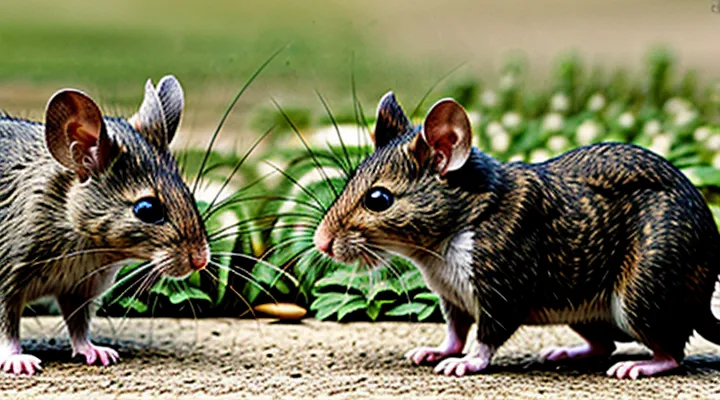
Ecological Niches and Habitats
Field Mice: Preferred Environments
Open Fields and Grasslands
Open fields and grasslands present a mosaic of vegetation, soil types, and microclimates that shape the behavior and physiology of wild rodents. Sparse canopy cover allows abundant sunlight, raising surface temperatures during the day and exposing the ground to rapid cooling at night. These thermal fluctuations drive activity patterns, with mice foraging in the cooler twilight hours to avoid heat stress and predation.
Nutrient availability in grasslands is highly variable. Seasonal growth peaks provide bursts of seed and insect abundance, prompting opportunistic feeding strategies. Wild mice exploit these pulses by increasing reproductive output and expanding home‑range size, a response documented in several long‑term field studies. In contrast, domestic environments offer constant food supplies, reducing the need for extensive foraging and limiting seasonal reproductive cycles.
Predation pressure in open habitats differs markedly from that in human‑controlled settings. Ground predators such as foxes, raptors, and snakes rely on visual detection across the exposed terrain. Consequently, wild mice develop heightened vigilance, rapid escape responses, and complex burrow networks that provide refuge. Domestic mice encounter fewer natural predators, leading to reduced stress responses and altered hormonal profiles.
Key distinctions between open‑field and domestic settings can be summarized:
- Thermal environment: diurnal temperature swings vs. stable indoor climate.
- Food resources: seasonal, unpredictable vs. continuous, predictable supply.
- Predation risk: high, diverse predator community vs. minimal natural threats.
- Social structure: fluid, territory‑based groups vs. dense, often overcrowded colonies.
Understanding these environmental contrasts clarifies why wild mice exhibit greater behavioral plasticity, larger territorial ranges, and more robust stress‑response systems than their domestic counterparts.
Forest Edges and Woodland Areas
Forest edges and woodland interiors provide distinct microhabitats that influence the foraging behavior, predator exposure, and nesting choices of wild rodents compared to their domesticated counterparts. Edge environments combine open ground with canopy cover, offering higher seed availability and increased insect activity, while interior woodlands present dense leaf litter, stable humidity, and fewer visual predators.
Key differences observed in wild mice occupying these zones include:
- Diet composition shifts toward seeds, nuts, and arthropods abundant at edges; interior dwellers rely more on fungal spores and detritus.
- Home‑range size contracts in dense forest interiors, reflecting limited resource dispersion; edge residents maintain larger territories to exploit heterogeneous food patches.
- Nest construction varies; edge populations build nests in shallow burrows or under low vegetation, whereas interior mice use deeper burrows within leaf litter or log cavities.
Domestic mice, raised in controlled environments, lack exposure to these structural complexities. Their diets consist primarily of processed grains, and they exhibit reduced spatial awareness of predator cues. Consequently, they display limited adaptability when introduced to forest edge or woodland settings, often experiencing elevated stress and mortality rates.
Understanding how edge and interior woodland characteristics shape wild mouse ecology clarifies the broader contrast between free‑living and captive rodent lifestyles, informing conservation strategies and laboratory animal welfare practices.
Domestic Mice: Human-Associated Habitats
Residential Dwellings
Residential dwellings provide a controlled environment characterized by stable temperature, limited exposure to predators, and abundant human-generated waste. These conditions contrast sharply with the open fields where wild mice encounter fluctuating temperatures, natural predators, and seasonal food scarcity.
The architecture of homes influences mouse behavior. Walls, ceilings, and floor cavities create concealed pathways for movement and nesting. Insulation materials such as fiberglass or foam offer soft substrates for building nests, while gaps around pipes and vents serve as entry points. Food storage areas—pantries, cupboards, and countertops—present predictable nutrition sources, reducing the need for extensive foraging.
Key aspects of residential habitats include:
- Structural complexity – multiple layers of building materials create vertical and horizontal networks that facilitate movement and hide nests.
- Resource predictability – regular human waste and food residues provide constant caloric intake.
- Reduced predation pressure – domestic cats, if present, represent the primary threat; larger predators are largely absent.
- Microclimate stability – heating and cooling systems maintain narrow temperature ranges, supporting continuous breeding cycles.
These factors collectively shape the domestic mouse’s life history. Reproductive rates increase due to year‑round food availability, while nest construction relies on readily accessible soft materials. In contrast, field mice must adapt to seasonal variations, construct nests from natural vegetation, and allocate more energy to predator avoidance and foraging over larger distances.
Understanding the interaction between residential architecture and mouse ecology informs pest management strategies. Targeted sealing of entry points, removal of food sources, and disruption of nesting sites directly exploit the dependencies created by the domestic environment.
Agricultural Structures
Agricultural buildings shape the environment in which field and domestic mice coexist, influencing shelter availability, food access, and movement pathways. Barns provide elevated platforms and dark corners that attract field mice seeking temporary refuge, while domestic mice frequently occupy lower-level storage rooms where human activity supplies consistent food sources. Silos and grain bins create dense, high‑calorie reserves that draw both groups; however, field mice tend to exploit occasional spillage, whereas domestic mice exploit the regular handling of grain.
Key structural elements affecting mouse behavior include:
- Barn architecture – roof trusses, lofts, and ventilation gaps serve as entry points and nesting sites for field mice; insulated walls and sealed doors limit domestic mouse intrusion.
- Storage facilities – airtight containers reduce moisture, deterring field mice that prefer humid conditions; open pallets and floor‑level bins accommodate domestic mice accustomed to human‑mediated feeding.
- Perimeter barriers – solid fencing restricts field mouse movement across fields, while wire mesh on doors and windows blocks domestic mouse entry into living quarters.
- Utility tunnels – underground conduits connect barns and sheds, offering continuous corridors for field mice; sealed utility shafts prevent domestic mouse migration.
The arrangement of these structures determines resource distribution. Field mice exploit transient niches created by structural wear, such as gaps around roof eaves, whereas domestic mice rely on stable, human‑maintained spaces. Modifying building designs—tightening seams, installing metal guards on ventilation openings, and employing sealed grain storage—directly alters the relative success of each mouse population within agricultural settings.
Commercial Buildings
Commercial buildings serve as controlled habitats that differ markedly from natural field environments. Structural elements such as climate‑controlled interiors, consistent lighting, and standardized flooring create conditions similar to those experienced by captive mice, reducing exposure to predators, temperature fluctuations, and variable food sources.
In contrast, field settings expose mice to heterogeneous microhabitats, including variable temperature, humidity, and substrate composition. These factors drive adaptive behaviors such as foraging over large distances, burrowing in diverse soils, and heightened vigilance. The predictable environment of office towers and retail spaces eliminates many of these pressures, leading to reduced locomotor activity and altered circadian rhythms.
Design considerations that influence mouse‑like occupants in commercial structures include:
- Uniform temperature regulation (typically 20‑22 °C)
- Continuous artificial lighting with adjustable intensity
- Smooth, non‑porous floor surfaces that limit nesting material availability
- Managed waste disposal that restricts opportunistic feeding
These characteristics shape the lifestyle of resident or transient small mammals, aligning their behavior more closely with that of domestic specimens than with wild counterparts. Understanding the disparity between engineered spaces and natural fields informs pest‑management strategies and highlights the impact of built environments on animal ecology.
Dietary Habits and Foraging Strategies
Field Mice: Natural Food Sources
Seeds and Grains
Seeds and grains constitute the primary plant-derived food source for mice inhabiting open agricultural areas. In these settings, wild mice encounter a continuous supply of harvested cereals, spilled kernels, and discarded seed pods. The high carbohydrate content of these items supports rapid weight gain and increased reproductive output. Field-dwelling mice typically store surplus grains in burrows, creating seasonal reserves that buffer against periods of low availability.
Domestic mice, kept in controlled environments, receive processed seed mixes and grain pellets formulated for consistent nutrient composition. The diet lacks the variability found in outdoor habitats, resulting in steadier growth rates and reduced need for foraging behavior. Laboratory feeding regimens often include measured portions of:
- Whole wheat kernels
- Sunflower seeds
- Barley pellets
- Mixed grain blends
The contrast in food accessibility influences activity patterns. Wild mice must travel between storage sites, exposing them to predators and environmental stressors. Their foraging routes are dictated by the spatial distribution of seed caches and crop residues. Conversely, captive mice experience limited movement, with food presented at fixed locations, minimizing exposure to external threats.
Nutritional analysis shows that field-collected grains contain higher fiber and residual phytochemicals compared to refined laboratory grain products. These components affect gut microbiota composition, digestion efficiency, and immune response. Studies indicate that wild mice exhibit broader microbial diversity, linked to the heterogeneous seed diet, whereas domestic mice display a more uniform microbial profile.
Overall, the availability, composition, and distribution of seeds and grains shape the physiological and behavioral adaptations distinguishing free-ranging mice from their domesticated counterparts.
Insects and Invertebrates
Field mice that forage outdoors encounter a broad spectrum of arthropods, whereas house‑bound mice rely on a limited set of invertebrates supplied by human environments. This contrast shapes the nutritional intake, predator exposure, and seasonal activity patterns of the two groups.
Outdoor rodents consume insects such as beetles, moth larvae, and grasshoppers, plus non‑insect invertebrates like earthworms and snails. These prey items provide protein, lipids, and micronutrients that fluctuate with temperature, vegetation growth, and precipitation. Indoor mice encounter fewer taxa; typical sources include pantry pests (e.g., flour beetles), houseflies, and occasional arthropods drawn to waste. The reduced diversity translates into a more uniform diet, often supplemented by human food residues.
Key distinctions in foraging and diet:
- Taxonomic variety: Wild mice access >50 arthropod families; domestic mice encounter <10.
- Protein proportion: Outdoor diet averages 20‑30 % of caloric intake from insects; indoor diet rarely exceeds 10 %.
- Seasonal shift: Field mice switch to higher‑fat invertebrates in autumn; house mice show minimal seasonal variation.
- Health implications: Diverse insect consumption correlates with lower incidence of micronutrient deficiencies; limited invertebrate intake can predispose indoor mice to obesity and metabolic disorders.
Reproductive output reflects these dietary patterns. Field mice producing larger litters during periods of abundant insects demonstrate a direct link between invertebrate availability and fecundity. Domestic mice, with a steadier but less nutritious invertebrate supply, maintain smaller, more constant litter sizes.
Overall, the disparity in insect and invertebrate resources between outdoor and indoor mouse populations drives measurable differences in nutrition, health, and reproductive strategy.
Plant Matter and Roots
Plant material constitutes a primary energy source for mice that forage in natural habitats. Wild mice regularly ingest leaves, stems, and underground parts of grasses and herbaceous species while foraging across fields. Root consumption occurs opportunistically when burrowing or when above‑ground vegetation is scarce, providing dietary fiber and micronutrients such as potassium and magnesium.
Captive mice, maintained in laboratory or household environments, receive formulated feeds that contain processed plant ingredients. Direct ingestion of intact roots is uncommon; instead, root-derived compounds appear as purified extracts or cereal grains. This limitation reduces exposure to the complex polysaccharides and secondary metabolites found in whole plant tissues.
Key contrasts in plant‑matter utilization include:
- Fiber diversity: Wild diets contain heterogeneous cellulose, hemicellulose, and lignin from varied plant parts; laboratory diets rely on uniform, milled fibers.
- Secondary metabolites: Field mice encounter alkaloids, tannins, and glucosinolates that influence detoxification pathways; domestic mice receive limited quantities of such compounds.
- Microbial exposure: Consumption of raw roots and leaves introduces environmental microbes, shaping gut microbiota composition; sterile feeds limit microbial influx.
These differences affect digestive efficiency, nutrient absorption, and metabolic health, underscoring the role of plant matter and root intake in distinguishing the lifestyles of wild versus captive mouse populations.
Domestic Mice: Human-Provided Food
Scavenging Human Food Waste
Scavenging human food waste represents a primary nutritional source for house mice, while wild mice encounter it only intermittently. Domestic mice frequent kitchens, pantries, and garbage bins, exploiting high‑calorie items such as processed carbohydrates, fats, and sugars. This diet accelerates growth rates, shortens reproductive cycles, and increases population density in urban settings.
Wild mice rely on natural foraging for seeds, insects, and plant material. When human waste becomes available—typically in dumpsters or compost heaps—they supplement their diet with discarded food, but the proportion of anthropogenic nutrients remains low. Consequently, wild populations retain a broader dietary breadth and exhibit greater seasonal fluctuations in body condition.
Key distinctions in waste scavenging behavior include:
- Habitat proximity: house mice live inside or adjacent to human structures; field mice occupy fields, hedgerows, and burrows away from direct waste sources.
- Temporal patterns: domestic mice access waste continuously; wild mice exploit waste primarily during nocturnal foraging peaks or when natural resources decline.
- Health outcomes: high‑energy waste promotes obesity and metabolic disorders in house mice; limited waste intake in wild mice maintains leaner physiques and higher disease resistance.
Overall, human food waste acts as a concentrated energy reservoir for domestic mice, driving rapid demographic expansion, whereas wild mice incorporate it sporadically, preserving ecological adaptability and physiological resilience.
Stored Grains and Processed Foods
Stored grains constitute the primary energy source for wild mice inhabiting agricultural environments. These rodents access kernels directly from silos, barns, and outdoor bins, consuming high‑carbohydrate, low‑fat material that supports rapid weight gain and increased reproductive output. Nutrient composition of raw grains promotes a gut microbiota dominated by cellulolytic bacteria, enhancing fiber digestion and short‑chain fatty acid production.
Domestic mice, kept as laboratory or pet animals, receive processed foods formulated to provide balanced macronutrients, vitamins, and minerals. Commercial rodent chow typically includes milled grains, soy protein, and added micronutrients, delivering consistent caloric density and reduced variability in nutrient intake. The processing eliminates antinutritional factors present in raw grains, such as phytates, thereby improving mineral absorption.
Key contrasts between the two populations include:
- Dietary consistency: Wild mice encounter seasonal fluctuations in grain availability; domestic mice experience stable, year‑round diets.
- Macronutrient balance: Raw grains are high in starch and low in protein; processed feeds contain calibrated protein‑to‑carbohydrate ratios.
- Digestive adaptations: Wild mice exhibit elongated intestines suited for fiber breakdown; domestic mice display shorter gut tracts optimized for readily digestible pellets.
- Health outcomes: Variable grain quality can lead to micronutrient deficiencies in wild mice; formulated diets reduce incidence of nutritional disorders in domestic mice.
Exposure to stored grains also influences foraging behavior. Wild mice develop nocturnal searching patterns and heightened olfactory sensitivity to locate hidden caches. In contrast, domestic mice rely on human‑provided feeding stations, resulting in reduced exploratory activity and lower energy expenditure.
Overall, the divergence in food sources drives distinct physiological and behavioral profiles between field‑dwelling and captive mice, reflecting the impact of raw grain consumption versus regulated processed nutrition.
Opportunistic Feeding
Opportunistic feeding describes the capacity of mice to exploit transient food sources that appear outside their regular diet. In free‑living populations, this behavior is driven by seasonal fluctuations in seed availability, insect emergence, and human‑derived waste. Wild mice rapidly adjust foraging routes, expand home ranges, and increase nocturnal activity when novel resources become accessible. Their gastrointestinal microbiota shifts to accommodate higher protein or carbohydrate loads, enhancing digestive efficiency during these periods.
Domestic mice, confined to laboratory or household environments, encounter a stable supply of nutritionally defined feed. Opportunistic intake manifests as occasional consumption of crumbs, pet food leftovers, or accidental ingestion of household chemicals. Because the ambient food landscape changes little, domestic individuals exhibit limited behavioral flexibility and rely more on innate satiety signals than on external cues to modify intake.
Key contrasts in opportunistic feeding between the two groups include:
- Resource variability: Wild mice experience high temporal and spatial heterogeneity; domestic mice face constant provision.
- Behavioral adaptation: Wild individuals display rapid route reconfiguration and increased exploratory bouts; domestic mice show minimal route alteration.
- Physiological response: Wild mice adjust gut enzyme expression and microbial composition; domestic mice maintain a relatively static digestive profile.
- Risk exposure: Opportunistic foraging in the field raises predator encounter rates; domestic mice encounter negligible predation risk.
Understanding these differences clarifies how environmental stability shapes feeding strategies, metabolic plasticity, and overall health outcomes in mouse populations.
Social Structures and Reproductive Patterns
Field Mice: Social Dynamics
Solitary or Small Family Groups
Wild mice typically form solitary or small family units that occupy discrete territories. Each adult maintains a home range averaging 0.5–1.0 m², defending it against conspecific intruders. Nest sites are constructed in concealed locations—under rocks, within dense vegetation, or in burrow chambers—providing protection from predators and environmental fluctuations. Reproductive activity is concentrated within the family group: a dominant female breeds, while the male and subordinate offspring assist in nest maintenance and pup care.
Domestic mice, kept in laboratory or pet environments, also exhibit solitary or small-group organization, but the constraints differ markedly. Enclosures limit spatial expansion, resulting in overlapping home ranges and increased social interaction. Nesting material is supplied, eliminating the need for concealment. Breeding cycles become continuous, as artificial lighting and temperature remove seasonal cues. Consequently, the family structure shifts toward a more cooperative breeding system, with multiple adults participating in offspring rearing.
Key distinctions between the two settings include:
- Territory size: wild mice defend exclusive areas; domestic mice share confined space.
- Nest construction: wild mice build for protection; domestic mice use ready‑made material.
- Breeding seasonality: wild mice breed seasonally; domestic mice breed year‑round.
- Parental roles: wild females primarily rear young; domestic groups often display shared parental duties.
These differences illustrate how environmental context reshapes the organization and behavior of solitary or small family groups in mouse populations.
Burrow Systems and Territories
Wild mice excavate complex burrow systems that consist of primary tunnels, side passages, and multiple chambers. Primary tunnels often extend 1–3 m from the entrance, providing escape routes from predators. Side passages branch toward foraging areas, while nesting chambers are lined with grasses and shredded plant material. Food caches are stored in separate chambers, reducing competition within the colony. In contrast, domestic mice kept in laboratory or pet environments occupy flat enclosures that lack vertical depth and contain only minimal bedding structures. Their “burrows” are limited to shallow depressions created by the animals themselves, offering no distinct separation of functional spaces.
Territorial behavior differs markedly between the two groups. Wild individuals establish and defend exclusive home ranges that can span several hundred square meters, marked by scent deposits on the burrow entrance and surrounding vegetation. Intruders are repelled through vocalizations and aggressive lunges, maintaining a clear boundary between neighboring colonies. Domestic mice share a confined cage space, resulting in overlapping territories. Scent marking occurs on cage walls and bedding, but physical exclusion is rarely observed; aggression is limited to brief skirmishes rather than sustained territorial defense.
These structural and spatial distinctions influence physiological stress, social hierarchy, and experimental reproducibility. Burrow complexity in wild mice supports natural foraging cycles, predator avoidance, and thermoregulation, which shape hormonal profiles and immune function. Domestic mice experience reduced environmental variability, leading to altered stress hormone baselines and modified social interactions.
Key differences:
- Burrow architecture: multi‑level tunnels and chambers vs. shallow bedding depressions.
- Range size: hundreds of square meters vs. single cage volume.
- Boundary enforcement: scent marking and aggressive defense vs. occasional brief aggression.
- Functional segregation: distinct nesting, storage, and escape zones vs. undifferentiated space.
Understanding these contrasts is essential for interpreting behavioral data and for designing housing conditions that reflect naturalistic needs when studying mouse biology.
Domestic Mice: Colony Behavior
Large Communal Nests
Large communal nests represent a distinct social structure in which multiple individuals share a single, expansive shelter. In wild mouse populations, these nests often contain several adult females, their offspring, and occasionally subordinate males. The architecture is built from collected materials such as grass, leaves, and shredded paper, arranged to maximize insulation and concealment. Nest size can exceed 30 cm in diameter, providing a stable microclimate that reduces temperature fluctuations and conserves energy during cold periods.
In laboratory mouse colonies, communal nesting is less common but can be induced under specific housing conditions. When provided with ample bedding and nesting material, groups of four to six mice will construct nests comparable in size to those observed in natural settings. However, the composition differs: domestic mice typically use synthetic fibers and lack the heterogeneous plant matter found in field nests. The resulting structure offers comparable thermal benefits but may lack the camouflage functions necessary for predator avoidance.
Key contrasts between wild and captive communal nests include:
- Material diversity: Wild nests incorporate a variety of natural substrates; laboratory nests rely on uniform, commercially supplied bedding.
- Population density: Field nests may host up to ten individuals, whereas domestic nests rarely exceed six due to cage size limitations.
- Functional priorities: In the wild, nests serve both thermoregulation and predator concealment; in captivity, the primary function is temperature regulation and social cohesion.
- Construction dynamics: Wild mice build nests seasonally, intensifying activity during breeding peaks; laboratory mice construct nests continuously when environmental enrichment is available.
Understanding these differences informs experimental design, particularly when assessing social behavior, stress responses, and thermoregulatory physiology. Replicating natural nest conditions in laboratory settings can enhance the ecological validity of studies that compare the lifestyles of wild and domesticated mouse strains.
Rapid Reproduction Cycles
Field mice living outdoors encounter fluctuating temperature, limited shelter, and seasonal food availability. Their reproductive strategy compensates for high mortality by shortening the interval between litters. Gestation lasts about 19‑21 days, and females can become fertile within a week after giving birth, enabling up to five litters per breeding season. Litter size averages 5‑8 pups, but the number adjusts to environmental conditions; abundant resources produce larger broods, while scarcity reduces pup count.
Domestic mice kept under controlled temperature, constant lighting, and unrestricted nutrition exhibit a different pattern. Continuous access to food and absence of predators remove seasonal constraints, allowing breeding year‑round. Females maintain a similar gestation length but can produce up to ten litters annually because the postpartum estrus occurs without delay. Typical litter size rises to 7‑10 pups, reflecting the stable, high‑quality diet.
Key contrasts in rapid reproduction cycles:
- Breeding frequency: Wild populations restrict litters to the warm months; laboratory colonies sustain continuous cycles.
- Litter size variability: Field specimens modulate pup numbers in response to resource flux; domestic strains maintain consistently larger litters.
- Post‑partum recovery: Outdoor females may experience delayed estrus due to stressors, whereas cage‑reared females enter estrus within 24 hours.
- Survival pressure: High predation and disease in the field select for faster turnover; captive environments reduce mortality, extending reproductive longevity.
These distinctions illustrate how lifestyle dictates the speed and scale of mouse reproduction, shaping population dynamics in natural versus managed settings.
Territoriality within Human Structures
Mice establish and defend spatial boundaries that provide exclusive access to resources such as food, nesting material, and shelter. Within human‑constructed environments, these boundaries are shaped by the architecture of rooms, walls, and furnishings, creating discrete zones that individuals or small groups occupy. The scent marks, vocalizations, and aggressive encounters that define mouse territories persist despite the artificial setting, demonstrating the persistence of innate spatial organization.
Differences between wild‑origin and laboratory‑bred mice become evident when they occupy human structures:
- Wild‑origin mice select concealed, high‑traffic areas (e.g., behind appliances, in wall voids) and maintain larger, more fluid territories that shift with food availability.
- Laboratory‑bred mice exhibit reduced aggression, smaller home ranges, and a tendency to share nesting sites when resources are abundant.
- Both groups rely on olfactory cues deposited on surfaces; however, wild‑origin mice deposit a higher density of urine marks, reinforcing stronger territorial boundaries.
- Stress responses to intruders vary: wild‑origin mice display heightened physiological arousal and rapid escalation of conflict, whereas laboratory‑bred mice often exhibit subdued reactions.
These patterns illustrate how the built environment interacts with innate territorial mechanisms, producing distinct spatial strategies that reflect the ecological histories of the two mouse populations.
Physical Adaptations and Survival Traits
Field Mice: Outdoor Survival
Camouflage and Coat Coloration
Wild and laboratory mice exhibit distinct coat coloration patterns that reflect their respective environments. Outdoor-dwelling individuals possess fur pigments and patterns that blend with natural substrates such as soil, leaf litter, and vegetation. These pigments include melanin variants that produce brown, gray, or reddish hues, while dorsal stripes or mottled patches disrupt the animal’s outline, reducing detection by predators.
Captive mice, bred for research or pet purposes, display reduced variation in fur color. Selective breeding favors uniform coats—often white, albino, or standardized laboratory strains—because consistent coloration simplifies identification and minimizes background interference in experimental settings. The genetic emphasis on coat uniformity overrides adaptive camouflage pressures.
Key contrasts between the two groups are:
- Pigment diversity: wild mice retain a broad spectrum of melanin-derived colors; domestic mice are limited to a few laboratory strains.
- Pattern complexity: wild specimens exhibit disruptive markings; domestic strains typically lack such patterns.
- Genetic drivers: natural selection shapes camouflage in field populations; artificial selection governs coat uniformity in captive lines.
These differences illustrate how habitat demands and breeding objectives directly shape the visual appearance of mouse populations.
Stronger Legs for Running and Jumping
Wild mice that inhabit open fields develop leg musculature optimized for rapid locomotion and high‑arc jumps. Their daily need to evade predators and traverse uneven terrain drives the selection of fiber types that contract quickly and generate substantial power. In contrast, laboratory‑bred mice live in confined cages with limited opportunities for sustained sprinting or vertical leaping, resulting in reduced muscle mass and slower contractile speed.
Key physiological distinctions include:
- Fiber composition: field mice possess a higher proportion of type IIb fast‑twitch fibers, while domestic mice show increased type I slow‑twitch content.
- Muscle cross‑sectional area: measurements reveal up to 30 % greater gastrocnemius thickness in wild specimens.
- Tendon elasticity: field mice exhibit longer, more compliant Achilles tendons, enhancing energy storage during take‑off.
- Neuromuscular activation: electromyographic recordings indicate higher firing frequencies during sprint bursts in wild individuals.
Behavioral outcomes reflect these anatomical adaptations. Field mice achieve sprint speeds exceeding 8 m s⁻¹ and can clear obstacles up to 15 cm in a single leap. Domestic mice typically reach 5 m s⁻¹ and manage jumps of 5–7 cm. The disparity influences foraging range, territory size, and predator avoidance efficiency.
Overall, leg strength differences arise from divergent environmental demands. Wild mice retain musculoskeletal traits that support high‑intensity locomotion, whereas domesticated counterparts display attenuated performance consistent with a sedentary habitat.
Acute Senses for Predator Evasion
Wild mice that inhabit open environments rely on rapid visual processing to detect aerial and terrestrial predators. Their retinas contain a higher proportion of rod cells, enabling low‑light discrimination of moving silhouettes. Field mice also exhibit superior motion detection thresholds, allowing them to initiate escape within milliseconds of a predator’s approach.
Auditory acuity in free‑living rodents surpasses that of laboratory strains. Frequency‑specific tuning curves shift toward higher ultrasonic ranges, matching the vocalizations of predatory birds and snakes. This adaptation supports early identification of distant threats through subtle rustling or wingbeat sounds.
Olfactory and vomeronasal systems remain highly sensitive in both groups, yet wild mice display expanded olfactory receptor repertoires that facilitate discrimination of predator odorants such as fox urine or snake musk. Rapid activation of the medial amygdala triggers immediate avoidance behavior.
Tactile sensing via mystacial vibrissae provides spatial mapping of near‑field obstacles and predator contact. In field mice, whisker musculature shows increased contractile speed, producing faster whisking cycles that enhance detection of subtle air currents generated by predator movement.
Key sensory differences can be summarized:
- Vision: Greater rod density; enhanced motion contrast.
- Hearing: Expanded ultrasonic range; lower detection thresholds.
- Smell: Broader receptor diversity; heightened response to predator kairomones.
- Touch: Faster whisking frequency; refined airflow detection.
Domestic mice, raised in protected environments, exhibit reduced sensitivity across these modalities. The diminished selective pressure results in slower reaction times and lower predator‑avoidance efficiency. Consequently, acute sensory systems in wild rodents constitute the primary defense mechanism for survival in predator‑rich habitats.
Domestic Mice: Indoor Adaptations
Agility and Climbing Abilities
Wild mice exhibit rapid acceleration, high vertical leap capacity, and precise paw placement that enable navigation of uneven terrain and dense vegetation. Laboratory or pet mice display slower start‑up speeds, reduced jump height, and less coordinated limb movements, reflecting adaptation to confined, level enclosures.
Key physiological factors influencing these disparities include:
- Muscle fiber composition: field mice possess a higher proportion of fast‑twitch fibers, supporting bursts of speed and powerful climbs; domestic mice show a greater share of slow‑twitch fibers, favoring endurance over speed.
- Limb morphology: wild specimens have elongated hind limbs and more robust forelimbs, facilitating extended reach and grip on narrow branches; captive mice have shortened limbs, limiting reach.
- Sensory integration: field mice rely on acute proprioception and vestibular feedback to maintain balance on irregular surfaces, whereas domestic mice exhibit diminished sensory acuity due to reduced environmental challenges.
Experimental observations confirm that wild mice clear obstacles up to 30 cm in height with a single bound, while domestic counterparts manage only 12–15 cm under identical conditions. Climbing trials on vertical mesh reveal a success rate of 85 % for field mice versus 40 % for domestic mice, underscoring the impact of lifestyle on locomotor competence.
Resilience to Varied Indoor Conditions
Resilience to varied indoor conditions distinguishes wild‑derived mice from those bred for laboratory environments. Wild mice encounter unpredictable temperature swings, fluctuating humidity, heterogeneous bedding, intermittent noise, and frequent human disturbance. Domestic mice experience controlled climate, uniform bedding, minimal acoustic variation, and limited handling.
Key physiological traits underlying resilience in wild mice include:
- Elevated basal corticosterone that enables rapid activation of the hypothalamic‑pituitary‑adrenal axis.
- Enhanced brown adipose tissue activity, supporting thermogenesis during cold exposure.
- Greater expression of heat‑shock proteins, providing cellular protection against temperature stress.
- Accelerated habituation to novel odors and sounds, reflected in reduced startle amplitudes.
Domestic mice exhibit attenuated stress hormone responses, lower brown fat reserves, and diminished heat‑shock protein expression, resulting in heightened sensitivity to abrupt environmental changes. Comparative trials demonstrate that, when transferred to a drafty, low‑humidity cage, wild mice maintain body weight and exhibit stable locomotor activity, whereas domestic counterparts show rapid weight loss and increased grooming stereotypies.
These findings underscore that selection for docility in laboratory strains has concurrently reduced innate capacity to cope with indoor environmental variability. Consequently, experimental outcomes involving stress‑sensitive measures must account for strain‑specific resilience differences.
Reduced Predator Pressure
Reduced predator pressure distinguishes the ecological realities of wild rodents from those of laboratory or pet mice. In natural habitats, field mice are subject to birds of prey, snakes, and small carnivores, creating a constant selective force that shapes vigilance, escape behavior, and reproductive timing. Domestic mice, housed in controlled environments, encounter predators only rarely, if at all, eliminating this selective pressure.
The absence of predators alters several biological parameters. Stress hormone baselines are lower, resulting in reduced corticosterone spikes during routine handling. Energy allocation shifts from anti‑predator defenses toward growth and reproduction, leading to higher litter sizes and faster maturation. Behavioral repertoires simplify; complex foraging routes and predator‑avoidance tactics give way to stereotyped locomotion within confined cages.
Key effects of reduced predator pressure on domestic mice include:
- Decreased nocturnal activity peaks, reflecting diminished need for night‑time vigilance.
- Lower incidence of cryptic coloration; coat pigmentation trends toward uniformity.
- Attenuated startle responses to sudden stimuli, indicating habituation to a safe environment.
- Enhanced breeding efficiency, manifested by shorter inter‑birth intervals and larger clutch sizes.
These changes underscore how the removal of natural predators restructures physiological stress, behavioral complexity, and reproductive strategies in mice that are removed from the field.
Interactions with Humans and Pest Status
Field Mice: Agricultural Impact
Crop Damage
Field and house mice exhibit distinct foraging patterns that directly affect agricultural loss. Wild mice inhabit open fields, encounter a wide range of crops, and develop seasonal movement routes that concentrate feeding on mature plants. Their high mobility enables rapid colonization of newly planted rows, resulting in early‑stage damage that reduces yield potential. In contrast, domestic mice reside in human structures, rely on stored food, and enter fields only opportunistically. Their limited exposure to crops lowers overall consumption but can cause localized damage when shelter is adjacent to planting zones.
Key mechanisms of crop loss differ between the two groups:
- Feeding intensity: Wild mice consume seed heads, kernels, and tender shoots; house mice focus on seed spills and grain residues.
- Population dynamics: Field populations peak during harvest, reaching densities of 50–100 individuals per square meter; domestic populations remain stable at lower densities, typically under 10 per square meter.
- Movement range: Wild mice travel up to 200 m from nesting sites; house mice rarely exceed 50 m, restricting their impact radius.
- Temporal pattern: Wild mice cause damage throughout the growing season; house mice concentrate activity in post‑harvest storage periods.
Effective mitigation requires strategies aligned with these behavioral contrasts. For field mice, measures such as perimeter fencing, habitat disruption, and timed bait deployment during peak activity reduce entry and feeding. For house mice, sealing structural entry points, maintaining clean storage areas, and employing interior traps limit incidental field incursions.
By recognizing the divergent lifestyles of wild and domestic rodents, agricultural managers can allocate resources to the most damaging agents and implement targeted interventions that minimize crop loss.
Disease Transmission to Livestock
Wild rodents that inhabit agricultural fields and those that live within human‑made structures differ markedly in movement patterns, population density, and interactions with livestock. Field‑dwelling mice encounter crops, soil, and natural water sources, allowing them to acquire and spread pathogens that persist in the environment. In contrast, domestic mice remain confined to barns, feed stores, and adjacent buildings, facilitating direct contact with animals and feed supplies. These behavioral distinctions shape the routes and frequency of disease transmission to livestock.
Pathogens most frequently transferred by field mice include:
- Leptospira spp. – shed in urine, contaminates water troughs and pasture soil.
- Salmonella enterica – carried on fur and feces, contaminates feed and grazing areas.
- Hantavirus – aerosolized from droppings, poses indirect respiratory risk to farm workers and animals.
Domestic mice are primary vectors for:
- Mycoplasma spp. – spreads through close contact with livestock housing.
- Streptococcus suis – transmitted via contaminated bedding and feed.
- E. coli O157:H7 – proliferates in confined environments, contaminates feed and water.
Management strategies must address these distinct transmission pathways. For field mice, control measures focus on habitat modification, such as reducing vegetative cover near water sources and implementing barrier fencing. For domestic mice, emphasis is placed on sanitation, rodent‑proof storage, and regular monitoring of animal housing. Integrating both approaches reduces pathogen load across the farm ecosystem and lowers the incidence of infections in livestock.
Domestic Mice: Household Pests
Contamination of Food and Surfaces
Wild mice encounter natural food sources such as seeds, insects, and vegetation that are frequently exposed to soil-borne microorganisms, fungal spores, and environmental contaminants. Their foraging behavior involves direct contact with ground, leaf litter, and water sources, increasing the likelihood of ingesting pathogens like Salmonella spp., Yersinia spp., and various helminths. Contamination of food items occurs through adsorption of microbes onto surface irregularities and by ingestion of contaminated prey.
Domestic mice obtain laboratory chow or commercial pellets stored in sealed containers, limiting exposure to environmental microbes. Food surfaces are routinely sterilized or irradiated, reducing microbial load to levels below detection thresholds. Nevertheless, contamination can arise from human handling, cage equipment, or breaches in storage protocols, introducing opportunistic bacteria such as Escherichia coli or Staphylococcus spp.
Surface contamination differs markedly between the two habitats. In the wild, mice nest in burrows lined with plant material and soil, where surfaces retain moisture and organic matter conducive to microbial growth. Contact with untreated wood, stone, or natural fibers facilitates transfer of spore-forming bacteria and parasites. In laboratory settings, cages, feeding stations, and water bottles consist of plastic or metal components that are cleaned with disinfectants on a fixed schedule. Residual biofilms may persist on textured surfaces, but regular sanitation curtails pathogen persistence.
Key distinctions can be summarized:
-
Food source exposure
- Wild: natural, unprocessed, high environmental microbial load.
- Domestic: processed, sterilized, low microbial load.
-
Surface characteristics
- Wild: porous, moisture-retaining, high organic content.
- Domestic: non‑porous, regularly disinfected, low organic residue.
-
Contamination pathways
Understanding these differences informs risk assessments for pathogen transmission, guides biosecurity measures in research facilities, and supports the development of containment protocols tailored to each mouse population.
Structural Damage to Buildings
Structural damage to buildings reflects the contrasting habits of wild and house mice. Wild individuals seek shelter in cracks, gaps and utility spaces, creating entry points that compromise the building envelope. Their foraging behavior leads to gnawing on insulation, wiring and structural timber, increasing the risk of fire and weakening load‑bearing elements.
Domestic mice inhabit interior rooms, kitchens and storage areas. Their constant presence results in persistent gnawing of drywall, plastic fittings and pipe insulation. Accumulated droppings and urine accelerate corrosion of metal components and promote mold growth on porous surfaces.
Key damage mechanisms include:
- Chewed electrical conductors causing short circuits or fire hazards.
- Severed or weakened wooden joists and beams reducing structural integrity.
- Compromised insulation layers increasing energy loss and condensation.
- Corroded plumbing due to acidic urine, leading to leaks and water‑damage.
Comparative analysis shows that wild mice primarily affect the building envelope, creating pathways for further intrusion and moisture ingress, while domestic mice concentrate damage on interior finishes and utilities. Effective mitigation requires sealing external openings, reinforcing vulnerable structural members and implementing rigorous interior pest‑control protocols.
Public Health Concerns
Wild mice that inhabit agricultural fields or natural habitats encounter diverse ecosystems, varied diets, and uncontrolled exposure to parasites and pathogens. In contrast, mice maintained in laboratory colonies or domestic settings experience regulated environments, limited foraging, and controlled health monitoring. These divergent lifestyles generate distinct public‑health implications.
Key concerns include:
- Zoonotic disease reservoirs – Field‑living rodents harbor hantaviruses, leptospira, and other agents that can spill over to humans through aerosolized excreta or contaminated water.
- Antimicrobial resistance – Wild populations acquire resistant bacteria from environmental sources, creating a pool of genes that may transfer to domestic strains and, subsequently, to human pathogens.
- Food‑supply contamination – Rodent activity in crop fields introduces fecal material and pathogens into harvested produce, elevating the risk of food‑borne outbreaks.
- Allergen dissemination – Outdoor mice generate higher levels of urine and dander, contributing to airborne allergen loads that affect agricultural workers and nearby residents.
- Diagnostic bias – Laboratory mice, screened regularly, may underrepresent the prevalence of certain infections, leading to gaps in surveillance data that rely on captive‑animal models.
Public‑health strategies must account for these differences. Surveillance programs should integrate sampling from both wild and captive rodent populations to map pathogen distribution accurately. Control measures, such as targeted rodent management in fields and strict biosecurity in laboratory facilities, reduce cross‑population transmission. Research designs that incorporate data from free‑living rodents improve risk assessments for emerging infectious diseases and guide evidence‑based policy decisions.