
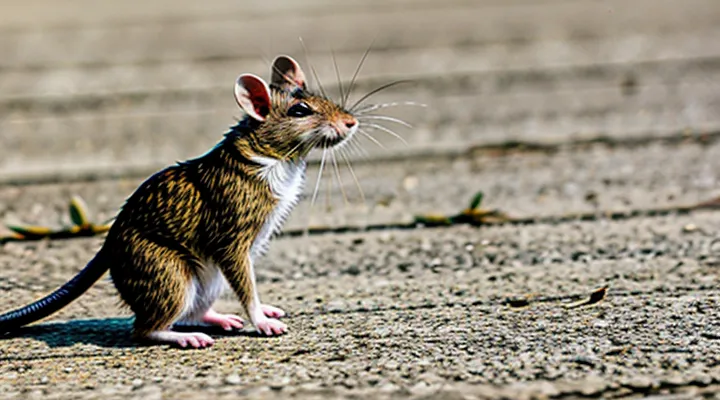
Introduction to Field Rats
What is a «Field Rat»?
The term «Field Rat» designates a small, ground‑dwelling rodent belonging to the family Muridae. It is frequently identified by the scientific name Rattus norvegicus or closely related species that inhabit open fields, agricultural lands, and peripheral zones of human settlements.
Field rats occupy temperate and subtropical regions across Europe, North America, and parts of Asia. Their distribution correlates with areas where cultivated crops or natural grasses provide abundant cover and food sources. Populations thrive in environments that combine moderate vegetation density with easy access to water.
Key physical traits include:
- Length of head‑and‑body ranging from 15 to 20 cm.
- Tail length comparable to or slightly shorter than body length.
- Dorsal fur coloration varying from brown to gray, often with a lighter ventral side.
- Robust incisors adapted for gnawing hard plant material and seeds.
- Well‑developed auditory and olfactory senses.
Behavioral patterns are characterized by nocturnal activity, opportunistic foraging, and high reproductive capacity. Diet consists primarily of grains, seeds, insects, and occasional small vertebrates. Social structure is loosely organized, with individuals establishing temporary burrow systems that may be shared among several rats.
Photographic documentation of the species emphasizes distinguishing features such as tail morphology, ear size, and fur texture. High‑resolution images facilitate accurate identification and support comparative studies of morphological variation across geographic locales.
Common Misconceptions and Clarifications
Field rats often appear in visual documentation and descriptive accounts, yet several ideas about their appearance and behavior remain inaccurate.
- The belief that all field rat photographs capture adult individuals is false; many images include juveniles whose size and coloration differ markedly from mature specimens.
- The assumption that field rats possess uniformly dark fur neglects regional variation; populations inhabiting arid zones frequently exhibit lighter, sandy coats that blend with the environment.
- The notion that a single photograph can convey the full range of anatomical traits is misleading; comprehensive assessment requires multiple angles, including dorsal, lateral, and cranial views, to reveal distinguishing features such as ear length and tail scaling.
- The idea that field rat characteristics are static across seasons disregards seasonal molting patterns, which can alter fur density and hue, influencing both camouflage and thermoregulation.
Clarifications emphasize that accurate identification relies on a series of images representing diverse life stages, habitats, and seasonal conditions, combined with detailed morphological notes. Consistent reference to verified visual records and measured trait data eliminates ambiguity and supports reliable classification.
Physical Characteristics
Size and Weight
Average Dimensions
The field rat, a small rodent commonly depicted in photographic collections, exhibits consistent size measurements across its range. Average dimensions are as follows:
- Head‑body length: 10 – 14 cm
- Tail length: 8 – 12 cm, typically proportionate to the body
- Ear length: 1.5 – 2.5 cm
- Hind‑foot length: 2.0 – 3.0 cm
- Body mass: 20 – 35 g
These figures represent mean values derived from multiple field observations and museum specimens. Variation may occur due to geographic factors, age, and seasonal conditions, but the listed ranges encompass the typical adult individual.
Variations by Species
Field rats exhibit pronounced morphological and ecological differences across species, influencing identification and documentation. Size ranges from 80 mm to 150 mm head‑body length, while tail length varies proportionally, providing reliable metrics for species separation. Fur coloration shifts from sandy‑brown in arid‑adapted forms to darker gray‑black in forest dwellers, reflecting habitat camouflage. Cranial measurements, particularly skull width and incisor curvature, further delineate taxonomic groups.
Key species and distinguishing characteristics:
- Rattus norvegicus – robust body, coarse gray fur, pronounced dorsal stripe, large auditory bullae.
- Rattus rattus – slender profile, blackish hair, long tail exceeding body length, elongated hind limbs.
- Rattus exulans – small stature, reddish‑brown coat, minimal tail hair, reduced ear size.
- Rattus argentiventer – silver‑gray ventral fur, pronounced whisker length, broader molar teeth.
Photographic records rely on consistent lighting and scale references to capture diagnostic features. Close‑up images of the snout, ear pinna, and tail tip enable precise comparison with morphological data. Macro lenses reveal dental patterns, while aerial shots illustrate habitat context, supporting accurate species attribution.
Understanding interspecific variation enhances field surveys, informs population monitoring, and guides habitat management strategies. Accurate species identification reduces misclassification risk, thereby improving ecological assessments and conservation planning.
Fur Color and Texture
Common Color Patterns
Field rats exhibit a limited range of coloration that facilitates camouflage in grassland and agricultural habitats. The most frequent pattern consists of a brown to reddish‑brown dorsal surface, a lighter gray‑white ventral area, and a distinct darker stripe running along the midline of the back. This stripe often appears as a narrow, sharply defined line, contrasting with the surrounding fur.
Typical color variants include:
- Standard brown – uniform brown dorsal coat with minimal contrast; ventral side pale gray.
- Reddish brown – intensified reddish hue on the back, common in populations inhabiting dry, sun‑exposed fields.
- Melanistic – overall black to dark brown coat; dorsal stripe less visible; frequently reported in regions with dense vegetation.
- Albino – lack of pigmentation resulting in white fur and pink eyes; rare, usually associated with isolated genetic lines.
Seasonal shifts can affect hue intensity. During winter, the dorsal coat often lightens, reducing contrast with the snowy ground, while summer specimens retain deeper brown tones to blend with dry grasses. Geographic distribution influences pattern prevalence; southern populations display stronger reddish tones, whereas northern groups tend toward muted brown.
These color patterns serve as primary visual identifiers for field rat species in photographic documentation and field surveys. Accurate recognition of the described variants supports reliable species identification and population monitoring.
Regional Differences
Field rats exhibit distinct morphological and behavioral traits across geographic zones, influencing photographic documentation and scientific assessment.
In temperate plains, specimens display a muted brown pelage, proportionally longer hind limbs, and a preference for open foraging grounds. Photographs typically capture individuals against low‑lying grasses, emphasizing contrast between fur coloration and background vegetation.
Mountainous regions produce rats with denser, darker fur, reduced ear size, and increased body mass, adaptations to cooler temperatures and rugged terrain. Images often feature subjects perched on rocky outcrops, highlighting the compact body form and rugged environment.
Coastal wetlands host rats with lighter, water‑repellent fur, elongated whiskers, and enhanced swimming ability. Visual records frequently show animals navigating marsh reeds or shallow water, underscoring aquatic proficiency.
Key regional variations can be summarized:
- Pelage hue: light (plains) → dark (mountains) → pale (wetlands)
- Limb proportion: elongated (plains) → robust (mountains) → moderate (wetlands)
- Habitat interaction: open ground (plains) → rocky substrate (mountains) → aquatic vegetation (wetlands)
Understanding these differences refines identification protocols, informs habitat‑specific conservation measures, and guides selection of photographic techniques tailored to each environment.
Distinctive Features
Tail Morphology
The tail of a field rat exhibits a set of distinct morphological traits that aid in species identification and ecological assessment. Length typically exceeds body length by 20–30 %, providing balance during rapid locomotion. Scale arrangement follows a uniform, overlapping pattern, with each scale bearing a subtle dorsal ridge that reduces friction. Muscular composition includes a well‑developed caudal vertebral column, allowing precise tail flicks for communication and thermoregulation.
Key characteristics of tail morphology include:
- Proportional length relative to torso, measured from base to tip.
- Scale texture and coloration, ranging from uniform brown to mottled gray.
- Presence of a tapering tip, often ending in a fine point.
- Vascularization evident in the ventral surface, supporting heat exchange.
Variations across populations correlate with habitat type; arboreal individuals display longer, more flexible tails, while burrowing forms possess shorter, sturdier tails. These morphological differences contribute to locomotor efficiency and predator evasion, reinforcing the tail’s functional significance in field rat ecology.
Ear Size and Shape
The field rat exhibits relatively large, triangular ears that extend beyond the head’s outline. Average ear length ranges from 12 mm to 18 mm, while ear width measures 6 mm to 9 mm. The outer margin is slightly rounded, and the inner surface displays a thin layer of fine hair covering the pinna.
Key morphological traits of the ears include:
- Prominent vascularization visible through a thin, translucent skin, facilitating thermoregulation.
- A well‑developed tragus that projects inward, aiding in the detection of low‑frequency sounds.
- Absence of external ear folds; the pinna remains smooth and flexible, allowing rapid repositioning during foraging or predator avoidance.
Variation among individuals correlates with habitat humidity: specimens from arid regions tend toward smaller, more compact ears, whereas those inhabiting moist environments display increased ear surface area. These differences assist researchers in field identification and ecological assessments.
Dental Structure
The dental anatomy of the field rat, as documented in visual records and morphological analyses, exhibits a compact arrangement adapted for gnawing and processing plant material.
The species possesses a dental formula of « 1/1 incisors, 0/0 canines, 0/0 premolars, 3/3 molars », totaling sixteen teeth. Upper incisors are chisel‑shaped, continuously growing, and reinforced with orange‑pigmented enamel on the labial surface. Lower incisors feature a corresponding enamel ridge, creating a self‑sharpening cutting edge during occlusion.
Key characteristics of the dental structure include:
- Enamel thickness concentrated on the front surface of incisors, providing wear resistance.
- Open root canals in incisors, allowing perpetual growth.
- Molars with brachydont crowns and complex occlusal patterns for grinding.
- Absence of canines and premolars, reducing oral space occupied by non‑essential teeth.
Adaptations reflect a diet dominated by seeds, grasses, and fibrous vegetation. The incisors’ curvature and enamel distribution facilitate efficient gnawing, while the molar morphology supports thorough mastication, ensuring nutrient extraction from coarse plant matter.
Habitat and Distribution
Geographic Range
Native Regions
The field rat inhabits a broad geographic range that spans several continents. Populations thrive in temperate zones where agricultural landscapes provide ample food and shelter.
- Central and Eastern Europe: Poland, Germany, Czech Republic, and surrounding countries host dense populations in meadow and field habitats.
- Western and Central Asia: Turkey, Iran, Kazakhstan, and parts of Russia sustain notable colonies, especially in steppe regions.
- North America: The species is established in the northern United States and southern Canada, favoring prairie and farmland ecosystems.
- Northern Africa: Limited but stable groups occur in Morocco and Algeria, primarily in cultivated valleys.
These regions share common environmental characteristics, including moderate rainfall, fertile soils, and a mosaic of open fields and hedgerows that support the species’ foraging and nesting behaviors.
Introduced Populations
The field rat (Rattus spp.) has established non‑native populations across several continents through accidental transport and deliberate release. These groups differ from indigenous colonies in genetic composition, habitat use, and interaction with human environments.
- North America: Pacific Northwest, Great Lakes region, coastal California.
- Australia: Queensland, New South Wales, Western Australia.
- New Zealand: North Island, South Island.
- Europe: United Kingdom, Ireland, parts of the Baltic states.
- Island ecosystems: Madagascar, Mauritius, Hawaiian archipelago.
Introduced colonies exhibit reduced genetic diversity due to founder effects, yet display rapid behavioral adaptation to urban and agricultural settings. Photographic surveys reveal a tendency toward larger body mass and altered fur coloration compared with native counterparts. Dietary analysis shows a shift toward anthropogenic food sources, increasing competition with local wildlife.
Management programs rely on systematic imaging and genetic sampling to track population expansion. Monitoring protocols reference established guidelines such as «International Union for Conservation of Nature (IUCN) invasive species framework», ensuring consistent data collection and effective control measures.
Preferred Environments
Agricultural Fields
Agricultural fields constitute expanses of cultivated land where staple and cash crops such as wheat, corn, soybeans and cotton dominate the landscape. These areas are characterized by regular planting rows, periodic tillage, and irrigation systems designed to maximize yield. Soil composition ranges from loamy to sandy textures, influencing moisture retention and root development.
Within this cultivated matrix, the small rodent species commonly associated with grain and vegetable production occupies burrows adjacent to crop stems and storage facilities. Photographic records reveal individuals navigating between furrows, foraging on seed heads, and utilizing earthen tunnels for shelter. Visual documentation emphasizes the contrast between the animal’s muted brown‑gray pelage and the vivid greens or golds of the surrounding crops.
Key morphological features observable in images include:
- Streamlined body length of 12‑18 cm, facilitating movement through narrow plant gaps.
- Short, dense fur with dorsal coloration blending into soil and crop residue.
- Large, dark eyes adapted for low‑light activity during crepuscular foraging.
- Robust hind limbs enabling rapid sprinting across open ground.
- Distinctive tail length proportionate to body size, aiding balance while climbing stalks.
Environmental variables such as crop rotation schedules, pesticide application, and irrigation timing directly modify habitat suitability. Rotating cereals with legumes reduces food concentration, prompting temporary relocation, while consistent moisture levels sustain burrow stability. Understanding these interactions assists in interpreting photographic evidence and assessing the species’ impact on agricultural productivity.
Grasslands and Meadows
Grasslands and meadows constitute extensive areas dominated by herbaceous vegetation, typically grasses, forbs, and occasional shrubs. Soil in these ecosystems often exhibits high organic content and moderate moisture retention, fostering a dynamic plant community that regenerates through seasonal growth cycles. The open structure permits direct sunlight to reach the ground layer, creating a warm microclimate favorable for small mammals.
Field rats commonly occupy such habitats, exploiting the abundant seed supply and shelter provided by dense grass tufts. Their burrowing activity contributes to soil aeration, while their foraging behavior influences seed dispersal patterns. The spatial heterogeneity of grassland patches supports population stability by offering varied nesting sites and escape routes from predators.
Photographic documentation of these rodents within grassland settings benefits from the contrast between the animal’s coloration and the surrounding foliage. Early morning or late afternoon illumination enhances texture detail in both the subject and the vegetation. Background composition should emphasize the continuity of the meadow while avoiding clutter that could obscure the rat’s form.
Key environmental attributes relevant to field rat observation in grasslands:
- Dominant vegetation: native grasses (e.g., Festuca, Poa) and perennial forbs.
- Ground cover density: thick sward provides concealment; sparse areas facilitate movement.
- Soil characteristics: loamy texture with moderate drainage supports burrow stability.
- Seasonal dynamics: spring growth yields peak seed availability; summer dryness reduces cover.
- Predator presence: open visibility increases vigilance, influencing activity patterns.
Forest Edges
Field rats frequently occupy the transitional zone between dense woodland and open terrain, where resources from both habitats converge. This ecotone provides cover from predators and access to abundant seed and insect supplies.
Photographic surveys of the edge environment reveal consistent patterns:
- Images capture individuals perched on low shrubs, often silhouetted against the forest canopy.
- Close‑up shots highlight the dorsal coloration that blends with leaf litter and bark.
- Night‑vision frames expose nocturnal activity near the understory margin.
Morphological observations specific to edge populations include:
- Slightly elongated tails that aid balance on narrow branches.
- Enhanced whisker length, supporting navigation through limited light.
- Fur density increased along the ventral side, offering insulation against cooler microclimates at the boundary.
Behavioral notes derived from visual records show a preference for foraging along the boundary line, exploiting both ground‑level seeds and arboreal insects. The combination of habitat structure and adaptive traits underscores the ecological significance of the forest‑edge zone for this rodent species.
Behavior and Ecology
Dietary Habits
Omnivorous Nature
The field rat exhibits a truly omnivorous feeding strategy, incorporating a broad spectrum of edible resources into its daily intake. Plant matter, animal tissue, and detritus all feature prominently in its diet, reflecting adaptability to diverse habitats.
Typical dietary components include:
- Grasses, herbs, and cultivated crops such as wheat and barley.
- Seeds, nuts, and fruits that provide carbohydrates and lipids.
- Invertebrates, especially insects, larvae, and earthworms, supplying protein and essential micronutrients.
- Small vertebrates, occasional carrion, and fungal growths that contribute additional nutrients.
This varied consumption pattern enables the species to thrive across agricultural fields, grasslands, and forest edges. By ingesting seeds and subsequently dispersing them through fecal deposition, the animal influences plant regeneration cycles. Simultaneously, predation on insects helps regulate pest populations, while scavenging behavior assists in the breakdown of organic matter. The omnivorous nature therefore underpins both the rat’s ecological resilience and its role in ecosystem dynamics.
Specific Food Sources
The diet of the field rat consists primarily of readily available plant and animal matter found in agricultural and suburban environments. Seasonal variation influences food selection, yet the species demonstrates adaptability to diverse resources.
- Grains such as wheat, barley, and corn
- Legume pods including peas and beans
- Fresh greens: lettuce, cabbage, and spinach leaves
- Fruit remnants: apple cores, berry skins, and melon rinds
- Insect larvae and adult insects, especially beetles and caterpillars
- Small vertebrate carrion and amphibian fragments
- Fungal sporocarps, notably mushroom caps
These items provide essential carbohydrates, proteins, fats, and micronutrients required for growth, reproduction, and survival. The combination of cultivated crops and opportunistic wildlife remains the primary nutritional foundation for the species.
Social Structure
Solitary vs. Colonial
Field rats exhibit two distinct social strategies that are evident in photographic records and morphological assessments. Solitary individuals are typically captured in isolated habitats such as open fields, hedgerows, or abandoned structures. Their fur coloration often blends with the surrounding substrate, providing camouflage that enhances predator avoidance. Body measurements indicate a slightly larger head-to-body ratio, which correlates with increased territorial aggression observed in field observations.
Colonial groups form dense aggregations within burrow systems, storage chambers, and communal nesting sites. Photographs frequently show multiple individuals sharing a single entrance, displaying synchronized movements and shared grooming behaviors. Morphologically, colonial rats tend to have reduced limb musculature, reflecting a lower need for extensive foraging ranges. Dental wear patterns suggest a diet supplemented by communal food stores, differing from the opportunistic feeding of solitary counterparts.
Key distinctions can be summarized as follows:
- Habitat use: isolated versus shared burrows
- Camouflage: high contrast versus muted coloration
- Physical proportions: larger cranial dimensions versus streamlined bodies
- Behavioral markers: territorial displays versus cooperative grooming
Understanding these divergent strategies aids in interpreting field observations, guiding conservation efforts, and refining classification criteria based on visual and anatomical evidence.
Reproductive Behavior
The field rat exhibits a distinct reproductive cycle that aligns with seasonal temperature fluctuations. Breeding commences in early spring, when increased daylight triggers hormonal changes that prepare both sexes for mating. Males establish territories and emit ultrasonic vocalizations to attract receptive females; these calls are brief and frequency‑modulated.
Females display estrus for a limited period of 24–48 hours, during which copulation occurs multiple times to ensure sperm viability. The gestation interval lasts approximately 21 days, after which a litter of three to seven offspring is born. Neonates are altricial, relying on maternal warmth and milk for the first three weeks. The mother provides continuous nursing and grooming, while the male typically disengages after fertilization.
Key reproductive parameters:
- Breeding season: March to September
- Estrus duration: 1–2 days
- Gestation length: 21 days
- Litter size: 3–7 pups
- Weaning age: 21 days
Post‑weaning, juveniles attain sexual maturity at 10–12 weeks, enabling a rapid population increase under favorable environmental conditions. Seasonal breeding, short gestation, and sizable litters collectively facilitate the species’ adaptability to fluctuating habitats.
Predation and Survival
Natural Predators
The field rat, a small omnivorous rodent inhabiting open grasslands and agricultural margins, is subject to predation by a diverse assemblage of vertebrate hunters. Predatory pressure shapes its behavior, reproductive output, and spatial distribution.
- Hawks (Accipitridae) – swift aerial pursuit, keen eyesight, and talons capable of seizing individuals on the ground.
- Owls (Strigidae) – nocturnal hunting, silent flight, and powerful grip, targeting rats during active periods after dusk.
- Red foxes (Vulpes vulpes) – opportunistic carnivores, employing scent tracking and ambush tactics in field edges.
- European badgers (Meles meles) – burrow infiltration, strong forelimbs, and robust jaws allow access to subterranean refuges.
- Common snakes (Natrix natrix) – constriction and venom, exploiting concealed rodents within dense vegetation.
- Domestic cats (Felis catus) – agile stalkers, frequent in peri‑urban farms, contributing to mortality of juvenile rats.
- Corvids (Corvus spp.) – intelligent opportunists, capable of extracting rodents from shallow burrows.
Predator activity regulates rat numbers, preventing overpopulation that could otherwise lead to excessive crop damage. Seasonal fluctuations in predator abundance correspond with changes in rat reproductive cycles, creating a dynamic equilibrium within the ecosystem.
Habitat management that maintains hedgerows, stone piles, and unmanaged field margins supports the presence of these natural enemies. Such measures enhance biological control, reducing reliance on chemical interventions while preserving biodiversity.
Defense Mechanisms
The field‑dwelling rodent employs a suite of defensive adaptations that enhance survival in open habitats. Morphological camouflage integrates dorsal fur coloration with the surrounding grasses, reducing visual detection by predators. Burrowing behavior creates subterranean refuges; tunnels are reinforced with compacted soil, providing rapid escape routes and shelter from aerial threats.
Physiological responses include heightened auditory sensitivity, allowing detection of predator footsteps at distances exceeding several meters. Upon perceiving danger, the animal emits sharp vocalizations that alert conspecifics and may startle predators. Simultaneously, the rat releases volatile compounds from specialized scent glands; these chemicals signal alarm and can deter certain predators through irritation.
Behavioral strategies involve erratic locomotion when pursued, characterized by sudden changes in direction and speed. This unpredictability complicates predator tracking. Reproductive tactics feature early sexual maturity and multiple litters per year, ensuring population resilience despite high predation rates.
Key defensive mechanisms:
- Cryptic fur matching the soil and vegetation palette
- Construction of deep, branching burrow systems
- Acute hearing paired with alarm vocalizations
- Release of irritant scent secretions
- Erratic sprinting patterns during escape
- Rapid breeding cycles to offset losses
Collectively, these traits form an integrated defense network that enables the species to persist across varied agricultural and meadow ecosystems.
Field Rat Species Spotlight
The Common Vole «Microtus arvalis»
Key Identification Markers
The field rat can be reliably distinguished by a set of physical and behavioral traits that remain consistent across populations. Accurate identification supports photographic documentation and comparative analysis.
Key identification markers include:
- Body length ranging from 120 mm to 180 mm, measured from nose to base of tail.
- Dorsal fur coloration varying from light brown to reddish‑gray, with a distinct darker stripe along the spine.
- Tail length approximately equal to or slightly longer than body length, hairless, and ending in a dark tip.
- Ears proportionally large, rounded, and covered with fine, sparse hair.
- Whisker arrangement: long, stiff vibrissae extending forward and laterally, forming a symmetrical pattern.
- Hind feet equipped with pronounced pads and five toes, each bearing small, curved claws.
- Facial mask: a pale, often whitish area surrounding the eyes and muzzle, contrasting with the darker surrounding fur.
- Behavioral indicator: nocturnal activity and a preference for open fields, often observed foraging on the ground.
These markers provide a concise framework for recognizing the species in photographic records and field observations.
Ecological Role
The field rat, a small rodent native to temperate grasslands and agricultural landscapes, occupies a distinct niche within its ecosystems. Its foraging behavior influences plant community dynamics, while its burrowing activity modifies soil structure.
Key ecological functions include:
- Seed transport and germination facilitation through consumption and partial caching of grains.
- Soil turnover and aeration resulting from extensive tunnel networks, which enhance water infiltration and nutrient mixing.
- Provision of prey for a range of predators such as raptors, foxes and mustelids, supporting trophic stability.
- Competition with other small mammals for limited resources, contributing to population regulation.
- Potential vector of zoonotic pathogens, affecting disease ecology among wildlife and domestic animals.
Through these mechanisms, the species integrates energy flow, material cycling and population interactions across diverse habitats.
The Brown Rat «Rattus norvegicus»
Urban vs. Rural Adaptations
The field rat exhibits distinct adaptations when populations occupy densely built environments compared with open countryside. Urban specimens rely on anthropogenic food sources, such as waste and stored grains, and develop nesting habits that exploit structural cavities, sewer systems, and abandoned structures. Photographic records show individuals nesting behind brickwork, using discarded insulation as bedding.
Rural individuals maintain traditional foraging patterns, consuming seeds, insects, and plant material found in fields and hedgerows. Burrowing behavior remains prominent, with extensive tunnel networks documented in agricultural soils. Images capture these rats emerging from shallow earth mounds and navigating dense vegetation.
Key differences include:
- Diet composition: high proportion of processed waste in cities; natural flora and fauna in fields.
- Nesting sites: artificial crevices versus self‑excavated burrows.
- Activity cycles: increased nocturnal activity in urban areas to avoid human disturbance; more crepuscular patterns in rural settings.
- Morphology: urban rats often display slightly larger body mass, likely due to abundant caloric intake; rural rats retain leaner builds suited for extensive digging.
Reproductive timing aligns with resource availability. Urban colonies may produce multiple litters year‑round, reflecting constant food supply, while rural populations typically show seasonal peaks corresponding to crop cycles. Comparative photographs illustrate these variations, highlighting coat condition, body size, and habitat context.
Impact on Ecosystems
The species commonly known as the field rat exerts measurable influence on terrestrial and riparian ecosystems. Its foraging activities modify vegetation structure, creating microhabitats that support invertebrate diversity. Seed predation and dispersal patterns alter plant regeneration rates, affecting successional trajectories.
Key ecological effects include:
- Soil turnover through burrowing, which enhances aeration and nutrient mixing.
- Predation pressure on insects and small vertebrates, contributing to population regulation.
- Provision of prey for a range of carnivores, from raptors to mesopredators, sustaining higher trophic levels.
- Transmission of parasites and pathogens that can impact wildlife health and, occasionally, livestock.
These interactions generate feedback loops that shape community composition and ecosystem resilience. Monitoring population density and spatial distribution of the rodent provides insight into habitat quality and informs management strategies aimed at preserving ecological balance.
Other Notable Species
Brief Overviews
The subject focuses on concise summaries that combine visual documentation with key physical and behavioral traits of the field rat.
Photographic material provides immediate identification cues. Images typically display dorsal coloration, tail length, and ear size, allowing quick comparison across populations. High‑resolution shots reveal fur texture and whisker arrangement, details essential for distinguishing closely related rodents.
Characteristic descriptions complement the visual data. Core attributes include:
- Body mass ranging from 120 g to 250 g, varying with geographic location.
- Dorsal coat ranging from sandy‑brown to grayish‑olive, often with subtle striping.
- Tail length equal to or slightly exceeding head‑body length, usually hairless on the ventral side.
- Large, rounded ears lacking prominent cartilage folds.
- Nocturnal foraging behavior, favoring open fields and agricultural margins.
These brief overviews serve as reference points for researchers, wildlife managers, and educators seeking rapid, accurate insight into the species’ appearance and defining features. The integration of clear imagery and succinct trait listings ensures efficient knowledge transfer without extraneous commentary.
Field Rats and Humans
Agricultural Impact
Crop Damage
The rodent documented through visual records frequently incurs substantial losses in cultivated fields. Damage manifests in several distinct forms, each affecting plant health and yield.
- Gnawing of seedling stems, leading to wilting and death.
- Burrowing in root zones, disrupting water and nutrient uptake.
- Consumption of grain kernels, directly reducing harvest weight.
- Defoliation of foliage, diminishing photosynthetic capacity.
Field observations reveal that damage intensity correlates with population density and crop stage. Early‑season infestations often result in stand‑reducing effects, while late‑season activity primarily lowers grain quality. Visible indicators include chewed plant material, shallow tunnels near the soil surface, and scattered seed remnants.
Effective management requires integrated approaches. Monitoring traps and photographic surveys provide early detection. Cultural practices such as crop rotation, timely planting, and removal of field debris limit habitat suitability. Chemical controls, when applied according to regulatory guidelines, target adult rodents and reduce reproductive output. Biological agents, including predator encouragement, contribute to long‑term suppression.
Economic assessment shows that unmitigated rodent activity can diminish total production by up to 30 % in vulnerable regions. Prompt identification of damage patterns and implementation of coordinated control measures are essential to preserve crop integrity.
Pest Control Measures
Field rats are common occupants of cultivated fields, identifiable by distinctive fur patterns and body size documented in photographic records. Their foraging behavior causes direct crop loss and facilitates the spread of pathogens, necessitating systematic control strategies.
Effective control includes:
- Habitat modification: remove excess vegetation, manage irrigation to reduce moisture, and store harvested produce in sealed containers.
- Physical barriers: install sturdy fencing, use trenching around field perimeters, and place metal or plastic mesh over vulnerable soil sections.
- Trapping: deploy snap traps or live‑capture cages at active runways, check devices daily, and relocate captured individuals according to local regulations.
- Biological agents: introduce predatory species such as owls or barn owls, and apply rodent‑specific nematodes that target gastrointestinal parasites.
- Chemical applications: apply rodenticides formulated for field use, rotate active ingredients to prevent resistance, and follow label dosage precisely to minimize non‑target impact.
Monitoring involves regular inspection of burrow entrances, tracking stations, and periodic review of photographic evidence to verify population trends. Integrated approaches that combine environmental management, mechanical exclusion, and targeted toxicants yield the most sustainable reduction in field rat activity.
Disease Transmission
Zoonotic Potential
The field rat (Rattus spp.) serves as a reservoir for a broad spectrum of zoonotic agents. Documented pathogens include:
- Leptospira interrogans, responsible for leptospirosis; - Hantavirus species, causing hemorrhagic fever with renal syndrome; - Salmonella enterica serovars, linked to gastrointestinal infections; - Yersinia pestis, the causative agent of plague; - Toxoplasma gondii, a protozoan parasite with neurotropic potential.
Transmission to humans occurs through direct contact with rodent urine, feces, or saliva, as well as indirect exposure to contaminated food, water, or aerosols generated during handling of rodent carcasses. Occupational groups—farm workers, pest control personnel, and wildlife researchers—exhibit elevated infection risk due to frequent interaction with the species.
Surveillance strategies prioritize:
1. Serological screening of rodent populations to detect pathogen prevalence; 2. Molecular diagnostics on environmental samples to identify contaminant reservoirs; 3. Geospatial mapping of outbreak clusters to guide targeted control measures.
Effective mitigation relies on integrated pest management, strict hygiene protocols in agricultural settings, and public education on avoiding direct contact with rodent excreta. Continuous monitoring of pathogen evolution within field rat communities is essential for anticipating emerging health threats.
Prevention Strategies
Effective control of field rat populations requires a systematic approach that integrates environmental management, direct intervention, and ongoing surveillance. Strategies focus on reducing habitat suitability, limiting food sources, and employing humane removal techniques.
- Maintain clean storage areas; eliminate spillage and debris that attract rodents.
- Implement regular field sanitation; dispose of waste in sealed containers and remove standing water.
- Adopt habitat modification; clear dense vegetation and control ground cover near agricultural zones.
- Use live‑capture traps positioned along established runways; release captured individuals at a distance from cultivated fields.
- Introduce natural predators, such as barn owls and feral cats, to enhance biological pressure on rat numbers.
- Conduct periodic population assessments; record trap counts and damage reports to adjust control measures.
- Provide community training on identification of signs of infestation and proper reporting procedures.
Consistent application of these measures minimizes crop loss, curtails disease transmission, and supports sustainable land use.
Conservation Status
Endangered Species
The field rat, a small rodent inhabiting temperate grasslands, appears on conservation lists as an endangered taxon. Photographic records provide essential data for monitoring distribution and morphological variation, supporting accurate identification and population assessments.
Key biological attributes include:
- Body length ≈ 12–15 cm; tail length ≈ 10–13 cm.
- Fur coloration ranging from brown‑gray on the dorsum to lighter ventral shades.
- Habitat preference for low vegetation and shallow burrow systems.
- Omnivorous diet comprising seeds, insects, and occasional plant material.
- Breeding season spanning spring to early summer; litter size averages three to five offspring.
Primary threats derive from habitat fragmentation due to agricultural expansion, pesticide exposure, and predation by introduced carnivores. Population surveys indicate a decline of approximately 30 % over the past decade. Conservation actions focus on preserving native grassland corridors, implementing pesticide regulations, and establishing captive‑breeding programs to augment wild stocks.
Population Management
Population management of the field rat requires precise assessment of density, reproductive cycles, and habitat use. Monitoring combines visual documentation with biometric data to identify trends and predict outbreak potential.
Effective control measures include:
- Habitat modification: remove debris, seal entry points, and manage vegetation to reduce shelter availability.
- Biological control: introduce natural predators such as owls, foxes, or feral cats, and employ rodent‑specific parasites where appropriate.
- Chemical intervention: apply rodenticides following strict dosage guidelines, rotate active ingredients to prevent resistance, and monitor non‑target species impact.
- Population suppression: implement trapping programs with live‑capture devices, followed by humane euthanasia or relocation in compliance with local regulations.
- Public education: disseminate guidelines on waste management, food storage, and sanitation to limit resources that support population growth.
Integration of these tactics, informed by regular photographic surveys and morphological analysis, sustains low population levels while minimizing ecological disruption.