
Understanding Field Mice in Residential Areas
Identifying Field Mice
Appearance and Characteristics
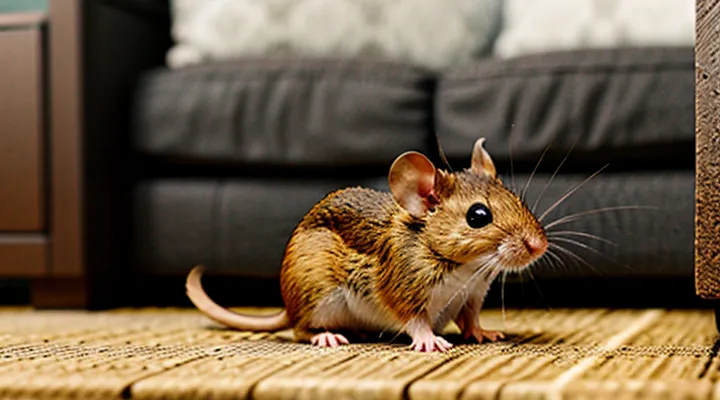
Field mice that infiltrate residential spaces are small, agile rodents measuring 10–15 cm in head‑body length and weighing 15–30 g. Their dorsal fur ranges from light brown to gray, often with a darker stripe along the spine; ventral fur is paler, sometimes creamy. The tail extends roughly 80–100 % of the body length, is sparsely haired, and exhibits a slight upward curve. Ears are proportionally large, rounded, and naked, while eyes are prominent and dark, supporting keen night vision. Whiskers are long and sensitive, aiding navigation through tight openings.
Key physical distinctions from the common house mouse include:
- Body length: field mouse larger by 2–3 cm.
- Tail: proportionally longer and less furred.
- Fur coloration: more varied, often with a distinct dorsal stripe.
- Skull: broader rostrum and stronger molar structure.
Behaviorally, field mice are strictly nocturnal, emerging after dusk to forage. They prefer concealed routes, exploiting cracks, gaps under doors, and utility conduits. Diet consists of seeds, grains, fruits, and occasional insects, reflecting opportunistic feeding. Reproductive capacity is high; females can produce up to five litters annually, each containing 4–7 offspring, with a gestation period of 19–21 days. This rapid turnover accelerates population growth once entry points are established.
Signs of infestation are unmistakable. Fresh droppings appear as dark, rice‑shaped pellets, typically found along walls, in cabinets, or near food storage. Gnaw marks on wood, plastic, and wiring indicate active foraging. Footprints may be visible in dusty areas, showing small, oval prints with visible toe pads. Nesting material—shredded paper, fabric fibers, or insulation—accumulates in concealed locations such as wall voids, attics, or beneath appliances.
Differentiating from House Mice
Field mice and house mice often coexist in residential environments, yet accurate identification matters because control methods differ. Recognizing physical and behavioral traits prevents misdirected treatment and reduces unnecessary chemical use.
- Size: Field mice average 3–5 inches in body length, larger than the typical 2.5–3.5 inch house mouse.
- Fur coloration: Field mice display a brown to gray dorsal coat with a lighter belly; house mice usually have uniform gray or brown fur.
- Tail: Field mouse tails are long, sparsely haired, and proportionally equal to body length; house mouse tails are shorter, heavily furred, and appear thinner.
- Ears: Field mice possess comparatively larger, more rounded ears; house mice have smaller, less conspicuous ears.
- Habitat preference: Field mice favor exterior structures, stored grain, and outdoor debris, while house mice thrive inside walls, cabinets, and basements.
- Droppings: Field mouse feces are larger (about 5 mm) and darker; house mouse droppens are smaller (2–3 mm) and lighter.
- Nesting material: Field mice incorporate dry grasses, leaves, and shredded paper; house mice use soft fabrics, insulation, and paper towels.
Distinguishing these characteristics guides targeted interventions. For field mouse infestations, sealing ground-level entry points and removing outdoor attractants are primary measures. House mouse problems typically require interior sealing, bait placement, and trap deployment. Accurate identification ensures that each species receives the most effective management strategy.
Reasons for Infestation
Food Sources
Field mice are attracted to readily available nutrients within residential interiors. Their diet includes grains, cereals, pet food, fruit, and insects that may be present in damp areas. Understanding these preferences enables effective control.
- Whole‑grain products, rice, and pasta left uncovered.
- Seeds and nuts stored in pantry containers without seals.
- Pet kibble left in bowls overnight or in accessible cabinets.
- Fresh fruit, vegetable scraps, and kitchen waste not promptly disposed of.
- Insect infestations in basements or crawl spaces that provide protein.
Eliminate these resources by storing dry goods in airtight, metal or heavy‑plastic containers. Transfer pet food to sealed bins and remove uneaten portions after each feeding. Dispose of organic waste in sealed bags and remove it from the home daily. Maintain a clean kitchen surface, vacuum crumbs, and sweep under appliances. Regularly inspect pantry shelves for spillage and repair any cracks or gaps in walls, floors, and baseboards that could allow mice to reach stored food. By denying access to these energy sources, the likelihood of a persistent mouse presence diminishes significantly.
Shelter and Warmth
Field mice enter homes primarily to find sheltered, insulated spaces where body heat can be retained. They favor locations that protect them from predators, moisture, and temperature fluctuations. Common sites include wall voids, attic insulation, crawl spaces, and the undersides of appliances. These areas offer stable microclimates that maintain temperatures above the outdoor ambient level, allowing mice to conserve energy.
Identifying where mice establish shelter and warmth helps prevent infestation. Look for:
- Nesting material such as shredded paper, fabric, or insulation fibers near structural cavities.
- Accumulated droppings in concealed corners, especially where airflow is limited.
- Gnaw marks on wooden framing, plastic piping, or insulation panels.
- Fresh footprints on dusty surfaces within low‑light zones.
Eliminating suitable shelter involves sealing entry points and removing conducive conditions. Effective measures include:
- Installing steel wool or copper mesh in gaps larger than ¼ inch, then applying a durable caulk or expanding foam to close openings.
- Replacing damaged insulation with fire‑rated, rodent‑resistant material.
- Trimming vegetation and stored firewood away from the building foundation to reduce external shelter sources.
- Maintaining indoor humidity below 50 % to discourage condensation that creates warm microenvironments.
By targeting the specific characteristics of shelter and warmth that attract field mice, homeowners can disrupt the habitat requirements essential for the rodents’ survival, thereby reducing the likelihood of a persistent infestation.
Entry Points
Field mice gain access to residential interiors through a limited number of structural openings. Identifying and eliminating these pathways is essential for preventing an infestation.
Typical entry points include:
- Gaps around exterior doors and windows, especially where weather‑stripping is worn or missing.
- Cracks in foundation walls, crawl‑space vents, and basement floors.
- Openings around utility penetrations such as plumbing, electrical conduits, and cable entries.
- Unsealed gaps beneath siding, trim, or roofing eaves.
- Holes in attic insulation, roof sheathing, or chimney flashing.
- Unscreened vents, dryer exhaust ducts, and HVAC ducts that lack proper mesh.
Inspection should begin with a systematic visual survey of each potential breach. Use a flashlight to trace the perimeter at ground level, then move upward to examine upper walls and roof interfaces. Measure gaps; any opening larger than ¼ inch allows mouse passage.
Sealing methods depend on material and location:
- Apply steel wool or copper mesh to fill small cracks, then cover with expanding polyurethane foam or cement.
- Install door sweeps and weather‑stripping on all exterior doors.
- Fit metal flashing or hardware cloth over larger openings, securing with screws and caulking.
- Replace damaged siding or repair foundation cracks with mortar or concrete patch.
- Fit lint‑free screens on vents and exhaust ducts, ensuring a tight fit.
Regular maintenance—rechecking seals after seasonal weather changes and after any renovation work—prevents new access points from developing and sustains a mouse‑free environment.
Strategies for Dealing with Infestation
Prevention Methods
Sealing Entry Points
Sealing entry points blocks the primary route field mice use to access residential interiors. By eliminating gaps, cracks, and openings, you remove the conditions that encourage colonization and reduce the likelihood of future incursions.
- Inspect the exterior foundation, paying special attention to gaps around pipes, vents, and utility lines.
- Apply steel wool or copper mesh to small openings before sealing with caulk or expanding foam.
- Use weather‑resistant sealant on larger cracks in walls, floors, and door frames.
- Install door sweeps and weather stripping on all exterior doors and windows.
- Cover ventilation grilles with fine mesh that permits airflow but prevents rodent entry.
After repairs, conduct a routine walk‑through each season to verify that seals remain intact. Replace deteriorated materials promptly, and maintain a clear perimeter by trimming vegetation and removing debris that could conceal new gaps. Consistent attention to these measures sustains a barrier that deters field mice from re‑establishing a presence inside the home.
Proper Food Storage
Proper food storage is essential for preventing field mouse activity inside residential spaces. Mice are attracted to easily accessible, unsecured food sources, so eliminating these incentives reduces the likelihood of an infestation establishing itself.
Store dry goods in airtight containers made of metal, heavy‑wall plastic, or thick glass. Ensure lids seal tightly; a simple snap‑fit is insufficient if the material can be chewed through. Label containers with purchase dates and rotate stock to avoid stale items that emit stronger odors.
Keep pantry shelves clear of crumbs and spills. Wipe surfaces after each use with a mild detergent, then dry thoroughly. Place a thin layer of aluminum foil on the floor beneath stored items; mice cannot gnaw through foil, providing an additional barrier.
Maintain a regular cleaning schedule for areas where food is prepared or consumed. Vacuum floors, vacuum upholstery, and clean under appliances weekly. Dispose of waste in bins equipped with tight‑closing lids and empty them regularly to prevent odor buildup.
Adopt the following checklist for food protection:
- Transfer all grains, cereals, nuts, and pet food to sealed containers.
- Inspect packaging for holes before placing items in storage.
- Position containers away from walls and baseboards to avoid easy access.
- Use steel‑wool or copper mesh to cover gaps around pipes and vents.
- Replace damaged or worn containers promptly.
By implementing these measures, residents create an environment where food is inaccessible, discouraging field mice from entering and reducing the risk of a full‑scale infestation.
Eliminating Water Sources
Field mice are drawn to any readily available moisture inside a dwelling. Even minimal leaks or standing water create a reliable drinking source, encouraging rodents to establish nests and reproduce.
Typical indoor water sources include kitchen sink drips, bathroom faucet leaks, pet water bowls left unattended, condensation on windows, and damp basements or crawl spaces. These points often go unnoticed because the moisture is intermittent or confined to hidden areas.
- Repair all faucet, pipe, and appliance leaks promptly.
- Replace or regularly empty pet water dishes; provide only the amount needed for a short period.
- Install drip trays under refrigerators and dishwashers; empty them daily.
- Use a dehumidifier in basements, closets, and other low‑ventilation spaces to keep relative humidity below 50 %.
- Seal cracks around windows, doors, and utility penetrations to prevent rainwater intrusion.
- Remove standing water from plant saucers, buckets, and cleaning containers after each use.
Consistent monitoring prevents new moisture accumulation. Conduct weekly inspections of plumbing fixtures, check for condensation on cold surfaces, and keep indoor humidity levels within recommended limits. Maintaining a dry environment removes a primary incentive for field mice, reducing the likelihood of an infestation.
Maintaining Cleanliness
Field mice seek shelter and nourishment in homes where food scraps, crumbs, and clutter accumulate. Eliminating these attractants reduces the likelihood of an infestation and discourages rodents from establishing nests.
Consistent removal of food residues is essential. Store dry goods in airtight containers, seal pet food after each use, and clean dishes promptly. Dispose of garbage in bins with tight‑fitting lids and transport waste to outdoor receptacles regularly.
A disciplined cleaning routine limits hiding places. Sweep floors and vacuum carpets daily to capture debris. Wipe countertops, shelves, and appliance exteriors after meals. Inspect storage areas for cardboard boxes or paper piles and recycle or discard unnecessary items.
Practical actions:
- Seal entry points with steel wool or caulk; focus on gaps around pipes, vents, and door frames.
- Keep pantry shelves organized; place items on elevated racks to prevent ground contact.
- Install door sweeps to block rodent access beneath entry doors.
- Maintain a schedule for deep cleaning: move furniture, vacuum under appliances, and wash bedding weekly.
- Use disposable gloves when handling waste or cleaning droppings to avoid contamination.
By restricting food sources, minimizing clutter, and maintaining rigorous hygiene, homeowners create an environment that deters field mice and supports long‑term pest control.
Trapping and Removal
Types of Traps
Effective control of a field mouse intrusion in residential settings relies heavily on selecting the appropriate trapping method. Traps differ in mechanism, humane considerations, and suitability for various indoor environments.
-
Snap traps – spring‑loaded devices that deliver an instantaneous kill. Ideal for discreet placement behind appliances or within wall voids. Require careful baiting with high‑protein foods and regular inspection to prevent secondary hazards.
-
Live‑catch traps – cage‑style enclosures that confine the rodent without injury. Suitable for occupants seeking non‑lethal removal. Must be checked frequently; captured mice should be released at least 2 miles from the property to avoid re‑entry.
-
Electronic traps – battery‑powered units that emit a high‑voltage shock upon contact. Offer rapid mortality and minimal mess. Best used in areas with stable power supply and where snap traps are impractical.
-
Glue boards – adhesive sheets that immobilize the animal. Provide a low‑cost option for hard‑to‑reach corners. Controversial due to prolonged suffering; generally discouraged in favor of more humane alternatives.
-
Bait stations – sealed containers holding anticoagulant or acute poisons. Effective for large infestations but restricted to locations inaccessible to children and pets. Legal restrictions may apply; professional application recommended.
Choosing the optimal trap depends on the severity of the problem, the layout of the dwelling, and the homeowner’s ethical stance. Combining multiple trap types often yields the fastest reduction in mouse activity while minimizing collateral damage. Regular monitoring and prompt disposal of captured rodents complete the control cycle and prevent resurgence.
Snap Traps
Snap traps provide a rapid, humane solution for eliminating field mouse intrusions in residential spaces. The mechanism consists of a spring‑loaded bar that delivers a swift, lethal blow when the mouse triggers the trigger plate. This design minimizes suffering and prevents the animal from escaping, allowing for immediate reduction of the population.
Effective deployment requires strategic placement. Position traps along established runways, near walls, behind appliances, and within concealed areas such as attics or basements. Mice prefer tight pathways; aligning traps perpendicular to the wall ensures the trigger plate contacts the rodent’s head as it advances.
Bait selection influences capture rates. High‑protein options—peanut butter, dried fruit, or small pieces of cooked meat—produce the strongest attraction. Apply a pea‑sized amount directly to the trigger plate, avoiding excess that could prevent activation. Rotate bait types weekly to counter habituation.
Safety considerations protect occupants and pets. Use traps with a protective shield that encloses the spring mechanism, reducing accidental contact. Place traps out of reach of children and non‑target animals, preferably inside sealed containers or behind barriers.
After a kill, handle the trap with disposable gloves. Dispose of the carcass in a sealed plastic bag and discard it according to local regulations. Reset the trap with fresh bait immediately to maintain pressure on the remaining mice.
Routine monitoring enhances effectiveness. Inspect traps daily, record capture numbers, and relocate devices if activity shifts. Replace worn springs or damaged plates to preserve reliability.
In summary, snap traps, when baited correctly, positioned strategically, and managed responsibly, constitute a cornerstone method for controlling field mouse infestations within homes.
Live Traps
Live traps provide a humane solution for removing field mice from residential environments. The devices consist of a cage or box that closes automatically when a mouse triggers a pressure plate or trips a latch. Because the animal remains alive, relocation is possible without causing unnecessary suffering.
When selecting a trap, consider the following criteria:
- Size adequate for adult field mice (minimum interior dimensions 4 × 2 × 2 inches).
- Transparent or mesh walls for easy observation.
- Secure, spring‑loaded door that releases quickly and resets without damage.
- Durable construction to withstand repeated use.
Effective placement follows a pattern of targeting mouse activity zones:
- Identify pathways along walls, behind appliances, and near food storage.
- Position traps perpendicular to the wall, with the entry side facing the baseboard.
- Space multiple traps 10–15 feet apart in high‑traffic corridors.
Bait selection influences capture rates. Preferred attractants include:
- Small portions of peanut butter or sunflower seed paste.
- Bits of dried fruit or cheese for occasional variation.
- Fresh water droplets to encourage exploration.
Check traps at least twice daily. Remove captured mice promptly, wearing disposable gloves. Release each animal at least 2 miles from the residence, preferably in a wooded area with adequate cover. After release, disinfect the trap with a diluted bleach solution and allow it to dry before redeployment.
Maintain a clean environment to reduce reinfestation. Seal entry points larger than ¼ inch, store food in airtight containers, and eliminate clutter that offers shelter. Integrating live traps with these preventive measures yields a reliable, humane approach to managing field mouse incursions in homes.
Electronic Traps
Electronic traps provide a rapid, non‑chemical method for removing field mice from residential spaces. The devices emit a high‑voltage shock that instantly kills the animal when it contacts the trigger plate. Sensors detect the presence of a mouse and activate the circuit within milliseconds, ensuring humane lethality and preventing escape.
Key considerations when selecting an electronic trap:
- Voltage rating of at least 2,500 V to guarantee immediate incapacitation.
- Battery‑operated or mains‑powered models; battery units offer placement flexibility, while mains units eliminate the need for frequent battery replacement.
- Transparent or illuminated chambers that allow visual verification of captures without opening the device.
- Built‑in safety interlocks that prevent accidental discharge when the lid is opened.
Effective placement maximizes capture rates:
- Identify high‑traffic routes, such as along walls, behind appliances, and near entry points.
- Position traps perpendicular to the wall, with the trigger plate facing the expected travel direction.
- Maintain a clear line of sight to the chamber; clutter can deter mice from approaching the device.
Safety and maintenance procedures:
- Disconnect power before cleaning; dispose of dead rodents in sealed containers.
- Wipe the interior with a mild disinfectant after each capture to prevent odor buildup.
- Replace batteries or inspect the power cord monthly; a drop in voltage reduces efficacy.
- Store unused traps in a dry environment to protect electronic components from moisture.
Advantages of electronic traps include rapid action, elimination of poison residues, and reusability. Limitations consist of higher upfront cost compared to snap traps and the need for regular power supply checks. When integrated with exclusion measures—sealing entry gaps and removing food sources—electronic traps become a reliable component of a comprehensive rodent‑control program in homes.
Baiting Techniques
Effective baiting requires precise selection, strategic placement, and vigilant monitoring. Choose baits that attract field mice based on their diet: high‑protein items such as peanut butter, seeds, or dried insects, and carbohydrate sources like oatmeal or dried fruit. Combine attractants with a suitable delivery method—snap traps, live‑catch traps, or regulated rodenticides—according to local regulations and household safety considerations.
Placement determines success. Position traps along established runways, near walls, behind appliances, and within concealed corners. Set baits at the rear of the trap to force the mouse to enter fully before triggering the mechanism. Maintain a minimum distance of 12 inches between traps to prevent competition and ensure each device receives independent attention.
Timing influences capture rates. Deploy traps in the early evening when mice begin foraging, and inspect them before sunrise. Replace or refresh bait daily to preserve scent potency and to discourage neophobia. Record capture data—location, time, and trap type—to identify hotspots and adjust trap density accordingly.
Safety protocols protect occupants and non‑target species. Use tamper‑resistant traps in homes with children or pets. When employing rodenticides, select products with low secondary toxicity, apply them in sealed bait stations, and follow label instructions precisely. Dispose of captured mice and used baits in sealed containers to prevent disease spread.
Regular evaluation sustains control. After a reduction in activity, reduce trap numbers gradually while maintaining monitoring for at least two weeks. If signs of re‑infestation appear, re‑implement the full baiting regimen with adjusted placement based on the latest activity patterns.
Safe Disposal of Mice
Safe disposal of field mice in residential environments requires adherence to health regulations, humane practices, and preventive measures. Improper handling can spread pathogens, attract predators, and create legal liability. Follow established protocols to eliminate rodents without compromising household safety.
Legal and ethical considerations mandate that disposal methods comply with local wildlife statutes and animal welfare guidelines. Use certified traps that kill instantly or capture live for humane release, avoiding toxic baits that may contaminate food surfaces or pose risks to children and pets.
Effective disposal procedure:
- Wear disposable gloves and a mask before contact.
- Place live‑catch traps in concealed, high‑traffic areas; check them every 12 hours.
- For lethal traps, select snap or electric models that cause immediate death.
- Transfer captured mice into sealed, puncture‑resistant bags.
- Label bags with “dead animal” and place them in an outdoor trash bin with a secure lid.
- Contact municipal waste services if special collection is required for rodent carcasses.
After removal, disinfect all surfaces that may have been contaminated. Apply an EPA‑approved disinfectant to countertops, floors, and trap locations. Seal and discard any bedding, nesting material, or food residue in the same sealed bags used for the mice. Conduct a thorough inspection of entry points and seal gaps to prevent recurrence.
Repellents
Natural Repellents
Natural repellents offer a practical alternative to chemical controls when managing field mouse activity inside residential spaces. Their efficacy relies on odors, textures, or sensory disruptions that mice find aversive, allowing homeowners to deter intrusions without risking toxic exposure.
Commonly employed natural agents include:
- Peppermint oil: strong menthol scent interferes with rodent olfactory receptors; apply a few drops on cotton balls and place them near entry points, attics, and pantry shelves.
- Clove oil: high eugenol concentration produces an unpleasant smell; dilute 1 ml in 100 ml water and spray around baseboards and cracks.
- Ammonia: volatile ammonia vapors mimic predator urine; position shallow containers with a small amount of ammonia in concealed corners, replacing them weekly.
- Dryer sheets: scented fabric releases chemicals that repel rodents; tuck sheets behind appliances and within cabinet doors.
- Cayenne pepper or crushed red pepper: irritates nasal passages; sprinkle a thin layer along mouse pathways and reapply after cleaning.
Implementation guidelines improve results. Identify typical mouse routes—gaps around pipes, vents, and foundation seams—and concentrate repellents at these locations. Rotate at least two different agents every two weeks to prevent habituation. Maintain a dry, clutter‑free environment; moisture and food debris diminish repellent potency.
Safety considerations remain essential. Essential oils should be kept out of reach of children and pets, and ventilation must be adequate to avoid respiratory irritation. Ammonia containers must be sealed when not in use to prevent accidental contact. Regular monitoring—checking for fresh droppings or gnaw marks—confirms whether the natural approach is reducing activity or if supplemental measures, such as sealing entry points, are required.
Commercial Repellents
Commercial repellents represent a practical element of mouse control in residential environments. They supplement exclusion methods, reduce population pressure, and limit damage without immediate reliance on lethal traps.
Common categories include:
- Ultrasonic emitters that generate high‑frequency sound waves;
- Electronic devices that deliver brief electric pulses upon contact;
- Chemical formulations such as sprays, granules, and plug‑in dispensers containing odorants or synthetic compounds.
Active ingredients fall into two groups. Natural‑based options use essential oils—peppermint, citrus, or clove—to create an aversive scent. Synthetic options employ compounds like methyl nonyl ketone, predator urine extracts, or low‑dose rodenticides that deter feeding behavior while remaining safe for occupants when used as directed.
Effective deployment follows clear rules. Position devices near entry points, wall voids, and known activity zones. Follow label dosage, typically one unit per 100 sq ft for sprays or a single dispenser per room for plug‑ins. Maintain operation for at least 30 days, re‑applying or rotating devices according to manufacturer instructions. Keep products out of reach of children and pets; verify that EPA registration or equivalent authority approval is listed.
Efficacy data show variable results. Ultrasonic units often lose potency through furniture and wall insulation. Chemical repellents achieve measurable reductions in activity when concentration is sufficient and exposure is continuous. No single product eliminates an established infestation; integration with sealing gaps and sanitation yields the highest success rate.
When selecting a commercial repellent, prioritize:
- Regulatory approval (EPA, EU CE mark, etc.);
- Transparent ingredient list and safety data sheet;
- Independent efficacy studies or field trials;
- Compatibility with existing control measures;
- Manufacturer warranty or support.
Choosing products that meet these criteria enhances control outcomes and minimizes risk to household members while addressing field mouse presence in the home.
Professional Pest Control
When to Call an Expert
When a field mouse population spreads beyond isolated sightings, professional assistance becomes necessary. The following indicators signal that a homeowner should contact a pest‑control specialist:
- Damage to structural elements such as insulation, wiring, or stored food containers.
- Persistent droppings, urine stains, or strong musky odor despite regular cleaning.
- Presence of nests in inaccessible areas (attic, wall cavities, crawl spaces).
- Repeated sightings after multiple DIY traps or bait stations have failed.
- Signs of disease transmission risk, including bites or allergic reactions among residents or pets.
Legal and safety considerations also justify expert intervention. Certain municipalities require licensed operators for the use of rodenticides, and improper handling can endanger children, pets, and beneficial wildlife. Professionals possess certifications that ensure compliance with local regulations and provide liability protection for the homeowner.
Cost‑benefit analysis favors early professional involvement. The expense of a single comprehensive service often outweighs cumulative costs of damaged property, lost food inventory, and increased electricity consumption from chewed wiring. Moreover, trained technicians can implement integrated pest‑management strategies that combine exclusion, habitat modification, and targeted control measures, reducing the likelihood of recurrence.
In summary, call an expert when structural damage, ongoing contamination, ineffective DIY attempts, health hazards, or regulatory requirements are present. Prompt professional action prevents escalation, protects the household, and restores a safe living environment.
What to Expect from Services
Professional pest‑control providers begin with a thorough inspection of the property. Technicians locate entry points, assess the extent of activity, and identify the species to tailor the response.
Typical service sequence includes:
- Visual and trap‑based survey of interior and exterior areas.
- Documentation of findings with photographs or sketches.
- Development of a targeted action plan that combines exclusion methods, baiting, and trapping.
- Execution of the plan, applying approved products and installing barriers where needed.
- Post‑treatment verification to ensure all mice are removed and no new activity is detected.
Clients receive a detailed report summarizing the inspection results, the interventions performed, and recommendations for long‑term prevention. The report often lists specific measures such as sealing gaps, storing food in sealed containers, and maintaining vegetation clear of the building envelope.
Service contracts generally specify:
- Estimated cost based on the size of the infestation and the required techniques.
- Scheduling options that accommodate the homeowner’s availability.
- Warranty terms that include follow‑up visits if activity reappears within a defined period.
Expect clear communication, documented outcomes, and actionable advice to keep the residence mouse‑free.
Post-Infestation Measures
Sanitization and Cleanup
Disinfecting Contaminated Areas
After a field mouse has entered a residence, droppings, urine, and saliva leave pathogens on surfaces. Immediate disinfection prevents disease transmission and discourages other rodents from returning.
Before applying any disinfectant, wear disposable gloves, a mask, and eye protection. Open windows or use fans to increase airflow. Remove visible debris with a disposable paper towel; seal the towel in a plastic bag before discarding.
- Choose an EPA‑registered disinfectant proven effective against hantavirus, salmonella, and leptospirosis. Common options include a 1:10 dilution of household bleach (5.25% sodium hypochlorite) or a quaternary ammonium solution labeled for rodent control.
- Apply the solution to all contaminated zones: floors, countertops, cabinets, and interior surfaces of storage containers. Ensure the liquid remains wet for the contact time specified on the product label (usually 5–10 minutes).
- For porous materials that cannot be saturated, discard or isolate them to eliminate hidden microbes.
After the contact period, wipe surfaces with a clean, damp cloth. Rinse with safe water if the disinfectant requires removal. Dispose of cleaning materials in sealed bags. Allow the area to dry completely before reinstalling food items or bedding.
Maintain a regular cleaning schedule in rooms previously accessed by mice. Replace traps, seal entry points, and monitor for fresh signs of activity to confirm that disinfection has removed the health risk.
Removing Droppings and Nests
Removing mouse droppings and nests requires systematic action to protect health, eliminate sources of attraction, and prevent re‑entry.
First, wear disposable gloves, a mask rated N95 or higher, and eye protection. Ventilate the area by opening windows for at least 15 minutes before starting. Dampening droppings with a disinfectant solution (e.g., 10 % bleach in water) for 5 minutes reduces aerosolized pathogens. After soaking, use a disposable paper towel or a mop to collect the material, place it in a sealed plastic bag, and discard with household waste. Clean the underlying surface with the same disinfectant, then rinse with water and dry thoroughly.
Next, locate nests by following trails of urine, gnaw marks, and shredded material. Common sites include behind appliances, in wall voids, under furniture, and within insulation. Once identified, seal the entry point with steel wool and caulk to block further access. Remove nests using a heavy‑duty trash bag, sealing the bag immediately. Apply a rodent‑specific insecticide or a vaporizing product inside the void, following label instructions, to eradicate any hidden occupants.
Finally, decontaminate tools and clothing. Wash reusable equipment with hot, soapy water; discard single‑use items. Wash hands thoroughly with soap after removing gloves. Conduct a visual inspection weekly for several weeks to ensure no new droppings or nesting material appear. Maintaining a clean, clutter‑free environment and sealing gaps will reduce the likelihood of recurrence.
Damage Assessment and Repair
Inspecting for Structural Damage
When field mice occupy a residence, their activity can compromise building integrity. Identifying compromised elements early prevents costly repairs and reduces the risk of secondary infestations.
Inspect walls, ceilings, and floors for gnaw marks, exposed insulation, and loose plaster. Look for:
- Small holes or tunnels near baseboards, vents, and utility openings.
- Displaced or chewed wiring, which may create fire hazards.
- Damaged drywall or wood framing showing bite patterns or softened areas.
- Accumulated droppings that erode paint and sealants.
Examine the foundation for burrows or gaps that allow entry. Check window sills, door frames, and crawl‑space vents for cracks widened by rodent chewing. Verify that roofing materials remain intact; mice often exploit gaps in eaves and soffits to reach attic spaces.
Document each finding with photographs and notes on location. Prioritize repairs that restore structural continuity, such as sealing holes with steel wool and caulk, replacing chewed insulation, and reinforcing weakened framing. After remediation, conduct a follow‑up inspection to confirm that no new damage has emerged.
Repairing Chewed Wires and Materials
Mice often gnaw electrical wiring, plastic conduit, insulation, and furniture, creating fire hazards and structural damage. Immediate repair restores safety and prevents future outages.
-
Identify all compromised components. Use a flashlight to trace exposed wires, check for bite marks on cords, and inspect cable bundles behind appliances. Mark each damaged section with tape.
-
Disconnect power at the circuit breaker before handling any wiring. Verify that the circuit is dead with a non‑contact voltage tester.
-
Remove the chewed segment. Cut back to healthy insulation, leaving at least 1 inch of undamaged sheath on each side.
-
Strip the remaining wire ends with a calibrated wire stripper, exposing ½ inch of copper conductor.
-
Select appropriate connectors:
-
Crimp the splice, then slide the heat‑shrink tubing over the joint and apply a heat gun until the tubing contracts tightly around the connection.
-
Re‑insulate any exposed plastic or wooden surfaces. Replace chewed sections of PVC conduit with new pipe, sealing joints with PVC cement.
-
Test the repaired circuit by restoring power and confirming proper operation of connected devices.
-
Reinforce vulnerable areas to deter further gnawing:
- Install steel mesh or copper wire sheathing around exposed cables.
- Apply rodent‑resistant conduit sleeves.
- Seal gaps around entry points with steel wool and caulk.
-
Document all repairs in a maintenance log, noting location, materials used, and date of completion. This record assists future inspections and informs pest‑control strategies.
By following these steps, homeowners can quickly remediate mouse‑induced damage, eliminate electrical risks, and reinforce structures against recurring infestations.
Long-Term Monitoring
Regular Inspections
Regular inspections are a cornerstone of effective mouse control in residential environments. Systematic checks expose entry points, nesting sites, and activity trails before populations expand.
- Conduct a visual sweep of the interior at least once a week. Focus on kitchens, pantries, and storage areas; look for gnaw marks, droppings, shredded material, and grease smears along walls and baseboards.
- Inspect the exterior monthly. Examine foundation cracks, utility openings, vents, and gaps around doors and windows. Seal any opening larger than ¼ inch with steel wool, caulk, or hardware cloth.
- Use motion-activated cameras or low‑light flashlights to monitor hidden zones such as attics, crawl spaces, and behind appliances. Record sightings and trace routes to locate the primary source.
- Maintain a log of findings. Document date, location, evidence type, and corrective actions taken. Review the log quarterly to assess trends and adjust preventive measures.
Prompt detection reduces the need for extensive eradication efforts and limits damage to wiring, insulation, and food supplies. Consistent, detailed inspections empower homeowners to intervene early and maintain a mouse‑free dwelling.
Maintaining Prevention Practices
Effective control of house‑bound field mice relies on consistent preventive measures. Regular inspection of potential entry points, such as gaps around doors, windows, utility penetrations and foundation cracks, reduces the likelihood of new infestations. Seal openings with steel wool, caulk, or expanding foam; replace damaged weatherstripping promptly.
Maintain a clean environment to deter rodents. Store food in airtight containers, dispose of waste in sealed bins, and clean kitchen surfaces after each use. Remove clutter, especially in basements, attics and storage rooms, because debris provides shelter and nesting material.
Implement a routine exterior upkeep schedule:
- Trim vegetation away from the building’s perimeter; overgrown shrubs and vines create pathways to the roof and walls.
- Keep firewood, compost and debris stacked at least 18 inches from the foundation and elevated off the ground.
- Inspect and repair roof eaves, soffits and gutters to eliminate gaps where mice can climb.
- Conduct quarterly checks for signs of activity—droppings, gnaw marks, shredded material—and address findings immediately.
Limit water sources by fixing leaks, draining standing water, and ensuring pet water dishes are emptied when not in use. Moisture attracts rodents and supports their survival.
Document all preventive actions in a log, noting dates of inspections, repairs and observations. Consistent record‑keeping enables quick identification of recurring problem areas and informs future mitigation strategies.