
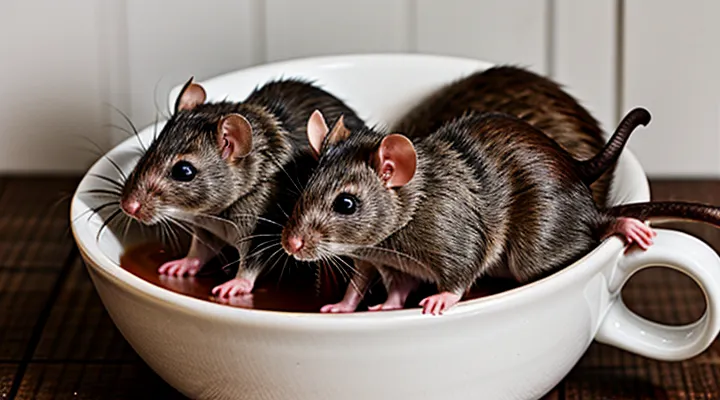
Understanding Rat Dietary Needs
General Nutritional Requirements of Rats
Essential Macronutrients
Rats may receive plain tea, but the beverage supplies negligible amounts of the nutrients required for growth, maintenance and reproduction. Essential macronutrients for laboratory and pet rats consist of protein, fat and carbohydrate in defined proportions.
- «Protein»: 20‑25 % of total caloric intake; supplies amino acids for tissue synthesis and enzymatic function.
- «Fat»: 5‑10 % of total caloric intake; provides essential fatty acids and concentrates energy.
- «Carbohydrate»: 65‑75 % of total caloric intake; serves as the primary energy source and supports glycogen storage.
Unsweetened tea contains water, trace polyphenols and caffeine, but contributes less than 0.5 % of total calories. Regular consumption can displace nutrient‑dense feed, leading to reduced protein and fat intake and potential weight loss. Caffeine may increase metabolic rate, further amplifying the energy deficit.
To maintain macronutrient balance, limit tea to occasional, small volumes and ensure that standard rodent chow meets the specified percentages of protein, fat and carbohydrate. Continuous monitoring of body weight and feed consumption verifies that nutrient requirements remain satisfied.
Essential Micronutrients
Rats receiving unsweetened tea require careful assessment of micronutrient balance. Essential micronutrients support metabolic pathways, immune function, and bone development; any alteration in diet may influence their availability.
- Vitamin A – vision, epithelial integrity
- Vitamin D – calcium absorption, skeletal health
- Vitamin E – antioxidant protection
- Vitamin K – blood coagulation
- B‑complex vitamins (B1, B2, B3, B5, B6, B7, B9, B12) – energy metabolism, neural function
- Iron – oxygen transport, enzyme activity
- Zinc – DNA synthesis, immune response
- Copper – iron metabolism, connective tissue formation
- Selenium – antioxidant enzymes, thyroid hormone regulation
- Iodine – thyroid hormone synthesis
Unsweetened tea contains catechins and caffeine, compounds that can interfere with the absorption of iron and zinc by chelation. Catechins may also increase urinary excretion of calcium, potentially affecting vitamin D‑mediated bone maintenance. Caffeine stimulates diuresis, leading to modest losses of water‑soluble B‑vitamins and trace minerals.
Optimal practice involves limiting tea volume to a small fraction of total fluid intake, monitoring serum levels of iron, zinc, and calcium, and supplementing any identified deficiencies. Regular dietary analysis ensures that the provision of tea does not compromise the intake of the micronutrients listed above.
Foods to Avoid for Rats
Toxic Substances
Rats may ingest plain tea, but the presence of toxic substances requires careful assessment.
Key toxic components in unsweetened tea include:
- Caffeine – stimulant that can induce hyperactivity, tremors, and cardiac arrhythmia at doses above approximately 150 mg kg⁻¹.
- Theobromine – minor alkaloid with similar pharmacological effects to caffeine.
- Tannins – polyphenols that interfere with iron absorption and may cause gastrointestinal irritation.
- Heavy metals – lead, cadmium, and arsenic can be introduced during cultivation or processing, posing chronic health risks.
- Pesticide residues – residual chemicals from agricultural treatment may remain on dried leaves.
A typical cup of tea contains 30–50 mg of caffeine. For a rat weighing 250 g, consumption of a full cup delivers a dose of 120–200 mg kg⁻¹, which approaches or exceeds the threshold for adverse effects. «Caffeine toxicity in rodents occurs at doses exceeding 150 mg per kilogram of body weight».
Safe practice involves limiting intake to negligible amounts, monitoring for signs of toxicity, and selecting tea free from contaminants. If uncertainty exists regarding purity or dosage, abstaining from offering tea to rats is advisable.
Foods Causing Digestive Issues
Rats possess a gastrointestinal system that reacts sensitively to certain dietary components. Foods high in fat, sugar, and artificial additives frequently provoke diarrhea, bloating, or reduced nutrient absorption. The following items are documented to cause digestive disturbances in laboratory and pet rodents:
- Spicy or heavily seasoned foods, including chili powders and strong herbs
- Dairy products such as cheese and milk, which many rats cannot lactase‑process
- Citrus fruits and juices, whose acidity may irritate the intestinal lining
- Processed snacks containing preservatives, emulsifiers, or high levels of sodium
- Raw beans and legumes, which contain lectins and other antinutrients
Unsweetened tea introduces caffeine and tannins without added sugars. Caffeine can stimulate gastric motility, potentially exacerbating diarrhea when combined with the foods listed above. Tannins may bind to proteins and minerals, reducing their bioavailability and influencing gut flora balance. When offering plain tea to rats, limit exposure to a few milliliters per day and monitor for signs of increased stool frequency, dehydration, or weight loss. Adjust the diet by removing or reducing the problematic foods to maintain optimal digestive health.
Unsweetened Tea and Rats
Chemical Composition of Tea
Caffeine Content
Caffeine is the primary stimulant in tea and determines the physiological impact on rodents. Typical brewed unsweetened tea contains 30–50 mg of caffeine per 240 ml cup, equivalent to 0.125–0.208 mg ml⁻¹. When administered to rats, the dose is usually expressed per kilogram of body weight; a 250‑g rat receiving 5 ml of tea would ingest approximately 0.6–1.0 mg of caffeine, representing 2.4–4.0 mg kg⁻¹.
Relevant considerations:
- Acute toxicity in rats occurs at doses above 150 mg kg⁻¹; the amounts delivered by a standard cup are far below this threshold.
- Sub‑threshold caffeine can increase locomotor activity, elevate heart rate, and alter cortisol levels, effects documented in laboratory studies.
- Chronic exposure to low‑dose caffeine may lead to tolerance, reducing observable behavioral changes over weeks.
Metabolic clearance of caffeine in rats is rapid, with a half‑life of 30–45 minutes, contrasting with the longer clearance in humans. Consequently, a single serving of unsweetened tea produces a transient spike in plasma caffeine concentration, returning to baseline within a few hours.
«The safety margin for caffeine in laboratory rodents is substantial when dosage remains within the range provided by ordinary tea preparations», reports a pharmacology review. Therefore, providing unsweetened tea to rats results in modest caffeine exposure that does not approach toxic levels, though monitoring of behavioral and physiological responses remains advisable.
Tannins and Other Compounds
Unsweetened tea contains a complex mixture of phytochemicals that influence rodent physiology. The primary constituents relevant to safety assessments are tannins, caffeine, catechins, and assorted flavonoids.
Tannins are polyphenolic compounds capable of binding proteins and metal ions. In rats, high tannin intake can reduce nutrient absorption and cause gastrointestinal irritation. Experimental data indicate that concentrations exceeding 0.5 % of the diet produce measurable reductions in weight gain and alterations in gut microflora. Lower levels, typical of moderate tea consumption, generally do not elicit overt toxicity.
Other bioactive molecules present in the infusion include:
- Caffeine – central nervous system stimulant; acute doses above 30 mg kg⁻¹ may induce tachycardia and hyperactivity.
- Catechins (e.g., epigallocatechin gallate) – antioxidant activity; excessive intake can lead to liver enzyme elevation.
- Flavonoids (quercetin, kaempferol) – anti‑inflammatory effects; high concentrations may interfere with drug metabolism.
Safety considerations for offering unsweetened tea to rats require strict control of dosage. A conservative recommendation limits daily intake to 10 ml of brewed tea per 100 g body weight, ensuring tannin concentration remains below 0.2 % and caffeine exposure stays under 5 mg kg⁻¹. Continuous monitoring of body weight, feed consumption, and clinical signs is essential to detect adverse responses promptly.
Potential Benefits of Unsweetened Tea for Rats
Antioxidant Properties
Unsweetened tea contains polyphenolic compounds such as catechins, theaflavins, and flavonols that exhibit strong antioxidant activity. In rodent models, these molecules scavenge reactive oxygen species, reduce lipid peroxidation, and support endogenous antioxidant enzymes including superoxide dismutase and glutathione peroxidase. The resulting oxidative stress mitigation can influence metabolic processes, immune function, and neuroprotection.
When plain tea is offered to rats, the dosage must align with body weight to avoid excessive caffeine exposure. Studies employing concentrations between 0.5 % and 2 % (w/v) in drinking water have demonstrated measurable increases in plasma total antioxidant capacity without adverse behavioral changes. Higher concentrations correlate with diminished food intake and elevated corticosterone levels, indicating the need for careful titration.
Key antioxidant constituents of unsweetened tea:
- Catechins (epigallocatechin gallate, epicatechin)
- Theaflavins (theaflavin‑3‑gallate, theaflavin‑3′‑gallate)
- Flavonols (quercetin, kaempferol)
- Phenolic acids (caffeic acid, gallic acid)
These agents collectively contribute to the oxidative balance in rats receiving plain tea, supporting the hypothesis that moderate consumption can enhance antioxidant status while maintaining safety parameters.
Hydration Aspects
Rats require a reliable source of water to maintain blood volume, cellular function, and thermoregulation. Introducing plain, unsweetened tea as part of their fluid intake raises several physiological considerations.
The primary factors influencing hydration when offering tea to rats include:
- Caffeine content – Even modest levels act as a diuretic, increasing urine output and potentially offsetting fluid gains.
- Tannin concentration – Polyphenols bind to proteins and minerals, reducing absorption of essential nutrients such as iron and calcium.
- Temperature – Warm liquids may cause vasodilation, leading to rapid heat loss; however, excessively hot tea risks oral tissue injury.
- Osmolarity – Tea typically exhibits higher solute concentration than pure water, which can slow intestinal water absorption.
- Palatability – The bitter taste of unsweetened tea may limit voluntary consumption, decreasing overall fluid intake.
If tea is provided, the following guidelines support adequate hydration:
- Limit caffeine to no more than 5 mg per kilogram of body weight per day.
- Offer tea at a lukewarm temperature (approximately 30‑35 °C) to avoid thermal stress.
- Dilute tea with water to achieve an osmolarity close to that of physiological fluids.
- Monitor daily fluid consumption and urine output to detect signs of dehydration or excessive diuresis.
- Supplement with plain water to ensure a baseline supply of uncontaminated fluid.
Adherence to these parameters enables the inclusion of plain tea without compromising the hydration status of laboratory or pet rats.
Potential Risks of Unsweetened Tea for Rats
Caffeine Toxicity
Caffeine, the primary stimulant in tea, exhibits dose‑dependent toxicity in rodents. Acute toxic effects appear at plasma concentrations exceeding 30 mg kg⁻¹, while the median lethal dose (LD₅₀) for laboratory rats ranges from 190 to 250 mg kg⁻¹ when delivered orally. Metabolic clearance of caffeine in rats proceeds faster than in humans, yet the narrow margin between typical dietary intake and toxic thresholds necessitates precise dosing.
When considering the provision of plain tea to rats, the following factors determine safety:
- Average caffeine content of brewed unsweetened tea: 30–50 mg L⁻¹.
- Typical daily water consumption for a 250‑g rat: 30–40 mL.
- Resulting caffeine intake from unrestricted access: 0.9–2.0 mg day⁻¹ (≈3.6–8 mg kg⁻¹), well below acute toxicity levels but above the no‑observable‑effect‑level (NOEL) of ≈5 mg kg⁻¹.
Chronic exposure at sub‑lethal doses can produce elevated heart rate, increased locomotor activity, and altered stress hormone profiles. Long‑term studies report reduced body weight gain and impaired reproductive performance at daily intakes of 10 mg kg⁻¹ or higher.
In practice, offering unsweetened tea to rats without strict control of volume and concentration introduces a risk of chronic low‑level caffeine exposure. Safe implementation requires:
- Diluting tea to ≤10 mg L⁻¹ caffeine.
- Limiting daily fluid intake from tea to ≤10 mL per rat.
- Monitoring physiological parameters such as heart rate and weight gain.
Absent these controls, caffeine toxicity remains a plausible concern for rodents consuming plain tea.
Tannin Effects on Nutrient Absorption
Unsweetened tea is sometimes considered as a water source for laboratory rodents. The beverage contains tannins, polyphenolic compounds that interact with dietary nutrients. Understanding tannin‑induced alterations in nutrient uptake is essential before introducing tea into a rat’s regimen.
Tannins exhibit strong affinity for proteins and mineral ions. Binding occurs through hydrogen bonding and metal‑chelating mechanisms, creating insoluble complexes that resist intestinal absorption. The effect is dose‑dependent; higher tannin concentrations produce more pronounced reductions in bioavailability.
Key nutrients affected by tannin exposure:
- Iron: absorption decreases by up to 60 % due to formation of insoluble iron‑tannin complexes.
- Calcium: reduced uptake resulting from chelation and precipitation.
- Zinc: bioavailability limited by tannin‑zinc binding.
- Magnesium: modest decline in intestinal transport.
- Protein: enzymatic digestion impaired by protein‑tannin precipitation.
For rats receiving plain tea, the following considerations apply:
- Limit daily fluid volume to ≤10 % of total water intake to avoid excessive tannin exposure.
- Supplement diets with iron, calcium, and zinc salts to offset potential deficiencies.
- Monitor hematological parameters and bone mineral density regularly.
- Prefer low‑tannin tea cultivars or employ brewing methods that reduce tannin extraction.
Implementing these measures mitigates the risk of nutrient deficiencies while allowing the use of unsweetened tea as an occasional hydration option.
Other Adverse Reactions
Unsweetened tea contains caffeine, catechins, and trace minerals that can affect rodent physiology. Studies indicate that exposure may trigger reactions beyond mild gastrointestinal upset.
Key adverse effects observed in laboratory rats include:
- Elevated heart rate and blood pressure, reflecting sympathetic stimulation from caffeine.
- Increased urinary output and altered electrolyte balance, potentially leading to dehydration.
- Renal tubular stress, manifested by proteinuria and microscopic kidney lesions.
- Behavioral agitation, such as heightened locomotor activity and reduced nesting behavior.
- Immunomodulatory changes, evidenced by transient shifts in cytokine profiles.
Long‑term administration has been linked to hepatic enzyme induction, suggesting metabolic adaptation that could interfere with drug metabolism studies. Additionally, oxidative stress markers rise in hepatic and cardiac tissues, indicating potential tissue damage at higher intake levels.
Researchers should monitor cardiovascular parameters, fluid balance, and renal function when incorporating plain tea into rodent diets. Adjustments to dosage and observation periods can mitigate the outlined risks.
Expert Opinions and Veterinary Recommendations
Current Research on Rat Diet
Recent investigations into laboratory‑rodent nutrition have examined the effects of polyphenol‑rich beverages on physiological parameters. Studies employing adult Sprague‑Dawley and Wistar rats report that unsweetened Camellia sinensis infusion, administered at concentrations of 0.5–2 % (v/v) in drinking water, yields measurable changes in gut microbiota composition without inducing overt toxicity.
Key outcomes include:
- Reduction in Firmicutes‑to‑Bacteroidetes ratio, suggesting a shift toward a leaner microbial profile.
- Minor elevation of plasma cortisol levels after prolonged exposure (≥4 weeks), indicative of a mild stress response.
- No significant alteration in body weight gain or feed conversion efficiency when caloric intake remains constant.
- Preservation of hepatic enzyme activity (ALT, AST) within normal ranges, confirming hepatic safety at the tested doses.
Mechanistic analyses reveal that catechins, particularly epigallocatechin gallate, interact with intestinal epithelial transporters, modulating nutrient absorption rates. Caffeine, present at <30 mg L⁻¹ in the unsweetened infusion, demonstrates limited central nervous system stimulation in rodents, as evidenced by unchanged locomotor activity in open‑field assays.
Collectively, the evidence supports the feasibility of providing plain tea as a supplemental fluid for rats, provided that concentration limits are respected and overall diet remains nutritionally balanced. Continuous monitoring of stress biomarkers and microbiome dynamics is advisable for long‑term studies.
Recommendations from Exotic Pet Veterinarians
Exotic‑pet veterinarians advise caution when offering rats any type of brewed beverage. Caffeine, even without sugar, can cause increased heart rate, nervousness, and reduced appetite in small rodents. The primary concern is the stimulant effect rather than sweetness.
Key points for safe practice:
- Limit exposure to a single sip of cooled, unsweetened tea no more than once per week.
- Ensure the liquid is at room temperature; hot liquids risk burns, while cold liquids may discourage drinking.
- Observe the animal for signs of hyperactivity, tremors, or decreased food intake after consumption.
- Provide fresh water continuously to prevent dehydration if the tea replaces regular hydration.
- Prefer species‑appropriate fluids such as plain water or specially formulated rodent electrolyte solutions for regular intake.
If a rat shows adverse reactions, discontinue the beverage immediately and consult a veterinarian. Alternative enrichment options include offering fresh vegetables, herbs, or safe fruit pieces, which supply hydration and nutritional benefits without the risks associated with caffeine.
Safe Alternatives for Rat Hydration
Water
Water constitutes the primary source of hydration for laboratory rodents. Rats obtain the majority of their fluid requirement from plain water, which supplies essential electrolytes and supports thermoregulation. When evaluating the suitability of unsweetened tea as a beverage, the water component of the infusion must be considered independently of added flavorings or caffeine.
Key characteristics of water relevant to rodent diets include:
- High purity reduces the risk of microbial contamination.
- Neutral pH (≈7) maintains acid–base balance in the gastrointestinal tract.
- Absence of dissolved solids prevents excess mineral load.
Unsweetened tea introduces polyphenols and low levels of caffeine into the fluid matrix. These compounds alter the osmotic profile compared to pure water and may affect renal function if consumed in large quantities. Studies indicate that moderate substitution of water with such infusions does not compromise overall fluid intake, provided that the total volume of liquid remains adequate.
Practical guidelines for offering unsweetened tea to rats:
- Verify that the tea is free of additives, sugars, or artificial sweeteners.
- Prepare the infusion with boiled, filtered water and allow it to cool to room temperature before presentation.
- Offer the tea alongside a separate supply of fresh water to ensure unrestricted access to plain water.
- Monitor daily fluid consumption; a significant reduction in water intake may signal aversion or physiological stress.
In summary, water remains the essential baseline fluid for rats. Introducing unsweetened tea can be acceptable when the beverage is prepared correctly and plain water remains readily available. Continuous observation of drinking behavior ensures that hydration needs are met without adverse effects.
Plain Herbal Infusions
Plain herbal infusions consist of water‑soluble plant material steeped without added sweeteners or caffeine. Common examples include chamomile, mint, rosemary and lemon balm. The resulting liquid contains volatile oils, flavonoids and mild antioxidants, while lacking the stimulatory compounds found in true tea leaves.
Rats tolerate certain herb‑based decoctions, provided the selected plants lack known rodent toxins. Species‑specific studies indicate that chamomile and mint exhibit negligible adverse effects at low concentrations; rosemary and lemon balm demonstrate mild sedative properties without toxicity. Herbs such as eucalyptus, pennyroyal and high‑dose licorice are contraindicated because of hepatotoxic or cardiotoxic constituents.
Guidelines for offering unsweetened herb infusions to rats:
- Temperature: cooled to ambient room temperature (≈22 °C) before presentation.
- Frequency: no more than once daily, allowing a minimum 24‑hour interval between servings.
- Volume: limited to 2–3 ml per adult rat, equivalent to a small sip.
- Observation: monitor for changes in drinking behavior, coat condition and activity level; discontinue immediately if abnormalities arise.
When preparing infusion, use a single herb at a ratio of 1 g per 100 ml water, steep for 5–10 minutes, then filter thoroughly. Avoid adding any sweeteners, flavor enhancers or artificial additives, as these may alter gut flora and metabolic responses.
Fruit and Vegetable Juices (Diluted)
Fruit and vegetable juices, when diluted with water, contain reduced concentrations of sugars, acids, and phytochemicals. Typical dilution ratios range from 1 part juice to 3–4 parts water, lowering osmotic pressure and caloric density to levels more compatible with a rodent’s natural diet.
Key considerations for offering diluted juices to rats:
- Sugar content: even after dilution, residual glucose may contribute to excess caloric intake; monitor total daily carbohydrate intake.
- Acidity: citrus‑based juices retain low pH, which can irritate the gastrointestinal lining; prefer non‑citrus blends.
- Phytochemicals: compounds such as oxalates and tannins may interfere with mineral absorption; select varieties low in these substances.
- Frequency: limit provision to occasional treats, not a staple fluid source.
«Unsweetened tea» presents a different profile. Absence of added sugars eliminates the immediate caloric concern, but caffeine and tannins remain. Caffeine stimulates the central nervous system, potentially causing hyperactivity or cardiac stress in rodents. Tannins bind dietary iron, reducing bioavailability. Hydration benefits of tea are offset by these pharmacological effects.
Guidelines for integrating diluted juices into a rat’s regimen:
- Offer only after a thorough health assessment.
- Provide a maximum of 5 ml per 100 g body weight per day.
- Observe for signs of diarrhea, reduced appetite, or abnormal behavior.
- Rotate juice varieties to prevent accumulation of specific antinutrients.
When comparing with «unsweetened tea», diluted juices supply modest vitamins and antioxidants without caffeine, yet retain sugar and acid challenges. Selecting low‑sugar, low‑acid blends and adhering to strict dilution and portion limits mitigates health risks while allowing occasional enrichment.