
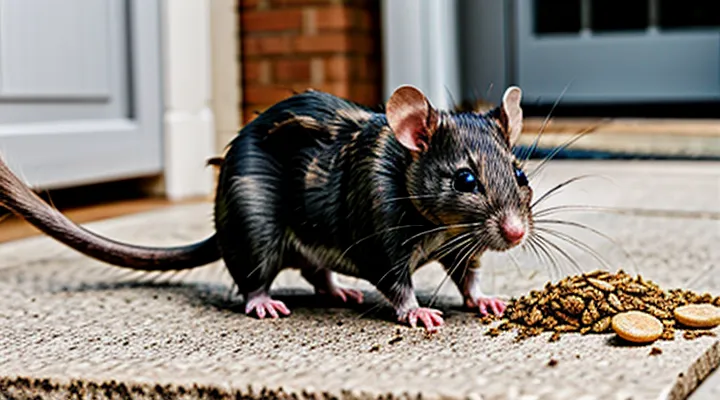
The Foundation of a Healthy Rat Diet
Commercial Rat Food
Pellets vs. Blocks
Pelleted diets provide a consistent nutrient profile per gram, simplifying portion control and ensuring balanced intake of protein, fiber, and essential vitamins. Commercially produced pellets are formulated to meet the specific metabolic requirements of domesticated rats, reducing the risk of deficiencies caused by uneven ingredient distribution.
Block diets consist of compressed, dense cubes that rats must gnaw to access food. The texture encourages dental wear, supporting healthy incisors. However, the high concentration of nutrients in a small volume can lead to overconsumption if not monitored carefully. Blocks often contain fewer added fibers, which may affect gastrointestinal health.
Key differences:
- Nutrient consistency – Pellets deliver uniform ratios; blocks may vary between brands.
- Dental health – Blocks promote chewing; pellets rely on supplemental chew toys.
- Portion accuracy – Pellets measured by weight; blocks measured by bite size, requiring observer vigilance.
- Shelf life – Pellets resist moisture better; blocks can become hard or crumble if stored improperly.
For optimal nutrition, many caretakers combine both forms: pellets as the staple diet, supplemented with occasional block pieces to maintain dental activity. Monitoring body condition and adjusting quantities ensures the rat receives adequate calories without excess.
Recommended Brands
Choosing a commercial diet that meets the nutritional demands of pet rats ensures consistent health and growth. The following brands are widely recognized for balanced formulations, rigorous quality control, and availability in standard retail channels.
- Oxbow Essentials Rat Diet – Complete‑life pellet; 18 % protein, 5 % fat, high fiber; ingredients include whole grain wheat, soy, and dried vegetables; no artificial colors or preservatives.
- Mazuri Rat & Mouse Diet – Small‑particle kibble; 20 % protein, 4 % fat; contains wheat, corn, soy, and a vitamin‑mineral premix; formulated for optimal digestion and bone health.
- Kaytee Forti-Diet Pro Health – Pelleted blend; 22 % protein, 5 % fat; includes whole grain oats, alfalfa, and fortified with Vitamin E and calcium; free of added sugars.
- Supreme Petfoods Rat & Mouse Gourmet – Soft chewable blocks; 19 % protein, 4 % fat; incorporates barley, peas, and dried fruit; designed for easy consumption by younger or dental‑sensitive rats.
- Natural Balance Rat & Mouse Formula – Grain‑free pellet; 21 % protein, 3 % fat; features turkey, salmon, and sweet potato; suitable for rats with grain sensitivities.
When selecting a brand, verify that the product lists a complete vitamin‑mineral profile, contains no excessive sugar or artificial additives, and matches the rat’s life stage (juvenile, adult, or senior). Complement the dry diet with fresh vegetables such as broccoli, carrot, and leafy greens, and provide clean water daily. Regularly rotate between approved brands to prevent monotony while maintaining nutritional consistency.
Fresh Foods: Vegetables and Fruits
Safe Vegetables for Rats
Domestic rats thrive on a varied diet that includes fresh vegetables. Incorporating safe plant matter supplies essential vitamins, minerals, and fiber, supporting digestion and overall health.
- Carrots: raw, peeled, cut into bite‑size pieces.
- Bell peppers (red, yellow, orange): seeds removed, chopped.
- Broccoli florets: offered in small amounts to avoid gas.
- Spinach: fresh, washed, limited to prevent oxalate buildup.
- Zucchini: raw or lightly steamed, sliced thin.
- Cucumber: skin left on, diced.
- Kale: fresh, trimmed of tough stems, served sparingly.
- Sweet potato: cooked, unseasoned, cooled, diced.
Preparation steps: wash all vegetables thoroughly, remove any pesticide residues, and cut into pieces appropriate for a rat’s small jaws. Offer a handful of pieces daily, rotating varieties to prevent monotony. Remove uneaten portions after a few hours to maintain hygiene.
Avoid vegetables that are toxic or problematic: raw potatoes, onions, garlic, rhubarb, and cabbage. Limit high‑water or high‑sugar produce such as lettuce and fruit to prevent diarrhea and weight gain. Monitor each rat’s response; discontinue any vegetable that causes digestive upset.
Safe Fruits for Rats
Domestic rats thrive on a balanced diet that includes fresh fruit. Fruit supplies natural sugars, vitamins, and fiber, but only certain varieties are safe for regular consumption.
Safe fruit options:
- Apple (core removed, no seeds) – rich in fiber and vitamin C.
- Blueberries – high antioxidant content, suitable in small quantities.
- Strawberries – provide vitamin K and folate; remove stems.
- Raspberries – low sugar, good source of dietary fiber.
- Pear (seedless) – soft texture, source of potassium.
- Kiwi – offers vitamin E and potassium; feed in moderation due to acidity.
- Mango (peeled, seedless) – supplies vitamin A and beta‑carotene; limit portion size.
- Papaya (peeled, seedless) – contains digestive enzymes and vitamin C; avoid overfeeding.
- Banana (thin slice) – high in potassium; serve sparingly because of high sugar.
Fruits to avoid:
- Citrus (orange, lemon, lime) – acidity can cause digestive upset.
- Grapes and raisins – linked to renal toxicity in rodents.
- Cherries – pits contain cyanogenic compounds.
- Stone fruits (peaches, plums, apricots) – pits are toxic; flesh may cause diarrhea.
- Avocado – contains persin, harmful to rats.
Guidelines for feeding fruit:
- Offer fruit as a treat, not more than 10 % of total daily intake.
- Wash thoroughly to remove pesticides and contaminants.
- Cut into bite‑size pieces to prevent choking.
- Remove skins of fruits with tough exteriors if they cause irritation.
- Observe the rat for any signs of digestive distress after introducing a new fruit.
Consistent monitoring and adherence to these recommendations ensure that fruit enhances nutrition without compromising health.
Portion Sizes and Frequency
Domestic rats require measured portions to maintain optimal body condition and prevent obesity. An adult rat typically consumes 5‑7 % of its body weight in food each day; for a 300‑gram animal this equals 15‑21 grams of dry diet. Juvenile rats need slightly more relative intake, approximately 8‑10 % of body weight, to support growth.
Feeding frequency influences digestive health. Provide fresh food twice daily, spacing meals 8‑12 hours apart. This schedule mimics natural foraging patterns and reduces the risk of gastrointestinal distress. If the diet includes fresh produce, offer small portions (1‑2 grams) once per day to prevent spoilage and waste.
Guidelines for portion control
- Weigh dry pellets or kibble before each feeding; avoid estimating by volume.
- Adjust quantities weekly based on weight monitoring; a 2‑gram change in body mass signals the need for portion modification.
- Limit treats to no more than 5 % of total daily calories; count them as part of the overall portion.
- Use a calibrated feeding dish to ensure consistency and prevent over‑dispensing.
Consistent monitoring of weight and body condition score allows rapid correction of over‑ or under‑feeding. Record daily intake and adjust portions according to activity level, seasonal temperature changes, and reproductive status. This disciplined approach sustains health, encourages normal activity, and extends lifespan.
Protein Sources
Cooked Meats and Eggs
Cooked meats and eggs can supplement a pet rat’s diet when offered correctly.
- Protein source: Both provide high‑quality animal protein essential for growth, muscle maintenance, and immune function.
- Preparation: Cook thoroughly to eliminate pathogens; avoid seasoning, sauces, or added fats. Plain boiling, steaming, or baking is sufficient.
- Portion size: Limit to 5–10 g of cooked meat or a quarter of a hard‑boiled egg per rat per day. Excess protein may strain kidneys and lead to obesity.
- Frequency: Offer as an occasional treat, not more than three times weekly. Regular inclusion can replace a portion of commercial pellets, ensuring balanced amino acid intake.
Safety considerations
- Use only lean cuts of chicken, turkey, or lean beef; discard skin, bones, and visible fat.
- Store cooked portions in the refrigerator and discard after 24 hours to prevent spoilage.
- Monitor rats for digestive upset after introducing new foods; discontinue if diarrhea or loss of appetite occurs.
Integrating properly prepared meats and eggs enriches the nutritional profile of a domestic rat’s regimen while maintaining health standards.
Legumes and Grains
Legumes and grains supply protein, dietary fiber, and carbohydrate energy that complement the staple pellet diet for pet rats. Their inclusion improves coat condition, supports digestive health, and contributes to growth and reproduction.
-
Lentils (cooked, unsalted)
-
Chickpeas (cooked, unsalted)
-
Green peas (fresh or frozen, thawed)
-
Black beans (cooked, rinsed)
-
Soybeans (cooked, plain)
-
Oats (rolled or steel‑cut, uncooked)
-
Brown rice (cooked, unsalted)
-
Quinoa (cooked, rinsed)
-
Barley (cooked, unsalted)
-
Whole‑wheat pasta (cooked, plain)
Portion sizes should not exceed 10 % of the total daily intake. Offer a teaspoon of cooked legumes or grains per rat, divided into two feedings. Ensure all items are thoroughly cooked to eliminate antinutrients and are cooled before serving. Raw beans, especially kidney and lima varieties, must be avoided because of toxic lectins.
Store cooked legumes and grains in airtight containers in the refrigerator for up to three days. Discard any leftovers that develop mold or an off odor. Regularly monitor body condition; adjust quantities if rats gain excessive weight or show signs of digestive upset.
Healthy Fats and Treats
Nuts and Seeds in Moderation
Nuts and seeds provide high‑quality fats, protein, and micronutrients that can enhance a rat’s diet when offered sparingly. Their calorie density means excess portions quickly lead to weight gain and may displace more balanced foods.
- Acceptable varieties: unsalted almonds, walnuts, sunflower seeds, pumpkin seeds, and hazelnuts. Avoid peanuts, macadamia nuts, and any flavored or salted products.
- Portion guidelines: limit to 1 – 2 grams per day for a 250‑gram adult rat, equivalent to a few whole seeds or a single small nut fragment.
- Preparation: wash thoroughly, dry, and break into bite‑size pieces to prevent choking. Store in airtight containers to maintain freshness and deter mold growth.
Regular inclusion of small amounts supports coat health, brain function, and dental wear, while preventing obesity and digestive upset. Adjust frequency according to the individual’s activity level and overall diet composition.
Occasional Treats
Occasional treats can enrich a pet rat’s diet when offered responsibly. Treats should complement a balanced base diet of high‑quality pellets, fresh vegetables, and occasional fruit, not replace them.
Suitable treats include:
- Small pieces of fresh fruit such as apple (seedless), banana, or berries; limit to one teaspoon per serving.
- Cooked lean protein like unseasoned chicken, turkey, or boiled egg; offer a pea‑size portion.
- Whole‑grain cereals or unsweetened oatmeal; provide a pinch.
- Low‑fat cheese or plain yogurt; restrict to a thin slice.
- Commercial rodent treats formulated without added sugars or artificial colors; follow manufacturer’s serving guidelines.
Frequency matters. Limit treats to no more than 5 % of total caloric intake, typically two to three times per week. Overfeeding can lead to obesity, digestive upset, or nutrient imbalances.
Safety considerations:
- Avoid sugary, salty, or processed human snacks.
- Exclude foods toxic to rodents: chocolate, caffeine, alcohol, raw beans, avocado, and citrus peels.
- Wash fresh produce thoroughly to remove pesticides.
- Introduce new items gradually, monitoring for adverse reactions such as diarrhea or loss of appetite.
Portion control is essential. Measure treats by weight or volume rather than by visual estimate to maintain consistent intake. Small, frequent offerings are preferable to large, irregular ones, supporting stable energy levels and preventing binge eating.
By adhering to these guidelines, occasional treats become a beneficial supplement that enhances enrichment and supports overall health without compromising dietary balance.
Foods to Avoid and Dietary Considerations
Harmful Foods
Toxic Vegetables and Fruits
Domestic rats require a diet free from certain plant foods that can cause severe health problems. Several common vegetables and fruits contain compounds that rodents cannot metabolize safely; ingestion may lead to gastrointestinal distress, organ damage, or death.
- Avocado (all parts) – Persin toxin irritates the heart and lungs.
- Rhubarb leaves – Oxalic acid precipitates calcium, causing kidney failure.
- Potato sprouts and green skins – Solanine interferes with nerve function and can be fatal.
- Tomato leaves and stems – Contain tomatine, a glycoalkaloid that damages the digestive tract.
- Raw sweet potatoes – High levels of solanine similar to potatoes.
- Citrus peels – Essential oils irritate the stomach lining and may cause vomiting.
- Grapes and raisins – Unknown toxin leads to acute kidney injury in many mammals.
- Onion, garlic, leeks, chives – Sulfur compounds cause hemolytic anemia.
- Chocolate (including cocoa powder) – Theobromine and caffeine are cardiotoxic.
Symptoms of exposure include loss of appetite, watery or bloody stool, lethargy, tremors, and rapid breathing. Immediate veterinary attention is required if any of these signs appear after a rat consumes suspect produce.
When selecting fresh produce for a pet rat, choose items with proven safety such as carrots, broccoli florets, cucumber, and apple slices (core removed). Introduce new foods gradually and monitor for adverse reactions. Maintaining a balanced diet that excludes the listed toxic vegetables and fruits protects the animal’s health and supports optimal growth.
Unsafe Human Foods
Pet rats require a balanced diet that excludes many foods safe for humans. Certain human foods can cause acute toxicity, digestive upset, or long‑term health problems in rats. Avoid offering the following items:
- Chocolate and cocoa products: contain theobromine, which is highly toxic to rodents.
- Caffeine‑containing beverages and foods: stimulate the heart and nervous system, leading to arrhythmias or seizures.
- Alcohol: depresses central nervous system, can result in respiratory failure.
- Raw or undercooked beans (especially kidney beans): contain phytohemagglutinin, a potent toxin.
- Citrus peels and large amounts of citrus fruit: high acidity irritates the gastrointestinal tract.
- Processed meats and deli slices: high salt and preservative levels strain kidneys and may contain nitrates.
- Avocado flesh and pit: persin in avocado can cause respiratory distress.
- Onions, garlic, leeks, and chives: contain organosulfoxides that damage red blood cells, leading to anemia.
- Salty snacks (chips, pretzels): excess sodium causes dehydration and kidney strain.
- Sugary sweets and candy: promote obesity, dental decay, and metabolic disorders.
Feeding rats foods outside their natural diet introduces risks that outweigh any perceived benefits. Substitute unsafe items with rat‑specific pellets, fresh vegetables, and occasional fruit pieces that are known to be safe. Regularly review ingredient lists and consult veterinary guidelines to ensure the diet remains free of harmful human foods.
High-Fat and High-Sugar Items
High‑fat and high‑sugar foods pose significant health risks for pet rats. Excess calories promote rapid weight gain, increase the likelihood of fatty liver disease, and can exacerbate dental problems. Sugar spikes may lead to insulin resistance and reduced lifespan.
High‑fat items to limit or avoid
- Commercial cheese spreads
- Butter, margarine, and oil‑rich dips
- Fatty meats (bacon, sausage, processed deli cuts)
- Nuts and seeds in large quantities
- Fried snacks (potato chips, pretzels with oil coating)
High‑sugar items to limit or avoid
- Candy, chocolate, and sugary confections
- Sweetened cereals and granola bars
- Fruit juices and sodas
- Dried fruit with added sugars
- Honey or maple syrup as a regular supplement
Occasional inclusion of small portions is permissible when closely monitored. Recommended practice: offer a treat no larger than a pea‑size piece, no more than twice per week, and observe body condition after each feeding. Adjust the regular diet to maintain a lean, active appearance, and replace high‑fat or high‑sugar treats with low‑calorie vegetables or specially formulated rat treats.
Dietary Needs for Different Life Stages
Young Rats and Growth
Young rats require a diet that supports rapid tissue development, skeletal strengthening, and immune system maturation. During the weaning period (approximately 3‑4 weeks of age) the diet must transition from maternal milk to solid foods that deliver high-quality protein, essential fatty acids, calcium, phosphorus, and vitamins A, D, and E.
Key nutritional targets for growing rats:
- Protein: 20‑25 % of total calories; sources include cooked chicken, boiled eggs, and high‑protein rodent pellets.
- Fat: 5‑8 % of calories; include small amounts of unsalted nuts, seeds, or a few drops of vegetable oil.
- Calcium‑phosphorus ratio: near 1.2:1; provide calcium‑rich foods such as plain yogurt, low‑fat cheese, and finely ground bone meal.
- Vitamin D: required for calcium absorption; ensure exposure to natural light or supplement with a rat‑specific multivitamin.
- Fiber: 4‑5 % of diet; offer small portions of shredded wheat, oat bran, or fresh vegetables.
Safe fresh foods that can be added daily:
- Carrots, bell peppers, broccoli, and spinach (chopped finely).
- Apples or pears (seedless, skin removed).
- Small pieces of banana or melon for occasional enrichment.
Foods to exclude because they impede growth or cause toxicity:
- Processed human snacks, sugary treats, and salty chips.
- Raw beans, uncooked potatoes, and avocado.
- Chocolate, caffeine, and nicotine‑containing products.
Feeding schedule should provide continuous access to fresh water and a measured amount of dry pellets, refreshed every 24 hours. Supplement solid foods in two to three small meals per day, gradually increasing portion size as the rat approaches eight weeks of age. Monitoring body weight weekly ensures the diet meets growth expectations; a steady increase of 2‑3 g per week indicates adequate nutrition. Adjust protein and calcium levels if weight gain stalls or if skeletal abnormalities appear.
Adult Rats: Maintenance
Feeding adult rats requires a balanced diet that supplies protein, fat, fiber, vitamins, and minerals in proportions that support growth, reproduction, and immune function. Commercially formulated rodent blocks or pellets provide a reliable base; they contain calibrated nutrient levels and reduce the risk of deficiencies. Supplement the base diet with fresh, high‑quality foods to enhance palatability and variety.
- Protein sources: cooked chicken, boiled egg, low‑fat cottage cheese, plain tofu.
- Fresh vegetables: kale, broccoli, carrots, bell pepper, spinach (washed, chopped).
- Fruits (limited): apple slices, berries, banana (no more than 10 % of total intake).
- Fiber additions: plain oatmeal, whole‑grain pasta, cooked brown rice, small amounts of whole‑grain bread.
- Treats: small portions of unsalted nuts, plain popcorn, or commercially approved rat treats (used sparingly).
Water must be available at all times in a clean, leak‑proof bottle. Replace it daily and sterilize the bottle weekly to prevent bacterial growth. Monitor consumption; a sudden drop may indicate illness.
Maintain a regular feeding schedule, offering the base diet in measured portions twice daily. Adjust quantities based on body condition, activity level, and seasonal temperature changes. Overfeeding leads to obesity, while underfeeding compromises health.
Regularly inspect food for spoilage, mold, or contamination. Discard uneaten fresh items after 24 hours to avoid bacterial proliferation. Store dry feed in airtight containers, protected from humidity and pests.
By providing a consistent, nutritionally complete diet and vigilant hygiene, adult pet rats remain healthy, active, and capable of reproducing successfully.
Senior Rats: Special Considerations
Senior rats experience reduced metabolic rates and slower digestion, requiring adjustments to calorie density and portion size. Offer smaller, frequent meals that maintain energy without promoting excess weight. Monitor body condition weekly; a slight loss of muscle mass indicates the need for increased protein or caloric intake.
Digestive health benefits from high‑quality fiber. Include fresh leafy greens, shredded carrots, and small amounts of cooked sweet potato. Ensure fibers are soft enough to prevent strain on aging incisors, which may become brittle. Provide dental chew items that are low‑hardness, such as softened wood blocks or softened rawhide alternatives, to encourage natural wear without causing injury.
Hydration is critical because senior rats are prone to dehydration. Keep water bottles clean and positioned at a comfortable height. Supplement fluids with moist foods like plain yogurt, unsweetened applesauce, or diluted vegetable broth, avoiding added sugars or salts.
Nutrient priorities shift with age. Elevate levels of calcium and vitamin D to support bone integrity, using fortified rodent pellets or a calcium supplement calibrated for small mammals. B‑vitamin complexes aid in energy metabolism; a modest daily supplement can offset age‑related deficiencies. Avoid excessive fat, which can exacerbate hepatic lipidosis.
Regular health checks enable early detection of age‑related issues. Observe changes in appetite, stool consistency, and activity level. Adjust the diet promptly in response to any signs of illness, consulting a veterinarian experienced with small rodents for tailored recommendations.
Hydration: Water is Key
Water Bottle vs. Bowl
Providing water to pet rats can be achieved with suspended bottles or open bowls. Both methods supply the necessary hydration, but they differ in hygiene, accessibility, and cage dynamics.
- Bottles seal the liquid, preventing spills and reducing contamination from bedding or food. The narrow drinking tube limits bacterial growth and keeps the water free from droppings. Regular cleaning of the bottle tip and replacement of the bottle prevent biofilm buildup.
- Bowls expose water to the cage environment, allowing rats to drink from any angle. This can be beneficial for young or infirm rats that struggle with the small drinking aperture of bottles. However, open containers collect droppings, bedding, and food crumbs, increasing the risk of bacterial proliferation. Frequent cleaning is essential to maintain water quality.
Choosing between the two depends on cage setup and rat health. A bottle suits a clean, low‑maintenance system; a bowl serves rats with limited mobility or those that prefer unrestricted drinking. Some owners alternate both, using a bottle for most of the day and a shallow bowl for monitoring intake or during illness. Regular monitoring of water consumption and routine sanitation ensure the rats remain properly hydrated regardless of the delivery method.
Ensuring Freshness and Availability
Ensuring that a pet rat’s diet remains fresh and readily available is essential for health and consistent intake. Food should be stored in airtight containers to prevent oxidation, moisture loss, and rodent contamination. Refrigerated items such as fresh vegetables and fruits must be placed in sealed bags, consumed within 3–5 days, and discarded if wilted or discolored. Protein sources, including boiled eggs or cooked lean meat, should be cooled to room temperature before refrigeration and used within 2 days; otherwise, freeze in portion‑sized packets for up to 3 months.
Daily feeding routines benefit from pre‑measured portions. Prepare a week’s supply in individual containers, label with date, and rotate stock so older items are offered first. Observe texture, smell, and color before each offering; discard any food that shows signs of mold, slime, or off‑odor. Maintain a small reserve of dry staple mix in a cool, dark pantry; replace the bulk supply quarterly to avoid nutrient degradation.
Practical checklist:
- Store fresh produce in sealed bags, refrigerate, and use within 5 days.
- Keep protein in airtight containers, refrigerate for 2 days or freeze for longer storage.
- Use airtight jars for dry grain and seed mixes, keep away from light and heat.
- Label all containers with preparation date; practice first‑in‑first‑out rotation.
- Inspect each portion for spoilage before presentation; discard compromised items immediately.
By applying these storage protocols, caregivers guarantee that a rat’s meals remain nutritionally intact and accessible, supporting steady consumption and reducing the risk of dietary-related illnesses.
Supplementation (If Necessary)
When and How to Supplement
Supplementation should complement a balanced base diet of high‑quality commercial pellets or lab blocks. Begin adding supplements when the rat reaches sexual maturity (around 6–8 weeks) or during periods of rapid growth, pregnancy, lactation, or recovery from illness. Monitor body condition; a lean or overweight animal signals the need to adjust supplement frequency or quantity.
Effective supplementation methods include:
- Vitamin D: Provide a few drops of liquid D3 supplement once weekly; excess can cause toxicity, so adhere to recommended dosage.
- Calcium: Offer calcium‑rich chew blocks or a measured sprinkle of powdered calcium carbonate on fresh vegetables, especially for breeding females.
- Omega‑3 fatty acids: Add a teaspoon of fish‑oil capsule content to a small portion of soft food twice a week to support coat health and immune function.
- Fresh produce: Introduce small amounts (½ cup) of leafy greens, carrots, or berries three times weekly; wash thoroughly to remove pesticides.
- Protein boosters: Offer boiled egg white or plain low‑fat cottage cheese as a 1‑teaspoon supplement on training days or when energy demand rises.
Administer supplements consistently at the same time each day, ideally mixed into a familiar food to ensure consumption. Record each addition and observe for changes in appetite, stool consistency, or behavior, adjusting the regimen promptly if adverse effects appear. Regular veterinary check‑ups provide objective assessment of nutrient status and guide precise supplementation.
Consulting a Veterinarian
Consulting a veterinarian is essential when establishing a safe and nutritionally balanced diet for pet rats. A professional assessment identifies individual health conditions—such as obesity, dental wear, or digestive disorders—that influence ingredient selection and portion size. Veterinarians also verify that any supplemental foods, treats, or commercial mixes meet the species‑specific nutrient requirements without introducing toxins or allergens.
Key points to address during the appointment:
- Current weight, body condition score, and growth stage
- History of illnesses, surgeries, or chronic conditions
- Specific dietary preferences or aversions observed in the animal
- Recommended core foods (e.g., high‑quality lab blocks, fresh vegetables) and appropriate treat limits
- Guidance on introducing new foods safely, including gradual transition methods
Following the veterinarian’s recommendations ensures that the rat’s diet supports optimal growth, reproduction, and longevity while minimizing the risk of nutritional deficiencies or excesses. Regular check‑ups allow adjustments as the animal ages or its health status changes.