
Why Choose a Field Mouse as a Pet?
Characteristics and Temperament
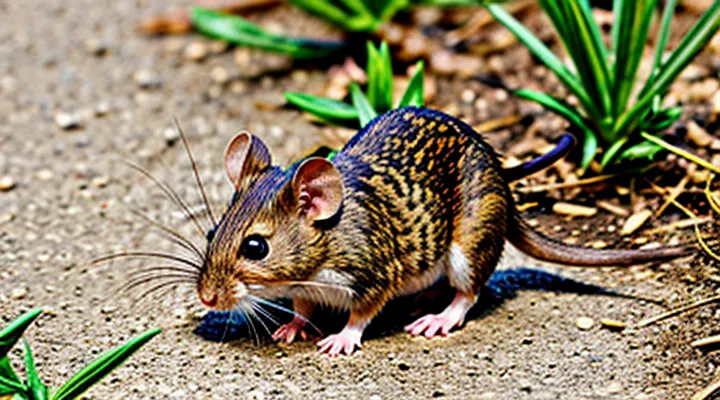
Size and Appearance
Field mice intended for companionship typically measure 3–5 inches (7.5–12.5 cm) from nose to the base of the tail, with an additional 2–4 inches (5–10 cm) of tail length. Adult weight ranges from 0.5 to 1 ounce (14–28 g). Body shape is compact, featuring a slightly rounded back and a short, sturdy neck. Fur is dense, soft, and varies by species; common color patterns include brown to gray dorsal fur with a lighter ventral side, occasional reddish or mottled patches, and a faint dorsal stripe in some variants. Ears are proportionally large, rounded, and covered with fine hair, providing a distinctive silhouette. Eyes are prominent, dark, and positioned laterally, granting a wide field of vision. The tail is hairless, slender, and often longer than the body, aiding balance during climbing and rapid movement.
When selecting a pet field mouse, observe the following characteristics:
- Uniform fur texture without bald spots or excessive shedding.
- Clear, bright eyes free of discharge or cloudiness.
- Clean, intact whiskers; missing or broken whiskers may indicate stress.
- Tail that is straight, supple, and without signs of injury or swelling.
- Body weight consistent with the species’ typical range, indicating proper nutrition.
These physical markers help ensure the mouse is healthy, mature, and suitable for domestic care.
Social Behavior
Field mice exhibit a spectrum of social interactions that influence their suitability as companion rodents. In the wild, individuals may form loose colonies, maintain hierarchical relationships, and defend defined territories. Dominance is expressed through scent marking, vocalizations, and occasional aggression toward intruders.
In captivity, these innate patterns manifest as preferences for solitary housing or limited groupings, depending on age, sex, and temperament. Cohabitation reduces stress indicators such as excessive grooming, repetitive movements, and loss of appetite, but overcrowding can trigger fighting, injury, and territorial disputes. Observing body language—posture, ear position, and tail movement—provides reliable cues about an animal’s comfort level within a group.
Prospective owners should evaluate social behavior during the selection process. Reputable suppliers present mice in clear view, allowing assessment of interaction quality. Indicators of a well-adjusted individual include calm exploration, balanced response to conspecifics, and absence of chronic hiding.
Key considerations when choosing a field mouse:
- Verify that the breeder monitors group dynamics and separates aggressive individuals.
- Request information on the mouse’s prior social environment (solitary, paired, or group‑raised).
- Ensure the enclosure provides sufficient space, hiding spots, and enrichment to accommodate natural behaviors.
- Observe the animal’s reaction to human handling; a tolerant response often correlates with stable social development.
Understanding these behavioral traits aids in selecting a pet mouse that will thrive in a domestic setting and minimizes the risk of conflict after purchase.
Lifespan
Field mice kept as pets typically live between 1.5 and 3 years, with the majority reaching the two‑year mark under optimal conditions. Longevity depends on genetics, diet, housing, and health care.
- Genetics: Wild‑caught individuals may carry hereditary traits that shorten lifespan, while captive‑bred stock often exhibits longer, more predictable life spans.
- Nutrition: A balanced diet of high‑protein pellets, fresh greens, and occasional insects supports healthy growth and reduces mortality.
- Environment: Enclosures that maintain temperature between 65‑75 °F, provide proper ventilation, and include nesting material lower stress and disease risk.
- Medical care: Routine veterinary examinations, parasite control, and prompt treatment of injuries contribute significantly to extending life expectancy.
Owners who provide consistent nutrition, a stable environment, and regular health monitoring can expect their field mouse to thrive for the full duration of its natural lifespan.
Benefits of Owning a Field Mouse
Low Maintenance
Field mice represent a practical choice for owners who prioritize minimal upkeep. Reputable breeders, specialty pet stores, and vetted online platforms regularly list these rodents, providing reliable access without extensive search.
Key low‑maintenance attributes include:
- Small enclosure requirement; a modest cage of 10 × 10 × 12 inches suffices for a single mouse.
- Simple diet; a blend of high‑quality seed mix supplemented with occasional fresh vegetables meets nutritional needs.
- Infrequent cleaning; spot‑cleaning twice weekly and a full substrate change monthly keep hygiene manageable.
- Limited veterinary expenses; common health issues are rare, and routine check‑ups are brief.
- Easy handling; gentle acclimation enables short, stress‑free interaction sessions.
When acquiring a field mouse, confirm the seller adheres to health‑screening protocols, offers a cage meeting the size guideline, supplies appropriate bedding, and provides a short quarantine period. These steps ensure the pet integrates smoothly while preserving the low‑maintenance advantage.
Engaging Behavior
Field mice exhibit a range of interactive actions that make them appealing companions. They explore environments by climbing, burrowing, and navigating tunnels, providing continual visual interest. Nighttime activity peaks, during which they run on wheels or chase small objects, offering owners predictable periods of engagement.
Owners can enhance interaction through simple enrichment:
- Provide a multi‑level cage with branches, tunnels, and climbing ropes.
- Introduce rotating wheels or ball tracks to satisfy natural running instincts.
- Offer a variety of chewable items, such as untreated wood blocks, to stimulate gnawing behavior.
- Place hidden food treats to encourage foraging and problem‑solving.
When selecting a vendor, prioritize sellers who:
- Supply cages designed for vertical movement and include enrichment accessories.
- Offer health guarantees and documentation of the mouse’s socialization history.
- Provide guidance on diet, habitat setup, and behavioral observation.
Observing these behaviors helps assess the mouse’s well‑being and reinforces the bond between pet and owner. Regular monitoring of activity patterns, grooming habits, and response to handling indicates a healthy, engaged rodent.
Educational Value
A pet field mouse offers direct observation of small‑mammal biology, allowing learners to study anatomy, behavior, and life cycles without laboratory specimens. Hands‑on interaction clarifies concepts such as foraging patterns, nesting construction, and social hierarchy, reinforcing theoretical content from textbooks.
Practical skills develop through daily care routines. Feeding schedules teach nutrient classification and portion control; cage cleaning demonstrates hygiene protocols and waste management. These activities translate to broader competencies in animal husbandry and responsible stewardship.
Educational outcomes include:
- Enhanced understanding of mammalian physiology through real‑time monitoring of respiration, locomotion, and growth.
- Application of scientific methodology by recording observations, forming hypotheses, and conducting simple experiments (e.g., maze navigation).
- Development of empathy and ethical reasoning as students assess the welfare needs of a living creature.
When acquiring a field mouse, select reputable breeders or specialty pet stores that provide health certifications and detailed care guidelines. Proper sourcing ensures the animal’s suitability for educational environments and minimizes the risk of disease transmission.
Where to Find Field Mice for Sale
Reputable Breeders
Ethical Breeding Practices
Purchasing a field mouse as a companion animal demands assurance that the breeder follows ethical standards. Ethical breeding safeguards animal welfare, maintains genetic health, and prevents the propagation of undesirable traits that could compromise the pet’s quality of life.
Key criteria for evaluating a breeder include:
- Documentation of health screenings for common rodent diseases and genetic disorders.
- Evidence of humane housing conditions: appropriate space, enrichment, and regular veterinary oversight.
- Transparent breeding records that identify parentage, lineage, and any prior health issues.
- Commitment to responsible population control, such as limiting litter sizes and providing options for unadopted offspring.
Prospective buyers should verify compliance by requesting inspection reports, confirming the breeder’s affiliation with recognized animal welfare organizations, and ensuring that the transaction includes a health guarantee and post‑sale support. Adhering to these practices reduces the risk of acquiring a mouse with hidden health problems and contributes to the overall integrity of the pet market.
Health Guarantees
When purchasing a field mouse as a pet, reputable vendors must supply clear health guarantees. These assurances protect the buyer from hidden illnesses and ensure the animal’s well‑being.
A comprehensive guarantee typically includes:
- Documentation of a recent veterinary examination confirming freedom from parasites, respiratory infections, and common rodent diseases.
- A written statement that the mouse has been screened for genetic defects known to affect lifespan or behavior.
- A quarantine period of at least 48 hours, during which the animal is observed for signs of illness before delivery.
- A return policy allowing replacement or refund if symptoms emerge within a specified timeframe, usually 30 days post‑sale.
- Proof of vaccination or preventive treatment, where applicable, such as for Mycoplasma pulmonis.
Sellers should present these guarantees in a signed contract, outlining the buyer’s responsibilities—proper housing, diet, and regular health monitoring. Failure to provide any of the listed assurances may indicate inadequate care standards and increased risk to the pet’s health.
Breeder Reputation
When selecting a source for a field mouse, the breeder’s reputation is the most reliable indicator of animal health, genetic soundness, and ethical handling.
A reputable breeder typically provides:
- Documentation of health screenings, such as tests for common rodent pathogens and parasites.
- Clear records of the mouse’s lineage, including any known hereditary conditions.
- Transparent policies on quarantine, socialization, and veterinary care.
- References from previous customers or professional organizations, confirming consistent satisfaction.
- A willingness to answer detailed questions about housing, diet, and long‑term support.
Evaluating these factors reduces the risk of acquiring sick or poorly socialized animals and ensures that the purchase aligns with responsible pet ownership standards.
Pet Stores
Local Pet Shops
Local pet shops serve as the most accessible venues for acquiring a field mouse as a companion animal. These retailers typically maintain a small inventory of rodents, including wild‑type field mice, sourced from reputable breeders or licensed wildlife suppliers. Purchasing through a brick‑and‑mortar store offers immediate visual inspection of the animal’s condition, allowing buyers to assess vitality, grooming, and overall health before finalizing the transaction.
Key considerations when visiting a local pet shop:
- Verify that the establishment holds the necessary permits for selling native rodent species. Documentation should be displayed or available upon request.
- Request a health certificate issued by a licensed veterinarian. The certificate confirms that the mouse is free from common parasites and diseases.
- Inquire about quarantine procedures. Reputable shops isolate new arrivals for a minimum of 24 hours to monitor for signs of illness.
- Compare price points. Field mice generally range from $15 to $35, with variations based on age, sex, and breed purity.
- Ask about supplemental care items. Most shops provide cages, bedding, enrichment toys, and dietary recommendations as part of a starter kit.
Locating a suitable retailer involves:
- Searching online directories for “pet stores near me” and filtering results by “rodent specialty” or “small animal”.
- Consulting regional animal welfare agencies, which often publish lists of licensed vendors.
- Visiting community bulletin boards or local newspapers, where independent shops may advertise limited‑time offers on field mice.
Before completing the purchase, confirm the shop’s return policy and after‑sale support. Established retailers typically offer guidance on acclimation, feeding schedules, and veterinary referrals, ensuring a smooth transition for the new pet into its home environment.
Chains and Franchises
Purchasing a field mouse as a pet can be arranged through national pet‑store chains or locally operated franchise locations. Both models provide regulated environments, but they differ in inventory control, pricing structures, and compliance oversight.
National chains operate under uniform corporate policies. Centralized procurement ensures consistent health standards, mandatory quarantine periods, and standardized pricing. Store layouts follow a fixed template, allowing customers to locate live‑rodent sections quickly. Corporate veterinary teams conduct regular audits, reducing the risk of disease transmission and guaranteeing traceability of each animal’s origin.
Franchise outlets are independently owned but bound by a parent brand’s operating manual. This arrangement permits adaptation to regional market conditions, such as compliance with state‑specific wildlife permits. Franchisees often source mice from local breeders, which can lower transportation stress and support community suppliers. However, quality assurance depends on the franchisee’s adherence to brand guidelines and local inspection regimes.
Key considerations when selecting a retailer:
- Health certification: Chains typically supply certificates issued by in‑house veterinarians; franchises may provide breeder‑issued health statements.
- Price variability: Chains benefit from bulk purchasing power, resulting in lower unit costs; franchises may charge premiums reflecting local sourcing.
- Regulatory compliance: Both models must meet federal and state wildlife regulations, but franchises bear greater responsibility for securing local permits.
- After‑sale support: Corporate chains often include return or exchange policies; franchise policies vary by owner.
For buyers seeking predictable standards and broad availability, national chains present the most reliable option. Customers prioritizing local sourcing and potentially lower stress for the animal may prefer franchise locations, provided the franchise demonstrates strict adherence to health and licensing requirements.
Considerations Before Purchase
Prospective owners must evaluate several factors before acquiring a field mouse as a companion animal. Failure to address these points can result in legal complications, health issues, and unnecessary expenses.
- Verify local regulations; many jurisdictions restrict or prohibit ownership of wild rodents.
- Choose a reputable vendor; reputable breeders provide health certificates, quarantine records, and transparent breeding practices.
- Assess the animal’s health; look for clear eyes, clean fur, and active behavior. Request a recent veterinary examination.
- Prepare an appropriate enclosure; minimum floor space, secure ventilation, and escape‑proof construction are essential.
- Plan a balanced diet; include high‑protein seed mixes, fresh vegetables, and occasional insects to meet nutritional requirements.
- Understand social dynamics; field mice are solitary by nature and may become stressed when housed with other rodents.
- Account for lifespan; expect 1–2 years of care, requiring long‑term commitment.
- Estimate ongoing costs; factor in food, bedding, enrichment items, and veterinary visits.
- Locate a qualified exotic‑pet veterinarian; regular health checks reduce risk of disease and extend wellbeing.
Each consideration directly influences the success of ownership and the welfare of the mouse. Comprehensive preparation before purchase ensures compliance with law, promotes animal health, and supports responsible pet stewardship.
Animal Shelters and Rescues
Adoption Process
Adopting a field mouse requires adherence to specific procedures that ensure the animal’s health and legal compliance. Prospective owners must first verify that local regulations permit the possession of wild‑type rodents, as many jurisdictions restrict or require permits for such species. Documentation proving residency and a valid identification number is typically requested by licensed breeders or specialty pet shops.
The adoption workflow generally follows these stages:
- Research authorized sellers – locate breeders or pet stores that hold appropriate licenses and provide health certifications for their mice.
- Complete an application – submit personal details, housing information, and a brief care plan outlining enclosure size, diet, and enrichment.
- Provide proof of eligibility – attach copies of identification, residence verification, and any required permits.
- Attend a pre‑adoption interview – discuss the animal’s needs, handling experience, and long‑term commitment with the seller.
- Sign an adoption contract – acknowledge responsibility for the mouse’s welfare, agree to a return policy if the animal cannot be kept, and accept any quarantine or health‑check requirements.
- Arrange transport – ensure safe, temperature‑controlled delivery, following the seller’s guidelines for packaging and timing.
After the mouse is received, immediate steps include setting up a secure habitat, providing a balanced seed‑based diet supplemented with insects, and scheduling a veterinary examination within the first two weeks. Maintaining records of health checks, weight, and behavior supports responsible ownership and facilitates future breeding or rehoming efforts.
Benefits of Rescuing
Rescuing a field mouse before purchasing a rodent companion yields measurable advantages for both caretaker and animal.
- Reduced risk of genetic disorders common in commercially bred specimens.
- Immediate availability of a socialized individual accustomed to human interaction.
- Lower acquisition cost compared to retail pricing models.
- Contribution to population control by removing animals from overpopulated shelters.
- Alignment with ethical standards that prioritize animal welfare over profit.
Adopting a rescued mouse also simplifies the integration process. Animals sourced from shelters have typically undergone health screenings, vaccination protocols, and behavioral assessments, eliminating the need for separate veterinary appointments. Moreover, the adoption paperwork often includes guidance on diet, enclosure requirements, and enrichment activities, providing a comprehensive framework for responsible ownership.
From a broader perspective, rescuing supports community initiatives aimed at reducing stray rodent populations. Funds allocated to shelter operations are redirected toward habitat improvement, disease prevention, and public education programs. Consequently, each rescued mouse contributes to a healthier ecosystem and a more sustainable pet market.
Health Checks and Vaccinations
When acquiring a field mouse as a companion, verify that the breeder or pet store has performed a comprehensive health examination. The assessment should include a physical inspection for respiratory distress, skin lesions, and abnormal behavior, as well as a fecal analysis to detect parasites. Request a recent health certificate that documents these findings.
Vaccination protocols for small rodents are limited but essential for preventing common viral infections. The following immunizations are recommended by veterinary specialists:
- Mycoplasma pulmonis vaccine (where available) to reduce the risk of respiratory disease.
- Hantavirus antibody testing, especially for mice sourced from regions with known outbreaks.
- Seasonal influenza prophylaxis for owners who handle rodents frequently, to minimize zoonotic transmission.
Schedule the first veterinary visit within two weeks of purchase. During this appointment, the veterinarian will confirm the initial health check, administer any applicable vaccines, and establish a preventive care plan that includes quarterly parasite screenings and annual wellness exams.
Maintain a record of all medical interventions, noting dates, vaccine types, and batch numbers. Accurate documentation facilitates timely booster administration and assists future veterinarians in diagnosing potential health issues.
Online Marketplaces
Cautionary Measures
When acquiring a field mouse as a companion animal, follow strict health and legal protocols. Verify that the seller holds the appropriate licenses and that the species is permitted in your jurisdiction. Ask for documentation confirming disease‑free status and quarantine history.
Inspect the animal before transport. Look for clear eyes, clean fur, and normal activity levels. Reject any mouse showing nasal discharge, wheezing, or lethargy. Request a recent health certificate from a qualified veterinarian.
Prepare a secure enclosure prior to arrival. Include:
- Solid‑bottom cage with adequate ventilation
- Bedding that is dust‑free and easily replaceable
- Hideaways and climbing structures to reduce stress
- Temperature control maintaining 68‑75 °F (20‑24 °C)
Implement handling guidelines. Wash hands thoroughly before and after contact. Use gloves or a soft brush to minimize bite risk. Limit handling sessions to short intervals until the mouse acclimates.
Maintain a regular veterinary schedule. Schedule a check‑up within two weeks of purchase, then annually, to monitor for parasites, respiratory infections, and nutritional deficiencies. Keep records of all treatments and observations.
Verifying Sellers
When purchasing a field mouse as a pet, confirming the legitimacy of the seller protects both the buyer and the animal. Reliable vendors demonstrate transparency, adhere to legal standards, and provide verifiable health information.
- Request documentation that proves the seller holds any required permits or licenses for trading small mammals.
- Verify the source of the mouse; reputable breeders or licensed pet stores will disclose breeding practices and facility conditions.
- Examine health records, including recent veterinary examinations, parasite treatments, and vaccination status if applicable.
- Compare the seller’s online presence with independent reviews on consumer‑reporting sites; consistent positive feedback indicates trustworthiness.
- Insist on a clear return or health guarantee policy that outlines procedures if the animal arrives ill or does not match the description.
Red flags include:
- Absence of licensing information or refusal to share it.
- Vague or contradictory descriptions of the mouse’s age, species, or health.
- Prices significantly lower than market averages without explanation.
- Sellers operating solely through private messaging platforms without a public profile or contact details.
Utilize resources such as the local wildlife authority’s database, the American Society of Small Mammal Veterinarians, and consumer protection agencies to cross‑check seller credentials. Conducting these checks before completing a transaction reduces the risk of fraud, ensures compliance with regulations, and promotes the welfare of the purchased rodent.
Shipping Considerations
When ordering a field mouse as a pet, shipping logistics determine the animal’s welfare and legal compliance. Secure packaging must prevent escape, protect against crushing, and include absorbent material for waste. Temperature regulation is critical; insulated containers and ice packs maintain a stable environment for the duration of transit, especially in extreme climates. Sellers should verify that the carrier’s delivery schedule aligns with the mouse’s tolerance for prolonged confinement, aiming for the shortest possible transit time.
Regulatory compliance varies by jurisdiction. Buyers must confirm that the destination permits import of wild‑caught or captive‑bred rodents and that necessary permits accompany the shipment. Documentation should list the species, origin, health certification, and any quarantine requirements. Health certification, issued by a licensed veterinarian, confirms the mouse is free of parasites and contagious diseases, reducing the risk of quarantine delays.
Key shipping considerations:
- Packaging standards – double‑layered, escape‑proof, padded, with ventilation slots.
- Temperature control – insulated boxes, temperature‑monitoring devices, cold or heat packs as needed.
- Transit time – expedited shipping, tracking, delivery confirmation on the same day or next day.
- Legal requirements – permits, species‑specific regulations, import restrictions for the receiving state or country.
- Health documentation – recent veterinary health certificate, parasite treatment record, vaccination status if applicable.
- Carrier reliability – reputable courier with experience handling live animal shipments, insurance coverage for loss or injury.
Adhering to these protocols minimizes stress on the mouse, ensures compliance with animal welfare laws, and reduces the likelihood of shipment refusal or return. Buyers should request a detailed shipping plan from the vendor before finalizing the purchase.
Preparing for Your New Pet
Habitat Setup
Cage Requirements
A suitable enclosure is essential for the health and safety of a field mouse kept as a companion animal. The cage must meet specific standards for size, construction, ventilation, substrate, enrichment, and security.
- Minimum floor area: 30 × 30 cm for a single adult; larger dimensions are advisable for pairs or groups. Height should allow vertical climbing, with at least 20 cm of clear space.
- Material: Solid, non‑toxic plastic, stainless steel, or powder‑coated metal. Avoid cages with painted surfaces that may chip or release fumes.
- Bars: Spacing no greater than 0.5 cm to prevent escape. Rounded edges reduce injury risk.
- Ventilation: At least 15 % of the cage surface must be open mesh or perforated panels to ensure airflow while maintaining temperature stability.
- Substrate: Absorbent, dust‑free bedding such as aspen shavings, paper pellets, or coconut fiber. Change weekly to control odor and moisture.
- Enrichment: Provide climbing structures, tunnels, and chewable items (e.g., untreated wood blocks). Rotate accessories regularly to stimulate natural foraging behavior.
- Security: Locking mechanisms should be tamper‑proof. Inspect doors and hinges for wear before each use.
- Cleaning: Design the cage for easy disassembly. A removable bottom tray simplifies waste removal and reduces cleaning time.
Adhering to these criteria creates a stable environment that supports the mouse’s physiological needs and encourages natural activity, thereby enhancing the pet‑owner relationship.
Substrate and Bedding
When selecting a field mouse, the choice of substrate directly affects the animal’s comfort and health. A suitable substrate encourages natural digging behavior, supports foot health, and helps control humidity within the enclosure.
- Aspen shavings: low dust, gentle on paws, easy to replace.
- Coconut fiber (coco peat): high absorbency, retains moisture, promotes burrowing.
- Paper-based bedding: soft texture, minimal allergens, biodegradable.
- Untreated hardwood chips (e.g., maple): sturdy, provides a stable base, low aromatic oils.
Bedding must meet specific criteria: high absorbency, low particulate matter, and non‑toxic composition. Recommended options include:
- Tissue paper bedding: ultra‑soft, virtually dust‑free, suitable for young or infirm mice.
- Hemp bedding: excellent odor control, rapid decomposition, safe for chewing.
- Recycled cellulose pellets: compact, easy to monitor waste levels, low dust.
Routine maintenance ensures a hygienic environment. Spot‑clean soiled areas daily, replace the entire substrate weekly or when moisture levels exceed 30 %, and sanitize the enclosure monthly with a mild, rodent‑safe disinfectant. Proper substrate and bedding management reduces disease risk and prolongs the lifespan of a purchased field mouse.
Enrichment and Toys
Providing a field mouse with appropriate enrichment and toys is essential for maintaining physical health, mental stimulation, and natural behaviors. Without stimulation, rodents may develop repetitive motions, stress‑induced weight loss, or aggression.
Effective enrichment includes:
- Foraging devices – hollow logs, PVC tubes, or wooden blocks with drilled holes that allow the mouse to search for seeds or small treats.
- Climbing structures – natural branches, woven rope ladders, and angled platforms that mimic meadow vegetation and encourage muscular development.
- Chewable items – untreated apple wood, safe mineral chews, and sisal rope that support dental wear and prevent overgrowth.
- Sensory toys – fabric pouches scented with lavender or chamomile, textured tunnels, and soft balls that engage tactile and olfactory senses.
When selecting toys, verify that materials are non‑toxic, free of paint or varnish, and sized to prevent accidental ingestion. Rotate items weekly to sustain novelty and reduce habituation. Regular inspection for wear or damage prevents injuries and maintains a hygienic environment.
Integrating these elements into the cage layout creates a dynamic habitat that mirrors the mouse’s natural ecosystem, promoting well‑being and reducing the likelihood of health complications.
Food and Nutrition
Commercial Diets
When acquiring a field mouse as a companion, the choice of commercial feed determines health, growth rate, and longevity. High‑quality rodent pellets formulated for small mammals supply balanced protein (15–20 %), fiber (5–7 %), and essential vitamins without excess fat. Grain‑based mixes enriched with seeds and dried insects provide variety but must be limited to 10 % of the daily ration to prevent obesity.
Key considerations for selecting a commercial diet:
- Ingredient transparency: products list each component and avoid generic “animal by‑products.”
- Nutrient profile: protein 15–20 %, calcium‑phosphorus ratio near 1:1, no added sugars or artificial colors.
- Shelf stability: airtight packaging preserves vitamin potency for at least six months.
- Palatability: field mice readily accept textured pellets; crunchy kibble encourages natural gnawing behavior.
Feeding protocol:
- Offer a measured portion (approximately 2 g per 100 g body weight) twice daily.
- Remove uneaten food after four hours to prevent spoilage.
- Supplement with fresh water, a small amount of leafy greens, and occasional live insects for enrichment.
Reputable manufacturers—such as Oxbow, Mazuri, and Kaytee—provide product lines specifically labeled for small rodents. Verify batch numbers and expiration dates before purchase, and store the feed in a cool, dry environment to maintain nutritional integrity.
Fresh Foods and Supplements
When keeping a field mouse as a companion, nutrition directly influences health, activity level, and lifespan. Fresh foods should complement a high‑quality grain‑based base diet. Offer small portions of the following items daily:
- Fresh leafy greens such as kale, romaine lettuce, and dandelion leaves, washed thoroughly.
- Thin slices of carrot, cucumber, or bell pepper, removed of seeds and cores.
- Tiny pieces of apple or pear, without skin, limited to prevent sugar overload.
- Sprouted seeds (e.g., alfalfa or mung bean) introduced gradually to avoid digestive upset.
Supplements address nutrients that standard rodent pellets may lack. Provide these in measured doses:
- Calcium powder mixed into water or food to support bone development.
- Vitamin E oil dripped onto a small piece of fruit, enhancing immune function.
- Probiotic capsules (ground) incorporated into a pellet to maintain gut flora balance.
Water must be fresh, changed at least twice daily, and delivered via a sipper bottle to prevent contamination. Monitor intake; reduced consumption often signals illness. Adjust food variety seasonally, ensuring each offering remains safe and pesticide‑free. Regular veterinary checks confirm that dietary regimen meets the mouse’s specific physiological requirements.
Water Provision
When acquiring a pet field mouse, secure a reliable source of clean, fresh water. Use a shallow, stable dish that prevents tipping and allows the animal to drink without risk of drowning. Replace the water at least twice daily to avoid bacterial growth and maintain optimal hydration.
Key considerations for water provision:
- Material: Choose stainless steel or heavy‑glass containers; plastic can leach chemicals.
- Size: Diameter should accommodate the mouse’s small paws, typically 2–3 cm across.
- Placement: Locate the dish away from bedding to keep it dry, yet within easy reach of the mouse’s enclosure.
- Monitoring: Observe the water level each feeding; a decrease of more than 1 ml per day may indicate a health issue.
Consistent access to uncontaminated water supports renal function, digestion, and overall vitality, essential for a healthy pet field mouse purchased from reputable breeders or specialty pet retailers.
Health and Care
Common Health Issues
Field mice kept as pets are prone to several health problems that require prompt identification and treatment. Respiratory infections frequently appear in crowded cages or poorly ventilated environments; symptoms include sneezing, nasal discharge, and labored breathing. Parasite infestations, such as mites, lice, and internal worms, manifest as itching, hair loss, or weight loss and can spread rapidly among multiple animals. Dental overgrowth occurs when mice lack sufficient abrasive material to wear down continuously growing incisors, leading to malocclusion, difficulty eating, and facial swelling. Obesity develops when high‑calorie diets are provided without adequate exercise, resulting in lethargy, joint strain, and reduced lifespan. Stress‑induced conditions, including gastrointestinal stasis and immune suppression, arise from sudden changes in habitat, handling, or social hierarchy disruptions. Skin lesions, often caused by self‑trauma or bacterial infection, present as reddened, ulcerated patches that may foul surrounding bedding.
Preventive actions include:
- Maintaining cage temperature between 65–75 °F and ensuring at least 12 hours of darkness daily.
- Providing a minimum of 0.5 sq ft of floor space per mouse and regular cleaning to limit pathogen buildup.
- Supplying a diet rich in fiber, fresh vegetables, and limited seed treats, supplemented with chew blocks to promote dental wear.
- Conducting quarterly health checks, observing appetite, coat condition, and behavior for early signs of disease.
- Isolating new acquisitions for at least two weeks to monitor for latent infections before introduction to an established group.
Timely veterinary consultation is essential when any of the described signs appear, as early intervention improves recovery rates and supports long‑term wellbeing of pet field mice.
Veterinary Care
When acquiring a field mouse as a pet, immediate veterinary attention safeguards the animal’s health and prevents the spread of disease to other household pets. A qualified exotic‑animal veterinarian should perform a comprehensive physical exam before the mouse joins the home environment.
Key components of responsible veterinary care include:
- Initial health assessment covering weight, coat condition, eyes, ears, and respiratory sounds.
- Laboratory screening for common rodent pathogens such as Mycoplasma, Salmonella, and ectoparasites.
- Quarantine period of at least two weeks, during which observation for signs of illness occurs.
- Dietary guidance emphasizing a balanced mix of high‑protein pellets, fresh greens, and limited seeds; avoidance of sugary treats that predispose to obesity and dental issues.
- Environmental recommendations for enclosure size, bedding material, and temperature control to reduce stress‑related ailments.
- Schedule of routine check‑ups every three to six months, with emphasis on dental inspection and weight monitoring.
Prospective owners should verify that the seller sources mice from reputable breeders who provide health certificates. After purchase, arrange the first veterinary visit within 48 hours, then follow the outlined preventive measures to ensure a long, healthy companionship.
Handling and Socialization
When acquiring a field mouse as a companion, mastering safe handling and deliberate socialization prevents injury and encourages a calm temperament.
Handle the animal with consistent, gentle motions. Support the mouse’s hindquarters while allowing the forepaws to rest on the palm. Avoid sudden squeezes, rapid movements, or contact with the tail, which can trigger escape responses. Limit initial sessions to two‑minute intervals, extending duration as the mouse shows reduced stress signals such as quiet breathing and relaxed posture.
- Approach the cage from the side, not directly overhead.
- Offer a clean hand for the mouse to sniff before lifting.
- Maintain a stable grip, keeping the body level to prevent falls.
- Return the mouse to its enclosure promptly if signs of agitation appear.
Socialization builds trust and reduces fear of human interaction. Begin with brief, daily exposure to a calm voice and soft hand movements. Provide enrichment items—tunnels, chew sticks, and nesting material—to associate the presence of the owner with positive experiences. Reinforce calm behavior with gentle petting and occasional treats, never using force or punishment.
- Conduct short, predictable sessions at the same time each day.
- Introduce new objects gradually, observing the mouse’s reaction.
- Use a quiet environment to minimize external stressors.
- Track progress, noting decreases in flight attempts and increased willingness to approach.
Adhering to these protocols ensures that a field mouse purchased from a reputable source adapts smoothly to domestic life, remains healthy, and becomes a cooperative pet.