
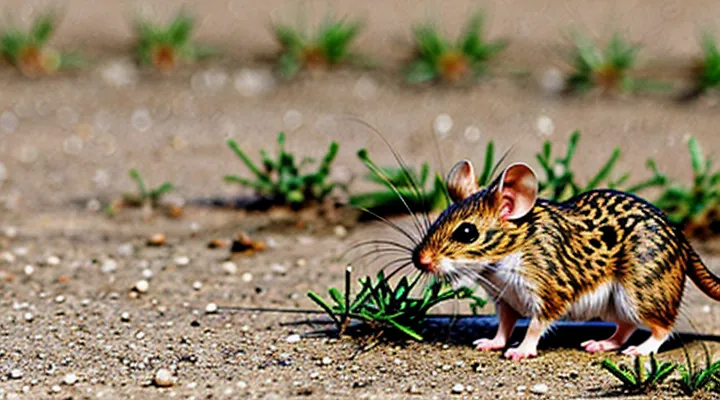
Understanding Field Mice
General Overview
Common Misconceptions
Field mice are frequently subject to inaccurate beliefs that distort public perception and hinder effective management.
Common misconceptions include:
- Field mice are uniformly destructive pests; in reality, many species play roles in seed dispersal and soil aeration, contributing to ecosystem health.
- All field mice possess identical morphological traits; species differ markedly in size, fur coloration, and tail length, reflecting adaptations to distinct habitats.
- High reproductive rates are exclusive to invasive populations; native field mice also exhibit rapid breeding cycles, but environmental constraints typically regulate population growth.
- Field mice rely solely on grain stores; numerous species consume insects, seeds, and plant material, demonstrating omnivorous flexibility.
Accurate understanding replaces myth with evidence, guiding research, conservation, and pest‑control strategies. «Field mice exhibit a range of ecological functions that extend beyond simplistic pest labels», reinforcing the need for nuanced assessment.
Ecological Role
Field mice, as small terrestrial rodents, interact directly with vegetation, soil, and higher trophic levels, shaping ecosystem dynamics.
Key ecological functions include:
- «Seed dispersal»: transport of seeds away from parent plants, enhancing plant colonization and genetic diversity.
- «Soil modification»: burrowing activity aerates soil, improves water infiltration, and mixes organic material.
- «Prey provision»: constitute a primary food source for raptors, foxes, weasels, and snakes, sustaining predator populations.
- «Population regulation»: consumption of insects and arthropods contributes to control of herbivore outbreaks.
- «Pathogen dynamics»: serve as reservoirs for certain zoonotic agents, influencing disease transmission cycles.
These interactions promote habitat heterogeneity, support food‑web stability, and facilitate nutrient cycling across temperate grasslands and agricultural margins.
Key Species of Field Mice
The Common Field Mouse («Apodemus sylvaticus»)
Habitat and Distribution
Field mice occupy a range of open and semi‑open environments where ground cover provides both food and protection. Moist grasslands, low‑lying meadows, and the margins of cultivated fields are preferred for foraging, while dense shrubbery and hedgerows offer shelter from predators. Seasonal variations drive movement toward higher vegetation during winter and toward lower, seed‑rich patches in summer.
- « grasslands with tall herbaceous plants »
- « meadow edges adjacent to woodlands »
- « hedgerows and field margins »
- « fallow or lightly cultivated arable land »
- « riparian zones with abundant moisture »
Geographically, the species are distributed across temperate zones of the Northern Hemisphere. Populations thrive throughout most of Europe, extending into western and central Asia, and reaching the eastern United States and parts of Canada. Isolated colonies occur in northern Scandinavia and the Iberian Peninsula, reflecting adaptation to local climate and land‑use patterns.
- Western and Central Europe
- Eastern Europe and the Baltic region
- Western and Central Asia
- Northeastern United States and southeastern Canada
- Peripheral habitats in Scandinavia and the Iberian Peninsula
The combined effect of suitable habitat structure and broad climatic tolerance underlies the extensive range of field mice across these regions.
Physical Characteristics
Field mice display a suite of physical traits finely tuned to open‑habitat environments. Average body length ranges from 7 to 12 cm, with a tail proportionate to the torso, typically 5 to 9 cm long. Fur coloration varies among populations, generally ranging from reddish‑brown to grayish‑brown, providing camouflage against grasses and soil. The dorsal pelage is denser than the ventral side, which often exhibits lighter shades.
- Head: small, rounded skull with prominent auditory bullae; eyes positioned laterally for wide visual coverage.
- Ears: proportionally large, hairless, highly vascularized, facilitating thermoregulation.
- Limbs: elongated hind feet equipped with robust musculature, enabling rapid bursts of speed and agile jumping; forepaws possess dexterous digits for foraging and nest construction.
- Teeth: continuously growing incisors with enamel‑rich crowns, suited for gnawing seeds and vegetation; molars exhibit flat occlusal surfaces for grinding plant material.
- Tail: covered with fine scales, often tufted at the tip, serving as a balance aid during locomotion and as a thermoregulatory surface.
These characteristics collectively support the species’ capacity for swift movement, effective foraging, and predator avoidance across diverse field ecosystems.
Behavioral Traits
Field mice exhibit predominantly nocturnal activity, emerging at dusk to forage while avoiding diurnal predators. Their movements are characterized by rapid, erratic bursts that reduce detection risk and facilitate escape through dense vegetation.
Key behavioral traits include:
- Territoriality – individuals maintain defined home ranges, marking boundaries with scent glands and urine deposits.
- Foraging strategy – opportunistic seed and insect consumption, with a preference for high‑energy foods during reproductive periods.
- Social interaction – brief affiliative contacts such as grooming and vocalizations, primarily to establish hierarchy and coordinate breeding.
- Reproductive behavior – multiple litters per year, with females constructing concealed nests lined with soft material; males increase patrol activity to locate receptive females.
- Predator avoidance – reliance on heightened auditory and olfactory cues, combined with zigzag escape routes and use of burrow systems for refuge.
These patterns reflect adaptive responses to fluctuating resource availability and predation pressure, supporting survival across temperate grasslands and agricultural landscapes.
The Striped Field Mouse («Apodemus agrarius»)
Distinctive Features
Field mice exhibit a range of morphological and behavioral traits that differentiate them from other small rodents. Size varies among species, with body lengths typically ranging from 6 cm to 10 cm and tail lengths proportionate to the torso. Fur coloration spans from sandy‑brown on the dorsal surface to lighter ventral tones, providing camouflage in grassland and agricultural habitats.
Key distinctive features include:
- Cranial structure: elongated rostrum and pronounced auditory bullae enhance sound detection and foraging efficiency.
- Dental pattern: continuously growing incisors with a characteristic orange‑brown enamel layer support gnawing on tough vegetation and stored seeds.
- Tail morphology: semi‑naked, flexible tail aids balance during rapid, erratic movements across uneven terrain.
- Reproductive strategy: short gestation (approximately 21 days) and multiple litters per year enable rapid population growth under favorable conditions.
- Territorial behavior: scent marking with urine and glandular secretions establishes individual home ranges, reducing overlap with conspecifics.
Physiological adaptations further contribute to survival. High metabolic rates sustain active foraging, while the ability to enter torpor during extreme cold conserves energy. Sensory acuity, particularly in the auditory and olfactory domains, allows detection of predators and identification of food sources hidden beneath soil or litter.
These attributes collectively define the ecological niche occupied by field mice, influencing their distribution across temperate regions and their role in seed dispersal and as prey for a variety of carnivores. «Distinctive characteristics» thus embody the species’ specialized adaptations to variable environments.
Geographic Range
Field mice occupy a broad swath of the Northern Hemisphere, extending from temperate zones of Europe and Asia to the grasslands and savannas of North America. Their presence is recorded in diverse habitats, including meadows, agricultural fields, shrublands, and forest edges, where dense vegetation offers shelter and foraging opportunities.
Key distribution patterns include:
- European and Asian ranges – Species such as the wood mouse (Apodemus sylvaticus) and the striped field mouse (Apodemus agrarius) are found from the British Isles across Scandinavia, through the Baltic region, and into Siberia, reaching the Korean Peninsula.
- North American expanse – The deer mouse (Peromyscus maniculatus) and the western harvest mouse (Reithrodontomys megalotis) inhabit territories from the Arctic tundra of Canada down to the high deserts of the southwestern United States and northern Mexico.
- Isolated populations – Certain taxa, for example the Algerian mouse (Mus spretus), persist in limited Mediterranean locales, while the Japanese field mouse (Apodemus argenteus) is confined to the Japanese archipelago.
Altitude influences distribution as well; many species thrive from sea level up to 2,500 m, with some alpine specialists persisting beyond this limit in mountainous regions of the Himalayas and the Rockies.
Seasonal migrations are minimal; instead, populations adjust locally by expanding into newly cultivated fields during spring and retreating to denser cover when winter conditions become severe. This behavioral flexibility supports the extensive geographic coverage observed across multiple continents.
Diet and Foraging
Field mice obtain nutrition from a broad spectrum of plant and animal matter, adapting intake to seasonal availability. Primary components include seeds, grains, fruits, insects, and occasional fungi.
- Seeds and grains — high‑energy carbohydrates and lipids.
- Fresh fruits — sugars and vitamins.
- Invertebrates — protein and micronutrients.
- Fungi — carbohydrates and sterols.
Winter scarcity prompts a shift toward stored seeds and increased consumption of high‑fat insects. Spring and summer trigger heightened foraging for fresh vegetation and arthropods, supporting rapid growth and reproduction.
Foraging behavior combines nocturnal activity with spatial memory that facilitates cache creation and retrieval. Individuals transport food items to concealed sites, reducing predation risk and ensuring resource access during adverse conditions.
Consumption of seeds influences plant dispersal patterns, while predation on insects regulates invertebrate populations. These interactions contribute to soil aeration, nutrient cycling, and overall habitat heterogeneity.
Other Notable Species
Yellow-necked Mouse («Apodemus flavicollis»)
The Yellow‑necked Mouse, known scientifically as «Apodemus flavicollis», belongs to the family Muridae and represents a prevalent member of European field rodents.
Taxonomic placement:
- Kingdom Animalia
- Phylum Chordata
- Class Mammalia
- Order Rodentia
- Family Muridae
- Genus Apodemus
- Species flavicollis
Geographic range extends from the Iberian Peninsula across Central and Eastern Europe to the Caucasus, with isolated populations in the Balkans and northern Anatolia. Preferred habitats include deciduous and mixed forests, hedgerows, and agricultural margins where dense ground cover provides shelter and foraging opportunities.
Physical characteristics:
- Head‑body length 90–115 mm; tail length comparable to body.
- Dorsal fur brown to reddish‑brown, ventral side pale gray.
- Distinctive yellowish collar extending from the neck to the shoulders, giving the species its common name.
- Large, rounded ears with a well‑developed auditory bulla.
- Sharp incisors adapted for gnawing seeds and insects.
Behavioral traits:
- Primarily nocturnal; displays agility in climbing and ground locomotion.
- Omnivorous diet comprising seeds, fruits, insects, and occasional carrion.
- Constructs shallow burrows with multiple entrances; may also utilize natural crevices.
- Exhibits territoriality marked by scent marking using urine and glandular secretions.
Reproductive cycle: breeding peaks in spring and early summer; litter size ranges from 4 to 7 offspring, with a gestation period of approximately 21 days. Juveniles achieve independence within three weeks.
According to the International Union for Conservation of Nature, the species holds a status of Least Concern, reflecting a stable population trend despite localized pressures from habitat modification and predation.
Wood Mouse («Apodemus uralensis»)
The wood mouse («Apodemus uralensis») occupies a broad range across Eastern Europe and western Asia, favoring open woodlands, grasslands, and cultivated fields. Its adaptive morphology includes a head‑body length of 78–102 mm, a tail slightly shorter than the body, and soft, brown‑gray dorsal fur with a paler ventral side. Distinctive features comprise large, rounded ears, prominent whiskers, and a sharp, pointed snout.
Key ecological attributes are:
- Primarily nocturnal activity, with peak foraging after dusk.
- Omnivorous diet consisting of seeds, insects, fruits, and occasional plant material.
- High reproductive potential: up to three litters per year, each containing 4–7 offspring.
- Home‑range size averaging 0.2–0.5 ha, with seasonal expansion during breeding periods.
- Predation pressure from raptors, snakes, and small carnivorous mammals, influencing rapid escape responses.
Population dynamics reflect sensitivity to habitat fragmentation; dense ground cover and heterogeneous vegetation support higher densities. Genetic studies indicate close relation to other members of the genus Apodemus, yet distinct mitochondrial haplotypes confirm species‑level separation. Conservation status remains of least concern, though localized declines correlate with intensive agricultural practices and loss of hedgerow networks.
Physical Characteristics and Anatomy
Size and Weight
Field mice exhibit a compact body plan adapted to terrestrial habitats. Adult length typically ranges from 6 cm to 10 cm, measured from nose to the base of the tail. Tail length adds 5 cm to 8 cm, resulting in a total length of 11 cm to 18 cm. Body mass varies between 10 g and 30 g, with most individuals clustered around 15 g.
- European wood mouse (Apodemus sylvaticus): head‑body length 7–9 cm; tail 5–7 cm; weight 12–20 g.
- Yellow‑toothed vole (Microtus duodecimcostatus): head‑body length 8–10 cm; tail 5–6 cm; weight 18–28 g.
- Alpine field mouse (Apodemus alpicola): head‑body length 6–8 cm; tail 4–6 cm; weight 10–16 g.
Size and weight are modulated by age, sex, and environmental conditions. Juveniles weigh less than 5 g and attain adult dimensions after several weeks. Males generally exceed females by 2–4 g. Seasonal fluctuations in food availability and ambient temperature can produce measurable changes in body mass, with individuals gaining up to 20 % during periods of abundant resources.
Fur Coloration and Markings
Field mice display a range of fur coloration that facilitates species identification and environmental adaptation. Dorsal pelage typically presents brown, gray, or reddish tones, while ventral fur is lighter, often white or pale gray. Tail coloration may differ, ranging from uniformly dark to banded patterns.
Common coloration patterns include:
- Uniform brown dorsal coat with a pale belly.
- Reddish‑brown back accompanied by a distinct dark stripe along the spine.
- Gray dorsal fur with a contrasting white lateral stripe.
- Mixed mottled patches on the back, providing disruptive camouflage.
Markings vary among species. Some exhibit a single dark dorsal stripe extending from the neck to the rump; others possess a series of lateral spots or a checkerboard arrangement on the flanks. Ear edges frequently show contrasting rings, and facial masks may be darker than surrounding fur.
These color traits serve functional roles. Darker dorsal pigments absorb heat, supporting thermoregulation in cooler habitats. Light ventral areas reduce visibility to predators from below. Distinct markings break the animal’s outline, enhancing concealment among grasses and leaf litter.
Understanding fur coloration and markings assists taxonomic classification, ecological monitoring, and conservation strategies for field mouse populations.
Sensory Organs
Vision
Field mice possess visual systems adapted to open‑grass and meadow habitats. Their eyes are positioned laterally, providing a wide field of view that enhances detection of aerial predators. Visual acuity is modest compared to nocturnal rodents, reflecting reliance on motion detection rather than fine detail.
Key visual characteristics include:
- Low‑resolution, high‑sensitivity retinas optimized for dim light conditions.
- A high proportion of rod cells, facilitating activity during twilight and night.
- Limited color discrimination, with sensitivity peaks in the blue‑green spectrum.
- Rapid pupillary reflexes that adjust to sudden changes in illumination.
These features enable field mice to navigate complex ground cover, locate food sources, and respond swiftly to threats while maintaining energy efficiency.
Hearing
Field mice possess acute auditory systems adapted to open‑habitat life. The ear structure includes a relatively large pinna, a short external canal, and a well‑developed cochlea, enabling detection of high‑frequency sounds that indicate predator movement or conspecific vocalizations.
Key auditory traits:
- Frequency detection range: approximately 4 kHz to 80 kHz, extending beyond human hearing limits.
- Minimum detectable sound pressure: around 20 dB SPL, allowing perception of faint rustling.
- Temporal resolution: ability to discriminate intervals as brief as 2 ms, supporting rapid sound localization.
Behavioral implications:
- Early warning: sudden high‑frequency noises trigger immediate escape responses.
- Social communication: ultrasonic chirps convey territorial and reproductive information.
- Habitat navigation: echoic cues from vegetation assist in maintaining course while foraging.
Physiological adaptations, such as a high density of inner‑hair cells and specialized auditory nerve fibers, underlie these capabilities. The combination of structural and functional features provides field mice with a reliable acoustic sense essential for survival in predator‑rich environments.
Olfaction
Olfaction constitutes a primary sensory modality for small terrestrial rodents inhabiting open habitats. The nasal epithelium hosts millions of olfactory receptors, enabling detection of volatile compounds at concentrations as low as parts per trillion. Signal transduction proceeds through the olfactory bulb, where distinct glomerular patterns encode odor identity and intensity, subsequently relayed to cortical regions governing foraging, predator avoidance, and social communication.
Species-level differences manifest in receptor gene repertoires, nasal cavity morphology, and behavioral thresholds. Comparative analyses reveal:
- Larger craniodental species possess expanded olfactory turbinates, increasing surface area for receptor cells.
- Certain taxa exhibit heightened sensitivity to grain-derived aldehydes, supporting seed‑caching strategies.
- Subspecies occupying dense vegetation display reduced reliance on olfaction, favoring tactile and auditory cues.
Ecological relevance emerges from the integration of olfactory cues with habitat selection. Field mice exploit scent trails to locate food patches, assess conspecific presence, and identify predator odors. Seasonal fluctuations in plant volatile emissions correspond with shifts in foraging patterns, demonstrating adaptive modulation of olfactory-driven behavior.
Research employing electrophysiological recordings and genetic profiling confirms that olfactory system plasticity underlies niche differentiation among sympatric populations. Consequently, olfaction remains a decisive factor in shaping species distribution, reproductive success, and survival within open-field ecosystems.
Dental Formula and Diet Adaptation
The dental formula of field mice conforms to the typical murine pattern: I 0/1, C 0/0, P 1/1, M 3/3, yielding a total of 16 teeth. This arrangement provides sharp incisors for gnawing and molars with cusps suited for grinding. The reduced number of premolars reflects an evolutionary trend toward efficient processing of plant material.
Dietary adaptation aligns with the dental structure. Field mice consume a mixture of seeds, grasses, and occasional insects. Their incisors enable rapid seed cracking, while the molar morphology facilitates breakdown of fibrous vegetation. Seasonal fluctuations in food availability trigger shifts in foraging behavior, with increased reliance on high‑energy seeds during autumn and greater intake of herbaceous shoots in spring. This flexibility supports survival across diverse temperate habitats.
Behavioral Patterns
Social Structure
Solitary vs. Colonial
Field mice exhibit two contrasting social strategies: «Solitary» and «Colonial». The choice of strategy influences territory size, foraging patterns, and reproductive success.
«Solitary» individuals maintain exclusive home ranges that may exceed several hundred square meters. Home range fidelity reduces overlap with conspecifics, limiting competition for limited seed resources. Breeding pairs typically occupy separate burrows, and offspring disperse shortly after weaning to establish independent territories.
«Colonial» groups form dense aggregations in habitats offering abundant cover, such as tall grasses or reed beds. Communal nesting permits shared thermoregulation and collective vigilance against predators. Reproductive output increases through cooperative breeding, where subordinate adults assist in pup care. Species most frequently observed in colonial arrangements include the common vole (Microtus arvalis) and the meadow mouse (Micromys minutus).
Key distinctions:
- Territory: exclusive versus overlapping
- Burrow use: single‑occupancy versus shared chambers
- Predator avoidance: individual vigilance versus collective alarm calls
- Reproductive strategy: independent breeding versus cooperative care
Understanding the balance between these strategies aids in predicting population dynamics across varied ecosystems.
Reproductive Behavior
Field mice exhibit reproductive strategies that maximize survival in variable habitats. Breeding seasons typically align with temperate spring and early summer, when food abundance supports gestation and lactation. Females reach sexual maturity at approximately six to eight weeks of age and can produce multiple litters within a single season. Litter size averages three to six pups, though larger litters occur in resource‑rich environments.
Key aspects of reproductive behavior include:
- Estrous cycle – a brief, induced ovulation pattern; females become receptive only after mating cues.
- Mating system – polygynous tendencies, with dominant males securing access to multiple receptive females.
- Nest construction – females build concealed nests using shredded vegetation, providing thermal insulation and predator protection.
- Parental care – maternal investment centers on nursing and grooming; paternal involvement is minimal.
- Weaning – pups are weaned after three to four weeks, attaining independence and dispersal readiness.
Hormonal regulation, primarily driven by estrogen and progesterone fluctuations, orchestrates ovulation timing and uterine preparation. Environmental cues such as photoperiod and temperature modulate endocrine responses, ensuring reproduction coincides with optimal conditions. Genetic diversity is maintained through multiple paternity within litters, enhancing resilience against disease and environmental stressors.
Activity Rhythms
Nocturnal Habits
Field mice exhibit a strictly nocturnal activity pattern, emerging shortly after sunset and retreating to burrows before dawn. Their circadian rhythm aligns with low-light conditions, reducing competition with diurnal rodents and minimizing exposure to visual predators.
Peak locomotor activity occurs during the first two hours of darkness, when foraging efficiency is highest. Movement slows during the middle of the night, coinciding with the activity peaks of aerial predators, and accelerates again in the pre-dawn interval to replenish depleted energy reserves.
Sensory systems adapt to darkness through enlarged auditory bullae, heightened olfactory epithelium, and retinal rod density that surpasses that of related diurnal species. These modifications facilitate precise navigation, food detection, and predator awareness in low-light environments.
Nighttime foraging focuses on seeds, insects, and soft vegetation, resources that become more accessible as humidity rises after sunset. Metabolic rates decline during the resting phase, conserving energy until the next active period.
Predator avoidance relies on a combination of behavioral and physiological mechanisms:
- Immediate retreat to complex burrow networks upon detection of aerial threats.
- Utilization of erratic, high-velocity dash movements to evade ground predators.
- Emission of ultrasonic vocalizations that coordinate group alertness without attracting additional predators.
Collectively, these nocturnal adaptations enable field mice to exploit a temporal niche that balances resource acquisition with risk mitigation. «The nocturnal lifestyle of field mice represents a finely tuned evolutionary solution to the challenges of open habitats.»
Seasonal Variations
Field mice exhibit distinct physiological and behavioral adjustments in response to seasonal cycles. These adjustments ensure survival across fluctuating temperatures, resource availability, and predation pressures.
- Coat coloration and density increase during colder months, providing insulation and camouflage against snow‑covered ground.
- Reproductive activity peaks in spring, coinciding with abundant seed and insect populations; litter size and frequency decline as daylight shortens.
- Dietary composition shifts from herbaceous seeds and grasses in summer to stored grains and bark in autumn, with occasional reliance on stored food caches during winter.
- Activity patterns adjust to temperature extremes; nocturnal foraging intensifies in summer, while reduced metabolic rates limit movement in winter.
- Population density fluctuates, rising after successful breeding seasons and contracting during harsh winters due to higher mortality rates.
Spring initiates hormonal changes that trigger estrus, leading to rapid population growth. Summer supports juvenile development through abundant forage. Autumn prepares individuals for scarcity by increasing fat reserves and encouraging cache formation. Winter imposes metabolic suppression, reduced body temperature, and heightened reliance on subterranean burrows for thermal stability.
«Seasonal shifts drive physiological adaptation in small mammals», a recent field study confirms, highlighting the tight coupling between environmental rhythms and the life‑history strategies of field mice. Understanding these patterns refines predictions of population dynamics under climate variability.
Communication
Vocalizations
Field mice produce a repertoire of sounds that facilitate social interaction, predator avoidance, and reproductive activities. Acoustic signals are generated primarily by rapid vocal fold vibrations and are transmitted through the dense understory of grasslands and meadows.
The principal categories of vocalizations include:
- «alarm call»: a short, high‑frequency chirp emitted when a predator is detected; receivers typically exhibit immediate freezing or retreat behavior.
- «contact call»: a low‑to‑mid‑frequency trill used to maintain group cohesion during foraging; frequency modulation allows individuals to distinguish familiar conspecifics.
- «mating call»: a series of elongated whistles produced by males during the breeding season; these calls contain harmonics that convey male condition and territorial ownership.
Frequency analysis shows that most calls occupy the 5–25 kHz range, with alarm calls clustering near the upper limit to enhance detection against ambient noise. Temporal patterns differ among call types: alarm calls last 30–70 ms, contact calls extend up to 300 ms, and mating calls may persist for several seconds with repeated bouts.
Physiological studies indicate that vocal production is linked to the laryngeal musculature and respiratory control, while auditory sensitivity peaks around 12 kHz, aligning with the dominant frequencies of conspecific calls. Field recordings combined with spectrographic analysis provide reliable metrics for species identification and behavioral monitoring.
Understanding these acoustic behaviors contributes to population assessments, habitat management, and the evaluation of ecological impacts on small rodent communities.
Scent Marking
Scent marking is a primary communication method among field mouse populations. Individuals deposit volatile and semi‑volatile chemicals from specialized glands onto substrates such as soil, vegetation, and nesting material. These chemical signatures convey information about the emitter’s identity, reproductive status, and territorial boundaries.
Key aspects of scent marking include:
- Source glands – flank, preputial, and anal glands produce distinct compound mixtures.
- Deposition patterns – frequent marking along runways and near food caches reinforces spatial awareness.
- Temporal dynamics – volatile components evaporate within hours, while less volatile substances persist for days, providing both immediate and lasting cues.
- Behavioral responses – conspecifics investigate marks, adjust movement routes, and modify mating behavior based on detected signals.
Research indicates that scent marking directly influences population density distribution and resource allocation, shaping the ecological niche occupied by these rodents.
Habitat and Ecology
Preferred Environments
Grasslands
Grasslands provide open, herbaceous environments where field mice exploit dense cover and abundant seed resources. The mosaic of tall grasses, low shrubs, and seasonal moisture creates microhabitats that influence distribution and population density.
Common field‑mouse species inhabiting grasslands include: - Woodland vole (Microtus pinetorum) – prefers moist meadow edges. - Common vole (Microtus arvalis) – occupies dry, well‑drained swards. - Southern red‑backed vole (Myodes gapperi) – found in semi‑arid prairie patches. - Meadow mouse (Akodon montensis) – frequent in high‑altitude grassland meadows.
Adaptations to grassland life emphasize camouflage, burrowing ability, and dietary flexibility. Fur coloration matches the surrounding vegetation, reducing predation risk. Strong forelimbs and incisors facilitate excavation of shallow tunnels beneath root mats, providing refuge from aerial hunters and temperature extremes. Omnivorous feeding habits allow exploitation of seeds, insects, and plant material that fluctuate seasonally.
Seasonal changes drive reproductive cycles and foraging strategies. Spring abundance of seeds triggers peak breeding, while summer drought prompts increased insect consumption. Autumn surplus of grasses supports fat accumulation for overwinter survival, and winter burrow insulation reduces metabolic demands.
Grassland ecosystems thus shape the species composition, morphological traits, and behavioral patterns of field mice, reinforcing their role as resilient components of these open habitats.
Woodlands
Woodlands provide a dense mosaic of leaf litter, fallen logs, and understory vegetation that supports a diverse assemblage of small rodents. The structural complexity offers shelter, foraging opportunities, and microclimates essential for survival and reproduction.
- Apodemus sylvaticus (wood mouse) – medium‑sized, brown dorsal fur, nocturnal activity, omnivorous diet includes seeds, insects, and fungi.
- Apodemus flavicollis (yellow‑necked mouse) – larger body mass, distinctive yellow‑brown collar, prefers mature deciduous stands, strong climbing ability.
- Microtus agrestis (field vole) – compact form, gray‑brown coat, primarily herbivorous, occupies moist meadow edges within forest clearings.
- Myodes glareolus (bank vole) – small, reddish‑brown coloration, high reproductive rate, utilizes ground nests beneath dense underbrush.
Adaptations to woodland habitats include cryptic pelage matching leaf litter, elongated whiskers for tactile navigation in confined spaces, and seasonal breeding cycles timed to peak food availability. Diets reflect the abundant seed banks, arthropods, and fungal spores found in forest floors, while burrowing behavior reduces predation risk.
Habitat fragmentation reduces connectivity between suitable patches, limiting gene flow and increasing population vulnerability. Management practices that preserve mature canopy, maintain deadwood, and maintain understory density enhance habitat quality and support stable mouse populations.
Agricultural Areas
Field mice inhabit cultivated fields, where abundant grain and seed resources provide a reliable food supply. Their presence influences both crop yield and ecosystem dynamics, prompting detailed examination of species composition and biological traits.
Common species observed in agricultural settings include:
- Wood mouse (Apodemus sylvaticus)
- House mouse (Mus musculus)
- Harvest mouse (Micromys minutus)
- Yellow-necked mouse (Apodemus flavicollis)
These rodents exhibit adaptations that enhance survival amid intensive farming. Key characteristics relevant to crop environments are:
- Omnivorous diet focusing on seeds, seedlings, and insects
- High reproductive rate, with multiple litters per year and short gestation periods
- Nocturnal activity patterns that reduce exposure to daytime predators
- Burrowing behavior that creates shallow tunnels in soil and under crop residues
Management practices aimed at mitigating damage prioritize integrated approaches:
- Habitat modification, such as removing residual straw and limiting field edges that serve as shelter
- Biological control, employing predators like barn owls and barn cats to suppress populations
- Mechanical barriers, including rodent‑proof fencing and sealed storage facilities
- Chemical interventions, applied judiciously to target hotspots while preserving non‑target species
Understanding the interplay between field mouse species and cultivated landscapes informs effective stewardship, balancing agricultural productivity with ecological integrity.
Nest Building
Materials Used
The investigation of small rodent populations relies on a defined set of laboratory and field materials. Primary capture devices include live‑trap cages constructed from aluminum frames and stainless‑steel mesh, equipped with hinged doors triggered by weight‑sensitive plates. Bait formulations consist of mixed grain, peanut butter, and dried fruit, calibrated to attract nocturnal foragers without inducing excessive stress. Handling protocols employ soft‑brush restraint tools and silicone‑coated gloves to minimize skin abrasion and scent transfer.
Data collection requires precise measurement instruments. Digital calipers provide body‑length readings to the nearest 0.01 mm, while portable scales with a sensitivity of 0.01 g record body mass. Tagging systems incorporate subdermal passive integrated transponder (PIT) chips, encapsulated in biocompatible polymer, and ear‑tag identifiers printed on polymerized polyester. Sample preservation utilizes 10 % neutral‑buffered formalin for tissue fixation and cryogenic vials filled with liquid nitrogen for DNA extraction.
Environmental monitoring incorporates the following components:
- Automated temperature–humidity loggers (±0.5 °C, ±2 % RH) placed at ground level.
- Soil moisture probes calibrated for loam and sand substrates.
- Light‑intensity meters measuring nocturnal illumination (lux) to assess activity thresholds.
All materials conform to ethical standards set by institutional animal care committees and are sourced from certified suppliers to ensure consistency across study sites. The combination of durable capture apparatus, precise measurement tools, and reliable tagging technologies enables reproducible documentation of morphological and behavioral traits in «field mice».
Location and Structure
Field mice occupy a variety of open and semi‑open habitats across temperate regions. Typical environments include grasslands, agricultural fields, meadows, and the edges of woodlands where vegetation provides both cover and foraging opportunities. In mountainous zones, populations are found in alpine meadows and sub‑alpine scrub, while coastal plains support colonies in salt‑marsh margins. Human‑altered landscapes such as pastures and low‑intensity croplands also sustain dense populations, particularly where crop residues and hedgerows offer shelter.
The structural organization of field mouse habitats centers on three components: ground cover, vertical complexity, and proximity to resources. Ground cover consists of herbaceous stems, leaf litter, and low shrubs that conceal individuals from predators. Vertical complexity arises from tussocks, tall grasses, and scattered woody debris, providing escape routes and nesting sites. Access to food sources—seeds, insects, and plant material—is maximized by situating nests within a few meters of foraging zones.
Key structural features of field mouse nests include:
- A shallow depression or tunnel entrance positioned at ground level or slightly below.
- An inner chamber constructed from grasses, moss, and shredded plant matter, offering insulation.
- A compacted lining that maintains humidity and temperature stability.
- Optional side chambers for storing seeds or accommodating offspring.
These habitat characteristics collectively shape distribution patterns, population density, and reproductive success across the species spectrum.
Predation and Survival Strategies
Common Predators
Field mice inhabit grasslands, hedgerows, and agricultural fields, where they serve as a primary food source for a range of vertebrate and invertebrate predators. Their small size, rapid reproduction, and nocturnal activity increase exposure to predation pressure, influencing population dynamics and ecosystem health.
Common predators include:
- Red foxes (Vulpes vulpes): hunt primarily at dusk, targeting adult mice and juveniles.
- European badgers (Meles meles): forage in burrows, consuming mice and their offspring.
- Barn owls (Tyto alba): capture prey in open fields using silent flight and acute hearing.
- Tawny owls (Strix aluco): exploit woodland edges, seizing mice during nocturnal forays.
- Stoats (Mustela erminea): pursue mice through dense vegetation, employing swift strikes.
- Common kestrels (Falco tinnunculus): hover above fields, spotting mice from altitude.
- Grass snakes (Natrix natrix): ambush near water sources, ingesting mice that approach for drinking.
- Harvest spiders (Araneus diadematus): construct orb webs in low vegetation, trapping passing mice.
Predation intensity varies with habitat structure, seasonal abundance of alternative prey, and the reproductive cycle of the mice. Increased predator presence can suppress mouse numbers, reducing competition for resources and limiting disease transmission among rodent populations. Conversely, low predator density may lead to mouse population surges, potentially affecting crop yields and encouraging secondary pest outbreaks.
Evasive Maneuvers
Field mice exhibit a repertoire of evasive maneuvers that enhance survival across diverse habitats. These behaviors are tightly linked to morphological traits such as limb length, tail flexibility, and sensory acuity.
Key evasive strategies include:
- Rapid zig‑zag sprinting, allowing mice to break a predator’s pursuit line.
- Vertical leaping onto low vegetation, exploiting the ability to grasp stems with hind feet.
- Immediate burrow entry, facilitated by compact body shape and strong forelimb digging muscles.
- Auditory startle response, where a sudden freeze followed by a sudden dash confuses predators relying on motion detection.
Species variation influences maneuver selection. For instance, the meadow vole (Microtus pennsylvanicus) favors prolonged high‑speed runs across open fields, while the wood mouse (Apodemus sylvaticus) relies more on arboreal jumps and dense underbrush navigation. Tail length correlates with balance during aerial adjustments; longer tails improve mid‑air stability during evasive leaps.
Physiological adaptations support these tactics. Elevated glycogen stores in fast‑twitch muscle fibers supply energy for short bursts, whereas enhanced vestibular function maintains orientation during rapid directional changes. Sensory specialization, such as whisker‑mediated tactile mapping, enables precise detection of obstacles during night‑time escapes.
Overall, evasive maneuvers constitute a dynamic interface between anatomical design and environmental pressures, shaping the survival strategies observed across field mouse populations.
Diet and Feeding Habits
Omnivorous Nature
Seeds and Grains
Field mice rely heavily on plant-derived food items, particularly seeds and grains, to meet energetic demands. These resources provide high carbohydrate content, supporting rapid growth and reproductive cycles. Seasonal fluctuations dictate availability; autumn and winter periods see increased consumption of stored grains, while spring brings a surge in wild seed intake.
The most frequently exploited seed types include:
- Small cereal grains such as wheat, barley, and oats
- Legume seeds like peas and beans
- Wild grass seeds, for example, meadow foxtail and ryegrass
- Nutritive seeds from herbaceous plants, including thistle and dandelion
Grain consumption often occurs in proximity to agricultural fields, where mice exploit harvested or fallen kernels. This behavior influences population density, as abundant grain supplies correlate with higher breeding success and reduced mortality rates.
Digestive efficiency for these foods is enhanced by a specialized gut microbiota that ferments complex carbohydrates, producing short‑chain fatty acids essential for energy metabolism. The ability to store excess grain in underground caches further buffers against periods of scarcity, ensuring sustained survival and reproductive output.
Insects and Invertebrates
Field mice occupy habitats where insects and other invertebrates constitute a primary food source. Their foraging behavior targets a range of arthropods, including beetles, lepidopteran larvae, and dipteran adults. Consumption of these organisms supplies essential proteins, lipids, and micronutrients required for rapid growth and reproductive success.
Key invertebrate groups exploited by field mice:
- Coleoptera (ground beetles, weevils) – abundant in leaf litter and soil.
- Lepidoptera larvae – soft‑bodied caterpillars found on grasses and herbaceous plants.
- Diptera (flies) – adult flies captured near vegetation and in moist microhabitats.
- Arachnida (spiders) – opportunistic predation on web‑building species.
- Myriapoda (centipedes, millipedes) – occasional intake of small, detritus‑associated individuals.
Predation on these taxa influences invertebrate population dynamics, contributing to pest regulation within agricultural and natural ecosystems. Seasonal fluctuations in insect abundance correspond to shifts in mouse diet composition; peak summer activity of herbivorous larvae aligns with increased intake of protein‑rich prey, while autumnal decline prompts greater reliance on stored seeds.
In addition to direct consumption, field mice affect invertebrate communities through habitat modification. Burrow construction aerates soil, enhancing microbial activity that supports detritivorous insects. Nest materials derived from plant debris provide microhabitats for saprophagous arthropods, fostering a localized food web.
Understanding the trophic link between field mice and invertebrates clarifies their role in ecosystem functioning, highlighting the interdependence of mammalian granivores and arthropod populations.
Fungi and Fruits
Field mice exhibit dietary flexibility that includes both fungal fruiting bodies and plant fruits, influencing their nutritional status and habitat use. Consumption patterns reflect seasonal availability and the nutritional profile of each resource.
-
«Fungi» frequently consumed are:
- Mycorrhizal mushrooms such as Russula species, providing protein and B‑vitamins.
- Saprotrophic agarics like Coprinus species, offering readily digestible carbohydrates.
- Truffle‑like hypogeous fungi, supplying high‑fat content during winter months.
-
«Fruits» incorporated into the diet comprise:
- Wild berries (e.g., Vaccinium and Rubus species), delivering antioxidants and sugars.
- Small drupes from hedge‑row shrubs, offering water and mineral salts.
- Fallen orchard fruits, contributing additional carbohydrate reserves.
The inclusion of these items affects physiological traits. Protein from fungal sources supports rapid growth and reproductive output, while sugars from fruits sustain energy demands during foraging bursts. Seasonal shifts in resource abundance drive changes in body mass, fur condition, and breeding timing. Habitat selection aligns with the spatial distribution of productive fungal patches and fruiting plants, reinforcing the link between food resources and population density.
Food Storage
Hoarding Behavior
Field mice exhibit a pronounced tendency to collect and store food items, a behavior classified as hoarding. This activity supports survival during periods of scarcity and influences population dynamics.
Key aspects of hoarding in these rodents include:
- Selection of high‑energy seeds and grains, often preferring items with low moisture content.
- Creation of multiple small caches rather than a single large store, reducing loss from predation or spoilage.
- Use of burrow chambers and underground tunnels as secure storage sites.
- Seasonal variation, with cache size increasing in autumn and decreasing after winter.
Physiological mechanisms involve heightened olfactory sensitivity for locating cached resources and memory processes that enable retrieval. Environmental factors such as temperature fluctuations and predator presence modulate cache distribution and density.
Winter Provisions
Field mice rely on accumulated food sources to survive the cold season. Energy reserves are built during autumn and accessed when foraging opportunities diminish. Stored items must provide high caloric content and remain stable at low temperatures.
Typical winter provisions include:
- Seeds such as millet, wheat and barley
- Nuts, especially hazelnuts and acorns, rich in fats
- Dried grasses and herbaceous stems
- Insect remnants, primarily beetle larvae
- Bark fragments and cambium layers offering carbohydrates
Selection of provisions reflects species‑specific dietary preferences and the availability of resources within the habitat. Efficient caching behavior reduces exposure to predators and minimizes energy expenditure during periods of limited activity.
Reproduction and Life Cycle
Breeding Season
Gestation Period
Field mice exhibit a relatively short gestation period compared with larger rodents. Typical duration ranges from 19 to 23 days, reflecting rapid reproductive cycles adapted to temperate environments.
Species‑specific gestation lengths:
- Common vole (Microtus arvalis): 21 days.
- Wood mouse (Apodemus sylvaticus): 20 days.
- Alpine vole (Microtus multiplex): 22 days.
- Southern grasshopper mouse (Onychomys torridus): 19 days.
Variations arise from genetic factors, ambient temperature, and maternal nutrition. Warmer conditions tend to shorten embryonic development, while limited food intake may extend the period by a few days. Seasonal breeding peaks align with optimal resource availability, ensuring offspring survival.
Research consistently demonstrates that gestation length remains constrained within the 19‑23‑day window across the examined taxa, confirming a shared reproductive strategy among field mouse species. «Gestational timing is a critical determinant of population dynamics», note investigators in recent rodent ecology studies.
Litter Size
Litter size in field mice varies considerably among species and environmental conditions. Average brood size for the common wood mouse (Apodemus sylvaticus) ranges from four to seven pups, while the meadow vole (Microtus pennsylvanicus) typically produces five to eight offspring per litter. The Algerian mouse (Mus spretus) exhibits smaller litters, commonly three to five young.
Factors influencing litter size include:
- Maternal age: younger females often produce fewer pups than prime‑aged adults.
- Nutritional status: abundant food resources correlate with larger broods.
- Photoperiod: longer daylight periods during spring and summer stimulate increased reproductive output.
- Population density: high density can suppress litter size through stress‑mediated mechanisms.
Geographic variation also affects reproductive output. Populations in temperate regions with pronounced seasonal cycles tend to have a single, larger litter per year, whereas those in milder climates may produce multiple smaller litters.
Seasonal breeding patterns dictate timing of parturition. In most species, peak births occur between May and August, aligning offspring emergence with maximal food availability and favorable weather conditions.
Development of Young
Altricial Pups
Altricial pups of field mice are newborn individuals that exhibit extreme developmental immaturity. At birth they lack fur, possess closed eyes, and are incapable of thermoregulation, requiring constant maternal care for survival.
These young rodents demonstrate rapid physiological changes during the first three weeks of life. Within 48 hours they acquire a light coat, while eyelid opening occurs around day 10. By the end of the third week they achieve independent foraging ability and full thermoregulatory capacity.
Key characteristics of «Altricial Pups» include:
- Absence of functional sensory organs at birth
- Complete reliance on maternal warmth and nutrition
- Accelerated growth rate exceeding 2 g per day during the first two weeks
- Sequential development of motor coordination, beginning with limb twitches and progressing to coordinated movement
- Transition from milk feeding to solid food intake by day 21
Survival of these offspring depends on the mother’s nesting behavior, frequent feeding trips, and protection from predators. The altricial strategy enables litter sizes of up to eight individuals, optimizing reproductive output within the constraints of limited parental resources.
Weaning and Independence
Weaning in field mice typically begins between 18 and 21 days after birth, coinciding with rapid dental eruption and digestive enzyme maturation. During this window, maternal milk consumption declines sharply as solid food intake rises, providing the necessary caloric and nutrient shift for autonomous metabolism.
Independence emerges shortly after weaning. Juveniles leave the nest, establish individual foraging routes, and develop spatial memory of safe cover. Key behaviors include:
- Exploration of peripheral vegetation for seed and insect resources.
- Construction of temporary burrows or use of existing shallow depressions for shelter.
- Reduction of vocal solicitation to the dam, indicating decreased reliance on maternal care.
Successful transition to self‑sufficiency enhances survival rates. Early foraging competence reduces predation exposure by limiting time spent in the vulnerable nest cavity. Concurrently, social interactions among peers foster hierarchical structures that influence future mating opportunities and territorial defense.
Lifespan
Lifespan constitutes a fundamental demographic parameter for field mice, influencing population dynamics, predator‑prey interactions, and ecological resilience.
In natural habitats most species survive 6–12 months, with mortality peaks during winter and breeding seasons. Captive individuals often exceed one year, reaching up to 24 months when provided with optimal nutrition and protection from predators.
Typical longevity for common field mouse taxa:
- Wood mouse (Apodemus sylvaticus): 8–14 months in the wild; up to 2 years under laboratory conditions.
- Yellow‑toothed vole (Microtus ochrogaster): 5–9 months in natural settings; 18 months in captivity.
- Meadow vole (Microtus pennsylvanicus): 7–11 months in the field; 20 months when housed.
- Common harvest mouse (Micromys minutus): 6–10 months in the wild; 14 months in controlled environments.
Longevity variations reflect species‑specific life‑history strategies, climatic pressures, and resource availability. Understanding these patterns supports accurate modeling of small‑mammal communities and informs conservation management.
Impact on Ecosystems and Agriculture
Role as Seed Dispersers
Field mice contribute to seed dispersal through several ecological mechanisms. Their foraging activities transport seeds away from the parent plant, reducing competition and enhancing germination opportunities.
Key processes include:
- Consumption of seed coats followed by excretion of viable seeds in feces, often at greater distances than natural fallout.
- Carrying of seeds in cheek pouches or fur, later depositing them in caches that may be forgotten and subsequently germinate.
- Burial of seeds during hoarding behavior, providing protection from predators and environmental stressors.
These actions modify plant community composition by favoring species with seeds that withstand passage through the digestive tract or can be stored long‑term. The cumulative effect promotes genetic diversity and resilience in habitats where field mice are abundant.
Pest Status
Crop Damage
Field mice, small rodents inhabiting cultivated lands, exhibit feeding behaviors that directly affect agricultural yields. Their omnivorous diet includes seeds, seedlings, and tender plant tissues, leading to measurable loss of produce. Species variation influences the extent of damage: larger-bodied individuals consume greater quantities, while those with high reproductive rates increase population pressure during peak growing seasons.
Key mechanisms of crop injury include:
- Consumption of germinating seeds, reducing stand density.
- Chewing of leaf margins and stems, impairing photosynthetic capacity.
- Burrowing in soil, disrupting root systems and facilitating weed invasion.
- Transport of fungal spores and bacterial pathogens via oral secretions.
Economic impact correlates with infestation intensity, crop type, and timing of mouse activity. Early-season attacks on cereals and legumes often result in yield reductions of 5‑15 %, while late-season feeding on fruiting vegetables can cause marketable loss exceeding 20 %. Monitoring population dynamics through live-trapping and field surveys enables targeted control measures.
Effective mitigation strategies rely on integrated pest management. Practices such as habitat modification, exclusion fencing, and strategic bait placement reduce mouse access to vulnerable crops. Biological control agents, including predatory birds and barn owls, contribute to population suppression without chemical intervention. Regular assessment of field conditions and prompt implementation of these tactics maintain crop integrity while minimizing environmental disruption.
Disease Transmission
Field mice, the small granivorous rodents that occupy temperate grasslands and cultivated fields, serve as reservoirs for a range of zoonotic agents. Their close proximity to crops, stored grain, and human habitations facilitates pathogen exchange between wildlife, domestic animals, and people.
Key pathogens transmitted by these rodents include:
- «Yersinia pestis», the causative bacterium of plague, maintained in flea vectors that feed on mouse blood.
- Hantaviruses, notably Sin Nombre virus, spread through aerosolized excreta and cause hemorrhagic fever with renal syndrome.
- Borrelia burgdorferi, the Lyme disease spirochete, transmitted indirectly via tick larvae that acquire infection from mouse hosts.
- Salmonella enterica serovars, shed in feces and capable of contaminating food supplies.
- Leptospira interrogans, excreted in urine and capable of contaminating water sources.
Transmission pathways rely on direct contact with contaminated secretions, ingestion of infected arthropod vectors, and environmental exposure to dust laden with droppings. Seasonal population surges amplify pathogen load, increasing the risk of spillover events during harvest periods when human‑mouse interactions intensify.
Control measures focus on habitat management, rodent exclusion from storage facilities, and targeted vector control. Surveillance programs that monitor rodent density and pathogen prevalence provide early warning of outbreak potential, enabling timely public‑health interventions.
Conservation Status
Field mice encompass a variety of small rodent species inhabiting grasslands, agricultural fields, and woodland edges. Conservation assessments for these taxa rely on population trends, habitat integrity, and threat analyses conducted by international bodies such as the IUCN Red List.
Current status across the most widely recognized species includes:
- European wood mouse (Apodemus sylvaticus) – Least Concern; stable populations throughout its extensive range. - Southern red-backed vole (Myodes gapperi) – Least Concern; limited declines linked to forest fragmentation. - Northern meadow vole (Microtus pennsylvanicus) – Least Concern; occasional local reductions due to intensive farming practices. - Common harvest mouse (Micromys minutus) – Near Threatened; habitat loss from wetland drainage and conversion to monoculture crops. - Western European field mouse (Apodemus flavicollis) – Least Concern; overall numbers robust, though isolated subpopulations face pressure from urban expansion.
Key factors influencing conservation outcomes:
- Habitat modification – conversion of native grasslands to arable land diminishes cover and food resources.
- Pesticide exposure – chemical applications reduce invertebrate prey availability and increase mortality risk.
- Predator dynamics – altered predator assemblages in altered landscapes affect survival rates.
- Climate variability – shifts in temperature and precipitation patterns influence breeding cycles and habitat suitability.
Mitigation measures recommended by conservation agencies include preserving field margins, maintaining hedgerows, implementing integrated pest management, and protecting wetland complexes. Continuous monitoring and region‑specific assessments remain essential for detecting population changes and guiding management interventions.