
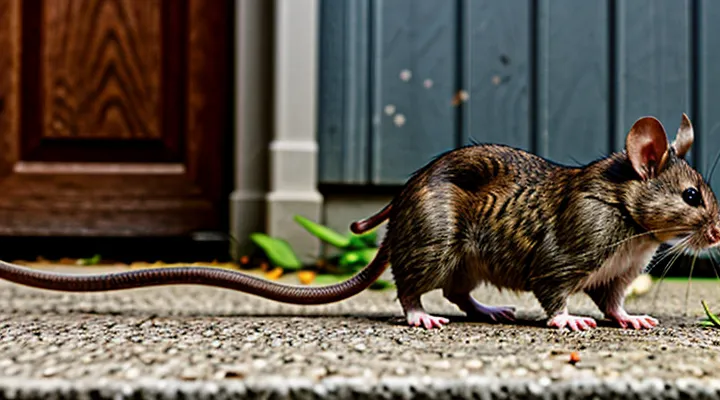
Understanding Musophobia and Suriphobia
What is the Fear of Rats and Mice?
Distinguishing Between Fear and Phobia
Fear of rodents can appear as a simple aversion or as a clinically significant phobia. A simple fear is a temporary, situation‑specific response that diminishes when the stimulus is removed. A phobia persists despite repeated exposure, causes intense anxiety, and interferes with daily functioning.
Key distinctions include:
- Duration – Fear fades after a short encounter; phobia endures for months or years.
- Intensity – Fear triggers mild discomfort; phobia provokes panic, trembling, or avoidance that impedes routine activities.
- Functional impact – Fear may be inconvenient; phobia leads to missed appointments, restricted travel, or inability to work in environments where rodents may be present.
- Physiological markers – Fear elicits a modest increase in heart rate; phobia produces sustained autonomic arousal, such as hyperventilation or sweating.
Diagnostic criteria, as outlined in the DSM‑5, require that the reaction be excessive, persistent (typically six months or longer), and cause clinically significant distress or impairment. Self‑report questionnaires and clinician‑administered interviews help differentiate the two states.
Effective management hinges on accurate classification. For simple fear, brief exposure or education about rodent behavior often suffices. For phobic reactions, cognitive‑behavioral therapy with systematic desensitization, possibly combined with pharmacologic support, yields the most reliable reduction in anxiety and avoidance.
Prevalence and Impact on Daily Life
Murophobia affects a sizable portion of the population. Surveys in North America and Europe report that 6‑10 % of adults experience clinically relevant fear of rodents, while a larger 20‑30 % admit to discomfort in environments where rats or mice may be present. Prevalence rises among individuals with a history of childhood exposure to rodent infestations, and it is slightly higher in urban districts with dense waste management systems.
The condition alters routine activities. Common manifestations include:
- Avoidance of basements, attics, and storage areas, limiting access to household spaces.
- Reluctance to use public transportation or dining venues perceived as unsanitary, reducing social participation.
- Disruption of work performance when occupational settings involve food handling, research facilities, or construction sites.
- Heightened physiological arousal (elevated heart rate, sweating) that interferes with concentration and decision‑making.
- Increased likelihood of seeking medical or psychological assistance, contributing to healthcare utilization.
These effects extend beyond personal inconvenience, influencing family dynamics, property maintenance, and community health standards. High prevalence combined with measurable daily disruptions underscores the necessity for evidence‑based interventions aimed at reducing fear intensity and restoring functional behavior.
Roots of the Fear
Biological and Evolutionary Factors
Rodent aversion originates in biological mechanisms that detect potential threats and trigger defensive responses. Sensory systems, especially olfactory and auditory pathways, identify characteristic rodent scents and high‑frequency squeaks. These signals activate the amygdala and hypothalamic circuits, producing rapid autonomic reactions such as increased heart rate and muscle tension. Genetic studies reveal polymorphisms in the serotonin transporter and dopamine receptor genes that correlate with heightened sensitivity to rodent cues, indicating a heritable component.
Evolutionary history reinforces these reactions. Throughout millennia, rodents have served as reservoirs for pathogens like hantavirus, plague bacteria, and leptospira. Early humans who avoided contact with disease‑carrying mammals enjoyed higher survival rates, embedding avoidance behavior into collective memory. This adaptive bias is observable in animal models: rodents themselves display innate fear of predator odors, while primates exhibit spontaneous startle responses to rodent sounds without prior exposure.
Key biological and evolutionary contributors include:
- Sensory detection: specialized receptors for rodent pheromones and ultrasonic vocalizations.
- Neurocircuit activation: amygdala‑driven fear conditioning, reinforced by the periaqueductal gray.
- Genetic predisposition: variants influencing neurotransmitter regulation and stress reactivity.
- Pathogen avoidance: historical selection for individuals who shunned disease‑prone species.
- Cultural transmission: observational learning that amplifies ancestral caution across generations.
Understanding these foundations clarifies why fear of rats and mice persists and informs therapeutic approaches that target the underlying neural and genetic pathways.
Psychological Triggers
Rodent-related anxiety, commonly termed musophobia, originates from specific psychological triggers that activate fear circuits without conscious deliberation. These triggers arise from innate predispositions, experiential learning, and sociocultural conditioning, each contributing to the intensity and persistence of the response.
- Evolutionary bias toward small, disease‑carrying animals, which primes vigilance and avoidance.
- Direct exposure to aggressive or startled rodents, creating a memory trace that resurfaces when similar cues appear.
- Observation of others reacting fearfully to rats or mice, reinforcing the association through social learning.
- Visual or auditory stimuli such as scurrying movements, high‑pitched squeaks, or sudden appearances, which heighten startle reflexes.
- Disgust sensitivity linked to perceived contamination, intensifying avoidance behavior.
- Negative narratives in media or folklore that depict rodents as pests or threats, shaping expectations of danger.
Understanding these triggers informs intervention strategies. Cognitive restructuring targets misinterpreted threat cues, while systematic desensitization gradually reduces physiological reactivity by exposing individuals to controlled rodent stimuli. Mindfulness techniques diminish automatic attentional capture by sensory triggers, and exposure‑based therapy replaces learned fear associations with neutral or positive experiences. Addressing each psychological trigger directly enhances the efficacy of treatment plans for those struggling with rodent phobia.
Traumatic Experiences
Traumatic incidents involving rodents often create a lasting aversion that extends beyond a simple dislike. Direct confrontation with aggressive rats, accidental bites, or witnessing a loved one suffer injury can embed a vivid memory that triggers intense distress when similar cues appear.
Typical sources of rodent‑related trauma include:
- Sudden attacks by wild rats during childhood play
- Bites or scratches from laboratory or pet mice
- Observation of disease transmission linked to rodents
- Exposure to pest‑control chemicals causing respiratory distress
The aversion develops through associative learning: a painful or frightening event pairs the sensory characteristics of rodents (shape, movement, scent) with the emotional response of fear. Repeated activation of this memory circuit reinforces the reaction, making the threat feel immediate even when no danger exists.
Effective remediation combines several evidence‑based methods:
- Gradual exposure: controlled, incremental contact with rodents or realistic simulations reduces sensitivity over time.
- Cognitive restructuring: challenging irrational beliefs about rodents' danger lowers the emotional charge.
- Relaxation training: diaphragmatic breathing and progressive muscle relaxation interrupt the physiological fear response.
- Pharmacological support: short‑term use of anxiolytics can facilitate participation in exposure protocols.
- Peer support: group sessions provide normalization and shared coping strategies.
Practitioners should assess the severity of the original trauma, tailor exposure intensity to the client’s tolerance, and monitor physiological markers to ensure safe progression. Combining behavioral, cognitive, and physiological interventions yields the most reliable reduction of rodent‑related phobia.
Learned Behavior and Social Influence
Rodent phobia often originates from experiences that associate rats or mice with danger or disgust. Classical conditioning links the sight or scent of these animals with an unpleasant reaction, creating a lasting fear response. Repeated exposure to negative encounters—such as being startled by a mouse in a kitchen—strengthens the association and embeds the avoidance behavior in memory.
Observational learning amplifies this effect. Children who witness adults reacting with panic or verbal condemnation toward rodents adopt similar attitudes without direct contact. Peer groups that ridicule or ostracize individuals expressing discomfort with rats reinforce the belief that avoidance is socially acceptable, thereby perpetuating the fear across generations.
Overcoming the phobia requires interventions that target both the learned association and the social context. Effective measures include:
- Systematic desensitization: gradual, controlled exposure to rodent cues while practicing relaxation techniques.
- Modeling: observing a trusted person interact calmly with rats or mice, demonstrating safe handling and neutral emotional responses.
- Cognitive restructuring: challenging beliefs about rodents by presenting factual information about their behavior and risk level.
- Social support: encouraging group discussions where participants share experiences, reducing stigma and normalizing gradual exposure.
Implementing these strategies disrupts the conditioned link and reshapes the social narrative, allowing individuals to replace automatic avoidance with informed, measured reactions.
Cultural and Societal Perceptions
Cultural narratives shape the way societies interpret rodents, influencing the intensity and expression of rodent‑related anxiety. In many East Asian traditions, rats symbolize prosperity and adaptability, while in Western folklore they frequently represent disease and deceit. These divergent images create distinct emotional frameworks that either mitigate or amplify fear responses.
Historical records reveal that ancient Egypt revered the mouse as a divine messenger, whereas medieval Europe associated rats with plague and moral decay. Religious texts often embed rodents within cautionary tales, reinforcing negative connotations that persist in collective memory. Such legacy imagery becomes a reference point for contemporary attitudes toward these animals.
Modern media perpetuates stereotypical portrayals: horror films depict rats as malevolent swarms, cartoons exaggerate their skittishness, and advertising sometimes exploits their repulsive qualities to sell products. Repeated exposure to these depictions consolidates a societal bias that normalizes aversion and discourages rational assessment of rodent behavior.
The social climate surrounding rodent fear affects individuals in practical ways. Public spaces may lack humane pest control options, educational programs tend to overlook positive rodent attributes, and stigma can deter sufferers from seeking help. Recognizing the cultural underpinnings of this aversion is essential for effective intervention.
Strategies that integrate cultural awareness into therapeutic practice include:
- Providing factual information about rodents’ ecological roles to counteract myth‑driven narratives.
- Introducing literature and art from cultures that view rats positively, fostering alternative associations.
- Employing exposure techniques within a culturally sensitive context, such as guided visits to museums featuring rodent exhibits.
- Engaging community leaders to disseminate balanced messages about rodents, reducing collective stigma.
By addressing the societal lenses through which rodents are perceived, these approaches help individuals reframe their fear and adopt more balanced responses.
Overcoming the Fear
Professional Help and Therapy
Cognitive Behavioral Therapy «CBT»
Rodent phobia manifests as intense anxiety, avoidance, and physiological distress when encountering rats or mice. Cognitive distortions, such as overestimating danger or recalling traumatic incidents, often sustain the fear.
Cognitive Behavioral Therapy (CBT) targets these distortions through structured, skill‑based interventions. The approach combines mental restructuring with systematic exposure, allowing clients to test and revise catastrophic predictions.
Typical CBT protocol for rodent‑related anxiety includes:
- Initial assessment and psychoeducation about fear mechanisms.
- Identification and challenging of irrational thoughts (e.g., “All rats carry disease”).
- Development of coping statements and relaxation techniques.
- Gradual exposure hierarchy, starting with pictures, then videos, progressing to controlled live encounters.
- Review of exposure outcomes, reinforcement of adaptive beliefs, and formulation of relapse‑prevention plans.
Clinical trials report significant reduction in avoidance behavior and self‑reported fear intensity after 8–12 weekly sessions. Long‑term follow‑up indicates maintained improvement when exposure practice continues post‑treatment.
Exposure Therapy
Exposure therapy is the primary behavioral technique for diminishing intense aversion to rodents. The method relies on systematic, controlled contact with the feared stimulus, allowing the nervous system to relearn that the presence of rats or mice does not predict danger.
The procedure follows a graduated hierarchy:
- Visual exposure – viewing photographs or videos of rodents in a safe setting.
- Indirect exposure – observing a live animal through a transparent barrier.
- Proximal exposure – standing within arm’s length of an animal contained in a cage.
- Direct exposure – touching a restrained rat or mouse under professional supervision.
- Unrestricted exposure – interacting with a free‑roaming rodent in a controlled environment.
Each step is repeated until anxiety levels decline, measured by self‑report scales or physiological markers. Progression to the next level occurs only after the current stage produces minimal distress for a predetermined number of sessions.
Key factors that enhance outcomes include:
- Consistent scheduling, typically two to three sessions per week.
- Collaboration with a licensed therapist trained in anxiety disorders.
- Integration of relaxation techniques, such as diaphragmatic breathing, to manage acute stress during sessions.
- Real‑time monitoring of heart rate or skin conductance to verify desensitization.
Research indicates that individuals who complete the full exposure sequence experience a reduction in rodent‑related fear ranging from 60 % to 80 % compared with control groups receiving only psychoeducation. The durability of improvement extends beyond six months when periodic booster sessions are maintained.
Potential obstacles involve avoidance behaviors, heightened anticipatory anxiety, and comorbid conditions such as generalized anxiety disorder. Addressing these issues requires early identification, flexible pacing, and, when necessary, adjunctive pharmacotherapy to facilitate engagement with exposure tasks.
In practice, exposure therapy offers a structured, evidence‑based pathway for individuals seeking to overcome rat and mouse phobias, transforming avoidance into functional interaction with the animals.
Medications «When Necessary»
Medications are reserved for cases where anxiety symptoms are severe, persistent, or interfere with daily functioning despite behavioral interventions. A clinician must confirm the diagnosis, assess medical history, and evaluate potential drug interactions before prescribing.
Typical pharmacological options include:
- Benzodiazepines – rapid onset of anxiolytic effect; appropriate for short‑term use during acute exposure or before planned encounters with rodents. Risks involve tolerance, dependence, and sedation.
- Selective serotonin reuptake inhibitors (SSRIs) – first‑line for chronic anxiety; require several weeks to achieve therapeutic levels. Common side effects are gastrointestinal upset, insomnia, and sexual dysfunction.
- Serotonin‑norepinephrine reuptake inhibitors (SNRIs) – similar efficacy to SSRIs, useful when additional analgesic properties are desired. Monitor blood pressure and liver function.
- Beta‑adrenergic antagonists – reduce peripheral symptoms such as tachycardia and tremor; effective for situational anxiety during exposure sessions. Contraindicated in asthma and certain cardiac conditions.
- Atypical antipsychotics – considered only when psychotic features or severe agitation accompany the phobia; require careful metabolic monitoring.
Prescription decisions follow these principles:
- Verify that non‑pharmacological strategies (e.g., systematic desensitization, cognitive restructuring) have been implemented or are insufficient.
- Initiate the lowest effective dose; adjust gradually based on symptom reduction and adverse reactions.
- Schedule regular follow‑up appointments to reassess efficacy, side‑effect profile, and need for continuation.
- Discontinue abruptly only when clinically justified; employ tapering protocols to avoid withdrawal.
When medication is deemed necessary, it should complement, not replace, exposure‑based therapies. Integrated treatment maximizes symptom relief while minimizing reliance on drugs.
Self-Help Strategies
Understanding Your Fear
Understanding your aversion to rodents begins with recognizing that fear operates on both physiological and cognitive levels. The autonomic nervous system triggers rapid heart rate, sweating, and muscle tension when visual or auditory cues related to rats or mice appear. Simultaneously, the brain’s threat‑assessment circuitry labels these animals as dangerous, even when no real harm is present.
Key elements that shape this reaction include:
- Prior negative encounters, such as bites or infestations, which create associative memories.
- Cultural messages that portray rodents as carriers of disease, reinforcing danger perception.
- Genetic predisposition toward heightened threat sensitivity, observable in families with multiple phobias.
- Conditioning through indirect exposure, like hearing stories of rodent‑related illness.
Analyzing personal history clarifies which factors dominate. Ask yourself when the fear first emerged, what specific situations intensify it, and whether the response persists despite logical evidence of safety. Documenting these details provides a factual baseline for subsequent therapeutic work.
A clear self‑assessment enables targeted interventions. By isolating triggers—visual sight, sudden movement, or scent—you can design exposure exercises that gradually diminish the automatic alarm response. Accurate insight also guides professionals in selecting appropriate techniques, such as systematic desensitization or cognitive restructuring, ensuring treatment aligns with the individual’s underlying fear structure.
Identifying Triggers and Reactions
Identifying the stimuli that provoke a rat‑or‑mouse phobia and the body’s immediate responses provides the foundation for effective intervention.
Typical triggers include:
- Direct visual contact with a rodent or its silhouette.
- Sudden noises resembling squeaks or scurrying.
- Odors associated with rodent habitats.
- Rapid movement of small objects that mimic rodent behavior.
- Presence of rodent droppings, nests, or tracks.
- Memories of past infestations or bites.
- Situations linked to disease concerns, such as hospitals or kitchens.
Common reactions manifest as:
- Elevated heart rate and blood pressure.
- Perspiration and cold extremities.
- Trembling or muscle tension.
- Shortness of breath and hyperventilation.
- Urgent need to flee or hide.
- Intrusive thoughts about contamination or harm.
- Full‑blown panic attacks in severe cases.
Assessment methods rely on systematic recording of exposure events and physiological data. Self‑report logs capture the context, intensity, and duration of each trigger. Wearable monitors track heart rate, skin conductance, and respiration during exposure. Structured questionnaires quantify avoidance patterns and perceived threat levels.
Recognizing specific trigger‑reaction patterns enables clinicians to design graded exposure protocols, cognitive restructuring exercises, and relaxation techniques that directly counter the identified responses. This precision reduces treatment duration and improves long‑term resilience.
Relaxation Techniques
Relaxation methods directly counteract the heightened arousal that accompanies a rodent phobia, reducing heart rate, muscle tension, and intrusive thoughts. By lowering sympathetic activity, these techniques create a mental environment in which exposure to rats or mice becomes more manageable.
- Deep diaphragmatic breathing – slow inhalations through the nose followed by controlled exhalations lengthen the respiratory cycle, signaling the brain to diminish alarm signals.
- Progressive muscle relaxation – sequential tensing and releasing of major muscle groups teaches the body to recognize and release tension associated with fear.
- Guided imagery – vivid mental scenes of safe, calming settings replace distressing visualizations of rodents, weakening the conditioned fear response.
- Mindfulness meditation – focused attention on present sensations without judgment interrupts the cycle of catastrophic anticipation.
- Autogenic training – self‑suggested statements about warmth and heaviness induce a physiological state of calm, decreasing reactivity to rodent cues.
- Box breathing (4‑4‑4‑4 pattern) – equal phases of inhalation, hold, exhalation, and hold synchronize cardiac rhythm and promote steadiness during exposure exercises.
Integrating these practices into a daily routine establishes a baseline of calm that can be activated when confronting rats or mice. Consistent application enhances emotional regulation, shortens recovery time after panic episodes, and supports long‑term desensitization efforts.
Deep Breathing and Mindfulness
Rodent-related anxiety triggers rapid heart rate, shallow breathing, and heightened muscle tension. Controlling respiration and directing attention can interrupt this cascade, allowing the individual to remain present while confronting the feared stimulus.
Deep breathing involves slow, diaphragmatic inhalations followed by controlled exhalations. Each cycle lowers sympathetic activity, reduces cortisol release, and restores a more balanced heart‑rate variability. Practicing the pattern for 4‑6 breaths before exposure to a rat or mouse can diminish the immediate panic response.
Mindfulness trains the mind to observe sensations, thoughts, and emotions without judgment. By anchoring awareness to the breath, body sensations, or a neutral focal point, the practitioner creates distance from intrusive fear thoughts. Regular sessions—5 to 10 minutes daily—strengthen this non‑reactive stance, making spontaneous encounters with rodents less destabilizing.
Practical integration:
- Identify a quiet environment; sit upright.
- Inhale through the nose for a count of four, expanding the abdomen.
- Hold briefly (one to two seconds) to maintain awareness.
- Exhale slowly through the mouth for a count of six, feeling tension release.
- After three cycles, shift attention to present sensations (temperature of skin, ambient sounds) for 30 seconds.
- Proceed to a graded exposure task (viewing a picture, then observing a live rodent) while maintaining the breathing rhythm.
Consistent application of these techniques reduces physiological arousal, improves tolerance of rodent presence, and supports broader therapeutic objectives aimed at overcoming rodent phobia.
Gradual Exposure at Home
Gradual exposure at home is an evidence‑based method for reducing intense aversion to rodents. The technique relies on repeated, controlled encounters that desensitize the nervous system and reshape automatic fear responses.
The process begins with mental preparation. Identify a safe area where a rodent model can be observed without direct contact. Use photographs or videos of rats and mice for the first stage, limiting exposure to 1–2 minutes. Repeat daily until physiological reactions, such as rapid heartbeat or sweating, diminish.
Next, introduce a physical representation. Place a realistic toy or a sealed container with a live rodent at a distance of several feet. Maintain the setting for 5–10 minutes, noting any lingering anxiety. If distress persists, revert to the previous step for another session before progressing.
When tolerance improves, reduce the distance incrementally. Move the container closer by 1–2 feet each session, ensuring the individual remains calm. At the closest point, allow brief visual contact through a transparent barrier. Limit this exposure to 2–3 minutes, then retreat to a comfortable distance.
Finally, incorporate brief, supervised handling. Under professional guidance, touch the container briefly, then withdraw. Increase the duration of contact gradually, never exceeding the individual's comfort threshold.
Key considerations:
- Conduct sessions at a consistent time to establish routine.
- Keep the environment quiet, free of additional stressors.
- Record physiological markers (heart rate, breathing) to track progress objectively.
- Stop the session if panic escalates; resume at the previous comfortable level.
- Seek professional support if fear does not lessen after several weeks.
Consistent application of these steps builds tolerance, reduces avoidance, and empowers the individual to manage rodent‑related anxiety in everyday settings.
Starting with Images and Videos
Visual and auditory media provide immediate, measurable exposure to the stimuli that trigger rodent-related anxiety. High‑resolution photographs display realistic fur texture, eye movement, and body posture, allowing individuals to study details without physical contact. Short video clips capture natural behavior—scurrying, foraging, and social interaction—demonstrating that rats and mice are generally non‑aggressive when undisturbed. Repeated viewing under controlled conditions reduces the novelty of the threat and encourages habituation.
Effective use of images and videos follows a structured sequence:
- Baseline assessment: Record initial reaction intensity to a neutral rodent picture; note physiological markers such as heart rate or sweat response.
- Gradual exposure: Begin with static images of distant rodents, progress to close‑up shots, then to videos showing slow, calm movement. Each step persists until anxiety levels decline.
- Contextual framing: Provide brief factual narration that explains typical rodent behavior, dietary habits, and ecological role, reinforcing the perception of harmlessness.
- Active engagement: Encourage viewers to describe observed details—color patterns, whisker motion, sound—shifting focus from fear to analytical observation.
- Progress monitoring: Re‑evaluate response after each exposure session; adjust visual intensity based on measurable improvement.
When integrated into a broader therapeutic program, visual tools serve as low‑risk entry points. They bypass the need for live animal encounters, reduce logistical barriers, and allow precise control over exposure duration and intensity. Consistent application accelerates desensitization, builds confidence, and lays the groundwork for eventual real‑world interaction with rodents.
Controlled Real-Life Encounters
Controlled real‑life encounters constitute a core component of exposure‑based treatment for rodent phobia. The approach places the individual in a safe, supervised environment where interaction with rats or mice occurs under therapist guidance. This method reduces avoidance behavior by confronting the feared stimulus in a predictable manner.
Preparation begins with a comprehensive assessment of the client’s anxiety level, triggers, and physiological responses. A hierarchy of exposure tasks is then constructed, ranging from visual observation of a distant rodent to direct handling of the animal. Each step is introduced only after the client demonstrates minimal distress at the preceding level.
The execution phase follows a strict protocol:
- The therapist explains the objective of the current task and confirms consent.
- The environment is controlled: a clean enclosure, appropriate lighting, and a calm animal are provided.
- The client is instructed to focus on breathing and to maintain the exposure for a predetermined duration, typically 2–5 minutes.
- Real‑time monitoring of heart rate or self‑report scales records anxiety intensity.
- Upon completion, the therapist debriefs, highlighting successful coping and any residual fear.
Safety measures include immediate access to a break option, clear signals for termination, and the presence of a trained animal handler to prevent bites or escapes. Post‑exposure reflection reinforces learning, encouraging the client to internalize the reduced threat perception.
Repeated sessions gradually increase proximity and interaction complexity, leading to habituation and diminished physiological arousal. Integration of these encounters into everyday contexts—such as navigating a kitchen or a garden—extends the therapeutic gains beyond the clinical setting.
Building a Support System
A robust support network reduces isolation, provides accountability, and supplies practical resources for individuals confronting intense aversion to rodents.
Key elements of an effective network include:
- Licensed mental‑health professionals experienced in specific phobias.
- Peer groups where members share similar fears and coping techniques.
- Family or close friends educated about the phobia and trained to respond calmly.
- Online forums or moderated communities offering anonymity and rapid advice.
- Structured exposure programs coordinated by therapists, with clear milestones.
To construct the network, begin by identifying trusted professionals and scheduling an initial assessment. Invite family members to a brief briefing that outlines the nature of the fear and recommended supportive behaviors. Search for local or virtual support groups, verify moderator credentials, and commit to regular attendance. Compile a list of reputable educational materials—articles, videos, and guided exercises—to distribute among participants. Establish a schedule for progressive exposure tasks, ensuring each step is documented and reviewed with the therapist.
Maintain the system by reviewing progress monthly, adjusting participant roles as needed, and reinforcing positive outcomes through concise feedback. Continuous communication among all parties sustains momentum and prevents regression.
Living with the Fear «and Managing It»
Creating a Rat and Mouse-Free Environment
Prevention and Pest Control Measures
Effective prevention of rodent encounters begins with habitat modification. Seal all entry points by installing steel wool or copper mesh in cracks, gaps around pipes, and foundation seams. Maintain a clean environment: store food in airtight containers, promptly clean spills, and eliminate standing water. Remove clutter and vegetation that provide shelter, and keep garbage in sealed bins with regular collection.
Implement integrated pest management (IPM) practices to reduce reliance on chemicals. Deploy physical traps—snap, electronic, or live-catch devices—strategically along walls, behind appliances, and near suspected pathways. Use bait stations with anticoagulant or non‑anticoagulant formulations, positioning them out of reach of children and pets. Rotate trap types and bait locations to prevent habituation.
Adopt ongoing monitoring and maintenance routines:
- Conduct monthly inspections of building exteriors for new openings.
- Replace worn sealing materials and repair structural damage promptly.
- Review trap and bait efficacy, disposing of captured rodents according to health regulations.
- Engage professional pest control services for quarterly assessments and advanced treatments when infestations exceed manageable levels.
These measures collectively diminish rodent presence, thereby reducing the triggers that exacerbate musophobia and supporting long‑term control.
Maintaining Hygiene
Maintaining proper hygiene directly reduces the likelihood of rodent encounters, thereby lessening the anxiety associated with them. Food residues, clutter, and unclean surfaces provide attractants and shelter for rats and mice; eliminating these factors deprives the pests of essential resources.
Effective hygiene measures include:
- Immediate disposal of food waste in sealed containers.
- Regular cleaning of kitchen countertops, floors, and appliances to remove crumbs.
- Prompt removal of standing water and repair of leaks.
- Organization of storage areas to avoid concealed spaces.
- Routine laundering of bedding and upholstery to prevent buildup of odors.
Consistent application of these practices interrupts the conditions that support rodent populations, leading to fewer sightings and reduced fear responses. By creating an environment that is inhospitable to pests, individuals can focus on coping strategies without the added stress of contamination.
Addressing Related Anxieties
Sleep Disturbances
Rodent phobia often triggers a sustained state of hyperarousal that interferes with the ability to initiate and maintain sleep. The anticipation of encountering rats or mice activates the sympathetic nervous system, elevating cortisol and heart rate, which delays sleep onset and fragments nocturnal rest. Nighttime imagery related to rodents can produce vivid nightmares, further reducing sleep quality.
Typical sleep disturbances associated with this fear include prolonged latency before falling asleep, frequent awakenings, shortened rapid‑eye‑movement (REM) periods, and persistent daytime fatigue. The chronic nature of these disruptions can impair cognitive performance, mood regulation, and immune function, creating a feedback loop that intensifies the phobic response.
Research indicates that individuals with strong rodent anxiety report significantly higher scores on insomnia questionnaires than non‑phobic controls, confirming the direct impact of the fear on sleep architecture. Objective monitoring reveals increased sleep‑stage transitions and reduced total sleep time among affected subjects.
Effective interventions focus on breaking the anxiety‑sleep cycle:
- Cognitive‑behavioral therapy targeting maladaptive thoughts about rodents.
- Gradual exposure to rodent‑related stimuli in a controlled setting.
- Relaxation training (progressive muscle relaxation, deep‑breathing exercises) before bedtime.
- Environmental adjustments such as sealing entry points, using deterrents, and ensuring a rodent‑free bedroom.
- Short‑term pharmacologic support (e.g., low‑dose sedatives) when non‑pharmacologic methods prove insufficient.
Implementing these strategies can restore regular sleep patterns, diminish hyperarousal, and reduce the overall burden of rodent‑related anxiety.
Social Avoidance
Social avoidance frequently emerges when individuals experience intense anxiety triggered by the presence of rodents. The fear response activates the amygdala and triggers a fight‑or‑flight cascade, prompting the person to withdraw from environments where rats or mice might appear. This withdrawal extends beyond physical spaces, affecting interpersonal interactions; people may decline invitations, avoid crowded venues, or limit travel to reduce the likelihood of encountering rodents.
The avoidance pattern reinforces the phobia by limiting exposure to corrective experiences. Each missed social opportunity strengthens the belief that rodents are omnipresent, creating a feedback loop that heightens overall anxiety. Consequently, sufferers often report reduced support networks, increased isolation, and diminished occupational functioning.
Effective interventions target the avoidance behavior directly. Recommended actions include:
- Gradual exposure to rodent‑related cues in a controlled setting, progressing from pictures to live observation.
- Cognitive restructuring to challenge assumptions about the prevalence and danger of rodents in social contexts.
- Social skills training that incorporates role‑playing scenarios where rodents might be present, fostering confidence in managing fear while interacting with others.
- Participation in group therapy focused on shared phobias, providing peer support and modeling adaptive coping strategies.
Combining exposure techniques with cognitive and social skill development disrupts the avoidance cycle, restores engagement in communal activities, and reduces the long‑term impact of rodent‑related anxiety on personal relationships.
Long-Term Management and Resilience
Effective long‑term management of musophobia requires systematic exposure, cognitive restructuring, and environmental control. Regular, graduated encounters with rodents diminish automatic fear responses, while guided cognitive techniques replace catastrophic interpretations with realistic appraisals. Consistent practice reinforces neural pathways that support calm reactions in real‑world situations.
Sustaining resilience hinges on three core components:
- Scheduled exposure sessions – weekly encounters that increase in duration and proximity, monitored for physiological markers such as heart rate and skin conductance.
- Cognitive rehearsal – scripted mental imagery that envisions successful interaction, reinforced through journaling and self‑assessment.
- Environmental modification – removal of attractants, sealing of entry points, and strategic placement of deterrents to limit unexpected encounters.
Monitoring progress through objective metrics—self‑report scales, behavioral avoidance tests, and physiological data—provides feedback for adjusting protocols. Periodic reassessment, at least quarterly, ensures that gains persist and that regression is identified early.
Integrating these elements into a personalized plan creates a durable framework that mitigates fear, supports adaptive coping, and enables individuals to maintain functional interaction with rodent‑present environments over the long term.